I’ve mentioned in this sub what was done prior to WDH setups to keep the tongue weight off the tow vehicle. I found this example (they are exceeding rare to find these days) in San Angelo this morning. Enjoy mechanics behind this curio relic.
The Build: This is a 480 square foot building using one 20 and one 40 ft container to create an L-shape. The Specs: Dimensions: Full Bath – 8 ft (L) x 4.5 ft (W) x 9.5 ft (H) ½ Bath – 4 ft (L) x 4 ft (W) x 9.5 ft (H) Bedroom one – 11 ft (L) x 7 ft (W) x 9.5 ft (H) Bedroom two – 10 ft (L) x 7 ft (W) x 9.5 ft (H) Living – 13.5 ft (L) x 7 ft (W) x 9. ft (H) Kitchen – 13.5 ft (L) x 7 ft (W) x 9.5 ft (H) Framing: Wood interior framing installed on 40 ft x 8 ft x 9.5 ft and 20 ft x 8 ft x 9.5 ft. Insulation: R13 – 2in Spray Foam Insulation Electrical
Source: L-Shape Multi-unit Container Home – The Taylor Model – Shiplap / No Rooftop Views 🙁 / No Bathroom Upgrade
That is such a perfect photo with a beautiful vintage Shata.
Where is this taken?
I have a 1960 something Shasta LoFlyte with the same frame configuration. Only weighs 1700 pounds but no longer has any rigidity left. The door never properly closes. The interior is almost new condition. I thought about boxing the frame to make it rigid. I love that little trailer but then had to face reality and went out and purchased a brand new GS Vista Cruiser. Many mixed feelings.
At the risk of sounding pedantic, that’s not an RV (Vehicle being the operative word). Just a trailer, because it needs to be towed, and cannot move under its own power. But I don’t have an answer to your original question.
I just put a deposit down. Have a few questions, as it looks like the bottom left open locker is for the propane storage. It looks like there’s no regulator, which makes me want to replace the lines as well. Do I need two tanks, one tank for the stove and one tank for the fridge?
I have lived on a sailboat for a decade, but I’m not familiar with propane fridge / possible propane water heater setups.
Im going to re-seal all the windows and probably check the electrical, but overall it was very clean inside and seemed to be in great shape. Plan to fix it up to live in it while I’m building a home.
I love it. But as I’ve gotten older I’m starting to shy away from projects that don’t love me back. And I feel like that one probably would be sort of a one-way love affair 🙂
We had a 1955 flxible new look. It was so cool. Like giant hot rod. Unfortunately, mechanic fucked us and it caught on fire. Never got to even take a real trip.
How is that new KOA other than being pricey? We spent the winter at the old/run down campground also on sugarloaf (which has apparently been sold and they are kicking everyone out). Watched the KOA go up…was pretty cool! Love living in Sugarloaf but grocery shopping became an issue for us!
Spent a week here the week they reopened (they had closed for rebuilding after a hurricane?).
The place is quite nice. The “beach” they have is pretty poor. Rocky, not easy to get down to the water because everything’s slippery. This was our first trip down to the keys, before I realized people don’t go to the keys for swimming on the beach.
I’m sitting here, sick as a dog, my wife by my side, just as sick, and we’re debating how we can home school my 13 year old, have my wife work for my 17 year old so she can quit her 9-5 and we can travel like I’ve always wanted to. I showed her this but it didn’t seem to encourage her to quit her job if 30 years. I don’t get it. It would only be 1500 miles from home for us. I’ll keep trying.
The Build: This is a 480 square foot building using one 20 and one 40 ft container to create an L-shape. The Specs: Dimensions: Full Bath – 8 ft (L) x 4.5 ft (W) x 9.5 ft (H) ½ Bath – 4 ft (L) x 4 ft (W) x 9.5 ft (H) Bedroom one – 11 ft (L) x 7 ft (W) x 9.5 ft (H) Bedroom two – 10 ft (L) x 7 ft (W) x 9.5 ft (H) Living – 13.5 ft (L) x 7 ft (W) x 9. ft (H) Kitchen – 13.5 ft (L) x 7 ft (W) x 9.5 ft (H) Framing: Wood interior framing installed on 40 ft x 8 ft x 9.5 ft and 20 ft x 8 ft x 9.5 ft. Insulation: R13 – 2in Spray Foam Insulation Electrical
Source: L-Shape Multi-unit Container Home – The Taylor Model – Drywall / 20 ft Deck w/ Stairs / Tile Shower
Beautiful spot! I think, and this could have just been the cruddier spot I got at Topsail, that Henderson Beach State Park is my favorite. Florida State Parks in Destin really set a high bar
Had a friend convert this model to a food trailer. The happiest day of her life was the day she bought a new proper food trailer. Even the termites took he to court over the living conditions in her model. It was in bad shape. She used to joke that the original owners used it on the Oregon trail on their way to California.
The Build: This is a 480 square foot building using one 20 and one 40 ft container to create an L-shape. The Specs: Dimensions: Full Bath – 8 ft (L) x 4.5 ft (W) x 9.5 ft (H) ½ Bath – 4 ft (L) x 4 ft (W) x 9.5 ft (H) Bedroom one – 11 ft (L) x 7 ft (W) x 9.5 ft (H) Bedroom two – 10 ft (L) x 7 ft (W) x 9.5 ft (H) Living – 13.5 ft (L) x 7 ft (W) x 9. ft (H) Kitchen – 13.5 ft (L) x 7 ft (W) x 9.5 ft (H) Framing: Wood interior framing installed on 40 ft x 8 ft x 9.5 ft and 20 ft x 8 ft x 9.5 ft. Insulation: R13 – 2in Spray Foam Insulation Electrical
Source: L-Shape Multi-unit Container Home – The Taylor Model – Drywall / 20 ft Deck w/ Stairs / Tile Shower
I have the same pieces on mine. Probably most trailers do. A China bomb bent one of mine. I just straightened it out and moved it over an inch and screwed it back in. Other than that I would carry it to Home Depot or Lowes and ask someone for something similar.
At first glance I thought it was a termination strip, but I think it’s aluminum flat trim molding. You can buy it in black here or in white here or in just the metal color here.
Search for something along the lines of fender skirt trim or something. You can look for that based on your trailer model and hopefully find something. I was able to order a new skirt from the manufacturer for a fraction of the price on eBay and it was an exact match.
We do when it’s cold. I prefer a space heater on low to the normal furnace unless it’s balls ass cold and there’s a concern about tanks freezing. Usually just stick that sucker on the kitchen counter and it’ll heat our 28 foot TT no problem.
I use a space heater. It works fine. Get one with an efficient fan — larger fan is better. The smallest size heaters have tiny, loud fans that don’t move much air.
Also if you have pets or long hair or lots of dust (we have all three) then avoid ceramic heaters — on ours the ceramic heat block kept getting blocked by a mat of felted dog-hair like a dryer lint trap and we had to disassemble and clean the innards several times before replacing with a more open design.
I survived -40 in my fifth wheel last winter using a combination of space heaters and the furnace. Took a little adjusting to get all the thermostats kinda synced up but it worked well. I’d have never made it without the extra heat.
If you’re having trouble with tripping breakers you can buy an appropriately sized extension cord and run it through a slide or window out to the shore power if there’s a 20amp outlet on the pole. Just make sure the cord is heavy duty enough to carry the amp load of whatever heater you use.
Temp dropped a couple more degrees after I took this but you can see -38 outside and 70 inside the trailer and 72 in the underbelly storage.
We camp in the low teens in our 32′ tt. We don’t use the water in the winter though. We’ve got two Vornado brand space heaters that you set the desired temp and they use their internal magic to hear the space evenly and efficiently. Our electric runs about 4 dollars a day at the coolest times.
Here in Oregon anything hanging more than 3 ft past the bed/frame has to be flagged. Wonder where this falls in legality? That said I really would like to build an overland similar to this, maybe a Unimog.
If I had to guess, aside from the reasons given, I’d say the backwards camper is so you can walk from the truck cab into the camper without having to climb down to the ground and back up. The cab-tilt issue makes sense as well.
JohnE McCray is world class Disc Golfer. He travels the USA in an RV with his wife playing in as many disc golf events as he can. He’s literally living every disc golfer’s dream! Order this collectible limited edition hard enamel pin and support JohnE – A portion of the proceeds from every sale will go directly to JohnE McCray to support his touring season. Hard enamel metal pin Gun metal color surface with a glossy finish Limited Edition Measurements: 1.7″
Source: Disc Golf Pins JohnE McCray Series 2 Enamel Disc Golf Pin
Love seeing more truck than you need. Coming from pulling 6k with my 1/2 ton. Does the job but wish I had a bigger truck. Too many people pulling big trailers with little trucks.
I get you want a travel trailer but your mini van can’t do it. Or half tons with fifth wheels. The sales people aren’t always right.
The Build: This is a 480 square foot building using one 20 and one 40 ft container to create an L-shape. The Specs: Dimensions: Full Bath – 8 ft (L) x 4.5 ft (W) x 9.5 ft (H) ½ Bath – 4 ft (L) x 4 ft (W) x 9.5 ft (H) Bedroom one – 11 ft (L) x 7 ft (W) x 9.5 ft (H) Bedroom two – 10 ft (L) x 7 ft (W) x 9.5 ft (H) Living – 13.5 ft (L) x 7 ft (W) x 9. ft (H) Kitchen – 13.5 ft (L) x 7 ft (W) x 9.5 ft (H) Framing: Wood interior framing installed on 40 ft x 8 ft x 9.5 ft and 20 ft x 8 ft x 9.5 ft. Insulation: R13 – 2in Spray Foam Insulation Electrical
Source: L-Shape Multi-unit Container Home – The Taylor Model – Shiplap / 40 ft Deck w/ Stairs / Tile Shower
How do you like that GeoPro? We just sold our 5th wheel and were considering just sticking to a bumper pull. We were looking at the No Bo, and the GeoPro.
I love to go camping at Halloween. It is so much more fun to go apple picking or through a corn maze when you can head back to the trailer. Not to mention the early darkness to make campfire stories extra spoopy.
I like your decorations. You did awesome! I like to cruise instructables and other websites early in the year to make new decorations for the coming year. I haven’t done any inflatables but that looks like it worked great for you! I hope your next camping trip is spooktacular.
We used to do Halloween weekends at an RV Resort about an hour from home, and those things went.off. Like people renting whole sites just to build haunted houses out of ez-ups, whole crews of adults dressing up together (there was a group of two dozen once and they were all a different Harry Potter character), Saturday evening site by site trick or treating, lots of jello shots. One year there was a straight up dj with turntables and everything at a site. Have you ever danced with an 8 foot tall clown? I have. Good times. And the kids had fun too. 🙂
The Build: This is a 480 square foot building using one 20 and one 40 ft container to create an L-shape. The Specs: Dimensions: Full Bath – 8 ft (L) x 4.5 ft (W) x 9.5 ft (H) ½ Bath – 4 ft (L) x 4 ft (W) x 9.5 ft (H) Bedroom one – 11 ft (L) x 7 ft (W) x 9.5 ft (H) Bedroom two – 10 ft (L) x 7 ft (W) x 9.5 ft (H) Living – 13.5 ft (L) x 7 ft (W) x 9. ft (H) Kitchen – 13.5 ft (L) x 7 ft (W) x 9.5 ft (H) Framing: Wood interior framing installed on 40 ft x 8 ft x 9.5 ft and 20 ft x 8 ft x 9.5 ft. Insulation: R13 – 2in Spray Foam Insulation Electrical
Source: L-Shape Multi-unit Container Home – The Taylor Model – Shiplap / 40 ft Deck w/ Stairs / Tile Shower
I did the same thing and have been really enjoying it. Easy to tow and setup, and has been really a lot of fun at the campgrounds so far. Definitely a comfortable experience for me and the family
Is El Cap open? I really would like to try out my 32 ft Gulf Stream TT at El Cap in SB then on down to Ventura, alongside the beach just north of Oxnard. Rincon?
My reservation at Hume Lake was canceled, and YNP is booked solid until way after the first of the year. I might hit Tulomone County or Jackson, area. Maybe ChickenRanch Casino in Jamestown.
I remember reading about a company making a device that goes between a truck’s hitch and the trailer’s tongue designed to allow additional trailer weight. It looked somewhat like that, but I think it had more structure to transfer weight from the truck.
The Build: This is a 480 square foot building using one 20 and one 40 ft container to create an L-shape. The Specs: Dimensions: Full Bath – 8 ft (L) x 4.5 ft (W) x 9.5 ft (H) ½ Bath – 4 ft (L) x 4 ft (W) x 9.5 ft (H) Bedroom one – 11 ft (L) x 7 ft (W) x 9.5 ft (H) Bedroom two – 10 ft (L) x 7 ft (W) x 9.5 ft (H) Living – 13.5 ft (L) x 7 ft (W) x 9. ft (H) Kitchen – 13.5 ft (L) x 7 ft (W) x 9.5 ft (H) Framing: Wood interior framing installed on 40 ft x 8 ft x 9.5 ft and 20 ft x 8 ft x 9.5 ft. Insulation: R13 – 2in Spray Foam Insulation Electrical
Source: L-Shape Multi-unit Container Home – The Taylor Model – Shiplap / No Rooftop Views 🙁 / No Bathroom Upgrade
Are you towing that with the Tacoma? I have 2017 TRD-OR with tow package and haven’t put the mini-lites on my list since the lightest one was near 5700 GVWR.
I wish we had done this years ago. We finally pulled the trigger when we had to move from Washington to Texas. We’ve since upgraded and and when I get a chance to drop my retirement, we are going full time.
I remember reading about a company making a device that goes between a truck’s hitch and the trailer’s tongue designed to allow additional trailer weight. It looked somewhat like that, but I think it had more structure to transfer weight from the truck.
How much further does it need to go? That looks similar to how far mine travels, may be within the specs of travel.
If it is supposed to indeed move further, I would start by inspecting the rubber weather stripping to make sure there’s nothing obstructing the travel limits. You might also manually move the slide in and out to see exactly how far it is supposed to go, that would give you info as to whether or not there’s a limit switch or motor problem
Mine doesn’t extend to flush and I’m pretty sure it’s designed that way. There is a certain amount of play in the rubber bushings to allow them to be effective for the life of the trailer. The stop will never be the mounding so it will never be flush. I wouldn’t pay it any mind.
It would help to mention the type of mechanism. On the Lippert Schwintek slides you’re supposed to hold the direction button down for a couple of seconds after end of travel. That syncs up the four motors. If you have that type of system you might need to go in and out a couple of times to sync it up. Search Youtube for videos.
Just operate the slide and listen to it work. If its Schwintek, you should hold the button and be able to see it go to full movement and the motors can be heard to strain as the reach the travel limit. If unsure, hit the button a se knd time after it stops. Thing are pretty much the same for cable operated slides – motors will strain at end of movement. Screw jack type slides with make a skipping / ratcheting sound when they reach full stroke.
I had one that did that and it was caused from the seal coming off and wouldn’t let it sit flush any more. I had to pull the seal off and reset it and then it worked fine.
The Build: This 40 ft container home is designed to maximize sleeping space with two bedrooms, one on each side with a mid container 3/4 bath and kitchenette. All of our units are built with a new, high cube container, but used and standard height options are available. Here’s how our customization process works. The Specs: Dimensions: Bedroom One – 7 (L) x 7′ (W) x 8′ 10″ (H) Kitchen/Living Room – 13′ (L) x 7′ (W) x 8′ 10″ (H) Bathroom – 7′ (L) x 7′ (W) x 8′ 10″ (H) Bedroom Two – 10′ (L) x 7′ (W) x 8′ 10″ (H) Framing: Wood interior framing ins
Source: 40 ft Container – The Elgin Model – Drywall / 20 ft Deck w/ Stairs / No Bathroom Upgrade
Was on my way from Dallas to Billings. Mid-Wyoming misjudged my distance till empty and was on the edge of my seat just waiting to run out of diesel. Would’ve been completely screwed, 2 lane road no shoulder pulling my 5er. Gas station around the turn had me screaming in excitement. Truck holds 30 gallons, I pumped in 29.9. Wont let that happen again.
Took my camper over Monarch Pass in Colorado, with the ice all over the road and snow flying everywhere. It was only about 12 miles of driving but it took me about an hour and a half to get over to Gunnison while the people in there Subarus in Colorado plates were flying past me. I just got in the lane with the 18-wheelers and white knuckled it all the way down. First gear is a lifesaver especially for the brakes.
I backed into a tree once. It was right there, on the camera. I don’t know why I didn’t see it. Busted up the fiberglass rear end pretty bad on my 2011 Navion iQ. But the scariest thing I had happen was a road that leaned one way and a sign that leaned the other. I got out of the RV and noticed I had less than 1/16th inch between the edge of the sign and my awning.
CruiseAmerica sent us out in a motorhome they had to have known was defective due to coolant loss (blown head gasket or worse likely). When into limp home mode on I-90 in the Rockies where there was no cell signal. Just then a “Truck Repair” place appeared on the left. Those guys diagnosed it as a bad spark plug or coil, and got us going, which did work for about another 700 miles. Then another night at a mechanic in Calgary. Came straight home from there, picking up a one-way rental car in Eastern Washington. Asked Cruise America if we could return it to a different one of their locations, and they said no, because it has to go back out again. A-holes!
Campground review: The spots are large and very well spaced. They could easily double the amount of spots, but thankfully they have not. Bathrooms and showers are clean. No sewer hook ups but a dump station at the facility.
Right now the place is gorgeous but buggy because all of the recent monsoons. Because it’s the desert, sunrises and sunsets are spectacular. It’s only about 30 minutes from Scottsdale but seems very remote. If you’re mountain biker this place is paradise. This is our 4th visit, and the only problem is we love it so much we have not stayed at any of the other regional campgrounds because this is so amazing (and our friends live close).
The Build: This 40 ft container home is designed to maximize sleeping space with two bedrooms, one on each side with a mid container 3/4 bath and kitchenette. All of our units are built with a new, high cube container, but used and standard height options are available. Here’s how our customization process works. The Specs: Dimensions: Bedroom One – 7 (L) x 7′ (W) x 8′ 10″ (H) Kitchen/Living Room – 13′ (L) x 7′ (W) x 8′ 10″ (H) Bathroom – 7′ (L) x 7′ (W) x 8′ 10″ (H) Bedroom Two – 10′ (L) x 7′ (W) x 8′ 10″ (H) Framing: Wood interior framing ins
Source: 40 ft Container – The Elgin Model – Drywall / 20 ft Deck w/ Stairs / Tile Shower
The Build: This 40 ft container home is designed to maximize sleeping space with two bedrooms, one on each side with a mid container 3/4 bath and kitchenette. All of our units are built with a new, high cube container, but used and standard height options are available. Here’s how our customization process works. The Specs: Dimensions: Bedroom One – 7 (L) x 7′ (W) x 8′ 10″ (H) Kitchen/Living Room – 13′ (L) x 7′ (W) x 8′ 10″ (H) Bathroom – 7′ (L) x 7′ (W) x 8′ 10″ (H) Bedroom Two – 10′ (L) x 7′ (W) x 8′ 10″ (H) Framing: Wood interior framing ins
Source: 40 ft Container – The Elgin Model – Shiplap / 20 ft Deck w/ Stairs / No Bathroom Upgrade
Great truck! I still love the black on black look. Holy crap that camper has a disturbing lack of camp-side windows though. I’m sure the kitchen/entertainment is on that side but wow, you only get that little port-hole thing to see your entire campsite? Those things are important to me since we have been camping at a lot of full-hook sites. What are your thoughts on that model?
We also have a Surveyor – much smaller, the 19bhle model. Can’t say enough good about it…. has been nothing but fun for our family.
It’s as well built as any other trailer on the market – they’re all made with lightweight materials so you can’t treat them like a brick home. Expect some repairs as you go – just accept that as a way of life – and you’ll be just fine.
I know this is more of a RV sub, but how do you like the truck?! That’s about my dream truck and for a daily driver, do you think it’s too long? Turn radius acceptable? Are you happy you went with Rambox?
I think I’d get used to it but seems long wheel base and haven’t driven one yet
Nice. I’d forgotten than some of these are only under-cushion storage. Mine came by default with a drawer on one side and a swinging door on the other, very handy. Half-depth, too, the other half is accessible through exterior doors. There’s always stuff stacked on the seats, too…if that was the only access it would be virtually useless.
Great truck! I still love the black on black look. Holy crap that camper has a disturbing lack of camp-side windows though. I’m sure the kitchen/entertainment is on that side but wow, you only get that little port-hole thing to see your entire campsite? Those things are important to me since we have been camping at a lot of full-hook sites. What are your thoughts on that model?
We also have a Surveyor – much smaller, the 19bhle model. Can’t say enough good about it…. has been nothing but fun for our family.
It’s as well built as any other trailer on the market – they’re all made with lightweight materials so you can’t treat them like a brick home. Expect some repairs as you go – just accept that as a way of life – and you’ll be just fine.
Good luck! Nice setup. A little constructive criticism if you’ll take it, I’d look into either raising the hitch a little or lowering the pin. You’re high in the ass end and you may notice a significant sway. As far as the drain, it does look low but depending on where you go, it should be ok. Just don’t traverse stumps.
You’re going to have a lot of fun, headaches, headaches that turn into fun and your dogs will have the most fun! New smells every day, comfort of home.
That clean out drain terrifies me in that location. Ran over a semi tire coming home last time out and it would have ripped that thing right off if mine were in front of my wheels like that.
So, when you finally do find the rig that meets your wants or needs, sometimes that rig still needs a little modification on your part.
Modifying an RV to Suit Your Needs
Our family, the Lanes, have had three very different rig types over the years since we began RVing. With each rig we’ve owned we’ve had to make some modifications in order to get that space to really work optimally for our family of seven. Most of the time that has come with making modifications to the kid’s bunk room–more specifically, the kids’ bunks themselves. A bunk bed conversion, or bunkhouse conversion, can really transform a space. For us, it gave our kids individual sleeping spaces. For you, it could be a whole new room in your RV. Brainstorm RV bunk bed conversion ideas with the family and you’ll be surprised at all the wild creations everyone comes up with.
Our bunkhouse conversion involved creating a more customized sleeping space for our kids. Curious how we did it? Let me show you what we did in the three RVs we’ve owned to date.
Don’t shy away from a little modification. It’s not as hard as you think.
After You’ve Found Your Family RV
Once you’ve chosen a bunkhouse, or even a mid-bunk model, creating the sleeping space that’s ideal for your family just takes a little creativity, time, and effort.
In each rig we’ve purchased, one non-negotiable for us has been for the kids to have their own permanent sleeping space. We have never wanted kids sleeping on the living room couch on a pull-out bed at night. Instead, we wanted them to have their own rooms, just like they would in a house environment. For us, the separation of space has always been a top priority.
Get Creative With Your Space
Our current rig is a Keystone Cougar 368mbi mid-bunk fifth wheel. When searching for our latest rig, we wanted a separate sleeping area for our girls and boys and knew our teen girls would appreciate a room with a door they could close for some privacy. There are several mid-bunk options on the market, but unfortunately, most mid-bunks on the market don’t come with built-in bunks. Instead most come with a sleeper sofa. Since each rig we own becomes our home away from home, our full-time home–a sleeper sofa just won’t cut it for 2 teen girls to sleep on night-after-night.
Because of that, we decided to go ahead and remove the sleeper sofa in the mid-bunk room and add some built-in bunk beds in its place. In addition to the beds, we wanted to add some extra clothing storage too, because our teen girls need a lot of that.
A mid-bunk-room for teen girls feels like a private room all itself.
How We Modified Our Bunkhouse
First, we took the space and measured the height of the slide in that room. Knowing the height helped us decide how tall each bunk would be. We also factored in how big we wanted the drawers under the bottom bunk to be. Depending on that we took the remaining space, divided it, and that’s the amount we ended up having to work with for the two bunk bed openings.
Measure your space and be creative with what it can be.
After building a frame along the wall of the slide as the support for the top bunk we added plywood for the bed base. Instead of ordering custom-sized mattresses we purchased queen-sized memory foam mattresses and cut them to size for each of the bunk spaces.
Pro Tip: A bread knife or electric turkey carving knife make quick work of this job!
By adding the bunks in the mid bunk room, and the drawers for additional storage under the bunks, we created a space our girls could truly be comfortable in on the road!
Removing A Pull-Out Couch
When we purchased our first travel trailer we needed the bunk room to sleep five kids. However, we soon realized that was asking a lot from a pull-behind travel trailer! We eventually decided on purchasing a Keystone Passport with a double slide in the bunk room. It seemed to meet our needs in almost every area. It provided the most room to work with of any bunkhouse model we could find on the market. Each slide had a top bunk, so that worked! But, the bottom bunk areas had foam fold-out couches and those really weren’t going to meet our needs adequately.
Because of this, we needed to figure out how two kids could share the bottom bunk areas. After brainstorming our options we ended up finding junior-sized beds at Ikea that would fit our 3 younger kids. These beds were bigger than toddler beds but shorter than twin-sized beds. One of them would fit length-wise perfectly when horizontally slid into the slide.
These IKEA beds tuck snuggly into the slide. When in transit, they stack on top of each other, parallel with the slide.
We went ahead and removed the foam couches and placed one junior bed in one of the slides. On the opposing slide, we placed two junior beds side by side with the headboards in the slide and the beds extending out into the room. This set up allowed each child to have their very own beds as we traveled.
Because of the length of the beds, and how we placed two of them side by side into the slide on one side of the room, on moving days we would have to pick up each bed and horizontally stack them on top of each other whenever we had to bring in the slides. It was a little extra work but totally worth it to make our home on wheels comfortable for our family.
Transforming a Toy-Hauler Into a Bedroom
Our third setup was a fifth-wheel toy hauler. In this rig, we converted the garage space into a shared space as our girls’ room and school space.
This garage space provided one queen bed and a table and benches. Both the bed and the table bench combo were on a hydraulic lift that allowed them both to be raised during the day when not in use. Again, we had to make this space work for numerous children. Since one queen bed wasn’t enough we decided to remove the table and benches and use the frame to create another queen-sized bed. By using the existing frame we only had to add plywood as a base for the mattress. In doing this we increased the sleeping space in that room for an additional 2 people.
The Lanes’ toyhauler garage was transformed into a spare bedroom and roaming classroom.
A Little Modification Can Go a Long Way
Even if you’re struggling to find the perfect rig for your family don’t let the thought of a little modification scare you off! In fact, if you’re not up for the handiwork yourself, have Camping World Renovation Services bring your design to life.
A toyhauler garage finds new purpose as a roadschool classroom and modular bedroom.
In the case of the bunk areas, there are so many ways to get creative and make that space work for you with just a little creativity, time, and effort. Turn your bunk area into an extra closet, an art studio, an RV office, or a bar counter.
How would you modify a bunkhouse? Tell us in the comments below.
We’re a family of 7 who decided to sell it all, and take our learning and life on the road to travel America in December 2018. Through RV renovations, life season changes with growing children, and all the in between we document the ordinary and extraordinary days of RV living and travel.
Plenty of videos on YouTube as well that show step by step. Some videos might be of trailers that are newer and have more to winterize but for the most part they are the same for all trailers.
My brother struggles with addiction and has left an RV on my property. I’d like to take care of it. With cold weather approaching I know there are things I need to do to protect it. Can you all help me?
Clean the tent off and put it away, if the weather stripping is dead consider taping it too. Tent ends were invented by Satan and they are a pain to deal with. Also YouTube for any other winterized, get an air compressor if you don’t have one.
Lots of good advice here.
My list always includes the standard dumping water lines and draining the hot water tank. There should be a bypass for the hw tank to close off then pump antifreeze into the lines. One other thing to make sure of is to take out any and all food items and make sure there are no crumbs etc. Mice may still come in to nest but they are less likely if there is nothing for them to eat
In the unlikely event there is a generator, it should be run once a month or so for an hour or two at 1/2 load or more. The AC or an electric space heater are good ways to do that.
Gasoline degrades very quickly so if you can’t do that, second best is to add stabilizer to the gas tank and run it to make sure the stabilized gas is in the engine.
Love short class As. Shortest we could find while shopping was a 27ft Fleetwood Fiesta we redid. Currently out west on National Park #7, maybe we’ll see you out there!
I saw that post and thought the same thing but I remembered someone that has one that automatically closes when it’s windy (although I don’t know the mechanism it uses to know that as I’ve never seen this device or similar on their RV).
I’d still never trust it. My wife used to think I was a crazy person, but I’m “damaged goods” from seeing an awning torn off when I was a kid. I think she gets it now, though. Somebody in our park just had their awning on a brand new Jayco Eagle get absolutely mangled.
It doesn’t need to be a wind meter per se. Years ago I had an electric skylight in my house and it would sense the wind pulling on the open skylight. Although with such a system it would probably close up when I bumped my head into the support arm!
The Build: This is a 480 square foot building using one 20 and one 40 ft container to create an L-shape. The Specs: Dimensions: Full Bath – 8 ft (L) x 4.5 ft (W) x 9.5 ft (H) ½ Bath – 4 ft (L) x 4 ft (W) x 9.5 ft (H) Bedroom one – 11 ft (L) x 7 ft (W) x 9.5 ft (H) Bedroom two – 10 ft (L) x 7 ft (W) x 9.5 ft (H) Living – 13.5 ft (L) x 7 ft (W) x 9. ft (H) Kitchen – 13.5 ft (L) x 7 ft (W) x 9.5 ft (H) Framing: Wood interior framing installed on 40 ft x 8 ft x 9.5 ft and 20 ft x 8 ft x 9.5 ft. Insulation: R13 – 2in Spray Foam Insulation Electrical
Source: L-Shape Multi-unit Container Home – The Taylor Model – Shiplap / 20 ft Deck w/ Stairs / No Bathroom Upgrade
Do not level it with the jacks. These are not designed to be load bearing like that. You have to level with either blocks or Anderson type levelers at the wheels.
Also, the jacks are really meant for stabilizing and not leveling. We all use them to “perfect” (if that’s possible) the level. Do side to side first while still connected and then front to back after you disconnect.
If you have a little budget (+/- $250) for it and will be moving often enough, the Anderson levelers and the LevelMatePRO are a sweet combo. Anderson levelers let you slowly change level, and the LevelMatePro will tell you right where to stop. I’m super sensitive to an unlevel trailer and this setup has been great.
Pull up to the site and then level left and right. Use leveling blocks under the wheel of the side that needs to be raised… only if needed. You might need to move the van back and forwards as u adjust the height. Once leveled left to right, Chock wheels and unhitch. Then level front to back on to the hitch. The van should now be level. Note, you have not touched the stabilizer jacks yet. Now use the stabilizer jacks but they should not be use to lift the van, just bring them into contact with the ground then maybe a little more.
I think these are the best for the price and work well for me. You can catch a video on YouTube to learn how to use a leveler. This will get you level left to right. If you have the money I would also recommend an electric blue tooth leveler . I have a level mate pro and it makes it so much easier to level the rv right to left and front to back.
Yes, raise the height of your tires on the low side. Put a board up under the “low” side. Or run to Walmart. I use the Anderson Levelers, which you can buy an off brand at Walmart. You can just roll up on them while you are still attached. Put a level on the rear bumper if your camper doesn’t have one included from the factory. You’ll get it! We all do stuff like this in the beginning.
So excited. In a few days I’ll be closing on 15 acres of raw land, fulfilling a dream of mine to house my TT. I started in earnest looking about a year ago but very few checked the boxes .. til now.
It’s less than an hour drive, all but the last 3/4 of a mile is paved 2-lane or highway, near national forest, dark skies (Bortle 3), high and dry, and the most important – property has underground utilities, water, and septic installed just 3 years ago.
Man, who’s got it better than you?…. Nobody! I picked up a little Go Anywhere grill to take on my maiden voyage last week. I thought the performer would be too big to load up and take. Looks like I was wrong. LoL. Time to hit the weights.
So, when you finally do find the rig that meets your wants or needs, sometimes that rig still needs a little modification on your part.
Modifying an RV to Suit Your Needs
Our family, the Lanes, have had three very different rig types over the years since we began RVing. With each rig we’ve owned we’ve had to make some modifications in order to get that space to really work optimally for our family of seven. Most of the time that has come with making modifications to the kid’s bunk room–more specifically, the kids’ bunks themselves. A bunk bed conversion, or bunkhouse conversion, can really transform a space. For us, it gave our kids individual sleeping spaces. For you, it could be a whole new room in your RV. Brainstorm RV bunk bed conversion ideas with the family and you’ll be surprised at all the wild creations everyone comes up with.
Our bunkhouse conversion involved creating a more customized sleeping space for our kids. Curious how we did it? Let me show you what we did in the three RVs we’ve owned to date.
Don’t shy away from a little modification. It’s not as hard as you think.
After You’ve Found Your Family RV
Once you’ve chosen a bunkhouse, or even a mid-bunk model, creating the sleeping space that’s ideal for your family just takes a little creativity, time, and effort.
In each rig we’ve purchased, one non-negotiable for us has been for the kids to have their own permanent sleeping space. We have never wanted kids sleeping on the living room couch on a pull-out bed at night. Instead, we wanted them to have their own rooms, just like they would in a house environment. For us, the separation of space has always been a top priority.
Get Creative With Your Space
Our current rig is a Keystone Cougar 368mbi mid-bunk fifth wheel. When searching for our latest rig, we wanted a separate sleeping area for our girls and boys and knew our teen girls would appreciate a room with a door they could close for some privacy. There are several mid-bunk options on the market, but unfortunately, most mid-bunks on the market don’t come with built-in bunks. Instead most come with a sleeper sofa. Since each rig we own becomes our home away from home, our full-time home–a sleeper sofa just won’t cut it for 2 teen girls to sleep on night-after-night.
Because of that, we decided to go ahead and remove the sleeper sofa in the mid-bunk room and add some built-in bunk beds in its place. In addition to the beds, we wanted to add some extra clothing storage too, because our teen girls need a lot of that.
A mid-bunk-room for teen girls feels like a private room all itself.
How We Modified Our Bunkhouse
First, we took the space and measured the height of the slide in that room. Knowing the height helped us decide how tall each bunk would be. We also factored in how big we wanted the drawers under the bottom bunk to be. Depending on that we took the remaining space, divided it, and that’s the amount we ended up having to work with for the two bunk bed openings.
Measure your space and be creative with what it can be.
After building a frame along the wall of the slide as the support for the top bunk we added plywood for the bed base. Instead of ordering custom-sized mattresses we purchased queen-sized memory foam mattresses and cut them to size for each of the bunk spaces.
Pro Tip: A bread knife or electric turkey carving knife make quick work of this job!
By adding the bunks in the mid bunk room, and the drawers for additional storage under the bunks, we created a space our girls could truly be comfortable in on the road!
Removing A Pull-Out Couch
When we purchased our first travel trailer we needed the bunk room to sleep five kids. However, we soon realized that was asking a lot from a pull-behind travel trailer! We eventually decided on purchasing a Keystone Passport with a double slide in the bunk room. It seemed to meet our needs in almost every area. It provided the most room to work with of any bunkhouse model we could find on the market. Each slide had a top bunk, so that worked! But, the bottom bunk areas had foam fold-out couches and those really weren’t going to meet our needs adequately.
Because of this, we needed to figure out how two kids could share the bottom bunk areas. After brainstorming our options we ended up finding junior-sized beds at Ikea that would fit our 3 younger kids. These beds were bigger than toddler beds but shorter than twin-sized beds. One of them would fit length-wise perfectly when horizontally slid into the slide.
These IKEA beds tuck snuggly into the slide. When in transit, they stack on top of each other, parallel with the slide.
We went ahead and removed the foam couches and placed one junior bed in one of the slides. On the opposing slide, we placed two junior beds side by side with the headboards in the slide and the beds extending out into the room. This set up allowed each child to have their very own beds as we traveled.
Because of the length of the beds, and how we placed two of them side by side into the slide on one side of the room, on moving days we would have to pick up each bed and horizontally stack them on top of each other whenever we had to bring in the slides. It was a little extra work but totally worth it to make our home on wheels comfortable for our family.
Transforming a Toy-Hauler Into a Bedroom
Our third setup was a fifth-wheel toy hauler. In this rig, we converted the garage space into a shared space as our girls’ room and school space.
This garage space provided one queen bed and a table and benches. Both the bed and the table bench combo were on a hydraulic lift that allowed them both to be raised during the day when not in use. Again, we had to make this space work for numerous children. Since one queen bed wasn’t enough we decided to remove the table and benches and use the frame to create another queen-sized bed. By using the existing frame we only had to add plywood as a base for the mattress. In doing this we increased the sleeping space in that room for an additional 2 people.
The Lanes’ toyhauler garage was transformed into a spare bedroom and roaming classroom.
A Little Modification Can Go a Long Way
Even if you’re struggling to find the perfect rig for your family don’t let the thought of a little modification scare you off! In fact, if you’re not up for the handiwork yourself, have Camping World Renovation Services bring your design to life.
A toyhauler garage finds new purpose as a roadschool classroom and modular bedroom.
In the case of the bunk areas, there are so many ways to get creative and make that space work for you with just a little creativity, time, and effort. Turn your bunk area into an extra closet, an art studio, an RV office, or a bar counter.
How would you modify a bunkhouse? Tell us in the comments below.
We’re a family of 7 who decided to sell it all, and take our learning and life on the road to travel America in December 2018. Through RV renovations, life season changes with growing children, and all the in between we document the ordinary and extraordinary days of RV living and travel.
We just got back from the Outer Banks, in NC. It’s a great time of year for this trip. We went to the Eastern Shore for a week last year (or was it the year before? Yeah, COVID in between), and it was great. We kayaked from Cape Charles and even went further north, into Maryland with our Kayaks to explore some rivers.
The e-bike will be a great addition. We’re taking our everywhere, now. So much fun.
I personally would not be comfortable having a $2,000+ bike on a cargo rack like that. The bike looks like it folds up, why not put it inside while driving?
The Build: This is a 480 square foot building using one 20 and one 40 ft container to create an L-shape. The Specs: Dimensions: Full Bath – 8 ft (L) x 4.5 ft (W) x 9.5 ft (H) ½ Bath – 4 ft (L) x 4 ft (W) x 9.5 ft (H) Bedroom one – 11 ft (L) x 7 ft (W) x 9.5 ft (H) Bedroom two – 10 ft (L) x 7 ft (W) x 9.5 ft (H) Living – 13.5 ft (L) x 7 ft (W) x 9. ft (H) Kitchen – 13.5 ft (L) x 7 ft (W) x 9.5 ft (H) Framing: Wood interior framing installed on 40 ft x 8 ft x 9.5 ft and 20 ft x 8 ft x 9.5 ft. Insulation: R13 – 2in Spray Foam Insulation Electrical
Source: L-Shape Multi-unit Container Home – The Taylor Model – Shiplap / 40 ft Deck w/ Stairs / Tile Shower
Every camper, utility trailer, and even some car haulers have the same lockset – the infamous 751. Ask the camper next to you to try his to be sure… You can order online without even going to a dealer.
Loved the outside cubbies with access under masterbed. Forgot door key? Use 751key to open cubbies.Crawl in under bed lift up bed bingo. RV high security!
Misplaced key for small storage area. I don’t remember the stamp but the CH751 looks familiar. Can I just buy that online or do I need to get ahold of the camper manufacturer?
I made spares of all keys and permanently placed them in my truck console so this never happens to me. Can’t imagine loosing my keys while boon docking 10 miles back into nowhere.
So, when you finally do find the rig that meets your wants or needs, sometimes that rig still needs a little modification on your part.
Modifying an RV to Suit Your Needs
Our family, the Lanes, have had three very different rig types over the years since we began RVing. With each rig we’ve owned we’ve had to make some modifications in order to get that space to really work optimally for our family of seven. Most of the time that has come with making modifications to the kid’s bunk room–more specifically, the kids’ bunks themselves. A bunk bed conversion, or bunkhouse conversion, can really transform a space. For us, it gave our kids individual sleeping spaces. For you, it could be a whole new room in your RV. Brainstorm RV bunk bed conversion ideas with the family and you’ll be surprised at all the wild creations everyone comes up with.
Our bunkhouse conversion involved creating a more customized sleeping space for our kids. Curious how we did it? Let me show you what we did in the three RVs we’ve owned to date.
Don’t shy away from a little modification. It’s not as hard as you think.
After You’ve Found Your Family RV
Once you’ve chosen a bunkhouse, or even a mid-bunk model, creating the sleeping space that’s ideal for your family just takes a little creativity, time, and effort.
In each rig we’ve purchased, one non-negotiable for us has been for the kids to have their own permanent sleeping space. We have never wanted kids sleeping on the living room couch on a pull-out bed at night. Instead, we wanted them to have their own rooms, just like they would in a house environment. For us, the separation of space has always been a top priority.
Get Creative With Your Space
Our current rig is a Keystone Cougar 368mbi mid-bunk fifth wheel. When searching for our latest rig, we wanted a separate sleeping area for our girls and boys and knew our teen girls would appreciate a room with a door they could close for some privacy. There are several mid-bunk options on the market, but unfortunately, most mid-bunks on the market don’t come with built-in bunks. Instead most come with a sleeper sofa. Since each rig we own becomes our home away from home, our full-time home–a sleeper sofa just won’t cut it for 2 teen girls to sleep on night-after-night.
Because of that, we decided to go ahead and remove the sleeper sofa in the mid-bunk room and add some built-in bunk beds in its place. In addition to the beds, we wanted to add some extra clothing storage too, because our teen girls need a lot of that.
A mid-bunk-room for teen girls feels like a private room all itself.
How We Modified Our Bunkhouse
First, we took the space and measured the height of the slide in that room. Knowing the height helped us decide how tall each bunk would be. We also factored in how big we wanted the drawers under the bottom bunk to be. Depending on that we took the remaining space, divided it, and that’s the amount we ended up having to work with for the two bunk bed openings.
Measure your space and be creative with what it can be.
After building a frame along the wall of the slide as the support for the top bunk we added plywood for the bed base. Instead of ordering custom-sized mattresses we purchased queen-sized memory foam mattresses and cut them to size for each of the bunk spaces.
Pro Tip: A bread knife or electric turkey carving knife make quick work of this job!
By adding the bunks in the mid bunk room, and the drawers for additional storage under the bunks, we created a space our girls could truly be comfortable in on the road!
Removing A Pull-Out Couch
When we purchased our first travel trailer we needed the bunk room to sleep five kids. However, we soon realized that was asking a lot from a pull-behind travel trailer! We eventually decided on purchasing a Keystone Passport with a double slide in the bunk room. It seemed to meet our needs in almost every area. It provided the most room to work with of any bunkhouse model we could find on the market. Each slide had a top bunk, so that worked! But, the bottom bunk areas had foam fold-out couches and those really weren’t going to meet our needs adequately.
Because of this, we needed to figure out how two kids could share the bottom bunk areas. After brainstorming our options we ended up finding junior-sized beds at Ikea that would fit our 3 younger kids. These beds were bigger than toddler beds but shorter than twin-sized beds. One of them would fit length-wise perfectly when horizontally slid into the slide.
These IKEA beds tuck snuggly into the slide. When in transit, they stack on top of each other, parallel with the slide.
We went ahead and removed the foam couches and placed one junior bed in one of the slides. On the opposing slide, we placed two junior beds side by side with the headboards in the slide and the beds extending out into the room. This set up allowed each child to have their very own beds as we traveled.
Because of the length of the beds, and how we placed two of them side by side into the slide on one side of the room, on moving days we would have to pick up each bed and horizontally stack them on top of each other whenever we had to bring in the slides. It was a little extra work but totally worth it to make our home on wheels comfortable for our family.
Transforming a Toy-Hauler Into a Bedroom
Our third setup was a fifth-wheel toy hauler. In this rig, we converted the garage space into a shared space as our girls’ room and school space.
This garage space provided one queen bed and a table and benches. Both the bed and the table bench combo were on a hydraulic lift that allowed them both to be raised during the day when not in use. Again, we had to make this space work for numerous children. Since one queen bed wasn’t enough we decided to remove the table and benches and use the frame to create another queen-sized bed. By using the existing frame we only had to add plywood as a base for the mattress. In doing this we increased the sleeping space in that room for an additional 2 people.
The Lanes’ toyhauler garage was transformed into a spare bedroom and roaming classroom.
A Little Modification Can Go a Long Way
Even if you’re struggling to find the perfect rig for your family don’t let the thought of a little modification scare you off! In fact, if you’re not up for the handiwork yourself, have Camping World Renovation Services bring your design to life.
A toyhauler garage finds new purpose as a roadschool classroom and modular bedroom.
In the case of the bunk areas, there are so many ways to get creative and make that space work for you with just a little creativity, time, and effort. Turn your bunk area into an extra closet, an art studio, an RV office, or a bar counter.
How would you modify a bunkhouse? Tell us in the comments below.
We’re a family of 7 who decided to sell it all, and take our learning and life on the road to travel America in December 2018. Through RV renovations, life season changes with growing children, and all the in between we document the ordinary and extraordinary days of RV living and travel.
After a lifetime of camper trailering with various trailers I’ve concluded that a 24’ trailer is ideal. Not too small and claustrophobic, not too big that you can’t back it in that tight spot.
Exactly. At Deception Pass State Park there’s a private campground across the street for the large Class A motorhomes and larger trailers. The Quarry Park is just part of the park, there are two other area, but the private park is just to the south. Which would you rather stay in? (The two other park areas are the “loops” to the NW.)
We use a KZ180th Sportsmen very similar to yours. Its been awesome to have something that short and fit into just about any spot. What do you tow with?
The Build***NOTE: You will provide and install your own fixtures for the unit. ***Interested in building your own container home? We’re here to help. Our 40 ft DIY Kit includes a 40 ft shipping container complete with detailed instructions, the necessary materials, and the blueprint to build out your very own tiny home modeled after our Birch model.Our team will cut holes for windows and doors, add spray foam insulation, install the wood framing, and run electric. This is great for a first time builder who needs
Source: DIY Kit – 40 ft Container Home – “The Birch” Model
And into FALL Camping. Better than summer, when you can actually have a campfire and enjoy it. Not to mention still wearing shorts with a sweatshirt.
MMMMMM, hot chili on a coool night. Shall I go on? Thanks summer, you were a bit rainy, but FALL looks like a winner.
I really like that layout. I was always partial to the 5ers with the front LR. At one point, Fleetwood made a front kitchen 5er that was amazing, but that floor plan only lasted a couple of years.
And into FALL Camping. Better than summer, when you can actually have a campfire and enjoy it. Not to mention still wearing shorts with a sweatshirt.
MMMMMM, hot chili on a coool night. Shall I go on? Thanks summer, you were a bit rainy, but FALL looks like a winner.
The Build: Our Alpine 40 ft Container Home features an open layout to give you as much space as possible to make your home feel more like, well, home. The Specs: Dimensions: Bedroom – 10 ft (L) x 7 ft (W) x 8 ft (H) Kitchen – 6 ft (L) x 7 ft (W) x 8 ft (H) Bathroom – 4 ft (L) x 7 ft (W) x 8 ft (H) Living Room – 20 ft (L) x 7 ft (W) x 8 ft (H) Framing: Wood Interior Framing Installed on a 40 ft x 8 ft x 8.5 ft Container Insulation: R13- 2 in Spray Foam Insulation Electrical: Qty 1 – 125amp 12 Slot Panel Breaker Box (interior mount with exterior
Source: 40 ft Container – The Alpine Model – Shiplap / 40 ft Deck w/ Stairs / Tile Shower
Same one came with our unit. Have a camp chef 2 burner and a griddle for it, so haven’t used it. Will probably sell it and make it a storage drawer. Rather keep the heat and grease away from the unit anyways.
Looks good. I cook juicy, fatty and tender steaks twice a day. Grease gets everywhere. For that reason I cook outside and on the ground or if I’m feeling ambition, a table. That way I can just walk away from the splatter mess.
The Build: Our Alpine 40 ft Container Home features an open layout to give you as much space as possible to make your home feel more like, well, home. The Specs: Dimensions: Bedroom – 10 ft (L) x 7 ft (W) x 8 ft (H) Kitchen – 6 ft (L) x 7 ft (W) x 8 ft (H) Bathroom – 4 ft (L) x 7 ft (W) x 8 ft (H) Living Room – 20 ft (L) x 7 ft (W) x 8 ft (H) Framing: Wood Interior Framing Installed on a 40 ft x 8 ft x 8.5 ft Container Insulation: R13- 2 in Spray Foam Insulation Electrical: Qty 1 – 125amp 12 Slot Panel Breaker Box (interior mount with exterior
Source: 40 ft Container – The Alpine Model – Shiplap / 40 ft Deck w/ Stairs / Tile Shower
Hey OP do you have more photos of the inside and out of your RV? This is a beautiful living area and I’m very curious what kind of RV you’ve got over there.
RVing makes it so easy to try on different lifestyles. When I feel like being a surf bum, I just head to cute small beach towns with RV resorts and campgrounds. Great destinations like Jacksonville, North Carolina, Rockport-Fulton, Texas and California’s seaside San Luis Obispo County make it easy to reap the rewards of oceanfront real estate—at a fraction of the cost! Playing in the sun and sand with my home on wheels in tow allows me to enjoy waterfront real estate on my terms.
First stop, Jacksonville, North Carolina
Photo: Visit Jacksonville NC
There are 23 U.S. cities named Jacksonville, but only Jacksonville, North Carolina, has plenty of sun and sand for RVers. Located in the state’s Crystal Coast region and nestled along the New River, this fun beach town is currently ranked as one of North Carolina’s fastest-growing small cities. It’s adjacent to Camp Lejeune, the East Coast’s largest Marine Corps base, giving it youthful energy that welcomes visitors into this vibrant community with so much to do.
Life begins on the Jacksonville Landing
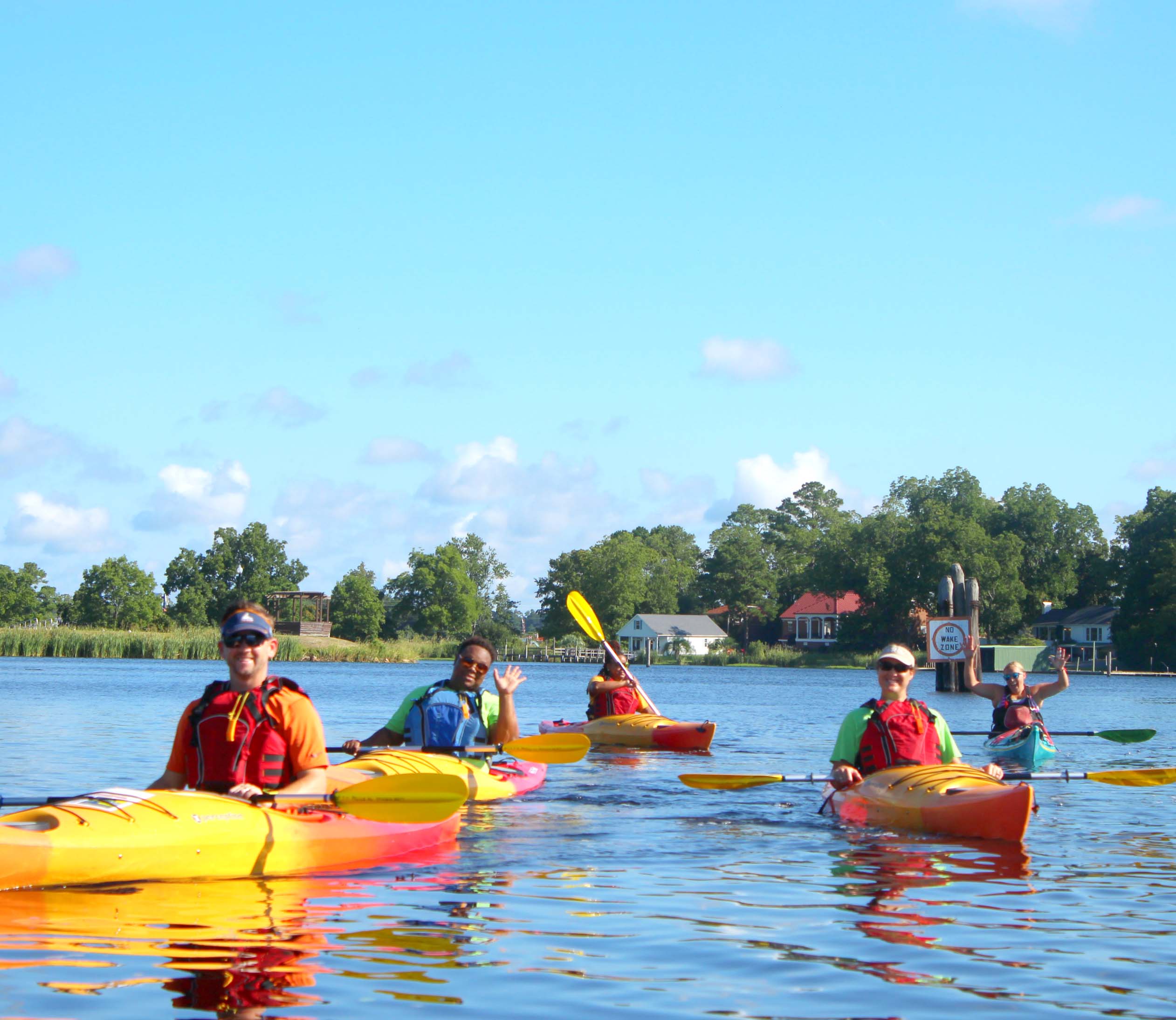
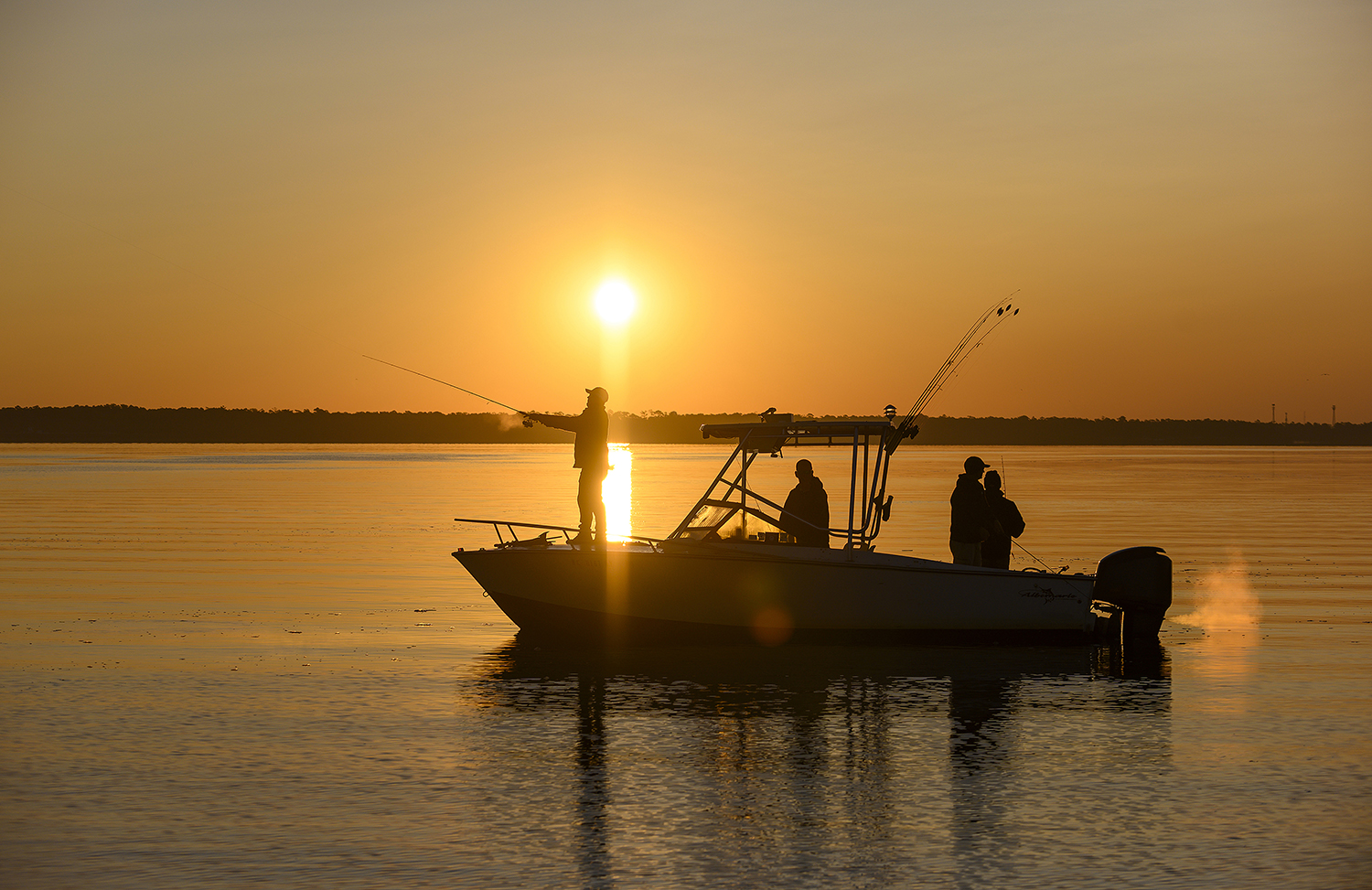
Every day, you’ll find anglers, kayakers, boaters, and bird watchers gathering at fishing piers and boat launches to enjoy the day on calm, clear water. Back on land, Jacksonville’s 19 miles of multi-use paths and greenways meander through fun and interesting places like the old train depot at Riverwalk Crossing Park, or Lejeune Memorial Gardens, the second largest Vietnam Memorial in the United States.
Photo: Visit Jacksonville NC
For more of that classic coastal experience, it’s an easy jaunt to the Atlantic at popular beaches like Emerald Isle, Bear Island, or North Topsail Beach. And if you happen to know a Marine at Camp Lejeune, ask them to take you to Onslow Beach. This gorgeous, fun oceanfront destination has its own coastal RV park just for authorized military members with visiting friends and family.
A variety of great RV parks makes it above average
Online reviews by RVers show that Jacksonville is one of North Carolina’s best RV destinations. You’ll find it tough to choose just one. The area has four highly rated parks all within 30 minutes of downtown. Waterway RV Park in Cape Carteret, Lanier’s Campground in Surf City, White Oak Shores Camping & RV Resort in Stella, and Deep Creek RV Resort & Campground in Hubert. All of Jacksonville’s RV resorts give you that country getaway feel, without sacrificing any of the cute small beach town vibes you’re after.
Gulf Coasting at Rockport-Fulton, Texas
I once met a Texas snowbird RVer who wintered in the Rockport-Fulton area. When she told me about her resort, I pictured a tired enclave of canasta clubs, elevator music, and Bermuda short-wearing retirees. I was so wrong! Rockport and Fulton have so much to do for RVers of all ages, the area rivals any coastal destination in the country.
Photo: Rockport-Fulton
Rockport Beach is one of the cleanest in the country.
Both in the water and on the shore, beaches don’t get any nicer than Rockport’s. Experts test the water twice weekly for bacteria, and the results are posted on the TexasBeachWatch.com website. Local efforts to keep it clean have granted Rockport a “Blue Wave Beach” status as part of a U.S. Environmental Protection Agency (EPA) program. Unlike some other small beach towns, you can feel really good about swimming, surfing and lounging at this beach.
Photo: Rockport-Fulton
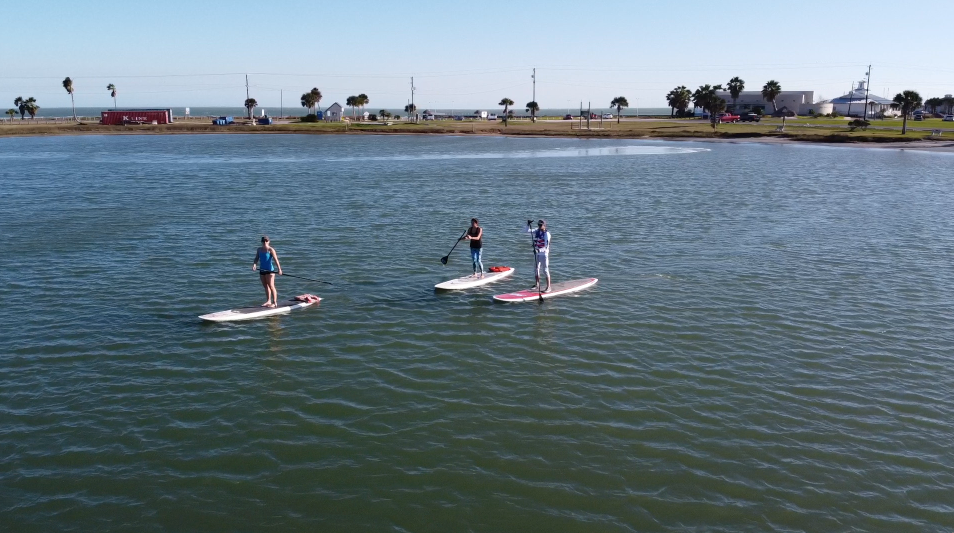
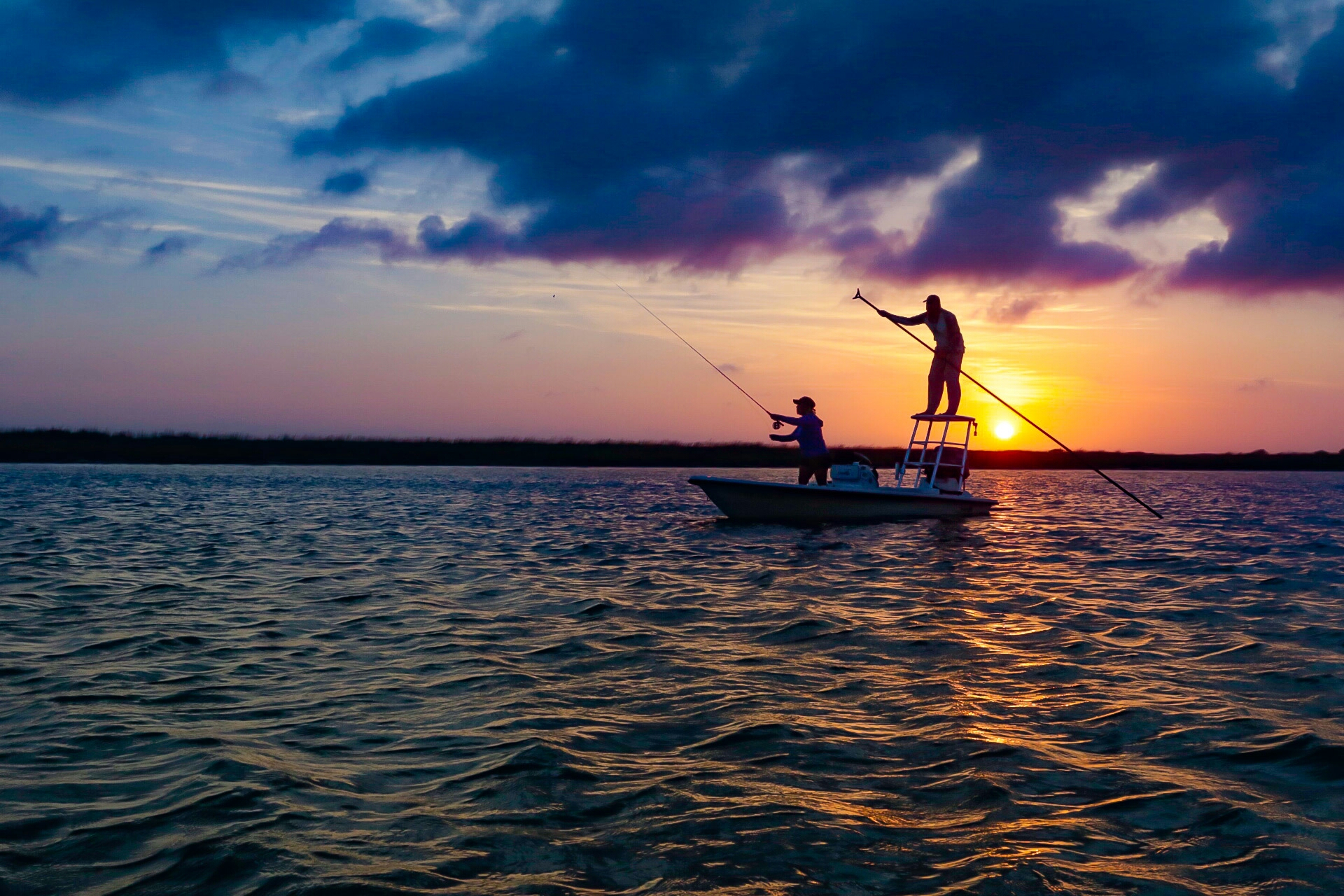
One way that Rockport and Fulton do feel like other small beach towns for RVers is that life is lived on the water. You can’t truly experience this area without casting a fishing line into the Gulf. Don’t know how? Dozens of charter guides are ready to help! Bird watching is also big, especially between November and March when North American whooping cranes return to Aransas National Wildlife Refuge. Paddlesports are wildly popular, too, in places like the calm waters in the south end of Little Bay. The nearby dog park and the canine-friendly beach also make it fun for RVing dogs. And if the weather isn’t the greatest, which sometimes happens, a choice selection of art galleries and coffee shops lets you experience Rockport and Fulton’s funky, artsy side.
The hardest part is choosing where to camp in Rockport-Fulton
Few great beach towns cater to RVers the way this place does. Nine of the Gulf Coast’s best RV parks are in Rockport and Fulton. Most have monthly rates for winter snowbirds and an endless list of fun things to do that will keep you so busy, you might never want to leave.
Take it SLO in San Luis Obispo County, California
Photo: Visit SLO CAL
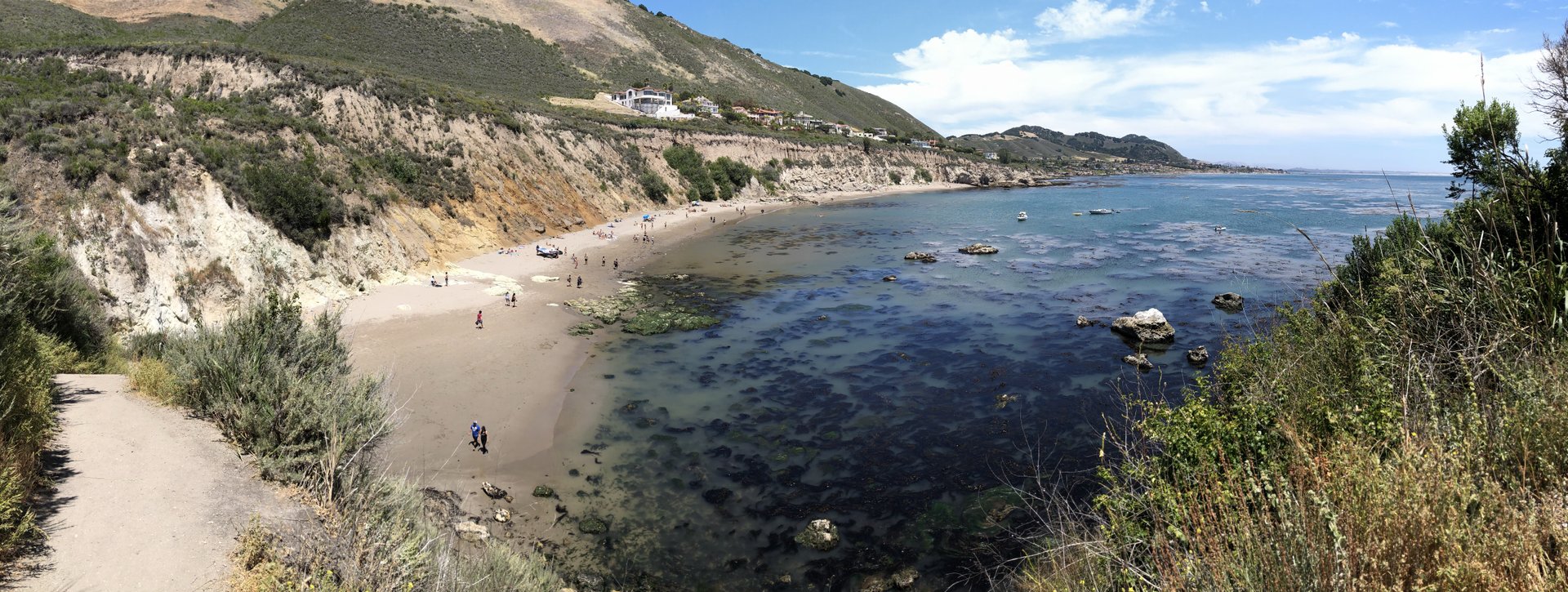
The Golden State’s central coast is a throwback to my Southern California childhood. That’s when camping and dune buggying on the beach was allowed almost everywhere, and farm stands dotted the countryside with fresh-picked produce. California has changed a lot since then, but not so much in the region dubbed “SLO CAL” – and rightfully so. Having fun doing what you love (preferably outside) is a way of life for locals and visitors alike, whether it’s putting pedal to the metal in an all-terrain vehicle or winery hopping on the weekends.
SloCal has California’s best beach fun
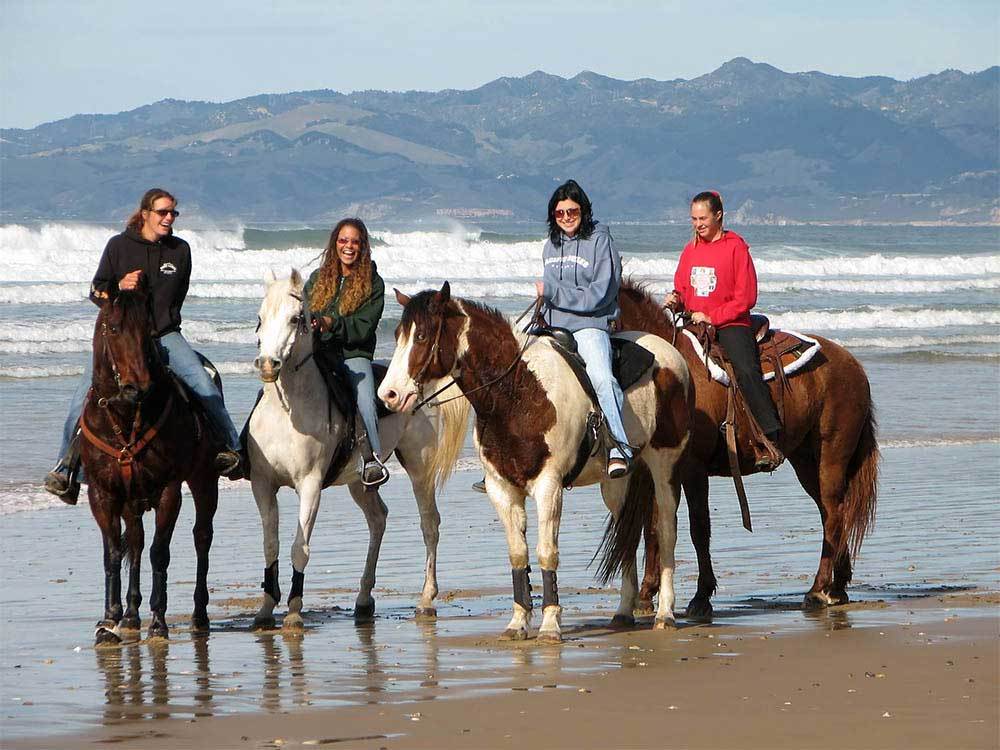
From the county’s northernmost town of San Simeon, where the glitzy Hearst Castle stands like a sentinel over the coastline, to cool the beach towns of Pismo and Oceano where off-roading is allowed and encouraged. Dune buggy and UTV enthusiasts are welcome to play at Oceano Dunes State Vehicular Recreation Area, one of the last stretches of California coastline that allows motorized vehicles. If that’s your scene, you can park your RV on Pacific Coast Highway to camp, then take off for a day of adventure right from your front door.
Photo: Visit SLO CAL
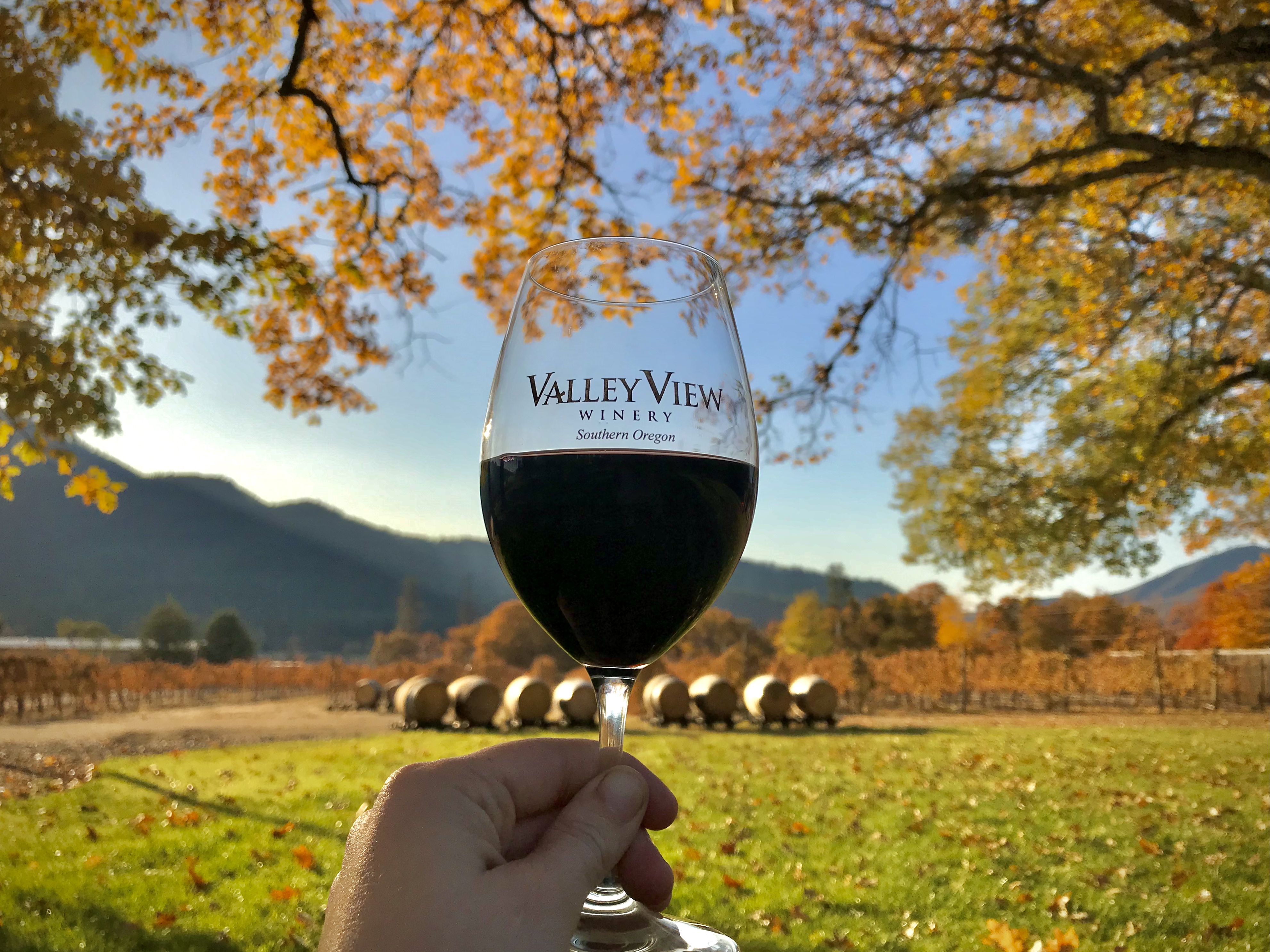
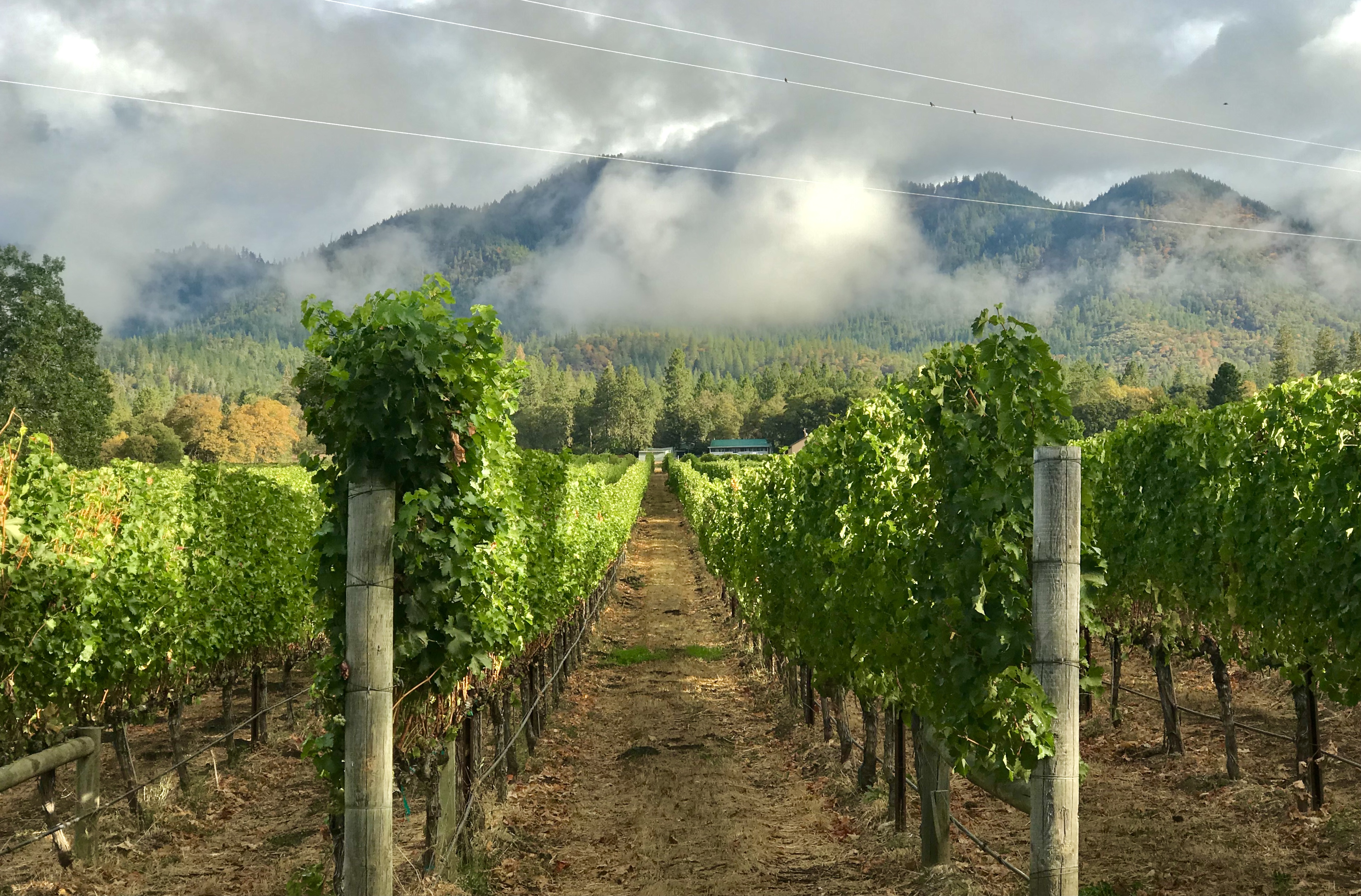
SloCal isn’t just about beaches, however. Culinary fans can head inland to quaint communities like Paso Robles and Edna Valley. Both are agritourism meccas where farmers and ranchers enthusiastically share their love for local agriculture production with foodies and wine aficionados. With so many great food destinations, it’s tough to choose just one. Thankfully several food and wine tour operators are ready to help with guided trips to SloCal’s best food and drink producers. In the surrounding hills, bike trails give cyclists a chance to explore the stunning countryside.
Two Cute Small Beach Towns, Two Great RV Parks
Pacific Dunes Ranch RV Resort
Pismo and Oceano have the best choices for parking the RV and playing in the sand; Pismo Sands RV Park and Pacific Dunes Ranch RV Park. Both offer year-round beach camping with oceanfront fun just steps away. Fill your day with off-road adventure in the dunes, leisurely bike riding, and scenic coastal hikes right from your doorstep in the region’s best beach camping destinations.
With 95,471 miles of coastline in the United States, these three great coastal destinations for RVers barely scratch the surface of bucket list RV destinations. No matter which cute small beach town you decide to explore, the ever-shifting sands and surf is guaranteed to give you the adventure of a lifetime.
The Build: Our Alpine 40 ft Container Home features an open layout to give you as much space as possible to make your home feel more like, well, home. The Specs: Dimensions: Bedroom – 10 ft (L) x 7 ft (W) x 8 ft (H) Kitchen – 6 ft (L) x 7 ft (W) x 8 ft (H) Bathroom – 4 ft (L) x 7 ft (W) x 8 ft (H) Living Room – 20 ft (L) x 7 ft (W) x 8 ft (H) Framing: Wood Interior Framing Installed on a 40 ft x 8 ft x 8.5 ft Container Insulation: R13- 2 in Spray Foam Insulation Electrical: Qty 1 – 125amp 12 Slot Panel Breaker Box (interior mount with exterior
Source: 40 ft Container – The Alpine Model – Shiplap / 40 ft Deck w/ Stairs / Tile Shower
I saw a renovation video once where they took them off. It was all sped up but they had the door open and the panel slide off towards the side. That’s not a lot of details but hopefully it points you in the right direction.
I took these off and painted them with chalkboard paint. It was some time ago but I believe I removed the two screws on the top of the panel and then the panel slid up and out. Good luck.
We popped ours out and replaced with sheet metal covered in chalkboard contact paper. We wanted it to be magnetic and writable! It works, though the chalk leaves ghost images it doesn’t really bother us. It does feel like you’re gonna break the plastic frame popping out off, I popped off the bottom one on the freezer and the top one on the fridge to slide it out. Good luck!
That’s more or less why we got our first camper. Though I’ll be honest, it had a lot to do with me getting tired of climbing out of the tent to pee at 2am. Told the wife I’d happily continue camping, but only if we towed a bathroom along with us and it was reachable without getting dressed.
Haha, we did the same thing! Tent camping with our (at the time) 7 month old and dog during a rainstorm. No one slept, threw everything in the car wet at like 5am went home. Next season we bought our wolfpup! Good looking setup, happy camping!
RVing makes it so easy to try on different lifestyles. When I feel like being a surf bum, I just head to cute small beach towns with RV resorts and campgrounds. Great destinations like Jacksonville, North Carolina, Rockport-Fulton, Texas and California’s seaside San Luis Obispo County make it easy to reap the rewards of oceanfront real estate—at a fraction of the cost! Playing in the sun and sand with my home on wheels in tow allows me to enjoy waterfront real estate on my terms.
First stop, Jacksonville, North Carolina
Photo: Visit Jacksonville NC
There are 23 U.S. cities named Jacksonville, but only Jacksonville, North Carolina, has plenty of sun and sand for RVers. Located in the state’s Crystal Coast region and nestled along the New River, this fun beach town is currently ranked as one of North Carolina’s fastest-growing small cities. It’s adjacent to Camp Lejeune, the East Coast’s largest Marine Corps base, giving it youthful energy that welcomes visitors into this vibrant community with so much to do.
Life begins on the Jacksonville Landing
Every day, you’ll find anglers, kayakers, boaters, and bird watchers gathering at fishing piers and boat launches to enjoy the day on calm, clear water. Back on land, Jacksonville’s 19 miles of multi-use paths and greenways meander through fun and interesting places like the old train depot at Riverwalk Crossing Park, or Lejeune Memorial Gardens, the second largest Vietnam Memorial in the United States.
Photo: Visit Jacksonville NC
For more of that classic coastal experience, it’s an easy jaunt to the Atlantic at popular beaches like Emerald Isle, Bear Island, or North Topsail Beach. And if you happen to know a Marine at Camp Lejeune, ask them to take you to Onslow Beach. This gorgeous, fun oceanfront destination has its own coastal RV park just for authorized military members with visiting friends and family.
A variety of great RV parks makes it above average
Online reviews by RVers show that Jacksonville is one of North Carolina’s best RV destinations. You’ll find it tough to choose just one. The area has four highly rated parks all within 30 minutes of downtown. Waterway RV Park in Cape Carteret, Lanier’s Campground in Surf City, White Oak Shores Camping & RV Resort in Stella, and Deep Creek RV Resort & Campground in Hubert. All of Jacksonville’s RV resorts give you that country getaway feel, without sacrificing any of the cute small beach town vibes you’re after.
Gulf Coasting at Rockport-Fulton, Texas
I once met a Texas snowbird RVer who wintered in the Rockport-Fulton area. When she told me about her resort, I pictured a tired enclave of canasta clubs, elevator music, and Bermuda short-wearing retirees. I was so wrong! Rockport and Fulton have so much to do for RVers of all ages, the area rivals any coastal destination in the country.
Photo: Rockport-Fulton
Rockport Beach is one of the cleanest in the country.
Both in the water and on the shore, beaches don’t get any nicer than Rockport’s. Experts test the water twice weekly for bacteria, and the results are posted on the TexasBeachWatch.com website. Local efforts to keep it clean have granted Rockport a “Blue Wave Beach” status as part of a U.S. Environmental Protection Agency (EPA) program. Unlike some other small beach towns, you can feel really good about swimming, surfing and lounging at this beach.
Photo: Rockport-Fulton
One way that Rockport and Fulton do feel like other small beach towns for RVers is that life is lived on the water. You can’t truly experience this area without casting a fishing line into the Gulf. Don’t know how? Dozens of charter guides are ready to help! Bird watching is also big, especially between November and March when North American whooping cranes return to Aransas National Wildlife Refuge. Paddlesports are wildly popular, too, in places like the calm waters in the south end of Little Bay. The nearby dog park and the canine-friendly beach also make it fun for RVing dogs. And if the weather isn’t the greatest, which sometimes happens, a choice selection of art galleries and coffee shops lets you experience Rockport and Fulton’s funky, artsy side.
The hardest part is choosing where to camp in Rockport-Fulton
Few great beach towns cater to RVers the way this place does. Nine of the Gulf Coast’s best RV parks are in Rockport and Fulton. Most have monthly rates for winter snowbirds and an endless list of fun things to do that will keep you so busy, you might never want to leave.
Take it SLO in San Luis Obispo County, California
Photo: Visit SLO CAL
The Golden State’s central coast is a throwback to my Southern California childhood. That’s when camping and dune buggying on the beach was allowed almost everywhere, and farm stands dotted the countryside with fresh-picked produce. California has changed a lot since then, but not so much in the region dubbed “SLO CAL” – and rightfully so. Having fun doing what you love (preferably outside) is a way of life for locals and visitors alike, whether it’s putting pedal to the metal in an all-terrain vehicle or winery hopping on the weekends.
SloCal has California’s best beach fun
From the county’s northernmost town of San Simeon, where the glitzy Hearst Castle stands like a sentinel over the coastline, to cool the beach towns of Pismo and Oceano where off-roading is allowed and encouraged. Dune buggy and UTV enthusiasts are welcome to play at Oceano Dunes State Vehicular Recreation Area, one of the last stretches of California coastline that allows motorized vehicles. If that’s your scene, you can park your RV on Pacific Coast Highway to camp, then take off for a day of adventure right from your front door.
Photo: Visit SLO CAL
SloCal isn’t just about beaches, however. Culinary fans can head inland to quaint communities like Paso Robles and Edna Valley. Both are agritourism meccas where farmers and ranchers enthusiastically share their love for local agriculture production with foodies and wine aficionados. With so many great food destinations, it’s tough to choose just one. Thankfully several food and wine tour operators are ready to help with guided trips to SloCal’s best food and drink producers. In the surrounding hills, bike trails give cyclists a chance to explore the stunning countryside.
Two Cute Small Beach Towns, Two Great RV Parks
Pacific Dunes Ranch RV Resort
Pismo and Oceano have the best choices for parking the RV and playing in the sand; Pismo Sands RV Park and Pacific Dunes Ranch RV Park. Both offer year-round beach camping with oceanfront fun just steps away. Fill your day with off-road adventure in the dunes, leisurely bike riding, and scenic coastal hikes right from your doorstep in the region’s best beach camping destinations.
With 95,471 miles of coastline in the United States, these three great coastal destinations for RVers barely scratch the surface of bucket list RV destinations. No matter which cute small beach town you decide to explore, the ever-shifting sands and surf is guaranteed to give you the adventure of a lifetime.
This is our 3rd RV and the smallest of them all. The more we go the less we need. Had it out this weekend with my daughter already. Easy to tow, easy to maneuver, and is ready to bug out in a few minutes.
Nice looking trailer. I walked by one the last time out camping and joked to the wife that it was too bad her Subaru couldn’t pull more. Then we could pull an Outback with an Outback. That’s basically the style of trailer we bought, but a Winnie.
RVing makes it so easy to try on different lifestyles. When I feel like being a surf bum, I just head to cute small beach towns with RV resorts and campgrounds. Great destinations like Jacksonville, North Carolina, Rockport-Fulton, Texas and California’s seaside San Luis Obispo County make it easy to reap the rewards of oceanfront real estate—at a fraction of the cost! Playing in the sun and sand with my home on wheels in tow allows me to enjoy waterfront real estate on my terms.
First stop, Jacksonville, North Carolina
Photo: Visit Jacksonville NC
There are 23 U.S. cities named Jacksonville, but only Jacksonville, North Carolina, has plenty of sun and sand for RVers. Located in the state’s Crystal Coast region and nestled along the New River, this fun beach town is currently ranked as one of North Carolina’s fastest-growing small cities. It’s adjacent to Camp Lejeune, the East Coast’s largest Marine Corps base, giving it youthful energy that welcomes visitors into this vibrant community with so much to do.
Life begins on the Jacksonville Landing
Every day, you’ll find anglers, kayakers, boaters, and bird watchers gathering at fishing piers and boat launches to enjoy the day on calm, clear water. Back on land, Jacksonville’s 19 miles of multi-use paths and greenways meander through fun and interesting places like the old train depot at Riverwalk Crossing Park, or Lejeune Memorial Gardens, the second largest Vietnam Memorial in the United States.
Photo: Visit Jacksonville NC
For more of that classic coastal experience, it’s an easy jaunt to the Atlantic at popular beaches like Emerald Isle, Bear Island, or North Topsail Beach. And if you happen to know a Marine at Camp Lejeune, ask them to take you to Onslow Beach. This gorgeous, fun oceanfront destination has its own coastal RV park just for authorized military members with visiting friends and family.
A variety of great RV parks makes it above average
Online reviews by RVers show that Jacksonville is one of North Carolina’s best RV destinations. You’ll find it tough to choose just one. The area has four highly rated parks all within 30 minutes of downtown. Waterway RV Park in Cape Carteret, Lanier’s Campground in Surf City, White Oak Shores Camping & RV Resort in Stella, and Deep Creek RV Resort & Campground in Hubert. All of Jacksonville’s RV resorts give you that country getaway feel, without sacrificing any of the cute small beach town vibes you’re after.
Gulf Coasting at Rockport-Fulton, Texas
I once met a Texas snowbird RVer who wintered in the Rockport-Fulton area. When she told me about her resort, I pictured a tired enclave of canasta clubs, elevator music, and Bermuda short-wearing retirees. I was so wrong! Rockport and Fulton have so much to do for RVers of all ages, the area rivals any coastal destination in the country.
Photo: Rockport-Fulton
Rockport Beach is one of the cleanest in the country.
Both in the water and on the shore, beaches don’t get any nicer than Rockport’s. Experts test the water twice weekly for bacteria, and the results are posted on the TexasBeachWatch.com website. Local efforts to keep it clean have granted Rockport a “Blue Wave Beach” status as part of a U.S. Environmental Protection Agency (EPA) program. Unlike some other small beach towns, you can feel really good about swimming, surfing and lounging at this beach.
Photo: Rockport-Fulton
One way that Rockport and Fulton do feel like other small beach towns for RVers is that life is lived on the water. You can’t truly experience this area without casting a fishing line into the Gulf. Don’t know how? Dozens of charter guides are ready to help! Bird watching is also big, especially between November and March when North American whooping cranes return to Aransas National Wildlife Refuge. Paddlesports are wildly popular, too, in places like the calm waters in the south end of Little Bay. The nearby dog park and the canine-friendly beach also make it fun for RVing dogs. And if the weather isn’t the greatest, which sometimes happens, a choice selection of art galleries and coffee shops lets you experience Rockport and Fulton’s funky, artsy side.
The hardest part is choosing where to camp in Rockport-Fulton
Few great beach towns cater to RVers the way this place does. Nine of the Gulf Coast’s best RV parks are in Rockport and Fulton. Most have monthly rates for winter snowbirds and an endless list of fun things to do that will keep you so busy, you might never want to leave.
Take it SLO in San Luis Obispo County, California
Photo: Visit SLO CAL
The Golden State’s central coast is a throwback to my Southern California childhood. That’s when camping and dune buggying on the beach was allowed almost everywhere, and farm stands dotted the countryside with fresh-picked produce. California has changed a lot since then, but not so much in the region dubbed “SLO CAL” – and rightfully so. Having fun doing what you love (preferably outside) is a way of life for locals and visitors alike, whether it’s putting pedal to the metal in an all-terrain vehicle or winery hopping on the weekends.
SloCal has California’s best beach fun
From the county’s northernmost town of San Simeon, where the glitzy Hearst Castle stands like a sentinel over the coastline, to cool the beach towns of Pismo and Oceano where off-roading is allowed and encouraged. Dune buggy and UTV enthusiasts are welcome to play at Oceano Dunes State Vehicular Recreation Area, one of the last stretches of California coastline that allows motorized vehicles. If that’s your scene, you can park your RV on Pacific Coast Highway to camp, then take off for a day of adventure right from your front door.
Photo: Visit SLO CAL
SloCal isn’t just about beaches, however. Culinary fans can head inland to quaint communities like Paso Robles and Edna Valley. Both are agritourism meccas where farmers and ranchers enthusiastically share their love for local agriculture production with foodies and wine aficionados. With so many great food destinations, it’s tough to choose just one. Thankfully several food and wine tour operators are ready to help with guided trips to SloCal’s best food and drink producers. In the surrounding hills, bike trails give cyclists a chance to explore the stunning countryside.
Two Cute Small Beach Towns, Two Great RV Parks
Pacific Dunes Ranch RV Resort
Pismo and Oceano have the best choices for parking the RV and playing in the sand; Pismo Sands RV Park and Pacific Dunes Ranch RV Park. Both offer year-round beach camping with oceanfront fun just steps away. Fill your day with off-road adventure in the dunes, leisurely bike riding, and scenic coastal hikes right from your doorstep in the region’s best beach camping destinations.
With 95,471 miles of coastline in the United States, these three great coastal destinations for RVers barely scratch the surface of bucket list RV destinations. No matter which cute small beach town you decide to explore, the ever-shifting sands and surf is guaranteed to give you the adventure of a lifetime.
Nice looking trailer. I walked by one the last time out camping and joked to the wife that it was too bad her Subaru couldn’t pull more. Then we could pull an Outback with an Outback. That’s basically the style of trailer we bought, but a Winnie.
dude with the E450 cube van has the right idea. super reliable and hella common and cheap parts. probably has the lowest maintenance cost of any RV there.
Thats cool then, but about 10,000 people went to black Rock desert last weekend with no services or organization besides social media, sorry if I put you in that group but “that” group gave all burners a more worse reputation…
Did you do the full length or multiple corners before you smoothed it out? It probably started to set up before you smoothed it out. I usually do a couple feet at a time. I also dip my finger (wearing latex gloves) in soapy water before I smooth it out.
Depending on the days weather and if you are in the sun. Caulking can skin over very quickly. On warm days I can only do 12”-24” at a time. Keeping a wet sponge on hand is helpful. I also spray with soapy water if needed. That keeps it went until smoothed nicely.
You probably have to pull it out. If you really want a nice caulk job you should remove the old caulk, clean the area (denatured alcohol) and personally I would tape the edges and then spread the caulk out. The tape should give you a perfect edge. This process will only add an extra 10-20 hours on caulking an entire camper 🙂
Although the Willamette Valley is often regarded as Oregon’s wine capital, over the past several years, Southern Oregon has emerged as a world-class viticultural region, known for its unique ability to grow a wide variety of grapes due to its complex geology, soil and mesoclimates. This region, which is actually the birthplace of Oregon’s wine industry, saw its first grapes planted in the mid-1800s and today boasts over 88 vineyards and numerous tasting rooms across four river valleys. Compared to popular wine regions like Napa and Sonoma, here, wine enthusiasts will escape the crowds and find prices more accommodating. With stunning views of the valley and surrounding mountains, wine aficionados can revel in world class-wine without an air of pretension at this underrated wine destination.
Oregon Wine Country: A Region That Has Aged Well
Valley View was first established by Peter Britt in the mid-1800s. Today you can visit another winery that bears its name in the Applegate Valley. @CateBattles
Beginning in the 1840s, early pioneers who made the trek West along the Oregon Trail planted roots in the newly established territory, and soon afterward, the region’s first grapes. One of these early settlers was Peter Britt, a Swiss photographer who left the east coast in search of gold in Southern Oregon and who’d later become Oregon’s first commercial wine producer. Britt began growing grapes in the mid-1800s and established Valley View Winery, Oregon’s first official winery, near present-day Jacksonville. By 1870, his 20-acre commercial vineyard and orchard had experimented with over 200 varieties of American and European grapes, producing between 1,000-3,000 gallons per year. With his extensive horticultural knowledge and innovative practices, he installed an underground irrigation system by 1855 and used techniques like smudging to prevent frost and raised bees to improve pollination. By the time Britt died in 1905, there were dozens of vineyards in Southern Oregon, many of which were shipping grapes across the country and down to California.
Oregon’s wine industry took a turn for the worst when Prohibition was enacted in the state 1915 — five years before Prohibition became nationwide. Wineries closed, vines were dug up and replaced with orchards, and the wine business was out of business for nearly half a century. During the 1960s, the wine industry began to recover when California winemakers headed North in search of cooler climates and launched the first post-Prohibition wineries in the state. In 2005, the Southern Oregon AVA (American Viticultural Area) was established, covering 2.2million acres stretching south of Eugene to the California border. This region encompasses the Umpqua Valley, Rogue Valley, Applegate Valley and Illinois Valley and is separated by 4 major rivers and 3 different mountain ranges. Today, there are over 8,000 acres dedicated to grape production within the Southern Oregon AVA and the number is growing rapidly!
It’s the Climate and Geology!
Mist settles in the mountains that surround the vineyards @CateBattle
Southern Oregon would not be the versatile grape-growing region it is today without the help from Mother Nature. Its unusually diverse array of grape varieties can be directly attributed to the unique geology and climate of the region. Around 200 million years ago, the area between Southern Washington and Northern Oregon experienced tectonic activity, which resulted in volcanic fissures that unleashed upwards of 42,000 cubic miles of lava across the region. Towards the end of the last Ice Age, the landscape was further shaped by a series of giant floods that buried hundreds of feet of rich sediment on top of the basalt rock. This rich sediment made its way down the Columbia River and covered what’s now the Willamette Valley. However, Southern Oregon was spared the impact from these ancient floods, as it narrowly avoided getting covered up by this same ultra-rich sediment. Instead, it retained a complex montage of nearly 50 different metamorphic, volcanic, and sedimentary derived soils throughout the region.
From a climate perspective, the Southern Oregon AVA offers the most diverse growing conditions in the state, and even the country. Much of this can be credited to the Klamath, Coastal, and Cascade mountain ranges that provide cool maritime to warm Mediterranean climates in the valleys. Additionally, the brisk coastal air that’s funneled inland through the river basins creates varying temperature differences and weather patterns between the Rogue, Umpqua, Applegate and Illinois valleys. While the Umpqua and Illinois Valleys have a marine-influenced climate, the Rogue and Applegate valleys are more Mediterranean. While all sub-regions within the Southern Oregon AVA produce the state’s signature grape, pinot noir, the cooler climates are better at growing high-quality Burgundian and German varieties like Riesling, Gewürztraminer, Chardonnay and Sauvignon Blanc. In the warmer climates akin to Bordeaux or Portugal, varietals like Tempranillo, Malbec, Albarino and Merlot thrive.
Touring the Southern Oregon Wine Country
Enjoy delectably crafted offerings while you’re wine tasting. @CateBattles
To get the best flavor of Southern Oregon, explore the different wine trails in the region.
Umpqua Valley
Starting south of Eugene, enjoy the 30+ family-owned and operated wineries and tasting rooms in the Umpqua Valley, where you’ll find anything from small boutique wineries to sprawling estates. Besides wine, the area offers plenty of activities, especially for those who enjoy outdoor recreation. Spend an afternoon rafting or fly fishing along the Umpqua River in the heart of the lush Cascade Mountains. Wake up early in the morning and take a relaxing soak in natural hot springs and hike to the nearby Toketee Falls. For those wanting some family-friendly fun, take a driving tour at Wildlife Safari where you can see animals from six different continents up close.
Applegate Valley
Many wineries are pet-friendly, including Wooldridge Creek Winery @CateBattles
Nearly 50 miles long, the valley stretches north from the California border along the pristine Applegate River. Beautiful farmland is nestled between forested mountains providing stunning views in every direction. The valley is home to over 19 unique wineries that produce a wide array of wines. Starting in historic Jacksonville, follow HWY 238 that winds its way through the valley and taste your way through the Applegate. When you’re not wine tasting, take advantage of the other great things to do in the area. In the summer, drop by one of the many lavender farms in the area or book a boat trip down the Rogue River. Just 20 minutes down the road near the town of Grants Pass is the renowned Rogue Creamery, where you can enjoy the “World’s Best Cheese’, who’s Rogue Blue took the top honor at the 2019 World Cheese Award in Bergamo, Italy. For those who love live music, Jacksonville’s Britt Festival happens every July-October, bringing in acts from all over the world.
Rogue Valley
Guests participate in grape stomping to produce wine. @CateBattles
The southernmost, and by far, the largest area within the greater Southern Oregon AVA is the Rogue Valley. Extending from the foothills of the Siskiyou Mountains along the California border north to the Rogue River, this region bears the distinction of having the highest elevation in Oregon for grape growing. Planted on rugged hillsides between 1,200-2,000 feet, the grapes escape the scorching summer heat on the valley floor. Similar to the Bordeaux region, the Rogue Valley is known for its Cabernet, Merlot, Malbec, and Syrah grapes that thrive in dry, warmer climates. Medford, a city of roughly 80,000 people, serves as s a great launching point while exploring the neighboring towns of Ashland, Talent, Central Point, Gold Hill, and White City. While visiting the area, spend a day at Crater Lake National Park, the deepest lake in the country that was formed when Mount Mazama erupted 7,700 years ago. For those who love theatre, book tickets at the Allen Elizabethan Theatre, home of the Oregon Shakespeare Festival in the charming artsy town of Ashland.
Where to Camp
Cate and her husband’s painted Argosy between the vines. @CateBattles
Several wineries in the area are affiliated with Harvest Host, which is a great way for RVers to support local growers while saving money while traveling. For those who are looking for RV parks, there are many Good Sam campgrounds in the region including:
I’ve camped there in the 30′ yurt with the air hockey table in the center of the room. Don’t recommend doing this during any time of year that requires the wood stove for heat. Between the supplied green firewood and the porosity of the yurt, it didn’t go well. Years later, we have memories and stories to tell.
Valuable Tips & Info help you prepare for cold weather. Includes winterization instructions for full-time or part-time winter RV living.
It's FREE and there's no obligation... Download your copy today.
Thank You!
You will be redirected to the eBook download page shortly...
After you've had a read through, please let us know what you think about the 'How to Winterize Your RV' eBook.