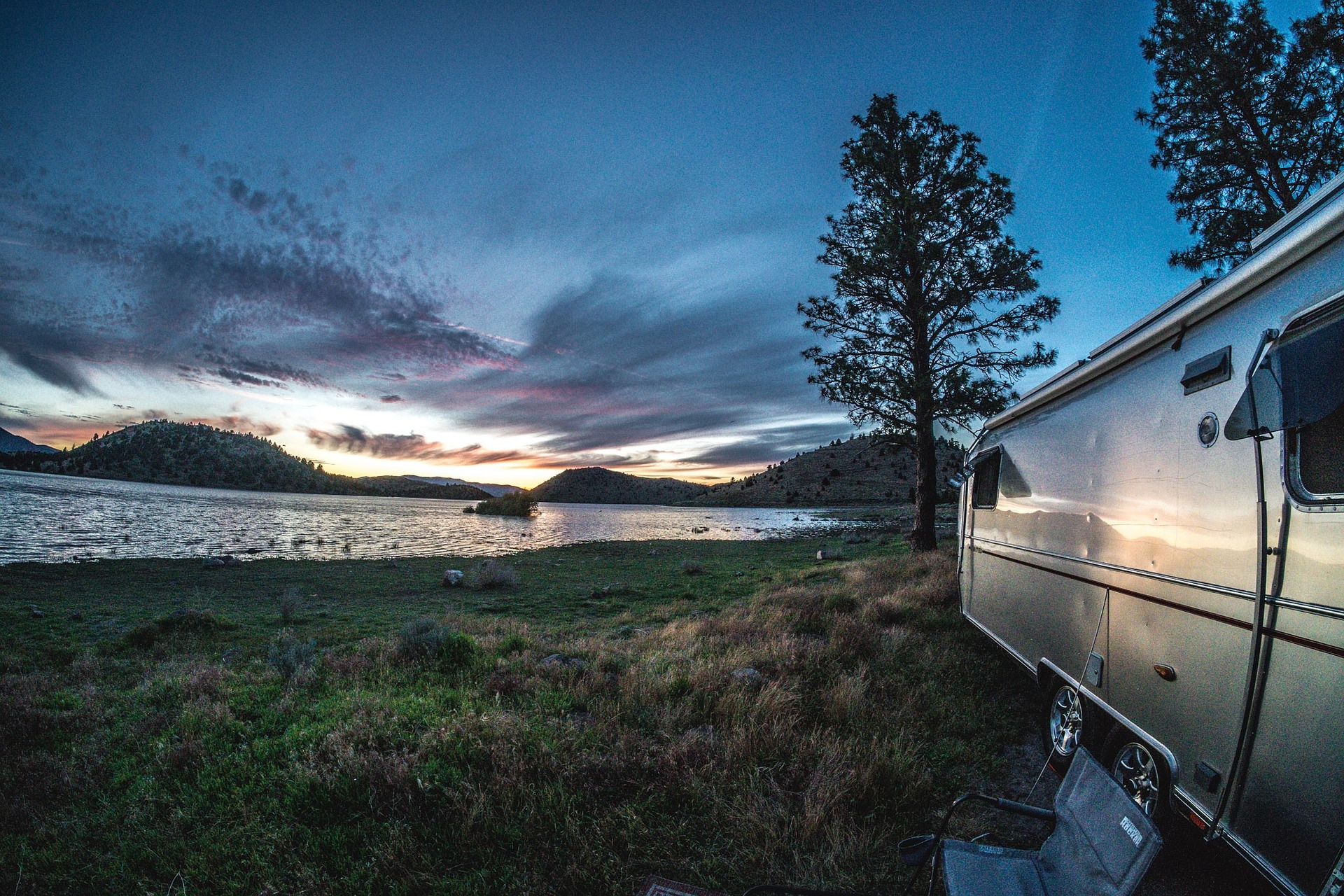
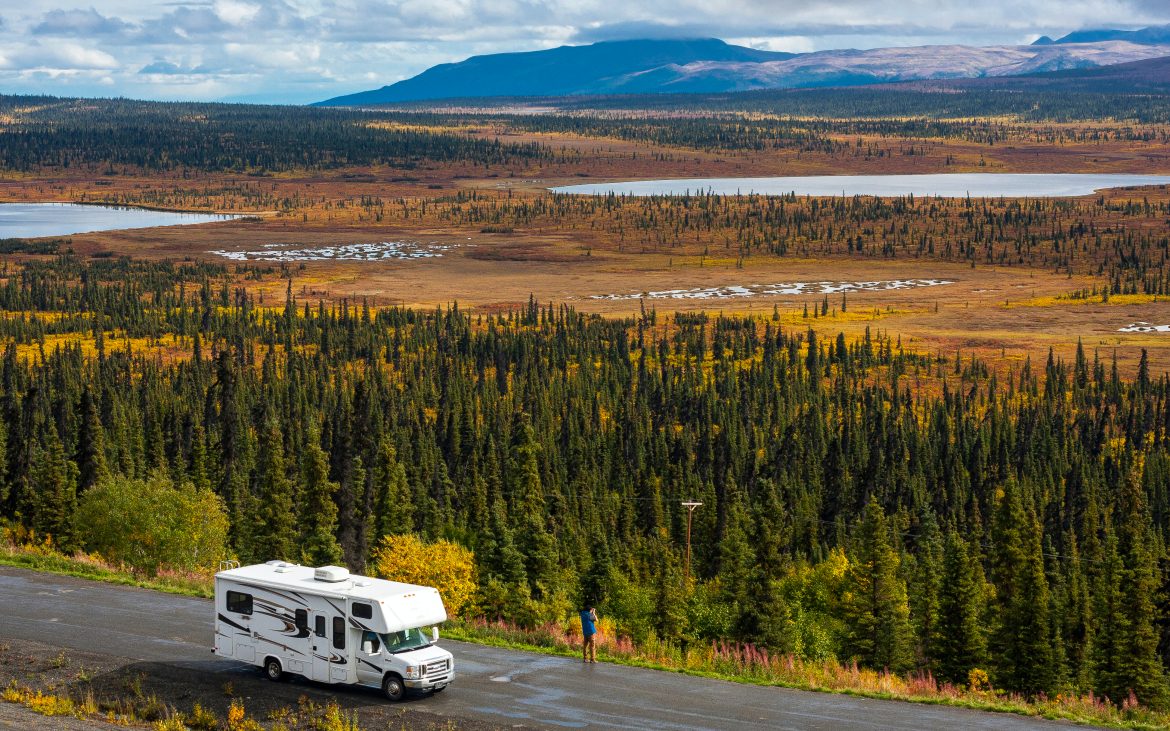
Recreational vehicles are growing in popularity with adventurers of all ages and fifth wheel RVs are perfect if you want to quickly hook up and take off. Whether you like to keep camping simple at your local campgrounds and state parks, you are a recent retiree who wants to hit the open road and explore or you are ready to splurge on luxury, there are fifth wheel floor plans for every need.
A fifth wheel is a home on wheels that offers the most spacious accommodations and luxurious amenities of any other type of towable RV. Unlike a motorhome, fifth wheels tow behind a heavy-duty truck, giving you more mobility than a Class A or Class C RV. Fifth wheel RVs are also a cost-effective alternative to the expensive and ongoing costs associated with hotel lodging, eating at restaurant and traveling by air.
Fifth wheels are great for larger families and for those who want some privacy while camping. The roomy interiors are also perfect for hosting get-togethers with friends and family. Additionally, they offer a smoother driving experience with less sway, so they work well for longer trips.
Fifth wheels are split-level RVs that must be towed by a truck with a special hitch. Typically, a fifth wheel will have a living space or bunk area on the lower level and a private bedroom that hangs over the truck bed. Fifth wheel RVs are available in all sorts of styles and sizes. The smallest fifth wheels have less than six feet of headroom and are just large enough to squeeze in a wet bath. The largest fifth wheels weigh tens of thousands of pounds and must be towed with a semi-truck cab.
Fifth wheel travel trailers are great because they offer both the flexibility of a towable vehicle, as well as the comfort and luxury of super-sized RVs. If you plan to spend more time on the road, then you will want to make sure you have enough space for long comfortable trips, as well as some amenities for those rainy days. Even if you’re only a weekend warrior, a fifth wheel gives you plenty of extra leg room to feel comfortable anywhere the road may lead. If you have a family with children, a fifth wheel can give you a little bit of extra privacy.
What are the primary differences between fifth wheels, travel trailers and toy haulers?
When it comes to choosing between travel trailers versus fifth wheels, there are not many differences. Instead of thinking of it as fifth wheels being better or travel trailers being better, it’s more about fit and which kind of RV best suits how you want to travel.
Travel Trailers
Fifth wheels and travel trailers vary greatest when it comes to length. They are available in a bigger range of lengths — from 12 to 35 feet. You can get the same roomy feel of a fifth wheel with a large travel trailer, but you also have the option to go much smaller. The smaller options allow you to tow with a smaller vehicle, like an SUV or light pickup truck. In other cases, you may be able to tow with a mid-size truck rather than a full-size truck. On average, a fifth wheel weighs somewhere between 10,000 and 15,000 pounds. In contrast, travel trailers tend to weigh 3,000 to 12,000 pounds.
Fifth wheels have an unparalleled amount of storage compared to other types of RVs. The longer an RV, the more outdoor storage bays it has available. In addition to more exterior storage bays, fifth wheels are often equipped with a basement of sorts. This term refers to large pass-through areas that can accommodate long items, such as paddles, surfboards, etc.
Additionally, fifth wheels have the greatest variety of floor plans. The placement of slide-outs can make a huge difference.
Toy Haulers
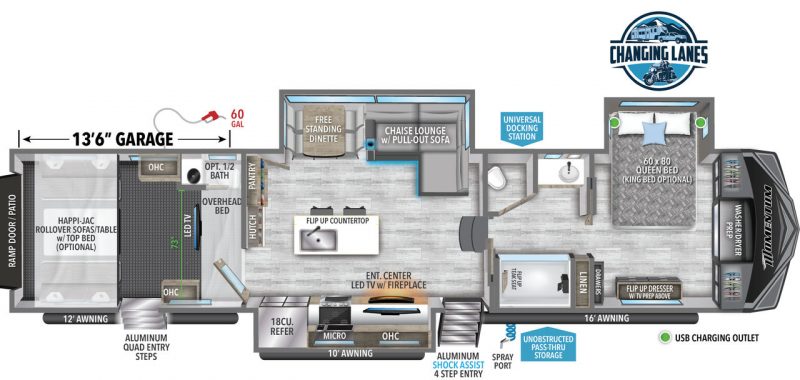
The main difference between toy haulers and fifth wheels is seen inside the RV. With a toy hauler, you will have a large garage space that often transforms into a living area with couches or beds when not being used to haul toys and gear. With a toy hauler, it’s not just about living in or camping. It’s also about getting your golf cart, ATV, motorcycle, dirt bikes or other toys to the campground.
Toy haulers are built on a sturdier frame and, therefore, can be much heavier. The dry weight for the average toy hauler is around 10,000 pounds, but models can range from 4,000 pounds up to 15,000 pounds. If you’re a traveling family, the extra space in the garage will provide additional sleeping areas for the kids and an indoor play area. The garage can also be converted to a space for homeschooling a young family. Furthermore, pets are another reason you might choose a toy hauler. The garage area is a great place to bring your wet, sandy or muddy pets inside, but still keep the dirt under control.
How big are fifth wheels?
Fifth wheel RVs often stretch anywhere from 30 to 45 feet in length. Many families opt for fifth wheels because they’re usually some of the largest travel trailers. Fifth wheels can vary widely in weight, with the smallest starting at around 2,400 pounds and going up to 24,000 pounds. It’s critical to have a heavy-duty truck — and a fifth wheel hitch — to tow them.
Unfortunately, not every fifth wheel will fit in any RV park. Many older parks have not updated their campsites to reflect the length of newer RVs. Even some national park campgrounds can’t accommodate an RV more than 30 feet long. If you plan to stay in state parks and national parks often, you may want to consider a short fifth wheel. Many RV parks across North America can accommodate RVs up to 45 feet long, but be aware that those spaces may be limited. Make reservations in advance.
Is a fifth wheel easy to tow?
While travel trailers attach to your vehicle using the conventional hitch ball system found on most trucks and SUVs, fifth wheels use a special hitch which can only attach to the bed of a pickup truck. Because fifth wheels tend to be larger and heavier than travel trailers, you’ll need a truck with a high towing capacity. Before purchasing an RV, check the Gross Vehicle Weight Rating (GVWR) for the fifth wheel and compare it to your truck’s towing capacity. If the GVWR is heavier than the towing capacity, you’ll either need a bigger truck or a smaller RV.
That said, many people find that towing a fifth wheel is easier than towing a travel trailer because of the way it is hitched.
Where can you go camping in a fifth wheel?
Due to their size and weight, fifth wheels are best suited for a campground or a campsite that is easy to access. Most of these trailers are not equipped for wandering too far off-road, although that doesn’t mean they can’t be used for boondocking in a remote location. You’ll just need to choose the right place to accommodate a towable RV of this size.
Most fifth wheels come with fresh, gray and black water tanks, but they can vary widely in size. Some tanks as large as 75 gallons, which provide plenty of capacity for camping off-the-grid for an extended period.
Who are typical fifth wheel owners?
Trailing only conventional travel trailers, fifth wheels are the second most popular RV types, accounting for 20% of RV owners. An RV Owner Demographic Profile from Go RVing shows young families make up 27%of fifth wheel owners, while 34% are Millennials or Gen Zs and 24 percent are first-time owners.
Fifth wheels are, on average, used roughly 30 days out of the year. They are used most often in summer (85%), followed by fall (61%), spring (50%) and winter (36%). Just over half of fifth wheel owners prefer to stay at private campgrounds or state parks, while a little more than a third favor national parks or campgrounds.
In terms of demographics, 46% are between the ages of 18 to 34, while 54% are ages 55 and older. 59% of those with a fifth wheel are female, and 41% are male.
What are the advantages and disadvantages of owning a fifth wheel?
Popular amongst outdoor enthusiasts, fifth wheels make it easy to take the whole family camping in comfort. Outfitted with numerous amenities and features, these RVs quickly become your home away from home.
Advantagesof owning a fifth wheel
Tow Vehicle Doubles as Transportation
When you purchase an RV, it only serves one purpose. Very rarely would you drive your RV around town to run errands. Additionally, once you set up camp with an RV, you don’t want to break everything down to run back into town or to access a nearby lake or trailhead. Conversely, with a fifth wheel, the truck that tows your RV can double as transportation both during and after a trip. When you are in-between camping trips, your truck can also act as a primary vehicle while your RV is stored.
Safe Towing Option
One of the benefits of a fifth wheel versus many travel trailers is how much safer they are to operate. A fifth wheel holds the weight of the RV in the bed of your truck. This makes it easier to maneuver the RV and increases the stability of the fifth wheel when in motion.
For large families, a fifth wheel is the perfect choice. Most fifth wheels feature a lofted sleeping space above the truck bed. This extra space is typically designed as a primary bedroom or a multi-bunk area. Additionally, fifth wheels frequently feature slide-outs, which can be equipped with even more sleeping options.
Versatility in Amenities Offered
There’s no limit to the amenities a fifth wheel can offer. The large body space provides ample room to host all of the extras. If you want to take your dream kitchen on the road, or if you cannot do without your own personal bathroom, a fifth wheel is an excellent choice.
Less Vehicle Maintenance
When you purchase a motorhome, such as a Class A, B or C, you commit to upkeep on a second motorized vehicle. This means double the oil changes, fluid flushes and general vehicle upkeep. With a fifth wheel, you only need to perform maintenance on your truck towing the RV. While there are still some maintenance tasks associated with owning a fifth wheel, such as replacing tires as needed and keeping moving parts lubricated, there is far less maintenance than a traditional motorhome.
Disadvantagesof owning a fifth wheel
Requires a Capable Vehicle
Normally, it doesn’t matter what size your personal vehicle is. For example, you can drive a small Toyota Corolla as your daily commuter. However, when you choose a fifth wheel, you will need to ensure you have a truck capable of towing the RV. Fifth wheels require a heavy-duty truck that can not only handle the weight of the RV, but can also safely stop it. If you don’t already own the right vehicle, this can require a second investment.
Separation Between Driving and Living Space
When you are towing a fifth wheel, you will be separated from your living space. Unlike a motorhome, you cannot simply run into the back of the RV and hop back into your seat. You will need to pull off the road, exit your truck and enter the fifth wheel to access the kitchen, bathroom or bedrooms. Currently, only 23 states allow passengers to ride inside fifth wheels while driving, but each state has its own safety requirements and conditions. Even if it is legal in some states, this does not mean it is always safe. Additionally, if you cross into a state that does not allow passengers to remain in fifth wheels, all passengers must ride in the main vehicle.
Needs Ample Storage Space
When you aren’t using your fifth wheel, you will need to find a place to store it. Unlike a small camper van or pop-up trailer, fifth wheels take up a decent amount of room. If you don’t have the space at home, this might require renting a storage unit or RV storage space during the off-season.
How much do fifth wheels cost?
Because they’re extended travel trailers instead of motorhomes, the best fifth wheel RVs come at competitive prices. Expect to spend between $25,000 and $120,000 for a fifth wheel RV. Extra features and higher build quality will cost more. Not all fifth wheels are classified as being a luxury model. In fact, there are many models that are basic and designed to appeal to tradesmen and construction workers who want the comforts of home, but don’t necessarily care to pay extra for leather furniture and hot tubs.
A fifth wheel typically costs more than a travel trailer, as it provides a bit more amenities and a better driving experience. It’s a better option if someone wants to try full-time RVing. Fifth wheel prices tend to vary depending on the make, year and amenities that come included.
Another factor to consider is storing your RV when it’s not in use. If you do not have the space to store your RV on your property, you’ll likely need to rent space from a storage facility. On average, it costs between $50 to $200 per month to store an RV, with the actual cost influenced by various factors. The average cost to store an RV indoors is roughly $135 a month, according to Sparefoot, a self-storage marketplace. Naturally, the size of an RV can greatly influence the cost to store it.
Financial options for purchasing a fifth wheel
A number of financial options are available when it comes to purchasing your fifth wheel. While some may pay in cash, most will finance their purchase over the course of several months. Monthly payments can be reduced by providing a large down payment at purchase. This could also help secure a lower interest rate, leading to even more savings in the long-term. Many RV dealers and banks offer great financing options.
Creating an RV budget will help you stay within your financial boundaries and help narrow your fifth wheel RV search. Be sure to also include parts or accessory upgrades, regular preventative maintenance and RV insurance in your budget. You will also need to account for storage costs if you are unable to store your fifth wheel on your property when not in use. RVing is growing in popularity at an exponential rate because it can be enjoyed on nearly any budget. Read about some ways to save money while RVing.
What’s the best fifth wheel for me?
Offering superior space, amenities and maneuverability compared to other towables, fifth wheel RVs are a popular choice for travelers who want it all. If you’re looking at trailers more than 28 feet long, a fifth wheel is probably the better choice. They have higher ceilings with multiple levels and can be situated better when you are pulling them.
Next to your home, an RV is most likely the second-most expensive item you’ll ever purchase. If you’re looking for an RV that’s spacious enough for the entire family, you’ll definitely want to check out the best fifth wheels General RV has to offer.
Before you buy: 10 Best Fifth Wheels at General RV
The Grand Design RV Reflection combines luxury, value and towability in one amazing, best-in-class package. The quality and service you have come to expect from Grand Design have made the Reflection a trusted name in North America.
Reflection is built with the Artic Four-Season Protection package, which provides a 35,000 BTU high-capacity furnace, double-insulated roof and front cap, a heated and enclosed underbelly with circulating heat and 12 volt heat pads on the holding tanks that allow you to travel during any climate. The interior offers residential cabinetry, a deep-seated stainless steel kitchen sink in the gourmet kitchen, a spacious shower with a glass door and ductless flooring in the living area.
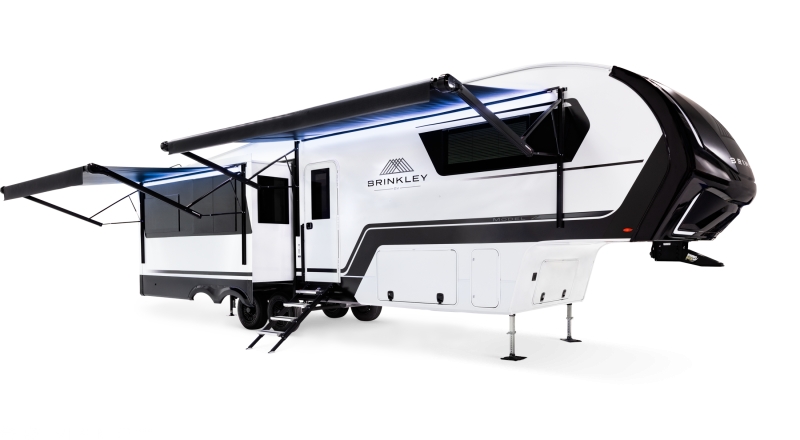
Brinkley RV has introduced a new mid-profile luxury fifth wheel, the Model Z. The bright and modern interior provides more than just luxury and feels like a home the minute you step inside. The Model Z features wide-stance leveling jacks for easy set-up, an automotive-grade front cap, lights and lens for a superb upscale look and feel. It also features industry-first brass plumbing connections, quad-entry solid steps with motion lights and two outside hot and cold showers.
On the inside, clean lines create a modern look throughout that is both warm and inviting. The cabinetry and kitchen fixtures feature gold-accented handles and great lighting. All of the details will make you feel right at home as you travel. The center island features built-in double pull-out trash bins with an integrated Stow & Go paper towel holder, doggy bowls, plus a built-in utensil drawer in the dining table. There is ample storage both inside and out, with tons of overhead cabinets, drawers and shelves. You’ll also find hidden storage in the bedroom, an 84-inch pantry, ample exterior storage and more.
The Forest River RV Impression mid-profile fifth wheel is designed for comfort through quality craftsmanship and attention to what customers’ desire. The open floorplans, décor and high-end amenities provide a luxury feel throughout. Each fifth wheel is constructed with an Aluma-Frame structure with laminated aluminum sidewalls, slide boxes, a front wall and floor, plus one-piece Tufflex PVC roofing and an LCI Space Saver Upper Deck and LCI Rhino Box for more strength.
The exterior offers the One Touch automatic leveling system, Shurflo water pressure regulator, an enclosed docking station and off-grid camping prep. The interior includes Congoleum residential linoleum, Shaw residential carpeting with Stain Guard protection and electric fireplace and space heater, as well as oversized windows for great views and circulation of natural air.
The Keystone RV Avalanche fifth wheel allows you to live large for less. These full-profile luxury models feature spacious living quarters, a unique wide-body construction and frameless panoramic windows to give you great views of the mountains, lake or forest.
Each model includes an exclusive four-season RV Polar Pack climate protection that will allow you to camp all year long with its heated and enclosed underbelly, two static attic vents, a 35,000 BTU furnace and more. The modern interior decor and stunning solid wood cabinet doors will have you feeling right at home. Each model includes a 40-inch designer fireplace with a decorative surround for a truly cozy space. Towing is made hassle-free due to the Road Armor shock absorbing hitch pin, plus the Max Turn Technology and Hitch Vision with LED lighting. The one-touch, six-point hydraulic level up system makes setting up easier than ever.
The Keystone RV Cougar fifth wheel goes above and beyond. This collection showcases some of the most livable full-profile floorplans, while still maintaining an ultra-towable length. The MaxTurn technology with Road Armor shock absorbing hitch pin and Hitch Vision create unparalleled towing control. The innovative iN-Command smart RV control system and Climate Guard all-season protection make the Cougar fifth wheel an obvious choice for full-time or extended-stay camping.
The SolarFlex 200 solar energy system comes standard, but you can upgrade this system to a SolarFlex 400i or SolarFlex 600i-L to suit your needs. Some other new features include the 16 cubic-foot, 12-volt refrigerator, an on-demand water heater and a new exterior graphics package. Another Keystone advantage is the Blade Pure air conditioning system. Keystone has developed air vents and air intake which incorporates a residential air filter to help alleviate airborne annoyances that cause pollen allergies. The system utilizes a standard-size air filter available at most hardware stores.
A higher standard is found with the Crusader fifth wheels by Prime Time RV. These models have been designed by thinking outside of the box to bring you product innovations, durable construction and luxury features.
Each fifth wheel includes the Extreme Thermal Package Plus with an enclosed and heated underbelly, heated basement storage, high-density block foam insulation and more, to deliver zero-degree extended season enjoyment. The Super Turn front cap with LED lights and Dexter E-Z Lube axle hubs provide hassle-free towing. Set-up will be easier than ever with the auto-leveling system. The interior will make you feel right at home with hardwood cabinet doors, beveled solid surface countertops, blackout roller shades and stain-resistant, easy-to-clean vinyl furniture.
After customers told Alliance RV what they wanted in a fifth wheel, they delivered the Paradigm. Designed by the Alliance RV team with hundreds of years in the business, you can be sure you’re getting a functional, high-quality luxury fifth wheel with the Paradigm.
The eight-and-a-half-foot wide-body chassis, Mylar-reinforced exterior seals and insulated, laminated rear wall will provide a durable fifth wheel made to last. A MORryde CRE 3000 suspension system and Dexter 7,000-pound axles provide the ultimate towing experience and the six-point hydraulic leveling will make set-up easier than ever. Head inside to find Champagne Bronze hardware, atrium windows, a large residential shower and MCD roller shades throughout to provide privacy.
The Grand Design RV Solitude are extended-stay fifth wheels that are spacious and include residential features, giving you long-term value. Taller ceilings, bigger cabinets and a sweeping scenic window all make the Solitude a dream.
The 101-inch wide-body, five-sided aluminum cage construction is a full five inches wider than many RVs in its class. The wide-body chassis allows for more livable floor space with deeper slide rooms, wider sofas in rear lounge models and space-saving sliding pocket doors into the bathrooms — all at a shorter towing length. More standard features include the chef-inspired stainless steel cooktop and oven, the six-point hydraulic auto leveling system, Weather-Teck insulation to enjoy four seasons of camping, plus many more comforts.
Redwood fifth wheels by Crossroads RV are the foundation of luxury. There are many best-in-class features that will snag your attention, like the aerodynamic profile, solid hardwood cabinets and solid-surface countertops. Each fifth wheel is built to make you feel like a king or queen.
Throughout the interior, you’ll find residential carpet and linoleum, as well as USB ports and a central vacuum with power dust pan for when messes happen. There is an iN-Command global automation system, Winegard Connect 2.0 4G/Wi-Fi, 15,000 BTU Whisper Quiet A/C and energy-efficient 35,000 BTU furnace. A second 15,000 BTU Whisper Quiet A/C is included in the bedroom, along with a 39-inch LED HDTV and gel-foam tilting king-size bed. An exciting living area features a 5,100 BTU fireplace, Bluetooth sound bar with powered subwoofer, wireless charging pad and 4K Smart HDTV. All of this luxury sits on a Custom FIT 2.0 chassis with six-point hydraulic jacks, a MORryde LRE 4100 suspension system, Falcon 8,000-pound axles and a Falcon two-inch receiver hitch rated at 3,000 pounds.
Start an extraordinary adventure with an Arcadia three quarter-ton fifth wheel by Keystone RV. The Arcadia includes higher ceilings, unmatched storage space and more fresh water tanks in each floor plan. Whether you plan to camp on weekends or go full time, the Arcadia is for you.
Each Arcadia includes the Peak Weather Protection Package for better protection all year long and the standard SolarFlex 200. Or choose the optional SolarFlex 400i or 600i for even more off-grid camping capabilities. You will feel right at home with residential features like designer vinyl flooring throughout, a farmhouse-style sink, an upgraded memory foam mattress and much more.
Is a fifth wheel worth it?
If you already own a truck capable of towing a heavy load, a fifth wheel could be an affordable entry into RV ownership. Another advantage of towable RVs is that you only have one vehicle engine to maintain, compared to a Class A or Class C motorhome with a tow car.
Owning an RV can lead to significant savings compared to the costs of a typical vacation with flights, rental cars, accommodations and meals. However, fifth wheels, like any RV, also come with long-term maintenance costs, storage fees and other expenses to consider.
Finally, choosing the right RV comes down to meeting all of your needs, including price points. General RV’s experts can answer all your questions and provide recommendations based on your unique needs. Visit your local General RV dealer to explore our huge selection of fifth wheels for yourself. We have thousands of fifth wheels in stock including all the best brands from top manufacturers. After you’ve found the perfect RV, we’ll provide a personalized orientation to get you on the road with confidence.
Not only are travel trailers the most popular type of RV, they are the most affordable. More families than ever are heading out to create their own Great American Road Trip and, for many, it starts with the perfect RV. Buying a travel trailer can seem intimidating, but with the right information, it can be an exciting and empowering decision.
Large families are going to have much different needs than solo travelers. Families who love kayaking and biking will need different travel trailers than those who want to travel light and park in major urban areas. Travel trailers are built with solid walls, hitch to a truck or SUV and come in all shapes and sizes. They are safe and typically have slide-outs to create wide-open living spaces.
One of the benefits of traveling with a trailer rather than a motorhome is that when you set up camp, you can unhook the trailer and leave it set up while you use the vehicle to explore the area. When you travel by motorhome, you either need to drive your whole RV for sightseeing days or tow a separate vehicle behind it.
Unlike motorized RVs that have an engine and can be driven on their own, travel trailers are pulled behind another vehicle. Travel trailers come in all sizes, including everything from tiny jelly bean-shaped models with a small kitchen in the rear to a full blown house-on-wheels, with multiple slide-outs and residential-sized appliances. Their length can vary, starting at 12 feet long and going up to 35 feet long or more. Weight also varies with the size, from as low as 1,200 pounds up to nearly 10,000 pounds.
Sometimes called a bumper-pull (when they first became popular in the early 1950s, they were attached to the bumper of the tow car), the modern travel trailer employs a hitch secured to the frame of your tow vehicle. This truck or SUV will include specialized hardware to make towing safe and easy. Travel trailers are relatively easy to set up once you arrive at your destination. You can unhitch it, leave it and still have a vehicle to explore.
What are the primary differences between travel trailers, fifth wheels and toy haulers?
While travel trailers, fifth wheels and toy haulers are all towable RVs, this is where their similarities end. There are some pretty significant differences between the three. Below are brief descriptions of fifth wheels and toy haulers and what makes them different from travel trailers.
Fifth Wheels
Keystone RV Montana Fifth Wheel
Fifth wheels are the largest towable trailers available and some rival motorhomes for the amount of space and the amenities they offer. In fact, they’re popular for full-time living as well as for traveling. They can have multiple slide-outs, outdoor kitchens, kitchens, bathrooms and an entertainment area. They often include an upstairs area, above the truck bed, for sleeping. Fifth wheels can sleep up to eight people.
Fifth wheels connect with a U-shaped coupling mounted in a truck bed, which, generally, make them easier to tow. This can be attributed to the design of the fifth wheel and the kingpin hitch, which moves the load forward into the bed of the truck. However, because fifth wheels are so large, you’ll need a large pickup truck to tow it. For many fifth wheels, a half-ton truck like a Ford F-150 or Toyota Tundra with maximum towing capacities from 9,740 to 13,200 pounds GVWR will do the job. But many fifth wheel owners prefer a heavy duty truck like a Ram 2500 or a Ford Super Duty F-250, which tow a maximum of 12,760 to 18,500 pounds GVWR.
Due to their higher roofline, fifth wheels generally have higher interior ceiling height than travel trailers. In fact, fifth wheels typically have the highest ceilings of all types of RVs. Fifth wheels are often equipped with high-end features making them more expensive than travel trailers on the whole. When it comes to living full-time in an RV, fifth wheels are the preferred choice. They tend to have a more residential feeling providing a true sense of being home-away-from-home. However, due to the towing requirements that comes with fifth wheels, many consumers in the towable RV market will steer toward travel trailers because most everyday trucks and SUVs are equipped to handle towing them.
Toy Haulers
Toy haulers have a dedicated garage space designed to carry recreational toys while also providing extra living space.
The sizes, prices and maneuverability are about the same for both toy haulers and travel trailers. Toy haulers are built on a sturdier frame and, therefore, can be much heavier than travel trailers. The dry weight for the average toy hauler is around 10,000 pounds, but models can range from 4,000 pounds up to 15,000 pounds. They also have a garage area which can take away from the interior space of the trailer. The most common type of toy hauler is the fifth wheel, partly because it has a more secure connection to the towing vehicle. Certainly, if you have motorcycles, quads, sand toys or lots of recreational toys – like cross-country bikes, kayaks, inflatable boats, wind surfing equipment or other toys – then a toy hauler will meet your needs better than a travel trailer. However, toy haulers come in travel trailer floorplans with standard towing hitches, as well.
If you’re a traveling family, the extra space in the garage will provide extra sleeping spaces for the kids, as well as an indoor play area. The garage can also be converted to a space for homeschooling a young family. Pets are another reason you might choose a toy hauler. The garage area is also a great place to bring your wet, sandy or muddy pets inside, but still keep the dirt under control.
How big are travel trailers?
Travel trailers come in a wide range of sizes and styles. That said, most travel trailers typically range anywhere from 12 feet to 35 feet long. A simple, 12-foot travel trailer allows enough comfortable space for one or two people (most likely a couple). Meanwhile, a 35-foot trailer can allow enough space for up to 10 people to sleep comfortably. Every state has laws regarding the length, height and width restrictions of travel trailers. These all vary somewhat, but, generally, the consensus is that trailers must have widths no greater than between 8 feet and 8.5 feet.
Most states generally restrict RV travel trailer length to 40 feet, although some states allow for additional length, with a maximum of 43-feet-6-inches. This doesn’t include the tow vehicle. In most states, the maximum combined length is usually between 50 feet to 65 feet.
Travel trailers vary in weight from 1,200 to almost 9,000 pounds. They come in various lengths and builds, allowing for a diverse weight range. Smaller travel trailers have an average maximum weight of about 3,500 pounds (GVWR). Some larger travel trailers can reach more than 10,000 pounds when fully loaded.
Is a travel trailer hard to tow?
From Gen Zs to Boomers, RVing in a travel trailer, of any type, offers freedom and a sense of self-sufficiency. However, towing a travel trailer can bring some unexpected stress and safety concerns for first-time RVers. Trailers add weight and that added weight changes the handling dynamics and braking of the tow vehicle. That’s why you need to make sure your trailer and tow vehicle are properly matched.
The towing capacity of a vehicle is how much weight it can tow. The towing capacity is determined mainly by the type of axles the truck has and their ratings. Usually, towing capacity applies to SUVs and trucks, since most sedans or smaller cars don’t have large towing capabilities. Keeping your trailer’s weight in mind is integral as well. If your trailer weighs too much for your tow vehicle, it increases the stopping distance and likelihood of damage to your tow vehicle or RV.
There are two important weight-related factors when it comes to RV trailers: GVWR (Gross Vehicle Weight Rating) and tongue weight (TW). GVWR is the safe maximum weight of the trailer when it’s loaded for camping with water, fuel, supplies, and cargo. The TW is how much downforce the loaded trailer places on the hitch. Both numbers are displayed on the metal Federal Certification/VIN ID tag located on the front left side of a travel trailer. You can also find the specifications listed on the trailer manufacturer’s website.
Those two numbers set the basis for choosing the vehicle best suited for towing a travel trailer. Tongue weight of RV trailers, sometimes referred to as “hitch weight,” will be typically between 10 and 15-percent of the trailer’s GVWR. RV trailer weights can vary widely by brand, type, and size. That’s why it’s important to narrow down these numbers to the specific trailer you plan to tow and then make sure those weights match your vehicle’s towing limitations. You can also find your vehicle’s towing capacity on General RV’s towing guide.
Where can you go camping in a travel trailer?
The options for where a travel trailer can go generally depend on the vehicle towing it. There are roughly 4,510 RV parks and campgrounds in the United States, including 113,000 federally-managed campsites at national parks, 166,000 campsites dispersed across state parks and untold numbers in private facilities.
The Bureau of Land Management, or BLM, is a federal agency under the U.S. Department of the Interior that oversees more than 247.3 million acres of land. Much of it is available free to the public for dry camping or boondocking, without hookups to electricity, water or sewage. In fact, there are many lightweight travel trailers specifically designed for off-grid RV excursions.
Who are typical travel trailer owners?
Recent surveys show more than 11.2 million households in the U.S. own an RV. 38 percent of those RVs are travel trailers. Most commonly used during the summer and fall months, travel trailers are especially popular among young families and first-time RV owners. The vast majority of owners hit the road with their spouse and more than a quarter travel with children under 18 or a pet.
Studies also show very few travel trailer owners prefer to travel alone. Meanwhile, more than half of owners are female. State parks are the most popular option for travel trailer owners, followed by private campgrounds and national park campgrounds.
What are the advantages and disadvantages of owning a travel trailer?
Advantages of a travel trailer
Travel trailers have a lot of advantages that make them a popular RV choice. First, even newer travel trailers come with a much lower price tag than other types of RVs, making them a more affordable option. They also come in a wide range of lengths and sizes. If you already have a truck or an SUV, you can likely find a travel trailer you’ll be able to tow. Additionally, travel trailers also allow you to utilize the full space of the truck or SUV for passengers, storage or even additional toys – like ATVs or motorcycles.
Travel trailers are all about variety and the floor plan variety is no different. There are lots of options to choose from. For example, a floor plan with a bunkhouse is excellent for families with kids. Finally, with any trailer, being able to unhitch the RV and take the tow vehicle elsewhere is always the biggest advantage to travel trailers.
Disadvantagesof a travel trailer
One major downfall of the travel trailer is towing experience. An uncontrollable sway is possible if proper sway control and weight distribution hitches are not used or if they are hooked up incorrectly. Since many require a weight-distribution hitch, bumps in the road can be much more noticeable with a travel trailer.
Another disadvantage is that travel trailers have less storage space than most other RVs. While many RVs have an abundance of outdoor storage space underneath, a travel trailer typically does not. That means if you want to bring something on your trip, it needs to fit inside your RV or in your tow vehicle. Along with storage, most travel trailers have lower weight carrying capacities, meaning you cannot bring along as much stuff.
Travel trailers also have fewer amenities than larger RVs, mainly due to their lower cost and weight restrictions. Even though they have high sleeping capacities, you cannot legally have passengers riding in a travel trailer. This limits, and may complicate, the logistics of large family camping trips.
How much do travel trailers cost?
A travel trailer is the least expensive way to enjoy a recreational vehicle or RV lifestyle. Travel trailers are significantly cheaper than motorhomes for the fact they have no engine and must be towed. Travel trailer prices can range from $10,000 to $200,000 for a travel trailer. On average, most new travel trailers cost between $20,000 and $50,000. The size of the travel trailer is the first factor — the bigger you go, the more you will pay. Brand, quality, features and amenities will also play into the final purchase price. If you’re trying to stick to a strict RV budget, don’t skimp on quality. Instead, choose an RV manufacturer known to make high-quality trailers.
Financial options for purchasing a travel trailer
A number of financial options are available when it comes to purchasing your travel trailer. While some may pay in cash, most will finance their purchase over the course of several months. Monthly payments can be reduced by providing a large down payment at purchase. This could also help secure a lower interest rate, leading to even more savings in the long-term. Many RV dealers and banks offer great financing options.
Creating an RV budget will help you stay within your financial boundaries and help narrow your travel trailer RV search. Be sure to also include parts or accessory upgrades, regular preventative maintenance and RV insurance in your budget. You will also need to account for storage costs if you are unable to store your travel trailer on your property when not in use. RVing is growing in popularity at an exponential rate because it can be enjoyed on nearly any budget. Read about some ways to save money while RVing and stretch your dollars, so you can enjoy more adventures.
What’s the best travel trailer for me?
It is essential to determine the best travel trailer to suit your needs, aesthetics and dimensions on the outside and inside. You should select the right travel trailer your vehicle will be able to pull. Make sure the floor plan is suitable for your requirements. There should also be enough room to fit the things you’re looking for. Make a list of those things you’d like to take and make sure you have enough space. Additionally, you’ll want to ensure that the bathroom and shower are spacious.
The best travel trailer brands at General RV
Coachmen RV Travel Trailers
Coachmen RV has been manufacturing RVs since 1964, earning an excellent reputation for reliability. Considered one of the top RV manufacturers on the market, Coachmen has up to 15 travel trailer models available.
Forest River RV Travel Trailers
Since opening its doors in 1996, Forest River RV has become one of the most popular names in the RV world. Forest River manufacturers RVs in nearly every category, with almost four dozen models of travel trailers alone.
Grand Design RV Travel Trailers
Grand Design RV manufactures high-quality towable fifth wheels and travel trailers. From affordable, luxury extended-stay vehicles to amenity-packed toy haulers, Grand Design delivers variety and reliability.
Jayco Travel Trailers
Travel trailers are the most popular kind of RV and Jayco travel trailers are built using several exclusive methods, materials and technologies that make them popular and reliable. With a wide range of sizes and floorplan options to fit many family sizes, you will find a Jayco travel trailer to accommodate all your travel needs.
Keystone RV Travel Trailers
Keystone RV Company is the top manufacturer of towable RVs in North America — with more than one million owners, 5,000 team members and over one million square feet of manufacturing in Goshen, Indiana and Pendleton, Oregon. With more than 200 floorplans available, Keystone RV Company has the perfect travel trailer for every camper.
Prime Time RV Travel Trailers
Headquartered in Wakarusa, Indiana, Prime Time Manufacturing proudly builds a full line of towable RV products to meet the needs of experienced, casual and first-time RV customers. A division of Forest River, Inc., their unwavering commitment to quality and a customer-first service philosophy has made Prime Time one of North America’s favorite RV manufacturers.
10 Best Travel Trailers For Sale at General RV
Coachmen RV Apex Nano travel trailer
The Coachmen RV Apex Nano travel trailers were designed to be towed by today’s half-ton trucks, minivans and SUVs. These lightweight and durable travel trailers from Coachmen RV are perfect for families new to RVing or seasoned travelers. The mandatory Nano Package comes with a wide range of construction features that are sure to impress, as well as standard kitchen and bathroom amenities that promises a luxury living experience. These 7-foot 6-inch-wide lightweight trailers, consisting of four models in both slide and non-slide versions, weigh as little as 2,604 pounds.
Construction features include welded aluminum framing, vacuum-bond laminated fiberglass side walls and composites designed for less weight. Inside, the trailer has double-bowl sinks and crowned 6-foot 6-inch ceilings. The Nano sleeps four to six people, with generously-sized dinettes that fold down into beds. Three of the models also have queen beds. Spacious interior cabinets and large exterior compartments provide ample storage.
Coachmen claims the Nano has some of the largest payload capacities in the single-axle market, with cargo ratings up to 1,200 pounds in the slide models. All Nano models also have 30-gallon freshwater, gray- and black-water tanks.
Solid steps at entrance
Bunk folds up for extra storage
Interior from front to back
Interior from back to front
Queen Murphy bed
Bed folds for versatility
Dual LP tanks
Outdoor kitchen with refrigerator
Floorplan for 2023 Coachmen RV Apex Nano 208BHS
Forest River RV Salem travel trailer
The Forest River Salem travel trailers may come in a tiny package, but they are fully featured, lightweight and easy to tow. They are perfect for either the first-time camper or seasoned travelers and have a modern residential living space to be a comfortable home away from home.
Each model includes residential features to maximize comfort. There are full bath and kitchen amenities, comfortable sleeping spaces and plenty of storage areas for your belongings. The durable construction means you can plan to camp for years to come and you will love how easy it will be to tow these trailers.
Kitchen loaded with residential features
Versa Lounge & Dinette converts to bed
Walk-in shower with surround
Custom King bed
Outdoor camp kitchen
Versa bunks with Versa queen bed
Bunks fold up for extra storage/space
Versa Lounge with Stow N Go Storage
Floorplan for 2023 Forest River RV Salem 29VBUD
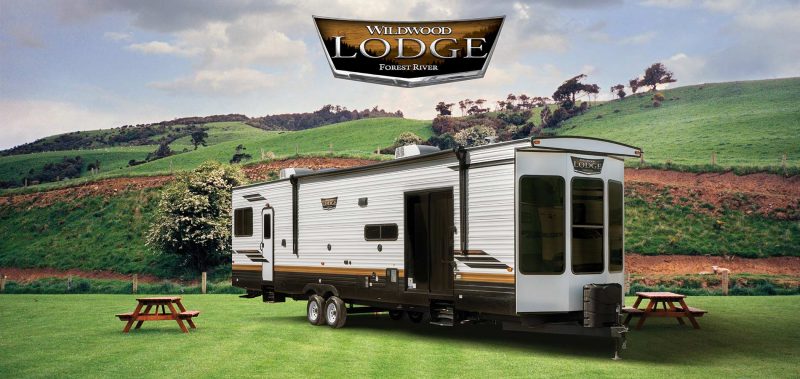
Forest River RV Wildwoodtravel trailer
Forest River made convenience and quality a priority in these Wildwood travel trailers. From a spacious kitchen to plush bedroom, everything about this RV was designed to take you on grand adventures in comfort and style.
The Wildwood gives you a spacious living room area thanks to two slide-outs. The Versa-Lounge seating system allows you to configure your space for maximum comfort, while theater seating gives you a great spot to watch the game. The island kitchen is well equipped with a stove top, oven, residential refrigerator and pantry. The bathroom features a walk-in shower, plus a skylight and linen cabinet, while the front bedroom includes a walk-in closet.
Custom King bed
Oversized refrigerator
Entertainment center with fireplace
Private bunkhouse featuring dual opposing slides to provide tons of space
Floorplan for 2023 Forest River RV Wildwood 31KQBTS
Grand Design RV Imagine travel trailer
Whether you’re leaving the world behind for the weekend or sticking around for a stay-cation, with the Grand Design RV Imagine travel trailer it’s as easy as tow and go. Down to every detail, the Imagine offers everything your family needs for adventure — and a good night’s sleep.
The Imagine is one of the best mid-profile travel trailers on the market today. It has an aluminum frame and fiberglass sides. The different floor plans are between 29 feet and 37 feet and weigh from 7,850 pounds to 10,200 pounds. Each model includes exceptional features like a 165W roof-mounted solar panel, high-capacity furnace, residential cabinetry, nitrogen-filled radial tires and a universal docking station. Additionally, you’ll enjoy upgraded residential furniture, residential countertops, exterior speakers and large panoramic windows.
Skylight in shower
Queen bed with overhead cabinets
U-shaped dinette and tri-fold sofa
U-shaped dinette
Overhead counters and flip-up counter extension
Bunkroom and bathroom at rear of RV
Floorplan for 2023 Grand Design RV Imagine 2800BH
Grand Design RV Transcend Xplor travel trailer
Featuring open floorplans, functional and towability for many of today’s half-ton trucks and SUVs, the Transcend Xplor travel trailer is built for adventure. Throw in unmatched quality, backed by an industry-leading warranty, and there’s no reason not to Xplor. The Transcend Xplor features a unique, industry exclusive StongWall aluminum exterior that is 25 percent thicker than the competition, giving it the strength and durability to hold up to years of use.
You will also appreciate oversized tank capacities, a power tongue jack, an all-in-one utility center, plus many other exterior conveniences. Step inside to find a deep-seated stainless steel sink, residential countertops, solid hardwood drawer fronts and upgraded residential furniture. These travel trailers include multiple packages, like the Power Package, featuring exterior speakers and back-up camera prep, along with the Solar Package featuring a 165-watt roof-mounted solar panel and a solar charge controller.
Split bath with access to main bedroom
Queen bed with overhead storage
U-shaped dinette
L-shaped kitchen next to entertainment center
Rear of RV looking to the front
Floorplan for 2023 Grand Design RV Transcend Xplor 265BH
Jayco RV Jay Feather travel trailer
The Jayco RV Jay Feather travel trailer’s lightweight, rock-solid fiberglass construction features two distinct interior design concepts with new fixtures and flooring throughout. Whether you’re looking for a smaller camper with lots of sleeping space or luxurious amenities in an easy-to-tow trailer, there’s a Jay Feather for you.
Each Jay Feather is built on an American-made chassis with an integrated A-frame which runs through the main foundation preventing the hitch from buckling. These travel trailers include Stronghold VBL vacuum-bonded, laminated flooring and walls, plus the Magnum Truss Roof System, which is 50 percent stronger than other roofs in the industry. The interior equipment includes residential-style kitchen countertops, four-inch high-density dinette cushions with vinyl backing and residential vinyl flooring with cold crack resistance, for years of enjoyment.
There are many reasons to choose a Jayco Jay Feather travel trailer. It’s lightweight, easy to tow and includes a sport package with enhanced graphics, a front-molded fiberglass cap and an enclosed underbelly. Plus, may more great features!
Double bunks at rear flip up for extra storage
Floorplan for Jayco Jay Feather 22BH
Keystone RV Cougar travel trailer
Committed to cutting-edge innovation, quality, style and affordability, the Keystone RV Cougar travel trailer offers a wide selection of floorplans designed to be towed by both half-ton and full-sized trucks. The limited edition Cougar Sport offers two new, even lighter models. The Cougar line-up is designed to grow with your family, from your first RV to your last.
MaxTurn technology with Road Armor shock absorbing hitch pin and Hitch Vision, creates unparalleled towing control. The innovative iN-Command smart RV control system and Climate Guard all-season protection make the Cougar an obvious choice for full-time or extended-stay camping. The SolarFlex solar energy system comes standard as a SolarFlex 200, but you can upgrade this system to a SolarFlex 400i or SolarFlex 600i-L to suit your needs. Some new features of the Cougar include a 16-cubic-foot, 12-volt refrigerator, an on-demand water heater and the new exterior graphics package.
Double bunks behind booth dinette
King bed with overhead storage
Outdoor grill with mini fridge
Floorplan for 2023 Keystone RV Cougar 30BHS
Keystone RV Passport travel trailer
The Keystone RV Passport travel trailer has developed a reputation as a lightweight travel trailer that truly delivers the total package. More functionality, more standard features and seemingly endless interior and exterior storage with every floorplan, keeps the Passport at the front of the pack. Now celebrating it’s 15-year anniversary, the Passport has been campers’ top choice for over a decade.
The Passport is known as the Swiss army knife of RVs for the multi-functional features and best-in-class storage, to help make your camping trip memorable. Even though they are smaller in size, they still offer all of the features campers love, like rear cargo doors and flip-up bunks. Another multi-functional feature is the Murphy bed on some models, which reveals a sofa when not in use. The Pivot furniture, exclusively from Keystone, features a levered dinette seat back that shifts to create an expansive L-shaped sofa to seat the whole family.
Bottom bunk folds up for extra storage
Floorplan for Keystone RV Passport 268BH
Keystone RV Springdale travel trailer
No matter how you define family, Keystone RV Springdale travel trailer’s affordable travel trailers have a model for you. Springdale travel trailer bunkhouses are available in every configuration imaginable. Owners will find extra storage in unexpected places and effortless camping, thanks to power stabilizers, tongue jacks and awnings, as well as unique features like a full solar power package and larger campsite windows.
Each Springdale is built using a floorplan-specific I-beam frame with full width outriggers, maximum 16-inch O.C. wood sidewall construction and Dexter E-Z Lube axles. The Keystone Exclusives provide color-coded unified wiring, Tuf-Lok thermoplastic duct joiners, in-floor heating ducts and 4G LTE and Wi-Fi prep. Models range from tiny to large for weekend warriors, bunkhouse models for families and friends, non-slide and slide floorplans, plus destination trailers giving you a glass patio door and a place to return to time and time again.
Queen bed with double shelves overhead
Double bunks behind theater seating
Floorplan for 2023 Keystone RV Springdale 286BHU
Prime Time RV Avenger travel trailer
The Avenger travel trailers by Prime Time RV were created to maximum customer satisfaction and enjoyment with innovative construction and best-in-class features and design elements. These double-axle trailers offer couples’ floorplans and family-friendly bunk models.
Each Avenger is built on a powder coated l-beam frame and includes an enclosed underbelly to protect against debris and control the inside climate. The Avenger also features safety chain hooks on the A-frame, a one-piece TPO roof membrane and an aluminum exterior skin making the travel trailer lightweight. The interior offers premium cabinetry, LED interior lighting, seamless Carefree Congoleum flooring for durability and more.
Queen bed with overhead storage
Bunk flips up to utilize space for sofa
Second entrance in bathroom
Floorplan for 2023 Prime Time RV Avenger 32BHS
Is a travel trailer worth it?
There are many different types of trailers to suit a variety of needs — from tiny teardrops with galley kitchens in the rear to massive 39-foot trailers that can sleep up to 10 people. With a huge selection of floorplans and models, the travel trailer is a great option for your first RV; whether you’re a family of six or a solo traveler.
Owning an RV can lead to significant savings compared to the costs of a typical vacation with flights, rental cars, accommodations and meals. However, travel trailers, like any RV, also come with long-term maintenance costs, storage fees and other expenses to consider.
Finally, choosing the right RV comes down to meeting all of your needs, including price points. General RV’s towable experts can answer all your questions and provide recommendations based on your unique needs. Visit your local General RV dealer to explore our huge selection of travel trailers for yourself. We have thousands of travel trailers in stock, including all the best brands from top manufacturers. After you’ve found the perfect RV, we’ll provide a personalized orientation to get you on the road with confidence.
If you will be doing any winter camping or winter RV living, proper insulation of your RV or camper is one of the most important factors to consider in order to not only keep your RV cozy inside but to protect your equipment against the harsh winter elements. There are several options available when it comes to insulating your RV against winter temperatures. Cost, ease of sourcing materials, bulky materials, and permanence of insulation are all common challenges that come along with insulating an RV for the winter. EZ Snap products are one solution to keeping the chill out that resolves many of these concerns.
Comparing Common Insulation Types for Your RV
First, look at some common insulation types and their benefits. Foam board insulation is perhaps the easiest material to source. You can find foam board insulation at most home improvement stores, often with several sizes and thicknesses to choose from. While installing foam board insulation is not a permanent installation, the materials are quite bulky and bring with it the challenge of what to do with the foam board at the end of the season when spring comes again and it’s time to remove the insulation.
Reflective insulation, while less bulky than foam board, is also a non-permanent solution. Reflective insulation can also be sourced at many home improvement stores and comes in rolls of various R-values. When removed in the spring, it again brings with it the challenge of what to do with the used insulation after it’s removed as it’s not simple to store for future re-use.
Spray foam insulation is a more permanently installed insulation that is applied to the underbelly of the RV to help insulate the pipe against the elements. It can be quite costly to insulate the underbelly fully with spray foam and is also difficult to remove in the future should the need arise.
Key Considerations for Choosing Insulation Materials
RV skirting does not require a high R-value to be effective in insulating your RV. The temperature differential between the inside and outside air beneath the RV is minimal due to the use of electric heaters, and the R-value savings would be insignificant. Furthermore, to achieve significant energy savings, RV skirting would need to be much thicker than it typically is. Stopping air movement is far more critical than R-value when it comes to RV skirting; a barrier to airflow alone is sufficient for most situations. In extreme winter climates, using rigid Styrofoam insulation board in conjunction with RV skirting is the most effective way to add insulation. Lastly, thermostatically controlled space heaters with built-in fans are the best heat source to use under RV skirting, as they only use energy when needed.
Insulating Your RV: Windows, Doors, and Floors
Window Insulation: Reducing Heat Loss with EZ Snap Window Shades
EZ Snap window shades are a valuable layer to your insulation equation as they help retain heat inside of the RV by adding a layer of insulation over your windows, protecting against the elements. Installation is simple with EZ Snap’s patented no-drill installation system. You can mount the fasteners to either the side panel, if it’s smooth and flat, or to the glass itself, cut the non-fray solar shading mesh to the size of each window, and install. (“EZ Snap”)
Door Insulation: Proper Sealing and Weatherstripping
Choosing the right weatherstripping material is another important factor to take into consideration. While some materials provide more insulation against cold temperatures, others are better suited to holding up against snow and ice or sub-zero temperatures. Thinking about the conditions where you live will help you choose the best material for your weatherstripping needs. Once you have selected your weather-stripping material, you’ll need to measure around your door to determine how much weather-stripping you will need. Next, you will cut the weatherstripping to size and allow a little excess to ensure that it will have a tight fit once installed. You can always trim it down later, if necessary. Finally, install the weatherstripping around the door, trim any necessary pieces that overlap, and test the door to ensure a proper seal with your new weatherstripping. (“How To Weatherstrip A Door the Right Way and Seal Gaps”)
Floor Insulation: Essential for RV Comfort and Plumbing Protection
Insulating your RV’s floors is an important step not only to help keep the chill out of your RV’s interior but also to help protect your RV’s plumbing system. Both freshwater and sewer pipes for your RV travel below the floor of your RV, so keeping those insulated also ensures that your plumbing system remains in tip-top shape throughout the cold winter months. To insulate your floors you could choose fiberglass, foam board, or spray foam insulation options. Each comes with varying costs, ease of installation, and the degree to which it provides insulation protection against the elements. While fiberglass insulation is the cheapest option, it’s the least suited for snow and wet weather which will require something like corrugated plastic to cover the fiberglass when you install it. Foamboard provides higher levels of installation but is the bulkiest and most costly of the three options. Spray foam insulation is more moderately priced but provides lesser protection against cold weather than foam board and is a more permanent solution. Choosing the best floor insulation for your needs is important and properly installing it will ensure the maximum protection for your RV. (“RV Insulation 101”)
Walls and Ceiling Insulation: Enhancing Comfort and Heat Retention
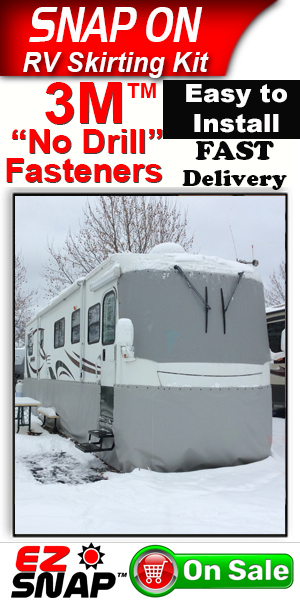
Enhancing Wall Insulation and Protecting RV Plumbing with Skirting
RVs come from the factory with varying levels of insulation. One option to increase the R-value of your RV’s wall insulation is to use spray foam insulation to supplement your RV’s existing insulation. Skirting your RV using a product like EZ Snap RV Skirting Kits provides a simple, easy-to-install solution that adds insulation to parts of your RV’s walls while also offering extra insulation to the underbelly and safeguarding vital plumbing lines. EZ Snap’s diamond-weave material is designed for extreme weather down to -40 degrees Fahrenheit and is lightweight, easy to cut to size, and resistant to mold and mildew—crucial factors considering it will be wrapped around your RV for several months each year.
Roof Insulation: Minimizing Heat Loss and Ensuring Warmth
Ceiling insulation might not be the first area of insulation that you consider when thinking about protecting your RV from cold temperatures, but since warm air rises, it’s where heat can easily be lost if not well-insulated. While keeping your roof cleared of snow and ice as much as possible is important, so is insulating your roof. One aspect to consider is any skylights or vents. These can be fitted with foam insulation pillows to reduce heat loss through the thin plastic windows which do not come insulated from the factory.
Optimizing Heating and Ventilation for Winter RV Comfort
Efficient Heating Systems
Keeping your RV’s propane or electric furnace in top condition is the first step to ensuring an efficient heating system. Making sure that all of your ductwork is clean, and vents clear to allow for maximum airflow to all areas of your RV will also help to keep your RV cozy inside. Some RVs come equipped with an electric fireplace heater or these can be added aftermarket to up the heat output in your RV. If your RV is larger or if you find that you need additional help heating your RV, ceramic space heaters used for short periods of time during the day can help raise the inside air temperature of your RV, keeping you warm and cozy inside. Never leave these unattended or running overnight.
Ventilation and Humidity Control
Proper ventilation is always important, but especially in the winter when you are sealing around your RV to insulate and keep the heat in and the cold out. Making sure that your RV’s propane is properly venting to the outside and not back into the RV is a critical safety consideration. Humidity is also a common battle during the winter months as condensation tends to settle on the walls, windows, and ceiling of the RV if left unchecked. Running a dehumidifier inside the RV throughout the winter will help to pull the humidity out of the air, preventing mold and mildew. These can quickly destroy your investment in your RV, so don’t skip on managing humidity, particularly if you are in a humid climate.
Evaluating your RV’s insulation needs and ensuring its proper insulation using the right products and equipment will ensure a cozy winter RV experience for you. Protecting your equipment by insulating your RV efficiently and properly will also extend the life of your RV, ensuring your enjoyment of your RV for years to come.
Camp within reach of New England’s most celebrated destinations. Circle CG Farm Campground in Bellingham, Massachusetts, sits less than an hour away from Boston, Cape Cod, and other popular Bay State spots. Spend the day visiting places like the Freedom Trail and Fenway Park, then relax at a highly rated (9.5/9.5*/10) resort with ample amenities.
Travelers who prefer to stay local can enjoy the campground’s many activities, from Christmas in July to live music. The campground’s lush, wooded setting completes the picture for a relaxing vacation.
Circle CG Farm Campground.
Camping Comfort
Occupying 30 acres, Circle CG Farm Campground sits amid ample shade trees in rustic surroundings. Recreation abounds here, with a pool, rec hall, and other spaces where campers can congregate. Guest can unleash their competitive spirit in the game room or hit the miniature golf course. Go fishing in the pond or hit one of the nature trails that stretch through the rustic property.
The resort supplies travelers with all the stuff they need, including metered propane, ice, pet supplies, and firewood. The country store sells groceries, and restrooms and showers in the park have a starred rating for cleanliness.
The park’s roads are paved, and Guests get an escort to their sites. There are 150 sites, which include 73 full-hookup sites and include 20 pull-through sites that measure 63 feet in length. Full-hookup sites are powered by 30- and 50-amp electricity. All sites have barbecues and tables, and there’s plenty of room for slideouts. Most sites are shaded. Pets are welcome, although there are some restrictions.
Circle CG Farm Campground
Connect to the park’s WiFi, available for 90 overnight sites. HD digital cable also is available. Circle CG Farm Campground offers winter storage for RV owners.
Fun Activities
Throughout the summer month, Circle CG Farm Campground puts on activities that feature food and entertainment. The Fourth of July Weekend kicks (July 1) off with live music at Grover Station featuring the rock band, RHB3. Nosh on hamburgers, hotdogs, chips, and soda to the sounds of popular rock tunes.
Fourth of July at Circle CG Farm Campground
Also in July, guests can partake in Ice Cream at Grover Station (July 2), Bingo at Opry Hall (July 2), and a pancake and sausage breakfast. On July 22, Christmas in July kicks off with a Snowball Fight on Safari Field, stocking decorations in the game room and photos with Santa.
October gets downright spooky with the Reapers Revenge Haunted House (October 8, 14, 21), with proceeds going to St. Jude Children’s Research Hospital.
Boston and Beyond
Less than an hour to the northeast, Boston entices travelers to take a trip into America’s past. History buffs can embark on the Freedom Trail, a two-and-a-half-mile pedestrian circuit that passes by 16 important historical sites across town. These include King’s Chapel and its Burying Ground, Park Street Church, the Paul Revere House, and Boston Common, to name a few. Visitors to the trail will want to stop at Bunker Hill, where the famous 1775 battle of the same name — the first major battle of the Revolutionary War — took place. The Freedom Trail also passes by the USS Constitution, a historic warship that was launched in 1797 that saw action against the British in the War of 1812.
View of the Boston Harbor and Financial District. Getty Images
Boston’s beautiful Public Garden, which dates back to the Victorian era, is another popular site. The 24-acre botanical site was established in 1837 on what was once a salt marsh and has a huge variety of native and introduced trees from around the world flanking its meandering pathways.
Baseball fans should make a pilgrimage to Fenway Park, which has hosted Boston Red Sox games since 1912, making it the oldest Major League Baseball park currently in use. Marvel at the looming left-field wall — nicknamed the “Green Monster” — and enjoy watching the score change via the hand-turned scoreboard.
Cool Cape
Jutting off the coast of mainland Massachusetts and into the Atlantic Ocean, Cape Cod is known for its scenic beaches and sweeping landscapes. It’s also a treasure trove of history and recreation, and it’s dotted with restaurants serving up succulent lobster.
Race Point Light Lighthouse in Cape Cod. Getty Images
Cape Cod’s allure goes beyond its beautiful coastlines. Popular points of interest include the John F. Kennedy Hyannis Museum, which gives visitors insights into the life of the president who helped usher in the New Frontier in the early 1960s. Family attractions abound here, too; don’t miss the Cape Cod Children’s Museum, which features a planetarium, the Flying Horses Carousel (the oldest platform carousel in the country), and the Nantucket Children’s Beach Bandstand, with a summer concert series and a host of kid-friendly activities. Other attractions include the adorable Gingerbread Cottages in Oak Bluffs and the Island Alpaca Company, where visitors can pet majestic alpacas.
Eastward Adventures
More fun awaits to the east of Bellingham. Just nine miles away, Southwick’s Zoo hosts 850 exotic animals from around the world on 200 acres with naturalistic habitats. Guests can stroll the 35-acre deer forest, where wild deer roam free, or ride the Woodlands Express Train through North American elk habitat. Get sweeping views of the African Plains from the Skyfari Skyride.
Getty Images
Blast from the Past
Further east from Bellingham, Old Sturbridge Villages preserves an earlier way of life. Considered the largest outdoor history museum in the Northeast, this stunning recreation of an 1830s rural town bustles with reenactors going about their days in a bank, carding mill, blacksmith shop, and copper shop.
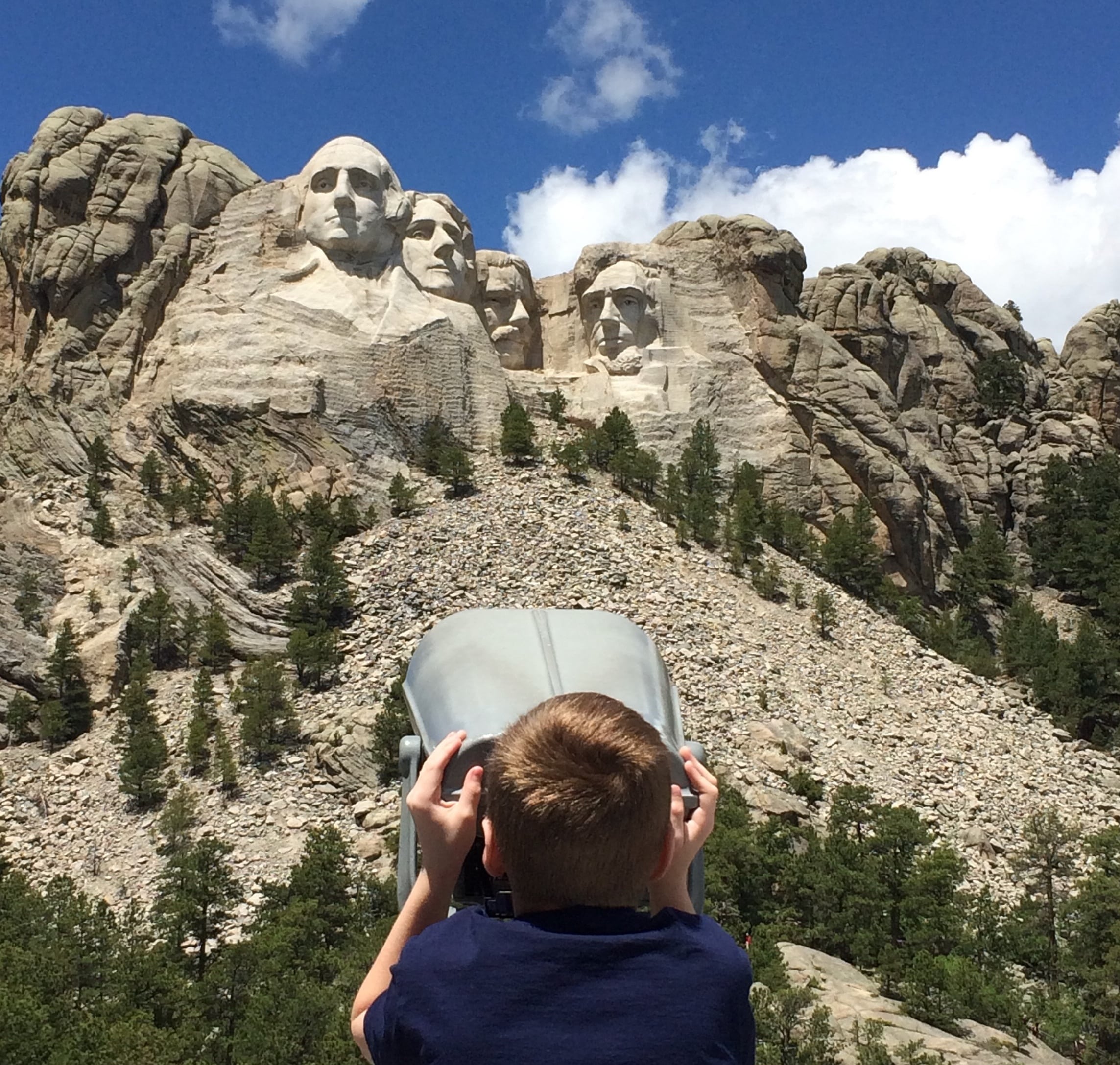
We’re truly fortunate to live in a country brimming with natural beauty. With a wide range of aesthetic and ecological diversity ranging from coast to coast, the United States offers a lifetime of photo-worthy opportunities. To help you plan your next adventure, here’s a starter list of 5 stunning photo-ops you need to see for yourself, as well as a list of nearby campgrounds.
The Grand Canyon
Grand Canyon National Park, Arizona
Likely at the top of most people’s bucket lists, the Grand Canyon is among the most awe-inspiring natural wonders of the world, let alone the United States. Carved over the course of millions of years by the Colorado River, the massive canyon offers plenty of hiking, whitewater rafting, and breathtaking panoramic views.
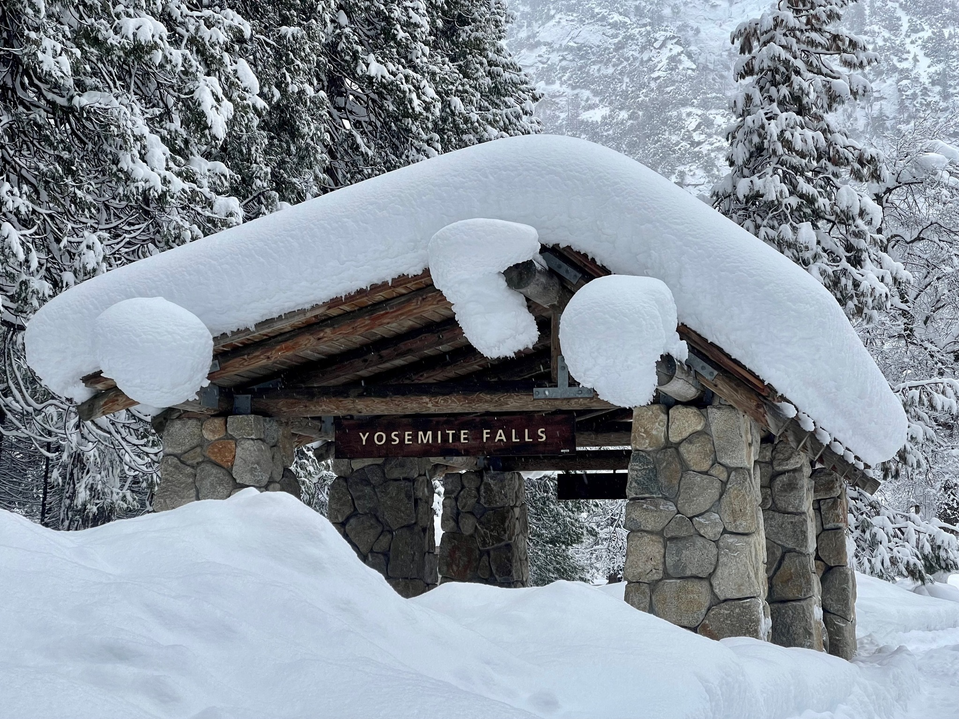
Tucked away in the Sierra Nevada Mountains, Yosemite is a hallmark for any explorer. With breathtaking waterfalls, ancient sequoia trees, and ample opportunities for rock climbing, hiking, and seeing wildlife, it’s definitely worth the trip.
Breathtaking peaks, luscious alpine scenery, and crystal-clear lakes make the Rocky Mountains a must-see for any avid outdoorsman. With plenty of beauty and activities for both the summer and winter, the Rockies live up to their mythic reputation. Plus, driving along the Million Dollar Highway makes for an aesthetically pleasant road trip.
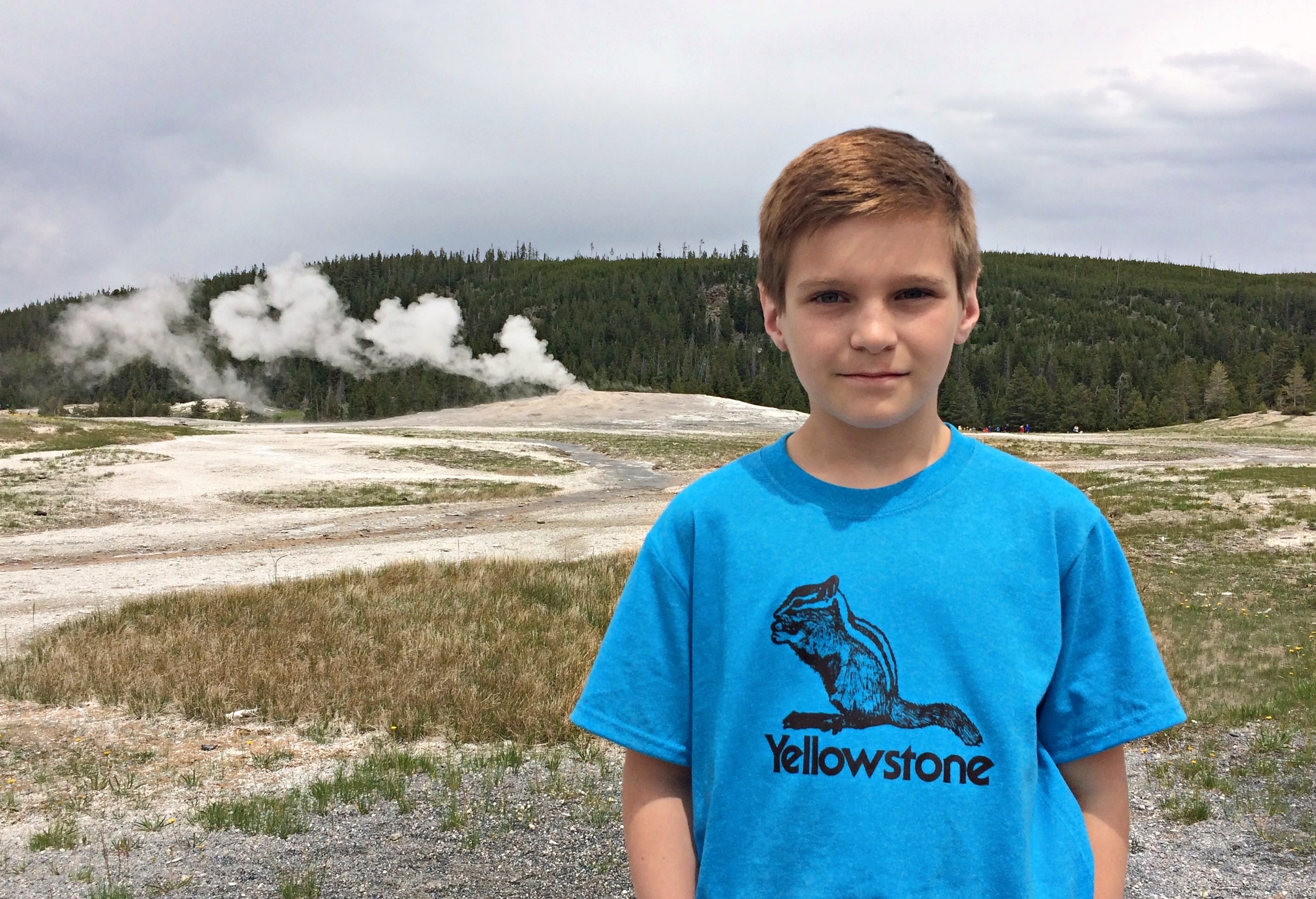
Known for its wildlife and geothermal wonders, Yellowstone is one of the most iconic national parks in the country. Experience the majesty of Old Faithful, take a dip in the hot springs, or see marvel at the abundance of wildlife – including bison, wolves, and bears.
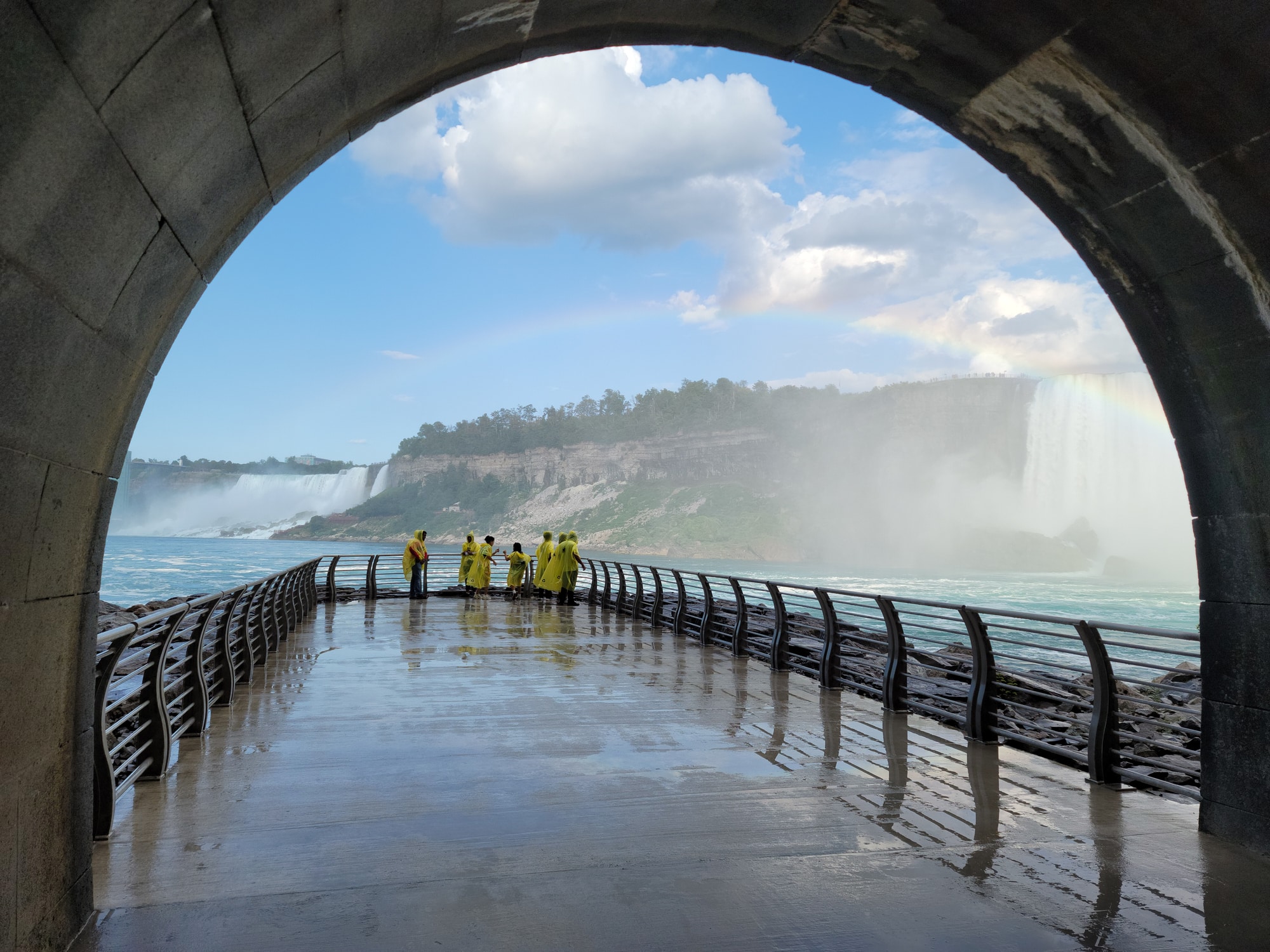
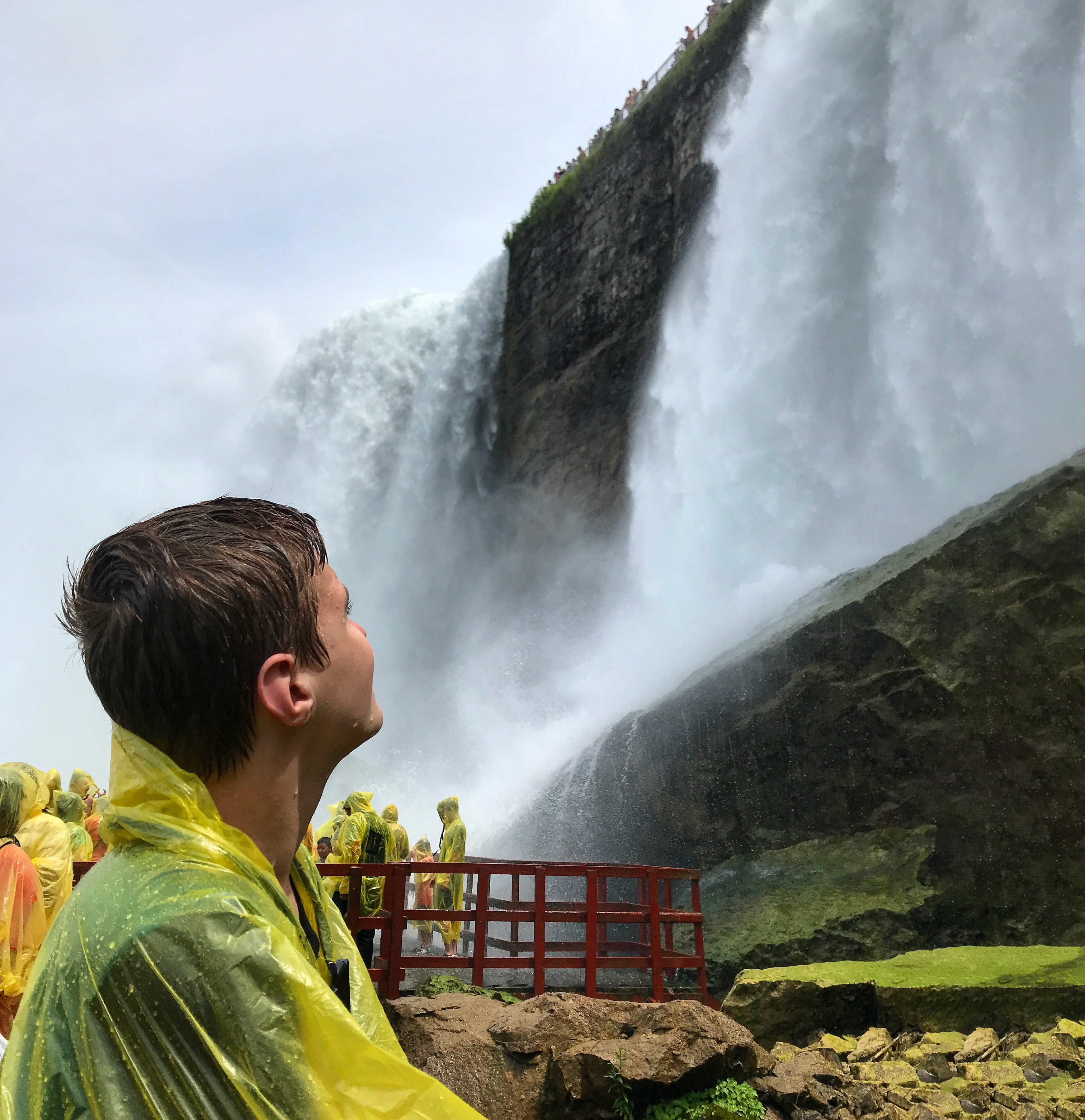
Technically we have to share this natural wonder with Canada, but Niagara Falls is still an American icon. This magnificent display of natural beauty features several vantage points as well as up-close boat tours to witness millions of gallons of water and mist. If you’re venturing to upstate New York, it’s definitely worth a visit.
The warming spring temperatures have ushered in another camping season along with the promise of hot, lazy summer days. Thoughts of spending hours enjoying hiking, fishing, or exploring nature’s secrets in the backcountry come to the forefront of your mind. Yes, it’s time to get the RV on the road with an eye toward air conditioning performance.
The heat of summer is welcoming for many as each day unfolds with higher temperatures. But while evening temps cool down significantly, there are some campers who find the overall climate too warm. For these folks, air conditioners in trailers and motorhomes are both needed and appreciated.
However, having an air conditioner might not be enough. Having an efficient air conditioner capable of producing a steady flow of cold air is needed to complete the summer camping picture.
Getty Images
Keeping Your AC Unit Cool
So, how should we go about making sure we are getting the most from our RV air conditioner? Well, before embarking on your first season’s trip, a basic operation test should be made on the air conditioner(s). This involves merely running the air conditioning and measuring the incoming air temperature. A probe thermometer or infrared temperature gun can be used for this. As a rule of thumb, a reading of anything between 16 and 22 degrees Fahrenheit lower than that of the air entering the AC unit is an acceptable result. During this trial run, the functions controlled by the thermostat can be tested and set.
Okay, the temperature appears good. Now remove the air filters and inspect them for relatively non-restricted flow conditions. These are generally washable and easy-to-remove foam-like filters. If any dirt or dust is present, just rinse them clean. Allow these to dry prior to reinstalling. Well, that completes the pre-trip check. We’re ready to depart.
Got Enough Juice?
So you’ve arrived at the campground and are set up in your assigned site. The afternoon temperatures are rising under a brilliant blue sky. You hook up to the campsite shore power and throw the main breaker(s) to the “on” position. Be sure you are not using any extension cords. Use only the power cable that came with the unit. With the air conditioner now whirring and the coach cooling, it’s time to relax.
Voltage monitor. Photo: Peter Mercer
But wait, there is more air conditioning management needed at this point. The incoming camp alternating current power should be checked to confirm that adequate voltage is present. This can be measured at a duplex plug receptacle in the coach using a standard multi-meter or a simple plug-in voltage monitor. The later digital monitor is easier to use and can be left plugged in for future reference. Besides, they are only around $20 at Camping World or other similar suppliers.
Get the Numbers Right
So, what voltage value are we looking for? Well, an average RV roof air conditioner requires a minimum of about 110 VAC (voltage in alternating current). Your campground-supplied voltage is generally around 120 VAC. However, the campsite pedestal power is usually downgraded by use from other RV lot users, and aging wiring component wear and tear. To add to that, a measurement at an interior receptacle will be slightly reduced compared to the main power bus bar. Therefore, a reading as low as 108 VAC may be acceptable. However, running an air conditioner with low voltage causes an increase in amps. The spike in amps contributes to excess heat in the air conditioning unit. This can be damaging to the electric motors, the capacitors, and related control board wiring harnesses and components.
If your reading is below an acceptable value, here is how you may be able to correct it. Turn off all alternating current-powered components. Switch your refrigerator to run on propane, if possible. Turn off any inverters if so equipped. Turn down the battery charger output if applicable. You now should observe an increased reading on the monitor. This should allow you to operate your air conditioning.
Photo: Peter Mercer
Give Your AC Unit a Helping Hand
Okay, now the air is working. Time to give it a hand. Open any roof vents briefly to help expel the heated air at the ceiling. Deploy any awnings that will provide shade for portions of the outside of the RV’s body. Close windows and curtains. Limit entry door traffic, like the kids running in and out. Plan to cook outside using a barbecue or outdoor kitchen. Now sit back and relax.
Keep in mind that we have only looked at basic testing and monitoring of your air conditioner(s). Maintenance needs to be carried out from time to time on the roof-mounted unit. Procedures such as cowl inspection, evaporator cleaning, capacitor testing, drain inspection, and more should be done. While some people may be experienced in doing this themselves, it is advisable to have this work performed by a qualified service center.
A reasonable maintenance schedule and ongoing monitoring of your RVs air conditioner(s) will keep it providing the cool comfort you expect. Uninterrupted service does not just happen. It is planned.
Enjoy your RV journeys in comfort wherever you roam.
To ensure that your air conditioning unit has the protection it needs, check out Good Sam’s Extended Service Plan, which goes above and beyond a manufacturer’s warranty to protect travelers from the high costs associated with a mechanical breakdown.
With over 35 million people looking to rent an RV each year, there’s never been a better time to list your RV and make some extra cash. That being said, for many, their RV is one of their most expensive possessions, and the idea of renting it out can be a little daunting. That being said, the upside is definitely worth it. To help illustrate the point, here are a few reasons why you should rent out your RV.
Earn extra income from your RV
Let’s start with some compelling financials.
On average, renting out an RV could annually bring in somewhere between $20,000 and $30,000 of extra income, with some even earning up to $52,000 a year.
Last year alone, the RV rental market grew 7.4%, with many speculating that it could even eclipse a billion-dollar industry within the decade. More and more folks have been taking to the outdoors since 2020, and with a looming sense of economic uncertainty, that trend is very likely to continue.
Assuming you’re not RVing full-time, chances are there are a number of weekends your motorhome is sitting idle. Why not put it to work and start generating passive income?
Subsidize RV expenses
Even with an affordable RV, it’s still an investment when you factor in insurance ($1,000+ per year), maintenance ($1,000 to $2,000 per year), or even loan payments ($300 to $600 per month).
Renting out your RV can be a smart way to offset some expenses, ensuring you get the most bang for your buck. Not to mention that it frees up storage and potentially storage fees while preventing your RV from just sitting idle.
Share a love of RVing
Admittedly this is one of the more arbitrary reasons, but it’s still worth mentioning.
Part of the reason the RV rental market has exploded in recent years has to do with curiosity. There are several travelers who would like to experience the RV lifestyle without footing the bill for a new purchase. Understandably, renting provides an excellent opportunity for them to dip their feet in and see that the lifestyle really is for everyone.
One of the common sentiments among owners interviewed on the Good Sam Rentals platform is how much they love sharing their passion for RVing with renters. When asked about why they started building out a rental fleet, Patty and Taylor of Dove & Owl RV Rentals shared how much they’ve enjoyed getting away to enjoy “peaceful and majestic spaces” and how that’s given them a passion for providing the same experience for “like-minded vacationers.”
Ready to rent out your RV?
With Good Sam RV Rentals, it’s incredibly easy to grow your business, no matter how big or small your rental fleet is.
Owners who use Good Sam Rentals to list their RVs can get paid within 24 hours, earning nearly $15,000 a week while only paying 10% in commission fees. Not to mention you can rest easy knowing Good Sam provides 24/7 roadside support and covers up to $1 million in liabilities, as well as compensation and collision.
Whether you need help connecting with new renters, managing your RVs, or even assistance with deliveries or pickups, Good Sam will do the heavy lifting for you.
Not only are travel trailers the most popular type of RV, they are the most affordable. More families than ever are heading out to create their own Great American Road Trip and, for many, it starts with the perfect RV. Buying a travel trailer can seem intimidating, but with the right information, it can be an exciting and empowering decision.
Large families are going to have much different needs than solo travelers. Families who love kayaking and biking will need different travel trailers than those who want to travel light and park in major urban areas. Travel trailers are built with solid walls, hitch to a truck or SUV and come in all shapes and sizes. They are safe and typically have slide-outs to create wide-open living spaces.
One of the benefits of traveling with a trailer rather than a motorhome is that when you set up camp, you can unhook the trailer and leave it set up while you use the vehicle to explore the area. When you travel by motorhome, you either need to drive your whole RV for sightseeing days or tow a separate vehicle behind it.
Unlike motorized RVs that have an engine and can be driven on their own, travel trailers are pulled behind another vehicle. Travel trailers come in all sizes, including everything from tiny jelly bean-shaped models with a small kitchen in the rear to a full blown house-on-wheels, with multiple slide-outs and residential-sized appliances. Their length can vary, starting at 12 feet long and going up to 35 feet long or more. Weight also varies with the size, from as low as 1,200 pounds up to nearly 10,000 pounds.
Sometimes called a bumper-pull (when they first became popular in the early 1950s, they were attached to the bumper of the tow car), the modern travel trailer employs a hitch secured to the frame of your tow vehicle. This truck or SUV will include specialized hardware to make towing safe and easy. Travel trailers are relatively easy to set up once you arrive at your destination. You can unhitch it, leave it and still have a vehicle to explore.
What are the primary differences between travel trailers, fifth wheels and toy haulers?
While travel trailers, fifth wheels and toy haulers are all towable RVs, this is where their similarities end. There are some pretty significant differences between the three. Below are brief descriptions of fifth wheels and toy haulers and what makes them different from travel trailers.
Fifth Wheels
Keystone RV Montana Fifth Wheel
Fifth wheels are the largest towable trailers available and some rival motorhomes for the amount of space and the amenities they offer. In fact, they’re popular for full-time living as well as for traveling. They can have multiple slide-outs, outdoor kitchens, kitchens, bathrooms and an entertainment area. They often include an upstairs area, above the truck bed, for sleeping. Fifth wheels can sleep up to eight people.
Fifth wheels connect with a U-shaped coupling mounted in a truck bed, which, generally, make them easier to tow. This can be attributed to the design of the fifth wheel and the kingpin hitch, which moves the load forward into the bed of the truck. However, because fifth wheels are so large, you’ll need a large pickup truck to tow it. For many fifth wheels, a half-ton truck like a Ford F-150 or Toyota Tundra with maximum towing capacities from 9,740 to 13,200 pounds GVWR will do the job. But many fifth wheel owners prefer a heavy duty truck like a Ram 2500 or a Ford Super Duty F-250, which tow a maximum of 12,760 to 18,500 pounds GVWR.
Due to their higher roofline, fifth wheels generally have higher interior ceiling height than travel trailers. In fact, fifth wheels typically have the highest ceilings of all types of RVs. Fifth wheels are often equipped with high-end features making them more expensive than travel trailers on the whole. When it comes to living full-time in an RV, fifth wheels are the preferred choice. They tend to have a more residential feeling providing a true sense of being home-away-from-home. However, due to the towing requirements that comes with fifth wheels, many consumers in the towable RV market will steer toward travel trailers because most everyday trucks and SUVs are equipped to handle towing them.
Toy Haulers
Toy haulers have a dedicated garage space designed to carry recreational toys while also providing extra living space.
The sizes, prices and maneuverability are about the same for both toy haulers and travel trailers. Toy haulers are built on a sturdier frame and, therefore, can be much heavier than travel trailers. The dry weight for the average toy hauler is around 10,000 pounds, but models can range from 4,000 pounds up to 15,000 pounds. They also have a garage area which can take away from the interior space of the trailer. The most common type of toy hauler is the fifth wheel, partly because it has a more secure connection to the towing vehicle. Certainly, if you have motorcycles, quads, sand toys or lots of recreational toys – like cross-country bikes, kayaks, inflatable boats, wind surfing equipment or other toys – then a toy hauler will meet your needs better than a travel trailer. However, toy haulers come in travel trailer floorplans with standard towing hitches, as well.
If you’re a traveling family, the extra space in the garage will provide extra sleeping spaces for the kids, as well as an indoor play area. The garage can also be converted to a space for homeschooling a young family. Pets are another reason you might choose a toy hauler. The garage area is also a great place to bring your wet, sandy or muddy pets inside, but still keep the dirt under control.
How big are travel trailers?
Travel trailers come in a wide range of sizes and styles. That said, most travel trailers typically range anywhere from 12 feet to 35 feet long. A simple, 12-foot travel trailer allows enough comfortable space for one or two people (most likely a couple). Meanwhile, a 35-foot trailer can allow enough space for up to 10 people to sleep comfortably. Every state has laws regarding the length, height and width restrictions of travel trailers. These all vary somewhat, but, generally, the consensus is that trailers must have widths no greater than between 8 feet and 8.5 feet.
Most states generally restrict RV travel trailer length to 40 feet, although some states allow for additional length, with a maximum of 43-feet-6-inches. This doesn’t include the tow vehicle. In most states, the maximum combined length is usually between 50 feet to 65 feet.
Travel trailers vary in weight from 1,200 to almost 9,000 pounds. They come in various lengths and builds, allowing for a diverse weight range. Smaller travel trailers have an average maximum weight of about 3,500 pounds (GVWR). Some larger travel trailers can reach more than 10,000 pounds when fully loaded.
Is a travel trailer hard to tow?
From Gen Zs to Boomers, RVing in a travel trailer, of any type, offers freedom and a sense of self-sufficiency. However, towing a travel trailer can bring some unexpected stress and safety concerns for first-time RVers. Trailers add weight and that added weight changes the handling dynamics and braking of the tow vehicle. That’s why you need to make sure your trailer and tow vehicle are properly matched.
The towing capacity of a vehicle is how much weight it can tow. The towing capacity is determined mainly by the type of axles the truck has and their ratings. Usually, towing capacity applies to SUVs and trucks, since most sedans or smaller cars don’t have large towing capabilities. Keeping your trailer’s weight in mind is integral as well. If your trailer weighs too much for your tow vehicle, it increases the stopping distance and likelihood of damage to your tow vehicle or RV.
There are two important weight-related factors when it comes to RV trailers: GVWR (Gross Vehicle Weight Rating) and tongue weight (TW). GVWR is the safe maximum weight of the trailer when it’s loaded for camping with water, fuel, supplies, and cargo. The TW is how much downforce the loaded trailer places on the hitch. Both numbers are displayed on the metal Federal Certification/VIN ID tag located on the front left side of a travel trailer. You can also find the specifications listed on the trailer manufacturer’s website.
Those two numbers set the basis for choosing the vehicle best suited for towing a travel trailer. Tongue weight of RV trailers, sometimes referred to as “hitch weight,” will be typically between 10 and 15-percent of the trailer’s GVWR. RV trailer weights can vary widely by brand, type, and size. That’s why it’s important to narrow down these numbers to the specific trailer you plan to tow and then make sure those weights match your vehicle’s towing limitations. You can also find your vehicle’s towing capacity on General RV’s towing guide.
Where can you go camping in a travel trailer?
The options for where a travel trailer can go generally depend on the vehicle towing it. There are roughly 4,510 RV parks and campgrounds in the United States, including 113,000 federally-managed campsites at national parks, 166,000 campsites dispersed across state parks and untold numbers in private facilities.
The Bureau of Land Management, or BLM, is a federal agency under the U.S. Department of the Interior that oversees more than 247.3 million acres of land. Much of it is available free to the public for dry camping or boondocking, without hookups to electricity, water or sewage. In fact, there are many lightweight travel trailers specifically designed for off-grid RV excursions.
Who are typical travel trailer owners?
Recent surveys show more than 11.2 million households in the U.S. own an RV. 38 percent of those RVs are travel trailers. Most commonly used during the summer and fall months, travel trailers are especially popular among young families and first-time RV owners. The vast majority of owners hit the road with their spouse and more than a quarter travel with children under 18 or a pet.
Studies also show very few travel trailer owners prefer to travel alone. Meanwhile, more than half of owners are female. State parks are the most popular option for travel trailer owners, followed by private campgrounds and national park campgrounds.
What are the advantages and disadvantages of owning a travel trailer?
Advantages of a travel trailer
Travel trailers have a lot of advantages that make them a popular RV choice. First, even newer travel trailers come with a much lower price tag than other types of RVs, making them a more affordable option. They also come in a wide range of lengths and sizes. If you already have a truck or an SUV, you can likely find a travel trailer you’ll be able to tow. Additionally, travel trailers also allow you to utilize the full space of the truck or SUV for passengers, storage or even additional toys – like ATVs or motorcycles.
Travel trailers are all about variety and the floor plan variety is no different. There are lots of options to choose from. For example, a floor plan with a bunkhouse is excellent for families with kids. Finally, with any trailer, being able to unhitch the RV and take the tow vehicle elsewhere is always the biggest advantage to travel trailers.
Disadvantagesof a travel trailer
One major downfall of the travel trailer is towing experience. An uncontrollable sway is possible if proper sway control and weight distribution hitches are not used or if they are hooked up incorrectly. Since many require a weight-distribution hitch, bumps in the road can be much more noticeable with a travel trailer.
Another disadvantage is that travel trailers have less storage space than most other RVs. While many RVs have an abundance of outdoor storage space underneath, a travel trailer typically does not. That means if you want to bring something on your trip, it needs to fit inside your RV or in your tow vehicle. Along with storage, most travel trailers have lower weight carrying capacities, meaning you cannot bring along as much stuff.
Travel trailers also have fewer amenities than larger RVs, mainly due to their lower cost and weight restrictions. Even though they have high sleeping capacities, you cannot legally have passengers riding in a travel trailer. This limits, and may complicate, the logistics of large family camping trips.
How much do travel trailers cost?
A travel trailer is the least expensive way to enjoy a recreational vehicle or RV lifestyle. Travel trailers are significantly cheaper than motorhomes for the fact they have no engine and must be towed. Travel trailer prices can range from $10,000 to $200,000 for a travel trailer. On average, most new travel trailers cost between $20,000 and $50,000. The size of the travel trailer is the first factor — the bigger you go, the more you will pay. Brand, quality, features and amenities will also play into the final purchase price. If you’re trying to stick to a strict RV budget, don’t skimp on quality. Instead, choose an RV manufacturer known to make high-quality trailers.
Financial options for purchasing a travel trailer
A number of financial options are available when it comes to purchasing your travel trailer. While some may pay in cash, most will finance their purchase over the course of several months. Monthly payments can be reduced by providing a large down payment at purchase. This could also help secure a lower interest rate, leading to even more savings in the long-term. Many RV dealers and banks offer great financing options.
Creating an RV budget will help you stay within your financial boundaries and help narrow your travel trailer RV search. Be sure to also include parts or accessory upgrades, regular preventative maintenance and RV insurance in your budget. You will also need to account for storage costs if you are unable to store your travel trailer on your property when not in use. RVing is growing in popularity at an exponential rate because it can be enjoyed on nearly any budget. Read about some ways to save money while RVing and stretch your dollars, so you can enjoy more adventures.
What’s the best travel trailer for me?
It is essential to determine the best travel trailer to suit your needs, aesthetics and dimensions on the outside and inside. You should select the right travel trailer your vehicle will be able to pull. Make sure the floor plan is suitable for your requirements. There should also be enough room to fit the things you’re looking for. Make a list of those things you’d like to take and make sure you have enough space. Additionally, you’ll want to ensure that the bathroom and shower are spacious.
The best travel trailer brands at General RV
Coachmen RV Travel Trailers
Coachmen RV has been manufacturing RVs since 1964, earning an excellent reputation for reliability. Considered one of the top RV manufacturers on the market, Coachmen has up to 15 travel trailer models available.
Forest River RV Travel Trailers
Since opening its doors in 1996, Forest River RV has become one of the most popular names in the RV world. Forest River manufacturers RVs in nearly every category, with almost four dozen models of travel trailers alone.
Grand Design RV Travel Trailers
Grand Design RV manufactures high-quality towable fifth wheels and travel trailers. From affordable, luxury extended-stay vehicles to amenity-packed toy haulers, Grand Design delivers variety and reliability.
Jayco Travel Trailers
Travel trailers are the most popular kind of RV and Jayco travel trailers are built using several exclusive methods, materials and technologies that make them popular and reliable. With a wide range of sizes and floorplan options to fit many family sizes, you will find a Jayco travel trailer to accommodate all your travel needs.
Keystone RV Travel Trailers
Keystone RV Company is the top manufacturer of towable RVs in North America — with more than one million owners, 5,000 team members and over one million square feet of manufacturing in Goshen, Indiana and Pendleton, Oregon. With more than 200 floorplans available, Keystone RV Company has the perfect travel trailer for every camper.
Prime Time RV Travel Trailers
Headquartered in Wakarusa, Indiana, Prime Time Manufacturing proudly builds a full line of towable RV products to meet the needs of experienced, casual and first-time RV customers. A division of Forest River, Inc., their unwavering commitment to quality and a customer-first service philosophy has made Prime Time one of North America’s favorite RV manufacturers.
10 Best Travel Trailers For Sale at General RV
Coachmen RV Apex Nano travel trailer
The Coachmen RV Apex Nano travel trailers were designed to be towed by today’s half-ton trucks, minivans and SUVs. These lightweight and durable travel trailers from Coachmen RV are perfect for families new to RVing or seasoned travelers. The mandatory Nano Package comes with a wide range of construction features that are sure to impress, as well as standard kitchen and bathroom amenities that promises a luxury living experience. These 7-foot 6-inch-wide lightweight trailers, consisting of four models in both slide and non-slide versions, weigh as little as 2,604 pounds.
Construction features include welded aluminum framing, vacuum-bond laminated fiberglass side walls and composites designed for less weight. Inside, the trailer has double-bowl sinks and crowned 6-foot 6-inch ceilings. The Nano sleeps four to six people, with generously-sized dinettes that fold down into beds. Three of the models also have queen beds. Spacious interior cabinets and large exterior compartments provide ample storage.
Coachmen claims the Nano has some of the largest payload capacities in the single-axle market, with cargo ratings up to 1,200 pounds in the slide models. All Nano models also have 30-gallon freshwater, gray- and black-water tanks.
Solid steps at entrance
Bunk folds up for extra storage
Interior from front to back
Interior from back to front
Queen Murphy bed
Bed folds for versatility
Dual LP tanks
Outdoor kitchen with refrigerator
Floorplan for 2023 Coachmen RV Apex Nano 208BHS
Forest River RV Salem travel trailer
The Forest River Salem travel trailers may come in a tiny package, but they are fully featured, lightweight and easy to tow. They are perfect for either the first-time camper or seasoned travelers and have a modern residential living space to be a comfortable home away from home.
Each model includes residential features to maximize comfort. There are full bath and kitchen amenities, comfortable sleeping spaces and plenty of storage areas for your belongings. The durable construction means you can plan to camp for years to come and you will love how easy it will be to tow these trailers.
Kitchen loaded with residential features
Versa Lounge & Dinette converts to bed
Walk-in shower with surround
Custom King bed
Outdoor camp kitchen
Versa bunks with Versa queen bed
Bunks fold up for extra storage/space
Versa Lounge with Stow N Go Storage
Floorplan for 2023 Forest River RV Salem 29VBUD
Forest River RV Wildwoodtravel trailer
Forest River made convenience and quality a priority in these Wildwood travel trailers. From a spacious kitchen to plush bedroom, everything about this RV was designed to take you on grand adventures in comfort and style.
The Wildwood gives you a spacious living room area thanks to two slide-outs. The Versa-Lounge seating system allows you to configure your space for maximum comfort, while theater seating gives you a great spot to watch the game. The island kitchen is well equipped with a stove top, oven, residential refrigerator and pantry. The bathroom features a walk-in shower, plus a skylight and linen cabinet, while the front bedroom includes a walk-in closet.
Custom King bed
Oversized refrigerator
Entertainment center with fireplace
Private bunkhouse featuring dual opposing slides to provide tons of space
Floorplan for 2023 Forest River RV Wildwood 31KQBTS
Grand Design RV Imagine travel trailer
Whether you’re leaving the world behind for the weekend or sticking around for a stay-cation, with the Grand Design RV Imagine travel trailer it’s as easy as tow and go. Down to every detail, the Imagine offers everything your family needs for adventure — and a good night’s sleep.
The Imagine is one of the best mid-profile travel trailers on the market today. It has an aluminum frame and fiberglass sides. The different floor plans are between 29 feet and 37 feet and weigh from 7,850 pounds to 10,200 pounds. Each model includes exceptional features like a 165W roof-mounted solar panel, high-capacity furnace, residential cabinetry, nitrogen-filled radial tires and a universal docking station. Additionally, you’ll enjoy upgraded residential furniture, residential countertops, exterior speakers and large panoramic windows.
Skylight in shower
Queen bed with overhead cabinets
U-shaped dinette and tri-fold sofa
U-shaped dinette
Overhead counters and flip-up counter extension
Bunkroom and bathroom at rear of RV
Floorplan for 2023 Grand Design RV Imagine 2800BH
Grand Design RV Transcend Xplor travel trailer
Featuring open floorplans, functional and towability for many of today’s half-ton trucks and SUVs, the Transcend Xplor travel trailer is built for adventure. Throw in unmatched quality, backed by an industry-leading warranty, and there’s no reason not to Xplor. The Transcend Xplor features a unique, industry exclusive StongWall aluminum exterior that is 25 percent thicker than the competition, giving it the strength and durability to hold up to years of use.
You will also appreciate oversized tank capacities, a power tongue jack, an all-in-one utility center, plus many other exterior conveniences. Step inside to find a deep-seated stainless steel sink, residential countertops, solid hardwood drawer fronts and upgraded residential furniture. These travel trailers include multiple packages, like the Power Package, featuring exterior speakers and back-up camera prep, along with the Solar Package featuring a 165-watt roof-mounted solar panel and a solar charge controller.
Split bath with access to main bedroom
Queen bed with overhead storage
U-shaped dinette
L-shaped kitchen next to entertainment center
Rear of RV looking to the front
Floorplan for 2023 Grand Design RV Transcend Xplor 265BH
Jayco RV Jay Feather travel trailer
The Jayco RV Jay Feather travel trailer’s lightweight, rock-solid fiberglass construction features two distinct interior design concepts with new fixtures and flooring throughout. Whether you’re looking for a smaller camper with lots of sleeping space or luxurious amenities in an easy-to-tow trailer, there’s a Jay Feather for you.
Each Jay Feather is built on an American-made chassis with an integrated A-frame which runs through the main foundation preventing the hitch from buckling. These travel trailers include Stronghold VBL vacuum-bonded, laminated flooring and walls, plus the Magnum Truss Roof System, which is 50 percent stronger than other roofs in the industry. The interior equipment includes residential-style kitchen countertops, four-inch high-density dinette cushions with vinyl backing and residential vinyl flooring with cold crack resistance, for years of enjoyment.
There are many reasons to choose a Jayco Jay Feather travel trailer. It’s lightweight, easy to tow and includes a sport package with enhanced graphics, a front-molded fiberglass cap and an enclosed underbelly. Plus, may more great features!
Double bunks at rear flip up for extra storage
Floorplan for Jayco Jay Feather 22BH
Keystone RV Cougar travel trailer
Committed to cutting-edge innovation, quality, style and affordability, the Keystone RV Cougar travel trailer offers a wide selection of floorplans designed to be towed by both half-ton and full-sized trucks. The limited edition Cougar Sport offers two new, even lighter models. The Cougar line-up is designed to grow with your family, from your first RV to your last.
MaxTurn technology with Road Armor shock absorbing hitch pin and Hitch Vision, creates unparalleled towing control. The innovative iN-Command smart RV control system and Climate Guard all-season protection make the Cougar an obvious choice for full-time or extended-stay camping. The SolarFlex solar energy system comes standard as a SolarFlex 200, but you can upgrade this system to a SolarFlex 400i or SolarFlex 600i-L to suit your needs. Some new features of the Cougar include a 16-cubic-foot, 12-volt refrigerator, an on-demand water heater and the new exterior graphics package.
Double bunks behind booth dinette
King bed with overhead storage
Outdoor grill with mini fridge
Floorplan for 2023 Keystone RV Cougar 30BHS
Keystone RV Passport travel trailer
The Keystone RV Passport travel trailer has developed a reputation as a lightweight travel trailer that truly delivers the total package. More functionality, more standard features and seemingly endless interior and exterior storage with every floorplan, keeps the Passport at the front of the pack. Now celebrating it’s 15-year anniversary, the Passport has been campers’ top choice for over a decade.
The Passport is known as the Swiss army knife of RVs for the multi-functional features and best-in-class storage, to help make your camping trip memorable. Even though they are smaller in size, they still offer all of the features campers love, like rear cargo doors and flip-up bunks. Another multi-functional feature is the Murphy bed on some models, which reveals a sofa when not in use. The Pivot furniture, exclusively from Keystone, features a levered dinette seat back that shifts to create an expansive L-shaped sofa to seat the whole family.
Bottom bunk folds up for extra storage
Floorplan for Keystone RV Passport 268BH
Keystone RV Springdale travel trailer
No matter how you define family, Keystone RV Springdale travel trailer’s affordable travel trailers have a model for you. Springdale travel trailer bunkhouses are available in every configuration imaginable. Owners will find extra storage in unexpected places and effortless camping, thanks to power stabilizers, tongue jacks and awnings, as well as unique features like a full solar power package and larger campsite windows.
Each Springdale is built using a floorplan-specific I-beam frame with full width outriggers, maximum 16-inch O.C. wood sidewall construction and Dexter E-Z Lube axles. The Keystone Exclusives provide color-coded unified wiring, Tuf-Lok thermoplastic duct joiners, in-floor heating ducts and 4G LTE and Wi-Fi prep. Models range from tiny to large for weekend warriors, bunkhouse models for families and friends, non-slide and slide floorplans, plus destination trailers giving you a glass patio door and a place to return to time and time again.
Queen bed with double shelves overhead
Double bunks behind theater seating
Floorplan for 2023 Keystone RV Springdale 286BHU
Prime Time RV Avenger travel trailer
The Avenger travel trailers by Prime Time RV were created to maximum customer satisfaction and enjoyment with innovative construction and best-in-class features and design elements. These double-axle trailers offer couples’ floorplans and family-friendly bunk models.
Each Avenger is built on a powder coated l-beam frame and includes an enclosed underbelly to protect against debris and control the inside climate. The Avenger also features safety chain hooks on the A-frame, a one-piece TPO roof membrane and an aluminum exterior skin making the travel trailer lightweight. The interior offers premium cabinetry, LED interior lighting, seamless Carefree Congoleum flooring for durability and more.
Queen bed with overhead storage
Bunk flips up to utilize space for sofa
Second entrance in bathroom
Floorplan for 2023 Prime Time RV Avenger 32BHS
Is a travel trailer worth it?
There are many different types of trailers to suit a variety of needs — from tiny teardrops with galley kitchens in the rear to massive 39-foot trailers that can sleep up to 10 people. With a huge selection of floorplans and models, the travel trailer is a great option for your first RV; whether you’re a family of six or a solo traveler.
Owning an RV can lead to significant savings compared to the costs of a typical vacation with flights, rental cars, accommodations and meals. However, travel trailers, like any RV, also come with long-term maintenance costs, storage fees and other expenses to consider.
Finally, choosing the right RV comes down to meeting all of your needs, including price points. General RV’s towable experts can answer all your questions and provide recommendations based on your unique needs. Visit your local General RV dealer to explore our huge selection of travel trailers for yourself. We have thousands of travel trailers in stock, including all the best brands from top manufacturers. After you’ve found the perfect RV, we’ll provide a personalized orientation to get you on the road with confidence.
We bought our first travel trailer in 2014, and we quickly discovered we weren’t prepared for the process. Since we had purchased many automobiles in our lifetimes, we thought the steps for our RV purchase would be fairly similar. But we soon learned that buying an RV is quite different from buying an automobile. Before you buy your first travel trailer, consider these five items:
Weights and Measurements
Before purchasing our first travel trailer, we knew we needed to consider whether the weight and length of the trailer would work with our tow vehicle. Later, we came to realize there’s a lot more to it than that.
Start reading about towing, and you’ll see a lot of unfamiliar acronyms, like CCC, GVW, UVW, GCWR, and more. Before buying an RV, research the various weights and measurements you’ll need to understand to determine if you’ll have a good fit between the RV and your tow vehicle. Consult the RV towing guide to see the capacity of your towing vehicle.
When buying automobiles, I hop online and apply for financing if the dealership tries to saddle us with a high-interest rate. I thought I’d be able to do the same thing when purchasing our travel trailer. Unfortunately, I learned that RV loans are different from automobile loans, and the process isn’t quite as easy or competitive. If you are looking to buy an RV, talk to your bank or credit union and look into specific companies that finance RV purchases before you make a deal.
Since my husband’s tow vehicle had a hitch, I thought that was all we needed for pulling a trailer. We soon learned we would need to add a brake control system. This additional cost wasn’t included in my mental math as we made the purchase. Since we had not scheduled the installation of it before buying our trailer, we weren’t able to drive off with our new RV after we purchased it. If you are buying an RV, calculate items like brake control, weight distribution hitches, and sway bars into your expenses.
As we toured RVs in our size range, we were mostly looking at floor plans and aesthetics. I didn’t think about technical aspects like tank size. The size of our black tank and gray tank prevents us from spending much time without full hookups. Before buying an RV, think about what kinds of camping situations you’ll prefer. If you want to spend time off the grid, you’ll need to understand your tank size needs.
My in-laws owned every type of RV from a pop-up to a Class A, which allowed us to see the pros and cons of each type. We went in with a good idea of what we wanted in a trailer, but we didn’t think far enough into the future. We bought a trailer that fits the needs of our family today. It’s good to think a couple of years ahead so you won’t have to upgrade your RV too quickly after purchasing it.
Ultimately, we purchased a great travel trailer, despite our lack of knowledge. However, the process would have gone more smoothly if we had understood the intricacies of buying our first RV. After making our purchase, it wasn’t long before we hit the road and began having adventures as a family.
Also important: Discovering the universe of benefits, services, and savings available throughGood Sam. When it comes to your next purchase, visit the nearest Camping World SuperCenter, or drop by one of the RV and Camping shows near you.
Pack your bags, load up the RV and take your travels to a place where you can marvel at fascinating hoodoos, hike through unique slot canyons, bike through Ponderosa pines and take some picture-perfect photography.
Standing on Inspiration Point in Bryce Canyon National Park. Getty Images
This area is filled with amazing RV parks for every kind of adventurer. Are you ready to start planning your next trip? Hop in and buckle up!
Ruby’s Inn RV Park
The first park on our roundup is at historic Ruby’s Inn, right across from the gates of Bryce Canyon National Park. This is the closest RV park to the national park and has 250 spots with full hookups for water and electricity. Visitors to this park will also be able to enjoy all of the amenities provided by the larger Ruby’s Inn resort. Spend your days exploring Bryce Canyon or staying cool by the pool, and spend your nights surrounded by ponderosa pine trees and thousands of stars.
Ruby’s Inn
Henrie’s Hitch N Post
Located outside of Panguitch, Utah, Henrie’s Hitch N Post is a year-round adventurers paradise. The park is only a short drive away from the hoodoos of Bryce Canyon and the elite fishing of Panguitch Lake. The park boasts an on-site laundromat and gift shop, making your experience stress-free and unforgettable. Henrie’s Hitch N Post is the only RV park in the area that stays open all year with full amenities, so you can rely on them to be your base camp whenever you get the call to adventure.
Staying at Bryce Valley RV & Horse Park you’ll be surrounded by eye-catching scenery and exhilarating adventures. The park itself is located in a quiet and secluded area with miles of nature trails to explore right on the property. The park is located near Bryce Canyon and Kodachrome Basin State Park on America’s Scenic Byway 12, a perfect spot for discovering all that the area has to offer. The park often features special discounts, so be sure to check its website often for new deals.
Scenic Byway 12 in Bryce Canyon. Getty Images
Keep Exploring Utah’s Bryce Canyon Country
If you still want ways to stay immersed in this beautiful landscape, be sure to discover more RV parks and lodging options in the area at brycecanyoncountry.com.
Good Sam provides everything you need to have a good trip. From savings on accessories and services to finding a campground, roadside assistance, insurance and specialized products and services designed to enhance RV and outdoor lifestyle.
Regular maintenance is the only surefire way to extend the life of your RV. That’s why many RVers can benefit from having their motorhome or travel trailer inspected annually. Spring is a great time for an RV inspection. You can address anything that requires attention before camping season. This, along with an inaugural, close-to-home trip or overnight stay, preps you for longer summer trips further from home.
Along with many other benefits, Good Sam Elite Members receive an annual Good Sam multi-point inspection. Below, we’ve outlined what you can expect when you bring your RV to a Camping World location to have it scoped out and inspected. If you’re not a member, you can still schedule a routine inspection at your local Camping Word. Learn more about that process here.
Why a multi-point inspection?
Courtesy of Camping World
The multi-point inspection gives you a baseline to ensure your RV is ready for another season. The best part? It’s a complimentary service for Good Sam Elite members offered at any Camping World Service Center nationwide.
Once your inspection is complete, you can elect to address any areas that your technician marks for further attention.
What Do Technicians Look for in the Good Sam Multi-Point Inspection?
Below, we’ll cover the complete list of each RV component that’s tested and inspected. It’s important for RV owners to know exactly what technicians are trained to note for each component.
For all components listed below, the technician will perform the appropriate test and mark one of three categories:
Checked and OK!
May Require Attention
Requires Immediate Attention
As an RV owner, this provides a quick overview to help you prioritize your RV’s maintenance schedule. The technician will also provide additional notes at the bottom of your inspection form to detail additional recommended services based on their findings.
What is in the Good Sam Multi-Point Inspection?
Courtesy of Camping World
Here’s what our inspectors will note and record:
Vehicle Information
License plate number
RV make and model
They’ll also check the condition of the following:
Wiper blades
Chassis and coach batteries
Battery cables and terminals
Then, they’ll inspect the operation of all exterior lights, including:
Headlights
Turn signals
Marker lights
Brake lights
Tire Information
Courtesy of Camping World
The technician then checks the condition of all RV tires, including inside tires on RVs with dual rear wheels. For each tire, they’ll check the following:
Month and year of manufacture
Tread depth
Tire wear
Condition of valve stems and valve extensions
Current pressure
If the tire’s current pressure falls outside the manufacturer’s recommended range, the technician will adjust the pressure and note the new set pressure on your inspection form.
Additional Checks
Courtesy of Camping World
After the tire inspection, your technician performs these additional checks on all RVs:
As a responsible owner, it’s also your duty to track your RV’s maintenance records. That’s why we’ve compiled a downloadable reference handbook to help you do so.
Despite the United States only being less than a few centuries old, our country is actually rich in diverse archeological history. From early colonial settlements, all the way back to ancient Native American civilizations, there’s no shortage of stories to tell from our past. If you’re looking for a memorable adventure back in time, here are 5 archeological spots you should consider visiting in the United States, along with nearby campgrounds to stay at.
Cahokia Mounds State Historic Site
Collinsville, Illinois
One of the largest pre-Columbian settlements, Cahokia Mounds preserves the remnants of one of the most sophisticated Native American civilizations to have ever settled in North America (700 AD to 1400 AD). While you’re there, be sure to take in the exhibit or Climb of Monks Mound for a scenic view of an ancient city.
A living museum that preserves America’s colonial history with restored buildings, streets, and costumed patrons, Colonial Williamsburg is an immersive experience for anyone looking to better understand our country’s past.
Tucked away in the southwest corner of Coloardo, Mesa Verde National Park commemorates the 700 year legacy of the Pueblo people. Impressively, the park consists of well-preserved domiciles built into the cliffs, along with other intricate structures consisting of ceremonial rooms and Pueblo artifacts.
A monolithic preservation of Native American culture in New Mexico, Chaco Culture National Historical Park features several stone remnants of ancient Puebloan civilization. While you’re there, be sure to check out the Pueblo Bonito and Great Kiva, while hiking the trails of the Chacoan people.
With countless movies and documentaries inspired by the infamous prison, there’s such a lore surrounding Alcatraz. While it’s more famously known as a historical “who’s-who” of convicts, you might be surprised to learn that the Civil War-era fortress holds a lot of connection to Native American occupation as well. Come for the unique blend of culture and history, and stay for the incredible views of the San Francisco Bay.
Do you have a business and an RV? Work from the road?
Then you might be tempted to take a home office deduction for a portion of your RV on your taxes.
But this is a bad idea. Let’s explore why, despite what at least one “influencer” is promoting on social media.
First, let’s get a little legal stuff out of the way: RV Tailgate Life does not provide tax, legal or accounting advice. This material has been prepared for informational purposes only, and is not intended to provide, and should not be relied on for, tax, legal or accounting advice. You should consult your own tax, legal and accounting advisors.
Table of Contents
RVs and Taxes
Many of you know that when I’m not writing about RVs and sports, I spend my time as an attorney. I’ve even got lots of knowledge (hi Masters in Tax) and experience in tax and accounting. So when it comes time to talk RVs + taxes, I know my stuff.
It’s why I’ll drop in every once in awhile with articles like these:
Now it is time to talk specifically about RVs and the Home Office Deduction.
What is the Home Office Deduction?
Under the home office deduction, you can write-off a portion of your rent or mortgage expenses, including utilities, on your taxes.
But of course, you have to qualify for the deduction.
Qualifying for the Home Office Deduction
There are a couple of different ways to qualify for the home office deduction in a standard sticks and bricks home (or condo, apartment, townhouse, etc. This can also be a separate structure on your property).
To qualify, your home office must be “exclusive and regular use” for business purposes and then be either the principal place of business or where you regularly meet clients or customers.
So your kitchen table does not count. But a room that you use only for your office space and not a guest bedroom would count.
It doesn’t even have to be a separate room; it can be a portion of an area – a nook or corner area. The idea is that the only purpose of this area is for work and that you use it regularly.
Since we are talking mostly about self-employed digital nomads or professionals that can work on the road, we’ll assume that this home office can qualify as the “principal place of business.”
You Must be Self-Employed
Before 2018, pretty much everyone that worked from home could take a home office deduction. However, that changed with the 2018 Tax Cuts and Jobs Act (TCJA).
Since the 2018 Tax Cut, only business owners or self-employed individuals can take the home office deduction. If you are an employee, your home office expenses are not deductible.
If you file a Schedule C for any kind of business – self-employment, gig jobs, or freelance work – you will likely be able to take a home office deduction. If you otherwise qualify (exclusive and regular use of a portion of your home).
RVs Can Be Your Home
The tax code, in several different places, says that RVs can qualify as homes. For example, for the home mortgage interest deduction that I discussed in-depth in an earlier post.
For purposes of the home office deduction, the term “home” is defined pretty broadly and would include your RV.
But You Likely Won’t Qualify for the Home Office Deduction
Even though your RV can be considered your home, you likely won’t be able to qualify for the home office deduction, even if you are self-employed.
Because of the regular and exclusive use of the area as your home office.
Very few RVs are big enough to have dedicated spaces. Most RVers end up using the kitchen table as their office.
Some people may have converted a bunk area into an office, which would make it more likely to qualify. But if that space is also used as a closet, it wouldn’t be exclusive use.
If you think you have an area that could qualify, make sure that you document it well. Take pictures and videos – do a video tour of your RV that shows the entire thing and where you spend most of your time (ie show that you have separate sleeping, eating, and leisure spaces). Then show the office where you have your office computer, screens, and any other equipment setup.
These Social Media Influencers Say Otherwise
Recently, and what really prompted this article, is that I came across a post by this social media influencer on Instagram. They claim to be a tax preparation service that is powered by AI.
So you probably already know where this is going. In fact, they were so wrong that I’m not even going to link to them.
In their video – and repeatedly in the comments – they say that you can use the home office deduction in your RV. For sitting at the kitchen table or the living room sofa to work. That it doesn’t matter if you use the area exclusively for business purposes or not.
They say that you can use the percentage of time you use your RV for business purposes to claim this deduction.
Like much of the social media tax and law guidance out there, it is wrong. You cannot use a percentage test of how much you use your RV for business vs personal use to calculate the home office deduction.
Now, there may be some other expenses that you can use a percentage test – like say your internet connection. But not for the home office deduction.
AI gone wrong. Again. (Hey, not bashing all uses of AI, but it is also really good at making stuff up. So beware as you see videos like this one spouting all the wrong info.)
What the IRS Says
It’s not just me that says that you are unlikely to qualify an RV as a home office. The IRS has consistently held this position and courts have backed them up.
In Dunford v. Commissioner, 2013 tax court case where the taxpayer lost because the area used as a home office was the dinette area. Court found that it was “implausible to suggest that, in the cramped quarters of a motor home, an unclosed area like the countertop would somehow be exclusively reserved to business activity.” Many other business related expenses associated with their RV travels were also disallowed.
The taxpayer then had to pay not only the taxes, but penalties and interest on top of it. Ouch!
There are many more audits that have also held the same.
Even if You Can… Should You?
We know that you have to use an area of your home (or RV) exclusively and regularly for business purposes in order to qualify for the home office deduction.
Let’s assume for a minute that you do have a space that qualifies for this – say you converted a bunk room into an office space that you don’t use for storage, sleeping, eating, or leisure (no watching movies on those screens or playing video games).
How many square feet is that?
My Tiffin 34PA is approximately 355 square feet in total. In the 36UA model, the bunk bed area is 28″ x 70″ – about 13.6 square feet – with a similar total square footage of 355 square feet. Yes, this is with all the slides out.
Under the simplified methodology, you get $5 per square foot, up to 300 square feet. That’s worth about $68 in a deduction. Is that worth the audit risk?
Under the actual expenses methodology you would use the percentage of your expenses for the deduction. For a Tiffin 36UA using the entire bunk space as the office, that’s 3.83%.
Now you have to figure out the expenses that qualify and make sure you document them. Utilities and interest, insurance, repairs, security, and so on. Yes, you have to have good quality records.
Your deduction would be 3.83% of the allowable expenses. But don’t double count the interest if you are also taking it on the home mortgage interest deduction. Don’t double count things like cellphones or internet access or gas that you deduct directly as a business expense.
What do I do?
I am a part-time RVer – I have a traditional sticks and bricks house and then use my RV on a part-time basis.
My house has an area that qualifies for the home office deduction – a dedicated office space that is only used for that purpose and is also the principal place of business for my company (both RV Tailgate Life and my law practice). So I take the home office deduction for my house.
However, my RV does not have a space that I can qualify for a home office – when I work from the road, it is at the kitchen table (or a co-working space or client location). This means that I cannot take an RV home office deduction.
Most RVers Don’t Qualify for an RV Home Office Deduction
The bottom line is that most RVers are not going to qualify to use the home office deduction in their RVs.
Most self-employed individuals that work in their RVs are not going to have a space that qualifies under the “regular and exclusive use” test.
Even if you do qualify, it probably won’t be worth the small savings to justify the documentation required and the increased risk from penalties and interest if it is disallowed by the IRS.
So let’s continue to enjoy the RV lifestyle and find other ways to save some money.
Do you have a business and an RV? Work from the road?
Then you might be tempted to take a home office deduction for a portion of your RV on your taxes.
But this is a bad idea. Let’s explore why, despite what at least one “influencer” is promoting on social media.
First, let’s get a little legal stuff out of the way: RV Tailgate Life does not provide tax, legal or accounting advice. This material has been prepared for informational purposes only, and is not intended to provide, and should not be relied on for, tax, legal or accounting advice. You should consult your own tax, legal and accounting advisors.
Table of Contents
RVs and Taxes
Many of you know that when I’m not writing about RVs and sports, I spend my time as an attorney. I’ve even got lots of knowledge (hi Masters in Tax) and experience in tax and accounting. So when it comes time to talk RVs + taxes, I know my stuff.
It’s why I’ll drop in every once in awhile with articles like these:
Now it is time to talk specifically about RVs and the Home Office Deduction.
What is the Home Office Deduction?
Under the home office deduction, you can write-off a portion of your rent or mortgage expenses, including utilities, on your taxes.
But of course, you have to qualify for the deduction.
Qualifying for the Home Office Deduction
There are a couple of different ways to qualify for the home office deduction in a standard sticks and bricks home (or condo, apartment, townhouse, etc. This can also be a separate structure on your property).
To qualify, your home office must be “exclusive and regular use” for business purposes and then be either the principal place of business or where you regularly meet clients or customers.
So your kitchen table does not count. But a room that you use only for your office space and not a guest bedroom would count.
It doesn’t even have to be a separate room; it can be a portion of an area – a nook or corner area. The idea is that the only purpose of this area is for work and that you use it regularly.
Since we are talking mostly about self-employed digital nomads or professionals that can work on the road, we’ll assume that this home office can qualify as the “principal place of business.”
You Must be Self-Employed
Before 2018, pretty much everyone that worked from home could take a home office deduction. However, that changed with the 2018 Tax Cuts and Jobs Act (TCJA).
Since the 2018 Tax Cut, only business owners or self-employed individuals can take the home office deduction. If you are an employee, your home office expenses are not deductible.
If you file a Schedule C for any kind of business – self-employment, gig jobs, or freelance work – you will likely be able to take a home office deduction. If you otherwise qualify (exclusive and regular use of a portion of your home).
RVs Can Be Your Home
The tax code, in several different places, says that RVs can qualify as homes. For example, for the home mortgage interest deduction that I discussed in-depth in an earlier post.
For purposes of the home office deduction, the term “home” is defined pretty broadly and would include your RV.
But You Likely Won’t Qualify for the Home Office Deduction
Even though your RV can be considered your home, you likely won’t be able to qualify for the home office deduction, even if you are self-employed.
Because of the regular and exclusive use of the area as your home office.
Very few RVs are big enough to have dedicated spaces. Most RVers end up using the kitchen table as their office.
Some people may have converted a bunk area into an office, which would make it more likely to qualify. But if that space is also used as a closet, it wouldn’t be exclusive use.
If you think you have an area that could qualify, make sure that you document it well. Take pictures and videos – do a video tour of your RV that shows the entire thing and where you spend most of your time (ie show that you have separate sleeping, eating, and leisure spaces). Then show the office where you have your office computer, screens, and any other equipment setup.
These Social Media Influencers Say Otherwise
Recently, and what really prompted this article, is that I came across a post by this social media influencer on Instagram. They claim to be a tax preparation service that is powered by AI.
So you probably already know where this is going. In fact, they were so wrong that I’m not even going to link to them.
In their video – and repeatedly in the comments – they say that you can use the home office deduction in your RV. For sitting at the kitchen table or the living room sofa to work. That it doesn’t matter if you use the area exclusively for business purposes or not.
They say that you can use the percentage of time you use your RV for business purposes to claim this deduction.
Like much of the social media tax and law guidance out there, it is wrong. You cannot use a percentage test of how much you use your RV for business vs personal use to calculate the home office deduction.
Now, there may be some other expenses that you can use a percentage test – like say your internet connection. But not for the home office deduction.
AI gone wrong. Again. (Hey, not bashing all uses of AI, but it is also really good at making stuff up. So beware as you see videos like this one spouting all the wrong info.)
What the IRS Says
It’s not just me that says that you are unlikely to qualify an RV as a home office. The IRS has consistently held this position and courts have backed them up.
In Dunford v. Commissioner, 2013 tax court case where the taxpayer lost because the area used as a home office was the dinette area. Court found that it was “implausible to suggest that, in the cramped quarters of a motor home, an unclosed area like the countertop would somehow be exclusively reserved to business activity.” Many other business related expenses associated with their RV travels were also disallowed.
The taxpayer then had to pay not only the taxes, but penalties and interest on top of it. Ouch!
There are many more audits that have also held the same.
Even if You Can… Should You?
We know that you have to use an area of your home (or RV) exclusively and regularly for business purposes in order to qualify for the home office deduction.
Let’s assume for a minute that you do have a space that qualifies for this – say you converted a bunk room into an office space that you don’t use for storage, sleeping, eating, or leisure (no watching movies on those screens or playing video games).
How many square feet is that?
My Tiffin 34PA is approximately 355 square feet in total. In the 36UA model, the bunk bed area is 28″ x 70″ – about 13.6 square feet – with a similar total square footage of 355 square feet. Yes, this is with all the slides out.
Under the simplified methodology, you get $5 per square foot, up to 300 square feet. That’s worth about $68 in a deduction. Is that worth the audit risk?
Under the actual expenses methodology you would use the percentage of your expenses for the deduction. For a Tiffin 36UA using the entire bunk space as the office, that’s 3.83%.
Now you have to figure out the expenses that qualify and make sure you document them. Utilities and interest, insurance, repairs, security, and so on. Yes, you have to have good quality records.
Your deduction would be 3.83% of the allowable expenses. But don’t double count the interest if you are also taking it on the home mortgage interest deduction. Don’t double count things like cellphones or internet access or gas that you deduct directly as a business expense.
What do I do?
I am a part-time RVer – I have a traditional sticks and bricks house and then use my RV on a part-time basis.
My house has an area that qualifies for the home office deduction – a dedicated office space that is only used for that purpose and is also the principal place of business for my company (both RV Tailgate Life and my law practice). So I take the home office deduction for my house.
However, my RV does not have a space that I can qualify for a home office – when I work from the road, it is at the kitchen table (or a co-working space or client location). This means that I cannot take an RV home office deduction.
Most RVers Don’t Qualify for an RV Home Office Deduction
The bottom line is that most RVers are not going to qualify to use the home office deduction in their RVs.
Most self-employed individuals that work in their RVs are not going to have a space that qualifies under the “regular and exclusive use” test.
Even if you do qualify, it probably won’t be worth the small savings to justify the documentation required and the increased risk from penalties and interest if it is disallowed by the IRS.
So let’s continue to enjoy the RV lifestyle and find other ways to save some money.
Located by the Chesapeake Bay, Bethpage Camp-Resort doesn’t cut corners when it comes to fun. Visitors immediately notice this as they enter the Virginia resort: As guests drive through the park, they will notice the sprawling waterpark with a towering spiral slide that tempts thrill seekers. Vacationers also notice the beautiful lake with a sandy beach where you can relax your stress away.
Bethpage Camp-Resort Waterpark
But that’s just scratching the surface of the sprawling resort, which is located in the historic Colonial port town of Urbanna. Last year, Bethpage Camp-Resort added 200 new sites along with a zero-depth-entry swimming pool and fitness center. The resort’s friendly staff ensures that families feel welcome at the resort, and there’s even an escort to your site so that you get settled in without delay.
Bethpage Camp-Resort. Photo: Jerome Braga
Great Entertainment and Good Eating
Keeping guests entertained is a big priority at Bethpage Camp-Resort, and live entertainment and movie nights please every family member. Feeling competitive? The park’s mini golf course will help you hone your putting skills. There’s also cornhole, a rec hall for game lovers, and a basketball court and beach volleyball court.
Bethpage Camp-Resort’s Poolside Café
After working up an appetite, guests can sit down to satisfying meals and snacks. The Poolside Cafe offers a menu that is filled with delicious entrées. The Bethpage Miniature Golf & Ice Creamery serves up a choice of 20 flavors. If you prefer to cook in your RV, the Camp Store has the ingredients you need. You also can stock up on RV supplies while at the store.
Bethpage Mini Golf. Photo: Veils and Cufflinks by Studio1923, LLC
Planned Activities
Put some structure in your camping visit. Planned activities at Bethpage Camp-Resort include crafts, water aerobics, and hay wagon rides around the sprawling property. Participate in one of the resort’s themed events, like Back to the ’80s, Game Show Weekend, and Christmas in July.
Bethpage Camp-Resort
Water Fun
Sitting on the water near the Chesapeake Bay, the resort has plenty of options for water lovers. RV travelers who’ve brought their own boats can lower them in the resort’s ramp and moor them to the docks in the marina. Guests can also rent kayaks and canoes for paddling fun on the waterways surrounding the site. If you’re eager to catch some whoppers from the Chesapeake Bay and beyond, you can consult the resort’s list of local fishing charters.
Bethpage Camp-Resort lake. Photo: Veils and Cufflinks by Studio1923, LLC
For more sedate water fun, guests can paddle around the resort’s lake in paddleboats or in their own floatables. And, of course, the resort’s waterpark — with a splash pad, water umbrella, and wading pool in addition to slides — keeps the adrenaline pumping.
Photo: Jerome Braga
Prefer to stay dry? Guests can rent a bike and go tooling around the property. Pets are welcome at the park, so you can bring your pooch to the dog park to burn off energy.
Bethpage Camp-Resort
Roomy Sites
RVing Guests can choose from 250 roomy, full-hookup sites, each with a firepit, table, and plenty of space for slideouts. The sites are powered by 30- and 50-amp electricity, and owners of larger vehicles can reserve big rig sites. Wi-Fi is available for overnight guests, and there’s trash pickup available at each site. Many sites are shaded under tall trees. Guests also can stay at one of the 35 onsite cottage rentals.
Bethpage Camp-Resort.
Campers can take advantage of several amenities, including restrooms and showers, laundry facilities, a self-service RV wash, and metered LP gas and ice.
Around Urbanna
Urbanna has deep roots in Colonial America, and you can learn about this pivotal history by visiting the Urbanna Visitors Center. On display is the famous Mitchell Map, a detailed drawing of the eastern seaboard made by settler John Mitchell in the 1700s. Mitchell’s deep attention to detail has made the map a vital historical document, and it has been used to settle territorial disputes as late as the 1980s.
Getty Images
While in town, visitors can stroll the same streets that served as key routes during the Colonia era. Go shopping at independent retailers or dine at a homey seafood restaurant. If you’re visiting in the fall, set aside some time for the annual Urbanna Oyster Festival (Nov. 3–4), with craft beer, entertainment, and oysters cooked in every way imaginable.
Historic Triangle
South of the campground, a trio of historic attractions entices visitors to take a side trip. Start at Colonial Williamsburg, where costumed reenactors dramatize everyday life in Virginia near the start of the Revolutionary War. Further south, Jamestown commemorates the site where explorer John Smith established the first permanent English settlement in North America in 1607. At Jamestown Settlement, tourists can explore a reproduction of a Native American village and tour replicas of the vessels that carried Smith to the New World.
Wigwams in historic Jamestown in Virginia. Getty Images
In Yorktown, history buffs can explore the battlefield that saw one of the pivotal clashes of the Revolutionary War. Here, monuments and relics commemorate the defeat of American forces over British General Charles Cornwallis in 1781.
Further south, the towns of Newport News and Norfolk offer urban thrills. Take a biking tour in Norfolk along the waterfront, or visit Nauticus, a maritime museum that includes the massive World War II battleship Wisconsin.
At the end of the day, give yourself plenty of time to return to Bethpage Camp-Resort for more fun.
Colorado is one of the few RV destinations in our country that instantly conjures up images of breathtaking snow-capped peaks, abundant wildlife, and wildflower-carpeted meadows. Summer RV camping at Rocky Mountain National Park is one of the best ways to experience all of it in one trip. For that reason alone, it’s one of the busiest parks in the system, but with careful planning, you can have that bucket list trip you’ve been dreaming about. Here’s how to make it happen.
It’s Worth the Effort to Plan for Your Trip
Few national parks define the collective vision of a U.S. state the way that Rocky Mountain National Park does. When combined with pleasant summer temperatures and awesome RV camping, “Rocky,” as the locals call it, has all the features necessary for an unforgettable vacation. The sheer number of people who want to experience it (over 4.3 million in 2022) is why the National Park Service has made some critical changes to the park experience. New rules are affecting when, how, and sometimes if we experience the park at all, so pay attention.
Dream Lake in Rocky Mountain National Park in Summer. Getty Images.
What to Expect at Rocky Mountain National Park
The biggest changes at Rocky involve trying to resolve guest overcrowding issues and beefing up campsite infrastructure. As an example, reservations are now required just to get into the park as a day-use visitor. Reservations are also needed to take park shuttles that run outside and inside the park. And finally, a major campground closure inside the park will also impact your plans whether you stay outside the park or not. Understanding all of these changes is critical when you’re RV camping near Rocky Mountain National Park. Let’s look at them in detail.
1) Plan for the Timed Entry Permit Reservation Requirement
In 2021, Rocky was the first location in our national park system to place restrictions on when visitors can enter the park. Between Memorial Day through early October, a “timed entry permit reservation” booking is required for all day-use visitors who want to get into the park. Plan for this, by booking your park entry slot at Recreation.gov. Your pass allows you to enter the park on a certain day, within a two-hour window. You’ll also need a park entrance pass (also reservable at Recreation.gov) before arriving at the gate. Take care of this detail while making your park reservation and you’ll be set for adventure when you check in. Don’t wait until you get there. Your desired entry day and time will probably be booked.
Meadow in Rocky Mountain National Park. Getty Images
Did you book a campsite inside of the park? If you’re lucky enough to already have a spot inside any of the park’s RV-friendly campgrounds (Aspenglen, Glacier Basin, Timber Creek, and Moraine are the RV-friendly ones), you don’t need a timed entry reservation during your stay. However, you can’t get into the park until 1 pm on the first day of your reservation.
2) Prepare to Use a Hiker Shuttle
Experiencing Rocky Mountain National Park’s amazing destinations like Bear Lake is a must-do on your agenda. If you are staying near the park’s most popular entrance near Estes Park, you’ll want to leave your vehicle in town and hop on a free park shuttle to get into the park. Designated in-park shuttles can take you everywhere you need to go. However, the park’s external and internal shuttle system is now requiring guest reservations. So instead of standing in line for as much as two hours to board a shuttle, your booking allows instant boarding on your preferred day and time. Shuttle scheduling can get a little tricky, but the park’s Shuttle Buses information page can help you plan after you book a campsite. Keep in mind that if you’re camping near the park’s western entrance, there are no shuttles going into the park. However, you still need an advance in-park Shuttle Bus reservation if you want to easily go anywhere without your vehicle.
A Major Campground Closure Is Impacting Nearby RV Parks and Campgrounds
The biggest RV-friendly campground at Rocky Mountain National Park is closed from May 2023 through June 2024. Aging and weather-beaten water, wastewater, and electrical distribution systems inside the campground are getting revamped, and ADA access will also be improved. The best part is that an additional 60 campsites are getting electrical hookups. Unfortunately, this means that Moraine’s 244 RV-friendly campsites are closed for the next year. The lack of campsites is creating a domino effect at nearby private RV parks, so count on extra difficulty getting the exact dates you want to visit.
Spruce Lake RV Resort
3) Make Your Camping Reservations, the Earlier the Better
If you are thinking about RV camping near Rocky Mountain National Park this year, start looking for a campsite as soon as you know your potential dates. By this time of year, you probably won’t be lucky enough to score an open slot at a campground inside of the park itself. But thankfully, you have lots of private RV campgrounds nearby to choose from. Just be flexible with your desired dates and consider a weekday visit for the best chances of landing a spot.
Where to RV Camp Outside of Rocky Mountain National Park
The park has two main entrances: the eastern entrance near Estes Park, and the western entrance near Grand Lake. Since Estes is an easy drive from Denver, it’s by far the most popular destination for visitors to Rocky. Camping reservations are more competitive on this side, which means you might have a better chance of scoring a reservation by focusing your getaway near the western entrance.
This top-rated Rocky Mountain National Park destination for RVers is convenient to Rocky and Estes Park. Located less than 10 minutes from the park’s eastern entrance, you can even bike into the park from your campsite. However, you still need a reservation to get inside. Spruce Lake RV Resort is not inexpensive, but guests enjoy plenty of conveniences in exchange. It’s the best location to set up camp and walk to the heart of Estes’ dining and shopping district. A small grocery store with everything you need for comfort is right around the corner. The only downside is that the resort is limited to RVs up to 40 feet long. For the rest of us, Spruce Lake offers fast access to a park experience.
If you’re staying on the eastern side of Rocky, you can’t get any closer to camping inside the park than Elk Meadow Lodge and RV Resort. Located one mile from Estes Park and next door to the park’s eastern entrance, the stunning scenery surrounding this 30-acre historic property with full hookups gives you the sense that you’re inside the park itself. One of the biggest draws of Elk Meadow is that it’s the closest big-rig-friendly camping near Rocky, perfect for RVs up to 70 feet long. And as the name implies, even the local wildlife love this spot. You’ll be visited daily by elk, deer, and other park animals who inhabit the terrain.
Like the other Estes Park RV campgrounds near Rocky, Winding River Resort is literally within walking distance of the park’s western entrance. Located just north of scenic Grand Lake, this popular destination can accommodate RVs up to 60 feet long. The historic ambiance and proximity to hiking trails make it a popular choice. Campsites only have water and electric hookups, but two dump stations inside the resort make up for this tiny inconvenience.
Winding River Resort
Even though Rocky saw a slight decline in visitation last year, it’s still a popular place. Wherever you set up your RV near Rocky Mountain National Park, expect company and prime-time pricing for activities, food, fuel, and of course, campsites. But if you book an RV site now and take advantage of the new reservations system at the park, you’ll be as adventure-ready as it gets for one of the world’s most epic outdoor experiences.
Summertime and the RVing is easy, especially when you’re in Cody Yellowstone. With nearly 7,000 square miles of spectacular landscapes, just 30,000 people, and campgrounds ranging from back-to-nature to maximum comfort, “The Best Western Small Town in America” is a camper’s paradise. (Did we mention Wyoming just ranked No. 1 for best camping in the U.S.?)
Here are a few options to consider for your ultimate summer camping trip in Cody Yellowstone!
In Town
About halfway between the Irma Hotel and rodeo grounds, Ponderosa Campground has 98 RV sites with full hookups and amenities like free WiFi, live entertainment, and a gift shop, a convenience store, and a playground. Plus, there are even cabins and tipis for those who don’t have their own rig.
Photo Courtesy of Cody Yellowstone
Outside of Town
Just five minutes east of Cody is the Cody Trout Ranch Camp, which offers 39 RV sites with full hookups, as well as eight spacious tipis for great glamping on the banks of the Shoshone River.
If you want to “make roughing it go smoother,” Chief Joseph RV Park is an ideal choice. In addition to the Park’s RV sites, tent sites, and cabins, it has everything from premium fuel and a restaurant/bar to a convenience store with almost 3,000 items, including groceries, firewood, and fishing and hunting supplies.
Surrounded by Nature
Many people know Yellowstone is the world’s first national park, but not many realize the Shoshone National Forest is the first as well. Overlooking the Shoshone River is the Yellowstone Valley Inn & RV Park, featuring a restaurant and saloon, heated pool and hot tub, coffee bar, and much more.
To really be out in the wild, the United States Forest Service operates several campgrounds and campsites throughout the region. Add in close to 300 backcountry sites in Yellowstone operated by the National Park Service, and there are endless options to enjoy a night with just you and the stars.
Photo Courtesy of Cody Yellowstone
Near the Water
Prefer water over woods? Well, Cody Yellowstone has a terrific parking spot for you, too! Covering approximately 8,000 acres, Buffalo Bill Reservoir has its own boat ramp and plenty of room for boaters. The two campgrounds in Buffalo Bill State Park offer 125 spacious RV/tent sites and 11 tent-only sites, plus a number of amenities.
For History Buffs
Fishing Bridge RV Park near Yellowstone National Park’s Lake Village reopened last year after renovations. In addition to the nearby Bridge Bay Marina and visitor center, historic structures include the Lake Yellowstone Hotel, the 1919 Lake General Store, and Fishing Bridge itself. (Please note: The campground is for hard-sided rigs only because of the bears found in the area.)
A summer RV trip to Cody Yellowstone is the quintessential American adventure, and there’s no better time to start planning yours. Request your free 2023 Cody Yellowstone Vacation Guide for plenty of travel tips, attractions, itineraries, and more!
Something is bound to go wrong on your first RV outing. When you are on vacation and ready to relax, it may be stressful to discover a blown tire or broken appliance; however, most RVers will tell you this is an expected part of RV travel. The good news is there are steps you can take to prepare for your first (or next) RV outing—and any problems that may arise.
Here are five problems you might encounter while RVing and tips for preventing or handling them:
Pixabay
1) Fridge Foods Aren’t Cool Enough
Problem: You get to your campsite, turn on the fridge, and head out to buy groceries. You expect to find a cool fridge when you return, but instead, it seems as hot as it was when you left.
Preparation: On our first trip, I couldn’t tell if the fridge was working at all since I couldn’t hear any sounds. I later learned that RV refrigerators operate differently from home ones, and it’s normal not to hear similar noises.
Here are some fridge-preparation tips I wish I knew:
You must first understand that RV refrigerators take several hours to cool. Recommendations say to allow anywhere from six to 24 hours.
Take along a cooler so you can keep your groceries on ice if you’ll be cooling your fridge at the campground.
Some RVers cool their refrigerators before the trip and load them with cold groceries and frozen jugs of ice. Usually, that keeps your fridge and food cool enough while traveling.
Some RVers travel with the propane on and keep the refrigerator cooling, but this is a source of much debate about safety.
Carry a refrigerator thermometer to check temperatures and ensure safe food storage.
Research your options, and make a plan for storing food while at the campground—and on the road, depending on your needs.
Photo: Kerri Cox
2) Tire Blowout
Problem: You are driving to the campground when you suddenly see smoke pouring from the side of your RV. You realize you’ve blown a tire.
Preparation: My family experienced two blowouts in our first year of travel. Since then, we upgraded the tires and have been a lot more careful about checking ours regularly.
Chances are, you don’t spend a lot of time thinking about the tires on your car. Unfortunately, RV tires require a bit more attention. If they are a cheap brand or several years old, they very well could blow at any moment, which may be a scary—and dangerous—situation.
To avoid this, replace your tires if they are a few years old (this may occur long before they have visible signs of wear and tear from mileage). Research the various brands, as some have a reputation for better quality.
Also, always check your tire pressure before traveling. Look for the tire PSI sticker on your rig to find out the proper inflation. Finally, carry a tire pressure monitor—or buy an electronic one that will give you real-time data.
Photo: Kerri Cox
3) Air/Heat/Fridge/Stove/Water Not Working
Problem: You arrive at your campsite, and something isn’t working. It could be the air, heat, fridge, stove, or any number of things.
Preparation: It is stressful to take all the pleasures of home maintenance on vacation with you, but this is part of RVing. My husband and I are not particularly handy, so this is especially difficult for us. We have learned a few things over time:
First, the internet is your friend. You can search for advice on how to fix practically any problem, and you might find troubleshooting videos.
Second, there are hotlines that charge an annual fee to provide you 24-hour access to a repair tech. We paid for a couple of years of hotline access and found it useful. We got great tips and solved several problems.
Third, you may call a mobile RV tech. Look online and find one with good reviews, or ask at the camp office for local recommendations. On one trip, we called a mobile tech who walked us through a repair over the phone for no charge!
The bottom line: Things do go wrong quite often when you are hauling around a home on wheels. Try to get comfortable troubleshooting. Pay for expert help as needed. Most importantly, don’t let these problems spoil your good time!
Setting up the campsite. Photo: Kerri Cox
4) The Setup Process Takes Too Long
Problem: You arrive at your first campsite and are ready to relax, only to find it takes you a couple of hours to get everything set up.
Preparation: RVing may be a bit like buying a fixer-upper instead of a turn-key property. You have to put a little more effort into get to the payoff. The first time you set up will likely be stressful. You might not know what needs to be done, and it will definitely take longer than you expect!.
Here are some setup preparation tips:
If you haven’t bought an RV yet and plan to buy from a dealership, the first step of setup preparation actually starts with your RV walkthrough. Most dealerships do a final inspection with you to ensure everything is operational and may also show you how to operate your RV’s systems. Take detailed notes, or—better yet—record short videos for each step.
If you’ve already done your walkthrough and don’t have notes/videos, or if you bought from a private party, your best bet is to search the internet. You will likely find YouTube videos. You may also find forums and Facebook groups with RVers who have rigs similar to yours. These can be very helpful!
Look online to find setup and departure checklists. Then, over time, make your own personalized to your RV and your preferences.
Finally, practice makes perfect. The more you do it, the easier it’ll become! You’ll soon be able to do many steps without checking your checklist (though it’s always good to do a final look, just in case you overlooked something).
Photo: Kerri Cox
5) Everyone is Miserable
Problem: You were so excited about your first trip, but then, it seems like no one is having fun. The kids are crabby, your spouse is stressed, the campsite is crappy, the WiFi doesn’t work…
Preparation: Like RVs and campsites, families can be a little unpredictable. When your family is out of its routine, everyone might get crabby. My family has had its moments! Many of them, in fact. But I have to remind myself that we have those not-so-great moments at our boring old home, too.
First, just removing the rose-colored glasses can help you have realistic expectations. RVing involves spending a lot of time in a small, unfamiliar space. It takes time to develop comfort and new routines.
Also, remember that it may take time for you to discover your family’s travel style. On our first road trips, I tried to pack too much into each day, with too early of a start. I realized this was unnecessarily stressful.
Photo: Kerri Cox
As for campsites and amenities, over time, you’ll figure out what your family wants and needs, and you’ll get better at picking the right campground for you. Pay attention to the places that feel comfortable. Do you like rustic? Do you like luxury? Do you need a cell signal to relax, or would you rather go off-grid? After a few trips, you’ll have clear answers to each of these questions. In the meantime, experiment!
The more you travel, the more you will discover your rhythm, pace, and preferences. It WILL get easier, and it WILL get better. Don’t judge the RVing lifestyle by your first few outings. Be patient with yourself, your family, and your RV as you learn the ropes.
Owners of motorhomes and large trailers have likely experienced the challenge of driving in high, gusty winds. Add passing semi-trucks and cars, and your trip can soon turn into what could only be described as a white-knuckle drive. Driving an RV in high winds is a formidable challenge and one you shouldn’t take lightly.
When should you not drive an RV in wind?
While unlikely, driving an RV in high winds puts your trailer or motorhome at risk of tipping. And failure to stop driving when winds get too intense can compromise your safety and those in your RV.
Not all wind or turbulence requires you to pull over. So, how much wind is too much? This depends on the rig design and specific configurations of your RV. Factors such as vehicle weight, departure angle (distance from the rear axle center to the rear bumper), weight distribution, body height, presence of steering aids, correct alignment specifications, and even tire pressure can all affect vehicle handling in high winds. Driver skill and experience also come into play when assessing a safe speed.
Generally, if you feel uncomfortable while operating in strong winds, slow down to the minimum legal speed, providing you don’t impede traffic. When wind speeds rise into the 40-50 MPH range, it’s likely a good idea to pull over, regardless of how fast you drive. If feel uncomfortable with the wind effect at the lower speed, consider stopping at the next suitable place and sit it out. Your RV is for relaxing enjoyment, not stress. Being an RV owner that is late to the next destination is far better than being the “Late RV Owner.”
Driving risks
The most common reaction during heavy gusts is the tendency to oversteer. This may actually increase the instability of your vehicle causing a dangerous situation, with or without tipping. Time and experience will help form the skills that can reduce this. But if you catch yourself frequently correcting the steering to compensate for the wind, your RV is likely already showing some signs of swaying, which is a red flag.
So let’s talk numbers, actual wind speeds. Your RV can be affected by as little as a 10 MPH breeze. At wind speeds of 15-to-20 MPH, the effect increases dramatically. Winds near 30 MPH and higher may not be safe for some RV’s to travel at highway speeds, and this is especially true if the conditions include embedded gusts.
Fortunately, sustained high gusty winds are not all that common but are more associated with short-term weather patterns, such as fronts moving through, and squalls. These are better waited out in the comfort of your RV in camp or at a rest stop where you can position your RV in an optimal location away from direct wind.
Another smart way to deal with an otherwise “white knuckle” day is to re-route your trip via a slower secondary highway or service road. Driving at speeds of 30 to 40 MPH won’t subject you to the same compounded wind effect as found on higher-speed freeways and highways. While it may take a little longer, you will probably enjoy the trip much more and even have time and focus to enjoy the sights and scenery.
This week in the Good Sam camping news spotlight, we’re taking a look at growing trends within the RV and outdoor community as more and more people opt to save money by renting and vacationing in a motorhome.
Outdoor activities are on the rise (for the third year in a row)
For the third year in a row, research would suggest that more and more people are camping and hiking.
A recent study from Winnebago found that 97% of Americans are planning on getting outside to enjoy nature in some capacity, with listed activities including road trips, RVing, hiking, and camping, just to name a few.
This number is up 2% from the previous year and seems to be closely linked with economic uncertainty as well as an increased value in mental health. 52% of surveyed participants shared that increased outdoor activity was a reaction to stress, while 26% are looking to cut down on expenses.
This is undoubtedly good news for the RV industry, considering more than 70% of the participants are considering an RV for travel as opposed to flights, rental cars, or hotels. This trend was also validated by a recent KOA report finding that 47% of RVers surveyed suggested that recent frustrations with air travel have also been a catalyst for pivoting to a vacation on the road.
Data finds RVs are saving families money
According to a survey from the RV Industry Association (RVIA) and Go RVing, families are saving up to 60% by vacationing in an RV.
Researchers examined RVs traveling to popular destinations and concluded that the cost of four people traveling in a motorhome was 48% cheaper than four people flying and staying in a hotel. Even amongst RVing couples, the cost of a vacation was still 46% cheaper than most alternatives.
There seems to be no sign of this trend slowing down, especially considering how fuel prices would have to rise beyond $21 a gallon in order for RVing to become more expensive than other means of vacation.
Growing demands for RV rentals
In step with growing trends in the RV and outdoor industry, the demand for RV rentals is also on the rise.
A recent report from the RV Rental Association (RVRA) found that more than a quarter of the industry expects record numbers in rentals, while 42% of those surveyed expect to at least match very healthy numbers from last year.
The rise in peer-to-peer platforms, as well as the affordability of renting a motorhome, has made way for a new audience looking to explore the RV lifestyle. The data shows that 97% of customers made arrangements for multiple evenings and will likely be looking to extend the length of their rental stays in 2023.
Few things feel like summer, quite like taking a vacation or going to the movies. There’s something about the open road that just feels healing, and there’s something about a silver screen and popcorn that just feels right.
Now, every so often, something magical happens, and we’re treated to a perfect combination of summer pastimes, culminating in a genre that stands alone: road-trip films.
Stories about cooped-up families, reluctant companions, or cavalcades of muppets seem to resonate with all of us, validating the joys and stresses of our own cross-country adventures – almost as if we’re watching a movie about ourselves.
So, to celebrate the start of the summer season and to help spark some inspiration of what to do (or not do) on your next trip, we’ve put together our list of the all-time best road-trip movies.
Best summer road-trip films
‘Planes, Trains, and Automobiles’
Alright, so technically, this isn’t a summer road-trip movie, considering it’s one of the few films set during Thanksgiving, but it’s still the all-time best buddy adventure film. Steve Martin and John Candy were a match made in Heaven, and the jokes still land over 30 years later.
‘Little Miss Sunshine’
Little Miss Sunshine is a heartwarming indie comedy about a quirky family of misfits trying to get their daughter to a beauty pageant. It has an incredible soundtrack featuring Sufjan Stevens and stellar performances, including a burgeoning Steve Carell.
‘The Muppet Movie’
If Kermit the Frog making his way to Hollywood by way of a swamp in Florida, meeting Fozzie, Gonzo, and Miss Piggy along the way, and featuring cameos by Steve Martin, Richard Pryor, and Mel Brooks doesn’t do anything for you, then I just don’t know what will.
‘O Brother, Where Art Thou?’
The Coen Brothers have had a number of hits, but this 1930s reimagining of The Odyssey is one of the most clever and original adventure comedies of all time. The cast is stacked, the cinematography is well-crafted, and the soundtrack will get stuck in your head all day.
‘Due Date’
This one’s basically just a modern update to Planes, Trains, and Automobiles, but Robert Downey Jr. and Zach Galifianakis still bring a lot of humor and even a little bit of heart. Plus, it was directed by Todd Philips, who made Joker, which is a very different and much darker film, making Due Date all the more interesting.
‘The Wizard of Oz’
Okay, yes, this one feels a little unorthodox; but when you think about it, ‘The Wizard of Oz’ is kind of the first cross-country adventure film ever made (not to mention the first one made in color). It might be required viewing if you plan on passing through Kansas.
‘Dumb and Dumber’
If you like 90s comedies, it doesn’t get any better than Dumb and Dumber. Jim Carrey is at his all-time Jim Carrey-est, and Jeff Daniels is able to somehow keep up. Also, “Harry, your hands are freezing” is an incredibly underappreciated line. And on that note, this might be the most quotable movie of all time.
‘National Lampoon’s Vacation’
Obviously, we couldn’t make this list without Clark Griswald dragging his family to Wally World. While ‘Christmas Vacation’ is at the top of the series, this one still holds up as the all-time road-trip classic. It’s over-the-top, hilarious, and a staple of the genre.
Save the drama for the movies
Action in the movies is great, but it’s not as ideal while you’re on the road. Spare yourself any additional headaches with Good Sam Roadside Assistance. For years Good Sam has been the #1 trusted service, providing services like vehicle assistance, towing, and on-site technicians to get you back on the road faster. Save the drama and call or click today.
This summer at the campsite, find time between hikes, sightseeing, and kayak voyages to sit down with a book or two sure to inspire the adventure. Whether you’re planning the next trip, living out a vicarious adventure, or immersing yourself in nature writing, we’ve compiled a short reading list for anyone who hasn’t already bought and bookmarked their summer reads.
For kids
Kids’ books are perfect additions to your travel checklist. Whether for rainy-day backup plans or bedtime stories, check out these outdoor-themed books just for the little ones.
Perfect for kindergartners and preschoolers, The Hike is a colorful, fun, exploratory read that opens a world of possibilities for young readers. It features interesting vocab words that detail and specify unique outdoor plants, animals, and features, with my favorites being the fairy ring mushroom mention and barred owl feature. Consider purchasing a sketchbook in addition to The Hike, as the main character Wren shares her drawings and notes from their journey in the book itself, which may inspire your little ones to sketch themselves.
From the acclaimed author of How To Be A Good Creature: A Memoir in Thirteen Animals comes a more young kid-friendly option with Becoming A Good Creature, where readers learn, through animal characters, qualities of compassion, friendship, and forgiveness. In this book, “School is not the only place to find a teacher,” and the author uses personal experience to convey accessible stories of kindness and curiosity.
For travelers
When reading about where to travel next, traditional guidebooks can be somewhat dry. Check out our suggestions for reading about a place that compels you to visit, and soon!
Wherever you’re heading this summer, there’s a great chance Wildsam has a guidebook that pertains to your area of adventure. And it’s likely going to have insight or stories you won’t hear anywhere else. Wildsam Field Guides offer perspectives from local cultural experts and prize-winning writers who bring tips, advice, and insight to go well beyond the beaten path, wherever you’re destined.
Buy Wildsam Field Guides online from Wildsam directly or at Camping World, where guides are currently listed at 10% off.
MeatEater founder and conservationist (and father of three) Steven Rinella writes about ways to get your family outdoors more often, with more intent, and with a focus on cultivating a love and respect for the outdoors in your kids. He uses activities like camping, foraging, gardening, fishing, and hunting as open doors to discovery and engagement with nature, especially if you’re not sure where to start. Whether you’re an outdoor family already or intend to interact with nature more often with your kids, this book is a winner for parents and families everywhere.
This summer, read (or re-read) the canonical stories and musings from ad hoc park ranger and defiant conservationist Edward Abbey (The Monkey Wrench Gang) in this iconic philosophical memoir set in the American Southwest. This book covers three seasons he spent as a park ranger in southeastern Utah, and he conveys both the beauty and vulnerability of the land he loves in this poignant cult classic.
New York Times best-selling author Nick Offerman takes us on a journey of discovery and appreciation for the outdoors and the national parks in Where the Deer and the Antelope Play. On three distinct adventures, he is joined by such characters as Jeff Tweedy, George Saunders, James Rebanks, and his wife Megan Mullally as they hike Glacier National Park, traipse the country in an Airstream RV, and more.
This is excellent “deep-ish” reading for those who can share in Offerman’s appreciation and fascination with the outdoors and all available seen through the lenses of the national parks.
For the outdoors
How to Read the Wilderness: An Illustrated Guide to the Natural Wonders of North America, by The Nature Study Guild
Featuring educational illustrations and maps covering everything from tree types to geography and geological formations, How to Read the Wilderness promises to instruct the language of nature. It’s a great hands-on, practical book to keep at the campsite and reference when traveling this summer. We especially enjoyed the illustrations, which make scientific identification accessible and easy to understand.
For the camper & RVer
When it comes to helpful resources for the camper and RVer, apps, blogs, and online tools typically take the cake. But that doesn’t mean there aren’t outstanding print publications that can help you plan your next adventure. Check out the following guidebooks for finding great campgrounds and activities.
As the largest, most comprehensive print edition of RV parks and campgrounds, the Good Sam Campground Guide features over 300,000 campgrounds, ratings, and map updates, plus savings and discounts, and more.
With information for over 12,000 private RV parks, public campgrounds, and services, including 2,000 Good Sam Parks — and over $1500 in coupons — there’s enough to keep any RVer’s itinerary full and affordable for far longer than a single season. Buy the Good Sam Campground Guide and get over $75 in free camping!
For campers and RVers, Where Should We Camp Next? answers that very question with in-depth profiles of over 300 incredible outdoor destinations based on the personal experience and expertise of the book’s authors, who spent many nights traveling to research and report their findings.
Unlike a house or savvy investment, when it comes to buying a car or RV, depreciation is inevitable. Every year newer models with sleek updates decrease the value of those from the previous year – making any sort of a return on investment well near impossible.
But how much will your vehicle depreciate in value? What factors directly correlate with the loss of your car or RV’s value? And most importantly, how can you get the most value out of your car or RV?
To help you navigate purchasing your next vehicle, here’s a breakdown of depreciation and how to get the most bang for your buck when it comes to your car or RV.
How fast do RVs and cars depreciate?
It’s no secret that vehicles lose their value quickly. In fact, almost immediately.
A brand-new car or RV will lose about 10% of its value as soon as you drive it off the lot. From there, it will ultimately depreciate somewhere around 20% within the first year and will continue to lose about 15% annually for the next four or five years.
Now the past few years have been a notable exception, as the pandemic led to a substantial increase in demand for new and used vehicles – meaning that cars and RVs held their value better than average. In many cases, the first-year depreciation was cut in half, with some cars even appreciating interest. However, as manufacturing has started to catch up to the market demand, it’s safe to assume that the familiar depreciation trends will resume.
Depreciating factors
Now, let’s consider the primary purpose of your car or RV, as well as seasonal and technological factors that can directly impact the depreciation of your vehicle’s value.
Usage and condition
Unless you’re a full-time RVer or living in an area with proficient public transportation, the likelihood is that your car is your primary vehicle for every grocery run, school dropoff, road trip, etc. Therefore, the more miles you accumulate, the quicker the value of your car will decrease. Whereas RVs tend not to get as much daily wear and tear and will likely age a little slower – and potentially hold their value a little longer.
On average, Americans will annually put about 13,500 miles on their car, while RVers will drive less than 5,000 miles in a given year. And as you can imagine, the overall condition of your car or RV can either slow or expedite depreciation.
Market and seasonality
As alluded to earlier, the market can completely usurp traditional trends when it comes to depreciation. Without getting too bogged down in an economics lesson, we know that low supply typically correlates with high demand and can even slow the rate of attrition when it comes to your vehicle’s value.
The other factor to consider, especially when it comes to RVs, is seasonality. While cars are a necessity for most, RV demands can certainly fluctuate with the season. For example, Spring and Fall are peak seasons for camping as well as buying a new RV, while Winter is the most popular time of year to buy a car. So if you’re in the market to sell your vehicle, waiting until the appropriate season will almost certainly maximize its value.
Advancements in technology
As the automotive and RV industries continue to evolve, manufacturers will only continue to introduce new features while improving safety and fuel efficiency, meaning the value of older models will quickly plummet. That being said, cars will almost certainly lose the sting of new tech faster, as RVs change their designs less frequently and typically have a longer cycle of ownership.
Getting the most value
Just because vehicles aren’t profitable doesn’t mean you have to throw your money away. Here are a few tips to get the most value out of your car or RV.
Buy used
There’s absolutely no question that used vehicles will hold their value better than new ones. As stated earlier, the lion’s share of your vehicle’s depreciation will happen within the first few years. It stands to reason that a gently used RV or car that’s somewhere between three and five years will likely hold its value reasonably well. While you may have to pay more for repairs and upkeep, you’ll inevitably still save money compared to the loss of the sticker price on a newer vehicle.
Regular maintenance
Regularly bringing in your car or RV for a tune-up is one of the best ways to maximize its value. Not to mention it’ll save you on potentially costly repairs down the road. Make it a point to service your vehicle once or twice a year. Change your oil and filters every 3,000 to 5,000 miles. Rotate your tires every 5,000 to 7,500 miles. With proper care, you’ll increase the longevity as well as better hold the value of your vehicle over time.
Rent out your RV
If you have an RV that’s sitting idle for weeks or months at a time (especially during peak camping seasons), then it might be a good idea to list it as a rental. Renting out your RV could bring in tens of thousands of extra dollars a year and cover most of your vehicle’s expenses at the same time.
Want to know what your RV is worth?
The Good Sam RV Valuator is a great tool that can get you the best offer guaranteed within two weeks (with cash in hand in less than a day). With our nationwide dealership network of experts, we’ll get you taken care of whether you’re looking to sell or trade-in. Get peace of mind and an instant quote today.
Just because you’re camping on a budget doesn’t mean you have to sacrifice quality. There are, in fact, hundreds of highly-rated Good Sam parks offering overnight stays for less than $45 a night – meaning you can have incredible vacations without breaking the bank. Here’s a quick list to help you plan an economical getaway.
Campgrounds under $45 a night
Wanderlust RV Park
Eureka Springs, AR
Wanderlust has been voted a top 5 Arkansas park by a number of organizations, including Trip Savvy and the Northwestern Arkansas Travel Guide. Once you see it for yourself, you’ll understand why. Set in the Ozark Mountains, they offer sites with beautiful views, a pool, a pavilion (with a large Bar-B-Q pit), and a convenient trolley stop that heads downtown.
Blake Ranch RV Park
Kingman, AZ
If you find yourself en route through northern Arizona and need a place to eat, refuel and rest up for the night, then Blake Ranch is as good a spot as any. Right off of the historic Route 66 and 12 miles from Kingman, the ranch offers a gorgeous desert aesthetic with plenty of hospitality and access to a couple of ghost towns in the area.
Sounds of the Sea RV Park & Cabins
Trinidad, CA
It’s not every day you get redwoods mixed with ocean views. Sounds of the Sea offers scenic hikes along a rugged coastline mixed with tide pools, seals, sea lions, and even migrating whales. If you’re looking to experience some of the best nature California has to offer, you needn’t look any further.
Oasis Durango RV Resort
Durango, CO
Whether you’re looking for the grandeur of the mountains or a hotspot for festivals and rodeos, Oasis Durango is an excellent hub for whatever you find yourself getting into. Take advantage of their lakeside access or experience the Narrow Guage Train ride for a truly memorable adventure.
Encore Highland Woods Travel Park
Pompano Beach, FL
If you’re looking for a cute beach town with plenty to do, Pompano Beach will scratch that itch; and Encore Highland Woods is a great place to hang your hat while you’re there. An urban campground near the shores of the Atlantic, Encore Highland Woods gives you access to the ocean while offering plenty of shopping and dining nearby.
Shady Brook Camping and RV Adventure
Earlham, IA
Surrounded by scenic Iowa splendor, Shady Brook boasts incredible hiking trails, kayaking, and fishing. They also happen to be minutes away from the birthplace of John Wayne (complete with a museum) if you’re looking for a little more novelty.
Augusta-West Lakeside Kampground
Winthrop, ME
Wan to enjoy some perfect summer weather in New England? Consider making a stop at August-West Lakeside. This family-friendly campground offers a ton of amenities, including lakefront access, vintage trailers, and a luscious golf course.
New Life RV Park
Georgetown, TX
The central Texas area is one of the fastest-growing parts of the country for good reason. With plenty of outdoor activities, sports, music, and arts, there’s a ton to do. If you’re looking for a great place to land, New Life comes highly reviewed and offers convenient access to Georgetown, Round Rock, and Austin.
Chesapeake Campground
Chesapeake, VA
A family-friendly campground conveniently located just a couple of miles away from the drawbridge in the Deep Creek area of Chesapeake, VA. Chesapeake Campground offers hayrides, mini-golf, swimming, tennis, basketball, a driving range, and plenty of biking and canoeing.
Get even more out of your trip
Ready to get the most out of your adventure? A Good Sam Membership can help with discounts on fuel, retail, Autio, and over 2,000 parks and campgrounds. Join today and see why over 2 million people already trust Good Sam.
Load up the RV and venture to a land of serene and breathtaking beauty. Bryce Canyon Country in southern Utah is a paradise filled with two national parks, three state parks, one national monument, and one national forest. Encounter the towering Ponderosa pines, be impressed by the majestic red-rock hoodoos, or experience the magnificent colors of a sunset resting across the sky.
As you plan your next road trip, make time to venture through Bryce Canyon Country. This destination is perfect for adventurers, foodies, and anyone searching for a relaxing getaway.
Thors Hammer in Bryce Canyon National Park at sunrise. Getty Images
Here’s how to make your time in Bryce Canyon Country unforgettable:
For the Adventurers
With hundreds of beautiful sights scattered throughout Bryce Canyon Country, you’ll never run out of things to do. Hike through the spectacular hoodoos of Bryce Canyon National Park or discover the less well-known trails of Red Canyon. Explore the excavated Ancestral Puebloan village at Anasazi State Park or sit under the night sky of Kodachrome Basin State Park. Visit Escalante Petrified Forest State Park and see the red, yellow, white, and black petrified wood. Venture out to Grand Staircase-Escalante National Monument and hike to incredible rock formations like Grosvenor Arch or stunning waterfalls like Calf Creek Falls.
Throughout Bryce Canyon Country you can find Ponderosa pine-filled trails to bike and ATV through or horseback riding trails surrounded by breathtaking views. There’s truly something for everyone to enjoy!
Bryce Canyon National Park
Scenic Byway 12. Getty Images
For the Foodies
Across Bryce Canyon Country you’ll find delicious and unique foods that hit just right after a day of exploring. Find everything from pizza, salads, burgers, and homestyle-cooked meals to more elaborate dining options. Foodies won’t want to miss Hell’s Backbone Grill & Farm, the first restaurant in Utah to be a finalist for the prestigious James Beard Award for Outstanding Restaurant. If you’re looking for a rustic and down-home dining experience, look no further than Cowboy’s Smokehouse, which serves mouthwatering burgers, steaks, and barbequed meats. Ask local residents what their favorites are or try something completely new.
Photo: Hell’s Backbone Grill & Farm
For The Relaxer
After an adventure-filled day, make sure to find a comfortable place to stay for the night. Bryce Canyon Country has several RV and camping locations. Stay in the secluded beauty of Bryce Valley RV & Horse Park or stay close to the action at Ruby’s Inn RV Park. All sites are near major Bryce Canyon Country attractions to make your setup and stay easy and comfortable.
Get a good night’s sleep to prepare for another day in the outstanding landscape of Bryce Canyon Country.
Bryce and Beyond
Schedule your RV trip to the mesmerizing deserts of Utah. Find a variety of activities to enjoy and even try something new. Be welcomed by beautiful views, savory restaurants, and convenient RV park locations.
With the popularity of camping and RVing continuing to grow, there’s never been a better time to get behind the wheel of your dream motorhome. That being said, purchasing a brand new rig is, understandably, a big investment – making the option to rent all the more attractive.
So if you’re looking to test out a motorhome for the first time, here’s a quick overview of the different RV types to help you find a rental that’s right for you.
RV types
There are certainly a lot of great options when it comes to renting an RV. Whether you’re looking for something that’s spacious with all of the bells and whistles, a motorhome that’s a little more compact and fuel-efficient, or something in between, the challenge is just finding the rental that’s right for you. Here’s a brief overview of the different RV types to get you started on the right track.
Class A
Nomadic lodging with all of the creature comforts of home, A Class A motorhome is the epitome of size and comfort. Resembling a bus or coach, Class A’s come with all of the features, from a fully equipped kitchen, a spacious bathroom (with a shower), ample sleeping area, and comfortable seating and living space for larger groups. If you’re looking for a lavish way to experience the open road (while stretching your legs), this is the RV for you.
Accommodates: 4 to 8 people.
Cost: $$$
Class B
Also known as camper vans, Class B motorhomes are a more versatile and compact option when it comes to RV rentals. With a camper van, you’re still getting a few of the conveniences of an RV (bathroom, kitchenette, bed, etc.) while gaining the maneuverability of a regular van. As you can imagine, Class B’s are a little more snug, albeit substantially easier to park, and a little more economical in terms of gas and utilities.
Accommodates: 1 to 2 people.
Cost: $$
Class C
With ample space and maneuverability, Class C’s are a happy compromise between camper vans and Class A’s. Smaller and cheaper than Class A’s, Class C RVs still come stocked with a lot of the same amenities and can still fit a whole family comfortably with fold-out sofas and beds. If you’re looking for an economical option to travel with a larger crew, this is a great route to go.
Accommodates: 6 to 8 people.
Cost: $ to $$
Travel Trailers
Travel trailers are towable RVs that provide the comforts of larger motorhomes while being a little more compact and affordable. With a travel trailer, you can hook up to a truck or SUV and be on your way with the flexibility of being able to park at a campsite and then unhitch and explore the area with your vehicle. If you want something that’s cost-effective and flexible, a travel trailer might be up your alley.
Accommodates: 6 to 8
Cost: $
Fifth wheels
Fifth wheels are towable RVs with spacious living quarters. Known for their bi-level floor plans, fifth wheels feature a raised section up front that extends over the bed of your truck – allowing you to pack in more room for your guests and amenities. If you’re looking for something more long-term and able to accommodate more people, fifth wheels are great options.
Accommodates: 6 to 8
Cost: $
Choosing the right RV experience
To help you narrow down your decision and find the right RV, you’ll need to think through the type of experience you’re trying to have. Here are a few considerations.
Expenses
First and foremost, you should factor in your budget before renting out an RV. While rentals certainly make RVing way more affordable, the size and type of RV will factor into your cost. For example, Class A’s will cost more nightly, but they’ll also accommodate a larger group – bringing your average cost down; whereas camper vans might cost a little more per person, but you’ll save on gas during a long-distance trip. Once you know the size of your group and the goals of your trip, you’ll have a better idea of the cost.
Activities
Every RV type has something to offer, meaning it really depends on what kind of adventure you’re trying to have. If you’re the kind of person that’s itching to explore and never stay in one place for very long, a van might be perfect; however, if you just want to get a bunch of friends together to play games and grill out, you might want to consider a rental with a spacious floorplan and fold-outs. The good news is that regardless of what type of trip you’re looking to experience, there will be an RV to match it.
Other questions to consider
How long is your trip?
How big is your group?
What type of amenities are most important to you?
Where are you staying?
Are you looking for a campground or to boondock?
Do you want to pull a trailer or drive one self-contained vehicle?
Ready to rent?
Good Sam RV Rentals offers thousands of RVs from vetted RV owners at affordable prices. With just a few clicks you can find the perfect rental for your next adventure and get behind the wheel in no time.
As my well-worn passport can attest, I’ve crossed numerous international borders over the years, thankfully with nary an issue. But until recently, I never attempted a border crossing in my camper van.
Normally this wouldn’t make me nervous, but both my RV and I needed a makeover at that moment; my Roadtrek is in desperate need of new paint, while my long, unkempt hair and beard made me look like a chop-shop owner who gets killed in the first five minutes of a John Wick movie. I felt like a neon sign reading SKETCHY in all caps was flashing above my camper van as I pulled up to the booth just outside Port Huron, Michigan.
I handed my passport to the border agent who glanced down at the booklet and back up to me.
“Is there anyone else in the vehicle with you?” the agent asked. I quickly respond with the truth, that no one ever wants to travel with me. The agent chuckles slightly and I find myself relaxing a little bit.
“What brings you to Canada?” I’m cutting through Canada on my way to the Catskills to go fly-fishing.
“Are you carrying any drugs, alcohol, guns, or knives?” Knowing I was crossing the border this trip, I removed the 9mm pistol I typically carry in the van before leaving home, and I’d drank all the beer in my fridge during my previous jaunt a week or two earlier. But almost as soon as the word “no” escaped my lips, I simultaneously remembered I actually had about an eighth of a bottle of Old Forester bourbon stashed away in my van’s pantry and my trusty Opinel No. 8 knife in my pocket. For a brief moment, I imagined a couple of red-jacketed Canadian mounties galloping up on either side of my van to take me into custody. I hoped Canadian prisons would be nicer than the ones in the US.
But before I could correct my misstatement, the border agent was satisfied I wasn’t a threat and let me pass. Thankfully, although I did have my pocket knife with me, because it didn’t meet the Canada Border Services Agency’s definition of a “prohibited weapon,” it wouldn’t have been confiscated if I actually declared it, as I should have. Likewise, I don’t think he would care about my minuscule amount of whiskey, which I safely disposed of (in a metal cup and down my throat) at the earliest opportunity.
“Remember the contents of your vehicle.”
It should go without saying that you should never lie to a border agent, even inadvertently. (I would like to take this opportunity to apologize to my neighbors to the north and sincerely promise it’ll never happen again.) People caught trying to smuggle goods into Canada can face some pretty severe penalties, according to Jacqueline Roby, a senior spokesperson for the CBSA.
“If a traveler omits to declare goods or tries to falsely declare them, the CBSA can seize them,” Roby said. “The traveler can permanently lose the goods or have to pay a penalty – typically 25% to 70% of the value of the seized goods – to get them back. Border services officers may also seize vehicles used to unlawfully import goods, and the traveler will be required to pay a penalty before the vehicle is returned.
“The CBSA keeps a record of infractions. An infraction record can lead to more detailed examination on future trips and also ineligibility for the NEXUS and CANPASS programs for trusted travelers.”
When returning to the US, be sure to declare prohibited items as well, said Jason Givens, a spokesperson for the US Customs and Border Patrol.
“The important thing to remember is to know the contents of your vehicle and be prepared to declare all items,” Givens said. “The (border-crossing) officer evaluates the totality of circumstances at the time of the traveler’s inspection. Normally, the prohibited item will be forfeited, and the traveler may also face a penalty for attempting to bring the prohibited item into the US, but generally, if you declare the item, you won’t face a penalty.”
“It doesn’t mean you’re suspected of any wrongdoing.”
Tobacco products and alcohol are seized permanently when they are not properly declared. And although cannabis is legal in Canada, attempting to cross the border with it in either direction can be a serious criminal offense. Certain food items – mainly meat, milk, egg, and poultry products – are prohibited as well. (You’ll find a pretty substantial list of food dos and don’ts here.)
If you do have a firearm in your vehicle, declare it. In many instances, bringing a firearm into Canada is legal (check out the rules and regulations), and you may just need to complete a form and pay a $25 (CAN) fee. (I also reached out to the Mexican equivalent of border patrol, but didn’t receive a reply.) Planning to hike in bear country? Bear spray is allowed to be transported between Canada and the US land borders.
If you’re into overlanding, be sure to give your vehicle a thorough wash before attempting to cross into Canada. According to Roby, vehicles and other goods contaminated with soil can be (and usually are) refused entry. Bringing firewood into the country is also prohibited, due to the threat of invasive bugs and disease.
Courtesy of Camping World
You may get flagged for additional screening when crossing the border, but it doesn’t mean you’re suspected of any wrongdoing. Both Roby and Givens said it’s routine for random drivers and vehicles to undergo a more thorough inspection.
Crossing back into the United States via Niagara Falls the next day, I waited in the lone RV lane for about 20 minutes, giving me time to contemplate my potential answers. Other than the remnants of that morning’s breakfast clinging to my beard, I wasn’t bringing any prohibited Canadian foodstuffs back stateside. After a few questions, I was motoring toward the Catskills.
All in all, I felt both border crossings went much better than expected, even with the inadvertent perjury. I’ll be much better prepared for my next trip north soon.
Additional resources
Do you need a passport to travel to Mexico or Canada? It depends.
The US Customs and Border Patrol put together a page with information on the border-crossing process, including prohibited items. Find it here.
Thinking about traveling internationally? Check out Good Sam TravelAssist to be prepared for potential medical emergencies.
Break out the grills and swim trunks because summer is upon us. And if you’re looking to make the most of your vacation, you might want to consider upgrading some of your gear. However, with so many targeted ads and viral fads, sorting through the noise and finding the proper accouterments can be a challenge. So in order to help you upgrade your inventory (without wasting cash), we’ve put together a list of highly-rated gear to kick off your summer plans.
Gear List
Packing cubes
Never underestimate the value of consolidation – especially if you’re traveling for more than a week at a time and need to pack a lot into one bag. Packing cubes maximize space, are easily washable, help contain odors while reducing mold, and will fit in any suitcase.
Utility wagon
If you’re traveling with a larger crew and hauling gear around, you would do well to invest in a collapsable wagon. They’re easy to pop open, easy to store, and will undoubtedly save you any additional trips back and forth.
Backpack cooler
If you’re the one carrying the cooler, you’re pretty much the source of the party. You’re also having to inconveniently drag it around or find a buddy to help share the load. Fortunately, the backpack cooler makes transporting drinks way easier.
Electric bike
E-bikes have grown in popularity over the last few years, and for good reason – they’re quick, easy to use, and just a blast. If you find yourself at a campsite or a beach this Summer, consider buying or renting one for the crew.
Sunscreen
An obvious entry on the list? Sure. But still, it’s all too easy to forget the importance of sunscreen. If you’re going to be hanging outside for any length of time, make sure you stock up.
Waterproof phone case
If you’re going anywhere near the water, it never hurts to be safe. Quell unnecessary anxiety with a waterproof case. Your wallet will thank you in the long run.
Bug spray
How many times has a perfectly pleasant evening out on a patio or around a campfire been stymied by mosquitos? Stock up on some insect repellers for an uninterrupted good time.
Foldable chairs
It doesn’t matter if you’re tailgating, sitting by a campfire, or at the beach – a foldable chair goes a long way.
Portable speaker
Whether you’re floating in the river, relaxing by the side of a pool, or just hanging around a campfire, music can really augment the experience. Carrying around a portable speaker can go a long way – especially if it’s waterproof.
Water bottle/travel mug
Hydration is key, and a durable water bottle helps the environment while helping your wallet when you factor in the amount you’d spend on single-use bottles.
Portable charger
When you’re out and about, charging your phone can be an afterthought and then, eventually, a problem. Bringing a portable power bank might just stave off a bad situation.
First aid kit
Hopefully, you never need it, but it’s always wise to carry around a first aid kit.
Waterproof bag
If you’re kayaking, fishing, or just hanging by the water, it never hurts to bring a waterproof bag for all the essentials.
Fanny pack
A fanny pack is back in style and no longer a punchline. Now you can be practical with your storage and walk around without judgment because, apparently, it’s fashionable again.
Kindle
Trying to catch up on some reading? A Kindle is a great investment. They have a warm light that’s friendly to your eyes, hold a charge for 10 weeks at a time, and give you access to over two million books.
Inflatable paddleboard
Whether you’re venturing out to the ocean or the lake, paddleboarding is a blast, and having an inflatable option just makes packing easier. It’s a little bit of an investment, but when you factor in that an hourly rental runs around $15, purchasing one will likely pay for itself by the end of summer.
Stock up
Gear up for Summer (while still getting the most bang for your buck) with a Good Sam Membership. With retail discounts from Camping World and RVs.com, as well as 10% savings on over 2,000 campgrounds, it’s a no-brainer.
Renting an RV allows you to experience many of the perks of RV life without buying or maintaining an RV, which can be daunting for the uninitiated. RV rentals also provide an easy entry point for those considering an RV purchase who want to learn the ropes before investing.
But just because the barriers to entry are fewer when renting an RV versus buying one, planning a good trip requires some forethought to know what to expect and to find an RV that best fits you and your family and friends. Choose the right RV — and the right destination — and renting an RV can be the easiest, most affordable way to experience the RV lifestyle on your own.
We’ve broken down the process into three primary steps.
Choosing an RV
Choosing a destination
Taking the trip
Choose an RV and a destination based on what you need, not what comes up first in the search. Doing so requires general knowledge about RVs to know which will be best for you and where to take it.
But before you choose an RV, how does the process work?
What is peer-to-peer RV rental?
Courtesy of Camping World
Historically, renting an RV was similar to renting a Uhaul or a vehicle. You contacted the corporate RV rental provider, who provided a limited, standardized series of options for your trip. Not only did this limit choices, but the price was fixed, too.
Peer-to-peer rentals changed the nature of RV rentals. Now, RV owners can rent out their units using an RV rental platform to host and publish their listings to the public. This also means RV owners can dictate how they want to rent. Some of these options include:
Delivery or stationary rental
Range limitations
Destination type limitations (No festivals, etc.)
Pet friendliness
Amenity use
This means some owners will have specific terms renters are required to follow. This will be an essential step in your search for the perfect rental. So, identify the types of concerns you might have, whether you are traveling with pets, if you have the ability to tow, or if your preferred destination is beyond the range limits of the owner. Once you have that list, it’s on to choosing an RV.
Choosing an RV
RVs are either motorized or towable, and you’ll find both on Good Sam RV Rentals and other RV rental platforms.
Motorized RVs are further classified into three categories, from smallest to largest: Class B, Class C, and Class A.
Towables are primarily classified as travel trailers, fifth wheels, or toy haulers, and these are differentiated by how they are towed and their size.
If you’re new to RVing, towing an RV can sound intimidating. Conversely, a massive Class A motorhome might be overkill and also challenging to drive. Before either option overwhelms you, decide if it’s a requirement for you to drive the RV. Otherwise, at the risk of limiting your options, this might be part of the “choose your own adventure” when you choose to have your rental delivered.
If you are willing to explore towing or driving a motorized RV, the next questions surround your towing ability, the size RV you need, and what extras you might want to include.
What type of RV is the most rented?
Out of all RV options, renters tend to prefer towables. But don’t let that pigeonhole your decision-making. Towables are excellent for delivered rentals when the travel trailer is dropped off at a location and picked up after the reservation dates by the owner — leaving the towing to them. And small travel trailers are ideal for renters with limited vehicle towing capacity.
Towables like travel trailers provide the full conveniences of an RV experience that a Class B might not include. And on the other side of the spectrum, they aren’t as cumbersome as a Class A motorized RV.
And when it comes to capacity, travel trailers can comfortably fit an average-sized family or group of friends, which is another factor that might put it ahead of other convenient RVs like Class Bs. But, again, the most popular doesn’t mean it’s right for you and your travel needs, so before you choose a towable, take stock of your needs.
How do I choose the best RV for me?
Consider practicality, comfortability, and overall experience when choosing an RV type to rent. How many people do you need to fit in? Do you have the capability to tow an RV? Are there any amenities or features you require, like air conditioning? And, lastly, what type of trip do you want to take? For example, don’t spend the money on a massive RV with many features if you plan to hike for most of your trip or if you won’t spend much time inside.
Capacity
How many people do you want to sleep comfortably? That’s a good place to start. But don’t forget that you also need to be able to provide seatbelts for all passengers who will be transported in the RV.
But if the others are tagging along and driving separately? No problem. You’ll just need to assign couches and beds. Note: some RV floorplans are designed to sleep more people, even in a similar square-footage RV. Inquire from the specific listing of the RV’s capacity.
Class A – Comfortably sleeps between 4-8 people
Class C – Sleeps 6-8 people
Class B – 1-2 people
Fifth Wheel – 4-8 people
Travel Trailer – 2-8 people
Towing Capability
Are you considering towing a rental RV? There’s no question this is often a more affordable option because you avoid the delivery fee—but the most significant questions are a.) your towing capability and b.) your experience towing a trailer.
How do you know what your vehicle can tow? First, know how much the trailer weight is. The rental listing should provide this information. If not, check the make and model information to look up its weight. From there, look up your vehicle’s towing capacity with the Camping World towing guide. This will help you decide what towable you can manage.
When it comes to your experience-level towing a trailer, it’s never a bad idea to touch up on some standard, basic towing tips. This goes beyond just driving with extra weight and footage. You must take precautions before leaving, ensuring you have the right supplies for a trailer once you get to camp.
Choosing a destination
As you decide the type of RV you think might be best for your trip, consider if your location may change the type of RV you rent. Not every destination can accommodate every RV size. And RV owners can be particular about where you take their RV.
For example, some rental owners will have requirements about where you can take your RV rental. This comes down to security and risk factors. For example, two out of the three stipulations on the Good Sam RV Rentals listing page are location related: tailgating and festival-friendly.
What is the rule of 3 for RVing?
Beyond an owner’s stipulations, there are some common rules to follow when determining how far to travel with an RV and how much time you should give yourself to set it up in the daylight. Enter the “rule of three” for RVing:
Travel no more than 300 miles in a day
Arrive at your location no later than 3 pm
Aim to stay at a location for at least three days.
While this won’t apply to every RV rental — or every trip, for that matter — it’s a helpful way to remember often-forgotten parts of the experience: driving fatigue, setup time, and making it a meaningful trip.
So be conscientious about how far you have to drive in a day to give yourself plenty of time for setup and tear-down and also to ensure you enjoy the destination once you arrive. Otherwise, it’s a lot of energy, time, and money potentially wasted.
Finding a campground
If you’ve secured an RV and a general destination (like a national park or attraction), you need to also make sure you find a campground, which, these days, is easier said that done. In the last four years, finding an available campsite has become five times harder.
Camping has become more popular — as has renting an RV — so that means finding a campsite can be competitive. Our best advice? Plan ahead. Book your campground far in advance. RV owners understand these difficulties and will be able to schedule the rental in advance as well.
Our second-best advice? Find an RV owner who can recommend places nearby. Remember, RV owners are campers, too, and they are often willing to offer locations they know and trust, and that may be available.
Campground requirements
When choosing a campground, make sure that their campsites can accommodate the size of your RV rental. This is why having all the information about your rental before booking a campground is especially important. Ask questions about hookups and electricity availability, and whether they offer Wifi and other amenities.
And does the campground have any important rules or regulations? For example, some campgrounds maintain a ten-year rule, meaning RVs older than ten years are not allowed in the campground. Are there restrictions in place that aren’t in line with what your group wants from a campground? For more advice on finding the right campground, check out our complete guide here.
Taking the trip
Lastly, your trip will require planning that goes beyond just finding an RV that works for your group and finding a location that makes sense for the rental owner and where you actually want to go. There’s a learning curve to operating an RV, and you need to understand the ins and outs of daily operation. From dumping to hookups to knowing which highways you can take a tall RV — you’ll need to factor for all steps involved.
RV dumping
RVs with one or more bathrooms will require grey water and black water dumping. If you haven’t done this before, take some time during the transfer with the owner to discuss all the requirements. Not all RV owners will require you to dump before returning, but some may charge a fee or penalty.
To learn more about dumping, check out our complete guide here. But use dumping as an example: ask the owner any other questions you have about operating the RV. They can speak to the specific requirements of that exact RV.
Hooking up and other campsite requirements.
As with dumping, you must know and perform the standard requirements specific to the type of RV you’re renting. These steps can include leveling, hooking up power, extending or retracting the RV slides, refilling and using propane, and more.
Here’s an RV checklist for setting up your RV. But be sure to talk to the owner about specific items you may need to know to ensure you perform steps correctly and keep the RV safe.
How much should I pay for a rental?
While price will obviously play a role in determining which RV you choose, a budget should be a part of your overall trip planning, and this includes where you’ll go, and how long you’ll stay, both of which can affect how much an RV rental will cost. An RV rental generally costs anywhere from $100-$450 a night, depending on the age, mileage, and style of the RV. The duration of your trip can also affect the price, with longer rentals sometimes lowering the price. And time of the year can have an effect, with peak season and holidays often increasing the average rate.
How much gas does an RV use?
Along with your budget for a rental, factor in the fuel cost. If you tow, the extra weight will certainly reduce your mileage per gallon. And if you are running a motorhome? It depends on the type, but motorhomes in general require a lot of fuel. Know that gas prices can surge, especially during peak travel times, so try to get ahead of the curver or at least budget enough for high fuel costs.
See below for rough estimates of how many miles motorhomes get per gallon.
Class A – 6-10 MPG
Class B – 18-22 MPG
Class C – 10-15 MPG
Let fuel costs be a consideration as you plan where to travel. Often, the key to a great inaugural rental trip is to aim small and miss small. Choose a location that’s close to home, where there’s not too much at stake if something goes wrong. These shorter, closer trips will provide you the experience and comfortability you need to take longer extended trips.
Leave a rating
A key feature to Good Sam RV Rentals is the community. For RVers, by RVers. When you complete a great trip with an RV rental, contribut to their future success by leaving a helpful review. Helpful doesn’t always have to be 100% positive, too. If you experienced issues, your review and conversation with the owner can help them address those issues for future renters, improving the experience for everyone.
Check out the listing at Good Sam RV Rentals and find your perfect RV rental!
Water fun is kind of a big deal at Grey’s Point Camp in Topping, Virginia. Located on the banks of the Rappahannock River near the Chesapeake Bay, this Good Sam Park treats guests to lots of ways to float, slide, and make a splash.
From the campground (with a Good Sam Rating of 9/10*/10), guests can launch a kayak or canoe right on the river and spot the wildlife that thrives on the verdant banks. Campers with small kids might prefer to stay on the Grey’s Point property for watery good times. Pools and a splash zone give campers lots of ways to shoot water or get doused with lots of colorful play equipment.
Thrill-seekers can get an adrenaline kick by launching themselves down the pair of twisting waterslides.
Grey’s Point Camp
Set Sail
Brought your boat? You’ve come to the right place. The Grey’s Point Camp Marina provides docks for your watercraft, and a boat ramp enables campers to launch their vessel. From the marina, boaters have seemingly endless choices, from fishing in the Chesapeake to exploring the myriad channels and inlets that make up the estimated 465 miles of shoreline in the River Realm.
If you haven’t brought a boat, the onsite boat rental will outfit you with a craft that’s appropriate for you and your family. The same goes for kayaks and canoes.
If you prefer beachcombing, the campground offers long, sandy stretches of riverbank. Bring a picnic basket, beach umbrella, and beach blanket for a lazy afternoon of relaxing on the shore.
Rappahannock River. Photo: Getty Images
Back on Land
The campground rolls out a slew of activities for landlubbers. “Play” is the operative word here. Dog owners can turn their pooches loose in the dog park, while kids can burn off excess energy at the playground. Rent a bike and take a spin along one of the bike paths that snake through the property.
Structured activities will give restless travelers something to do. Kids can participate in STEM experiments to learn about their world while having fun at the same time. Competitive types test their skill at the cornhole tournament or other contests.
Throughout the year, the campground hosts fun-filled events. If you’re visiting in May, don’t miss the campground’s Renaissance festival or tasting tours of surrounding wineries. Classes and crafts also are offered.
Grey’s Point Camp
RVers running low on supplies can restock pet food, fishing supplies, and RV sundries at the campground’s store. A snack bar is available for a quick food fix.
Comfortable Stays
After a busy day exploring and having fun, guests retire in comfort at one of the 706 campsite sites. RVers can choose from 81 full-hookup sites, powered by 30 or 50 amps. Pull-through sites are available, and plenty of space (30×60 feet) gives campers room to deploy slideouts.
Campers can relax at the table that comes with each site and log in to the Wi-Fi, which supports steaming and is available to overnight guests. The park has several shade trees; inquire about availability when making your reservation.
A self-service RV wash is available, and guests can take advantage of the campground’s laundry facilities and restrooms. After check-in and escort to your site ensures that you get to your space safe and sound.
Getty Images
Getting Around
Hop in your vehicle (or watercraft) to explore the natural and cultural attractions found on the banks of the Rappahannock as well as the Chesapeake Bay. The so-called River Realm encompasses eight charming small towns with off-the-charts seafood restaurants and quirky attractions.
To get the full measure of the River Realm’s boating fixation, check out Deltaville, located where the Rappahannock empties out in the Chesapeake. The town boasts more boats than people, with 25 marinas for sailing and motoring adventures. Hop on a fishing charter for hefty catches of croaker, trout, flounder, bluefish, Spanish mackerel, and more. If you’d prefer to pick up some seafood without embarking on a vessel, drop into J&W Seafood and pick up freshly caught morsels.
Canoeing on the Rappahannock. Photo: David Board
At the Deltaville Maritime Museum, you can enroll in a boatbuilding class with your family and learn how America’s early builders crafted vessels from wood. Hone your nailing, cutting, and gluing skills for a week-long session. Upon completion, building teams paddle their watercraft to vie for a “Wacky Trophy.”
From the town of Lively, hikers have access to Belle Isle State Park, which encompasses 892 acres and 7 miles of shoreline along the Rappahannock River. The park includes facilities for picnics, camping, fishing boating, and a children’s playground.
Spectacularly located in Northwestern Wyoming, just 52 miles from the East Gate of Yellowstone National Park, Cody Yellowstone is a place every RVer should visit. Not only is it home to the world’s first national park, but it was just named “The Best Western Small Town in America” — making it the perfect place to have authentic Wild West adventures and sleep under the stars when you’re on the road.
Life is good in the woods
With nearly 7,000 square miles, a population of just 30,000 people, and wide-open spaces as far as your binoculars can see, Cody Yellowstone is like a breath of fresh air for RVers. If you love to be out in the wild, the United States Forest Service operates a variety of campgrounds and campsites throughout the region — not to mention close to 300 backcountry sites in Yellowstone operated by the National Park Service if you really want to go off-road.
Photo: Cody Yellowstone
You can lead a horse and an RV to water
If you prefer water over woods, Cody Yellowstone has a terrific parking spot for you, too! Buffalo Bill Reservoir features its own boat ramp and plenty of room for boaters. The two campgrounds in Buffalo Bill State Park feature 125 RV/tent sites and 11 tent-only sites. Sites are spacious, all feature tables and grills, and are conveniently located near water and restrooms.
There are Wild West adventures around every corner. Literally
In Cody Yellowstone, you can take an old-time trolley tour of Cody Yellowstone, showcasing local history, area attractions, and jaw-dropping scenery interwoven with the compelling story of William “Buffalo Bill” Cody.
For more active adventures, go on a wild mustang tour and watch herds of majestic horses roam wild across breathtaking landscapes. Take a river trip down the Shoshone River, experience horseback riding at a guest and dude ranch, and fly through the air on Wyoming’s largest zipline.
Photo: Cody Yellowstone
Where else can you do dinner and a show and a rodeo?
A big day out on the range is sure to work up an appetite. The Cody Cattle Company is home to a nightly chuckwagon dinner and live music show. Once dinner is done and the final musical number’s been sung, mosey on over next door to the Cody Nite Rodeo, the longest-running (and only) nightly rodeo (June – August) in the world. See exciting events like saddle bronc and bull riding, barrel racing, and much more.
Recently, my aunt and uncle had an unexpected entry into RV Life. They had a fire at their house that is going to take close to a year to repair. Lucky for them, their insurance adjuster approved them getting an RV to live in on their property during the rebuild instead of living in a hotel or apartment.
They found a nice travel trailer that suits their purposes for a year of stationary living. Once they got it setup on their land with temporary power pole, they had to go about getting their RV ready to live in.
So in their honor, here’s my recommendations for must haves for first time RV owners!
Table of Contents
General Advice for New RV Owners
There is a lot of advice out there for new RV owners, especially when it comes to gear. But my advice is probably contrary to most… only buy the absolute minimum when you first get your RV.
With next day shipping from Amazon and same day curb-side pickup from Home Depot and Walmart, you can easily get more stuff later on, as you need it. Plus, for many things, you can go shopping in your own home, especially kitchen gear where you may already have duplicates.
On the other hand, storage space is limited in an RV and who wants to store stuff that they will never use?
So let’s take a look at what you need for that first weekend in your RV.
One of the biggest issues with RVs is the sewer system. And how you get rid of the waste. That’s where sewer hoses come in.
Some RVs may come with sewer hoses. But often these sewer hoses are ridiculously thin or may not even have connectors on the end!
For under $50, you can get a good quality RV sewer hose kit that includes two 10 foot long sewer hoses, connectors to connect the sewer hoses together and to the RV and a clear elbow adapter to connect to the sewer hookup.
Most RVers are going to be fine with just 20 feet of sewer hose. On occasion, you may find that you have a dump station or hookup just a little further away. In that case, you’ll probably want to add a couple more sections of hose. I would stick with the 10 feet long sections since they are easily stored and connected together.
You’ll probably also want somewhere to store the sewer hoses (and fresh hoses, and electrical cords, and all the other stuff). I highly recommend RV hose storage bags. The sewer or black water bags easily hold 4 10 foot sections and a variety of elbow adapters. They are much easier to get into basement storage over the hard-sided plastic container I was using before.
You’ll want a water hose that is dedicated to only potable water, so you don’t cross-contaminate with waste water. Because eeewww! and potentially dangerous.
To make it easy to keep track of what is what, get a white hose which are typically safe for potable water. And this way, your RV neighbors aren’t silently judging you. 25 feet of hose is normally enough and still easy enough to store. As you RV, you may find you need more, but I recommend connecting multiple fresh water hoses together rather than going with a 50 or 100 foot hose. The longer lengths are just too bulky and hard to handle for the few times you’ll need them.
You can then use a standard garden hose for the black tank rinse, washing the exterior of the RV, or other purposes.
Electrical Management System (RV Surge Protectors)
One of the big pricey things that I recommend that all RV owners have is a special RV electrical management system. This is like a fancy RV surge protector that does way more than protect against power surges. I mean, it does that too, but more.
And while these may seem pricey up-front, they won’t if you ever need them!
First Aid Kit
Safety first! Just like your home and cars need a first aid kit, so does your RV. From bumps and bruises to more serious sprains and deep lacerations, basic first aid is important. Especially when you might be RVing outside of easy access to urgent care. And who wants the deductible for a visit, right?
Again, with the safety. You would have at least a few basics in your car, so why not your RV? This is especially true for motorhomes, when you may not be towing a car. Jumper cables and road reflectors are mandatory.
Being able to change an RV tire? You may just want to call roadside assistance for that one. But those reflectors or flashers can be great to warn off other motorists while you wait.
Basic Living Accessories
For your first night in your RV, you are going to want a few basics – sheets and pillows for the bed, blanket or comforter and probably some towels for your shower. The first couple of nights you’ll probably want to spend eating out, but if you are going to be cooking, you’ll need the basic kitchen setup.
Here, I suggest you go minimal until you know what you want. Or what your RV comes with – hello scratchy comforter provided by Tiffin. But it is also about color schemes and the decorating part – wait until you see what the colors are going to be.
In the “basic living necessities” you are going to need toilet paper. There is a big debate over RV toilet paper – do yo need it or not?
I’ll start by saying that I have never used RV specific toilet paper in my RV. I am not a fan of 1 ply tissue and it doesn’t even tend to be “ultra soft” no matter what they claim.
I also have found that RV toilet tissue is generally more expensive than regular septic-safe toilet paper. I can buy that at Costco and get enough for the RV and the house at the same time!
Use plenty of water and black tank bombs and you won’t have a problem!
Good RV Insurance
You have just bought a something with a pretty hefty price tag. Now you need to insure it.
This will absolutely be required for any motorhome to be able to legally drive it (state required minimum insurance for any motor vehicles). It will also be required if you take a loan out to purchase your RV.
It is highly adviseable that you buy more than the minimums, to make sure that you are fully insured in case something happens. It’s complicated, so be sure to read about RV Insurance Explained Before You Shop.
The Nice to Haves
As you start RVing more, especially as you travel around, you’ll find that there are some things that are nice to have.
Water filters
When I started RVing, I was doing mostly weekend trips to sporting events where I would be boondocking. I would fill up my freshwater tanks at home where I had a dependable, clean water source without a lot of contaminants – I could drink water out of my home faucet. The water filters weren’t a requirement.
As a I started traveling more and for longer periods, I was getting water from campgrounds that didn’t always have the best water. That meant I needed water filters to help make the water more suitable – for taste and to prevent hard water issues.
Water Pressure Regulator
When I’m at home filling up my tanks, I typically rely on the gravity fill. It’s just easier mostly because it is on the passenger side which is closer to my hose.
But when I’m using the “city water” connections at campgrounds, I want to make sure that the water is coming in at a pressure that won’t damage the pipes or connections. That’s where the RV water pressure regulator is helpful!
These regulators make sure that the water is not coming in at too high a water pressure, which could damage your pipes.
Power Adapters
My first RV was a 30 amp RV that I plugged in at home (120v) between trips. So this was up there in the first things I bought. But for many people that don’t plug their RVs in, having a wide selection of power adapters may be unnecessary.
Some RV campgrounds with full hookups require that the sewer hoses be off the ground. Or you may need the help to create a nice slope for gravity to assist with the dumping process. Either way, you’ll probably find that sewer hose supports are good if you stay in a full hookup campground.
I don’t include these on the absolute must haves because not all RVers need them. If you are staying in partial hookups or boondocking, then the supports are likely not necessary. Many campgrounds don’t need or require them. So you can probably wait until later to buy this.
Tire Pressure Monitoring System and Inflators
If you are going to be traveling in your RV and not just staying stationary, then you need to check on your tires before you go.
Many people are comfortable with using a tire pressure gauge before they leave on their trips and then checking at their stops for gas, food, or sleeping. Make sure you get one that reads high enough for the recommended PSI for your tires – big rigs go over 100 psi and many standard car tire gauges don’t go over about 60.
Other people want to know how their tires are doing while they are underway. This is especially important if you are towing (either as your truck is towing a trailer or your motorhome is towing a vehicle), as you may not be able to “feel” what is going on behind you. That’s where a Tire Pressure Monitoring System (TPMS) comes in. Again, make sure your system is rated for the PSI for your tires (the cheap systems only go to 99 PSI and aren’t suitable for big rigs).
Tire Inflators
Another thing I learned the hard way on my big rig – the gas station air isn’t going to inflate the tires on your big rig. Neither will that Ryobi battery powered inflator (I’ve tried). You’ll need an inflator that is rated for your tires!
I’ve got an old Black & Decker Air Station workhorse straight out of the 90s that I “inherited” from my parents. OK, I borrowed it with no intention of returning it after I found out it works on my RV. I left them with the Ryobi for their cars, so it’s all good.
But if you need to buy something today, the VIAIR inflators are top-notch and I highly recommend!
Outdoor Living Accessories
The best part of RV living is the time we spend outside. So while they are not the absolutely-gotta have to not totally fail at RVing, outdoor living accessories are pretty key to enjoying the RV lifestyle.
At a minimum, you are going to want some camping chairs to sit outside in. Many RV parks have picnic tables and fire rings at your camp site, but not all of them. So you may want to add a portable folding camping table to eat at or serve up food and a propane fire pit for when there are burn bans (often propane fires are still allowed during burn bans).
Once you get past the few basics that you just have to have, you can go pretty crazy. Flags, rugs, tents, you get the idea…
On many RV gear lists, you’ll find a lot of things for a fully outfitted RV. But many RVers never use these things. So wait until you know that you have to have it.
RV Portable Sewer Tanks
Portable sewer tanks are great when you are staying in one place for a long time and you don’t have a full hookup that includes sewer. But I’m already 7 years into RVing and haven’t needed one yet.
That being said, my aunt and uncle that are doing the stationary RV living on their property needed it from day 1 because while they have convenient water and power, not so much on the sewer dump.
Depending on your setup and needs, a RV macerator pump may also be a good choice instead of the portable tank. You can pump the waste slightly uphill and over a pretty long distance through a standard garden hose to a sewer or septic clean-out. Many people don’t need both the portable tank and the macerator pump, so you can wait to figure it out.
Mattress Toppers or New Mattresses
RVs are notorious for bad mattresses. But I recommend that you wait until you have your RV and spend a few nights in it before you go out buying a new mattress.
First, you may buy an RV with a pretty decent mattress in it already. My first one was pretty comfortable because I bought it used and they had replaced the RV mattress with a comfy residential mattress. And it wasn’t even an RV short mattress which meant my sheets from home worked on it! Win-win!
Then, when I upgraded, oh my. The upgraded foam mattress left much to be desired. I didn’t know this until I had slept on it a few nights. But it was fixed with a nice mattress topper from Amazon.
Generator Exhaust System
First, you won’t need this unless you have an onboard generator to power your RV. But if you do, especially if you spend time boondocking or tailgating, you’ll eventually need an RV generator exhaust system.
These can be homemade or you can buy a system pre-made. The important thing is that they are tall enough to take the generator exhaust up and over your RV.
This helps to protect you and your neighbors from the potential deadly effects of carbon monoxide.
Recently, my aunt and uncle had an unexpected entry into RV Life. They had a fire at their house that is going to take close to a year to repair. Lucky for them, their insurance adjuster approved them getting an RV to live in on their property during the rebuild instead of living in a hotel or apartment.
They found a nice travel trailer that suits their purposes for a year of stationary living. Once they got it setup on their land with temporary power pole, they had to go about getting their RV ready to live in.
So in their honor, here’s my recommendations for must haves for first time RV owners!
Table of Contents
General Advice for New RV Owners
There is a lot of advice out there for new RV owners, especially when it comes to gear. But my advice is probably contrary to most… only buy the absolute minimum when you first get your RV.
With next day shipping from Amazon and same day curb-side pickup from Home Depot and Walmart, you can easily get more stuff later on, as you need it. Plus, for many things, you can go shopping in your own home, especially kitchen gear where you may already have duplicates.
On the other hand, storage space is limited in an RV and who wants to store stuff that they will never use?
So let’s take a look at what you need for that first weekend in your RV.
One of the biggest issues with RVs is the sewer system. And how you get rid of the waste. That’s where sewer hoses come in.
Some RVs may come with sewer hoses. But often these sewer hoses are ridiculously thin or may not even have connectors on the end!
For under $50, you can get a good quality RV sewer hose kit that includes two 10 foot long sewer hoses, connectors to connect the sewer hoses together and to the RV and a clear elbow adapter to connect to the sewer hookup.
Most RVers are going to be fine with just 20 feet of sewer hose. On occasion, you may find that you have a dump station or hookup just a little further away. In that case, you’ll probably want to add a couple more sections of hose. I would stick with the 10 feet long sections since they are easily stored and connected together.
You’ll probably also want somewhere to store the sewer hoses (and fresh hoses, and electrical cords, and all the other stuff). I highly recommend RV hose storage bags. The sewer or black water bags easily hold 4 10 foot sections and a variety of elbow adapters. They are much easier to get into basement storage over the hard-sided plastic container I was using before.
You’ll want a water hose that is dedicated to only potable water, so you don’t cross-contaminate with waste water. Because eeewww! and potentially dangerous.
To make it easy to keep track of what is what, get a white hose which are typically safe for potable water. And this way, your RV neighbors aren’t silently judging you. 25 feet of hose is normally enough and still easy enough to store. As you RV, you may find you need more, but I recommend connecting multiple fresh water hoses together rather than going with a 50 or 100 foot hose. The longer lengths are just too bulky and hard to handle for the few times you’ll need them.
You can then use a standard garden hose for the black tank rinse, washing the exterior of the RV, or other purposes.
Electrical Management System (RV Surge Protectors)
One of the big pricey things that I recommend that all RV owners have is a special RV electrical management system. This is like a fancy RV surge protector that does way more than protect against power surges. I mean, it does that too, but more.
And while these may seem pricey up-front, they won’t if you ever need them!
First Aid Kit
Safety first! Just like your home and cars need a first aid kit, so does your RV. From bumps and bruises to more serious sprains and deep lacerations, basic first aid is important. Especially when you might be RVing outside of easy access to urgent care. And who wants the deductible for a visit, right?
Again, with the safety. You would have at least a few basics in your car, so why not your RV? This is especially true for motorhomes, when you may not be towing a car. Jumper cables and road reflectors are mandatory.
Being able to change an RV tire? You may just want to call roadside assistance for that one. But those reflectors or flashers can be great to warn off other motorists while you wait.
Basic Living Accessories
For your first night in your RV, you are going to want a few basics – sheets and pillows for the bed, blanket or comforter and probably some towels for your shower. The first couple of nights you’ll probably want to spend eating out, but if you are going to be cooking, you’ll need the basic kitchen setup.
Here, I suggest you go minimal until you know what you want. Or what your RV comes with – hello scratchy comforter provided by Tiffin. But it is also about color schemes and the decorating part – wait until you see what the colors are going to be.
In the “basic living necessities” you are going to need toilet paper. There is a big debate over RV toilet paper – do yo need it or not?
I’ll start by saying that I have never used RV specific toilet paper in my RV. I am not a fan of 1 ply tissue and it doesn’t even tend to be “ultra soft” no matter what they claim.
I also have found that RV toilet tissue is generally more expensive than regular septic-safe toilet paper. I can buy that at Costco and get enough for the RV and the house at the same time!
Use plenty of water and black tank bombs and you won’t have a problem!
Good RV Insurance
You have just bought a something with a pretty hefty price tag. Now you need to insure it.
This will absolutely be required for any motorhome to be able to legally drive it (state required minimum insurance for any motor vehicles). It will also be required if you take a loan out to purchase your RV.
It is highly adviseable that you buy more than the minimums, to make sure that you are fully insured in case something happens. It’s complicated, so be sure to read about RV Insurance Explained Before You Shop.
The Nice to Haves
As you start RVing more, especially as you travel around, you’ll find that there are some things that are nice to have.
Water filters
When I started RVing, I was doing mostly weekend trips to sporting events where I would be boondocking. I would fill up my freshwater tanks at home where I had a dependable, clean water source without a lot of contaminants – I could drink water out of my home faucet. The water filters weren’t a requirement.
As a I started traveling more and for longer periods, I was getting water from campgrounds that didn’t always have the best water. That meant I needed water filters to help make the water more suitable – for taste and to prevent hard water issues.
Water Pressure Regulator
When I’m at home filling up my tanks, I typically rely on the gravity fill. It’s just easier mostly because it is on the passenger side which is closer to my hose.
But when I’m using the “city water” connections at campgrounds, I want to make sure that the water is coming in at a pressure that won’t damage the pipes or connections. That’s where the RV water pressure regulator is helpful!
These regulators make sure that the water is not coming in at too high a water pressure, which could damage your pipes.
Power Adapters
My first RV was a 30 amp RV that I plugged in at home (120v) between trips. So this was up there in the first things I bought. But for many people that don’t plug their RVs in, having a wide selection of power adapters may be unnecessary.
Some RV campgrounds with full hookups require that the sewer hoses be off the ground. Or you may need the help to create a nice slope for gravity to assist with the dumping process. Either way, you’ll probably find that sewer hose supports are good if you stay in a full hookup campground.
I don’t include these on the absolute must haves because not all RVers need them. If you are staying in partial hookups or boondocking, then the supports are likely not necessary. Many campgrounds don’t need or require them. So you can probably wait until later to buy this.
Tire Pressure Monitoring System and Inflators
If you are going to be traveling in your RV and not just staying stationary, then you need to check on your tires before you go.
Many people are comfortable with using a tire pressure gauge before they leave on their trips and then checking at their stops for gas, food, or sleeping. Make sure you get one that reads high enough for the recommended PSI for your tires – big rigs go over 100 psi and many standard car tire gauges don’t go over about 60.
Other people want to know how their tires are doing while they are underway. This is especially important if you are towing (either as your truck is towing a trailer or your motorhome is towing a vehicle), as you may not be able to “feel” what is going on behind you. That’s where a Tire Pressure Monitoring System (TPMS) comes in. Again, make sure your system is rated for the PSI for your tires (the cheap systems only go to 99 PSI and aren’t suitable for big rigs).
Tire Inflators
Another thing I learned the hard way on my big rig – the gas station air isn’t going to inflate the tires on your big rig. Neither will that Ryobi battery powered inflator (I’ve tried). You’ll need an inflator that is rated for your tires!
I’ve got an old Black & Decker Air Station workhorse straight out of the 90s that I “inherited” from my parents. OK, I borrowed it with no intention of returning it after I found out it works on my RV. I left them with the Ryobi for their cars, so it’s all good.
But if you need to buy something today, the VIAIR inflators are top-notch and I highly recommend!
Outdoor Living Accessories
The best part of RV living is the time we spend outside. So while they are not the absolutely-gotta have to not totally fail at RVing, outdoor living accessories are pretty key to enjoying the RV lifestyle.
At a minimum, you are going to want some camping chairs to sit outside in. Many RV parks have picnic tables and fire rings at your camp site, but not all of them. So you may want to add a portable folding camping table to eat at or serve up food and a propane fire pit for when there are burn bans (often propane fires are still allowed during burn bans).
Once you get past the few basics that you just have to have, you can go pretty crazy. Flags, rugs, tents, you get the idea…
On many RV gear lists, you’ll find a lot of things for a fully outfitted RV. But many RVers never use these things. So wait until you know that you have to have it.
RV Portable Sewer Tanks
Portable sewer tanks are great when you are staying in one place for a long time and you don’t have a full hookup that includes sewer. But I’m already 7 years into RVing and haven’t needed one yet.
That being said, my aunt and uncle that are doing the stationary RV living on their property needed it from day 1 because while they have convenient water and power, not so much on the sewer dump.
Depending on your setup and needs, a RV macerator pump may also be a good choice instead of the portable tank. You can pump the waste slightly uphill and over a pretty long distance through a standard garden hose to a sewer or septic clean-out. Many people don’t need both the portable tank and the macerator pump, so you can wait to figure it out.
Mattress Toppers or New Mattresses
RVs are notorious for bad mattresses. But I recommend that you wait until you have your RV and spend a few nights in it before you go out buying a new mattress.
First, you may buy an RV with a pretty decent mattress in it already. My first one was pretty comfortable because I bought it used and they had replaced the RV mattress with a comfy residential mattress. And it wasn’t even an RV short mattress which meant my sheets from home worked on it! Win-win!
Then, when I upgraded, oh my. The upgraded foam mattress left much to be desired. I didn’t know this until I had slept on it a few nights. But it was fixed with a nice mattress topper from Amazon.
Generator Exhaust System
First, you won’t need this unless you have an onboard generator to power your RV. But if you do, especially if you spend time boondocking or tailgating, you’ll eventually need an RV generator exhaust system.
These can be homemade or you can buy a system pre-made. The important thing is that they are tall enough to take the generator exhaust up and over your RV.
This helps to protect you and your neighbors from the potential deadly effects of carbon monoxide.
One of America’s largest vintage trailer rallies is set to take place on May 18–20 in Pismo Coast Village RV Resort in Pismo Beach, California.
The annual Pismo Vintage Trailer Rally is a widely recognized event that brings together amazing, dedicated trailer owners who are passionate about iconic vintage trailers. With over 300 vintage trailer participants, the gathering promotes the history, restoration, and preservation of these marvelous gems on wheels.
Classic Woody trailers with Airstreams in the background. Photo: Jeff Crider
Hosted by Pismo Coast Village RV Resort for the past 15 years, the rally features beautifully restored travel trailers from the 1930s to the 1970s with famous names like Airstream, Boles Aero, Shasta, Silver Streak, Vagabond, and Westcraft as well as unique special edition trailers. Many of the vintage trailer owners tow their units with beautiful vintage vehicles with matching color schemes. Tow vehicles on display usually range from Hudson, Ford, and Chevy pickups to vintage Woodie station wagons. Trailer owners celebrate this legendary tradition by furnishing and accessorizing the inside and outside of their trailers with authentic vintage décor.
The highlight of the weekend is the Open House and swap meet, which takes place from 10 a.m. to 3 p.m. on Saturday, May 20.
Photo: Jeff Crider
Resort guests and the public are welcome to join the fun and tour the old-time trailers at no charge during the open house. While the event is open to the public, rally participants also organize their own private activities, including a Trailer Crawl, vintage-themed bowling event, pancake breakfast, potluck, and a “Come as you are” bicycle ride around the Resort.
Anyone who is not a registered guest should park outside the Resort and walk to the event as parking is not available on-site. A local Boy Scout Troop will be hosting a parking area down Highway 1 across the street from the North Beach State Campground. Proceeds from parking will benefit the Boy Scout’s activities.
Photo: Jeff Crider
Pismo Coast Village RV Resort is a premier 400-site full-service resort located on the beach in Pismo Beach, Calif. It is within walking distance from shopping, restaurants, and the Pismo Pier. Located halfway between Los Angeles and San Francisco, Pismo Coast Village is a great home base to visit many local attractions such as Hearst Castle, Morro Bay, San Luis Obispo, the Oceano Dunes, and a vast selection of wineries. Pismo Coast Village RV Resort is affiliated with the California Outdoor Hospitality Association, the Auburn-based trade association representing California’s campground industry. For more information, visit www.pismocoastvillage.com.
Summer in the Pacific Northwest is unlike anywhere else in the county. It’s sunny and 75, the wildflowers are blooming, rivers are rushing with snow melt, and the mountains are clear, allowing you to hike from sun up to sundown. Pacific Northwest road trips allow you to immerse yourself in lush forests or on lake shores, see the sights without worrying about rushing home, and truly feel alive.
Here, we’ve outlined seven different road trips with places to stay along the way, but also make use of the RV Parks and Campground finder to key in on the locations you plan to visit.
Plan Your Adventure: The Ultimate PNW Road Trip Guide
Photo courtesy of Camping World
Avoiding crowds during a Pacific Northwest road trip
While avoiding summer crowds entirely is impossible in the PNW, you can still mitigate them. First, visiting popular areas on the weekdays allows you to explore with fewer people. Secondly, arriving early or staying late for sunset gives you more peace and quiet to soak in the views.
When is the best time of year to do a Pacific Northwest road trip?
Between July and September is the most immaculate time to do a PNW road trip. The weather is perfect, and you’ll have long days to explore and hike as much of this beautiful landscape as you want. Just keep in mind everyone else is planning the same thing!
Scenic Routes for Unforgettable Views in Washington
Hurricane Ridge Trail in Olympic National Park, Photo by Alec Sills-Trausch
1. Seattle to Olympic Peninsula
Why go?
The Olympic Peninsula is one of the most enchanting places in Washington. With moss-covered trees, stunning coastlines, and snow-capped peaks, Olympic National Park and the prevailing peninsula offer an incredible amount to travelers.
While the Hoh Rainforest can get busy during the summer, there are plenty of places along the coast to escape the crowds and enjoy undisturbed scenery.
5 things to see and do
1. Visit the Hoh Rainforest
2. Sol Duc Falls
3. Rialto Beach
4. Hurricane Ridge
5. Mt. Storm King
Days needed for this Pacific Northwest road trip:
3-5
Where to stay
There are a plethora of places to stay on the Olympic Peninsula, including the Good Sam Elwa Dam RV Park in Port Angeles. Outside of Port Angles, you’ll find campgrounds along Lake Crescent and Olympic National Park, hotels in Forks, and beachfront cabins near Cape Flattery. It won’t be difficult to find a beautiful place to call home, just reserve in advance.
2. Seattle to Wenatchee/Central Cascades
Why go?
The Central Washington Cascades is a widely beautiful area with less fanfare than the National Parks. However, the peaks are just as jagged, and alpine lakes are just as, if not more, beautiful.
One of the best parts of this PNW road trip is its accessibility. You’re never too far away from Seattle or a city with amenities. Even so, you can find an immense amount of hiking and adventure to spend your days. This is the hidden gem of the Pacific Nor road trips listed here.
5 things to see and do
1. Lake Wenatchee State Park
2. The Bavarian town of Leavenworth
3. Thorp Lookout
4. Colchuck Lake
5. Barclay Lake
Days needed for this Pacific Northwest road trip:
3-5
Where to stay
Good Sam has three campgrounds in the Central Cascades area if you want to camp.
Additionally, you can camp at Lake Wenatchee State Park or choose other lodging options in Leavenworth, Wenatchee, and Cle Elum while on your Pacific Northwest road trip.
3. Seattle to Mount Rainier National Park
Why go? Summer at Mount Rainier National Park may be the most idyllic place in the entire state. With endless hiking trails (easy to hard), plus views that will make your jaw drop, there’s something for everyone to love.
You can choose Paradise (south side) or Sunrise (north side) to adventure out of. Both are incredible, but if I had to pick one, Sunrise offers more unique hiking options.
5 things to see and do
1. Skyline Trail Loop
2. Fremont Lookout
3. Tolmie Peak
4. High Rock Lookout
5. Naches Peak Loop
Days needed for this Pacific Northwest road trip:
2-3
Where to stay
There is a lot of camping around Mt. Rainier, though it fills up fast. The park has three official campgrounds, with a handful of others just outside in all directions. For those not looking to rough it, Ashford is a cute town outside the park entrance with plenty of cabins and hotels. For those looking for a Good Sam Campground:
The North Cascades are some of the most visually pleasing mountains in all of Washington. Rising to heights over 9,000 feet, they tower over you as you wind through Highway 20, giving you goosebumps.
Even though the National Park boundaries are in hard-to-reach locations, there are lots of hiking and adventures in the North Cascade Range. A word to the wise, if you plan to hike the popular trails on the weekend, start your hike early or prepare for a sunset ascent.
5 things to see and do
1. Maple Pass hike
2. Enjoy Diablo Lake
3. Cascade Pass hike
4. Blue Lake Trail
5. Drive Highway 20 to Washington Pass
Days needed for this Pacific Northwest road trip:
3-5
Where to stay
There are three National Park campgrounds once you get into the North Cascades and Highway 20. As you can expect, these fill up during the summer months. However, you’ll have more options once you get past Washington Pass and onto the eastern edge of the Cascades!
Beauty of the Pacific Northwest on an Oregon road trip adventure
Winchester Fire Lookout, North Cascades. Photo by Alec Sills-Trausch.
5. Portland to the Columbia River Gorge
Why go?
The waterfalls of the Columbia River Gorge are unlike anything else you’ll experience. Almost everywhere you look, water pours over cliffs into Columbia River tributaries. It’s a beautiful and magical site. Multnomah gets all the love, but there are a dozen waterfalls to enjoy if you have the time.
5 things to see and do
1. Multnomah Falls
2. Fairy Falls
3. Bridal Veil Falls
4. Falls Creek Trailhead
5. Dog Mountain Trail
Days needed for this Pacific Northwest road trip:
2-3
Where to stay
Most of these places are within an hour of Portland. Due to that luxury, you can make your home base in the city if you like.
However, if you want to get under the stars, there’s also camping on the Columbia River.
Who doesn’t enjoy adventuring under the watchful eye of a volcano? Mount Hood is an iconic mountain offering so much exploration around or on it. So whether you want to try your hand at a summit, check out waterfalls, or relax by a lake, the Mount Hood area has you covered.
5 things to see and do
1. Drive up Mount Hood to Timberline Lodge
2. Tamanawas Falls
3. Trillium Lake
4. Mirror Lake
5. Ramona Falls
Days needed for this Pacific Northwest road trip:
2-3
Where to stay
You can stay directly on Mount Hood at this historic Timberline Lodge. However, that can be pricey. For those with small budgets, plenty of camping (Mount Hood Village, Trillium Campground, and Clear Lake Campground) and motels in the area will still give you fantastic access to the surrounding vistas.
7. Portland to Bend/Central Cascades
Why go?
Sunny skies. Volcanoes. Lush waterfalls. The mountainous Central Cascades spanning to Bend offer incredible sights and adventure. However, I only recommend 3-4 days because it’s hard for most people to allocate 7+ days of their vacation in one area.
5 things to see and do
1. Smith Rock State Park
2. Tumalo Falls
3. Mt. Bachelor and the 3 Sisters Wilderness
4. Koosah and Sahlie Falls
5. Silver Falls State Park
Days needed for this Pacific Northwest road trip:
3-4
Where to stay
Across Oregon’s Central Cascades, there are many places to stay, with the best hub being Bend, Oregon. Near Bend, there are a handful of Good Sam Campgrounds.
With some of the most gorgeous scenery in the country, a road trip in the Pacific Northwest will leave you with an overflowing number of memories to take home with you. Undoubtedly, the volcanos, waterfalls, lakes, and vistas will last in your memory, beckoning return trips and further adventures.
Many RVers like to return year after year to their favorite campground. Here, they can catch up with the many people they have got to know over the years and enjoy the activities they love. Others may seek travels to new regions and adventures unknown. For these RV nomads, there are many far-off venues that can satisfy the curious and the knowledge seekers. For those of the latter group, within reach of the Canadian Pacific coast, many exciting journeys await. Vancouver Island delivers what you are looking for.
Island Time in BC
Vancouver Island stretches for 283 miles off the coast of British Columbia. There are some 325 other islands found in the surrounding waters, some of which can be accessed by ferry. Visiting and spending some on these beautiful spots can be quite intriguing.
Governor Road in Victoria. Photo: Peter Mercer
A distinct culture can be noticed throughout many locations and seaside villages found on Vancouver Island. The climate, though often described as Mediterranean, is often more like that of the United Kingdom. In Victoria, the atmosphere in the pubs, marketplaces, and the presence of double-decker buses seem to reflect a different place and time.
Ferry to Fun
Your adventure starts with boarding a ferry on the mainland at either Horseshoe Bay, just north of the city of Vancouver, or closer to the U.S. border at Tsawwassen south of the city. Though there are many other islands that these ferries travel to, you want either the Swartz Bay or Nanaimo ferry. These ships carry cars, trucks, and all sizes of RVs for the roughly 90-minute trip. You can grab a bite in the cafeteria-style restaurant or, on some ships, enjoy a hot buffet in a panoramic windowed setting. Don’t forget to bring your camera up on deck with you. The passage is very scenic and you might just spot a breaching whale or orca.
Here’s a list of some of the many attractions and things to do on the island.
Cathedral Grove – Located in MacMillan Provincial Park, 10 miles (16 km) from Port Alberni, this destination should not be missed. Here, you can walk on paths through forests of enormous Douglas fir and western redwood trees, many of which were seedlings more than 200 years before Christopher Columbus landed on the shores of the new world. You can also imagine scenes from “Star Wars” movies and “Jurassic World Dominion,” both of which shot scenes here.
Photo: Peter Mercer
Tofino – Located on the island’s west coast, Tofino has beautiful, rugged beaches with impressive and thunderous waves regularly crashing on the shores. Many people come to view the walls of water when they reach their peak during the storms of the fall. Several world-class resorts are found here. While this picturesque venue is only 78 miles from Port Alberni, travel time will be about 2 hours due to the mountainous terrain. BC Highway 4 is the only way in or out. As there are elevated outcroppings of rock faces protruding on both sides of the road, travel with long or large RVs is not recommended. However, the Tofino area supports smaller rigs.
Bicycling – There are many great bicycle paths throughout the island. One of the most popular runs is the 56 km long Galloping Goose, which starts in the city of Victoria and stretches into the Sooke area. These are great riding paths, as they are relatively flat as the base was originally for a train track. At least two original wooden trestle bridges are part of the bike trails with one being the Kinsol Trestle, one of the highest and longest of its type in the world.
Photo: Peter Mercer
Overnight Hiking – Della Falls in Strathcona Provincial Park features the highest waterfall in Canada. The 1,440-foot wonder can only be reached on foot. Due to the substantial distance from the trailhead to the falls, a same-day return trip would not be practical. So pack a tent and bring supplies.
Ship Watching – War ships, including submarines, can often be seen moving in or out of the naval base located in Esquimalt. Cruise ships are coming and going at Ogden Point Terminal throughout the cruise season.
Cruise ship sailing off the coast of Esquimalt. Photo: Peter Mercer
Whale Watching – Whales, Orcas, and seals all inhabit the waters that surround the island. There are many whale sighting tours that can be found in the downtown harbor area of Victoria.
Butchart Gardens – Almost a century old and internationally renowned, this 55-acre garden really is a must-see attraction. Located in Brentwood Bay in Victoria, tours can be easily found that can transport you there and back. Plan on at least a four-hour timeframe to take it all in. If at all possible, make reservations well in advance to enjoy your lunch or afternoon high tea in the Dining Room Restaurant, which overlooks the Italian Gardens. Book a table on the outside veranda deck for the ultimate experience.
Butchart Gardens. Photo: Peter Mercer
City of Victoria – Victoria, the capital of British Columbia, offers many attractions and activities. The provincial parliament building is an iconic landmark that is framed by one of the most photogenic marine harbors in the nation. A stroll up Government Street offers many unique shops and authentic English-style pubs. Walking along the harbor provides views of landing and departing seaplanes, moored sailboats, and the coming and going of a variety of watercraft. Traveling in the downtown harbor area can be made by low-cost water taxis that run scheduled circuits. Now, for the young at heart and for those that love pubs, look into the Pickle Pub Crawl! Your water taxi driver is your designated driver. They know all the best pubs and will chauffeur you via water taxi from pub to pub. Great fun!
Fisherman’s Wharf – A short walk from the harbor toward the cruise docks will take you to Fisherman’s Wharf. This very characteristic marine settlement has a host of live-aboard houseboats, food vendors, and much, much, more. A friendly, carefree cultural feeling seems to blanket the community here. In contrast, the brightly colored boats and structures rival the home colors of South Beach, Florida.
Well, these are just some of the things you can see and do on this island in the ocean. But your adventure does not have to end there. If you are headed into the U.S. from here, you can experience a different water journey. Board the Coho Ferry in the inner harbor and sail across the Strait of Juan de Fuca to Port Angeles, Washington.
Hopefully, this gives you some ideas to help you turn a camping trip into a camping adventure. And, if Vancouver Island is in your sights, don’t forget to plan and reserve early. Get on the internet or reference your Good Sam Camping Guide to locate your island base camp. Enjoy!
As an adventure photographer, outdoor explorer, and enthusiast for all things outside, L Renee, aka @urbanclimbr, shows how road trips can make impactful memories. Here she takes us on a journey that includes climbing along the Pacific coast, sandboarding dunes, hiking coastal plains, and surfing the beaches below.
Road trips with @urbanclimbr
Hand her climbing shoes and a camera, and watch a story unfold. Put her in an RV rental, and she shows us the type of road trips and outdoor excursions that make some of the best memories.
Lanisha “L” Renee Blount, a.k.a. @urbanclimbr on Instagram, is an adventure photographer, rock climber, designer, and outdoor enthusiast–a “multi-passionate individual,” she says. And she teamed up with Good Sam RV Rentals to create her own adventure–rock climbing, cliffside exploring, surfing, and sandboarding dunes
The rocks, the water, the sky
Courtesy of Good Sam
Living in the Bay Area gives L access to a playground of natural environments where she makes the most of it by rock climbing, surfing, and trail running. But traveling with an RV rental affords her an even closer connection to the outdoors. “I love being able to open the doors, and you’re just right here. The rocks, the water, the sky–no commuting, it’s just here,” she said.
L’s life hasn’t always been about chasing new experiences in the great outdoors. When studying at Harvard, she reconsidered her plans and decided to redefine what her future looked like: “I chose to elevate my passion for the outdoors, adventure, and creativity, and do the things I’m passionate about–and that became my purpose.” Now she’s turned that passion for the outdoors into a career of storytelling and adventuring.
Joys of the journey
L aims to redefine and reimagine what people think of when it comes to outdoor enthusiasm and exploring–it’s inclusionary: “It could be them, it could be you, it could be us.” And an RV road trip is a great way for anyone to start exploring the outdoors. “What I love about road trips is where they take you–it’s about the joy of the journey,” she said.
With Good Sam RV Rentals she traveled in a Class B van to explore several locations along the California coast. “The beautiful thing about renting an RV, it gave me this fervor to try and test so many things,” she said. “Being able to drive to new locations do all these rad things, and have the ability to crash on the beach? Now that’s pretty epic,” she said of her RV rental trip. “I always say, ‘Do the things that bring you the most joy, the biggest smiles.’ And this right here? This is a joy.”
Learn more about Good Sam RV Rentals and find the rig that’s perfect for your next adventure.
If you live in a region that may be in the path of a tornado, you should have a plan to ensure your family’s safety. Such a plan should involve preparing for the storm’s full force as well as the best location to ride it out. The preparation can start as early as the NOAA “Tornado Advisory” announcement, but definitely immediately upon an upgrade to a “Tornado Warning.”
Unlike a tornado safety plan for your home, a plan for your RV on the road, may vary widely. Much will depend on your location and environmental surroundings. The danger here is usually far greater than that of being at home in familiar surroundings.
So, let’s look at the best practices for such an event.
Best practices for a tornado
Check the forecast
First, like a mariner or pilot, a weather forecast check should be made for the area of your travel path. Apps from The Weather Channel, AccuWeather, and WeatherBug are all highly rated, trusted, and accessible on any mobile device.
Seek shelter nearby
If the possibility of any violent weather may exist, then staying put in the RV park may be wise. Shelter for a tornado, or like weather, in most campgrounds generally can be found in hard-shell buildings like clubhouses, washrooms, etc. Whether on the road or in camp, do not stay in the RV if a hard shell building is available or if a lower ground elevation is near. (Deep ditch, low laying field, etc.)
What if no safe shelter is available?
Tornados travel at about 35 to 45 miles per hour. While it is possible to outrun one if you can drive directly away from them, it may not be the safest idea. Even if you can stay ahead, the unstable weather conditions may spawn new vortexes in your path without warning.
Should you be caught on the road, do not park beneath an overpass. These usually experience higher wind speeds caused by their geographic profile.
If in a truck/trailer combination, shelter only in the truck. With seat belts fastened, keep heads low below the window level and cover with blankets or protective covers.
If in a motorhome, move away from the front to an area away from windows. Wear seat belts and cover your head with blankets, pillows, etc.
Stay sharp
In all cases, once the storm has passed, check the radio for weather updates. Be very aware of possible fallen electrical wires, trees and any other foreign debris.
Your chances of one day being exposed to such a violent weather event may be higher than you think. There are about 1,200 tornados each year in the U.S. The majority are during the heat of summer, when the number of RV’s on the road are at the highest.
So, be prepared. If you don’t already have an automatic NOAA radio, get one. Form a basic emergency plan and make all family members aware of where the emergency exist(s) are and how they work.
Awareness and planning can turn what may be an ordeal into an experience of the fury of Mother Nature.
Don’t get caught off-guard
No matter how prepared you are, an emergencies still happen when you least expect them. Good Sam Travel Assist covers the gap from coordinating emergency medical transportation, returning your RV after an incident, or even making sure your pets get taken care of.
Whether you’re in search of mountains, vegetation, or just all-around breathtaking views, you really can’t beat the Pacific Northwest; and with Summer just around the corner, there’s no better time to plan you’re next PNW getaway. Let’s get the creative juices flowing and start planning that next Cascadian adventure. Be sure to drop a comment and let us know where you’re headed next!
Good Sam Top Rated Campgrounds in the Pacific Northwest
If you’re looking to make the most of your northwestern adventure, these Good Sam parks are a great place to hang your hat. To help you plan your next trip, we’ve pooled together a list of some of the highest-rated campgrounds scored by our three-point rating system from Good Sam representatives who travel and evaluate each park personally.
Note: Good Sam Members save 10% on overnight stays (along with a ton of other great discounts). Learn everything you need to know about Good Sam Membership here.
Good Sam is proud to partner with an ever-growing network of campgrounds in the Pacific Northwest to provide more opportunities for escape and adventure. Here are some of the parks newer to the network.
Even if you’re on a budget, there’s no reason you shouldn’t still be able to take advantage of the beauty of the Pacific Northwest. Here’s a list of Good Sam Parks under $50 a night.
Mountain Valley RV Resort, located in beautiful Heber City, Utah, welcomes you to one of the finest RV resorts in the Western United States and the highest-rated park in Utah. You will find our family-friendly resort just off Highway 40 in Heber City, located in Northern Utah just 45 minutes east of Salt Lake City, 20 minutes south of Interstate 80 (Park City) and 30 minutes east of I-15 (Orem). Open year-round and sheltered by the stunning Rocky Mountains of the Heber Valley, we offer the absolute best in full-service RV lifestyle and accommodations.
Grand Plateau RV Resort is Kanab’s newest RV destination, located just outside of town and offering stunning desert views. Kanab is located inside the “Grand Circle,” with access to National Parks, Scenic Byways and Native American attractions. Some of America’s most diverse scenery can be found in the Grand Circle — the Grand Canyon, Zion National Park, Bryce Canyon, Lake Powell and Arches National Park, just to name a few. Bold splashes of color, fascinating geologic shapes and the mysterious remnants of Native American cultures await you at every turn. After a day of exploring, return back to the resort to relax in the pool and spa! Open all year!
Spanish Trails RV Park, located in Moab (see picture at the top of page), is Utah’s Finest RV Park with the best views in Moab. One review enthused, “What a great park; maybe the best RV Park in the Moab area. The sites are mostly pull-through, and they have shade trees that are a real plus in this area.” After a day of exploring the scenery that Moab and the surrounding area have to offer, return to our park and relax. Enjoy the beauty of the red rock cliffs, stunning views of the La Sal Mountains and picturesque sunsets. Enjoy the new spa on cool evenings and the pool after a great day out in the park hiking and Jeeping. Open all year!
Good Sam provides everything you need to have a good trip. From savings on accessories and services to finding a campground, roadside assistance, insurance and specialized products and services designed to enhance RV and outdoor lifestyle.
This week in the Good Sam camping news spotlight, we’re taking a look a why Memorial Day might be the busiest weekend of the year for camping, why the Canadian camping industry might be exploring more taxes for tourism, and a brand new power station that will make life a little easier.
Expect a busier weekend of camping for Memorial Day
If you’re going camping for Memorial Day, expect to have company.
According to a recent research report, the holiday weekend is expected to draw out 22.6 million households – marking one of the larger holiday turnouts in a while and the highest spike in camping since October of 2022.
While this might make for slightly closer quarters this summer, it’s good news for the industry, with camping as a whole on the rise. The data signals an uptick in summer camping, with an additional 20% of families booked for one or more trips over the next few months.
If you haven’t already, it’s probably a good time to start making reservations for Summer and Fall.
Canadian camping industry exploring more taxes for tourism
The Canadian Camping and RV Council (CCRVC), along with the Recreation Vehicles Dealers Association (RVDA) and Canadian officials, are meeting to discuss further implementation of taxes for campgrounds, as well as infrastructural upgrades and tourism investment policies.
The RVDA has found that 75% of campgrounds across the country have insufficient services and branding, while lacking the necessary infrastructure to facilitate any real growth in tourism. They believe improvements have to be made and are trying to figure out how to help support campground operators.
To paint a picture of the demand, the Canadian RV industry brings in upwards of $3.4 billion annually, and accounts for over 67,000 employees and over 4,200 campgrounds across the country.
At this time nothing has been decided, but given the need, there will inevitably be more to come.
Bluetti unveils new portable power station
Thanks to Bluetti’s new AC180, you won’t be caught in a bad spot the next time you lose power. The brand-new power station generates 1,800 watts (and even 2,700 in powerlifting mode) with a 1.152-watt-hour capacity – meaning you can run just about any device or appliance with ease.
Perhaps most interestingly of all, the AC180 fully charges in under an hour and comes in at a reasonably light 77 lbs, along with a 1.7” LCD display, and is app-accessible – making it super user-friendly.
In celebration of National Park Week, we’re featuring one of our favorite locations, Petrified Forest National Park. Designated as a national park in 1962, Petrified Forest National Park is located in Apache and Navajo counties in northeastern Arizona and is approximately 346 square miles in size, making it the 38th largest national park in America.
National Park Week is happening April 22 to April 30. To celebrate, entrance fees were waived on April 22, 2023, kicking off the celebration and encouraging everyone to enjoy their national parks in person. If you’re within driving distance of Petrified Forest National Park, make a visit this week. Otherwise, be sure to visit your nearest national park this week.
Petrified wood at the badlands of the Petrified Forest National Park in Arizona state of the United States of America, North America
We recently toured Petrified Forest National Park, one of the world’s largest and most vibrantly colored assemblies of petrified wood, historic structures, and archeological sites.
The experience exceeded our expectations.
The park is actually composed of two sections: the north section is a colorful badlands called the Painted Desert, and the southern section contains most of the petrified wood.
The park consists of a 28-mile road that offers numerous overlooks and winds through the mesas and wilderness. Visitors can also choose to hike a variety of trails ranging from easy to difficult.
The land below is awash in burnt sienna, deep maroon, dusty purple and sprinkled here and there with vibrant green plants.
Petrified Forest, a surprising realm of fascinating landscape and science, was set aside as a national monument in 1906 to preserve and protect the petrified wood for its scientific value. It is recognized today for having so much more, including a broad representation of the Late Triassic paleo-ecosystem, significant human history, clear night skies, fragile grasslands ecosystem, and unspoiled scenic vistas.
An ancient landscape
Petrified wood found in the park and the surrounding region consists of almost solid quartz. Each piece is like a giant crystal, often sparkling in the sunlight as if covered by glitter. The rainbow of colors is produced by impurities in the quartz, such as iron, carbon, and manganese.
Though only seven species of tree have been identified through petrified wood, over 200 species of plants have currently been identified from other Triassic fossils, such as leaves, pollen, and spores.
More than 200 million years ago, flourishing trees and vegetation covered much of this area of northeastern Arizona. But volcanic lava destroyed the forest, the logs washed into an ancient river system and were embedded into sediment comprised of volcanic ash and water. Oxygen was cut off and decay slowed to a process that would now take centuries.
Minerals, including silica dissolved from volcanic ash, absorbed into the porous wood over hundreds and thousands of years, and crystallized replacing the organic material as it broke down over time. Sometimes crushing or decay left cracks in the logs. Here large jewel-like crystals of clear quartz, purple amethyst, yellow citrine, and smoky quartz formed.
Erosion set the logs free millions of years later, revealing the petrified wood made mostly of quartz—that visitors to the park come to see.
How to explore
The best way to enjoy and experience Petrified Forest National Park is on foot. Designated trails range in length, from less than a half-mile to almost three miles.
After entering the park from the south we hiked the Giant Logs trail located behind Rainbow Forest Museum. Giant Logs features some of the largest and most colorful logs in the park. “Old Faithful”, at the top of the trail, is almost ten feet wide at the base.
Further along the 28-mile route through the park, we hiked the 0.75-mile Crystal Forest trail stopping often for yet another photo op. Here, we entered a mysterious world of ancient trees turned to stone. The brightly colored remnants of an earlier geologic age invited us to visualize a changing world.
Petrified Forest National Park stretches north and south between I-40 and U.S. Highway 180. There are two entrances into the park. Your direction of travel dictates which entrance is best to use.
Westbound I-40 travelers should take Exit 311, drive the 28 miles through the park and connect with Highway 180 at the south end. Travel 19 miles on Highway 180 North to return to I-40 via Holbrook.
Eastbound I-40 travelers should take Exit 285 into Holbrook then travel 19 miles on U.S. Highway 180 South to the park’s south entrance. Drive the 28 miles north through the park to return to I-40.
Where to camp
Camping and/or overnight parking are not allowed in the park, but Holbrook, AZ is located not far from the entrance. Be sure to reserve a spot at OK RV Park which features 89 spaces available to RVers and campers. Good Sam Members save 10% when staying at OK RV Park, which is approximately a twenty-minute drive from the park.
Did you know?
The ecosystem at Petrified Forest National Park is not desert. It’s one of the largest areas of intact grassland in the Southwest.
Petrified Forest National Park Details
Established: December 9, 1962
Size: 135,000 acres
Entrance Fees: $10/vehicle; valid for 7 days
When to go: The park is open year-round, but hours vary. Summer is the worst season because of the crowds and heat. Winters are chilly, with the possibility of brief snowstorms, although the park’s 10 inches of annual moisture come mostly during summer thunderstorms. Spring and fall offer the mildest temperatures.
Mailing Address: 1 Park Road, P.O. Box 2217, Petrified Forest, AZ 86028
When summer arrives, the vast northwest of North America becomes the perfect spot for your next RV trip. Explore epic landscapes framed by towering mountains and teeming with wildlife, and camp under the midnight sun. Discover amazing events in the Northwest U.S. along with Canadian provinces and stay at Good Sam Campgrounds along the way. Ambitious travelers will find new frontiers in Alaska.
So plan your route and get moving. If you’re ready for long drives and rugged landscapes, then the Northwest is right for you.
The following are just a few of the big events unfolding in the Midwest during spring.
Alaska
Kidstock AK, June 9, Palmer. Bring the little ones to the Alaska State Fairgrounds for age-appropriate entertainment, fun, and food.
Sundown Solstice Festival, June 16, Anchorage. Top bands converge for a musical festival celebrating a variety of musical styles.
Good Sam Campgrounds in the Anchorage and Palmer areas:
Alaska Midnight Sun Festival, June 24, Fairbanks. Endless daylight, delicious food, and a spirit of fun pervade this rollicking town.
Good Sam Campgrounds in the Fairbanks area:
Idaho
Jackson County Stomp, June 16, Nampa. Top country music acts rock the Ford Idaho Center Arena for an unforgettable extravaganza.
Idaho’s Wild West Brewfest, June 17, Caldwell. Hoist a tall brew at Indian Creek Plaza for an event that embraces the independent spirit of the Wild West.
Boise Music Festival, June 24. This tuneful event in Expo Idaho includes a family-friendly carnival completed with a midway and rollicking rides.
Good Sam Campgrounds in the Nampa/Caldwell/Boise area:
Oregon
Portland Rose Festival, May 26–June 11. Held for over a century each summer, Portland’s signature celebration encompasses 60 events that honor the town’s iconic flower.
Good Sam Campgrounds in the Portland area:
Astoria Midsummer Festival, June 16–18. Get a taste of Scandinavia at the Clatsop County Fairgrounds in an event that recognizes all the Nordic Lodges in the Lower Columbia River.
Good Sam Campgrounds in the Astoria area:
Pendleton Wild West Beerfest, June 17. Head to Roy Raley Park to sip tall beers and enjoy live music in a legendary town on the Oregon Trail.
Good Sam Campgrounds in the Pendleton area:
Washington
Washington Brewers Festival, June 16–18, Seattle. Buy Dad some suds during Father’s Day Weekend at this celebration of beer at King County’s Marymoor Park.
Seattle Street Food Festival, June 13–14. In South Lake Union, a virtual armada of food trucks serves out-of-this-world flavors, from Thai curry to grilled cheese sandwiches.
Good Sam Campgrounds in the Seattle area:
Gray’s Harbor Festival, June 2–4, Ocean Shores. Kite enthusiasts let their colorful crafts sail in the wind on the beach in this fun and colorful event, complete with kite workshops and food.
Good Sam Campgrounds in the Gray Harbor area:
CANADA
Alberta
Alberta Rib Fests, Held throughout June. Succulent slabs of beef and pork top the menus at these flavor-filled events held throughout the Energy Province during summer.
Alternatives Waves Music Festival, June 16–17, Medicine Hat. The Mainliner Pub hosts bands from several genres on an indoor stage and outdoor stage with a beer garden.
Good Sam Campgrounds in the Medicine Hat area:
Calgary Stampede, July 7-16. Rodeo riders, chuckwagon racers, and more converge for the “Greatest Outdoor Show on Earth.”
Vancouver International Jazz Fest, June 24–July 3. The smooth sounds of jazz echo on the Lower Mainland and North Shore, with everything from urban to island jazz.
Squamish Beer Fest, June 25. Savor craft beer flavors and gaze at the gorgeous backdrop to satisfy your palate at the Loggers Sports Grounds.
Nice refreshing beer, Tofino, Vancouver Island
Good Sam Campgrounds in the Coquitlam/Vancouver/Squamish area:
Yukon Riverside Arts Festival, June 1–3, Dawson City. Discover the creative side of this dynamic town at locations throughout town including Riverside Park and Gazebo.
In this April news recap, we’re looking at a couple of developments in the world of zero-emission recreational vehicles, new Camping World locations in Oregon, California, Arkansas, and Michigan, and possible falling gas prices nationwide. Lastly, we look at a recent state bill introduced in California that aims to solve some of the reservation madness many campers face trying to book popular destinations.
Want to learn more? Subscribe to the blog to stay updated on all things Good Sam and receive helpful articles and monthly news updates.
A closer look at the Winnebago eRV2
This year Winnebago introduced a second-generation all-electric van prototype called the eRV2, and this week RV.com gave us an exclusive inside look at all the vehicle currently offers.
Winnebago states that they have put in over 18,000 miles of testing on this all-electric platform that currently offers a range of 108 miles on a single charge. The eRV2 can also camp off-grid for up to seven days, and it features 500 watts of roof-mounted solar panels and a 15-kilowatt-hour 48V lithium battery system.
Also this week, First Hydrogen Corp released its vision for a zero-emission recreational vehicle, which would run on hydrogen fuel cells. The press release states, “The RV concept illustrates how First Hydrogen is exploring how fuel cell electric technology could be applied to larger vehicles.” The RV boasts driver comfort and experience with ample ground clearance, a large windshield, and “spacious living quarters.”
Camping World in California, Oregon, Michigan, Arkansas
In April, Camping World announced the acquisition of four new dealerships in California, Oregon, Michigan, and Arkansas.
Early this month in Arkansas, Camping World acquired Breeden RV Center in Van Buren, Arkansas, which has served that state’s northwest communities for the last 30 years. The acquisition of Travel Land RV in Houghton Lake, MI followed.
Camping World also acquired All Seasons RV in Bend, Oregon — bringing the total count of Camping World locations in Oregon to six — and this was followed by the acquisition of All Seasons RV in Yuba, California.
The SuperCenters will offer a wide selection of new and used RVs from popular brands and a full range of RV and outdoor products and accessories. To learn more about the details surrounding each location, check out the following press releases:
After some concern that gas prices were on a steady incline, the national average for the price of one gallon of gas rose less than 5 cents in a week, which, along with falling oil prices and lower demand for gasoline, could indicate lower prices than previously expected.
The national average of $3.68 is 24 cents more than a month ago but 43 cents less than a year ago.
A recent report by the American Automobile Association (AAA) referenced information released by the Energy Information Administration that showed gas demand had decreased slightly and domestic gas stock increased, typically resulting in lower prices at the pump. In addition to the lower oil prices per barrel, things could look better for spring and summer travelers.
California campground crackdown
Good news for campers in California: Changes may soon be coming to protocols surrounding reservations at California state campgrounds. Bill AB 618, if passed, would incentivize early cancellations to open up campsites to those waiting and penalize those who do not show up to their reservations.
Since the camping boom during the pandemic, many have faced difficulty finding and reserving a campground. Too often, campers rush to reserve campsites prematurely, and this leads to additional cancellations and unintentionally vacant campsites.
Camping has always been a more affordable alternative to expensive destination vacations that require flights, car rentals, hotels, and other significant costs. But inflation and other economic factors have forced many Americans to cut spending in places they might otherwise have ignored, including camping costs.
Vacation costs have trended upwards in recent years, and the average American spends approximately $1,578 a week when taking a vacation. By camping and RVing, you already cut out many significant costs included in that average, like flights and hotels. But you can still cut down on camping costs.
Fuel, food, campsite prices, gear, auto and RV repairs — these now cost campers more than they have in previous years. And at a time when every dollar counts, we need ways to drive down the cost of summer camping trips.
Your personal choices will dictate more of your budget for vacations in 2023 than you might think. And a lot will come down to where you choose to travel, how you plan to get there, and what you plan to see, do, eat, and more. Here we take those decisions and try to offer you workarounds for all the high camping costs you face. These add up to substantial savings.
Timing matters
Timing is everything when it comes to cutting down on the costs of a camping trip. And, no, that doesn’t mean only camping in the middle of winter. As someone who has chosen camping as your vacation, you need to get creative when it comes to expenses like campground fees and fuel costs. Here’s what we mean:
Active planning
Actively seek out savings, especially during the off-season. Book early. Look to make your reservations at times when prices might be lower, well before you plan to camp. Get ahead of your schedule and book campgrounds in the winter (for the summer) to save on peak-season prices.
The opposite is true: take advantage of reservation openings whenever they happen. While most of us would prefer to have trips planned out long in advance, being an active booker means you are willing to book a trip at the last minute if it means a cheaper stay. With apps like Campnap, you can monitor campgrounds for cancellations and grab those spots quickly and often at a better price.
Passive planning
Be flexible. Avoid the scarcity mindset that makes you think you must book a specific campground, take a particular trip, or own a specific RV model or truck this summer, no matter the outside factors. Waiting for the right price and opportunity might be the better option.
We’ve seen a massive influx of new campers in recent years. Not a bad thing! But the result has been, in some places, more traffic and higher prices. When demand is higher, prices rise. Campgrounds, food, supplies, you name it. Sometimes saving on a destination you’ve always wanted to camp means being patient and waiting for a time when demand is lower.
How to save on campgrounds
We’ve already covered campgrounds and how to save. Book early. Wait for openings. Avoid reserving during peak season. But there’s more to saving on campgrounds than playing the long game.
Individual campgrounds and campground memberships offer unique savings opportunities you should take advantage of. Many campgrounds will incentivize campers to visit with special deals and discounts. You can see all Good Sam campground discounts featured on Destination Deals, where campers can save with repeat visits, extended stays, or just for visiting.
If you plan to camp at the same campground multiple times a year, inquire if they offer any membership or frequent-visitor program.
Seek membership passes to national campground organizations to save at multiple campgrounds, like with a Good Sam Membership. All Good Sam Members who pay $29 for a year of membership receive 10% off nightly rates at all Good Sam campgrounds. If you’re paying roughly $60 a night and camp fourteen nights a year, that’s $84 of savings — which pays for your annual Membership and $55 back in your pocket. The more you camp, the more you save.
Boondocking
What if you could avoid the campground fees altogether? Boondocking at national forests and on public land, or anywhere else you can boondock, can eliminate some or all of the campground fees you may face.
The question to ask, however, is whether you are increasing your spending in other places when you try to boondock. For example, are you spending more on fuel to locate a good boondocking location than you would if you had a guaranteed reservation?
Either way, boondocking is an option worth considering when eliminating costs. The more you boondock, the better you’ll get at learning how to do it in an organized, cost-effective way.
Using checklists
One surefire way to eliminate costs on every trip is to stop paying for items you’ve already purchased. Cooking oil, kitchen utensils, toiletry items, zip lock baggies, tongs, seasonings, extension cords, duct tape, playing cards, flashlights… Campers often pay silly costs for items they already own because they forgot them at home. And those prices add up.
You can eliminate this expense with simple checklists for each area of your RV or camping setup. Check out these camping checklists, but create your own for specific items you want to remember.
Gear
The clothing, equipment, tools, and supplies needed to complete a successful camping trip will vary from family to family, location to location, and depending on your activity. Regardless of where you fall — whether mountain bikers or car campers — there’s a good chance you can think critically about the gear you need and purchase to save money.
Consider renting your gear for one-off trips if it makes more sense, like when you are entertaining visitors or don’t plan to tent camp more than a few times. You can rent quality gear for less than if you were to buy new. For example, we found sleeping bags listed for about $6 a night.
Invest in quality gear you’ve researched and know will last if you know you will need that gear again. Too often, we buy a cheap tent or campfire chair and have to replace it within a season. You might be better served by paying more for the quality gear you know you will use again.
On the contrary, if you aren’t planning to use a piece of equipment for more than a season, only get what you know you will need and save some of the durability guarantees name-brand, expensive gear comes with.
Don’t always buy the big brands. You should shop for performance, not name-brand. That’s tricky regarding some outdoor equipment — because many name brands have earned their place through performance and reliability. Still, seek-out second opinions when it comes to buying name-brand gear.
Buy gently used gear to save on costs. Some campers buy gear without good reason, and you can pick up this gear for a fraction of the cost. Others prefer to purchase new gear frequently, and you can also benefit here. Hit up resell shops and keep your eyes peeled online for gently used camping gear.
The Good Sam Membership offers significant retail discounts year-round at Camping World and RVs.com locations. You can save on gear and supplies every RVer and camper needs, and it’s just another one of the many benefits of a Good Sam Membership.
Fuel
A simple but effective way to save on fuel is to consider proximity more often. Take more local trips when gas is high, and keep your longer trips when gas is low. Common sense, right?
The key to saving on fuel is to catch the small discounts. Given how much you drive over the year, you will save by making small, consistent changes. And there are apps for that.
Apps like GasBuddy and Gas Guru help you locate the cheapest nearby gas stations, track your driving habits, and inform you of other ways to save each time you drive. The more you track your spending, the more you’ll find opportunities to save. So use one of these apps for a trial period, and track how much you save, month over month.
Food
Cooking your meals will always save you money if you pay attention to what you buy and how you plan meals. This is especially true for camping. Buying in bulk for the family will always be a big win, and memberships to Costco or Sam’s Club will help you save on the bulk items your family relies on. The key here is not to buy more than you need. Pay attention to the food waste you generate from meal to meal when camping. If each meal ends with a good portion of food ending up in the trash, consider these tips:
Buy less quantity, or move away from buying in bulk
Plan multiple meals around a choice few core ingredients
Plan one meal every few days as a “leftover” meal
Create a meal plan before leaving on the trip and buy in advance
Buy non-perishable items that will last the trip and more
As with fuel, the best way to start saving on food costs is to track where and how you spend. Keep tabs with the help of one of the many budgeting apps available for free.
Emergency repairs and breakdowns
Don’t ever dip into your emergency fund by having a plan for the unexpected. Breakdowns, repairs, and flat tires affect everyone — whether you drive a new or old vehicle. While you hope this never happens during a camping trip or vacation, the further distances you drive, the more likely you are to push your vehicle’s components.
Roadside breakdowns and repairs are a part of the risk. But there are tools in place so that the only major expense you’ll face is the time it takes to get back on the road.
Good Sam offers programs designed for drivers and RV owners facing unexpected emergencies. Consider four of their major emergency and repair services:
Whether you face a flat tire, have run out of fuel on the side of the road, want emergency medical coverage, or want to protect yourself from paying major mechanical repair costs, Good Sam has a specific resource designed to save you money.
Explore these resources and more to see what best fits your needs. And to learn more about how a Good Sam Membership can save on your camping expenses, check out our comprehensive guide, which details the benefits and application of key membership benefits.
With an average of around 1,200 apps released daily, it should come as no surprise that there are plenty of technological ways to improve your travel experience. From navigational tools to find your way to fitness and meditation guides to help you be present where you are, there’s a lot to explore.
Here are nine travel apps to improve your next trip.
Autio
Have you ever driven through a cool little town and thoughts to yourself, “There’s a story, here”? Well, with Autio that might actually be true. Co-founded by the legendary Kevin Costner, Autio elevates your road trip with over 10,000 location-based stories behind iconic places like Fort Sumter, Madison Square Garden, and the Underground Railroad, Autio stories are narrated by the Field of Dreams star himself, as well as a number of other notable voices, including John Lithgow and Phil Jackson.
Strava
Want to get in shape while being social? Then Strava might be for you. Strava is basically just social media for fitness, syncing data from your workout devices and allowing you and your friends to track and cheer each other on from afar. It also curates new trails, allows you to post photos and videos after a workout, and tracks best performances on popular routes.
AllTrails
Whether you’re trail running, biking, hiking, or just walking the dog, AllTrails helps you “explore with confidence.” With over 400,000 curated tracks vetted by everyday users like you and me, AllTrails is a comprehensive app for anyone trying to find new paths. They also provide offline maps, alerts for wrong turns, accessibility information, and plenty of planning features for your next adventure.
PackPoint
If you’re anything like me, packing feels like a daunting task – mostly because I tend to either pack too much or not enough at all. (Do I really need five pairs of socks for a weekend trip?) Fortunately, there’s hope in the form of PackPoint. PackPoint helps you discern what you actually need based on where you’re going, the weather, planned activities, as well as the length of your trip.
Waze
While there are a number of navigational apps out there, Waze is the only community-based app where drivers can make updates in real time. While the other apps have definitely shown improvements in recent years, Waze is the trendsetter in avoiding bad traffic and finding the quickest route to your destination. Not to mention it has a gamified map that somehow makes slowdowns feel a little more tolerable.
Calm
If trying to keep up with all of these apps is giving you anxiety, I have good news: There’s an app for that. Calm is a meditation app designed to improve your sleep, reduce stress, and help you stay focused. Calm offers a variety of stories, music, meditations, and soundscapes, each designed to bring a little more peace into your life – which definitely comes in handy after a stressful day of travel.
onX
Have you been looking for that perfect turkey hunting app? Because, who hasn’t? Well, look no further than onX – a powerful 3D mapping tool that shows you nationwide boundaries for public and private land while helping you track that perfect centerpiece for Thanksgiving dinner. With weather forecasts (including wind and barometric pressure), Chronic Wasting Disease (CWD) detection, and strong reviews from hunters all over, onX improves the hunting experience in all 50 states. In addition to hunting maps, onX also provides hiking and off-roading 3D mapping resources.
GasBuddy
Gas prices have certainly been volatile over the past year, so you might as well level the playing field. GasBuddy finds the best fuel prices in each state and can save you up to 40¢ a gallon using their rewards program. Plus they have a trip cost calculator, fuel outage tracker, insights, and plenty of other tools to help you get more bang for your buck.
Good Sam Camping App
New and improved, the Good Sam Camping app provides info on over 12,500 campgrounds, RV parks, attractions, and service centers. Folks who download the app will also benefit from discounts, directions, and information all across North America. Best of all, it’s free, easy to use, and doesn’t require a membership.
Get even more out of your trip
Ready to get the most out of your adventure? A Good Sam Membership can help with discounts on fuel, retail, Autio, and over 2,000 parks and campgrounds. Join today and see why over 2 million people already trust Good Sam.
Brookhollow RV Park in Kelso, Washington, strikes a nice balance between rustic and convenient. Nature lovers will relish the location on the Coweeman River in the lush setting in southern Washington near the Oregon border. Practical campers will like the proximity to Interstate 5 and an array of dining and entertainment options in downtown Kelso.
Adventure can be found just a short distance from Brookhollow RV Park. Less than a mile to the south lies the Columbia River. This popular Pacific Northwest playground hosts boating, fishing, and water sports. To the East, Mount St. Helens looms on the horizon. This geological marvel thrills visitors with its endless hiking and sightseeing possibilities. Several surrounding towns can keep tourists busy with festivals and unique shopping.
Brookhollow RV Park
Roomy and Rural
Surrounded by tall trees and green fields, the park exudes a genuine Pacific Northwest vibe. But management hasn’t sacrificed creature comforts. Paved roads lead visitors to their spaces, and an exercise room, a kitchen, and a meeting room help guests meet with others. The park welcomes pets but has some restrictions on breed and quantity. (Check with park management beforehand). Escorts to sites are offered.
Of the park’s132 spaces, 52 are full-hookup and paved. Owners of big RVs can take advantage of the 20 pull-through sites; the max site length is 60 feet. Guests can enjoy ample room for slide-outs along with tables at each site. Several sites are shaded. For entertainment, guests can connect to basic cable TV and Wi-Fi in 52 sites.
The park has laundry facilities, restrooms and showers, and onsite RV service. Nature trails around the park give travelers a chance to stretch their legs just steps from their sites.
A trail along the banks of the Cowlitz River.
Rivers Run Through It
Paddlers can launch their craft steps from their sites on the serene Coweeman River, which connects to the Cowlitz River south of the park. Ambitious canoers or kayakers can then follow the Cowlitz to the Columbia River to explore scenic shores and homey small towns along the banks. Paddlers also can navigate their craft upriver and along the Cowlitz Trail, which follows the waterway more than 100 miles north to Puget Sound. Historical sites and small islands on this river make a trip north worthwhile (even if you don’t plan to go all the way to the sound).
From the RV park, hikers can follow the water and stay dry on the Coweeman River Trail. The gravel out-and-back pathway runs for 2.4 miles and treats hikers to stunning scenery. Highlights of the hike include Tam OO’Shanter Park, a former golf course encompassing 94 acres. Follow the trails here to catch sight of colorful warblers, herons, scarlet tanagers, and orioles.
Cruising the Columbia
Boaters eager to navigate the Columbia will find launches in Longview, on the Columbia River banks. Also nearby is the Lewis and Clark Bridge. This bridge connects motorists to the Oregon side and the town of Rainier. The bridge’s name commemorates the iconic explorers who passed through this area in 1805 and 1806.
Several guide services on both sides of the river take anglers into the current for hefty hauls of salmon, steelhead, sturgeon, Kokanee, and other fish.
The Lewis and Clark Bridge connects Rainier, Oregon, to Longview, Washington. Getty Images
For a more sedate water experience, Lake Sacajawea in Longview offers a serene getaway. Follow the 3.5 miles of jogging, walking, and biking trails that circle the water. During the warm months, a stroll under landscaped bridges amid blooming rhododendrons offers a dose of tranquility. For something quirky, pay a visit to the Nutty Narrows Bridge. The 60-foot span was built for squirrels in 1963 from aluminum and lengths of fire hose. The odd attraction has garnered international attention.
Lake Sacajawea in Longview is a placid retreat. Getty Images
Castle Rock
North of Longview on the banks of the Cowlitz, the town of Castle Rock takes its name from the 190-foot rock that towers over the city. Founded as a stop for steamboats on the river, the town has grown to become a center for major regional events and festivals. October brings the Halloween Jamboree, and the Castle Rock Festival of Lights welcomes the Holidays. Motorsports has found a home here, with the Hooligan Stampede and Eruption at the Rock bringing motorcycle racers to the Castle Rock Race Park.
Anglers can take their pick of bountiful rivers, like the Kalama and Lewis, as well as Abernathy Creek, for steelhead and salmon. Prefer lake fishing? Check out Kress Lake and Silver Lake, among others, which yield crappie and bluegill.
Mount St. Helens National Volcanic Monument bears the scars from its massive 1980 eruption.
Mount St. Helens
About an hour east of Kelso, the remains of an epic volcanic event from 1980 entice hikers and sightseers to Mount Saint Helens National Volcanic Monument. Visitors can go hiking, hunting, horseback riding, non-motorized boating, and bicycling around the tortured landscape.
Experienced hikers can climb to the top of Mount St. Helens in seven to twelve hours for stunning views of the caldera and to feel a sense of raw geology. With an elevation gain of 4,500 feet in five miles, the crater hike poses a few challenges but doesn’t require technical skills. The 28-mile Loowit Trail encircles Mount St. Helens. This route dishes out 360-degree panoramas and views of the blast recovery area. For novice hikers, the shorter Eruption Trail affords views of the lava dome, crater, and landslide deposit.
Light painting in the Ape Caves of Mount St. Helens. Getty Images
In the Gifford Pinchot National Forest, south of Mount St. Helens, the Ape Cave lava tube makes for a worthy side trip. The lava tube formed around 2,000 years ago and stretches for 2.5 miles. It’s the longest continuous lava tube in the U.S. It’s also one of the longest on the continent. Discovered by a logger in the early 1950s, it was named for local Boy Scouts (known as the Apes), who conducted the first detailed surveys of the tube.
Up to 40 percent of auto and RV disablements are tire related, and many of these mishaps can be avoided with proper tire maintenance. So before you hit the road this spring, follow these six steps to ensure your tires carry you to your next destination flat-free.
1. Gauge the pressure and weigh properly…
Unlike most auto tires where the maximum inflation pressure on the sidewall should never be exceeded, the pressure figure on the sidewall of a light or medium-duty truck tire is the minimum pressure necessary to carry the maximum stated load.
In other words, if a tire reads “Max Load single: 3650 lbs at 65 psi cold” then 65 psi is the minimum cold-air inflation pressure necessary to carry the maximum load figure. Some RVers may be inclined to simply inflate such a tire to 65 psi—but unless that tire is carrying its maximum load, all this will result in is a rough ride.
Tire manufacturers like Goodyear and Michelin publish load/inflation tables online that indicate how much weight a tire can carry based on inflation pressure. Weigh your coach loaded and ready for travel (including passenger weight, fuel, freshwater, supplies, etc.) to determine the amount of air necessary to carry your load.
2. Determine axle weight and tire pressure
When weighing your RV, use individual wheel scales, giving you weight figures at each corner. Or at least weigh the front and rear axles separately. Tire pressure can differ from front to back for different loads, but it should remain the same across an axle (even if weight differs from side-to-side) to ensure safe handling. It’s also vital to continue monitoring tire performance on the road.
Even stored motorhomes are susceptible to tire air-pressure loss. Tires can lose 1 psi per month, and about 1 psi for every 10-degree F drop in ambient temperature, which is why tire manufacturers recommend that you check it at least monthly.
Tire pressure should always be checked when the tires are cold and not driven for more than one mile. If you must check tire pressure when the tires are warm, allow for an increase in air pressure
Image: Pixabay Photos
3. Avoid excessive flex in your RV tires
Any time an under-inflated tire is run at normal highway speeds, excessive flex builds heat that can damage the inner liner, casing, and outer sidewall of the tire.
According to guidelines published by the Rubber Manufacturers Association, any tire ran at less than 80 percent of the recommended air pressure for its load should be inspected for possible damage. What’s more, when one tire in a dual configuration is underinflated, the other tire can be overloaded and should be inspected for damage as well.
Incidentally, the improper use of leveling blocks can cause damage similar to that created by overloading and underinflation. When using leveling blocks, make sure that they are wider than the tire’s tread and longer than its footprint. In the case of rear duals, make sure both tires are supported equally.
Numbers on a tire sidewall. Image: NorGal/Getty Images/iStockPhoto
4. Play the numbers game
Become familiar with the numbers molded into the tire’s sidewalls. Here you’ll find the size, load ratings, load index/speed symbol, and the DOT number that indicates the week and year the tire was built.
Let’s start with size:
A typical Class A motorhome tire would be a 275/70R22.5. Here, “275” is the cross-section width of the tire, measured at its widest part (not the tread) and expressed in millimeters. Here “70” is the aspect ratio, also expressed in millimeters. The aspect ratio indicates the height of the sidewall relative to the cross-section width. In this instance, the sidewall is 70 percent as tall as the cross-section is wide. “R” indicates radial, and 22.5 in is the rim diameter.
As we noted earlier, air pressure and load-carrying capacity go hand-in-hand, so the two figures are displayed together on the sidewall. Again, a typical example might read, “Max load single: 3640 lbs at 65 psi cold; Max load dual: 3415 lbs at 65 psi cold.” Note the tire in question is capable of carrying more load as a single-tire application than it is when paired with another tire. There is a logical reason for this, and it has to do with road crown and heat, which brings us to number five…
5. Treat your tires right by consulting the load index
Almost every road is built with a crown (curvature) to promote water runoff. While on a crowned road, it is easy to see that the inner tires are carrying more load than the outer. Also, the proximity of dual tires makes them run hotter than single tires. For both reasons, tire manufacturers reduce the load-carrying rating of tires in dual configuration to prevent overloading.
The load index reflects the maximum load ratings of the tire (discussed above) and is expressed in an alphanumeric manner. It may appear something like “143/141L.” In this instance, 143 represents the maximum load for a single tire, 141 for dual tires. The letter is the speed symbol, representing the maximum speed that the tire is rated for. The letter L, for example, is a common speed symbol for a Class A motorhome tire and indicates a maximum speed of about 75 mph.
If the letter is lower than that (K, for example), the top speed is only 69 mph. If you are driving faster than the maximum speed rating for the tire, you are exceeding that tire’s design limit — and inviting disaster. Keep your speed within a safe margin.
6. Check your tires’ age
Even though you may only put 5,000 miles a year on your coach/truck tires, it is likely your tires will “time out” before they wear out.
This is where those last four digits of the DOT number on the sidewall come in. The first two figures indicate the week the tire was made. The second two indicate its year of manufacture. So, if the last four numbers read “4021,” it translates to a tire built in the 40th week of 2021.
At the end of five years of service, you should have your tires closely inspected, regardless of the miles they have traveled. Many tire manufacturers recognize seven years as the age at which a tire should be replaced (including the spare) regardless of its apparent condition.
Load up the RV and venture to a land of serene and breathtaking beauty. Bryce Canyon Country is a paradise filled with two national parks, three state parks, one national monument, and one national forest. Encounter the towering Ponderosa pines, be impressed by the majestic red-rock hoodoos, or experience the magnificent colors of a sunset resting across the sky.
As you plan your next road trip, make time to venture through Bryce Canyon Country. This destination is perfect for adventurers, foodies, and anyone searching for a relaxing getaway.
Here’s how to make your time in Bryce Canyon Country unforgettable:
Kodachrome Basin State Park in Utah. Getty Images
For the Adventurers
With hundreds of beautiful sights scattered throughout Bryce Canyon Country, you’ll never run out of things to do. Hike through the spectacular hoodoos of Bryce Canyon National Park or discover the less well-known trails of Red Canyon. Explore the excavated Ancestral Puebloan village at Anasazi State Park or sit under the night sky of Kodachrome Basin State Park. Visit Escalante Petrified Forest State Park and see the red, yellow, white, and black petrified wood. Venture out to Grand Staircase-Escalante National Monument and hike to incredible rock formations like Grosvenor Arch or stunning waterfalls like Calf Creek Falls.
Throughout Bryce Canyon Country you can find Ponderosa pine-filled trails to bike and ATV through or horseback riding trails surrounded by breathtaking views.
There’s truly something for everyone to enjoy!
Scenic Byway 12 passes under Red Arch Road Tunnel on the way to Bryce Canyon National Park. Getty Images
For the Foodies
Across Bryce Canyon Country you’ll find delicious and unique foods that hit just right after a day of exploring. Find everything from pizza, salads, burgers, and homestyle-cooked meals to more elaborate dining options. Foodies won’t want to miss Hell’s Backbone Grill & Farm, the first restaurant in Utah to be a finalist for the prestigious James Beard Award for Outstanding Restaurant. If you’re looking for a rustic and down-home dining experience, look no further than Cowboy’s Smokehouse, which serves mouthwatering burgers, steaks, and barbequed meats. Ask local residents what their favorites are or try something completely new.
Photo: Hell’s Backbone Grill & Farm
For The Relaxer
After an adventure-filled day, make sure to find a comfortable place to stay for the night. Bryce Canyon Country has several RV and camping locations. Stay in the secluded beauty of Bryce Valley RV & Horse Park or stay close to the action at Ruby’s Inn RV Park. All sites are near major Bryce Canyon Country attractions to make your setup and stay easy and comfortable.
Get a good night’s sleep to prepare for another day in the outstanding landscape of Bryce Canyon Country.
Bryce and Beyond
Schedule your RV trip to the mesmerizing deserts of Utah. Find a variety of activities to enjoy and even try something new. Be welcomed by beautiful views, savory restaurants and convenient RV park locations.
Part of the appeal of RVing is the freedom and novelty of the open road. Different regions come with different types of adventure but also unique challenges and potential strains on your vehicle.
Sweltering humidity, high altitudes, and frigid rain can all take a toll without proper care and maintenance — leading to expensive repairs and less time for the things you love. Here’s a quick breakdown of how climate and geography can affect RVs and how to keep your RV safe and on the road longer.
Climate factors
Oscillating temps and precipitation affect RVs more than we realize. As you venture out, be sure to factor in the following:
Temperature
As you can imagine, extreme temperature changes can take a toll on your RV. From a structural lens, warmer weather can cause the roof and sidewalls to expand, potentially leading to cracks and leaks. Conversely, cooler temps could freeze and burst your pipes or cause damage to other appliances without proper care. Additionally, drastic temperature swings will hamper the performance of your heating and air, forcing more energy consumption and higher fuel costs.
Consider using insulated materials like window covers or door sweeps to keep your rig temperate and to protect your RV long-term.
Humidity
If left unchecked, high humidity levels can lead to mold or mildew spores spreading throughout the interior of your RV – resulting in damage, unpleasant odors, and potential health concerns. Humidity can also trap moisture in your RV, which over time, can lead to warping, rot, or even rust — wearing down the lifespan of your vehicle.
Investing in a dehumidifier and a proper ventilation system will go a long way in controlling humidity levels within your vehicle.
Rain and snow
Precipitation is inevitable, but without proper care, it can lead to leaks, water damage, rust, mold, or even (in the case of snow) a collapsed roof.
To mitigate the risk, ensure your RV is properly sealed and the roof and windows are in good condition. Also, consider investing in a stable ladder and a push broom to combat accumulated ice and snow.
Geographic factors
Whether you’re exploring the mountains or making a break for the beach, you’ll find the roads between to be anything less than consistent. Here are a few geographical considerations to keep in mind.
Altitude
Higher altitude means lower air pressure and oxygen, which in turn can directly impact your RV’s engine and tires.
As air pressure decreases, your engine might have to work a little harder to compensate — leading to a decrease in power and fuel efficiency. If overworked long enough, your engine could even be susceptible to damage.
A decrease in air pressure also means your tires will likely expand and could be more vulnerable to blowouts or general wear and tear at a quicker pace — reducing their lifespan and costing you more in the long run.
If you know you’re heading into an elevated environment, it may be worth adjusting your engine’s performance settings to match and ensuring your tires are properly inflated. And as always, use caution when driving on steep or winding roads.
Terrain
As wonderful as the open road is, it’s not always smooth sailing. Terrain such as hills, mountains, or even generally rough roads will place more demand on your tires, suspension, and engine.
For example, uphill driving can force your engine to work harder to maintain speed, thus consuming more fuel or potentially even overheating. Meanwhile, downhill driving can put more strain on your brakes as they work to slow your RV’s momentum. And the more jarring terrain, such as excessive gravel or potholes, can put additional stress on your tires.
Just make a point to be mindful and consider appropriate adjustments to your engine performance or tire pressure, and maybe consider giving your suspension a once-over before your next cross-country trip.
Weather
Long trips can bring various weather patterns: Coastal areas have a higher propensity for tropical storms. Deserts bring high winds and temperature swings. The south gets hot in the summer.
You get the point.
To prevent damage caused by extreme temperatures or acts of nature, get your RV inspected and tuned up regularly, make sure your rig is adequately sealed and insulated, and secure awnings and any other external features during storms.
Make sure you’re covered
Even if your RV is still under warranty, it may extend to only some components or appliances for a limited time, quietly leading to costly repairs if you aren’t sure when certain warranties end. Fortunately, God Sam’s Extended Service Plan provides peace of mind, bookending coverage to ensure you never drive unprotected and risk paying costly repair bills.
The Good Sam Extended Service Plan covers the bases for RV owners, protecting them from paying unexpected costs associated with repairs. They let you decide your deductible, where to repair your vehicle, and even your payment terms. Plus, if you sell your RV, Good Sam transfers the plan onto the new owner at no cost to you.
With two million members and services like Tire and Wheel and Roadside Assistance, Good Sam has become the industry standard for trust and getting you back on the road no matter what comes down the road.
As soon as you buy an RV, you start looking for your next one — that’s the joke you’ll hear from some RVers. Because no matter how much you love your current rig, you can always find things you wish to improve. The same could be said of your home or daily driver: there’s always something better around the corner. But it raises a valid question. How do you know when it’s logically time to make an RV upgrade versus just wanting the next, newest thing?
Perhaps you need a bigger unit, a different floorplan, or additional amenities. Maybe you want to change from one type of RV to another, from towing to motorized, say. For whatever reason, dreaming about an upgrade is a familiar process to most RVers. Here are some questions to consider when deciding whether or not now is the time to buy.
What are the benefits of upgrading?
When considering the pros and cons of your current RV, perhaps the cons outweigh the pros, and it has become harder to justify the problems with your rig. Are there things about your RV that bother you enough to make your travels frustrating or less fun? If so, it’s likely time for an upgrade or trade.
To start the process, list the features of your current rig that you like and want to find in your next unit. Don’t lose the good with the bad. Next, create a wish list and a must-have list you currently don’t have. This way, you separate want versus need and have specific goals in mind when shopping for your next rig. This awareness will prevent you from buying based on looks and frills and will help you get closer to the perfect rig.
Upgrading can be an exciting prospect. There’s nothing like leaving a dealership with a shimmering new RV. But don’t make a purchase like this based on new and shiny. Identify the core reasons for the upgrade.
Can you afford an upgrade?
Arguably, the most challenging question to ask when considering an upgrade is whether or not you can afford it. When running the numbers, consider whether your insurance, maintenance costs, and property taxes will increase significantly.
Use a loan calculator to give you an idea of the interest rate and monthly payment you should expect.
Also, consider whether a more significant RV payment will leave you less money to spend on travel. If an RV upgrade will upend your budget, it may not be worth it. However, if you have a little extra money each month and you love spending time in your RV, that’s more reason to consider an upgrade.
How will an RV upgrade affect your towing situation?
Courtesy of Camping World
Upgrading an RV can greatly affect your towing situation. A bigger travel trailer may require a bigger tow vehicle. Too often, owners push the limits of their current tow vehicle to travel with a larger rig. They justify this unmatched situation as a temporary fix, intending to buy a larger tow vehicle later. But the added strain on the tow vehicle towing an RV larger than its ideal capacity, even for a short time, can lead to damage, safety risks, and value deprecation.
Use a tow calculator to ensure your tow vehicle can pull a larger RV sustainably. If not, you need to consider buying a larger tow vehicle. This will be a significant expense on top of the upgraded rig.
If switching from a tow-behind to a motorhome, you’ll need to consider whether or not you’ll want to pull a vehicle. Not all vehicles can be easily towed behind a motorhome, and there may be additional costs with setting up a towing rig for the motorhome.
How will an upgrade affect your storage situation?
Before upgrading, consider whether your current storage situation can easily accommodate your new rig. Check your storage spot’s length, width, and height to ensure it can handle a different RV. If you store it elsewhere, that will likely be an additional expense.
Will an RV upgrade be more reliable?
You will likely face more-frequent troublesome repairs if you have an aging RV. Some people enjoy the process of identifying and fixing issues as they arise, but most want to avoid the hassle and price of significant repairs. If you are bothered by the cost or time involved in making repairs, it may be time for an upgrade. And it may save you money in the long run. A new rig could provide more peace of mind.
How much is your current RV worth?
If you sell or trade in your current rig to purchase a new RV, its value could significantly drop the price of the new RV, especially if you get the most money for your current rig as possible. The RV market fluctuates, and the amount you can get for your RV won’t be static. So sell it when you can get the best possible value.
The Good Sam RV Valuator provides a real-time market appraisal of your current RV, accounting for specific features that will increase its value to buyers. You can also consign or trade in your RV with Good Sam. To learn more, check out our comprehensive guide to consider the many factors that determine your RV’s worth so you can know what buyers are looking for.
Courtesy of Camping World
To upgrade or not to upgrade? It’s never an easy decision. But think critically about why you are upgrading, what you can afford, and make the best choice possible given the information you have.
Campers who visit Thousand Trails Wilderness Lakes RV Resort in Southern California have always enjoyed ample sunshine. This year, campground management has put those rays to work with a major renewable energy initiative.
The Menifee-based campground has mounted new Premium RV storage solar panels over RV storage spots and is expected to produce 2.4 million kilowatt hours of green energy each year. The solar project creates 1,469 kilowatts.
Photo: Thousand Trails
Renewable Recreation
The panels are part of a Thousand Trails initiative designed to account for 50 percent of the total energy used across the campground. The property has 500 sites, a swimming pool, two hot tubs, a clubhouse, a restaurant, a fitness center, and a game room.
Storage area under solar panels.
Covering 82,000 feet atop newly installed RV storage facilities, the panels were installed in coordination with DSD Renewables and Black Bear Energy. The panels consist of 3,456 Hanwha QCells 425W solar panels.
Thousand Trails Wilderness Lakes RV Resort new storage area is able to accommodate RV sizes of 30 to 45 feet and features controlled access, security cameras, and month-to-month availability. RVs are protected from the elements with covered storage spaces that double as a solar array, with solar panel-topped covers.
Photo: Thousand Trails
Powering Up
As summer approaches, this power source will be put to good use guests take their spots and enjoy the amenities of the resort between visits to surrounding attractions.
Situated amid the Temescal Mountains east of Los Angeles, the campground lies about 60 miles east of Disneyland and 66 miles west of Palm Springs. Local attractions include wine tasting in nearby Temecula, boating in Lake Elsinore, and hiking in the surrounding trails. Campers can go fishing in the pond or shop for supplies. Fishing licenses are sold onsite, and a self-serve RV wash keeps vehicles clean.
Pickleball at Thousand Trails Wilderness Lakes RV Resort
When guests aren’t exploring, the campground treats them to amenities like tennis, pickleball, mini golf, a pond, a game room, and an exercise room. Full-hookup sites are powered by 30- to 50-amp electricity with a table at each site.
To learn more about available RV storage space at Wilderness Lakes, click here or call (951) 672-4831.
Thousand Trails plans to implement a similar renewable energy project in some of its almost 80 campgrounds.
Forged by nature, founded by outsiders — Cody Yellowstone is a destination treasured by those who keep it wild. And that’s a well-earned reputation. Here, you’ll find the world’s longest-running nightly rodeo, North America’s largest land mammal, the first national park, endless outdoor recreation, and more. If you’re traveling to Cody Yellowstone by RV, you’ll find many places to stay and even more to see and do. Here are a few things to look forward to when traveling to Cody Yellowstone by RV.
The Great American Road Trip
Cody Yellowstone is home to many beautiful scenic byways. Once called “The 50 most beautiful miles in America” by President Theodore Roosevelt, the stretch of Highway 20 connecting Cody to Yellowstone National Park’s East Gate must be driven to be believed. This road winds between—and sometimes straight through—towering mountain peaks and landscapes that are as rugged as they are beautiful. Other famous routes include Beartooth Loop, Bighorn Mountain Loop, and Southfork Loop, to name a few. Along these routes, expect to catch glimpses of Cody Yellowstone’s famous wildlife, like majestic bison, surefooted bighorn sheep, deer, elk, moose, and even grizzly bears—have your binoculars and cameras ready!
Photo: NPS / Jacob W. Frank
Putting the ‘Great’ in the ‘Great Outdoors’
Cody Yellowstone is named after Buffalo Bill Cody, the legendary frontiersman who founded Cody, Wyoming. The area was his playground. Today, Cody Yellowstone still calls to those searching for outdoor adventurers in the wild frontier. Here, you can cast your line and enjoy blue-ribbon trout stream fishing as spectacular as any in North America. Or, immerse yourself in the Western experience and ride, rope, and wrangle at one of Cody Yellowstone’s 14 guest and dude ranches. There’s kayaking and sport shooting, hiking and ziplining—all with the awe-inspiring natural beauty of the northwest Wyoming landscape as your backdrop.
Where History Comes Alive
If you’re a history buff, make tracks for the Buffalo Bill Center of the West. Home to five museums under one roof, this Smithsonian-affiliated center weaves the complex threads of the Western experience into a rich panorama. Elsewhere, explore 26 authentic buildings and hundreds of artifacts from the mid-to-late 1800s, including Butch Cassidy’s Hole-in-the-Wall cabin, at Old Trail Town. Or, visit the Cody Firearms Experience, where professional instructors will teach you about — and show you how to safely shoot — the guns that won the West.
The Rodeo Capital of the World
Cody Yellowstone
Every night, all summer long, you can take in two hours of authentic Western thrills at the Cody Nite Rodeo. And July 1-4, the rodeo grounds are home to the world-famous Cody Stampede. Here, cowboys from across North America compete for big purses and even bigger bragging rights as they ride America’s best rodeo stock.
An RV Road Trip to Cody Yellowstone Awaits
With natural wonder, history, wildlife, outdoor adventures, and more, Cody Yellowstone is an RV destination unlike any other. Discover more with the 2023 Cody Yellowstone Vacation Guide. It’s full of itineraries, planning tips, area info, and more. Request your free Vacation Guide at CodyYellowstone.org or call 1-800-393-CODY.
As you hit the road this spring and summer for vacations, business travel, and any number of road trips, make sure you know the most common reasons for a roadside breakdown and what warning signs to identify before a serious problem develops.
An ounce of prevention is worth a pound of cure. Roadside breakdowns can affect vehicles new and old, in various situations and conditions. Here, we look at the most common issues that can affect all vehicles and what you can do to prevent them or mitigate their damage.
Information like this can help prevent situations from occurring — and can prevent bad situations from turning worse. But if any of these issues occur, a good roadside assistance plan is your backup default, providing you and your family a way out, regardless of where you are currently stuck.
Flat tires
Out of 232 million drivers, 220 million flat tires occur each year. The odds are not exactly in your favor of traveling repeatedly without ever having an incident.
Road hazards are common, and even brand-new tires risk blowing out if you hit a nasty pothole or run over a nail or debris. But your risk increases by running on tires with worn tread — or driving with underinflated or overinflated tires.
So, the first step in preparation is to inspect your tires for erroneous wear and tear or for punctures with lodged items that may cause a slow leak rather than an immediate flat.
Defensive driving also comes into play. By driving with complete awareness, undistracted by phones, conversation, or the scenery, you can avoid potholes and fallen debris from other vehicles or natural-occurring hazards like branches or fallen rocks.
Running out of gas
Likely the most preventable, running out of gas is a common reason for roadside breakdowns. And the fix can be as simple as walking down the street to a nearby gas station or as problematic as getting stranded for hours before help arrives.
Statistically, more people run out of gas when gas prices rise. But even during low prices, most of us have been guilty of pushing the yellow light, running those last few miles closer to empty than we should. This behavior not only risks running out of gas, but it could also cause mechanical distress.
Your fuel pump is more likely to take in any sediment from the fuel at the bottom of the tank when you run close to empty. This sediment gets caught in your fuel pump filter and slows the gasoline flow into the engine.
Dead battery
There are few disappointments as immediately demoralizing as when turning the key at the start of a trip to find that the battery is dead. Of course, an engine failing to turn over could be the result of other mechanical trouble, a starter for instance. But most often it means the battery needs to be recharged or replaced.
Recharging a standard battery on your vehicle is easily done with jumper cables and a willing booster vehicle. This can get you up and running if your battery has died as a result of an overhead light left on, or other draining factor. Once you’ve jumped the vehicle, simply ensure you drive a substantial distance to fully recharge the battery before turning it off.
If your vehicle is still not holding a charge after driving it, you may have other issues beyond a dead battery, including a bad alternator.
Batteries weaken over time and due to outside factors like heat, cold, corrosion, and vibration. Your average battery lifespan is expected to last between three and five years. Keep track of your battery’s age to replace it before it’s an issue you need to solve on the side of the road.
Vehicle lockout
Car lockouts are the most common type of call locksmiths receive each year. Once your keys are locked in your car, there’s typically no easy way of getting them out without the help of a locksmith or the use of specific tools.
You can hardly encourage habit, but that’s the best way to prevent locking yourself out of your vehicle, getting into a habit of checking to ensure you have the key in hand (or pocket) before locking the mechanism inside the door. And we don’t especially recommend magnetic hidden keys and the like — though that’s an option many choose when it comes to utilizing spare keys outside the car.
Service towing
Issues such as an overheating engine or transmission problems often require the tools, expertise, space, and equipment you will only find at a service shop. These are common issues that require towing to your nearest service provider. Service towing, however, gets expensive. And roadside assistance is going to save you time and money to quickly find a trustworthy towing provider connected to a trustworthy service shop.
To prevent the kind of issues that require service towing, ensure you stay up on routine maintenance, inspect fluid levels before departing, listen and feel for new or different sounds or sensations when driving, and watch your gauges and warning lights.
Other common problems include brake trouble, running out of oil or other fluids, and problems with suspension and steering. And the commonality of these issues becomes more specific with different types of vehicles or conditions. But the better you care for your vehicles, the lesser chance you have of experiencing these breakdowns. Remember that a backup plan is the best way to travel securely.
Get your camping reservations in place for the 2024 total solar eclipse on April 8 so you can experience this rare phenomenon as the moon crosses in front of the sun, plunging the U.S. into midday darkness. The path of totality will stretch across 13 states in the Eastern U.S., drawing an arched line from Texas to Maine.
A year goes by fast, and campground sites for big events quickly get booked. If you’re interested in seeing a stunning astronomical event from an optimal vantage point, then book your site soon (see below for timing).
The Path of Totality
You might remember the Great American Eclipse in August of 2017. In Missouri, my family was in the zone to experience a significant partial eclipse, with around 96 percent of the sun obscured. We didn’t travel to the zone of totality—which I greatly regretted after hearing how significant the difference was.
Solare eclipse from 2017 as seen from Columbia, Missouri. Photo: Windchu
Some described the total eclipse as the pitch of night descending upon midday, with even the birds stopping their usual songs. The partial eclipse I experienced seemed more like someone threw a towel over a lamp. It was still a neat experience but stopped short of being the total ride.
In 2017, I vowed to travel to the path of totality for the next solar eclipse crossing my region, a mere seven years away. And now, here we are! I have decided where to camp and am ready to make my reservations on the day they open.
If you are within driving distance of the path of totality, it is worth traveling to it, as even a few percentage points of totality make a difference in the experience. The duration of the 2024 eclipse will be twice as long as 2017, with over four minutes of darkness experienced at locations in the direct path.
If you’d like to make an RV trip to the path of totality for the 2024 eclipse, here are some recommendations:
Photo: Jill Carlson
Where to Camp in Texas for the Total Eclipse of 2024
Texas will hold the record for the most options to view the 2024 eclipse since the huge state has a direct crossing. The total eclipse will make a diagonal line across central Texas, occurring between 1:00 to 2:00 p.m. CDT. Major cities in the pathway include San Antonio, Austin, Waco, Dallas, and Fort Worth. Visit one of the large towns, or venture into Texas Hill Country for a cultural treat. The April weather is also generally warmer in Texas than in the rest of the viewing area.
Where to Camp in Arkansas and Oklahoma for the Total Eclipse of 2024
Arkansas’s central and northwest region will be in the path of totality around 1:30 to 2:00 p.m. CDT, crossing directly over the state capital of Little Rock. Nearby, Hot Springs National Park offers patches of woodlands and historic Bathhouse Row as focal points, besides the eclipse. The Buffalo National River region will also see skies darken over the turquoise waters. More than 50 Arkansas State Parks are in the zone of totality, including Petit Jean State Park, which has several scenic overlooks with wide-open views.
Eclipse viewed through a pinhole projection. Photo: Joanna Poe
Where to Camp in Missouri, Illinois, and Kentucky for the Total Eclipse of 2024
While much of Missouri, Illinois, and Kentucky will not be in the zone of totality, the region where the three states meet will be. This region also experienced a total eclipse in 2017.
Missouri’s southwest corner includes gems like the Ozark National Scenic Riverways, Echo Bluff State Park, and Elephant Rocks State Park, which are renowned for natural beauty. The town of Cape Girardeau and nearby Ste. Genevieve National Historic Park are in the pathway, with the town of Ste. Genevieve showcases a French Canadian heritage dating to the 1700s.
In Illinois, the path of totality will cross through the college town of Carbondale and the Shawnee National Forest. Explore the region’s wineries during your visit. A tiny portion of Kentucky will have total darkness in areas northwest of Paducah. Though Paducah will only experience 90 seconds of totality, visitors will find a lot to explore, including the historic downtown along the riverfront.
Where to Camp in Indiana and Ohio for the Total Eclipse of 2024
The path of totality will extend across the heart of Indiana, passing through Terre Haute, Bloomington, and Indianapolis, the state capital. Several of Indiana’s most popular state parks are in the path, including Turkey Run State Park, Brown County State Park, and Shakamak State Park.
In Ohio, you can combine your sky-watching with a national park visit at Cuyahoga Valley National Park. You’ll find restored natural respites intermixed with urban areas along the Ohio and Erie Canal Towpath Trail. The nearby state capital, Cleveland, will also plunge into total darkness around 3:15 pm CDT.
Where to Camp in New York and Pennsylvania for the Total Eclipse of 2024
New York will be one of the best camping spots for the total eclipse, as the path of totality crosses through popular tourist destinations. Niagara Falls, Buffalo, and Rochester are right on path to have a lengthy eclipse around 3:20 EDT. Wide swaths of the Finger Lakes regions will be in the pathway. In the large Adirondacks region, the charming town of Lake Placid would be a good basecamp.
In Pennsylvania, Erie will be in the direct path, and you can watch Lake Erie descend into darkness at Presque Isle State Park.
Where to Camp in Vermont and Maine for the Total Eclipse of 2024
Eventually, the total eclipse will make its way out of the U.S. and across the Canadian border. It will also cross over Vermont and Maine. Camping in these New England states may be limited, as the early April weather is still chilly, with freezing temperatures possible. Look for year-round campgrounds or check the opening date when you are looking to book.
Vermont’s capital, Burlington, will experience over three minutes of totality around 3:25 EDT, offering history and culture to explore along Lake Champlain.
In Maine, Katahdin Woods and Waters National Monument will be perfectly situated for viewing the total eclipse. Several state parks also make scenic spots for viewing nature and the eclipse, including Rangeley Lake State Park and Mount Kineo State Park.
For the 2017 eclipse, thousands of people traveled to be in the path of totality, as evidenced by hotel bookings. The same could be true for 2024, which is why it’s important to think ahead if you’d like to make a camping excursion out of the event.
With the eclipse occurring on Monday, April 8, you may want to start your reservations for the Friday or Saturday before, so you can make a long weekend out of your travels. Luckily, the zone of totality is crossing over some already-great travel destinations. Depending on where you camp, you can head home after the event, or stay the night of April 8th.
While some campgrounds open reservations more than a year in advance, others open bookings 12 months ahead, meaning the closer to April 8, 2023, you can make your plans, the better. Some campgrounds open bookings six months in advance. For those, your goal would be to book around October of 2023. If you miss either window, check around, as you may still find openings closer to the event.
Photo: Kerri Cox
Then, all you need to do is to find some solar eclipse glasses—so you can safely watch—and grab a blanket or some camp chairs. Locate a good spot to sit with an open view of the sky, and be prepared for an experience like no other, one that won’t happen again in the U.S. until 2045.
As the cost of living goes up, one way to find low-cost or even free campsites while RVing is by becoming a seasonal camp host. By volunteering or working as a camp host for a few hours each week, you can save money RVing and redirect it towards fun activities in beautiful places you’ve always wanted to see. Keep reading for three easy steps that can get you started.
If a camp host job at a Good Sam Campground sounds good to you, consider using your Good Sam discount card to visit the park before you take a job at that location. You’ll save 10 percent on camping fees and get to discover if it’s the right place for you to stay a while.
How a Camp Host Job Saves You Money When RVing
The first time my husband and I learned that camp hosting could help us save money on campsite fees, we were intrigued. Early in our travels, we pulled into a remote forest service campground and met two college professors on summer break. They were happy to work as camp hosts in exchange for free rent all season. For just a couple hours each day, they welcomed any new campers, tidied up vacant campsites, and shared bear safety tips with any new guests. In return, they enjoyed a rent-free summer in the Rockies. Not a bad deal we thought. It wasn’t long before we started applying for camper jobs through the Workamper News jobs resource for RVers.
The author working as a camp host. Photo: Rene Agredano
Over the last 15 years of full-time RVing, my husband and I have enjoyed free campsite rent in exchange for work-camping at resorts, ranches, and even an animal sanctuary. We’ve had a variety of part-time and full-time RVing jobs and most paid some kind of wage, as well as provide a free campsite in return. However, one of the most enjoyable and laid-back camper gigs was a camp host assignment at a municipal day-use picnic area in the shadow of Oregon’s Mount Hood.
Should You Get Paid for Work Camping?
This Oregon camp host job was a volunteer assignment and did not give us a paid wage. Many camp-host jobs at public entities do not. But we didn’t mind working without a wage, because our employer didn’t demand much labor in return. Having fewer responsibilities allowed us to keep running our nomadic businesses as always. Each day, our only duties as camp hosts were simply picking up trash, opening and closing the property gates, and reporting any unusual activity to the sheriff. All told, we spent about 10 hours a week fulfilling our obligation as camp hosts. An easy work camping job like this was a dream come true!
Getty Images
According to Jody Duquette, owner of Workamper News Inc., the majority of 2023 work camping employers are now offering paid jobs for RVers. “Very few of our Hotline Ads advertise positions with no monetary compensation,” she told me in an email. “Our system has more opportunities available for pay for all hours/salary plus RV site and fewer ads for site trade only.”
Work-camping job perks generally include perks like RV site utilities, cable TV, WiFi, laundry use, free or discounted propane, and camp store discounts. Duquette also shared that when wages are offered, the rate of pay can be anywhere from $10 to $25 per hour. And about 15 to 20 percent of employers are offering some type of completion bonus to employees who stick it out all season. “That could be a certain dollar amount at the end of the season, or it could be based on number of hours worked,” she explained.
Whether or not you decide to volunteer work camp or get paid depends on your unique situation. But no matter how you add it up, any work-camping job paid or volunteer assignment can help lower your RV travel costs and allow you to explore beautiful places for longer than you ever imagined.
The author’s husband, Jim, chopping firewood. Photo: Rene Agredano
Three Steps That Can Help You Get a Camp Host or Other Hospitality Job
The increase in RV ownership combined with an overall labor shortage in our country has created a domino effect at campgrounds and resorts across the country. More people RVing requires more work campers to keep hospitality businesses and public facilities running smoothly. As of today, there’s no better time to become a “work camper” in exchange for free camping.
However, not even these conditions mean that camp host jobs and other types of work camping employment opportunities will just fall in your lap. Finding the best RV job for you means doing a little homework ahead of time. Here’s how to stand out from the many RVers seeking seasonal employment.
Step 1: Show Employers You are Ready to Work
Most hospitality businesses are aware that many applicants don’t have previous experience as work campers. That’s OK! They aren’t expecting work-campers to have hospitality MBAs. What matters more to these employers is a good track record of previous employment, well-rounded customer-oriented skills, a willingness to wear many hats, flexibility, and a collaborative attitude. For example, if you work as a front-desk clerk at a small family campground, don’t rule out jumping in to help housekeeping staff during the busy season. Most RV jobs require employees to be team players who get jobs done quickly and professionally.
Creating an enticing work camper resume isn’t too different from one used in career settings. Put your first resume together by listing your positive attributes and people skills above a timeline of your actual previous job experience. Between the two, you’ll want to quickly share a few examples of how those attributes benefited your previous employers. Explain how those positive work habits can help hospitality businesses too.
Step 2: Talk to Other Camp Hosts and Experienced RV Job Seekers
If you’re camping at an RV resort and you believe employees are happy with their jobs, go talk to them. There might just be a job opening at that business. Another good way to network is by going to Facebook to network with other RVers who work on the road. Just search groups for phrases like “RV jobs,” “workamping,” or “work camping” to meet other working RVers with experience who can help you gain some of your own. In full disclosure, my husband manages one of the largest Facebook work camping groups. Of course, I’m biased and think his site is best, but other good Facebook work camping resources exist too.
Step 3: Scout Out Camp Host Job Opportunities
Finding camp host jobs and other road gigs used to be a word-of-mouth thing. Not anymore. Now you can join one of the dozens of online RVer job classifieds and resources like Workamper News, Cool Works, and Working Couples. Do a web search for “Jobs for RVers” and many helpful resources will appear.
Some job sites are free to browse, while others are not. I encourage you to consider signing up with a paid RVer service like Workamper News. My husband and I have found all of our RV jobs through this resource. Generally, those employers who are willing to pay to advertise in outlets like Workamper News tend of be a higher caliber than those who aren’t willing to pay to find employees.
Get Ready to Explore and Save Money Camping, Too!
My husband and I were only supposed to be full-time RVers for a year. Our decision to jump into camp host and other jobs for traveling is one big reason why we are still on the road. Not only have these roles lowered our campsite rent costs, but they’ve provided us with the privilege of meeting great people in beautiful places. I doubt we ever could have enjoyed them to the degree we have if we were just renting an RV site somewhere. Work camping and camp host jobs are terrific. I can’t recommend this unique arrangement enough. Give it a try, you might just love it as much as we do!
Get out your floral dresses and patterned suits, because the Kentucky Derby is upon us! As we celebrate the fanfare and pastiche of Churchill Downs, we would be remiss to not tip our feathered caps to the iconic cocktail known as the Mint Julep. Long heralded as the official drink for the first Saturday of May, we only felt it was appropriate to include a recipe to wow your friends at this year’s Derby party.
Ingredients
Mint leaves (about 8)
Simple Syrup (¼ oz)
Bourbon (2 oz)
Angostura Bitters (A few dashes)
Mint Sprig
Instructions
Muddle mint leaves with simple syrup in a Julep cup (or a whiskey glass).
Pour in your bourbon and fill the glass with crushed ice.
Mix and stir until the glass is frosted.
Form a dome by adding more crushed ice, and garnish with a few dashes of bitters and a mint sprig.
Whitewater rapids are set to swell with an epic spring melt.
Find RV parks near exciting water destinations on Good Sam’s Boating Fun page.
Get ready for the big thaw. The record snowfalls of winter are melting into a massive runoff in the spring, fueling rivers across the West. The result: outstanding whitewater paddling in some of the most popular paddlesport locations in the U.S. From Montana to New Mexico, rafters and kayakers are drooling over faster currents, bigger swells, and taller waves. Hit the whitewater while peak thrills still last: we’ve picked 9 thrilling river destinations with nearby Good Sam Parks.
Rafters hurtle through Lava Falls on the Colorado River in the Grand Canyon National Park. Photo: Grand Canyon NPS
Colorado River, Grand Canyon, Arizona
The Colorado River generates formidable rapids as it flows along the floor of the Grand Canyon. The Lower Canyon at the western end of the park boasts a 192-mile stretch of river with a high concentration of Class IV whitewater. Feel your pulse race on the notorious Lava Falls, with daunting obstacles like Saddle Rock, Ledge Hole, and Hump Wave. While floating on the more sedate stretches of the river, rafters can gaze up at the scenic Granite Gorges and Grand Wash Walls. Several outfitters offer rafting trips.
Located in Williams, the Grand Canyon Railway RV Park situates visitors near a historic train line that whisks passengers to the national park.
South Fork of the American River, California
About 50 miles east of Sacramento, this waterway churns out frothing rapids, especially in the stretch from Chili Bar to Folsom Reservoir. Upstream, the Chili Bar dam keeps the fun going with carefully timed releases, sustaining the Class II and Class III segments of the river. The Chili Bar Put In in Placerville near State Highway 193 is the starting point for a thrilling odyssey. Shuttles ferry riders back upstream for more crazy fun. Obstacles like Troublemaker Hole and the Cesspool put paddlers’ skills to the test.
Thousand Trails Ponderosa puts on the banks of the American River puts travelers right alongside the action.
Getty Images
The Kaweah River, California
Fed by snowmelt, this Southern Sierra river enjoys peak rapids in April and May. The river is one of the nation’s steepest river runs, flowing southwest from Sequoia National Park, the waterway drops roughly two miles on its 34-mile course to the San Joaquin Vally. Paddlers can enjoy long boulder slaloms and a speedy current.
Near the shores of Lake Kaweah, Lemon Cove Village RV Park in Lemon Cover puts travelers close to some fantastic water recreation.
Paddling on the Kern River
Kern River, California
Northwest of Bakersfield, the Kern River attracts rafters and kayakers to with thrilling rapids that range between Class III and Class IV. Tour guides can match rafters up with the appropriate adventure, depending on skill level.
Just outside of Yosemite National Park, the Merced River churns with 18 miles of continuous Class IV rapids. Visitors can sign up for rafting trips with Oars, an outfitter that specializes in eclectic rafting adventures. Take a 1-day trip filled with hair-raising thrills or opt for a 3-day jaunt that includes camping and hiking. This rafting adventure will fit perfectly into a vacation to Yosemite, San Francisco, the Napa Valley and the California coast.
At Yosemite Lakes RV Resort, guests can go swimming, fishing and panning for gold in the Tuolumne River that runs through the campground.
A kayaker rides whitewater at Glenwood Whitewater Park & Activity Area. Photo: #VisitGlenwood.
Colorado River, Colorado
The Glenwood Whitewater Park & Activity Area in Glenwood Springs dishes out whitewater thrills for the whole family. Once the site for the U.S. Freestyle Kayaking Team Trials, the park has the distinction of being the first whitewater feature built on any stretch of the Colorado River. The park offers kayakers, rafters, and even standup paddleboarders a place to hone their skills and agility. The park’s signature feature is the standing wave, also known as the G-wave. Just two miles upstream, Glenwood Canyon thrills rafters and kayakers with Class IV and V rapids.
Glenwood Canyon Resort places guests close to Rocky Mountain adventure, including the world-famous Hot Springs Pool.
Rafting and boating on the rapids of Montana’s Madison River. Image: BLM
Madison River, Montana
About 80 miles north of West Yellowstone, the Madison River surges through the ruggedly beautiful terrain of the Bear Trap Canyon Wilderness. Visitors to this Bureau of Land Management area can take a 9-mile float trip under 2,000-foot cliffs and the famous Class V “Kitchen Sink” rapids at the end. This is recommended only for those who possess serious whitewater skills. If you prefer hiking, hit the trail that runs the length of the river and watch the daredevils sweat it in the current.
Guests at Ennis RV Village can float or fly fish in the nearby Madison River. Bozeman is just one hour to the east.
A kayaker showcases his skills during a competition in the Truckee Whitewater Park in Reno. Photo: TravelNevada
Truckee River, Nevada
Reno’s Truckee River Whitewater Park encompasses a 2,600-foot stretch of river with 11 drop pools for kayaking recreation. The riverbanks of the Class II to Class III park are lined with 7,000 tons of smooth, flat-top rocks and boulders for easy public access and enhancement of kayaking maneuvers. This is the place for kayakers to refine their side surfing, cartwheeling, front flips and more. If you prefer to stay dry, you can take a seat in the spectator area and watch the action in the water below.
Just two miles south of the Whitewater Park, the Silver Sage RV Park sits minutes from casinos, restaurants and more.
Rafting down the rapids of the Rogue River. Photo: Oregon Travel.
Rogue River, Oregon
Winding through southern Oregon, the Rogue River foams with world-class rafting with wild rapids pulsing amid rugged, forested terrain. Morrison’s Rogue Wilderness Adventures takes guests through multi-day float trips through 40 miles of the Wild and Scenic Section of the Rogue River with more than 20 Class II-to-IV rapids. Guests can float on a raft or single-person kayak with stops for riverside lunches and visits to historic sites and side-creek swim holes.
Situated in the heart of vibrant Grants Pass, Jack’s Landing RV Resort features all the amenities you’ll need for a restful stay between adventures on the river.
This week in the Good Sam camping news spotlight, we’re taking a look at two new national monuments, a new state park in South Carolina, Fogotti’s high-efficiency tankless water heater, and Lippert’s cost-effective tool kit.
Two new national monuments designated by President Biden
After years of advocacy, President Biden has recently designated two national monuments. As of last week, Kwa Ame National Monument in Nebraska and Castner Range National Monument in Texas, will together now consist of over half a million acres in federally protected lands.
Avi Kwa Ame was designated just a little over an hour south of Las Vegas and boasts a 5,963-foot peak known as Spirit Mountain. Many native tribes consider the land a spiritual resting place integral to their origins.
In the Lonestar State, Castner Range, while it once served as an Army base for training, will now lay claim to 6,672 acres of protected mountains and land near El Paso. With a rich archeological history, Castner Range also carries a large amount of significance concerning indigenous tribes and wildlife.
The President made his announcement at the White House conservation summit, where he also directed the Commerce Department to establish a 770,000-mile sanctuary in the waters surrounding the Pacific Remote Islands.
A new state park in South Carolina
The Black River State Park is officially set to be South Carolina’s next state park. Situated along the historic river of the same name, the park is currently in developmental stages but set to open within the next few years.
Living up to its name with its dark hue, the Black River spans 150 miles throughout the state and will include plenty of camping, fishing, kayaking, and protected wildlife.
This will be the first South Caroline state park since the H. Cooper Black Jr. memorial Field Trail and Recreation Area opened in 2006.
Fogatti’s new high-efficiency tankless water heater
Just in time for the 20th anniversary of their parent company, Fogatti launched the 8pro BTU RV tankless water heater – making substantial strides from previous models with 2.9 gallons per minute of instantly hot water, energy efficiency, and a high altitude suitability mode.
Whether you’re cruising through the flatlands of Kansas, or taking your rig into thousands of feet of elevation, Fogatti’s machine will continue to operate at a very high level regardless of the climate or season, with its staged combustion technology that controls intense heat while conserving propane.
A cost-effective tool kit from Lippert
Lippert is seeing to it that you’re never without the right tool thanks to the announcement of their RV tool kit. In what is being heralded as a miniature hardware store, the kit comes ready with a number of tools including a hex key set, tire gauge, LED headlamp, assorted screws, multimeter, wire connectors, screwdriver set, wire strippers, electrical tape, utility knife, test light, and duct tape.
Whether you break down on the side of the road, or you’re just looking to make some cosmetic tweaks to your rig, the $150 tool kit is the ultimate DIY solution for any RVer looking for a troubleshooting solution without having to take an extra trip to the store.
Easily the most iconic horse race in the world, the Kentucky Derby draws in thousands of visitors annually. If you’re looking to experience the Run for the Roses for yourself (or just trying to get a little closer to the action), there are a few things you should know to make the most of your trip.
So find your best derby hat and pour yourself a mint julep, because this is the Good Sam guide to the Kentucky Derby.
History of the Kentucky Derby
Taking place annually at Churchill Downs in Louisville on the first Saturday in May, the Derby has been a Kentucky staple since 1875. Created by Meriwether Lewis Clark Jr., who was inspired by the Epsom Derby in England, the southeastern tradition serves as the first leg of the Triple Crown of Thoroughbred Racing – which includes the Preakness Stakes and Belmont Stakes. The race itself has touted some of the most famous horses in history including Secretariat, Seabiscuit, American Pharoah, Seattle Slew, and Affirmed. Aside from being labeled the “most exciting two minutes in sports,” the Derby has evolved into a fixture of culture and American tradition.
Tickets and seating
The Derby offers a variety of ticket options, from general admission to VIP packages. GA tickets will give you access to the infield, allowing you to watch the race on large screens while enjoying your share of food and mint juleps from local vendors. That being said, the best seats in the house (and perhaps most iconic) are the grandstands – where you can see the horses up close and feel the rumble of the stadium. Be advised that tickets can range widely from $65 up to $10,000 on Millionaire’s Row.
What to wear
Part of the fun of attending the Derby is its nostalgic approach to fashion, with colorful dresses and extravagant hats. As you pick out an outfit, keep the weather in mind as temperatures in Louisville (while generally warm and humid), can be a bit unpredictable in May. That being said, here are a few ideas to get the creative juices flowing.
Attire for ladies
More often than not, women tend to wear wide-brimmed hats adorned with ribbons or flowers and specifically tailored to the Derby. The goal is to “peacock” and wear something that expresses your personality and creative spirit.
Attire for gentlemen
You’ll generally find men adorned in a colorful necktie or bowtie, along with some sort of dapper-looking suit — usually made out of linen or with an expressive pattern.
Derby weekend events
While the big race falls on the first Saturday of May, there are still plenty of festivities kicking off as early as the previous weekend. Here are a few highlights.
Opening Night with a “dress to impress party” – Saturday, April 30
Champions Day with a celebration of the history of horse racing – Tuesday, May 3
Thurby (aka a celebration of Kentucky) with plenty of locals in attendance – Thursday, May 5
Kentucky Oaks (the second biggest race of the Derby) with three-year-old fillies – Friday, May 6
Kentucky Derby (the big one) — Saturday, May 7
Derby tips
You know the history, you’ve got your tickets, and now you look the part. In order to truly look like a pro, here are a few things to keep in mind.
Plan ahead: As you can imagine, Derby weekend gets pretty busy in Louisville, so you’ll want to get a jump on things and book your tickets and lodging sooner than later.
You can’t make bets with a credit card. Apparently, this is the state law. That being said, debit cards are totally fine.
Bring cash: Even in 2023, there are still a number of vendors who will only take cash.
There is an ordinance allowing you to only carry two drinks at once — which is probably good for pacing yourself.
You can bring food in from outside — making it possible to enjoy a thriftier day at the race.
There is no public WiFi during either the Oaks or the Derby, so plan accordingly.
Be an early bird: Churchill Downs opens early on Derby Day, so why not beat the crowds to find a good spot to watch the race?
Stay hydrated: And not just on mint juleps. Louisville is hot and humid, and you’ll feel it — especially if you’re dressed up.
Enjoy it!: The Derby is one of the all-time destinations for sports fans, and the experience is sure to be memorable.
Make the most of your Derby adventure
In terms of day-of travel, Churchill Downs is pretty accessible to the Louisville International Airport, with plenty of shuttles, busses, and rideshare options within a 10-mile radius.
That being said, Kentucky has a number of beautiful national parks and trails, from Mammoth Cave to Abraham Lincoln’s birthplace. If you’re already making your way out to the Derby, why not extend your trip to take in the splendor and history of the American Southeast?
If you’re ready to make the most of your stay, Good Sam can help, from RV rentals to highly rated campgrounds nearby.
With a new camping season just dawning, many RVers are starting to plan their first trips. As they map out their itineraries, RV travelers often consult Good Sam Campground finder to locate campgrounds near their destinations. Others opt for the hardcopy Good Sam Campground Guide. Once they have narrowed their choices, they will soon make reservations at the chosen parks and select the right campsite.
Alright, you have arrived at a camping venue. Generally, campground management will assign a site to you based on the type and size of your RV and needed services. During times of relatively low occupancy, some campground operators will allow you to drive through the park and select the site you wish. You then return to the office and register. This is a great way to pick the perfect site if this is available. Some reservation services give campers a great deal of detail about where they are camping.
Regardless, let’s look at what lot features, configurations, and characteristics are most desirable.
Pixabay
Site Size and Service Pedestal Positioning
Make sure you get ample site length and width to accommodate your RV and towed or tow vehicle, if applicable. Check that the service post is equipped with what services you require and that the positioning will tether without issue.
Here are a few of the types of sites you can choose from:
Pull-Thru sites: Do you drive a long RV and like getting in and out of the site easily? A pull-thru site allows campers to enter and exit a site without backing — it’s ideal for RVers who tow trailers and/or folks who are staying for just a short while. The drawback is that it backs onto a road, reducing the privacy that may be available in back-in sites.
Pixabay
Back-in sites: Backing an RV into a site is one of the most unappealing chores in the RV lifestyle, but it’s worth it once the vehicle is in “park” and your awning is unfurled. If you’re a privacy-craving snowbird who plans to hunker down for weeks on end, a roomy back-in site is probably preferable.
Big Rig sites: If you drive a long motorhome and tow a dinghy vehicle, a big rig site is an answer. These spaces accommodate RV configurations that are more than 60 feet in length and wide enough for a large array of slide-outs.
Overall Park location
Choosing a general location in the park to best suit your on-site activities and lifestyle can make your stay more enjoyable. In this situation, a review of the campground’s map can be helpful. The good news is that many parks provide online maps showing the positions of available sites when you make your reservation.
Traverse Bay RV Resort. Photo: Camping World
Think about your ideal spot. For example, being adjacent to the beach or playground will allow you to keep a closer watch on your kids from the comfort of your RV site. Prefer peace and quiet? Look for a site away from all the action. If the RV park has an adjoining golf course and you’re itching to hit the fairway, you probably want a site that’s a short walk from the tee box. If you’re a social butterfly, stay close to the campground’s high-traffic areas.
Tree Clearance
Many sites offer shade trees, which can offer welcoming cooling under the summer sun. But make sure that you have plenty of clearance for your vehicle. Tree branches should be high enough to be clear of the RV roof and appendages such as antennas and vents. Likewise, bushes should be well clear of the body so that even wind gusts will not cause them to contact the RV body. These can not only be noisy on windy days but also can damage the paint or gel coat surface.
Positioning of the RV Relative to the Sun
Summer’s hot, sunny days can bring the highest temperatures in the afternoon. Shady trees to the west of the rig can help reduce some of the sun’s hot afternoon rays. For many motorhomes, the front of the unit has the most glass exposure. All this glass area can cause excess heat to the interior of the coach. To avoid this, positioning the front of the vehicle to the east would help. However, such positioning would negate the awning’s shade throughout the day. Generally, the ideal position for a motorhome to reduce the afternoon sun exposure would be facing north. This would provide reduced sun exposure on the glassed areas and shade on the patio and awning side.
Traverse Bay RV Resort. Photo: Camping World
Getting a Satellite-Friendly Site
Many RV travelers enjoy their TV sports, news, and late-night movies. The portability of satellite service anywhere in North America has driven its popularity throughout the nation. However, the small dish antenna must be able to electronically see a satellite located about 23,000 miles away. To accomplish this, it must have an uninterrupted but focused, view skyward. Some treed sites may not be able to support this. While the satellites are stationary, tree branches are not when wind gusts are present. If satellite service is important to your stay it may be something you should ask when making your reservation.
Water & Sewer Hookups
Keep in mind that sewer service may vary at RV parks. Some waterfront sites, for example, don’t offer sewer for obvious sanitation reasons. But the sacrifice may be worth it for the view, and some RV parks offer honey wagon service to empty the holding tanks. If you’re parking in a spot without sewer, note the location of the restrooms. Also, be aware that some RV parks in remote parts of Alaska and the Yukon don’t always offer sewer service; it’s a small tradeoff for camping amid rugged scenery.
On the Level
While most RVs are equipped with leveling jacks, the selection of a relatively level site is a wise choice. Jacking an RV excessively in one corner may not be an ideal situation. Additionally, setting up on a non-level site can leave the entry steps awkwardly high from the ground.
Well, those are some of the ways that may help you choose a great campsite to best meet your requirements. You might also like to make a note in your RV logbook of the best campsite numbers. This way you can request one of your favorite sites if such specific requests are available.
Hopefully, some of these tips can help you pick the perfect spot for a memorable relaxing stay.
Buffalo Ridge Camp Resort in Custer, South Dakota
Non-RV Alternatives
Inviting non-RVing buddies to your outing? You’ll want to camp close to the park models/cabins/tents where they’re staying. And If you’re not an RVer but would like to enjoy a campground experience in a yurt or park model, many of the same rules outlined above apply.
Canine Considerations
Dogs make great traveling companions, but these furry passengers sometimes can be challenging. If your canine barks at everything that moves, you’ll want a site as far away from foot traffic as possible. The same goes for cats that are prone to stress. And if you opt to camp close to a dog run, you can give Fido a chance to burn off steam nearby. Check out these 5 tips on camping with your dog for a hassle-free experience.
Consider kicking off your Spring RV travels with a trip to the land of bluegrass. Kentucky is an outdoor recreation hotbed, with plenty of national parkland and state parks to visit as well as two of the state’s main attractions combined: Louisville and the Kentucky Derby.
Whether you’re here for horse racing, the Louisville food scene, or Kentucky National Parks, check out these Good Sam campgrounds worth including in your itinerary. We’re organizing these by top-rated, close to the Churchill Downs, and the other incredible campgrounds throughout the state. Be sure to comment below and share where you’ve been or where you’re planning to go.
Good Sam Top Rated Campgrounds in Kentucky
For the very best campgrounds in the state, look no further than these top-rated Good Sam spots. Remember, Good Sam Members save 10% on overnight stays at any of these parks. Below each campground link, you’ll find a three-point rating score that represents their Good Sam rating, which is scored each year by Good Sam representatives who travel to each campground for evaluations.
Location: Salt Lick, KY Good Sam Rating: 8.5 / 9.5 / 10
Campgrounds in Kentucky within an hour of Churchill Downs Racetrack
If you’re headed to the Kentucky Derby this Spring, below are Good Sam campgrounds located within an hour’s drive of the Churchill Downs Racetrack. So you can set up camp and enjoy the festivities at the race and still get back to enjoy the campfire and the outdoors.
Location: Bardstown, KY Located 45 min from the Churchill Downs
New to Good Sam — Kumberland Campground & RV Resort
Courtesy of Good Sam
Welcoming the newest Good Sam Campground in the list, about two and a half hours southeast of the Churchill Downs Racetrack in Louisville is the Kumberland Campground & RV Resort, located on the banks of Cumberland Lake.
Good Sam Campgrounds
When you visit Kentucky, stay at any of the Good Sam Campgrounds listed below, and click or call to inquire about rates, availability, and amenities to find what you’re looking for. And if you aren’t a Good Sam Member, check out the 10% camping discount and other benefits that negate your annual fee.
Over the years, I’m often asked how we get mail and packages as full-timer RVers who travel all around the USA and Canada for months at a time. So to answer that question, I’ve put together a list of nine methods we have used.
Being Canadian and snowbirding in the USA during the winter adds a few more challenges but we have found many different solutions that work for us. I hope you find this information helpful if you are just starting out as full-time RVers or heading out for an extended camping trip.
How We Deal with Mail and Packages Video
1) Family Member’s Home Address
Most of my essential mail goes to my sister’s home address, which I use as my official residence for banking, insurance, and tax purposes. Canada lacks any other way I know of to be a full-time traveling RVer. She opens the mail and sends a picture of it if it looks important. However, she gets hardly any these days as things are mostly email or online.
2) UPS Store Mailbox Rental
I spend several months each year in the Campbell River area of Vancouver Island, so I rent a mailbox at the local UPS store. For $20 bucks a month, I get a street address where I can have any packages or regular mail sent. When something arrives, I get an email. They will also forward me things via UPS parcel.
3) Canada Post Flex Delivery
Canada Post has many of what they call “Flex Delivery Locations” for package pickup when away from home. Using my sister’s address as my address, I signed up for a Flex Delivery account and can have packages sent to a Flex Address. For example, the Canada Post outlets in drug stores are often Flex Delivery Addresses for package pickups. They will accept packages that can be sent to a PO box address. So, shipping choices are somewhat limited.
4) UPS Access Point or FedEx Onsite Locations
When traveling in the USA, I often use UPS Access Point and FedEx OnSite locations to have packages sent for me to pick up there. They are found in many different retail locations, like drug stores. UPS and FedEx often have customer centers in larger towns as well.
5) Amazon Hubs or Lockers
I often use pickup locations called Hubs and Lockers for getting Amazon packages. Hubs are similar to UPS/FedEx locations found in retail stores. Lockers look like giant metal filing cabinets. They are usually located outside select corner stores and gas stations. You scan an emailed bar code or enter its number, and the access door swings open.
6) RV Friend’s Home Address
I have developed numerous RVing friendships over the years of full-time RV traveling. When passing through their town, we often stop and visit. These friends are usually more than happy to help me out if I need to have a package sent to their place. It comes in handy for oversized or heavier boxes that many other of my delivery options won’t take.
7) US Postal Service General Delivery
If the mail or package is coming via the USPS, most towns have the “General Delivery” option. You address the mail to its location, then pick it up using your ID like a driver’s license. I found an easy way to look for a general delivery post office is to search Google Maps for the post offices in the area. Then click the website link and look for the services offered at the location.
8) RV Park/Campground Office Address
I find if you ask, many RV parks allow package delivery to the office or even right to your campsite. It is usually for courier company packages like UPS, FedEx, Amazon, etc. Regular Canada Post/USPS is generally not allowed. Other than sometimes for long-term RV site rentals.
9) Rural Town General Stores
Finally, if you ask around in tiny rural towns, you may find a location the locals use to have packages sent to. Places like this are often the general store or gas stations.
In the Midwest, spring comes alive with festivals and events that put a spotlight on the area’s culinary specialties and cultural influences.
Take a trip into the heartland to experience a Mac & Cheese smorgasbord, an iconic race, and a gathering of Airstream trailers. You won’t find these kinds of wholesome celebrations anywhere else.
The following are just a few of the big events unfolding in the Midwest during spring.
Illinois
Moonlight Market, May 3 (first and third Wednesday through September), Springfield: Moonlight Market is held on Jackson Street between 6th and 7th streets in front of Obed & Isaac’s and 7th Street Cidery. Check out some of the finest artisans in Central Illinois.
Good Sam Campgrounds in the Springfield area:
Getty Images
Big 10 Softball Championships, May 10, Peoria. Eichelberger Field hosts exciting softball action from top competitors in one of America’s premier collegiate athletic conferences.
Good Sam Campgrounds in the Peoria area:
The fireworks above the Chicago River during the annual Memorial Day weekend event at Navy Pier.
Navy Pier Fireworks, May 27, Chicago.Chicago ranks as the third-largest American city, and it exudes the energy you’d expect from a major metropolis. Get a sense of that Windy City pizzaz at the Navy Pier Fireworks, launched every Saturday through Labor Day Weekend at the famous Navy Pier on Lake Michigan near the mouth of the Chicago River.
Greenwood Pickleball Open, May 19-21, Greenwood (near Indianapolis). Compete with top players or simply watch one of the fastest-growing sports in the U.S. Join the competition and show off your skills.
Indianapolis 500, May 16–28, Indianapolis. The 107th running of this iconic motorsports event brings top racers to the Brickyard (Indianapolis Motor Speedway) for high-speed action. A series of events culminates on the 28th for the “Greatest Spectacle of Racing.”
Good Sam Campgrounds in the Indianapolis area:
Iowa
Mac & cheese topped with chopped bacon. Pixabay
Mac and Cheese Fest, May 4, Dubuque. Foodies can indulge in one of America’s favorite comfort foods along with craft beers galore in the Grand River Center. Sample more than 20 varieties of cheese-drenched pasta.
Good Sam Campgrounds in the Dubuque area:
Kites on the Green, May 6, Johnston (near Des Moines). Marvel at giant kites and thrill at kite battles in the Johnston Commons. Assemble your own kite and set it aloft.
Getty Images
15th Annual Blue Ribbon Bacon Festival, May 12–13, Des Moines. Bacon and beer make the perfect pair at this mouth-watering event held at JR’s Southpork Ranch. Come for the wide varieties of bacon, stay for the music.
Good Sam Campgrounds in the Des Moines area:
Grand Hotel. Photo: Pixabay
Michigan
Open the Grand, May 5, Mackinac Island. Partake in the first afternoon tea of the season at the iconic Grand Hotel, with the world’s largest front porch, which dishes out sweeping views of Lake Huron. Tour a small town known for its sweets and horse-drawn carriages.
Good Sam Campgrounds in the Mackinac Island area:
Getty Images
Tulip Time, May 6–15, Holland. This town pays homage to its Dutch namesake with dazzling displays of tulips. Tour the Tulip Immersion Garden and enjoy a feast for the senses.
Good Sam Campgrounds in the Holland area:
Great Lakes Boating Festival, May 20 & 21, Grosse Pointe. Grosse Pointe Shores and the Grosse Pointe Yacht Club host one of the nation’s most prominent displays of marine leisure craft. Tour boats on land in water, some up to 80 feet in length.
Good Sam Campgrounds in the Grosse Pointe area:
Getty Images
Minnesota
Mid West Music Festival, May 12–13, Winona. Regional bands and musicians gather in a variety of venues to showcase some of the hottest sounds of the heartland.
Good Sam Campgrounds in the Wompma area:
Art-a-Whirl, May 19–21, Northwest Minneapolis. More than 800 artists in over 60 locations showcase their works. See private studios and galleries, and enjoy delicious food and beverages in a hip neighborhood.
Good Sam Campgrounds in the Minneapolis area:
Paddling on the Red River. Getty Images
Red River Paddling Excursion, May 31, Moorhead. Join a paddling trip and learn how the Red River shaped the history and terrain of Northwest Minnesota. All skill levels are welcome.
Good Sam Campgrounds in the Moorehead area:
Getty Images
Ohio
Wake up Downtown Logan May, 4–7, Logan. Attention all Airstream enthusiasts: bring your silver bullet to this town 50 miles southeast of Columbus for live music, restaurants, and meetings with Airstream factory experts. Camp right on the street in downtown Logan (but hurry—spaces fill up fast). This Airstream-only event takes place in the gateway to the Hocking Hills.
Good Sam Campgrounds in the Logan area:
Getty Images
A World A’Fair Dayton International Festival, May 5–7, Dayton. At the Green County Fairgrounds, visitors can experience food, music, and dance from cultures across the globe. Browse booths representing more than 30 countries.
Good Sam Campgrounds in the Dayton area:
Buckeye Country Superfest, May 27, Columbus. Ohio Stadium fills with the rowdy sound of country music when top acts, including George Strait and Little Big Town, take the stage.
Good Sam Campgrounds in the Columbus area:
Wisconsin
Downtown Baraboo Spring Fair on the Square, May 13, Baraboo. Home to the Circus World Museum, this town rolls out the welcome mat a day before Mother’s Day. Enjoy shopping, live music, food, and fun, with more than 80 artists and crafters.
Good Sam Campgrounds in the Baraboo area:
Getty Images
Uncork Me Wisconsin, May 13, Madison. Breese Stevens Field becomes the setting for top vintages from Badger State winemakers. Also on tap: delicious snacks and live music.
World’s Largest Brat Fest, May 26–28, Madison. In the heart of downtown Madison, this event brings the community together each Memorial Day weekend for free music, succulent pork, and family-friendly fun. It’s a great way to kick off the summer.
In this video, I use a spare 40 amp MPPT solar controller to help cobble a system together to keep my truck batteries topped up. I utilized an existing 100W solar panel I have previously mounted on a toolbox and a 12VDC port in the truck bed.
This mod is desirable since I’m now running multiple surveillance dashcams/cameras in and on the truck while parked. The extra recharge power while the suns out will help keep the truck batteries charged and extend their life.
I can also use this new truck solar system to charge other batteries and even add more solar panels for faster charging up to 40 amps via a portable ground array.
This video shows how I have modded up a solar-powered battery and inverter installation in one of my truck tool boxes. Mostly I did it to power my Thinkware dash cams parking survivance mode power. But it will also be handy for other things like nighttime campsite rodent deterrent lights.
Whether your RV is two years old or twenty, it’s not quite the same RV as when you first bought it. At best, there’s minor cosmetic wear — a shallow scratch here and there. At worst, you’ve already experienced a fair share of the major, costly repairs that can accompany an aging RV. (And you’re aware of one or two more coming soon).
RVs age and depreciate, but there are steps you can take to be more aware and proactive about preventing repairs or preventing their cost, and the more life you’ll glean from your RV.
If you own a relatively new RV, a transparent understanding of how RVs age will help you prepare and take steps to maintain the value of your RV.
If you own an older RV, the same applies: You can more quickly identify looming issues and take proactive steps to maintain your RV now, regardless of how old or how many repairs have already been made.
The most expensive, major repairs
Let’s get the scary stuff out of the way first. Yes, an aging RV is prone to expensive major repairs. And these are the ones that can hurt. Check out this guide that explains the most common, expensive RV repairs you might expect.
The good news? Most components on newer RVs are covered under some type of manufacturer’s warranty. It’s your job to determine what’s covered at the time of signing and how long those warranties last. We’ll cover MBIs, extended warranties, and extended service plans which go into effect after manufacturers’ warranties expire.
Beyond that, detection is your best weapon to prevent a problem from becoming worse. Each of those expensive malfunctions will often show signs of distress prior to a major breakdown. And that’s what you’re looking for — early signs that something isn’t running properly.
Appliances
Not all RVs come with the same quality of appliances. And even then, high-quality appliances still break, which can be expensive to repair or replace. For example, the refrigerator on your rig is one of the costliest single-item expenses you may face.
Without getting too technical, refrigerators, stoves, ovens, A/Cs and other appliances in your RV run on propane or electricity. Each of these power sources will have common problems you can help prevent with routine maintenance and awareness. Many LP appliances will have specific routine maintenance to complete, just like your refrigerator.
For electric appliances, a common problem is low voltage or power surges at campgrounds that don’t have proper electrical firewalls in place or sufficient power grids to accommodate increased power demands. Low voltage can take a toll on your appliances over time. A surge protector and power line monitor can be great tools to help prevent this added wear and tear.
Electrical assembly
On the topic of electrical: Driving and camping, in general, put an extensive strain on the greater electrical assembly throughout your RV. And as your RV ages, anything from water damage to loose connections to strain from low voltage or surge damage can cause appliances and electrical systems to malfunction. And these are some of the most expensive repairs you can face. For example, repairing and replacing your power inverter can cost anywhere from $1500 to $8000.
The more connected the component, the more extensive and expensive the repair.
Without a thorough knowledge of your RV’s electrical components, you won’t be able to diagnose certain issues until something isn’t working and a repair is needed. But you can be conscious of using the correct voltage from a campground — turning off appliances if the voltage is too low — and you can be hypervigilant about preventing water damage to your RV by inspecting seals in windows and doors and inspecting the roof.
Like tires, RV roofs are one of the most exposed components of your rig and will be suspect of cracks, leaks, and punctures the further your RV ages. An easy way to contain damage like this is to frequently (and safely) inspect your roof for any damage, especially when de-winterizing your RV and before leaving on major trips.
Your roof’s coating may deteriorate over time due to sun exposure and dry weather. Inspecting your roof will help you see early detection if cracks are forming, which could mean roof replacement or repair. This is a great argument for RV covers or for wintering your RV in a covered area. When you are storing your RV for extended periods of time, avoid areas without shade.
For more information about roof inspection and maintenance, check out this informative guide on preventative care for roofs.
Climate & geography
RV, motorhome, caravan parking next to a road in a parking lot in Alaska with spectacular, beautfiul background with lakes and conifer forest, blue sky and clouds
Where you live (and travel) will impact how your RV ages. And that’s directly related to climate and geography. Colder locations with fiercer winters are more prone to wear on RVs’ connections, plumbing, pipes, and tanks, and can cause issues with seals, given the added contraction and expansion. Warmer climates will affect seals as well, leading to potential water damage. Consider, too, that hotter climates will lead to increased AC usage.
Geographically speaking, the flatter your locale, the less strain you put on your suspension, engine, and brakes. Mountainous regions with frequent elevation, while beautiful, will take a quicker toll on those systems affected by hills, valleys, and mountains.
You should also consider which geography could cause rust. As with any vehicle in locations where they salt roads during icy conditions in the winter, know that rust is always a potential factor. And if you live near the beach, there’s the potential for rust damage from exposure to saltwater.
The common theme here is preventative maintenance. Aging RVs are kind to those who, early on, perform all recommended preventative maintenance on the RV, including standard oil and fluid changes, filter changes, tire rotations, and all maintenance required seasonally, annually, and before each trip.
Be sure to complete recommended maintenance, and also become a proactive owner. Inspect your vehicle frequently, and test components and amenities if they haven’t been used often. Listen to your engine (motorhomes) and moving components for noises that might indicate a problem. Maintenance maximizes the value of your RV and keeps it running at its best. If your RV wasn’t taken care of by its previous owner — or you — it’s never too late to start.
Winterizing is a necessary step in maintaining your RV long-term. Failing to winterize your RV can cause burst pipes and cracked water tanks that lead to flooding and extensive water damage in your RV. If winterizing your RV isn’t something you want to risk tackling on your own, you may be able to coordinate that type of maintenance from a service center.
Each RV model requires different specific steps to fully winterize your water systems, so be sure to check your manual. But take a look at these methods and tips for winterizing your RV.
Budgeting
Epic nature mountain view with a road side parked RV motorhome. Travelling lifestyle roadtrip adventure in the USA
The longer your RV stays in good working order, the longer you can put off questions and concerns related to buying or financing a new RV. But take these “good years” as an opportunity to save for potential repairs in the future. Budgeting for upkeep, big maintenance projects, and RV upgrades are a healthy way to maintain your RV long-term. This way, you won’t run the risk of stretching a component for another season when you should get ahead of the curve. Include maintenance and repair dollars in your RV life budget.
Upgrading you aging RV
You may decide to upgrade your RV sooner rather than later to forego the hassle of major or minor repairs. This decision should be informed by the current market, your RVs value, and other important upgrading considerations. Check out our guide to knowing when to upgrade for further information.
It also may help to consider the value of your RV as it ages. Deprecation is a real concern for RV owners. Plus, the market changes often depending on the availability of new RVs. Periodically check the current estimated value of your RV and keep that in mind when planning the next RVing season.
Extended protections
Mechanical breakdown insurance. Extended warranty. An extended service plan. Vehicle service contract. Each of these is a variation of the same concept: to protect you financially from repairs to major RV components once the manufacturer’s warranty expires.
Extended protections are, perhaps, your best defense as an owner of an aging RV. The older your RV, the more likely it is to require significant repair. Predicting which component will fail is difficult. Extended component protection like MBIs and service plans are insurance for those components, and it reduces your financial risk as an owner.
For more information on how an extended service plan might accommodate your aging RV, explore which Good Sam Extended Service Plan fits your vehicle.
While Kentucky has certainly made a name for itself in bourbon, baseball, and horseracing, it’s also home to some of the most naturally beautiful parks, trails, and historic markers our nation has to offer. To help plan your tour of the American Southeast, here’s a comprehensive list of Kentucky National Parks you shouldn’t miss.
Kentucky National Parks
Mammoth Cave National Park
Located in the heart of Kentucky, Mammoth Cave National Park is home to deep rivers, rolling hills, and the world’s longest-known cave system — spanning over 400 miles. Visitors can take guided tours beneath the surface to explore the depths of the cavern, as well as traverse well over 70 miles of hiking trails, campgrounds, and stunning ecology.
Abraham Lincoln Birthplace
Located near Hodgenville, Kentucky, the Abraham Lincoln National Historic Park is dedicated to preserving the child home and legacy of our 16th president.
The Birthplace unit where Lincoln was born on February 12, 1809, includes a memorial building resembling that of a log cabin and features a museum showcasing artifacts, furniture, clothing, and artwork from the President’s life.
The Boyhood Home unit includes the Sinking Spring Farm where Lincoln lived with his family until he was seven, as well as a replica cabin, picnic area, and visitor center with exhibits also commemorating his childhood.
Additionally, the park offers special events throughout the year, including, historical demonstrations, ranger-led programs, and a wreath-laying ceremony on Lincoln’s birthday.
Cumberland Gap Historic Trail
A 300-mile trail system spanning Kentucky, Tennessee, and Virginia, the Cumberland Gap follows the historic routes of early settlers who crossed the Appalachian Mountains and settled in the western frontier.
In addition to tracing the historic territory of Native Americans and pioneers, modern nomads can experience some of the most scenic hiking, biking, and driving east of the Mississippi.
Lewis and Clark Historic Trail
Following the famous route taken by Meriwether Lewis and William Clark, the Lewis and Clark Historic Trail spans over 3,700 miles and passes through Kentucky on its way to the Pacific Ocean. In addition to a rich history, the trail system includes a variety of attractions including museums, interpretive centers, and certainly plenty of historical sites.
The Historic Trail of Tears
A somber yet powerful reminder of our nation’s history, the Trail of Tears is a 5,000-mile trail commemorating the Cherokee, Choctaw, Chickasaw, Creek, and Seminole people who were forced to relocate from their homelands. With part of the trail spanning Kentucky, it serves as an opportunity for biking, hiking, and reflection, while taking in the beauty of the American Southeast.
Camp Nelson National Monument
Located in Jessamine County, Kentucky, Camp Nelson National Monument is dedicated to preserving the legacy of the Civil War-era Union Army recruitment and training center. Today, Camp Nelson features a visitor center, historic buildings, barracks, and a cemetery, complete with guided tours and historical reenactments.
Mill Springs Battlefield
Located in south-central Kentucky, Mills Springs is one of the state’s most significant Civil War battlefields, representing a significant Union victory on January 19, 1862. Today the battlefield is managed by the National Park Service and serves as a historic landmark with living demonstrations offering visitors a chance to experience a pivotal piece of our nation’s history.
Fort Donelson Battlefield
Bleeding into both Tennessee and Kentucky, Fort Donelson National Battlefield commemorates an important victory for the Union forces as well as the first time the Confederate army surrendered a large portion of their army, in February of 1862. Today visitors can take in the significance of the battlefield through self-guided tours and interpretive signage detailing the events of the battle.
Big South Fork River and Recreational Area
Located on the southern border of Kentucky, the Big South Fork National River and Recreation Area boasts 125,000 acres of rugged canyons, sandstone cliffs, and the southern fork of the Cumberland River. Offering plenty of great spots for hiking, fishing, camping, and kayaking, as well as a couple of historic mining towns (Blue Heron and John Muir Trail), visitors of Big South Fork will find plenty to do.
Planning your Kentucky adventure
Ready to experience the beauty and history of Kentucky? Good Sam can help you plan out your next trip, with dozens of great campgrounds, RV rentals, and complete roadside coverage in a pinch. There really isn’t a better way to take in the American Southeast!
A few years ago, I installed a Renogy DC-DC charger for improved charging power from my truck alternator to my trailer batteries. My truck has an optional 220-amp alternator, so I was able to go with a 40-amp DC-DC charger. It’s worked out great and allows me to recharge my lithium RV battery bank as we drive to the next campsite.
At the time, I received several questions regarding the regular 7-pin tow cable and its charging wire. Also, many people wonder about using lithium batteries in the trailer and whether that will harm the alternator since they have the potential to draw more amperage than lead-acid.
Since I was about to swap out my old 7-pin cable, I decided it would be a good time to do some tests so folks could see firsthand the amperage drawn through my truck’s trailer battery charge wire. My pickup is a 2018 Ram 3500 with the factory tow package and fifth-wheel prep option.
7 Pin Tow Cable Battery Charge Test Video
As you can see from my tests, the actual amperage drawn through the 2018 Ram truck’s charge wire is pretty low at about six amps or less. This is due to the very long wire run and its relatively small gauge, I’d guess about 12GA. WARNING: Vehicle charge systems differ, so look up the information for yours and/or do some tests.
In this video, I do a quick repair to a brand new model HT206D amp meter from a company called Kaiweets. The dead-on-arrival unit was sent to me by one of my viewers. They had sent him a free replacement and didn’t want that old one back. So he asked me if I would like it. I said sure I’d take a shot at fixing it.
The meter uses internal spring connections for power from the batteries. I believe they weren’t making proper contact leading to a no-power situation. I decided the easiest thing to do was remove the springs and solder my own set of connecting wires. After that, the unit worked perfectly.
The other day, I replaced the 12-year-old 7-pin towing cable on my Keystone Cougar fifth wheel. I elected to buy a new one that includes a plastic junction box with wire grommets and ring terminal connectors.
In this video, I show you how I replaced the old cable with the new cable. I also tested the emergency trailer breakaway cable I replaced three years ago. Plus, provide a tip on powering the marker lights without the truck needing to be hooked up.
Our Keystone Cougar fifth wheel recently turned 10 years old. Over the years, I’ve always done a decent job of cleaning and maintaining my roof. Spending a lot of time on the rainy west coast, it is a priority to prevent leaks or else end up with a moldy, rotting camper. So. I was happy when I discovered that Lippert had become the distributor for Alpha Systems roofing products.
Back in April, during a stretch of sunny weather, I had used their SuperFlex roofing material and replaced my slide-out rubber roof membrane. I noted at the time that our main roof also required some TLC. However, being in not too bad of shape, I would add a paint-on acrylic roof coating from Alpha Systems rather than replace the whole membrane.
BeforeAfter
ALPHA 4034. This water-based, acrylic sealant is formulated to protect and add durability to RV roofing surfaces. Once cured, this sealant reflects heat and light, helping to keep your roof’s surface cooler. It also helps maintain your roof in low-temperature climates.
Disclaimer: Love Your RV! received these product samples free of charge from Lippert.
In the video below, I detail the reseal and recoat of my RV roof. First up is a thorough clean of the EPDM rubber roof material and all the existing lap sealant and Eternabond roof tape. Like with any painting, taping, or glue job, surface preparation is the key and takes most of the time. But worth it to get a strong, long-lasting bond.
Cleaning the RV Roof
I started with a stiff bristle brush and a bucket of water mixed with LA’s Totally Awesome Cleaner to perform the deep cleaning task. Next, I rewashed with Dawn Dish Soap and a softer brush then rinsed well. Finally, leftover stubborn stains and the lap sealant were cleaned using Acetone and then Alpha Systems roof spray cleaner.
Alpha Systems Roofing Products
Next, I used the Alpha Systems self-leveling lap sealant to redo all my solar panel brackets and other hardware mounted to the roof. I also test out the Alphabond roof tape product by using it to seal my slide’s outer flashing and replace a damaged section of Eternabond roof tape. Early impressions are it’s just as good.
Alpha Systems Self Leveling Lap SealantApplying Alphabond Roof Repair Tape
Now that I had surfaces cleaned and prepped, it was time to get to work laying down the primer/adhesive layer. When using the Alpha Systems roof coating on EPDM rubber roofs, the instructions say to use their 8010 adhesive first. The adhesive is a liquid white glue that can be rolled or brushed on. As it dries, it turns clear. Recommended setup time is 20 minutes.
Applying the Alpha Systems 8010 Adhesive
Once the glue is set, next up is layer one of the 4034 acrylic top coat. Same deal, rolls or brushes on. Best to do in several smaller sections since once you put the adhesive layer down, you can’t walk on it. Too sticky! The top coat layer cures in around 5-6 hours, and then a second coat is applied.
Applying the Alpha Systems Roof Coating
The estimated coverage for 1 gallon is 200 square feet. I found 1 gallon of adhesive and 1 gallon of the top coat sealer were able to do the job on my 30-foot fifth wheel roof with about a fifth of a gallon leftover in each bucket. (Note: I didn’t do underneath my solar panels.)
Special Note: The seal and topcoat should only be applied to roof membranes that do not exhibit any leaking. This product is not intended to function as a patch. If your roof is leaking, we recommend that you take it to a service center for evaluation
Video Detailing the Roof Reseal and Top Coat
Conclusion
So far, I’m impressed with the quality and ease of applying all the Alpha Systems products I’ve tried. Happy to note they are made in the USA. I’ll come back in 6 months or a year and update you on how things have held up long-term.
One nice feature of this roof coating is its self-compatibility, so another coat can be easily added when needed. Cheers, Ray
In this video, I update you on how the Alpha Systems roof coating has held up after 14 months and perform a recoat to bring back a sparkling white roof.
There’s nothing like exploring the back roads independently in your RV. Because of this you oftentimes find yourself at a new destination every day. The risk is that weather changes too, sometimes in an instant, and not all RVers pay attention to weather conditions when traveling or spending the night. RV’s are great, but they are not safe in severe weather, like lightning and thunderstorms with high winds, tornadoes and hurricanes.
This Spring season, awareness is key. Consider a few of these tips to help keep your rig safe as you’re traveling through various and changing weather conditions.
Shutterstock
When you travel hundreds of miles a day in your RV, weather conditions can change several times. When you stop for the night — boondocking, staying in a parking lot or campground — all you want to do is get set up quickly and get some rest. The weather is the last thing on your mind. The problem with this is severe weather can occur without much warning, and if you are caught in it, it can be disastrous.
So what’s the plan? Plan is the key word here. RVers need to have an emergency weather plan in case of a severe storm. To start with, the more you know about the weather around you the more you can react.
Weather Apps
Have you ever heard of the National Oceanic Atmospheric Administration (NOAA) Weather Radio App? The NOAA Weather Radio is a nationwide network of radio stations that broadcast continuous weather information directly from a nearby National Weather Service Office, and you can now access it from your smartphone.
They broadcast National Weather Service warnings, watches, forecasts, and other hazard information 24 hours a day. Alerts inform people if they need to take some type of action in order to protect themselves, such as “seeking shelter” or “to evacuate an area immediately”
What does this mean to RVers? It means for only $4.99 you can monitor potentially severe conditions wherever you are with up-to-date and accurate information. The app includes radar maps and you can listen to over 200+ NOAA Weather Radio All Hazards Broadcasts to get the latest Warnings, Watches, Advisories, Forecasts, and other hazards 24 hours a day from the National Weather Service. Learn more here.
Shutterstock
Every RVer should have some way to monitor weather warnings in real-time.
Another helpful tool is the Drive Weather app, which functions similarly to the Weather Radio app in that it provides travelers with updates about weather conditions in their area. Drive Weather offers a free basic version that includes the features below, but for an ad-free option with additional features, you’ll have to pay for the Pro version. The free features include:
• Weather – Rain, Snow, Fog, Freezing Rain, Tornados, Thunderstorms, Hail, Smoke, & Haze • Temperatures • Animated Radar • Cloud Cover Forecast • Time Tweaker for Truckers and RVers • Up to 2 days of the weather forecast. • Limited Trip Length • Area Weather for general weather • Exceptionally cool animated waiting screens
How to Prepare
Shutterstock
I am including a short checklist you can use to help prepare for emergency weather planning when you are traveling in your RV. You can add to, or take away from this list to tailor it to your specific needs.
The first step to our emergency weather plan is to get a weather radio app if you don’t already have one, and to always monitor it when you use your RV.
The next step is to develop an emergency evacuation plan, to use in the event of severe weather. When you arrive at a campground, ask at the check-in desk about an emergency plan in case of a severe storm such as a tornado, a thunderstorm with high winds, or flash flooding. If they don’t have a plan you need to make your own.
Locate a structure that is safer than your RV, like a bathhouse or the campground office. Always stay on the lowest level possible and away from doors and windows.
Brief everybody with you on the emergency plan. Explain to children how to respond to different disasters and the dangers of severe weather, fires, and other emergencies. Instruct children on emergency exits and instruct them on how and when to call 911.
Make sure everybody in your party is aware of the situation in the case of severe weather.
Monitor the weather radio for emergency information. Emergency weather watches and warnings are for counties and towns, so always check a map for the county or town where you are staying.
Have an emergency supply kit made up and easily accessible. The kit should contain flashlights, batteries, rain ponchos, bug spray, a portable weather radio, a first aid kit, non-perishable packaged or canned food, a manual can opener, blankets, prescription and non-prescription drugs, pet supplies, bottled water and any special items for infants, elderly or disabled family members.
To learn more about how to prepare for and react to different types of severe weather take a moment to visit http://www.nws.noaa.gov/.
Remember, RV’s are not safe in severe weather. This includes severe thunderstorms with high winds, tornadoes, and hurricanes. Always be prepared for bad weather by staying informed. So learn about the different types of weather hazards, download an app or two to try out if you haven’t already, and create a plan with your family and practice and maintain the plan.
In this video, I replace squeaky white RV 1/4 turn shower faucets with new brushed nickel ones from Dura Faucet. Then show how to fix the squeak and explain the anti-siphon valve, which causes dripping for a brief period after the taps are turned off.
Overall the job was quick and relatively straightforward, requiring few tools. However, due to the design of my trailer, the space I had to work with to unscrew and reattach the faucets was a little cramped. I got her done, though, and happy with the results. The brushed nickel model matches my shower head and bathroom taps for a better look overall.
Today I found myself staying in an older RV park campsite with relatively low voltage on the AC power pedestal feed. If I ran anything more than about 1500 watts, the AC voltage began to drop dramatically. For example, if I attempted 3000 watts, the voltage sagged to around 101 VAC.
I thought this would be an excellent opportunity to show how my Progressive Industries EMS (Electrical Management System) warns me about it and kicks the power off. Once the voltage drops below 104VAC, it disconnects the incoming power input to protect the RV electrical system and devices plugged into it. The EMS LED display panel showed an error code PE4, indicating a low voltage condition.
I also show how I can visually monitor the voltage without the EMS using either my KillAWatt meter or a Drok LED display AC power meter I installed into my main power center.
An RV maintenance tip reminding you to check your RVs nuts and bolts for proper torque. I often check critical areas to ensure none of the nuts and bolts have come loose. It is also a good time to visually inspect things looking for corrosion or damage. A little preventative maintenance can ward off a bad day on the road if something loose gives way.
Over the years, I’ve acquired the necessary wrenches and sockets. From the parts manuals, I created a list of the specific torque settings required. It’s handy to do the work myself rather than count on others. I have peace of mind that the job is done right.
Equalizer and Shackle Nuts – 13/16 socket 30-50 ft-lbs
Brake to Axle Nuts – 11/16 socket 45-70 ft-lbs
Axle Hub Castle Nut – 1 1/2 socket 50 ft-lbs
*Castle Nut Torque Procedure 1. Castle nut should be torqued to 50 ft-lbs. Hub will rotate during this process. 2. Loosen the castle nut to back off the torque. 3. Tighten castle nut finger tight until snug. 4. Insert cotter pin. If the cotter pin does not line up with the hole, back castle nut up slightly until the pin can be inserted. 5. Bend the cotter pin over to lock the nut in place. The nut should be free to move with only the cotter pin keeping it in place.
Everyone knows the RV black waste tank can be a stinker, but as veteran RVers know, the kitchen, often called the galley grey tank, can sometimes be worse. Rotting food particles, cooking grease, and restricted flushing action when draining can contribute to a putrid-smelling tank.
I find, like my RV, many of the galley tanks use only a 1 1/2 inch drain pipe versus the 3 inches used on the shower/bathroom and black tank drains. This smaller pipe produces a choke point, severely reducing the natural flushing action of a tank emptying. Because of this, more solids are left behind.
The black tanks often have built-in flushing spray nozzles for flushing or convenient access to use a manual flushing wand through the toilet.
Not so for the smelly galley tank. Most people are left to use expensive tank treatments or homemade cleaning concoctions for galley tanks.
I’ve used several varieties over the years, such as Happy Campers, Tank Techs RX, Walex PortaPaks, Valterra Pure Power, and Borax, to name a few. However, nothing works for me as well as lots of water and a thorough flushing every few months. So about five years ago, I modified my OEM kitchen sink plumbing by installing a Hepvo valve.
The Hepvo Waterless Trap replaced the regular RV p-trap and antisiphon valve. It did away with any odor problems caused by the kitchen drain and simplified the plumbing freeing up extra storage space. Another perk is it’s easily removable for cleaning.
I installed the Hepvo valve near the kitchen floor, which gives me access to the galley tank when it is removed. I can shove a flushing wand down the drain hole and clean the galley tank. I find an RV water heater flushing wand works great for this. Its powerful stream frees stuck debris and gets it to flow out of the tank.
Are you ready to pack up the kids and the RV for summer vacation? There are a lot of great destinations to explore across North America — the only problem is picking just one and planning YOUR ideal vacation.
My sons always enjoyed the Phineas and Ferb cartoon, and as summer approaches, I always think of the theme song: “There are a hundred and four days of summer vacation ’til school comes along just to end it, so the annual problem for our generation is finding a good way to spend it.” Since my husband and I are both teachers, we’ve always tried to make the most of those 104 days each year. Our RV took those adventures to a grander level.
The Tunnel at the Niagara Parks Power Station. Getty Images
Start planning today, because reservations fill up quickly. Here are a few of my best tips and some destination inspiration for your summer RV vacation:
5 Tips for Picking a Summer RV Vacation Destination
1. Consider the age of your children. Some destinations are more child-friendly than others. For example, Yellowstone National Park is truly amazing, but it’s better for older kids due to the open boardwalks perched over boiling springs. On the same token, teenagers may or may not be feeling the theme park vacation.
2. In addition to considering the kids, the perfect summer vacation destination is also fun for adults. After all, it’s your vacation, too! Obviously, you want to spend time with your kids, but make sure you’ll incorporate activities you enjoy, even if you have to trade off childcare duties at times.
Relaxing in camp. Getty Images
3. Plan for a balance between activities and relaxation. My family has learned over the years that we need to build in “down days,” where there’s nothing on the schedule other than enjoying time in the campground or our RV. This is especially true if you are staying at a super fun RV resort, where the kids will want to play. For us, this day is also our laundry and rig-cleaning day to reset ourselves in between adventures.
4. Summer vacation doesn’t have to break the budget. One thing my family loves about RVing is how cheap our vacations are compared to the cost of flying and renting hotels. The same is true for the activities you pick. Over the years, we’ve spent a lot of time in state parks and national parks enjoying the nearly free wonders of Mother Nature.
5. Consider the crowds. Some locations get overrun with families on summer vacation, especially children’s museums, theme parks, and popular tourist towns, like Myrtle Beach and Branson. If you are heading to the East Coast, schools there usually get out in mid-June, so destinations are less crowded in May and early June. Schools in Florida start in early August, so their beaches begin to empty out as local kids head back to classrooms.
5 Great Summer Vacation RVing Destinations for Families
Mount Rushmore. Photo: Kerri Cox
South Dakota’s Black Hills and Badlands Region
The Black Hills of South Dakota and all of the monuments and tourist attractions found within them create an all-encompassing family RVing vacation destination. Elementary kids who are learning American history will be impressed to see Mount Rushmore National Monument in person, and Keystone is packed with kid-friendly things to do, like an alpine coaster, tramway, and theme park. The Old West and Gold Rush history explored in nearby towns like Custer and Deadwood may fascinate all ages. Plus, the region’s natural beauty is seriously impressive, with Custer State Park and Badlands National Park as focal points.
Check out these Good Sam campgrounds for your summer RVing trip to the Black Hills area:
While Yellowstone isn’t an ideal destination for young children, it is a place tweens, teens, and adults can appreciate. The geology and geography are sure to fascinate the whole family. Hike up Inspiration Point to get a bird’s eye view of Old Faithful, ponder the giant waterfall at Artist Point, get stuck in a bison traffic jam, take in the sulfur smell of the mud pots, and be amazed by the rainbow-hued Grand Prismatic Spring. Take your pick from several gateway cities to serve as your home base, each offering a unique vibe, including West Yellowstone, Montana; Cody, Wyoming; Gardiner, Montana; or Island Park, Idaho.
Check out these Good Sam campgrounds for your summer RVing trip to Yellowstone National Park in Wyoming and beyond:
Sandusky from the shoreline of the bay in Lake Erie with parks and harbors seen below. Getty Images
Sandusky, Ohio
Head to the Roller Coaster Capital of the World in Sandusky to find a fast track to summer fun. With 17 roller coasters, Cedar Point amusement park is sure to excite your thrill-seeking teen, while the toddler and preschool crowd will also find a tame selection of age-appropriate rides. With its location on Lake Erie, Sandusky also offers outdoor recreation. Venture to the Great Lake shores to find beaches, fishing piers, and prime spots for paddling and boating. The picturesque lighthouses are also worth exploring.
Check out these Good Sam campgrounds for your summer RVing trip to Sandusky, Ohio:
Marveling at Niagara Falls. Photo: Kerri Cox
Niagara Falls
Thanks to the awe-inspiring views, Niagara Falls is a must-see family attraction. What’s especially nice is the many ways visitors can experience the falls, including boat rides that take you to the roaring base, scenic observation towers, and wet decks, where you get soaked by the plummeting waters. The Canadian side has an entertaining array of attractions, including ziplines, museums, thrill rides, and more (make sure to check the current requirements for crossing the border). Plus, a number of campgrounds in the area cater to families, promising plenty of fun at the park.
Check out these Good Sam campgrounds for your summer RVing trip to Niagara Falls:
Is it a list of summer vacation spots if it doesn’t include at least one beach? Destin is a family-friendly RVing destination known for its sugary white sands along Florida’s Emerald Coast. If you want the easiest access to the Gulf waves, you can even find RV parks offering campsites on the sands. Besides the 24 miles of beaches, Destin offers several state parks to explore, as well as a colorful array of family attractions and all of the kitschy spots you’d expect to find in a coastal town.
Check out these Good Sam campgrounds for your summer RVing trip to Niagara Falls:
Saddle up for a stay at Quiet Woods Green River Stables Horse Camp & RV Park in Campbellsville, Kentucky. Located south of Lexington and Louisville, the equestrian-friendly campground welcomes both horses and their human counterparts, with 50 stables and 93 sites for RVers.
The park sits near the shore of Green River Lake and serves as the perfect spot for horse lovers visiting the Bluegrass State, which is known for the Kentucky Derby, Kentucky Horse Park, and a slew of equestrian-related attractions.
When visitors aren’t riding or hiking the many trails that wind through the nearby forest, they can launch a boat on Green River Lake, with fishing and waterskiing.
Quiet Woods Green River Stables Horse Camp
Western-style Fun
The park serves folks who travel with their horses; it’s ideal for those who travel in hybrid horse trailers with living quarters for people. The park has several big rig sites and many sites with full hookups. Wi-Fi is available at several sites and supports streaming. Seasonal sites are available for long-term guests and fire rings help keep campers warm.
Amenities include restrooms and showers, laundry facilities, and firewood. Set the kids loose on the playground or rent a boat for adventure on the water.
The Old West Lounge in Quiet Woods
After a long day of adventure, RV travelers can cool their heels at the Old West Lounge, featuring live music and libations. There’s even a set of swinging saloon doors to complete the frontier vibe. The venue can host weddings, receptions, and other events. Book it for your next RV club outing.
Quiet Woods Green River Stables
Guests with four hooves are greeted with 51 stables with fresh sawdust on arrival. Equines can get plenty of exercise: a trail leading out of the campground connects to more than 28 miles of wooded trails that wind through Green River State Park. This is popular for horse riders, but the trails also accommodate hikers and bikers.
Horses aren’t the only four-legged mammals that are welcome at the resort. The park allows dogs and other pets to enjoy the great outdoors as well.
Riding to Green River Lake
Get to the Green River
Quiet Woods Green River Stables Horse Camp & RV Park sits close to Green River Lake State Park, which encompasses 9,531 acres, most of which consist of Green River Lake. Created by a dam built in 1963, the park is a popular playground for outdoor lovers. In addition to trails, attractions here include a sandy beach, picnic area, playground, and 18-hole miniature golf course.
Anglers here can cast for largemouth, smallmouth, and Kentucky bass, bluegill, crappie, and muskie from their watercraft. The lake’s marina has a restaurant, 200 covered slips, rental houseboats, fishing boats, ski boats, jet skis, and pontoon boats. From the surface of the water, visitors can take in views of the lush, forested banks.
The park entices birders to catch glimpses of migratory breeding songbirds beginning and April and lasting into summer. In the winter, eagles make an appearance, and keen-eyed observers can catch glimpses of osprey throughout the year.
Cool Campbellsville
In the nearby town of Campbellsville, tourists can explore a slew of shopping and sightseeing treasures. Bring your wallet to Peddler’s Mall, an antique and craft shopping center with a broad selection of furniture, clothing, and knick-knacks for every house.
Getty Images
Nature lovers should explore Clay Hill Memorial Forest, a 305-acre expanse of trees devoted to the study of wooded environments. Students of ecology, entomology, and ornithology venture here to research arboreal environments.
Exploring the Cumberland River
Further south, an even bigger boating and fishing paradise awaits. Lake Cumberland occupies 65,530 acres with a shoreline measuring 1,255 miles. Anglers will haul in hefty brown trout, lake trout, rainbow trout, sauger, striped bass, and walleye.
Getty Images
Bourbon in Bardstown
To sample some of Kentucky’s iconic bourbon, travel 44 miles north from Campbellsville along State Highway 527 to Bardston, a community renowned for its spirits. More than 11 distilleries do business within 16 miles of the historic downtown. Drop into the Heaven Hills Distilleries Bourbon Heritage Center to learn about the role bourbon distilling played in the economic development of the region. At the Jim Beam American Outpost, visitors can sample delicious bourbon while viewing the Beam family home, a national historic site.
Prefer to stay dry? Walk the historical streets and discover why Bardstown was named the Most Beautiful Small Town in America by both Rand McNally and USA Today. The community boasts more than 300 buildings on the National Register of Historic Places, and nearly 200 of them are located in the downtown distinct. Visit the Stagecoach stop building 1779; today, it’s a tavern, restaurant, and bed & breakfast, but tourists can still feel the weight of history in its centuries-old architecture.
Getty Images
Horsing Around in Lexington
Further north, the Kentucky Horse Park in Lexington welcomes guests with equine-oriented displays and exhibits. Live shows include the Hall of Champions Show, Parade of Breeds and Big Barn Stall-side chat. In the 60,000-square-foot International Museum of the Horse, visitors can learn about the pivotal role horses play in the development of civilization. Visitors also can take trail and pony rides and experience the majestic animals in action.
In this video, I show you my roughed-in version of a project I’ve been puttering around with lately. I’m utilizing various spare off-grid electronic components and batteries to build a toolbox power station for my pickup truck bed.
Tool Box Power Station Diagram
The primary purpose is powering my multiple dash cams in parking mode for surveillance and storing extra power for my off-grid camping. I’ll return with a second video once I optimize the design and pretty things up. Stay tuned!
In this video, I take a new set of LED trailer tail lights and tear them apart to cannibalize their flat light panels. Then with a few mounting and wiring modifications, I installed the LED panels into my existing OEM incandescent tail lights. I’ve previously tried replacement LED bulbs with poor results, so I needed the panel.
I’m doing the mod because my OEM lenses are much bigger than any of the LED replacement assemblies I could source. I wanted to keep them for looks. It works well and has substantially increased brightness and signal visibility.
Hello everyone, and welcome to the second installment of the RV and camping news and events for March 2023. Here we’re following up with Starlink after pricing changes earlier this month and now that they’ve introduced new pricing and service for RVers and campers. Then we head to Austin, Texas where 2023 South by Southwest has been the launching pad for two new innovative RVs, including the premier of the first all-electric RV. Plus, we take a look at Yosemite National Park as a bellwether after recent storms in California have caused massive flooding and record snowfall.
Starlink Roam
Starlink RV has now been rebranded as Starlink Roam, and it will offer two different pricing and service plans. Subscribers can pay $150 each month for regional roaming services, or they can choose global roaming and pay $200 monthly to be able to receive internet service traveling to other continents. Both will require the base Starlink Kit, which runs $599, or the high-performance antenna at $2500. This change comes less than a month after a price change to the Starlink RV plan.
All-Electric RV Premiers at SXSW
Courtesy of Lightship
Lightship L1 made its debut at this month’s 2023 South by Southwest festival as the only all-electric RV of its kind, featuring a classic pop-up design and flattening to only six feet 9 inches when being towed for superior aerodynamics. The RV also comes equipped with an electrically powered powertrain, which assists the tow vehicle to optimize either gas mileage or EV range.
Once parked, the RV’s battery system is designed to offer about a week’s worth of off-grid power, which won’t go unnoticed by frequent boondockers. The L1 starts at $125,000 but can be available for $118.400 after a tax credit is applied.
The RV was a finalist for the 2023 SXSW Innovation Award, and the winner will be announced Monday, March 13.
Airstream Travel Trailer
Airstream
Also previewing at SXSW this year was Airstream’s most recent collaboration with Porsche, where they unveiled the Airstream Studio F. A. Porsche Concept Travel Trailer. Like the Lightship L1, this also features a pop-up roof that creates more headroom at the campsite, allows for more aerodynamic travel, and stores conveniently, making it Airstream’s first “garageable” trailer in its 90-year history.
Its aesthetic matches the signature Airstream look but with some modern and conceptual additions, including expansive windows and an opening rear hatch. And flexibility is a focus, as the seating area converts quickly to dining, relaxing, sleeping, or working space.
A release date hasn’t been issued, and it’s not yet clear if this concept will ever hit the market. According to the press release, “The concept will be showcased at the Porsche’s SXSW exhibit where Airstream and Porsche Lifestyle Group executives will unveil a ⅓ scale model of the trailer…”
Yosemite National Park Extends Closure
Yosemite National Park
Iconic Yosemite National Park has remained closed since late February after the area has been pummeled with storms resulting in over 15 feet of snow accumulation. And the park will now remain closed at least until Thursday, March 16th as additional storms are expected to drop another 6-8 feet of snow.
Crews are currently working to remove snowfall from the roofs of all buildings to prevent structural damage and are digging out fire hydrants and propane tanks. They have been attempting to dig out roads and parking lots as well, but the upcoming storm is expected to make travel in the region nearly impossible with gusts of up to 75mph.
In this video, I disassemble a Shurflo 4008 water pump to show where the check valve is located and how to replace it if damaged. The primary function of the check valve is to stop the back feeding of water when hooked to city water from filling up and overflowing the fresh water tank.
The check valve sometimes becomes stuck open if debris is lodged in it or hard water leaves mineral deposit buildup. Another possibility is damage from water left in the pump over winter, and a hard freeze occurs. There are also rubber O-rings that can wear out.
Check valve kits are usually available for most pumps and are relatively inexpensive and easy to change. Much cheaper than replacing the whole pump.
Since using and maintaining an RV involves plenty of tasks and procedures, it’s best to have some sort of RV Checklist. You may have an excellent memory, but even the best of us can forget something, usually when you’re tired after a long day’s travel or it’s dark and raining.
Most likely of all, the friendly RV site neighbor decides to talk your ear off while you’re setting up or breaking camp.
Many folks use the tried and true pen-and-paper method and write out a checklist by hand. We own an Ipad, so it was only natural to find an app and use it for our RV Checklists. There are many decent apps to choose from, available for most smartphones and tablets. We chose to go with one called RV CheckList by Dan Senatro – (Disclaimer: I have no affiliation with RV Checklist, I only use and like the product.)
RV Check List is a tool that provides various checklists for the RV owner. These task lists cover various phases of the RV adventure. A fellow RV owner who decided there should be a better way then multiple hand written checklists or trying to depend on your memory wrote this application.
The RV Checklists app comes preconfigured with standard lists you would use while RVing and some maintenance ones. Examples are: Arrive at Site, Depart Site, Winterization, and First Aid Kit. You can customize each list to suit your needs and create your own lists.
The most important list for us is the “Departure Checklist.” It’s the one that prevents us from being the RV you see driving along with its TV antenna up, awning out, sewer hose & power cable dragging, or worse.
UPDATE: 2022 Our 11-year-old iPad has finally died, and it looks like the IOS app we were using is no longer available. So, I located and bought an Android App called ChecklistPro from Adventure Trek. It seems to do the job. You can create/edit or export lists in CSV format to share or edit on a computer and import them back to the app.
Carmen and her family were able to spend some time having a luxury vacation in beautiful Hilton Head, South Carolina, their experience proved to them that they can get everything they want in a luxury trip while renting an RV. Watch the family’s adventure below.
What defines a luxury vacation?
Let’s face it, free time is a luxury. That’s exactly why we should indulge when we can. A luxury vacation is an investment of time in ourselves and our loved ones, and it shows we value experiences spent together. More than physical things, those experiences extend beyond the trip, which is why you should strive to experience more on all your vacations.
Few people know this more than Carmen Sognonvi of Top Flight Family. These days, she and her jet-setting family frequently travel the globe in luxury style. Their Top Flight lifestyle began with that first fateful trip.
“We had some credit card points saved up and booked a vacation to Cabo,” Carmen said. After three straight years of growing their business without a day off, this was their first-ever trip as a family of four.
“It was such an amazing experience. Not only were we able to unplug from the business and unwind, but we reconnected with each other in a way that wasn’t possible when we were wrapped up in our hectic daily routines.”
Image by Good Sam
What is your luxury?
Luxury experiences take us out of our daily routines, allowing our minds to disconnect from the stressors of everyday life. A luxury vacation should feel like a departure from your normal patterns and set the stage to foster rich memories against a new backdrop. Your luxury vacation will feel like an escape.
Try writing the words “Luxury is…” and write whatever comes to mind as you envision your dream vacation.
Luxury is… peace and quiet.
Our daily lives are often filled with chaos: colleagues demanding a new draft, kids calling for their dinner, dogs barking, smartphones tweeting, dinging, and chiming, and the list goes on. If noise is the status quo, peace and solitude are considered modern-day luxuries.
In an RV, it’s easy to get completely off-grid. Believe it or not, you can still travel to corners of the country where cell towers have yet to reach—no need to put the cellphone on silent if you’re out of service.
There are plenty of places to find quiet in an RV. Silence is standing beneath northern California’s redwood giants, sentinels that have stood firm through centuries of chaos. In a luxury RV, seek out those places of precious quiet.
Luxury is… avoiding crowds.
“One of our favorite domestic travel experiences,” Carmen reminisces, “was snowmobiling through Yellowstone National Park in the dead of winter. It was so empty and beautiful that it felt unreal at times as if we were driving through one perfect landscape painting after another.”
Shoulder-to-shoulder environments can be stressful. Though 2020 had us all flocking outdoors where we could spread out, it also filled popular destinations like national parks.
To get away from the crowds you need your own respite nearby. A luxury RV provides a clean and quiet environment where you can relax and recharge away from the public.
You might consider traveling to popular destinations in their off-season like Carmen and her family did in Yellowstone. You won’t fight seasonal traffic, and you might enjoy the magic of seeing a new place at an uncharacteristic time.
What is a luxury RV?
Image courtesy of Good Sam
Fireplaces
Many new RVs have electric fireplaces that emit radiant heat and fill your lounge space with cozy vibes. When the campfire burns down, head inside to sit around the fireplace.
Extra TVs
Most hotel rooms are outfitted with one TV and one room to watch them in. This presents a problem when entertaining a crowd. With more than one TV, you can send the kids into the bunkroom for a movie, stream a live game on the TV outside, or curl up for a late-night film after the kids have gone to bed.
Heated theater seating with massage
Many modern luxury RVs take the entertainment experience up a notch with custom-designed theater seating equipped with heating and massage. Now you just get to argue over who gets the royal chair.
Tasteful finishes
You need not be a connoisseur of fine goods to appreciate great craftsmanship. Most luxury coaches are assembled by hand, and that’s the kind of precision and care you can feel as soon as you walk in. RVs have long been known to have stuffy, outdated interiors. But contemporary RVs sport light finishes and residential appliances.
Ideas for a luxury vacation destination
Image by Good Sam
It’s time to get your luxury RV vacation on the calendar. Where will you go for the lavish escape you’ve been dreaming of? Here are a few ideas:
RV to ranches
Montana is known as Big Sky Country, but everything seems big here: the views, the mountains, and the ranches. Enjoy an authentic dude ranch experience from the comfort of a luxury RV. Enjoy horseback rides through the Rockies, private chef-prepared meals, sailing on glacial lakes, and sipping wine in front of views that never get old.
RV to hot springs
Hot springs are magical and romantic. They’re the perfect location for a couple’s vacation, anniversary celebration, or solo self-care retreat. Park your RV at these hot spring campgrounds and enjoy soaking at any hour of the day.
Faywood Hot Springs, New Mexico: A 30-minute drive off the interstate is all it takes to enjoy a soak in the private pools at this remote, private geothermal location in New Mexico.
Sol Duc Hot Springs Resort, Washington: Tucked within Washington’s Olympic National Park is a small but luxurious campground that offers RVers the same amenities as hotel guests, like private swimming pools and onsite massage.
RV to National Parks
Some national parks have hotels on the property, but they aren’t always luxurious or available. Carmen found this out first hand: “When researching these types of trips, I’ve often found that the hotel options can be limited and not too impressive. So in cases like that, I actually think a luxury RV like the one we had in Hilton Head would be a more comfortable alternative when it comes to accommodations.”
Explore every corner of the national parks and then come back to the comfort of an RV, ready and waiting at your campsite.
RV on the water
What’s better than waking up to the sound of lapping water? Waterfront living is a luxury, and experiencing it in an RV makes it all the more comfortable. Find a site lakefront and take a morning paddle before the rest of your party has risen. Or park by the beach and jump in the waves whenever the mood strikes.
RV to the ski resort
That alpine life and the apres-ski events to follow are elegant and always a good time. Aspen and Vail, Colorado, are well-known worldwide for their lavish environment thanks to the charming architecture, high-end shopping, and fine dining that characterizes these mountain towns. Chase that champagne powder by day, and raise your glass to a luxurious vacation at night in a four-season RV.
RV to wineries
Wine and the luxury lifestyle go hand in hand. Grape-growing regions are known for rolling hills dotted with sumptuous estates. RV road-tripping through the Californian hills of Napa and Sonoma Valley is a new-world wine experience that’s a feast for the eyes and palate. Many vintners allow RVs to park right on the vineyard. Take a luxurious trip through wine country and learn how your favorite drink goes from grape to glass.
RV to the city
Though remote locales have a certain appeal, city vacations are always fun, fast-paced, and full of good stories. It’s difficult to find quality, comfortable city accommodations, and they’re almost always pricey. Consider parking the RV at a campground nearby so you can retreat to your quiet space at night.
Camp at Liberty Harbor RV Park just outside of New York City and enjoy strolling through neighboring Liberty State Park as you take in up-close views of Lady Liberty herself.
Camp at Malibu Beach and wake up for a morning surf in the Pacific. Then head into the city for all the glamour Los Angeles has to offer.
Rent a Class A RV and stay at an RV resort in Las Vegas while enjoying a chef-grade outdoor kitchen, a gas fireplace, and all the world-class entertainment the Vegas Strip is known for.
Make A Vacation Feel Luxurious, No Matter Where You Are
Image courtesy of Good Sam
Planning and taking a luxury vacation should be simple, exciting, and fun.
Know your budget for your trip, and factor in paying extra for comforts and conveniences that make the trip more enjoyable. As Carmen puts it, “It’s always worth paying a little extra to save time, reduce hassle, and maximize comfort when you travel with kids.”
More than anything, remember that travel is the only thing we buy that makes us richer. Spend money on experiences, not things. These adventures and the memories they produce can never be lost or misplaced. These are the travel memories that will change you.
If you’re anything like me, you have a tricky relationship with fitness.
I tend to either set my goals way too high (like signing up for a half marathon in a month even though I’ve never ran more than a few miles) and then become discouraged when I can’t maintain them, or I don’t set any at all and therefore have no plan — becoming aimless.
However, in this past year, I took tremendous strides in my health. And it was certainly no thanks to my travel schedule, considering I was away from home almost as much as I was there. But even with interrupted schedules, changing rhythms, or limited equipment at campgrounds and hotels, I feel healthier than ever.
The reason? I was able to change my mindset, slowly evolve my diet, and incorporate workouts that actually matched my speed and current circumstance.
So whether you’re in the midst of travel, limited in your current location, or just looking for some ways to change things up, here are a few things I’ve learned about fitness on the road.
Disclaimer
I am not certified or credentialed anyway to Sunday when it comes to fitness. I’m just a guy who tries to stay in shape and has picked up a few tricks for staying active even while living out of a suitcase (or an RV).
If you’re just starting out on your fitness journey, know that I am thrilled for you, and wish you all the success in the world, but please, please, please make you sure to consult a medical professional first before heeding any of these tips.
Mindset
If you’re looking to see changes in your diet or your body, you need to start by changing your thinking.
As I mentioned, I oscillated through a viscous cycle of “all or nothing,” and would often find myself whiplashed between discouragement and apathy. Neither of which was doing me any favors.
But one day a friend told me that “Something is better than nothing.” Which, admittedly, isn’t rocket science, but it’s what I needed to hear. Change rarely looks like clearing higher hurdles overnight, so much as it does being consistent and just doing something.
Maybe you had a goal to run that half marathon but didn’t quite hit the 13.1-mile mark. But if you never really ran before that, now you can confidently say you can run a few miles at a time. That’s a net positive.
Or maybe you’re on a mission to eat cleaner food, and keep giving in to that sweet tooth. But, you’ve now developed a love for nutrient-rich foods you never would’ve considered before. That’s a win.
Whether you’re just adding in a 5-minute walk or eating a few more greens, little changes will add up over time and pave a way for more success. Stop reflecting on what you didn’t accomplish, and start focusing on what you did.
Growth takes time, and health starts with a healthy perspective.
Nutrition
You’ve probably heard of the 80/20 rule and that when it comes to health, how you fuel your body is way more important than how you exercise. Now, obviously, when you’re on the road, it’s a little trickier to maintain normal rhythms with your diet, but being nomadic doesn’t mean you have to throw it out either — you just have to get a little creative.
Now, everyone and everyone’s body is different, so I’m not going to weigh in on what type of diet you should pursue, or what dietary rhythms work best (i.e. intermittent fasting, macros, veganism, etc). What I will say is that food is fuel. Period. Some fuel is loaded with nutrients (like chicken, brown rice, or squash), and some fuel is fun (like pizza or Doritos). Again, with the help of a professional, figure out what works best for you…but also, to quote the great Julia Childs, “Everything in moderation. Including moderation.”
Calories
Your body needs calories, and your fitness goals directly determine how much you should be consuming. On average, women require around 2,000 calories, while men need about 2,500 in order to maintain their mass. If you want to lose weight, you should operate in a caloric deficit, and if you want to gain weight you should operate in a caloric surplus. There is no fad exercise, diet, or pill that magically transforms your body outside of the amount of calories you take in.
Protein
Protein and amino acids are critical for muscle growth, repair, and maintenance. There’s a lot of research that suggests your body needs about 1.2 to 2 grams of protein for every kilogram of body weight. So, if you’re 175 lbs, you’ll want to consume about 95 to 158 grams of protein a day.
Obviously, these numbers can fluctuate depending on whether you’re looking to maintain, gain or lose mass, but as you think through your diet, make sure you’re incorporating plenty of high protein options for life on the road. Nuts, Greek yogurt, and jerky are all fairly easy to pack and will help keep you going.
Carbs
I’m not here to step on anyone’s toes…or anyone’s “ke-toe-sis” (I will not apologize for this joke), but the truth is that your body needs carbs. In fact, decades of research show that a healthy balance of carbohydrates will sustain your body over a longer period of time and optimize performance. Not to mention it quells “hanger,” and certainly makes me a more pleasant person according to my wife.
The more active you are, the more carbs you should consume – especially during workouts or hikes. Generally speaking, you’ll want to aim for about 1 gram for every pound you weigh. Keep a good mix of fruits and veggies, and maybe throw in a sandwich on whole wheat.
Fats
Fats got a bad wrap in the 90s, and there’s still some lingering distrust. Yes, there is a difference between saturated and unsaturated fats, but fats are still vital for healthy nutrition. Aside from the energy that your body gains from fat absorption, unsaturated fats tend to be high in vitamins A, D, E, and K. Not to mention, they taste great. For optimal energy and results, aim for foods like avocados, olives, nuts, or flaxseeds.
Helpful dietary apps
This is far from an exhaustive list, so make sure you do your own research and figure out what works best for you. And then if you need a little help tracking your nutrition, apps like MyFitnessPal, MyPlate, and Noom are great resources and will help keep you in step with your fitness goals.
Exercises
Alright, so you’ve got the right mindset, you’ve given some thought to your diet, and you just got back from watching Creed III. Sounds like it’s time to start thinking about exercise. Here are a few mobile-friendly ideas for workouts.
Walking and hiking
In terms of effective exercises, you really can’t beat walking. Several studies have linked walking to preventing cancer, easing joint pain, strengthening immunity, and even boosting mental health. Plus you can literally do it anywhere considering all you need is a sidewalk or a paved trail.
Cycling
I used to hate the idea of cycling, but then my wife bought a Peleton last year. Let me just eat crow and say that I totally get it now. In addition to a lot of the benefits you’ll find from walking, cycling has been shown to decrease stress, improve posture and develop even more strength in your legs. Plus you can ride with friends and basically say that you’re in a biker gang.
Jumping rope
Incredibly effective for heart health as well as coordination, jumping rope is great for cardio, shoulders, and calves, while being super portable.
Bodyweight strength training
I’m always delighted when I show up to a campground or hotel and they have a gym. I’m ecstatic if the gym has more than a yoga ball and a broken treadmill. If you find yourself with some weights there’s obviously a ton you can do; but even if it’s just you and gravity, there are still a lot of ways to build strength.
Here are just a few workout types you could incorporate virtually anywhere:
Upper body
Pushups
Tricep dips
Pull ups (assuming there’s something tall and sturdy you can grab onto)
Core
Situps
Crunches
Planks
Mountain climbers
Lower body
Lunges
Air squats
Jumping jacks
Full body (more or less)
Bear Crawl
Burpees
Putting it into practice
When you’re on the road, the reality is that there will be fewer elements you can control. So just focus on the things you can.
Here are three things to remember:
1. Start with a healthy mindset and know that just doing a little bit of something every day is better than nothing.
2. All food is fuel, and balance is about figuring out the right combination for you and where you’re currently at – while also remembering to enjoy your life. Also, it helps to pack ahead.
3. There are tons of ways to exercise, even if you don’t have the “ideal” equipment. If all else fails, go for a walk, stretch, and remember to breathe.
Healthy habits on the road
Being proactive and developing good day-to-day habits can be applied to fitness and travel alike. Investing in a service like Good Sam TravelAssist can cover the gap in the event of an emergency – bringing more peace of mind and time for the things you love.
It’s one of the easiest things to overlook regarding RV safety. RVs can be substantially overloaded but not outwardly show it like a car or truck when it is obvious the back end is riding low. So unless you weigh your RV, you may never know it may be dangerously overloaded and a safety concern.
RVs leave the factory at a safe weight, and most give plenty of extra weight capacity for us to load them up with our stuff. But sometimes, over a period of time, we add things and invent extra storage areas until almost imperceptibly we have bypassed the safe weight.
Things That Cause Overloading of the RV
Carrying too many tools
I fell into this trap myself. Since I like to do most of my RV repairs and maintenance tasks, I brought a crap load of tools and supplies. These types of things tend to be very heavy, and it doesn’t take much to add a few hundred pounds to the rig easily. Now I’m much more selective and consider each item carefully with its weight in mind.
Adding Extra Batteries
The extra power is fantastic, but each lead acid battery will add between 50 and 75 pounds. Even 100 amp-hour lithium types are about 25 lbs each. So keep that in mind when building that battery bank. At one point, I carried 4 Golf Cart style batteries with a combined weight of 248 lbs! Thankfully I now have a lighter lithium type which has freed up weight for other things.
Solar Panels
Don’t forget that rigid glass solar panels can add significant weight. Say you have eight 100W panels that weigh about 20 lbs each. That’s an extra 160 lbs.
Generators
Another item many campers carry in the RV is a portable power generator that typically adds 50 – 100 pounds.
Renovations
The longer we own an RV, the more likely, we will want to change and improve the factory furnishing, fixture, and layout. As you renovate or upgrade, things keep in mind the extra weight you may be adding or subtracting. Examples are furniture, mattresses, sinks, faucets and lighting fixtures, wood paneling, shelving, flooring, and electronics.
Dishes & Kitchen Appliances
With slide-outs popularity, the newer RVs provide more kitchen cupboard space. It’s tempting to carry a lot of extra dishes and many more kitchen appliances like blenders, mixers, can openers, etc. But remember that just because the manufacturer has created additional space doesn’t necessarily mean they add extra weight capacity.
Canned and Dry Goods
It’s nice to stock up and not have to hit the grocery or beverage store as much, but canned/dry goods, pop, and beers are heavy, so you may want to limit the quantity stored on board.
Books
Books and magazines can add up in weight quickly. Every so often, donate them or get yourself an E-Reader device.
Outside Stuff
Things like lawn chairs, barbecues, tables, decorations, etc., also all add up. Weigh the pros and cons and decide if the extra weight of an item is worth it. Do you use it often enough?
Water
This is a big one! Every gallon of water on board weighs a little over 8 pounds. When I fill up my 60-gallon freshwater tank, I add 500 pounds, give or take to the rig weight! There could be 1200 pounds of liquids if I have full waste tanks + fresh water. Not that this is likely to take place, but it gives you an idea of how fresh/waste water can dramatically affect the weight and cause overloading of the RV.
Other Miscellaneous Items and Add-ons
Remember to consider every item you’ve added to the rig. It all adds up. I’ve added some extra things over the years, like a 30 lb sewer tote strapped to the rear ladder, 20 lb sewer hose storage box, 100 lbs of landing jack stabilizer bars, 30 lb water filter system, and 180 lb Air Ride pin box.
The Specs
You’ll find there is an alphabet soup of weights out there to consider. Your main concern is not to be overloaded on any of your RV’s axles or tire capacities. ChangingGears.com has a good write-up explaining all the acronyms. The easiest thing to do is find a closed highway weight station and see if the scale is on. Pull in with the RV fully loaded and weigh each axle, add them all together, and you have the total weight of the RV. Ensure you have the usual number of humans and pets on board and a full tank of fresh water to approximate max weight accurately.
To get the most accurate measurements, weighing each of your rig’s wheels individually is worth it. This service is offered at many RV rallies, shows, and anywhere large numbers of RVers gather.
Conclusion
The problems caused by the overloading of the RV can be severe. Overloading causes tire failures and excessive wear to the suspension and frame and can degrade the handling characteristics of the RV. It’s in an RVers best interest to know the weight specs of the RV and keep it under the maximum by 10-15% for a reasonable margin of safety. A bonus of maintaining a lean RV is better fuel economy, and we all need that these days.
I got some excellent advice through an email from a reader. Look into a Toy Hauler type trailer if you need to carry much extra weight.
That is why I intend on buying a Toy Hauler trailer. It can handle 4 thousand lbs. of load. Of course I plan to boondock most all the time, so I will need 300 lbs. of batteries, 175lbs. of solar panels, and it carries 830lbs. of water, 250lbs. of fuel, etc. Can carry a 250-350lb., 75-100 mpg motor scooter for most running around, and all the gear I can pile in. Yes, it’s heavy, but it will be my home, and I can haul it off the pavement. Additional Water capacity, fuel capacity, cargo capacity, are just some of the benefits of a Toy Hauler over a TT.. Some are very nice now, compared to when they looked like a garage inside. And, I don’t want or need a slide out, as that is just something else that could become a problem later on. Motor/electrical, or weather resistance issues to name two. Just thought you might have listed this as an alternative to those who want or need to carry more than their rig will safely allow. Thanks, Tom K.
In this video, I demo a new RVing repair and maintenance gadget a friend gave me to try out. It’s a digital manometer for testing the RVs LP gas system. It measures gas pressure by the Inches of Water Column (inH2O) allowing me to quickly check the correct reading and for a possibility of leaks.
Disclaimer: Working with LP Gas can be dangerous. I’m not a certified RV technician merely an RV owner. This video should not be taken as instructional. If you decide to work on your own RV LP system do the research and be aware of all risks involved. I accept no liability, you have been warned. – Ray
Update Video – Found Connectors for Quick Connect Testing
This video is a quick update on my digital manometer for testing the RV LP Gas system for leaks. I have found the connectors I need on Amazon to quickly connect the manometer to my low-pressure BBQ port, making the test a breeze.
Since 1966 travelers have trusted Good Sam more than anyone else, making it the largest RV organization in the world. And for good reason. With discounts on retail, fuel, campgrounds, and more — as well as tools to make planning your next trip a breeze — it’s no wonder why over two million members trust Good Sam every year.
But is a Good Sam membership right for you? How much will it cost? How much will you save? What are the benefits?
To start you off on the right foot, here’s the ultimate guide to a Good Sam membership.
What are the benefits of a Good Sam membership?
In a big picture sense, Good Sam members receive significant retail perks at Camping World and RVs.com, fuel savings at Pilot Flying J, cheaper subscriptions at Autio, and sizable camping discounts on over 2,000 campgrounds and RV parks. But that’s really just the beginning, so lets parse out exactly what you’ll get when you sign up with Good Sam.
Member benefits through RVs.com/Camping World
Whether you need gear for your rig, campground essentials, or looking for a friendly team to service your RV, RVs.com and Camping World are a one-stop shop for any traveler. Plus with well over 200 Camping World locations, there are plenty of ways to take advantage of your Good Sam perks.
For over 40 years, Overton’s has been the go-to superstore for all things marine and watersports. With plenty of options for supplies, sports and boating, they are America’s premiere retailer.
Fuel savings of 5¢ off gas and 8¢ off diesel instantly at selection locations using the Good Sam membership card.
Member benefits through Good Sam
Founded on the idea of being good, doing good, and helping others, Good Sam has evolved over the years to incorporate services such as roadside assistance, tire and wheel protection, travel assists for emergencies, just to name a few. Also, you can expect a ton of great perks, such as:
Camping discounts of 10% on our 2,000+ of our Good Sam campgrounds and RV parks in the U.S. and Canada.
Online access to members only coupons on dining, shopping, travel, entertainment and more.
Online trip planning.
40% off an Autio annual subscription making it only $19.99.
An RV Magazine subscription at an exclusive annual rate of $12.97.
VIP assistance with our Roadside and TravelAssist services – moving you to the front of the line.
25% off our Good Sam Mail Service, allowing you to check youor mail every day with our state-of-the-art virtual mailbox.
Good Sam ESP.
What else comes with a Good Sam membership?
Aside from having the best discounts in the industry, a Good Sam membership also comes with a few extra features making travel plans even easier.
Good Sam Trip Planner
With the GS Trip Planner, you’ll have everything you need to start planning that next North American adventure. With online tools like point-to-point trip planning, filters for low clearance, avoidance, route options with or without highways or tolls, as well as thousands of points of interest along the way, the Trip Planner makes travel logistics a breeze.
Making reservations at a Good Sam campground
You can find hundred of amazing Good Sam campgrounds and RV parks online, backed by plenty of reviews and the largest outdoor network. Customize your trip based on your desired level of activity, group size, accommodations, and whatever else matters to you when you’re on the road. Whether you’re looking for top-Rated Parks, featured parks on our trip planner, or just want to roll the dice, you can’t go wrong.
Good Sam Elite Membership
Elite members benefit from the most savings possible, including our Elite Tech Help Line and Concierge services (with trained technicians at your service for any RV troubleshoot), as well as 5% off installation fees at any Camping World or RVs.com locations. Plus, Elite members will even find free admission to any Good Sam RV Show.
To become an Elite member, you can either purchase a three year membership through any of our Good Sam membership sales channels, or receive a complimentary three year membership with the purchase of an RV from Camping World or RVs.com.
Frequently asked questions
While the Good Sam membership is pretty straighforward, are still a few logistic questions to sort through. Here’s a few frequently asked questions to consider before your purchase.
Where can I use a Good Sam membership?
With thousands of Good Sam campgrounds, as well as Camping World, RVs.com, Overton’s, and select Pilot Flying J locations in North America, the better question is almost where can’t you use your membership?
How much does a Good Sam membership cost?
While prices vary depending on the membership term, the current rate for a three-year membership is $79. With options for a two-year and one-year membership at $55 and $29 respectively. And while the length of memberships varies depending on the term selected, you can renew as much as you’d like. Also as stated earlier, you can purchase a one-time Life Membership at $399.
How much can a Good Sam membership save on fuel?
The short answer is that members save 5¢ a gallon for gas and 8¢ a gallon for diesel in the U.S., and 1¢ per liter on both in Canada. Additionally, members can expect 5¢ savings per gallon of propane, and $2.50 on dumping waste.
Pilot Flying J Life Members with an RV plus charge card can expect U.S. savings up to 6¢ and 8¢ on gas and diesel respectively, and 2¢ per liter on both in Canada.
Ready to make the most of your next adventure? Becoming a Good Sam member is a great place to start. With multiple flexible options to fit any lifestyle or need, you can find a membership that’s right for you.
Everyone is feeling the inflation pinch right now. Thankfully, we RV owners don’t need to put the brakes on our adventures. You can save money on RV trips if you learn how to lower the three biggest RV costs; lodging, fuel, and maintenance. No, that doesn’t mean you need to dry camp at a big box store or park in a relative’s driveway. There are far better ways to minimize RV expenses so you can embark on this fun lifestyle with more confidence and less financial worry.
Tame the 3 Biggest RV Expenses for Happier Travels
Knowing how to lower the biggest RV expenses is why my husband and I are still full-time RVing after 15 years. This knowledge didn’t come naturally to us, and in my experience, most RVers don’t get it at first either. Like many new full-time RVers, our first year on the road was expensive. We cringed when we filled up our Dodge fuel tank. Checking into RV parks for a few nights was painful. Each time I looked at our bank account I wondered “Where’s all that cheap RV living people talk about?”
Getty Images
I wasn’t alone in believing that saving money RVing is as easy as free camping on public lands, or staying overnight in Walmart parking lots. Over time I learned that free camping as a way to save money is possible, but in the long run, it’s a very short-sighted approach to paying for the RV lifestyle. The three biggest costs of RVing often knock the wind out of unprepared RV owners.
When an RVer encounters one of these expenses, sometimes they get stuck in locations they don’t want to be in because they can’t afford to cover expensive repairs to their rig. In other cases, RVers stop traveling because RV vacations and maintenance cost way more than they anticipated. That’s too bad because these costs of RV ownership are quite predictable. When you budget for them, they’re also manageable for most people. Let’s dive into each RV expense category so you can learn how to save money RVing and keep your wheels turning no matter what the universe throws your way.
Getty Images
1. How to Save Money on RV Fuel Costs
The good news is that diesel and gasoline costs are expected to decline in 2023 and 2024. But the bad news is that the cost of filling your tank will always hurt just a little bit more than filling up a passenger car. Thankfully, you aren’t totally at the mercy of global gas and diesel prices. RV fuel costs within your control include the frequency in which you fill your tank, when you travel, and how you drive.
Drive at a steady, slower speed and your fuel lasts longer. Also, drive outside of commute hours, and choose routes that don’t require tons of starting and stopping. And just stay off the road on windy days. Driving into the wind forces your RV engine to work harder, which drains your fuel tank much faster than hitting the road on a non-windy day. This is one lesson we learned the hard way after running out of fuel on the long stretch between Grand Junction, Colorado, and Moab, Utah—at night!
Getty Images
Another easy way to spend less on RV fuel is to use those camping membership discounts most people forget about. RVer support organizations often give members generous fuel savings at places like Pilot Flying J truck stops and travel centers all over North America. And if you’re a Good Sam member with a Good Sam Rewards VISA® Credit Card, you can earn hefty rewards points each time you fuel up.
2. Campground Expenses Don’t Have to Break the Bank
Like most new full-time RVers, we moved around every few nights during our first year on the road. At the time, camping in one spot for more than a week seemed unthinkable — there was so much we wanted to see! After a few months, it was clear that frequently changing RV resorts not only cost us more fuel dollars but hit our wallets hard because we weren’t taking advantage of weekly and monthly stay discounts.
Getty Images
Joining camping organizations pay off
Along with a long roster of other services, the biggest reason to be a camping organization member is the generous savings on nightly fees at affiliated parks and campgrounds. Join Good Sam and the low annual membership fee pays for itself after just a couple of nights camping at RV campgrounds rated by the organization.
And when you find an awesome RV resort that you enjoy, saving more money on camping fees is pretty easy. Just ask management about a monthly discount. Most parks offer some type of long-term stay savings, making it much easier on your wallet for you to hang out a little longer. And if a park doesn’t have irresistible discounts, look for a resort located on the outskirts of the region you’re enjoying. Camping fees for competing resorts on the fringes of town are typically lower than those at parks located in the heart of the action.
Getty Images
Consider work camping
If you’re taking a longer journey, work camping is another way to save money on camping fees. This arrangement allows a person to help out around a resort or campground in return for low-cost or free rent. Some work camping jobs last just a few weeks, while others go on for a few months or longer. Many jobs require just a few hours a week to cover the cost of your campsite, while others pay for every hour worked. Locations range from RV parks to Christmas tree lots in December. You can even save money and have a rewarding experience by volunteering at wildlife refuges and animal sanctuaries. To find these gigs, just search online for “work camping jobs for RVers.”
Why free camping is not the best way to save money
Free camping does have a place in any RVer’s cost-saving strategies, but it’s not smart to rely on it. This is because many free public camping spots are not open year-round. These locations can be difficult to access with an RV, and they are typically remote, without any type of services like cellular coverage, restrooms or refuse disposal. Lastly, those precious few free camping areas with conveniences are often impacted by too many visitors, making them busy, undesirable places to camp.
Getty Images
3. The Biggest Way to Save Money RVing? Maintain Your Rig!
RV ownership is not a set-it-and-forget-it thing. When you put any camper on the road, you’re subjecting it to all sorts of environments and movements that challenge the integrity of even the most well-made RVs. Get familiar with the most common RV repairs, and know how to spot trouble before it gets worse.
RV maintenance doesn’t have to be complicated either. For instance, regularly inspecting your roof can spot tears and ultimately prevent water intrusion damage inside the RV. Even if you don’t tackle all of the RV maintenance chores yourself, addressing any tiny problem with help is better than waiting until it becomes a big one. Over time, that well-oiled machine will take you to more places with less worry and lower costs of ownership.
RVing is an incredible way to see the country, get to know new places, and meet fun people. Now that you know how to lower the three biggest costs of RV travel, nothing should stop you from hitting the road and making the most of this fun lifestyle.
Nathan Fluellen of World Wide Nate is an adventure traveler-turned-TV-host who’s visited 50 countries and six continents while bringing an entertaining and joyful perspective along the way. Now he’s finished an important bucket list goal of visiting all 50 states in the US.
Visiting His 50th State in a Rented RV
To complete Nate’s bucket list item to visit all 50 states, he rented a Class C RV through Good Sam Rentals and made his way through South Dakota to wrap up one incredible experience.
On this trip, Nate experiences the open road, an underground cave, goes ATVing on some trails, visits Mount Rushmore—one of America’s greatest National Memorials—and even takes to the sky in a hot air balloon while explaining the importance of living life without regret and checking off items from your bucket list.
Learn how to plan a bucket list road trip from World Wide Nate
Nate’s journey is a part of his bucket list, and his “Bucket List with Mom,” where he calls his mother along the way to bring her along (virtually) for the ride shows how you can make these trips meaningful. Follow Nate’s example and learn how to create your own bucket list by clicking the button below.
What is a bucket list?
A bucket list is a compilation of places and experiences you want to enjoy before you “kick the bucket.” Bucket lists are actually a celebration of life–an effort to live intentionally, without regrets.
When traveler Nate Fluellen, aka World Wide Nate, set out to see all 50 states, he gave it his own personal spin by bringing along his mom–virtually, that is. He coined the list “Bucket List with Mom,” and made it a point of video calling her as he set foot across new state lines.
“’Bucket List with Mom’ has been a fun time because, as an adult, I’m learning more about my mother. I have childhood memories but making adult memories is fun.” Said Nate.
Why a Bucket List Road Trip?
For many wanderlust travelers, the classic American road trip is the destination itself–a journey that personifies the American landscape, making it an important character in our life story.
But road trips need not be defined by gas station food, questionable hotels, or overnight rentals with disappointing views. In fact, road travel can be anything from a rugged adventure to a luxury experience.
An RV rental supplies road-trippers with both the vehicle and the destination. Worldwide Nate says of his bucket list RV trip, “The RV experience was fun because of the freedom it offers to go and sleep where you want. It was a different way of living because you’re off the grid but still have the amenities of a home or a hotel in one vehicle.”
Stay comfortable in an RV’s cozy confines. Tuck into a hot meal made fresh in your own kitchen. Sink into a clean bed at night. And never stay anywhere without a good view again.
Ready to plan your bucket list road trip? Grab a pen and paper, make yourself a cup of coffee–let’s get planning. No better time than a brand new year to make plans for the future you wish to see.
Step 1: Brainstorm
The best part of compiling a bucket list is making it your own. Use these guiding questions to inspire creativity in your list. Write down any ideas as they come to you—no editing! You’ll have a chance to refine your list later.
Think of your hobbies and passions, new and old.
Kayaking
Are you an avid kayaker? Road trip to all of America’s placid glacial lakes, from the midwest to Montana, and experience the transformative experience of paddling them all.
Antiquing
Love antiquing at rural brocantes, thrift stores, flea markets, and vintage fairs? Hop in an RV and hit all the best collector venues in each state.
Baseball Fan
Have a love for baseball? Travel to see games in all 30 MLB stadiums and savor the local flavors along the way: a Skyline Chili dog in Philly, or a Chicago Dog at Wrigley Field, just to name a few.
History Fan
Fancy yourself a history buff? Travel deeper into the country and learn more about the beginnings of the land you call home.
Consider new skills you want to learn.
Have you always wanted to learn to ride a horse on a real Montana ranch? Or maybe you’ve been dreaming of sailing the sweeping surface of Lake Michigan? Maybe you’ve never lived near snow, and mastering a course on cross-country skis is a challenge that excites you.
Consider the things you’ve always wanted to learn but never felt like you had the time. Add these experiences, classes, or lessons to your bucket list.
Rekindle childhood memories to remember something your younger self always wanted to do.
As you get older, it’s easy to forget your lofty childhood dreams. But those dreams are still there, along with your inner child. Get back in touch with this childlike curiosity and wonder.
Were you always spooked, yet fascinated, by Alcatraz island as a kid? Hop in the RV and head to San Francisco.
Maybe your child self dreamt about drinking all the world’s Coca-Cola flavors at the Atlanta headquarters. Sample them all and pop some in the RV fridge to enjoy later.
Or have you always wanted to get lost in the world’s largest corn maze in Illinois? Head to the midwest during harvest season and camp in America’s heartland.
Tap into all 5 senses. What do you want to smell, taste, see, or hear?
Memories are closely linked to our senses. The fresh scent of evergreens, fir, and cedar dripping in morning dew smells like the Pacific Northwest. The honeyed taste of the first Georgia peach pie of the season tastes like summer. The synchronized fireflies lighting up Appalachian forests in June look like magic. Wild wolves calling over the Alaskan tundra sound haunting yet beautiful.
Bucket list items don’t have to be monumental to be memorable. When we slow down and tune into our senses, the simplest act can be noteworthy, whether that’s eating a meal, enjoying a fire, or listening to the natural world around us.
Challenge your body and mind.
It’s easy to think of epic challenges that test the limits of your body as bucket-list items: cliff jumping, shark diving, spelunking, parasailing, big wave surfing, black-diamond snowboarding. Remember to always prepare and train safely for challenges such as these.
But also include bucket list challenges for the mind. If going full-speed is your normal pace, slow down and savor the northern lights, or listen to a live show in Colorado’s Red Rocks Amphitheater.
Check event calendars to see what piques your interest.
Traveling to see musicians is nothing new. It’s fun to follow your favorite bands and artists as they tour the country. The term “roadie” is slang for a stagehand or crew member on tour, always there at every stop to set up and help the tour go smoothly. Think about what you could be a “roadie” for, metaphorically speaking. Chase solar eclipses. Attend every bluegrass festival on the eastern seaboard. Follow the monarch’s migration. There are so many annual events to get excited about.
Ponder family, friends, or any other folks who have played a pivotal role in your life.
Do you have a family history you’ve always wanted to uncover, a culture you’re longing to get in touch with? Plan a road trip around reconnecting with distant family. Or visit a location profound to your lineage. Consider revisiting someone who made a big difference in your life to tell them how much their influence meant to you.
Step 2: Refine and Prioritize
Note the most important items.
Take a look at your brainstormed list and make note of what feels like a priority. Highlight events you wish to do sooner rather than later.
Create variation.
Try to vary the difficulty of your bucket list items. Mix in simple tasks with more challenging adventures. This will help the list feel more achievable and balanced.
Factor in company.
Traveling doesn’t have to be braved alone. Consider who might join your journey and how their bucket list items could complement yours. Rent an RV with bunks to accommodate a small group of friends and make it a reunion trip. Gather college pals and do everything you dreamt of doing while dreaming in your dorms.
Step 3: Think in Themes
It can be intimidating to look at a long list of things to do and feel paralyzed. But a bucket list shouldn’t leave you waiting for “the right time” to do it all. Nor should you feel pressed to tick everything off in one weekend. Rather, this list is a long journey; things to do over the course of a lifetime.
Break up your list into achievable trips. Group your seasonal items together. If your bucket list includes “learn to surf in the Atlantic” and “feast on freshly caught lobster,” then a road trip to Maine in the summer will get you there. Or, consider organizing your list according to things you wish to do before you’re 30, 40, 50, etc.
Step 4: Gather Inspiration & Motivation
So you’ve made your list. Now what? Visualize yourself taking that bucket list road trip to keep you motivated and intent on achieving your goals. Browse rental RV’s and favorite the rigs you can see yourself cruising down the highway in. Place your bucket list somewhere you see every day, so you are reminded of all the adventures passed and the ones still to come. As you check off items from your list, add more!
Though Nate has ticked off his “visit all 50 states,” bucket list, there are still places he wants to see: “Zion and Sedona are high on my list, and those areas are incredibly remote, so visiting in an RV makes sense. It is on my adult spring break bucket list!”
Step 5: Find a community. Connect.
Traveling is transformative. It reminds us that we are all more alike than different. We learn this truth repeatedly the more we reach out and connect in the new places we go. No matter where you travel, you can always find community.
RVer communities, like Good Sam, help travelers connect in every corner of the country. Good Sam members are frequently seasoned RVers, and many live by the club credo: “Be good. Do good.” Good Sam members are often the first to lend a helping hand to those just starting out.
Helping someone, no matter how much, is a quick way to connect and foster that friendly traveler’s community. You never know what doors may open when you stop to help a traveler in need.
Step 6: Plan Your Route
When planning your route, decide first whether you wish your RV rental to be delivered onsite, or to drive it yourself.
Though hopping in the RV and letting the wind guide you may sound romantic, having a route in mind ahead of time will be far less stressful. Know where you’re going and what roads you’ll take to get there. Use free resources, like the Good Sam Campground Finder, to source campgrounds close to your destination.
Account for gas and meal stops so you arrive at your campsite before sundown. Or, pre-pack food so you can cook once you arrive. As a seasoned traveler, Nate found cooking consistent meals a favorable part of his trip. “…I cook every day when I’m home, and to have the same appliances to continue with my food plan in the middle of South Dakota was cool.”
If your RV rental includes delivery—just show up and enjoy the RV experience.
Step 7: Book Your Adventure Vehicle & Go
Embarking on your bucket list road trip is the easiest and most exciting part. Here’s Nate’s advice for RVers curious about renting an RV for their first road trip: “I would tell them to check out Good Sam RV Rentals to get the experience without the financial commitment of buying an RV. We can test out to see if they’re about that RV life. If they aren’t, at least they tried something new, and if they love it, then spread the word!”
It may take many trips to tackle your bucket list. Consider setting aside several weeks per year to take these road trips. Book your recreational vehicle on a recurring basis so you never skip a trip. Revisit and rework your bucket list as your interests and priorities change.
Pull up to your destination, park, and step right into the adventures you’ve planned. No further commute necessary.
Locals in the Upper South welcome spring with fun-filled events that dazzle even the most jaded travelers. Go where the air is filled with the scent of blossoming flowers, succulent barbecue and the sound Southern-fried rock. RV travelers can experience Southern spring with great hospitality to boot.
The following are just a few of the big events unfolding in the Upper South during spring.
Arkansas
Arkansas Roots Festival, April 1, Johnny Cash Boyhood Home, Dyes. Ready to Walk the Line? Celebrate the Man in Black as top musical acts showcase their talents a the small town of Dyes.
Arkansas Derby, April 2, Hot Springs. With a prize purse of more than one million dollars, this event brings top horse racers to Oaklawn Park for high-speed action.
Good Sam Campgrounds in the Hot Springs area:
Arkansas Folk Festival
Arkansas Folk Festival, April 14-15, Mountain View. Artisans showcase their wares and live music plays in this historic town. Peruse antique cars and enjoy down-home food.
Good Sam Campgrounds in the Mountain View area:
DC’s Tidal Basin fringed with colorful cherry blossoms. Getty Images
Washington D.C.
National Cherry Blossom Festival, March 20 – April 16, Washington, D.C. See a blossom-themed parade, enjoy a “petal-palooza” and sample delicious food as these plants bloom on the Tidal Basin. Experience Japanese culture with exciting exhibits.
Good Sam Campgrounds in the D.C. area:
Kentucky
Wild Lights at the Louisville Zoo, March 10–May 21, Louisville. This popular lantern festival casts a bewitching glow on re-creations of famous landmarks along with flora and fauna from six continents. Landmarks like the Leaning Tower of Pisa and the Sydney Opera House glimmer in vivid color.
Kentucky Derby spectators in their finest hats. Photo: Kentucky National Guard Public Affairs Office
Kentucky Derby Festival, April 30, 2023, Louisville. Leading up to the Kentucky Derby, this celebration features a host of events that include a marathon, live entertainment and the famous Thunder fireworks display.
The Kentucky Derby, May 5-6, Louisville. The fastest two minutes in sports bring top racers to Churchill Downs for thrilling competition. Come for the horses, stay for the fancy hats and delicious local cuisine.
Good Sam Campgrounds in the Louisville area:
Getty Images
Blue Grass Mountain Cup, April 2, Green River Lake, Campbellsville. Bike racers navigate tricky and highly technical trails in this thrilling competition. It’s an hour-and-a-half drive from Louisville and Lexington.
Good Sam Campgrounds in the Campbellsville area:
Missouri
Getty Images
Chocolate Extravaganza, March 10-12, Hannibal. Willie Wonka would be jealous of the confections on display at this event. Get a chocolate passport and taste fantastic cocoa flavor with live entertainment.
Good Sam Campgrounds in the Hannibal area:
Cardinals in action. Photo: Torres, Leoraúl from Orlando, FL
Cardinals Opening Day & Pre-Game Party, March 30, St. Louis. Leading up to the Cardinal’s season opener against the Toronto Blue Jays (3:10 p.m.), Major League Baseball fans can gather across the street from Busch Stadium at Cardinals National Restaurant and Bar. Feast on hot dogs, brats, and more with an all-inclusive bar before the first pitch.
Good Sam Campgrounds in the St. Louis area:
Big Bass Bash, April 15–16, Lake of the Ozarks. One of North America’s biggest fishing events, this competition features top anglers casting for huge cash prizes. Participate and catch the bass of a lifetime.
Good Sam Campgrounds in the Lake of the Ozarks area:
North Carolina
Getty Images
Atlantic Coast Conference Basketball Tournament, March 7–11, Greensboro. The Greensboro Coliseum hosts the ACC Men’s Basketball Tournament for the 29th time. Watch as teams in this dynamic collegiate conference compete on the court.
Good Sam Campgrounds in the Greensboro area:
Getty Images
Emerald Isle St. Patrick’s Day Festival, March 11, Emerald Isle. This barrier island transforms into a hotbed of Irish culture and fun during this event. Rides, food, and, arts and crafts vendors ensure a joyful Paddy’s Day romp.
Good Sam Campgrounds in the Emerald Isle area:
Getty Images
Flying Pirate Half Marathon & First Fight 5K, April 21–23, Kitty Hawk. This event honors both the Wright Brothers’ first flight and the region’s rich buccaneer history. The 5K course passes through Kitty Hawk Woods Coastal Reserve, follows the shore of Kitty Hawk Bay, and leads to the Wright Brother National Memorial.
Good Sam Campgrounds in the Kitty Hawk area:
Charleston at dusk. Getty Images
South Carolina
Charleston Wine + Food, March 1–5, Charleston. Held in locations throughout the city, this event shines a spotlight on the Holy City’s outstanding gourmet scene. Top chefs, winemakers, artisans and storytellers come together for the ultimate foodie experience.
Good Sam Campgrounds in the Charleston area:
Wingfest, March 18–19, Hilton Head. Up to 25 local restaurants cook succulent wings for hungry diners. Let the little ones play in the kids’ zone as you enter the Adult Wing Eating Contest.
Good Sam Campgrounds in the Hilton Head area:
Getty Images
Newberry Pork in the Park, April 21–22, Newberry. Savor mouth-watering barbecue from across the southeast at an event that features music and inflatables for the kids. Cheer on the winner of the barbecue competition.
Good Sam Campgrounds in the Newberry area:
Elvis tribute artist. Getty Images
Tennessee
Nashville Elvis Festival, March 30–April 2, Nashville. Fans of Elvis and the musical artists he inspired converge on the Factory at Franklin torock out to classic tunes. Stick around to see who wins the Elvis Tribute Artist Contest.
Good Sam Campgrounds in the Nashville area:
World’s Biggest Fish Fry, April 23-30, Paris. Tasty catfish dominates the menu at this event, which also features parades, a carnival, rodeos, dances, and arts and crafts. Some 12,500 pounds of catfish will be served!
Good Sam Campgrounds in the Paris area:
Getty Images
Music in the Mountains Spring Parade, April 28, Pigeon Forge. Marching bands, majestic floats, and equestrian teams stream down Pigeon Forge Parkway in an annual celebration of local heritage. Enjoy musical performances around town after the parade.
Good Sam Campgrounds in the Pigeon Forge area:
Virginia
Freedom First St. Patrick’s Day Parade and Shamrock Festival, March 11, Roanoke. The sound of bagpipes fills the air in the downtown area as locals celebrate Irish heritage. Enjoy live music on the Delta Dental Stage and later sample some corned beef to the sound of Celtic music.
Good Sam Campgrounds in the Roanoke area:
Getty Images
Highland County Maple Festival, March 11–12, March 18–19, Monterey. Satisfy your sweet tooth with a festival that honors “Virginia’s Sweet Spot,” Highland County. Watch the “harvesting” of maple trees in this rural region and then taste the outcome, from maple donuts to gooey syrup.
The Rocktown Beer & Music Festival, April 22, Harrisonburg. Held at the Turner Pavilion & Park, this event seamlessly combines American craft beer brewed by independent breweries and musical acts from across the popular music spectrum.
Good Sam Campgrounds in the Monterey & Harrisonburg area:
Getty Images
West Virginia
Uniquely West Virginia Wine and Food Festival, April 21–23, Berkeley Springs. Wineries, food vendors, and local businesses from all over West Virginia set up booths at the Ice House. Get a taste of local flavors across the culinary spectrum.
Good Sam Campgrounds in the Berkeley Springs area:
Great Greenbrier River Race, April 29, Marlinton. This triathlon features running, biking, and paddling along a four-mile stretch of the Greenbrier River. Find a spot along the course and watch the thrilling competition.
New River Gorge Bridge. Getty Images
New River Birding and Nature Festival, May 1–6, New River Gorge National Park & Preserve. Join a nature walk to see magnificent birds or buy a keepsake at one of the vendor tables in this beautiful national park. Tasty food and gorgeous spring scenery make this a must-visit event for spring visitors.
Good Sam Campgrounds in the Marlinton and New River Gorge area:
“Conventional” has never been part of this RV traveler’s vernacular. After selling all her personal belongings and hitting the road in a 1978 Dodge Commander, Jessy Mueller set off on a solo RV journey that doesn’t seem to be losing any steam. Since 2017, her approach to deliberate living has slowly taken her around the country, living in the moment while sharing the joy, humor, and unfiltered moments of nomadic life along the way on her blog and on Instagram.
Before her great escape, Jessy was a 30-something single from Minnesota who was looking for a change. After 14 years working pizza delivery and later in marketing and branding, she began saving money for her future rolling digs. Following a solo vacation to Colorado, she came home inspired to make her daily life more centered around nature, travel, and living with less. For her, RV life was the answer.
Jessy Mueller carries out repairs on the RV’s wooden walls (left) and renovates cabinetry in the kitchen.
Renovation Rejuvenation
Without experience in renovations or even RV travel, she scoured Craigslist until coming across her vintage Dodge Commander motorhome. With extensive water damage in the back, she spent over a year rebuilding the walls and ceiling, while also remodeling the rest of the RV. With intentions of mostly boondocking, she installed solar panels and ditched the original toilet for a compost toilet. For many, this kind of a project would seem overwhelming, but Jessy doesn’t shy away from challenges.
Before and after dining area: Staid cushions and table (left) are replaced by a new configuration with a swivel tray table.
“I’ve learned that I am far more capable than I ever gave myself credit for,” she explains. “I really love using my ingenuity to solve problems and there hasn’t been a problem I couldn’t solve yet.”
The motorhome bathroom has been updated (right) with a compost toilet, more space, and storage areas.
Her thirst for self-reliance doesn’t stop there. Jessy’s also her own mechanic. Like any rig on the road, mechanical issues arise in the Commander, especially when dealing with 40-year-old parts and systems. When asked how she learned her impressive mechanical skills, she explained, “I’m self-taught and I’ve learned through doing. I’ve gotten over-the-phone help from a few mechanically savvy friends but most of the time, I dive in and figure it out as I go. The biggest project I’ve taken on was pulling my radiator to have it patched, replacing all coolant-related parts, and reinstalling it.
Changes in the bedroom resulted in a roomy, more modern sleeping area with counter space.
“Everything had been attached for 40+ years, so it was a hard-won battle.”
Repairing the engine from the living area (left); sparks fly while working under the vehicle (right).
How to Hit the Highway
After completing the renovation, she hit the road with her cat in tow with a plan to live off-grid on public land. While many RVers quickly bounce from one destination to the next, Jessy takes a much slower approach. Preferring to max out stays on public land, often she’ll set up camp for a few weeks at a time before moving to the next location. This way of travel saves on gas and affords more time to explore as well as work. “I try to stay put more than I drive, so a typical day usually involves working, walking around with my cat, and spending time admiring the beauty around me.”
Though some travelers are older retirees with a comfortable nest egg, many of today’s RVers travel without that kind of safety net and have to seek out new ways to afford the lifestyle. Over the past few years, content creation has become a popular revenue stream, especially for full-time RVers like Jessy. Through this work, not only has it provided a means to work on the road, but it’s also a great resource of encouragement and advice for others considering RV life.
“This is a lifestyle that can be very affordable,” says Jessy. “In fact, many people turn to it as a way to climb out of debt. Everyone’s financial situation is different but it’s easier now, more than ever, to earn an income remotely.”
Receiving Inspiration and Insights
While her journey has helped inspire others, she often looks to other digital nomads for insight. “Right now, I am pretty focused on growing my brand. Having a business mindset has not come easy to me, so I am inspired by other creatives that have the business end dialed in. It’s been fun to develop a side of me I didn’t think existed and I am happy there are other creatives to show me that it can be done!”
Taking a break after the removal of the radiator, one of the most challenging renovation tasks.
In the past, things like traditional 9-5 jobs, RVing with kids, or traveling as a single female kept many potential travelers at bay, but over the years, more and more people have discovered that these are no longer obstacles. Now more than ever, women are taking the driver’s seat and not allowing fear of traveling alone to stop them from enjoying the journey. “The world can be a scary place for a woman but I haven’t found this lifestyle to be any more scary or dangerous,” she says. “If anything, I feel much safer out where there are fewer people and in a home that can move if I feel uncomfortable.
“Don’t let the patriarchy keep you from living life the way you want to live it. There are tons of solo women out here that will have your back if and when you decide to take the leap.”
With organizations like Sisters on the Fly, RVing Women, Van Life gatherings, and a bevy of dedicated Facebook groups, there are dozens of supportive communities out there for female travelers. “I’ve met tons of fellow nomads, oftentimes while camping next to one another. It’s been wonderful to meet so many like-minded people, for what feels like the first time in my life.”
Thrilling Vistas
Jessy celebrates life on the road with Moonchi the cat.
What keeps her engine revving? “Getting to call so many absolutely stunning places home, for free!” she says. Since embarking on her maiden voyage, she’s explored much of the Western US and Mexico, with highlights including camping on the beach during the New Year, hiking barefoot in White Sands National Park, sitting in a clawfoot bathtub filled with hot spring water along a river, and watching wild horses play outside her window in Nevada. After years of single living on the road, she met her now partner, Jason, a fellow RVer, and the couple along with her cat Moonchi explore the country together in their own separate rigs.
It can easily be said that Jessy’s journey should not only be measured in miles but in personal growth. Whether it’s bumps in the road or dents on the bumper, all the moments of joy and hardship have shaped her life and offered wisdom. “RV life has changed my life in almost every way for the better. I now work for myself, I spend most of my time in nature, I’ve become a pretty decent mechanic, I get to explore new places regularly and I value experiences over possessions. I’m much happier living an intentional life, even if it is more difficult. It’s been a wild ride and I’ve grown immeasurably as a person since hitting the road. I’m so grateful I decided to take the leap!”
Camping on public lands, Jessy prepares for more travels on America’s open roads.
For those contemplating this lifestyle, check out her e-guide, called Vanlife: Your Guide To Becoming a Modern Nomad. You can also follow her adventures on Instagram @slowroamer where she shares tips, jokes, and everything in between.
Take the “highway that’s the best” to USA RV Park in Gallup, New Mexico. The highly rated campground lies on Route 66 (following Interstate 40) and offers a host of amenities to guests. From the Gallup campground, visitors are just a short drive to iconic Desert Southwest attractions, from Native American trading posts to world-famous archeological sites.
If the name, Gallup, sounds familiar, you may have heard the town mentioned in the iconic tune, “Route 66.” A half-century since Nat King Cole’s version of the hit song first started spinning on turntables, Gallup still gets plenty of love from travelers looking for “kicks” along the fabled Mother Road. The John Mayer version played on the hit 2006 Disney movie, “Cars.”
Enchanted Park
The 136-space USA RV Park has sites as long as 80 feet and most sites are full hookups. Several pull-through sites accommodate guests, with ample shade trees and room for slideouts. Most sites in the four-season campground offer WiFi and almost all are all-weather sites. Dog owners can turn their pooches loose in the enclosed dog run, although there are some restrictions for canines.
USA RV Park pool
Guests have lots of amenities at their fingertips, including a restaurant, groceries, and RV supplies. Also entertaining visitors are a heated pool, putting green, and playground. A game room keeps the fun going. Guests can take advantage of the laundry facilities, restrooms, and showers. With a 10/10*/9 Good Sam rating, the campground meets high qualities of cleanliness.
USA RV Park
The park’s Patriot Exhibit pays tribute to the United States. Before leaving, guests can pick up a souvenir at the campground’s gift shop. Make sure to sample the campground’s succulent barbecue dinner.
Rugged Trails
Sitting in eastern New Mexico about 20 miles from the Arizona border, Gallup sits close to iconic national and tribal parks. The vibrant town has earned the monicker Gateway to Native America, with a slew of events, museums, and galleries celebrating the area’s indigenous peoples. The food also reflects local culture, with both red and green chiles featuring prominently on Tex-Mex menus.
Outdoor lovers will discover plenty of trailheads that snake through the rugged countryside. More than 30 miles of hiking and biking trails can be accessed from Interstate 40 and Route 66. Trips ranging from easy to advanced will lead hikers to sweeping vistas.
Getty Images
North of town, the Gallup North Hogback Trail appeals to adventurers who don’t mind accelerating their heart rates. Steep switchbacks lead hikers and bikers over a ridge (on some stretches of trail, bikers have to carry their vehicles). Follow the north trails through a narrow valley to pass the famous Gallup cairns, which guide the way. Some of the terrain here gets steep, so hikers and riders are advised to watch their steps.
To the southeast, the Zuni Mountains beckon explorers who prefer ponderosa pine forests and canyons lined with aspen trees. The gentle slopes of this region are accessible with a host of hiking and biking trails. Visitors will encounter babbling streams, flowery meadows, and trails that meander into the woods. The Continental Divide range cuts through the middle of the forest, and the terrain reaches its highest point at Mt. Sedgwick, which stands at 9,256 feet.
Sunset in Zuni, New Mexico on a rock face in New Mexico, USA
For a fun ride, bikers can follow the Plush Trail, which plunges deep into the forest with lots of twists and turns and also crosses surface rock.
Day Trips
Set aside a day to discover some of New Mexico’s historic treasures. Ninety-five miles to the north, Chaco Culture National Historic Park protects the ruins of a city built by the Chacoan people in the mid-800s. With advanced masonry techniques, these ancient builders constructed dwellings containing hundreds of rooms in multiple stories. Guided hiking and biking trails give visitors insights into the sophisticated culture of the Chacoans.
The Chetro Ketl great kiva, Chaco Culture National Historic Park. Getty Images
More Native American history awaits in the Sky City Cultural Center and Haak’u Museum, located 90 miles southeast of Gallup. Showcasing cultural artifacts, this center is the gateway to Acoma Sky City, the oldest continuously inhabited settlement in North America. Situated atop a mesa, this community preserves iconic adobe buildings.
Twenty-five miles west of town across the Arizona border, the Window Rock Tribal Park & Veteran’s Memorial is known for its namesake hole in a rock face. As part of the attraction, the Navajo Nation Museum contains jewelry displays, videos, and historical artifacts that tell the story of indigenous people who thrived in the arid Desert Southwest. The Navajo Nation Trail leads is a 2.4-mile out-and-back route that leads hikers to the base of the famous Window.
Window Rock. Photo: Getty Images
Learn more about these indigenous people at the Navajo Code Talkers Museum in Gallup. Learn how tribal members radioed vital military information in their native language in the Pacific Theater of World War II. The Navajo tongue was indecipherable to Japanese military forces.
A short drive east of town along Interstate 40 will take motorists to Church Rock, a towering rock spire. Take a 2.6-mile out-and-back trail to get close to this photogenic spectacle. Thrill seekers take a balloon ride in the area to see the terrain from high elevations.
Local Heritage
Gallup is home to more than 1,000 Native American artisans who create everything from turquoise rings to stunning rug weavings. Spend a day shopping in the town’s major trading posts and visit the Gallup 9th Street Flea Market, with art, jewelry, clothes, and other goods from more than 500 Native artisans.
In these turquoise bracelets worn by a Navajo grandmother, each stone represents a significant life event she celebrates. Getty Images
After a day of shopping, visitors can dine in some of the finest Tex-Mex restaurants in the Southwest. Establishments like La Carreta Mexico Restaurant serve up spicy, chile-laden cuisine ranging from succulent tacos to sizzling fajitas. Sample the glamor of old Hollywood at El Rancho, a historic hotel that served movie stars. Nosh on a Pancho Villa taco salad in a majestic setting.
For lovers of creativity, the Gallup Artscrawl leads visitors to galleries, artist demos, live music, crafts, and games for the kids.
For more tips on how to find incredible campgrounds like USA RV Park, check out ourcomprehensive guide to finding new campgrounds. Safe travels!
Two weeks ago, we looked at repairs related to recreational vehicles with a focus on those items that pertained to the house portion of the unit. But problems can also occur to components and systems that make up the vehicle chassis.
What to Look For
Many RV repair issues start with the chassis, which supports all the vehicle’s accessories, components, and rolling ground equipment. This includes a frame, towing tongue, axle(s), suspension assembly, leveling jacks, and possible battery and propane tank mount for a simple tent trailer rig. At the extreme end of the spectrum, a motorhome’s chassis may support multi-axles, a prime mover, transmission, complex suspension assemblies, vehicle braking systems, steering configuration equipment, and much, much more.
Photo: Peter Mercer
Needless to say, there can be a lot of components and complexity, depending on the RV type and model. When it comes to chassis repair, a simple trailer or smaller motorhome chassis can generally be serviced by most RV dealer service shops. However, some of the larger vehicles use custom-manufactured chassis such as Freightliner, Spartan, or Roadmaster. These may have specific warranties and services in addition to those of the coach builder.
Mind the Chassis (and Related Components)
So, what are some of the more common chassis-related issues that occur within the first five years of ownership?
Chassis Wheel Alignment. Realigning the wheels is something you will probably have checked and or done a couple of times within five years of ownership. As far as motorized RVs, this applies to the steering axle only. However, class A coaches should have all axles checked and corrected if needed.
Photo: Peter Mercer
Flat Tire While Driving. Having a flat tire on your car can be time-consuming and perhaps will cost you the price of a new tire. Having a flat tire on an RV can be really costly. When a tire blows out, for example, the rubber distorts and flaps wildly. The light material that makes up the fender and the RV body is no match for the flailing loose tire. The fiberglass or like material is quickly destroyed around the failed tire. If this occurs, be prepared for some significant repair work.
Wheel Bearing Failure. This can happen on a tent trailer right up to a full-sized motor coach. If not caught and corrected, it can lead to serious issues. This issue is usually detected by a noise from the ailing wheel, oil or grease on both sides of the wheel, or during an inspection.
RV wheel repair. Photo courtesy of Camping World
Engine Cooling Issues. Whether you are towing a trailer or driving a motor coach, a build-up of heat in the engine and transmission is inevitable. In most cases, the motor and related heat exchangers manage the task of keeping the coolant temperature within the designed limits. But unlike an automobile, the RV application can be much more severe on the vehicle’s driveline due to its weight and possible body contour challenges. Overheating the cooling system can result in critical damage to the engine and transmission. Adhering to the recommended glycol type of your coolant and keeping up with the recommended testing and replacement schedule, as stated by the manufacturer, is a requirement.
Dash Air Conditioning Fails to Blow Cold Air. Take a look at the engine-mounted compressor and make sure it is engaging. The compressor is driven by a belt connected to an engine pulley with an electrically engaged clutch. For other than a missing or loose belt, shop service will be needed. This repair service can cost as little as $100 to over $1,000.
Roof AC unit. Photo: Peter Mercer
Roof Air Conditioner Stops Working. If your roof A/C unit starts and immediately shuts down, it is probably due to a failed capacitor. A service tech can quickly diagnose this issue and replace the faulty part. A/C units can fail due to low R134 gas caused by leakage in the system. Compressor failure can be costly to fix. Sometimes replacing the entire unit can save you money in the long run.
Hydraulic Leveling Jacks Fail to Operate or Retract. If the electric motor does not run when extending the jack, the most common problem is poor ground contact with the electric motor frame. Bridge a battery jumper cable from a good ground source to the electric motor mount frame. If a spring-retracted jack does not operate, manually depress the solenoid valves at the pump manifold. Either way, the fault will have to be serviced to function correctly. It may require just tightening the mounting bolts. However, it may need a new solenoid valve, or even a hydraulic pump or motor assembly replacement.
Photo courtesy of Camping World
Transmission Troubles. The RV application can be quite stressful on the transmission. Excess heat can be generated during hot weather and or caused by steep-grade travel. The only cooling the transmission gets is from the engine’s coolant via a heat exchanger, which, of course, is also trying to shed the motor’s heat. To prevent failure, full, timely service should be carried out on the transmission. Changing the fluid regularly and inspecting for any signs of overheating damage is necessary. Burnt-smelling, discolored fluid is a sure indication of trouble. Filters and screens should be serviced also. Due to the somewhat severe demands that the transmission may be subject to, it may be wise to refill with a synthetic fluid, if it is not already required by the manufacturer.
Well, those are some of the issues that some RV owners face during the first five years of use. Some of these problems may occur at no fault of the owner.
Preventing Problems in the First Five Years
Of course, some problems can occur because of negligence or ignorance of necessary maintenance. Let’s look at some of the possible “oops!” events that could throw a monkey wrench into your travels.
Failure to Check and Correct Tire Pressures. Tire pressures drop over time because the air molecules within are small enough to pass through the tire’s casing. Low tire pressure causes excess heat while traveling, which can cause rapid air loss or blow-out. As mentioned before, the deflated tire can cause substantial damage to an RV’s fender and surrounding body before the vehicle can be stopped. While checking for inflation, always check for tread wear. The quarter test is a good exercise. Insert a quarter into the tire tread upside down, with Washington’s head going in first. If the top of George’s head is covered by the tread, your tires are OK — do this test at multiple points around each tire. If the top of his head is visible at any point around the tire, you need new tires.
Tread quarter test. Photo: Peter Mercer
Unsteady Travel Trailer Weight and Balance. Whether it’s a travel trailer or a utility trailer, proper weight and balance are required on any bumper hitch towed vehicle. About 10% of the trailer’s gross weight must be on the hitch ball. Trailer manufacturers distribute the weight of the unit’s structure and furniture to accomplish this balance. However, when owners add items to various locations, like in storage space, all that can change. Excessive front loading can cause handling issues as well as possible hitch failure. Too much weight in the rear of the trailer can lead to dangerous highway handling.
Allowing Turbo Charger to Cool. Turbo charger-equipped motor homes or tow vehicles require some care during their operation. They must be allowed to idle briefly, two or three minutes, prior to shutdown after running hard. This allows the internal turbines and bearings to cool. Failure to do this may result in bearing surface damage.
Premature Generator Shutdown. Turning the generator off is as easy as flipping a switch. This is fine if the generator has only been run with a relatively low load. However, if it has been supporting a heavy load, like air conditioners, heating elements, or similar, it should be left to operate without any load for at least three minutes or so. Windings damage to the generator can be experienced if not allowed to cool somewhat prior to stopping.
Photo: Peter Mercer
Using the Wrong Antifreeze. Never mix antifreeze types when topping up your RVs coolant. Mixing different glycol blends may cause gelling, reducing the circulation flow. If your RV is powered by a diesel engine, only use a glycol specifically made for sleeved cylindered diesel engines. This can not be overstressed. Failure to do so can lead to catastrophic engine failure. Major engine repair or entire motor replacement may result. Cost, $15,000 to $25,000 or more. (Non-sleeved diesel engine blocks are less susceptible to this phenomenon)*.
Well, these are just some of the things that can cost money to repair that could probably have been avoided. Whether you forgot or were unaware, the results are the same. The best practices to alleviate these mistakes are to read all the manuals and to seek a qualified service shop to do the jobs that you think may be beyond your scope.
Remember, preventative maintenance can reduce a lot of issues. Being familiar with the operation and functions of the various parts and components of your RV is a great aid. Actually, some of the troubleshooting and D.Y.I. projects can be both satisfying and fun.
To manage RV repair expenses, consider an extended service plan. This can ensure that when it comes to unexpected vehicle failures, you’ve got coverage.
Now it is time to hit the road. Enjoy and drive safe.
* Sleeved diesel engines require an additive in the coolant to prevent the forming of micro-bubbles that form on the outer side of the cylinder sleeves. This is caused by the harmonic vibrations from the operating engine. These bubble formations can cause corrosion of the outer sleeve material which can eventually fail.
If you’re looking to go camping for the first time this year, you’re in for a great experience. And you’re certainly not alone, considering camping accounted for about 40% of recreational trips last year. Camping continues to be one of the most affordable and enjoyable ways to unplug and reconnect with the people and things that matter most.
But if this is your first time getting out there, it might be a little daunting knowing where to begin. Do you need to make a reservation, and if so, what’s the best way? What’s the proper etiquette when staying at a campground? What kind of camping gear will you need?
To guarantee a great first experience, here’s a first-time camper’s toolkit to keep in mind.
Image: Shutterstock
Reservations
A great camping experience starts before you even set foot in a campground. Make the most of your stay by making the most of your reservation.
Reserve sooner than later
As more and more folks take to camping, you’ll need to adopt a sense of urgency with your reservations. Top campgrounds sell out fast, with a good number of parks taking reservations months to years ahead of time. Stay ahead of the curve and make your bookings as soon as possible.
Book online
See if the campground has an online booking option first, and then call or email if they don’t. The reality is that booking online is generally much easier, quicker, and allows for more control over where you end up in the park.
Choose the right site
Assuming you’ve found a campground that matches your speed, let’s zero in on the best site possible. Take a look at the campground’s map or ask questions, and determine the most appropriate site based on the following:
Proximity (To restrooms, Wi-Fi, trails, clubhouse, pool, etc.)
Parking (Will you be able to pull through or will you have to back in?)
Shade
Foot traffic
Noisiness
How level is the ground?
Electrical hook-ups
Review campground policies
Take time to review the campground’s policies, specifically regarding:
Pets
Noise/quiet hours
Children
Dumping
Facilities
Cleanliness
Other campers
Campground basics
There are few joys in life as straightforward and accessible as camping, but even then, there are still a handful of standards and best practices to keep up with.
Check-in
Similar to a hotel or Air BnB, campgrounds tend to have designated times for check-in, so be mindful of the policy. Many parks will also have designated areas towards the entrance for your check-in process if not stated otherwise. If you know you’re going to be late, it’s probably worth noting whether or not they have an online process.
Etiquette
While every campground is unique, there are still a lot of universal rules to keep in mind. Review the campground’s specific policies, and adhere to a few standard practices:
Be the kind of neighbor a neighbor would like to have.
Respect other people’s space (don’t walk through or encroach without permission).
Be mindful of quiet hours and noise pollution.
Be mindful of your kids and other members of your party.
Keep your belongings in your space and keep your campsite clean.
Clean up after your dogs, keep them leashed, and try to prevent any unnecessary barking.
RV basics
Whether you’re renting or just bought a new rig and want to take her for a spin, camping in an RV is certainly the best combination of comfort and what we love about the outdoors. With that, there are a few things to put on your radar when it comes to the proper way to camp with your motorhome.
Setup
Okay, so you’ve found your campsite, and you’ve successfully backed in or pulled through. Now it’s time to properly set up camp in the proper order:
Take note of the space of your campsite to account for slide outs and ensure that you can reach your hookups.
Ensure that your RV is level on both sides.
Chock your tires and place any support blocks under the stabilizing jack.
Unhook and level the trailer.
Connect to your hookups.
Pull out your awning and set up your space as you’d like.
Full and partial hookups
Also note whether your campground advertises full or partial hookups. If it’s full then your site will have a line for water, sewer, and electric. If it’s partial, then you’ll probably only have water and electric (although there will likely still a dump station for sewage somewhere on the property).
Water
Your campsite will provide a spigot where you can connect your shower, sinks and toilet through a proper RV hose (not a garden hose). It’s also a good idea to also connect a pressure regulator and filter system before running water through your RV’s pipes.
Sewer
The crass reality is that the wastewater from your toilet and drains has to go somewhere. This is where your black tank (toilet) and gray water tank (shower and sinks) come into play. It’s imperative that you dump all of your black water into a proper sewer or septic system, considering it’s illegal, harmful, and disgusting to do otherwise. Even if your campsite doesn’t have a specific hookup for your sewage, they’ll likely still have a dump station you can access.
Electrical connections
Make sure your campsite has the proper connections you’ll need for your rig (15, 30 or 50-amp power). Once you get to the campsite, you’ll want to power down your electronics and plug your power chord into the provided pedestal. Also keep in mind that if you’re trying to watch satellite TV or stream over WiFi, you’ll want to be in a site with an unobstructed view.
Teardown
Before you hit the road, let’s take a beat and make sure you properly deconstruct your campsite:
Turn off all interior electrical connections (AC, water pump, lights, etc).
Close the slide-outs (assuming there are no obstructions inside the rig).
Retract the awning and clean up the exterior.
Disconnect hoses, unplug power connections, and turn off the propane.
Retract the jacks.
Hitch up the trailer, and attach your breakaway switch, safety chains and weight distribution.
Pick up leveling blocks and wheel chocks.
Take a last sweep of the campsite, pick up any trash, and have a safe drive.
Gear
Camping essentials
Obviously, a lot of gear is contingent on how furnished your camping experience is. But whether you’re tent camping, RVing, staying in a cabin, or glamping, you’ll be glad you brought the following:
First aid kit
Flashlight
Knife
Pocket knife
Headlamp
Camping chairs and table
Lantern
Cooler
Portable cooking accessories
Water jugs
Coffee maker
Trash bin
Dutch oven
Camp grill
Charcoal
Binoculars
GPS/navigational tools
Raincoat
Hiking boots
Toiletries
Baby wipes
Sunscreen
Insect repellent
Sunglasses
Portable phone charger
RV essentials
Whether you’re renting or just purchased an RV, make sure you have the proper gear for any situation. Here are a few tools and accessories to keep handy:
Carbon monoxide detector
Generator
Leveling ramps
Stabilizer jack
Water filter
Tire pressure gauge
Standard toolbox
Surge protector
Power chord
Duct tape
Propane and propane cover
Hoses (water and sewer)
Heater
Ready to get out there?
While making the reservation and stocking up is a great place to start, if you want to maximize your experience and stretch your dollar further, a Good Sam membership goes a long way. With friendly support, discounts and savings on gear, fuel, and over 2,000 campgrounds, it’s easy to understand why Good Sam is trusted by over 2 million members.
Does your RV shower smell every time you try to take a shower?
Is that smell making your already short and cramped shower even more miserable?
The good news for RV owners everywhere – it doesn’t have to be that way! We can fix bad RV shower odors with some simple troubleshooting and then trial and error!
Table of Contents
Making RV Showers Awesome
RV showers are notorious for being less than awesome. From small, cramped spaces to a lack of water pressure.
While there really isn’t anything I can do about the small space in my RV shower, I can do everything possible to make the rest of the RV shower experience awesome.
I solved the water pressure situation by installing an Oxygenics RV Showerhead soon after I got my Tiffin motorhome. This helped A LOT.
But I definitely don’t want to be dealing with really bad and unpleasant odors during my RV showers. While you’ll probably deal with this problem at some point during your RV life, the good news is that you can solve the smelly RV shower problem with a little troubleshooting and then trial and error.
What Causes Smelly RV Showers?
There are typically four main reasons that you are going to get a horrible odor when you start up your RV shower.
From the beginning of the system to the end of the system, in order, here are the main reasons you’ll get a bad odor in your RV shower:
The water source is smelly.
The water heater is causing your water to smell.
The valve under the shower is creating the odors.
The RV gray tank is a horrible mess.
Let’s take a look at how we can solve each of these problems and get you back to enjoying your RV showers.
If your fresh water source has a lot of bacteria or certain chemicals in it, the water is likely to smell. This is going to cause your showers to smell.
You’ll also likely smell the water when using the sinks or toilets in your RV. It may not be as noticeable since your face may not be all up in the water, but it’ll definitely be noticeable in the shower.
To fix this, you really have two options:
Find a new source of freshwater. Perhaps you’ve been using campground water and you need to switch over to your onboard tanks.
Filters. Lots and lots of filters.
When it comes to filters, you have a few choices. Sometimes it even pays to double up on them.
The easiest is the inline water filter that attaches to your fresh water hose. You hook this up between the water source and your water hose which connects to the RV. This is a great, cheap option if you don’t have an onboard water filter. It filters sediments at 20-microns in size.
Another inline water filter is the Camco Evo Water Filter. It is heavier duty, with activated carbon and a replaceable filter cartridge. It catches impurities over 5-microns in diameter and then has the carbon for additional filtration and to help filter the bacteria.
The top of the line inline filters is going to be a multi-stage filtration system, getting bacteria, cysts, and viruses. The first stage is the 5-micron filter like the Camco Evo filter. Then there is the 0.5 micron filter that removes chlorine, VOCs, and other contaminants. Finally, the third stage filter goes after bacteria, like e. coli, and viruses.
Some RVs, like my Tiffin Open Road, also have water filters that are hooked up to the city water connection in the wet bay. These are also considered “whole house” filter systems, capable of serving several bathrooms. These water filters are commonly available from the big box stores.
Water from the Fresh Water Tanks Smell
If the smell is coming from your onboard tanks, but you believe that the source of the water is clean, you may need to sanitize your fresh water tanks.
Have you ever used a Brita filter pitcher in your fridge for a long time? After months and months of drinking the water and filling it back up, despite the filters, there is this layer of scum that forms on the pitcher.
If you felt so inclined to stick your head in the pitcher, you might find it even smells.
Well, the same thing can happen in your RV fresh water tank. So we sanitize them to get rid of that scum (and the bacteria) and hopefully also the odor.
The likely source of this horrible smell is your water heater, specifically the anaerobic bacteria living there. As this bacteria interacts with the anode rod, they produce hydrogen sulfide. Combined with the magnesium or aluminum of the anode rod, you get this horrible rotten eggs smell.
Fortunately, the fix isn’t hard. To remove the rotten eggs smell from your water heater:
Remove the old anode rod.
Drain the water heater of all existing water
Flush the water heater with hydrogen peroxide to kill the bacteria.
Install a new anode rod.
A magnesium anode rods usually last about 1-2 years while an aluminum anode rod lasts about 3-5 years.
Replacing the Anode Rod
Most RV anode rods use a 1 1/16 inch socket. I don’t know about you, but I didn’t have that in my toolbox before I became an RVer.
So if you have never replaced your anode rod before, you’ll need a few things:
With the proper tools, it is easy to remove the old anode rod, although you might have to put some serious pressure to get it loose. Then put the plumbers tape around the threads at the end of the new anode rod and screw it in.
Oh, and make sure that you’ve turned off the heater and let it cool off before you do this. Otherwise, you could seriously burn yourself!
Shower Valve Smells
If you aren’t noticing any nasty odors coming from your kitchen or bathroom sinks or even the toilet, then one of the likeliest culprits is the valve under your RV shower.
Many RV manufacturers use a special kind of valve under the RV shower because of the limited space.
A HepVo valve is a waterless valve. It replaces a traditional P-trap like you would find in a bricks and sticks house. It provides an airtight seal between the gray tank and the shower using a special membrane or flap that works with water pressure.
The good news: without water, you don’t have to worry about it freezing during the winter, expanding and bursting.
The problem with the waterless valves, though, is similar to any shower drain you’ve seen before – hair (especially when it is as long and thick as mine is), soaps, and oils all build up and create clogs. This prevents the flap from closing. And thus, all the bad smells can come up from your gray tank and into the shower stall area.
Clearing Clogs from Hepvo Valves
So to compound that issue, you CANNOT use a clog removal tool like a snake to clear the hair and other stuff out of the valve. Using these tools can damage the seal that prevents the bad smells from coming up. So you’d remove the clog, but damage the seal. Not a good solution.
Instead, you’ve got to use chemicals and other cleaning solutions. I’m not a big fan of using Drano and other harsh chemicals in my RV tanks. Mostly because I want to protect the seals from degrading. And then also when you go to dump, these chemicals can really do a number on septic systems that many RV campgrounds use.
That’s why I use and recommend Bio-Clean Waste Eliminator. Bio-Clean uses bacteria and enzymes to break down the organic material, like hair and soap film, that live in our drains and pipes. But they leave the inorganic materials, like your pipes, alone.
And once it goes through the Hepvo valve, it will continue to your gray tank, eating up the organic material there. After you dump, the bacteria will continue in the RV campground septic systems, improving how those operate. All good, right?
Traditional Method of Baking Soda + Vinegar to Clear Clogs
Another more time tested method that sometimes works well is the baking soda and vinegar method. Just like you may have used at your home, you can use this in your RV shower as well.
To unclog RV drains with baking soda and vinegar, follow these steps:
Pour near boiling hot water down the drain.
Add a cup of baking soda to the top of the drain.
Pour a solution of 1 cup of vinegar and 1 cup of water over the baking soda.
Cover with a container or bucket (mop bucket anyone?). Wait 10 minutes
Flush with more hot water.
When you pour the vinegar over the baking soda, it is going to create a chemical reaction that bubbles up. As it works down through the drain, it will loosen up the materials. The hot water after it will clear out a lot of gunk.
It’s not as strong of a solution as Bio-Clean, so you may have to repeat several times. It is a good maintenance option though to run weekly.
The RV Gray Tank Smells
In many newer RVs, the RV black tank has a rinse system that allows you to back fill the tank with high water pressure nozzle that sprays the entire tank. This lets you get a lot of the waste, from toilet paper to poop, that can be left behind on the walls.
Unfortunately, most RVs don’t have a similar system for the RV gray tank. Some high-end systems do, but most of us mere mortals do not have a gray tank rinse system. I find this highly annoying and problematic.
It’s a problem because the RV gray tank can be just as bad a smelly culprit as the black tank. From the hair and soap scum from the showers, toothpaste and makeups from the bathroom sinks, and then food particles from the kitchen sink, there’s a lot of stuff that can get stuck in the gray tank.
It’s one of the MANY reasons that I recommend that you leave your gray tank valve closed when you are at full hookup campgrounds. Only open it when you are ready to dump, so that you don’t let all those bits and pieces settle to the bottom of the gray tank a la a poop pyramid that forms in the black tank.
Anyways, back to the smelly RV showers…
When the Hepvo valve opens up, it can let odors creep up from the gray tank. This is really noticeable at the beginning of the shower when the shower waste water hasn’t flushed it all back down again.
How to Fix a Smelly Gray Tank to Fix Your Smelly RV Shower
The good news is that as long as you have a full hookup, it’s not going to be too hard to fix the smelly RV gray tank.
In fact, you just need to do a lot of laundry, take a lot of showers, and keep filling up your gray tank as far as you can get it. I am talking to the very rim, where you are getting some backup into the shower even.
Then dump the tank all at once. By filling it up, you get to all the upper corners and crevices where waste can stick to the sides. Filling it up with laundry water, if you have an onboard washer, gets you some nice sudsy soaps to help clear out those smells and wash the tank as well. If you don’t have an onboard clothes washer, get to doing all the dishes with Dawn! It’ll do a lot of the same cleaning action.
Dumping a full tank helps use gravity and water pressure to get the larger waste bits out. You know how we recommend that you wait until the black tank is full to empty? Yeah, same thing with the RV gray tank.
After you’ve checked your water source, cleared out the water heater of bad bacteria, cleared the clogs from your Hepvo valves, and flushed out your gray tank, you should be clear sailing with normal smelling RV showers.
Does your RV shower smell every time you try to take a shower?
Is that smell making your already short and cramped shower even more miserable?
The good news for RV owners everywhere – it doesn’t have to be that way! We can fix bad RV shower odors with some simple troubleshooting and then trial and error!
Table of Contents
Making RV Showers Awesome
RV showers are notorious for being less than awesome. From small, cramped spaces to a lack of water pressure.
While there really isn’t anything I can do about the small space in my RV shower, I can do everything possible to make the rest of the RV shower experience awesome.
I solved the water pressure situation by installing an Oxygenics RV Showerhead soon after I got my Tiffin motorhome. This helped A LOT.
But I definitely don’t want to be dealing with really bad and unpleasant odors during my RV showers. While you’ll probably deal with this problem at some point during your RV life, the good news is that you can solve the smelly RV shower problem with a little troubleshooting and then trial and error.
What Causes Smelly RV Showers?
There are typically four main reasons that you are going to get a horrible odor when you start up your RV shower.
From the beginning of the system to the end of the system, in order, here are the main reasons you’ll get a bad odor in your RV shower:
The water source is smelly.
The water heater is causing your water to smell.
The valve under the shower is creating the odors.
The RV gray tank is a horrible mess.
Let’s take a look at how we can solve each of these problems and get you back to enjoying your RV showers.
If your fresh water source has a lot of bacteria or certain chemicals in it, the water is likely to smell. This is going to cause your showers to smell.
You’ll also likely smell the water when using the sinks or toilets in your RV. It may not be as noticeable since your face may not be all up in the water, but it’ll definitely be noticeable in the shower.
To fix this, you really have two options:
Find a new source of freshwater. Perhaps you’ve been using campground water and you need to switch over to your onboard tanks.
Filters. Lots and lots of filters.
When it comes to filters, you have a few choices. Sometimes it even pays to double up on them.
The easiest is the inline water filter that attaches to your fresh water hose. You hook this up between the water source and your water hose which connects to the RV. This is a great, cheap option if you don’t have an onboard water filter. It filters sediments at 20-microns in size.
Another inline water filter is the Camco Evo Water Filter. It is heavier duty, with activated carbon and a replaceable filter cartridge. It catches impurities over 5-microns in diameter and then has the carbon for additional filtration and to help filter the bacteria.
The top of the line inline filters is going to be a multi-stage filtration system, getting bacteria, cysts, and viruses. The first stage is the 5-micron filter like the Camco Evo filter. Then there is the 0.5 micron filter that removes chlorine, VOCs, and other contaminants. Finally, the third stage filter goes after bacteria, like e. coli, and viruses.
Some RVs, like my Tiffin Open Road, also have water filters that are hooked up to the city water connection in the wet bay. These are also considered “whole house” filter systems, capable of serving several bathrooms. These water filters are commonly available from the big box stores.
Water from the Fresh Water Tanks Smell
If the smell is coming from your onboard tanks, but you believe that the source of the water is clean, you may need to sanitize your fresh water tanks.
Have you ever used a Brita filter pitcher in your fridge for a long time? After months and months of drinking the water and filling it back up, despite the filters, there is this layer of scum that forms on the pitcher.
If you felt so inclined to stick your head in the pitcher, you might find it even smells.
Well, the same thing can happen in your RV fresh water tank. So we sanitize them to get rid of that scum (and the bacteria) and hopefully also the odor.
The likely source of this horrible smell is your water heater, specifically the anaerobic bacteria living there. As this bacteria interacts with the anode rod, they produce hydrogen sulfide. Combined with the magnesium or aluminum of the anode rod, you get this horrible rotten eggs smell.
Fortunately, the fix isn’t hard. To remove the rotten eggs smell from your water heater:
Remove the old anode rod.
Drain the water heater of all existing water
Flush the water heater with hydrogen peroxide to kill the bacteria.
Install a new anode rod.
A magnesium anode rods usually last about 1-2 years while an aluminum anode rod lasts about 3-5 years.
Replacing the Anode Rod
Most RV anode rods use a 1 1/16 inch socket. I don’t know about you, but I didn’t have that in my toolbox before I became an RVer.
So if you have never replaced your anode rod before, you’ll need a few things:
With the proper tools, it is easy to remove the old anode rod, although you might have to put some serious pressure to get it loose. Then put the plumbers tape around the threads at the end of the new anode rod and screw it in.
Oh, and make sure that you’ve turned off the heater and let it cool off before you do this. Otherwise, you could seriously burn yourself!
Shower Valve Smells
If you aren’t noticing any nasty odors coming from your kitchen or bathroom sinks or even the toilet, then one of the likeliest culprits is the valve under your RV shower.
Many RV manufacturers use a special kind of valve under the RV shower because of the limited space.
A HepVo valve is a waterless valve. It replaces a traditional P-trap like you would find in a bricks and sticks house. It provides an airtight seal between the gray tank and the shower using a special membrane or flap that works with water pressure.
The good news: without water, you don’t have to worry about it freezing during the winter, expanding and bursting.
The problem with the waterless valves, though, is similar to any shower drain you’ve seen before – hair (especially when it is as long and thick as mine is), soaps, and oils all build up and create clogs. This prevents the flap from closing. And thus, all the bad smells can come up from your gray tank and into the shower stall area.
Clearing Clogs from Hepvo Valves
So to compound that issue, you CANNOT use a clog removal tool like a snake to clear the hair and other stuff out of the valve. Using these tools can damage the seal that prevents the bad smells from coming up. So you’d remove the clog, but damage the seal. Not a good solution.
Instead, you’ve got to use chemicals and other cleaning solutions. I’m not a big fan of using Drano and other harsh chemicals in my RV tanks. Mostly because I want to protect the seals from degrading. And then also when you go to dump, these chemicals can really do a number on septic systems that many RV campgrounds use.
That’s why I use and recommend Bio-Clean Waste Eliminator. Bio-Clean uses bacteria and enzymes to break down the organic material, like hair and soap film, that live in our drains and pipes. But they leave the inorganic materials, like your pipes, alone.
And once it goes through the Hepvo valve, it will continue to your gray tank, eating up the organic material there. After you dump, the bacteria will continue in the RV campground septic systems, improving how those operate. All good, right?
Traditional Method of Baking Soda + Vinegar to Clear Clogs
Another more time tested method that sometimes works well is the baking soda and vinegar method. Just like you may have used at your home, you can use this in your RV shower as well.
To unclog RV drains with baking soda and vinegar, follow these steps:
Pour near boiling hot water down the drain.
Add a cup of baking soda to the top of the drain.
Pour a solution of 1 cup of vinegar and 1 cup of water over the baking soda.
Cover with a container or bucket (mop bucket anyone?). Wait 10 minutes
Flush with more hot water.
When you pour the vinegar over the baking soda, it is going to create a chemical reaction that bubbles up. As it works down through the drain, it will loosen up the materials. The hot water after it will clear out a lot of gunk.
It’s not as strong of a solution as Bio-Clean, so you may have to repeat several times. It is a good maintenance option though to run weekly.
The RV Gray Tank Smells
In many newer RVs, the RV black tank has a rinse system that allows you to back fill the tank with high water pressure nozzle that sprays the entire tank. This lets you get a lot of the waste, from toilet paper to poop, that can be left behind on the walls.
Unfortunately, most RVs don’t have a similar system for the RV gray tank. Some high-end systems do, but most of us mere mortals do not have a gray tank rinse system. I find this highly annoying and problematic.
It’s a problem because the RV gray tank can be just as bad a smelly culprit as the black tank. From the hair and soap scum from the showers, toothpaste and makeups from the bathroom sinks, and then food particles from the kitchen sink, there’s a lot of stuff that can get stuck in the gray tank.
It’s one of the MANY reasons that I recommend that you leave your gray tank valve closed when you are at full hookup campgrounds. Only open it when you are ready to dump, so that you don’t let all those bits and pieces settle to the bottom of the gray tank a la a poop pyramid that forms in the black tank.
Anyways, back to the smelly RV showers…
When the Hepvo valve opens up, it can let odors creep up from the gray tank. This is really noticeable at the beginning of the shower when the shower waste water hasn’t flushed it all back down again.
How to Fix a Smelly Gray Tank to Fix Your Smelly RV Shower
The good news is that as long as you have a full hookup, it’s not going to be too hard to fix the smelly RV gray tank.
In fact, you just need to do a lot of laundry, take a lot of showers, and keep filling up your gray tank as far as you can get it. I am talking to the very rim, where you are getting some backup into the shower even.
Then dump the tank all at once. By filling it up, you get to all the upper corners and crevices where waste can stick to the sides. Filling it up with laundry water, if you have an onboard washer, gets you some nice sudsy soaps to help clear out those smells and wash the tank as well. If you don’t have an onboard clothes washer, get to doing all the dishes with Dawn! It’ll do a lot of the same cleaning action.
Dumping a full tank helps use gravity and water pressure to get the larger waste bits out. You know how we recommend that you wait until the black tank is full to empty? Yeah, same thing with the RV gray tank.
After you’ve checked your water source, cleared out the water heater of bad bacteria, cleared the clogs from your Hepvo valves, and flushed out your gray tank, you should be clear sailing with normal smelling RV showers.
Are you worried about drinking water from your RV fresh water system?
Maybe the water coming out of your fresh water system is smelling?
Whatever the case may be, it is time to sanitize your RV fresh water system.
Table of Contents
Why You Should Sanitize Your RV Fresh Water System
No one wants to be concerned about any bacteria or mold that is growing in the dark and damp spaces below the RV and in the plumbing. But we also want to make RV life as easy as possible.
I know that I have spent way too much money on my motorhome to not enjoy it to its fullest. Which yes, includes taking showers in it, brushing my teeth, and just living like it is home.
I don’t want to worry about bringing in bottled fresh water when I have this large fresh water tank on board.
What You Need to Sanitize Your RV Fresh Water System
Sanitizing your fresh water tank won’t take any special tools and you already have at least half of them on hand (or maybe all of them).
Here’s what you will need:
Bleach – household bleach, but not the colored or scented version.
Funnel – I prefer one with a flexible spout. Do not use the one you use with your generator or engine oil!
Fresh Water Hose – Use the one you already use to fill up your fresh water tank
Water bucket
Measuring Cup
Easy Steps to Sanitizing the RV Fresh Water Plumbing
Sanitizing the RV fresh water system is actually really easy. Just follow these seven steps to a fresh and safe water system.
Prepare a bleach solution of 1/4 cup per 15 gallons of fresh water.
Pour this solution into the RV fresh water tank.
Run each faucet until you can smell bleach.
Let the whole system sit and soak with the bleach solution for at least four hours.
Drain the fresh water tank.
Refill the tank with fresh water tank with fresh, unbleached water.
Flush each pipe by opening up the drains and running fresh water until you can no longer smell bleach.
You now have a freshly sanitized RV fresh water tank!
Having full RV hookups is going to be very helpful and make sanitizing your RV tanks a lot easier. You’ll want a sewer and fresh water connection for this process.
Frequently Asked Questions about Sanitizing RV Fresh Water Tanks
Does bleach hurt the RV plumbing?
Long-term use of bleach in your RV water system may hurt the RV plumbing, in particular the seals in your black and gray tanks. However, sporadic use will not damage the seals. The benefits far outweigh the risks of the short-term exposure!
Will it hurt my RV if I use too much bleach while sanitizing it?
Honestly, no. The 1/4 cup per 15 gallons is a guideline, not a hard and fast rule. And really skunky tanks may even take more to get them clean or even multiple sanitizing rounds. Just make sure that you do dilute it and aren’t filling up your entire tank with pure bleach. After all, who wants to spend that kind of money on sanitizing your tanks when a lot less will do the job?
Do I have to empty the fresh water tank first?
It’s actually not necessary to empty the RV fresh water before you begin this process. The important thing is that you get the proper amount of bleach in your fresh water system.
How do I get the bleach into the RV fresh water tank?
There are two easy ways to get the bleach solution into your tanks.
The easiest way is to pour it into the gravity fill using a funnel.
If you don’t have a gravity fill on your fresh water tank, the next easiest thing to do is to pour the bleach into the water hose and fill the tanks through the city water connection. Added bonus – disinfecting your hose too!
Do I sanitize the water heater and hot water system?
It’s a great idea to sanitize the hot water system and pipes too! However, since we should not boil or overheat bleach (to avoid chlorine gas), make sure to start with cool water and leave the water heater off throughout the entire process!
It’s a great time to check the anode rod in your RV water heater!
What about the water filters on my RV?
It is generally advisable that you only use clean, fresh water for this process. Any external water filters, like at the water hookup will be fine. However, any filters inside your RV, like at the water tank fill or in your RV fridge, you’ll want to remove and bypass.
If you are putting the bleach in your hose to get it into your tanks, make sure you put the bleach inline AFTER the filter. This way you don’t wear out your filter earlier than necessary or damage it in the sanitizing process.
Can I use bleach in the RV black tank?
It is highly advisable that you empty the RV black tank before putting any bleach in the tank. When bleach combines with ammonia, which is found in human urine, you get chlorine gas. Chlorine gas is not pleasant and can pose serious health risks. Fortunately, you do not need to send the bleach solution through the black tank. Just the fresh water system and the gray tank will be sufficient!
What if I don’t get all the bleach out of the RV water system?
After you drain the water out, you might find that it is hard to get all the traces out of the plumbing. The best thing to do is to keep flushing it with cool, fresh water. However, if you leave trace amounts of bleach in the water, you won’t be doing any damage to the RV. And it is safe for you. After all, you’ve been in a chlorine pool, right? You may want to hold off on drinking out of the system for a few days if you are overly concerned. But you can shower, wash dishes, and do everything else.
How Often Should I Sanitize the RV Fresh Water System?
I recommend at least once a year, but it will depend on how often you use your RV. And the more I use my RV, I find the less that I have to sanitize the system.
Sitting warm water is the enemy to maintaining your RV fresh water system. So, the more often that you cycle water through the fresh water tank and the plumbing, the less likely that you are going to need to sanitize your system.
On the other hand, I highly recommend that you sanitize your system as part of the de-winterizing process, as well as any other time that your RV has sat unused for more than a few weeks.
Is it Safe to Dump Bleach Water Into Sewer Systems?
After sanitizing your RV fresh water system, you need to get rid of the bleach water. In most cases, you will be safe dumping the water into a city sewer system.
Is it Safe to Dump Bleach Water into Septic Systems?
This is going to be a big fat maybe. In larger and more modern septic systems, you probably will not have any problems dumping the diluted bleach water into the septic systems. In smaller systems though, the bleach may mess up the balance of the good bacteria that is used to break down the waste products.
If you are sanitizing your RV fresh water system while staying in a RV campground, it is best to ask for permission first to make sure that you are not going to do any damage. Also, the process can be heavy on the water consumption. Some RV campgrounds may not want you using their water for this purpose.
Is it Safe to Dump Bleach Water onto the Ground?
While bleach in small doses is OK for humans, pets, and other wildlife, we typically do not want to dump the bleach water onto the ground. In higher concentrations, bleach can cause problems, especially to wildlife and plant life.
Often storm water drains do not go through city water treatment centers and go directly into the area rivers or water reservoirs. While bleach may not be harmful to larger animals, it is obviously dangerous to bacteria and other microbes that are the start of the food chain.
And if any of it is being dumped from the black water tank, it may actually be illegal.
Don’t dump the bleach water onto the ground.
I REALLY don’t want to use bleach. Can I use something else to sanitize my RV fresh water tanks?
The short answer is that yes, there are other alternatives to bleach. In my experience though, they just don’t do as good of a job and they are more difficult to use.
For example, baking soda can be an alternative to bleach in disinfecting your RV fresh water system. It’s going to take a 50/50 mixture of baking soda to get the desired results. I have yet to find an effective way to get that much power into the system. Plus it is harder to clean out as it is likely to leave solids behind.
Another alternative is vinegar. To be effective, you are also going to need a pretty high concentration – about 50/50 again. That’s a lot of vinegar, especially if you have a large fresh water tank.
Thetford also makes a Fresh Water Tank Sanitizer. I haven’t tried this solution, but they claim that it only takes about 1 minute of sitting to sanitize instead of the 4+ hours of bleach.
Now You Have Safe, Fresh Drinking Water in Your RV
Now that you have sanitized your RV fresh water system, you can feel safe drinking, showering, washing the dishes, and all the normal life activities that deal with water while you are out RVing.
You’ll save money by not needing to buy bottled water, and it’s better for the environment as well.
Are you worried about drinking water from your RV fresh water system?
Maybe the water coming out of your fresh water system is smelling?
Whatever the case may be, it is time to sanitize your RV fresh water system.
Table of Contents
Why You Should Sanitize Your RV Fresh Water System
No one wants to be concerned about any bacteria or mold that is growing in the dark and damp spaces below the RV and in the plumbing. But we also want to make RV life as easy as possible.
I know that I have spent way too much money on my motorhome to not enjoy it to its fullest. Which yes, includes taking showers in it, brushing my teeth, and just living like it is home.
I don’t want to worry about bringing in bottled fresh water when I have this large fresh water tank on board.
What You Need to Sanitize Your RV Fresh Water System
Sanitizing your fresh water tank won’t take any special tools and you already have at least half of them on hand (or maybe all of them).
Here’s what you will need:
Bleach – household bleach, but not the colored or scented version.
Funnel – I prefer one with a flexible spout. Do not use the one you use with your generator or engine oil!
Fresh Water Hose – Use the one you already use to fill up your fresh water tank
Water bucket
Measuring Cup
Easy Steps to Sanitizing the RV Fresh Water Plumbing
Sanitizing the RV fresh water system is actually really easy. Just follow these seven steps to a fresh and safe water system.
Prepare a bleach solution of 1/4 cup per 15 gallons of fresh water.
Pour this solution into the RV fresh water tank.
Run each faucet until you can smell bleach.
Let the whole system sit and soak with the bleach solution for at least four hours.
Drain the fresh water tank.
Refill the tank with fresh water tank with fresh, unbleached water.
Flush each pipe by opening up the drains and running fresh water until you can no longer smell bleach.
You now have a freshly sanitized RV fresh water tank!
Having full RV hookups is going to be very helpful and make sanitizing your RV tanks a lot easier. You’ll want a sewer and fresh water connection for this process.
Frequently Asked Questions about Sanitizing RV Fresh Water Tanks
Does bleach hurt the RV plumbing?
Long-term use of bleach in your RV water system may hurt the RV plumbing, in particular the seals in your black and gray tanks. However, sporadic use will not damage the seals. The benefits far outweigh the risks of the short-term exposure!
Will it hurt my RV if I use too much bleach while sanitizing it?
Honestly, no. The 1/4 cup per 15 gallons is a guideline, not a hard and fast rule. And really skunky tanks may even take more to get them clean or even multiple sanitizing rounds. Just make sure that you do dilute it and aren’t filling up your entire tank with pure bleach. After all, who wants to spend that kind of money on sanitizing your tanks when a lot less will do the job?
Do I have to empty the fresh water tank first?
It’s actually not necessary to empty the RV fresh water before you begin this process. The important thing is that you get the proper amount of bleach in your fresh water system.
How do I get the bleach into the RV fresh water tank?
There are two easy ways to get the bleach solution into your tanks.
The easiest way is to pour it into the gravity fill using a funnel.
If you don’t have a gravity fill on your fresh water tank, the next easiest thing to do is to pour the bleach into the water hose and fill the tanks through the city water connection. Added bonus – disinfecting your hose too!
Do I sanitize the water heater and hot water system?
It’s a great idea to sanitize the hot water system and pipes too! However, since we should not boil or overheat bleach (to avoid chlorine gas), make sure to start with cool water and leave the water heater off throughout the entire process!
It’s a great time to check the anode rod in your RV water heater!
What about the water filters on my RV?
It is generally advisable that you only use clean, fresh water for this process. Any external water filters, like at the water hookup will be fine. However, any filters inside your RV, like at the water tank fill or in your RV fridge, you’ll want to remove and bypass.
If you are putting the bleach in your hose to get it into your tanks, make sure you put the bleach inline AFTER the filter. This way you don’t wear out your filter earlier than necessary or damage it in the sanitizing process.
Can I use bleach in the RV black tank?
It is highly advisable that you empty the RV black tank before putting any bleach in the tank. When bleach combines with ammonia, which is found in human urine, you get chlorine gas. Chlorine gas is not pleasant and can pose serious health risks. Fortunately, you do not need to send the bleach solution through the black tank. Just the fresh water system and the gray tank will be sufficient!
What if I don’t get all the bleach out of the RV water system?
After you drain the water out, you might find that it is hard to get all the traces out of the plumbing. The best thing to do is to keep flushing it with cool, fresh water. However, if you leave trace amounts of bleach in the water, you won’t be doing any damage to the RV. And it is safe for you. After all, you’ve been in a chlorine pool, right? You may want to hold off on drinking out of the system for a few days if you are overly concerned. But you can shower, wash dishes, and do everything else.
How Often Should I Sanitize the RV Fresh Water System?
I recommend at least once a year, but it will depend on how often you use your RV. And the more I use my RV, I find the less that I have to sanitize the system.
Sitting warm water is the enemy to maintaining your RV fresh water system. So, the more often that you cycle water through the fresh water tank and the plumbing, the less likely that you are going to need to sanitize your system.
On the other hand, I highly recommend that you sanitize your system as part of the de-winterizing process, as well as any other time that your RV has sat unused for more than a few weeks.
Is it Safe to Dump Bleach Water Into Sewer Systems?
After sanitizing your RV fresh water system, you need to get rid of the bleach water. In most cases, you will be safe dumping the water into a city sewer system.
Is it Safe to Dump Bleach Water into Septic Systems?
This is going to be a big fat maybe. In larger and more modern septic systems, you probably will not have any problems dumping the diluted bleach water into the septic systems. In smaller systems though, the bleach may mess up the balance of the good bacteria that is used to break down the waste products.
If you are sanitizing your RV fresh water system while staying in a RV campground, it is best to ask for permission first to make sure that you are not going to do any damage. Also, the process can be heavy on the water consumption. Some RV campgrounds may not want you using their water for this purpose.
Is it Safe to Dump Bleach Water onto the Ground?
While bleach in small doses is OK for humans, pets, and other wildlife, we typically do not want to dump the bleach water onto the ground. In higher concentrations, bleach can cause problems, especially to wildlife and plant life.
Often storm water drains do not go through city water treatment centers and go directly into the area rivers or water reservoirs. While bleach may not be harmful to larger animals, it is obviously dangerous to bacteria and other microbes that are the start of the food chain.
And if any of it is being dumped from the black water tank, it may actually be illegal.
Don’t dump the bleach water onto the ground.
I REALLY don’t want to use bleach. Can I use something else to sanitize my RV fresh water tanks?
The short answer is that yes, there are other alternatives to bleach. In my experience though, they just don’t do as good of a job and they are more difficult to use.
For example, baking soda can be an alternative to bleach in disinfecting your RV fresh water system. It’s going to take a 50/50 mixture of baking soda to get the desired results. I have yet to find an effective way to get that much power into the system. Plus it is harder to clean out as it is likely to leave solids behind.
Another alternative is vinegar. To be effective, you are also going to need a pretty high concentration – about 50/50 again. That’s a lot of vinegar, especially if you have a large fresh water tank.
Thetford also makes a Fresh Water Tank Sanitizer. I haven’t tried this solution, but they claim that it only takes about 1 minute of sitting to sanitize instead of the 4+ hours of bleach.
Now You Have Safe, Fresh Drinking Water in Your RV
Now that you have sanitized your RV fresh water system, you can feel safe drinking, showering, washing the dishes, and all the normal life activities that deal with water while you are out RVing.
You’ll save money by not needing to buy bottled water, and it’s better for the environment as well.
As RVing continues to rise in popularity, the options consumers have to choose from continue to grow, as well. With hundreds of RV models and floorplans available, it can be tough to narrow down the best RVs for your budget. To help you find the perfect RV, the team at General RV studied all of the new available floorplans for 2023. After extensive research, these are General RV’s top picks of the best RVs of 2023 based on price, value and luxury.
2023 Thor Motor Coach A.C.E. Class A Gas Motorhome
There are plenty of reasons that make the A.C.E. 29G one of Thor Motor Coach’s best-selling RVs and value may be the biggest. This spacious RV is designed to sleep up to six with a drop-down overhead bunk and king bedroom with slide out. The kitchen provides plenty of counter space around a large double bowl sink, three-burner gas cooktop and oven, double-door refrigerator and pantry. Relax in comfort on the Dream Dinette or jack-knife sofa, and take in a movie on the 39-inch TV or catch the big game outside with the exterior 32-inch TV. The 84-inch interior ceiling height offers an abundance of space to get around. The A.C.E. also features convenient amenities like frameless windows, basement pass-through storage and an exterior LP connection.
Constructed on a Ford F-53 Chassis, the A.C.E. features a 7.3-liter gasoline V8 engine. Haul a small car or boat with the 8,000 lb. trailer hitch and 7-pin round connector, while automatic leveling jacks with touchpad controls make setup a breeze. Each A.C.E. includes an Onan RV QG 4,000 gas generator, a Winegard ConnecT WiFi extender +4G and come pre-wired for solar charging. Inside, the A.C.E. features residential vinyl flooring throughout, pressed laminate countertops, glass tile backsplash in the kitchen, and a designer headboard, bedspread and pillow shams in the bedroom for all-around comfort. Lastly, the A.C.E. also comes with plenty of pet-friendly features, like the Bird’s Eye window, the Pet-Link multi-purpose tie-down and the Pull-Out Kibble Station with an FDA-approved pet bowl liner.
The Bounder 35K Class A motorhome from Fleetwood RV offers the perfect combination of features, value and family fun. 36 years after its debut, Fleetwood still considers the Bounder 35K as the greatest selling RV of all time. The king bedroom, sofa sleeper, convertible booth dinette and optional Hide-A-Loft power drop-down overhead bunk all combine to comfortably sleep up to six people. Guests will enjoy the mid-coach half-bath, while a full bathroom with shower is accessible through the rear bedroom. Meals will be easy to cook with the three-burner gas cooktop and oven, residential refrigerator, double-bowl sink and large pantry.
The Power Platform Ford chassis with 7.3-liter 350HP gasoline engine provides up to 8,000-pounds of towing capacity. Enhanced safety features include remote, power-heated mirrors with turn indicators and side cameras, a color monitor for side and rear cameras and an automotive-grade one-piece windshield. The interior is loaded with luxury features like durable, vinyl tile flooring, a built-in electric fireplace, energy efficient LED flush mount ceiling lighting and a fiberglass shower surround with glass door, plus much more. When you are ready to travel the countryside, this Class A RV will get you there in comfort with luxury and residential features that you desire.
Offering a stunning degree of high-end elegance and comfort, the Phaeton 40IH from Tiffin Motorhomes remains a top-selling favorite. Surprisingly comfortable and easy to drive, the Phaeton handles like a dream with excellent visibility and maneuverability. Acceleration is brisk and braking is smooth for an RV of this size. The Phaeton rides on a Freightliner XCM Modular Rail Rear Engine Diesel Chassis with Cummins L9 380 HP diesel engine. Each Tiffin also carries a 10-year or 50,000-mile limited construction warranty, as well as one year of RV roadside service.
Ultraleather driver and passenger chairs come equipped with eight-way power adjustments and swivel to face the living area. An ultraleather sofa bed and ultraleather booth dinette come standard each feature overhead storage. The kitchen features stainless steel appliances, including a residential refrigerator, convection microwave, two-burner cooktop and double-bowl sink with pull-down sprayer. LED countertop lighting, full tile backsplash and panoramic galley window add luxury touches to the expansive kitchen. The exquisite queen bedroom includes a full private bathroom, featuring double vanities and a massive shower. The rear bathroom also includes a large closet and space for an optional stackable washer and dryer. A half bath divides the bedroom from the kitchen and living area. Discover smartly-engineered touches that make every trip in the Phaeton an adventure in style.
The attention to detail in the American Coach American Eagle 45K sends the level of luxury in this Class A RV soaring to new heights. The stunning lighting features and sleek design of the interior bring an elegance and grace to the comfort you’ll feel. This Class A RV is powered by a Cummins 605-horsepower diesel engine with 20,000-pound towing capacity. There’s plenty of room inside to sleep up to six people, and it includes a master suite, dual sink vanity, plus a full bathroom and a half bathroom. A large wardrobe and a stackable Samsung washer and dryer will make full-time RV living easier than ever. Also, plenty of countertop space makes meal prep a breeze, and there is a residential refrigerator to store any leftovers.
American Coach only uses top-of-the-line components and the latest technology with rigid construction standards to create these American Eagle Class A RVs. That includes features like Vaccu-Bond floors, walls and ceilings with a Powerlock System and the exclusive Liberty Bridge with Freightliner Custom Chassis XCM. RoadWatch assistance is a state-of-the art assisted driving and safety system for a secure journey to each destination. Enjoy a comfortable ride with the air-cooled and heated Villa driver/passenger chairs featuring eight-way power capabilities, as well as lumbar support. The dual 10-inch touchscreen monitors come with GPS navigation and there’s a new cell charging station at the dash. A few exterior luxury features you will love include the outdoor entertainment center, a full pass-through storage area with LED lighting, two roof-mounted electric awnings and a Winegard In-Motion satellite dish.
Thor knows that van life is all about getting off the grid, and the Sanctuary camper van has the technology to stay there. The Sanctuary’s solar charging system provides power without plugging in, so you can set up camp anywhere. A solar panel (190 watts) and controller work together to keep the batteries full without causing damage. The optional Re(Li)able battery system can store even more, so you can travel further and stay longer.
Front to back
Back to front with bed converted
The Sanctuary comes in a compact conversion van size that makes driving and parking simple. It all starts with the Ford Transit AWD or Mercedes-Benz Sprinter 2500 4×4 chassis, depending on the floorplan. The cockpit is equipped with Apple CarPlay and Android Auto plus tons of modern safety features. Your multimedia dash doubles as a backup monitor, so you can keep an eye on the road behind you or whatever you’re towing with the 3,500-pound trailer hitch. The exterior is well-equipped for your gear and outdoor living. A Thule bike rack, powered awning with LED lighting, roof ladder and a roof rack system come standard.
Inside, the Sanctuary lives up to its name. Swivel captain chairs, a galley kitchen and wet bath provide comfort and convenience on your adventures. You also have an electric fold-out sofa that converts to a spacious sleeping area at the rear of the coach. Wherever you go, you’ll have entertainment options thanks to Winegard’s all-in-one ConnecT 2.0 4G/WiFi/Digital TV antenna. It provides connectivity for streaming shows or checking in with friends. Or connect to the JBL FLIP speaker and enjoy your favorite songs under the stars. With multiple full-body paint options, you’ll find a Sanctuary that fits your tastes at General RV.
If you need sleeping space plus extra room to haul your gear, the Thor Sequence camper van is equipped to meet your needs. In fact, this camper van is available with an optional pop-top SkyBunk which provides an extra bed. With a Thule roof rack, bike rack and roof ladder, this Class B RV provides generous cargo space for any outdoor adventure. You’ll feel comfortable behind the wheel of the Sequence with a premium 7-inch touchscreen dash radio that doubles as your backup monitor, so you can keep an eye on anything behind you when backing up and towing. Also, with Apple CarPlay and Android Auto, staying connected to favorite apps, music and podcasts is easy. Voice command allows for hands-free calls and texts, so you can keep driving safely. Volume controls are also located on the steering wheel for accessibility and added safety.
The Sequence also features Thor’s Rapid Camp+ multiplex system that puts you in control. This all-in-one control center allows owners to quickly set up camp from either inside their motorhome or from an app on their phone or tablet. You can control your RV’s water functions, AC, lighting, tank heaters, vents, generator and more with just a tap. Visit General RV to learn more and see how far you can go in a Thor Sequence.
Perfect for a couple or a growing family, the Four Winds Class C RV from Thor will allow you to enjoy inside comforts and outdoor scenery where ever you set up camp. An abundance of windows offer plenty of picturesque views, while the power awning keeps you safe from the elements. The extra-long full-size cab-over bunk, jackknife sofa and Dream Dinette offer spacious sleeping areas, as well as the walk-around queen bed. The kitchen of this Class C RV is particularly impressive for its size. Also, a double-door refrigerator and upgraded recessed three-burner gas cooktop with oven are positioned outside of the large single bowl, stainless steel sink.
The Four Winds Class C offers solid construction on a Ford E-Series Chassis with a 7.3-liter V8 gasoline engine. The electric stabilizing jack system makes set up and breakdown easier than ever. The exterior MEGA-Storage compartment allows you to pack more gear. The 84-inch interior ceiling height provides plenty of space to get around.
Meanwhile, the ceiling ducted air conditioning system keeps things cool in the heat of summer. The Showermi$er hot water recycling system helps you waste less water and camp even longer when paired with an optional solar system. Get ready to take your family on the adventure of a lifetime with the Four Winds Class C.
When you’re ready to upgrade your RV, the Thor Magnitude Super C diesel motorhome is a truly comfortable RV. Constructed on the Ford F-600 platform, the Thor Magnitude features four-wheel drive, a 6.7-liter Power Stroke V8 diesel engine and plenty of capability to find adventure. With up to 10,000-pounds of towing capacity, you can haul a boat or ATV with ease. The Ford chassis also offers a number of safety technologies built in. Those features include pre-collision braking assist, lane departure controls, forward collision warning and cameras on the rear and sides to help see what’s out there.
Once inside, the 84-inch ceiling height provides a spacious feel with plenty of seating in the Dream Dinette and sleeper sofa. A full-size cab-over bunk provides even more sleeping space in the living area. Meantime, the rear bedroom features a tilt-a-view inclining king-size bed with plenty of storage among the wardrobe closet and dresser with TV above.
The full bathroom is ready when you are with the tankless water heater providing hot water wherever you go. The cook will prepare meals with confidence using the two-burner high-output gas range top with single induction cooktop. The stainless steel over-the-range convection microwave and double door refrigerator add residential convenience, along with decorative tile backsplash, solid surface countertops and a pop-up kitchen countertop electrical outlet. The Onan RV QD 6000 diesel generator will supply power when the Magnitude is not hooked up with the 50-amp shore power cord or 100-watt solar charging system.
The Grand Design Momentum toy hauler fifth wheel provides a luxurious living experience without skimping on quality or convenience. A 13-foot garage sits beneath a rear-living space that features two beds, a rollover sofa, a table and a sink, meaning there’s plenty of room for your favorite toys, as well. The chaise lounge with pull-out sofa allows up to six people to sleep comfortably. The front queen bedroom features dual closets and prep for a washer and dryer, as well as a flip-up dresser that is prepared for a TV.
Back to front
Front to back
Bathroom facing rear
Bathroom facing front
A full bathroom with large one-piece fiberglass shower also features a skylight for added ambiance and a medicine cabinet for extra storage. Creating incredible meals is a true delight in the Momentum’s expansive kitchen. The stainless steel sink rests in the large island with two barstools on the opposite side. A stainless steel residential refrigerator, chef-inspired range and oven and large microwave make the kitchen feel like it came right out of your home. In addition, there’s a hutch for a coffee bar and massive pantry with LED-strip lighting.
The OneControl 7-inch touchscreen control panel gives you complete access to all of the Momentum’s controls either manually or with a single smartphone app. The underbelly and pass-through storage area is fully heated and enclosed, keeping your gear safe and secure. Experience smoother towing, improved towability and better protection from damaging road shock with the Momentum’s MORryde CRE3000 Suspension System. With plenty of space for taking it easy and a garage for leaving the mess, the Momentum was meant for living well and playing hard.
Brinkley RV is a new company showing enormous promise, which is evident with the new Model Z prototype fifth wheel. The Model Z luxury fifth wheel is bright with a ‘mid-century modern’ feel, and is packed with plenty of amenities. The combined living and kitchen space feels spacious due to dual opposing slides. Also, there’s ample seating with a free standing dinette that includes a built-in utensil drawer, theater seating, and a tri-fold sofa along the rear wall. Sit back and relax with the 50-inch Smart telescoping TV with cozy fireplace below.
The kitchen offers all that you need to prepare and cook meals with a residential refrigerator, an over-the-range microwave and three-burner range top and oven. Convenience is king with the integrated spice rack and kitchen island outfitted with dog bowls and double pull-out trash bins with integrated Stow & Go paper towel holder. There is also a massive pantry with adjustable shelves for all of your canned and dry goods.
The private master suite at the front of the Model Z sits on a king bed slide. A sliding dresser top features hidden storage which is perfect for personal belongings. The front wardrobe includes mirrored doors and the corner closet is prepped for a stackable washer and dryer. Enjoy a spacious bathroom featuring a linen cabinet, a large shower and vanity with sink, plus a medicine cabinet. You will also appreciate having dual showers on the outside of this unit, as well as a rear baggage door and mid-coach pass-through storage.
These Brinkley RV fifth wheels also feature an automotive grade front cap, 130 cu. ft. of exterior storage and wide stance leveling jacks. Residential frameless windows provide a clean look and beautiful views. Meantime, 20 electrical outlets and six USB/USB-C outlets power for all of your electronics and appliances. Even the bedside shelves and outlets are C-PAP machine ready if needed. The Brinkley RV Model Z fifth wheels bring you clean lines and an upscale look with plenty of style and exciting new features at a price that’s tough to beat.
If you already have your perfect vacationing spot, a destination trailer may be perfect for you. When it comes to luxury for value, it’s tough to beat the new Wildwood Grand Lodge from Forest River RV. The Wildwood Grand Lodge is a two-story travel trailer that can sleep up to seven people. The main entry is a sliding-glass patio-style door, leading into an expansive kitchen and living area with 96-inch ceiling height. A double-bowl sink sits inside a large island, as a residential refrigerator, three-burner stove top and residential-sized oven with a convection microwave above make up the kitchen appliances. With plenty of people to feed, there’s also an oversized pantry for storage.
The entertainment center in the living area has a large TV on top and an electric fireplace below. Theater seating sits directly across, with an adjacent 80″ extra wide sofa that folds out to a bed. Underneath the two second-story bedrooms is the full bathroom at the mid-section of the Grand Lodge. The walk-in shower features a built-in seat, and there’s also a residential-inspired bathroom vanity. Then, up the stairs next to the bathroom leads to the massive double loft. To the right, two super single-sized bed mats are divided by a nightstand table with USB and electrical outlets. On the left, a bonus room with a single super single-sized bed mat that can be used as an extra bedroom, or even a hangout space for kids.
Finally, the main bedroom is at the front of the Grand Lodge, directly under the loft bedrooms. There is a good amount of storage, as well as an abundance of windows in the main bedroom. Furthermore, the custom king bed also includes night stands and overhead storage, and the closet is prepped for a stackable washer and dryer. Compared to a fifth wheel, the Wildwood Grand Lodge typically costs thousands of dollars less. While it’s designed to stay in one place for a long time and not travel several times a year, the Wildwood Grand Lodge provides all of the comforts and conveniences of a home for a much lower price.
Get a closer look at the best RVs of 2023 at General RV
Choosing the right RV comes down to meeting all of your needs, including price points. General RV’s experts can answer all your questions and provide recommendations based on your unique needs. Visit your local General RV dealer to explore our huge selection of motorhomes, fifth wheels, toy haulers and travel trailers for yourself. We have thousands of RVs in stock including all the best brands from top manufacturers. After you’ve found the perfect RV, we’ll provide a personalized orientation to get you on the road with confidence. Subscribe to the General RV Blog for more RV spotlights, helpful advice and lifestyle tips.
So you’re looking to go camping, and for good reason considering that 8.3 million people had the same idea last year. Taking in the beauty that our country has to offer and cultivating community on the road are just a few of the many upsides the outdoor lifestyle brings.
But if you’re a first-time camper, knowing where to start can feel a little daunting. Where should you camp? What kind of campground is the best fit for you and your crew? How much should you expect to pay, and what should you expect to bring?
To eliminate any guesswork and to improve your odds of finding a spot you loves, here’s a comprehensive guide to finding the right campground, along with some helpful resources.
Plan your trip
Collect notes and zero in on the right campground. There’s no need to go into your trip blindly, especially when the odds are that there’s been plenty of ink spilled on whatever campground you’re looking into.
Know what experience you’re looking for
Knowing the type of experience you’re looking for is the key to finding the right campground. Do you want something a little more remote and scenic? Do you want to stay at a park that will keep your kids (mostly) occupied? Something more friendly for dogs? These preferences will help narrow your search. Rank what’s important to help you create a starting point.
Audience
While many campgrounds are family-friendly with options and accommodations for all ages, some only serve adults. Or some campgrounds might have restrictions on pets while others have well-kempt dog parks. As you vet parks, get a feel for their clientele and see if it’s the right fit for you and your crew.
Amenities
While campgrounds can’t necessarily be all things to all people, the reality is that certain amenities matter more than others. For instance, a recent Good Sam poll found that quality Wi-Fi was a dealbreaker for most. But for a lot of folks it’s more important to have access to trails or level roads for driving and parking your rig. That being said, for some people getting away from the creature-comforts of everyday life is the goal in and of itself. Identify what you need out of a campground and narrow your search accordingly.
Activities
Some parks, like Campland on the Bay, provide programming for all ages and an assortment of great amenities and rentals to take advantage of on your own. Others are more hands-off or limited in the entertainment they can offer. Depending on your activity level, you’ll want to check the park’s website and reviews to see what you can expect.
Pets
While a lot of parks allow pets, not all provide pet-friendly accommodations. Make a note to check the campground’s policies beforehand. Most will likely require your dog to be kept on a leash, but there are a number of campgrounds that will provide off-leash dog parks for your pup to run around.
Cost
In 2022 the average cost of a budget-friendly private or state-ran campground was between $15 and $40 per night, while franchised parks (or parks with desirable amenities) could run closer to $60 to $90 an evening. That number can certainly fluctuate when you factor in whether it’s a peak season (Summer), a shoulder season (Fall or Spring), a weekend, or a weekday. Generally speaking, it’s cheaper to camp in shoulder seasons, but it’s worth noting that 48.6% of campgrounds raised their rates in 2022, and 46.4% plan to raise in 2023.
Get a National Park pass
If you foresee some national parks in your future, the National Parks and Federal Recreational Lands Pass Series is definitely the way to go. Each pass will cover both the entrance and amenities at lands protected by the US Forest Service, Bureau of Reclamation, US Army Corps of Engineers, and the Bureau of Land Management.
With standard annual passes starting at $80, they have specific options for the military, seniors, volunteers, and even 4th graders.
You can find a complete list of places to get an interagency pass as well as qualifying parks on the National Parks website.
Consider the season
While the best time to go camping depends on what part of the country you live in, generally, Fall and Spring provide more agreeable weather and more reasonable rates. Most people tend to camp in June, July, and August – driving up the rates and crowds at most parks.
Research the campground
A quick Google search or a phone call will likely tell you much of what you need to know about the park you’re researching, but here are a few things to focus on.
Read online reviews
The reality is that we tend to choose a campground based on a good review. In fact, 97% of consumers use the internet to find local businesses – meaning that if you want to know whether or not a campground holds up, there’s probably someone who’s taken the time to give you an honest assessment.
As you peruse potential spots, be sure to pay attention to Google, Facebook, and TripAdvisor reviews to make a more informed decision. Additionally, sites like Good Sam, Campendium, Campground Reviews, and The Dyrt are specifically tailored to the campground industry and can also provide a fair amount of insight.
Review the amenities
As mentioned earlier, Wi-Fi tends to be the most important amenity a campground can offer; however, only some parks prioritize high-speed internet. For that reason alone, it’s a good practice to review what sort of amenities are being advertised and what you can expect from them. For instance, do they have a camp store with basic needs for your RV or campsite? Are the campsites level? Are the restrooms clean? Even the little things can drastically impact your experience if you’re not prepared for what to expect.
Review cancelation policies
Every campground varies, but there’s usually a clear-stated policy regarding cancelations. If it’s not on the website, be sure to give them a call and know what to expect if you need to cancel or change your existing reservation. Also, note that a cancellation could lead to a last-minute, discounted rate.
Ask questions
Photo by CWH
When in doubt, it never hurts to pick up the phone or shoot an email to get some more clarity about what you can expect. Make sure you get all of your questions answered before making your reservation. Here are a few things to consider that might not be on the website:
What kind of hookups does that campground have?
What kind of internet connection do they have?
How big are the sites? What are the RV size limits?
What does check-in look like? Can you check-in online?
Can you book a specific site, or will they assign them for you?
Are the sites pull-through or do you have to back in?
Do they offer rentals?
Are you able to extend your stay?
What are the quiet hours?
Are there any nearby activities in town or nearby?
Book online
Before 2020, people made over 148.3 million travel reservations (across multiple industries) annually online. Since then, the online travel industry has grown to over $600 billion, and online reservations are driving that number dramatically. Here are a few things to consider as you make your 2023 plans online.
Book early
Good campgrounds tend to sell out pretty quickly. Many parks tend to make reservations at least six months ahead of time, but in some cases, they might even take bookings further out than that. Some Good Sam parks make most of their annual reservations within the first month of the year, so it’s a good idea to book your trip as soon as possible.
Choose the right campsite
Now, you may or may not have control over where your campsite will be, but if you do, here are a few considerations.
Will there be a lot of foot traffic near your site? Will it be noisy?
Is the ground level?
How close is it to a restroom?
Is there parking available nearby?
Will the site be able to accommodate the size of your RV?
What sort of amenities are included with the site?
Does it have shade or trees?
Is it a pull-through or do you need to back in?
What sort of electrical hook-ups does it have?
Leave a review
Lastly, as we mentioned earlier, reviews are the lifeblood of campgrounds. If you had a great stay, it really helps the owners when you leave a positive note about your time at their park; and if you didn’t, it’s still important for them to know how they can improve the guest experience. Some campgrounds even incentivize campers to review by offering discounted stays or giveaways, but regardless, a thoughtful review helps everyone in the process.
Ready to find the right campground?
Good Sam matches millions of guests with the right campground every year and can certainly help you plan your next trip. They also have plenty of resources in a pinch, like Roadside Assistance or Travel Assist to keep you on the road with peace of mind.
As you’ve probably heard, Valentine’s Day is nearly upon us. And while it might be little more than a “greeting card” holiday, it’s still fun to get swept up in the pageantry. What if this year you treated your significant other to a little more than chocolate-covered strawberries and whatever reservations are left on Opentable? What if this year you got really adventurous and planned a last-minute, romantic getaway?
To get kickstart your creative process, here are 5 romantic ideas for a destination Valentine’s Day.
Charleston, SC
If you’re looking for a town with rich history and plenty to do, you’ll be hard-pressed to beat Charleston. With historic architecture and horse-drawn carriages riding along cobble streets, the city is imbued with a certain romantic sheen older than the country itself.
Things to do
Sunset Cruise
Anytime you have a beautifully historic town on the coast, you’ve got to take advantage of the water; and what could be more romantic than a sunset cruise? It’s a great way to see Charleston, and there are themed options for just about any occasion or preference.
Ghost Tour
With a city older than America, herself, Charleston’s got a few ghost stories to it’s name. If admiring eerily-goregous architecture is your thing, then this is the walking tour for you.
South Carolina Aquarium
As a waterfront aquarium that cares for thousands of animals, including sick and injured sea turtules, the South Carolina Aquarium is a staple of Charleston and a great way to spend an afternoon.
Top-rated places to eat
Halls Chophouse
Halls has just about everything you could ask for. Traditional American-fine dining, specializing in steaks, seafood, Lowcountry, and the trappings you’d expect from an old-world steakhouse. Also, they have some highly praised desserts and a number of signature drinks, so bring your appetite.
82 Queen
If you’re still in business after 32 years, it’s for good reason. 82 Queen has made a name for itself by excelling at Lowcountry cuisine with highly touted dishes for jambalaya, shrimp and grits, and she-crab soup, with plenty of southern hospitality to boot.
Lewis Barbecue Charleston
When you think of South Carolina, there’s a good chance barbecue crosses your mind at some point, and Lewis Barbecue might be one of the many good reasons. With custom-made smokers that were welded by their very own pitmaster, it’s not a far stretch of the imagination as to why guests have walked away calling the food “lifechanging.”
Campgrounds nearby
Oak Plantation Campground
With a picturesque setting and friendly staff, Oak Plantation Campground is conveniently located near a number of attractions in the Charleston area.
Lake Aire RV Park and Campground
For quality camping and fishing 15 minutes from the historical sights of Charleston, Lake Aire provides the entertainment of the city with a relaxing country setting.
Savannah, GA
Along with all the charm of a southern town, Savannah is packed with plenty of artistry, trendy shops, and haunting beauty. Recent years have brought a surge in popularity, but Savannah still harkens back to simpler times.
Things to do
City Market
Savannah’s City Market is a vibrant hub for music, art, and food. You can even add a little dramatic flair to the day by visiting the Prohibition Museum and getting a cocktail in true speakeasy fashion.
The SCAD Museum of Art
You almost can’t visit a town with so much culture and not take in the arts, and visiting the Savannah College of Art and Design’s art museum is a great way to admire the work of over 11,000 students from all over the world.
Tybee Island
If nothing else, you owe it to yourselves to take some time to enjoy the beach on Tybee Island. Just 20 minutes from downtown, all you need is a picnic basket and some beach chairs.
Top-rated places to eat
The Collins Quarter
Let me see if I can get your attention with this one: The Collins Quarter is an Australian-owned cafe in the deep south, serving up a twist on southern comfort with a trendy aesthetic. Oh, and the food is basically just a bunch of delicious works of art.
Vic’s on the River
If you’re looking for that perfect Valentine’s dinner spot, it just might be Vic’s. Right inside a historic warehouse from the 1800s, it’s considered to be one of the best spots for an elegant evening, with great food and a fantastic view of the Savannah River.
The Olde Pink House
Aside from being an iconic dining spot in Savannah, The Olde Pink House is an upscale and inventive restaurant located in a mansion older than most of America. If you’re looking for something classy yet adventurous, this might be the spot for you considering they take eclectic dishes and add a southern twist that folks can’t seem to get enough of.
Campgrounds nearby
River’s End Campground
A place for all seasons, River’s End comes complete with sandy beaches, great fishing, and history at every turn.
Hilton Head National RV Resort
Hilton Head National RV Resort invites you to “Experience the Exceptional” at their premier resort that’s just moments away from superb beaches, fishing, dining, and shopping. Not to mention, they also have an 18-hole golf course, two pools, a large dog park, two clubhouses, playgrounds, and an on-site cafe.
Sedona, AZ
With a vibrant desert backdrop of red rocks and canyon walls, Sedona is an oasis, complete with pine forests, temperate weather, and a lavish art scene. If the town’s natural aesthetic isn’t enough, the number of great trails, shops, and galleries will make you want to book a second visit.
Things to do
Hiking and Sightseeing
Sedona has so many natural wonders that it would be a shame to not try and take in a few. Bell Rock, Cathedral Rock, and Devils Bridge all come with very photogenic moments for you and your significant other. Not to mention the Chapel of the Holy Cross is also one of the official “Seven Man-Made Wonders of Arizona.”
Verde Valley Wine Trail
You could certainly swap out a hiking trail for the Kentucky Bourbon Trail and also visit a number of wineries in the process. It’s sure to lift your spirits.
Tlaquepaque Arts and Crafts Village
Home to more than 50 artisan vendors and boutiques, Tlaquepaque is one of the highlights of Sedona.
Top-rated places to eat
Hideaway House
Looking for some quality Italian with incredible views of Snoopy Rock? Well, you are literally in luck considering Hideaway House offers both. A convenient spot for after a hike, or celebrating a romantic occasion, this laid-back atmosphere will make you feel right at home.
Mesa Grill
Mesa Grill is a great place to grab a bite whether you’re coming or going (considering it’s right by the airport) and offers southwestern fare and a great spot to catch a painted sunset. Want to make it a Valentine’s brunch? Order a flight of mimosas and celebrate properly.
Elote Cafe
Successfully combining the best of Southwestern and Mexican cuisine, Elote is one of Sedona’s staple restaurants for a reason. With plenty of great cocktail and mocktail options, they have something for everyone.
Campgrounds nearby
Verde Ranch RV Resort
As Arizona’s largest RV park, Verde Ranch was built with impeccable attention to detail and planned with relaxation in mind.
Rancho Sedona RV Park
Peaceful, tranquil, and completely shaded by Sycamore and Cottonwood trees, Rancho Sedona is located in the heart of town, next to beautiful Oak Creek.
Payson Campground and RV Resort
Enjoy some cool, refreshing mountain air while being enshrouded with beautiful ponderosa pine trees. Payson Campground is a stunning retreat just minutes from Sedona.
Palm Springs, CA
Right in the Sonoran Desert, Palm Springs is a pleasant retreat from reality, boasting plenty of golf, trendy hotels, spas, and hot springs. The midcentury-modern charm and proximity to the Coachella Valley make this a popular destination for an Instagram feed.
Things to do
Joshua Tree National Park
It’s hard to match the iconic beauty of Joshua Tree, and if you’re looking for great hikes or great views, you needn’t look any further.
Aerial Tramway
Palm Springs just so happens to boast the world’s largest aerial tramway. It’s a great way to take in the splendor of the Chino Canyon and reach new heights in your relationship.
Elvis Honeymoon Hideaway
Whether you’re a devout Elvis fan, or you’re just looking for a little novelty, the Alexander Estate is known as both “The House of Tomorrow,” and a hallmark of Elvis’ career and personal life – considering he took up residency there in 1966, and then later celebrated his honeymoon with Priscilla.
Top-rated places to eat
Purple Room Supper Club
One of Palm Springs’ original haunts of the renowned Rat Pack, Purple Room Supper Club is a Shangri-la for locals, travelers, and even the occasional celebrity sighting. If you’re looking for a nightcap and a show, this is right up your alley.
Trio
What do you get when you take a renovated midcentury bank in the middle of a trendy district and offer an exceptional take on American fare? Well, apparently, the answer is Trio, and since 2009 it’s been a favorite for the Palm Springs community.
Miro’s Restaurant
For a romantic dinner on a patio, you can’t beat Palm Springs weather, and you can’t beat Miro’s. Serving a broad range of Mediterranean options and an extensive wine list, it’s sure to be a wonderful evening.
Campgrounds nearby
Catalina Spa and RV Resort
Basically a playground for adults, Catalina Spa comes equipped with odorless mineral hot springs, five swimming areas, cottage rentals, pickleball, water volleyball, bocce ball, and an all-around good time.
Coachella Lakes RV Resort
A brand new luxury RV resort near Palm Springs, Coachella Lakes spans 80 acres with five lakes, two pools, a world-class PGA-level golf course, and endless mountain views.
Santa Fe, NM
The capital of New Mexico, Santa Fe is a gorgeous spot in the heart of the Southwest, showcasing tons of artistry and Pueblo architecture. Considering it was founded in the early 1600s, you’ll have well over 400 years of history, art, and food to pack into your stay.
Things to do
The Santa Fe Plaza
For the last 400 years, the Santa Fe Plaza has been the cultural intersection for food, art, commerce, and history. The same is true today, and on any given night you’ll find the plaze abuzz with plenty of music and liveliness.
Go Skiing
Feeling adventurous? It’s technically still ski season, and New Mexico proudly claims some of the top spots in the country. How about a day on the slopes followed by some champagne and a hot tub?
Meow Wolf
Easily one of the most obscure and entertainingly difficult places to describe, Meow Wolf is an immersive 20,000 foot installation, where every pathway leads to a bizarre new world. You’ll feel like you’re in some sort of a weird dream, but you’ll definitely have a great time.
Top-rated places to eat
Geronimo
If the name alone doesn’t do it for you, the numerous awards given (including by the likes of Tripadvisor and Opentable) probably will. For a fine dining experience immersed in beautiful Pueblo architecture, you can’t beat Geronimo.
Sazón
Right in the heart of Santa Fe, Sazón offers authentic Mexican cuisine with stunning artistry. Also, their cocktail list looks pretty unbeatable.
Sassella
This highly decorated Italian oasis is one of Santa Fe’s many culinary gems. A perfect backdrop to a romantic evening, Sassella might be just what Cupid ordered.
Campgrounds nearby
Rancheros de Santa Fe RV Park and Campground
A quick drive away from the Historic Plaza, Rancheros de Santa Fe is a quiet-wooded campground, complete with a pool, hiking trails, and dog-friendly amenities.
Santa Fe Skies RV Park
Santa Fe Skies allows you to experience the views, sunsets, and serenity of the Southwest just minutes away from the Historic Plaza, shops, and food scene.
Recreational vehicle travel seems to grow in popularity in North America each year. Whether getting a versatile tent trailer, travel trailer, fifth-wheel trailer, or motorhome, countless people and families will be joining the RV lifestyle in the coming months. However, once beginner RV owners first get their RV home, the learning and ownership experience begins. What responsibilities will be required, what type of maintenance is needed, and how much overall effort and expense goes into the yearly upkeep?
Unfortunately, when it comes to cost or ownership, many RV buyers focus mainly on the monthly payments of the vehicle loan. While this is certainly an important factor, it should not be thought of as the only cost. RVers also need to consider vehicle insurance, possible storage charges, required maintenance based on time or mileage, after-warranty repairs, winterizing costs, amortized wear and tear, consumable items, etc.
Getty Images
Hands-on Learning
Financial obligations aren’t the only concerns for new buyers. There are a whole lot of learning and hands-on experiences that are free. When RV travelers slow down and take the time to learn about their new ride, it may even help reduce some of the ongoing ownership costs.
Getty Images
If this is the first RV that you have purchased, you must master the driving characteristics. Depending on the size and vehicle configuration, negotiating turns must be learned to avoid cutting too short or understeering. Generally, both trailers and motorhomes must be driven further into the intersection prior to starting the turning. This is done to assure the rear axle of the RV moves clear of obstructions and other vehicles. Maneuvering in tight quarters with some of these large vehicles can be challenging. Backing, especially with trailers, requires honing your skills. However, over time you can become very good at it.
Main Features
You must also learn how to use all of the features that came with your unit. One of the best tips here is to read and study all the manuals and information sheets that came the vehicle. It is surprising how many new beginner RV owners do not do this and fail to get some of the benefits that they offer. This applies to both new and used requirements. The internet can fill in if manuals are not present.
Photo courtesy of Peter Mercer
When you purchase a brand-new RV, you should expect a few bugs. These types of issues are most likely not caused by the workmanship or component installation on the manufacturer’s side. Instead, it’s often it is a third-party accessory or component, like the refrigerator, generator, furnace, television sets, or similar items. In many cases, these types of issues are more common than similar happenings at home due to the mobile application. Vibration, jarring, and the possibility of extreme and rapid changes in temperature and atmospheric pressure can cause issues over time.
In addition to the learning curve discussed earlier, the understanding of what maintenance and checks should be carried out is a needed task. Failure to do this can result in costly future costly repairs.
Seasonal Chores
Winterizing and de-winterizing is an annual event for most. Draining or blowing out of the freshwater system and the flushing of RV antifreeze is carried out each fall. The hot water tank or boiler must also be thoroughly drained. Additionally, ice makers, clothes washers and like equipment also require the evacuation of water. In the spring the flushing of the freshwater system with clean water is part of the de-winterizing process as well as putting all appliances back online. These yearly rituals can be done by your local dealer or can be a great D.I.Y. project.
Excluding insurance, vehicle licensing, regular vehicle service, and fuel, there are three types of beginner RV owner expenditures. They are out of warranty repairs, consumables parts, and wear and tear.
Photo: Camping World
Out-of-Warranty Repairs: These are items that require repair or replacement due to failure that occur after the expiry date of the RV manufacturer’s specific warranty offering. However, as many issues involve third-party manufactured products, like a television or refrigerator, a check should be made to determine if any warranty period is covered by these other companies. Often their guarantee may cover the product for a longer period.
Consumable Parts: Most light bulbs, filter elements, vehicle fluids, windshield wiper blades, and like items are considered consumable products. These are items that are acceptable and expected to require replacement in due time. The only exception to this would be a “bumper to bumper” warranty, which to my knowledge, are no longer offered by any RV makers.
Photo courtesy of Peter Mercer
Wear and Tear Items
These include such things as tires, brake linings, weathered caulking, battery condition, and like items.
In looking at the needed annual service costs of an RV, one must include an amortized cost of some items, such as tires. RV tires, due to low yearly mileage, tend to age out instead of wearing out. On average, these tires probably need replacing within eight years. So, taking the replacement cost estimate divided by eight would give you a “ballpark” annual cost.
Using a similar formula, the battery bank and any other known long-term expense can be amortized to extract the yearly cost estimate. This exercise will help you determine your estimated yearly cost of ownership of your RV. There are many types and sizes of recreational vehicles sold today. These range from tent trailers to super-size fifth-wheel trailers and motorhomes. The annual costs of ownership vary greatly depending on the size, type, and owner’s application. However, the cost can be tweaked and skewed by applying timely maintenance and some D.I.Y. when possible.
To manage RV expenses, consider an extended warranty. This can ensure that when it comes to unexpected vehicle failures, you’ve got coverage.
Viral chef Derek Wolf of Over the Fire Cooking has championed the art of cooking over an open flame. On his Instagram page and Youtube channel, he leans on his many years of experience to offer plenty of outdoor-friendly and imaginative recipes for even the most novice of cooks.
Whether you’re a full-time RVer or a weekend warrior, cooking can be a challenge. Kitchen space, cooking equipment, and ingredients can feel limiting, making it hard to imagine preparing anything that adventures beyond hotdogs or hamburgers.
Recently Derek sat down with Good Sam RV Rentals and shared his affinity for the art of gaucho grilling, a kind of over-the-fire cooking, and how it’s among his “favorite ways to cook.” Derek says, “[since] a lot of the flavors are fresh and simple,” it’s easy to understand.
To better help you experience more flavor during your next outdoor meal, here’s a breakdown of gaucho grilling at your campground, as well as one of Derek’s go-to recipes.
What is gaucho grilling?
Originating out of South America, “gaucho” is a term referencing the cowboys and cattle herders of the plains, and gaucho grilling is a style of open-fire cooking based on beef and whatever other ingredients the gauchos had available to them.
With that, gaucho grilling entails large cuts of meat that are skewered, salted, and slowly cooked over an open fire (without touching the flame), effectively breaking down fat and opening up the flavor.
While Gaucho grilling has been around for ages, it’s resurfaced in popularity thanks to renowned Argentine chef Francis Mallmann.
Francis, who had previously made a name for himself by preparing haute-French food, opened up to Food and Wine about how he grew disillusioned with the “pretentiousness of haute cuisine,” and decided he wanted to embrace the way he’d seen gauchos cook while he grew up in Patagonia.
As a result, he embraced simple Argentine ingredients and wood fires, creating delicious and pragmatic meals while catching the attention of other cooks—including Derek, who has adopted the art form as a staple of his cooking style.
Keeping it simple
No matter what your camping setup is, part of gaucho grilling’s appeal is found in its simple approach.
Derek explained that “you don’t need a very expensive grill to make good food over a fire,” so much as “a simple grill grate, cast iron skillet, and a basic understanding of flavor.”
To get the most out of your gaucho experience, start with a wood-based fire (in order to augment the taste and replace any rubs you might otherwise need) and then heat up your coals for 10 to 15 minutes.
Keeping in line with the Argentine cowboys of old, your base ingredients will center around tender, grass-fed cuts of beef, including churrasco (skirt steak), lomo (fillet), and Asado (ribs).
As a general rule, you’ll want cuts of meat where the fat marbles and can melt as a means of releasing more flavor. Because the meat itself is already so flavorful, you’ll also want to keep the ingredients to a minimum, adding no more than a pinch of sea salt, fresh pepper, and olive oil.
Once you’ve heated your coals and prepared your ingredients, you’ll want to cook your meat slowly on a low heat (“low and slow”)—allowing the fat to take its time melting and expanding the flavor. Also make sure your meat never touches open flames, as direct contact with fire can lead to bitter and burnt flavor (also known as “over-carbonization”).
After the steak makes contact with the grill, leave it alone and let it build a nice crust. Then flip over the meat after a few minutes, and let it cook for a few minutes more before pulling it off.
From here, you’ll let the meat cool for a few minutes, and then you’ll want to cut against the grain, serve, and enjoy.
Watch Derek Cook Skirt Stake with Chimichurri
Skirt Steak with Chimichurri Recipe
When asked about his all-time favorite dish, Derek said it “has to be the skirt steak with chimichurrii” because it’s not very complicated, and it “has everything you want: savory-charred meat, salt, and a tangy sour sauce.”
In terms of campsite grilling, Derek says “ skirt steak is king…[because] you can make it super easy, quick, and right in your RV.”
If you’re looking for a new way to spice up dinner while camping, he was gracious enough to share the recipe from his blog.
Good Sam provides everything you need to have a good trip. From savings on accessories and services to finding a campground, roadside assistance, insurance and specialized products and services designed to enhance RV and outdoor lifestyle.
Valuable Tips & Info help you prepare for cold weather. Includes winterization instructions for full-time or part-time winter RV living.
It's FREE and there's no obligation... Download your copy today.
Thank You!
You will be redirected to the eBook download page shortly...
After you've had a read through, please let us know what you think about the 'How to Winterize Your RV' eBook.



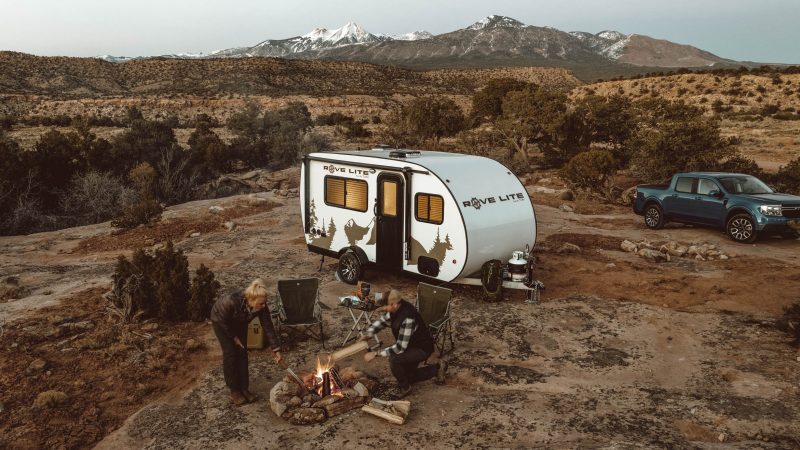
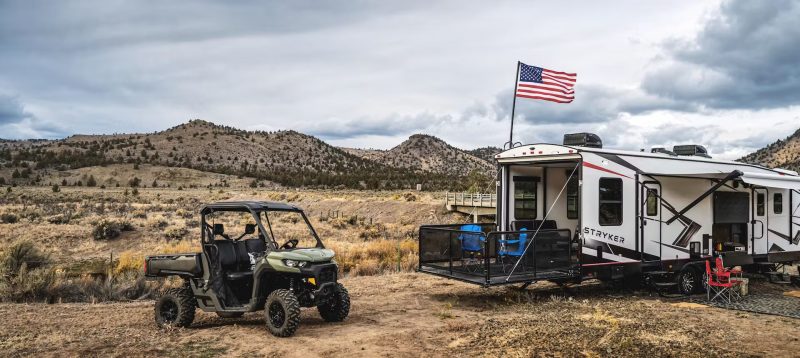


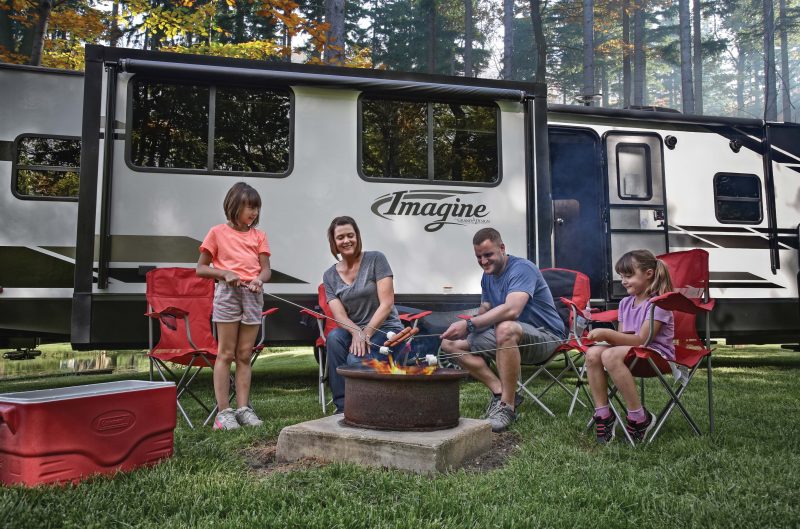

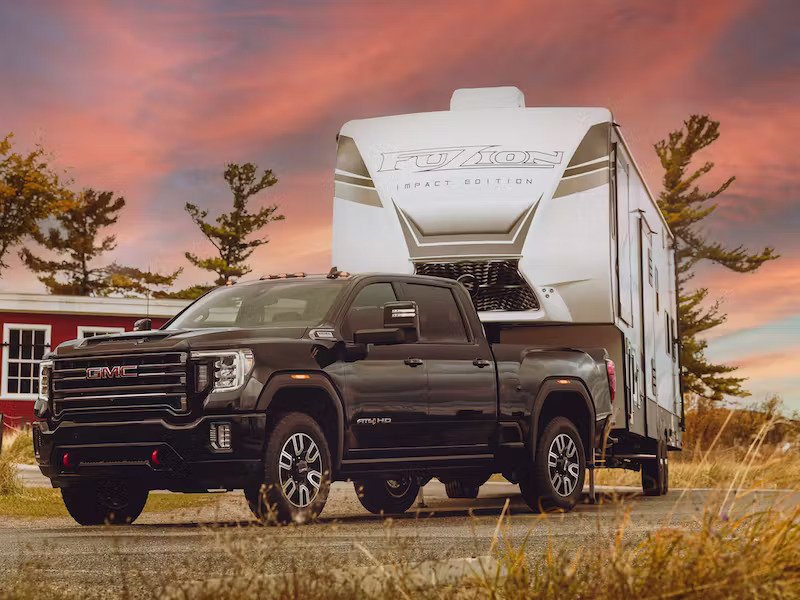
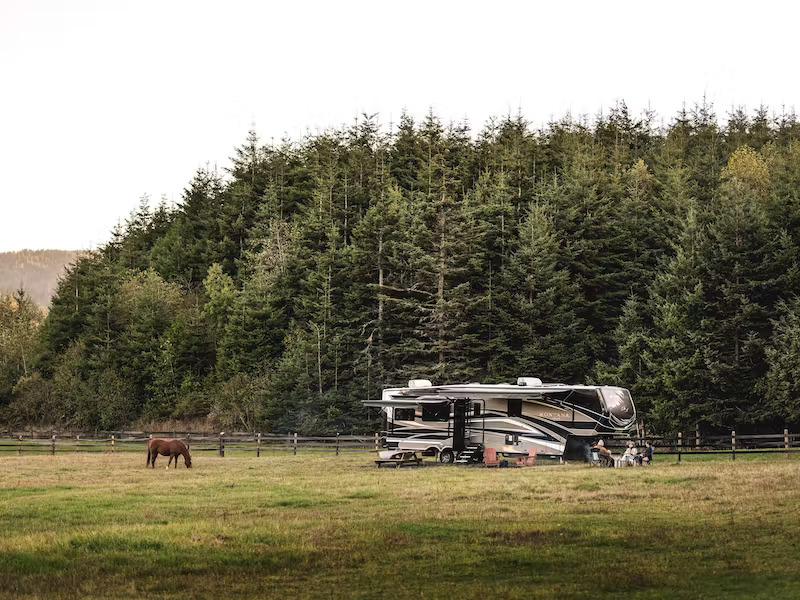
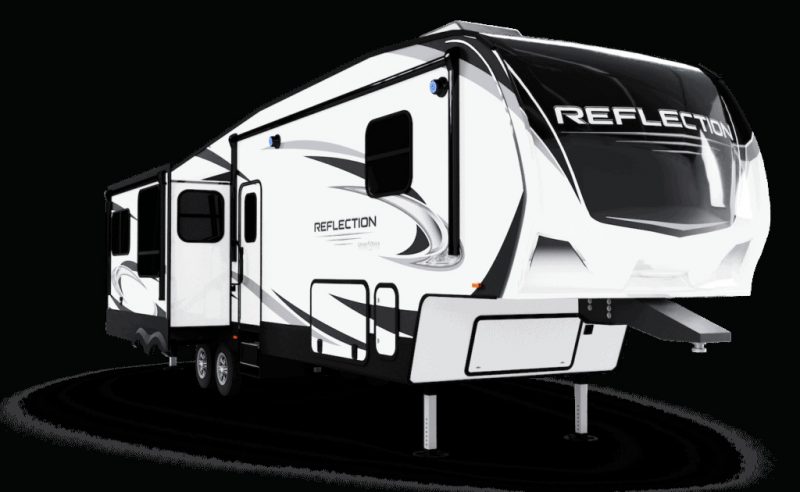


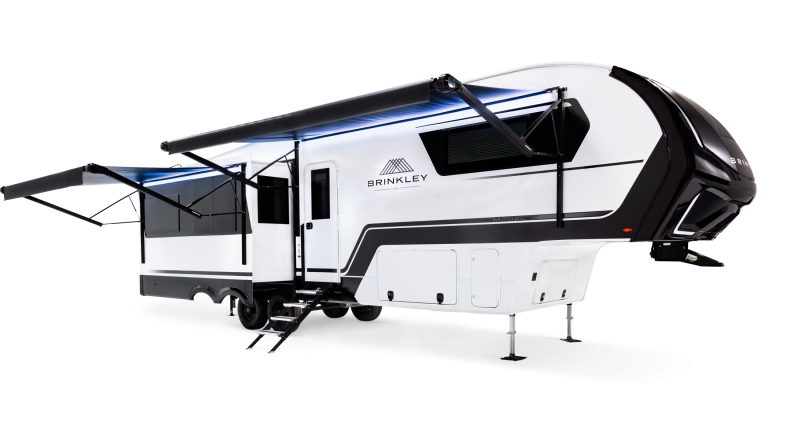
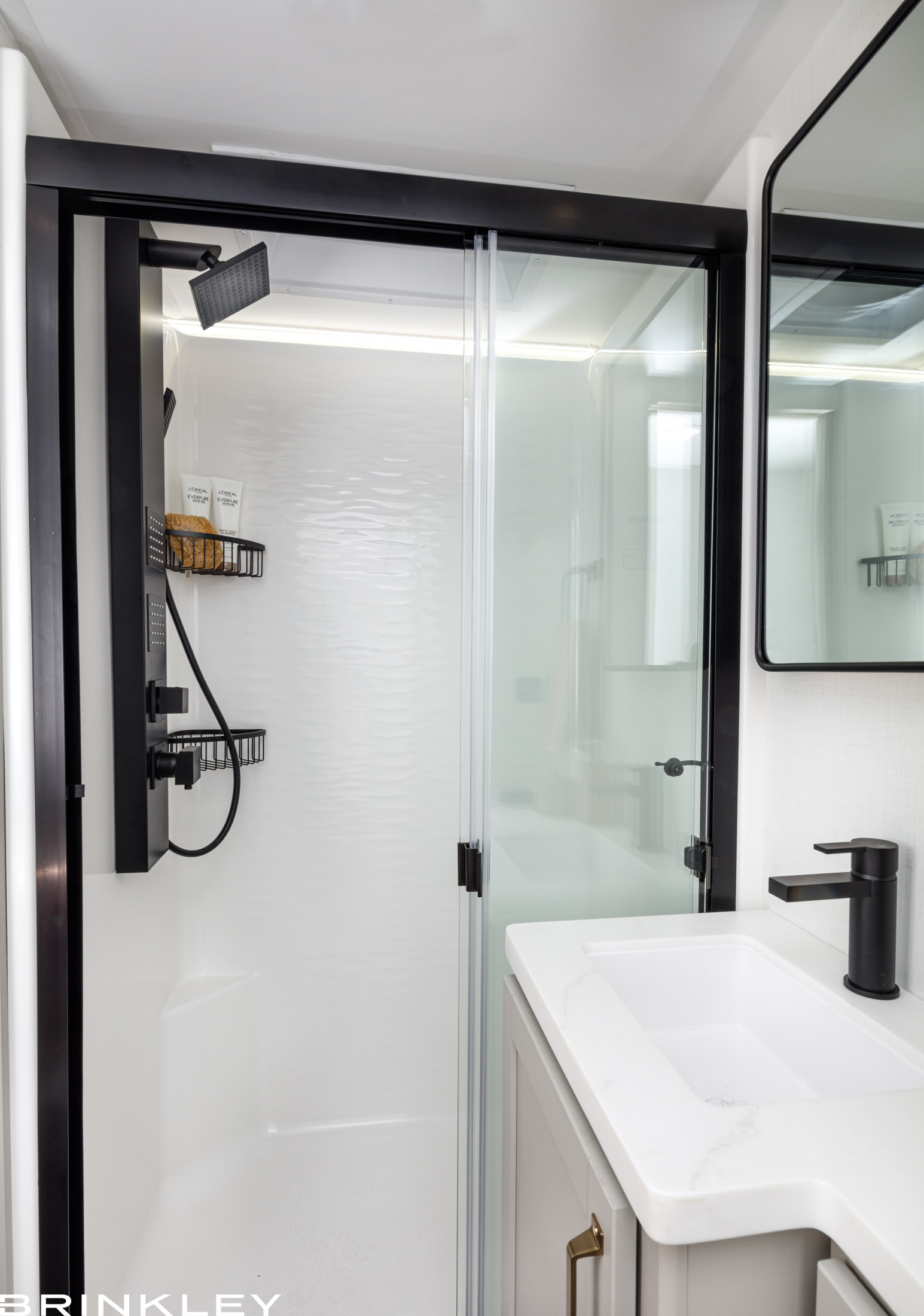
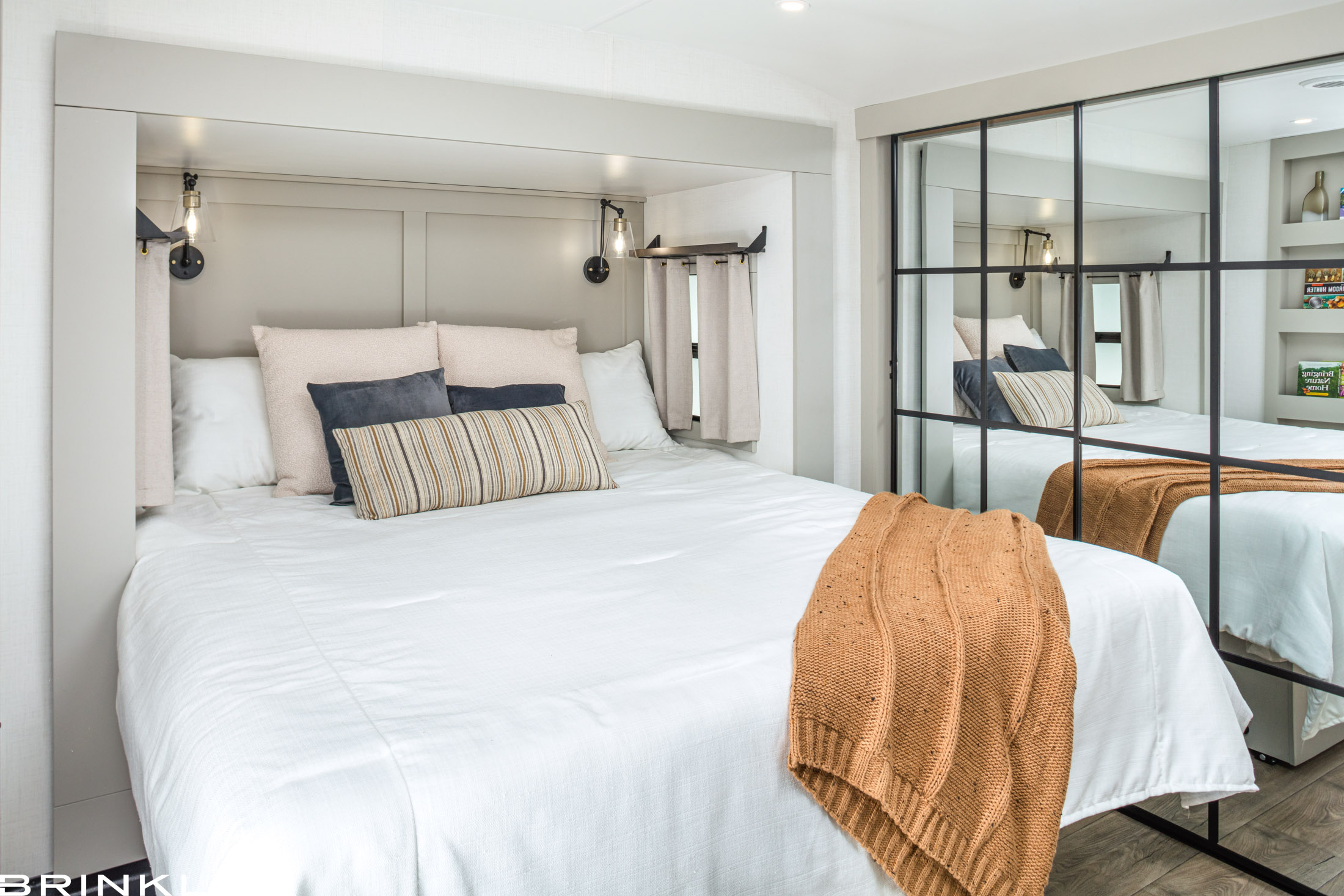
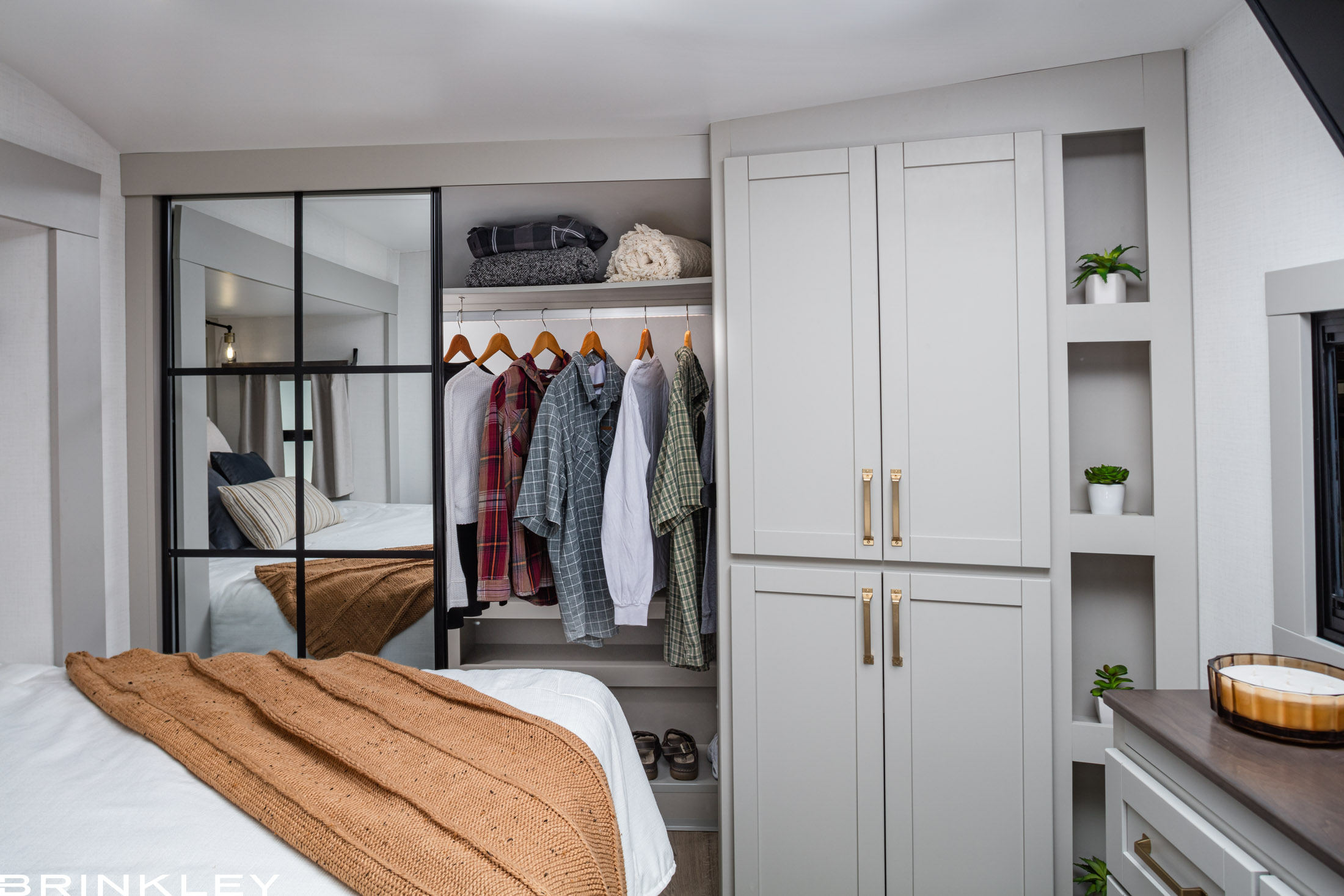
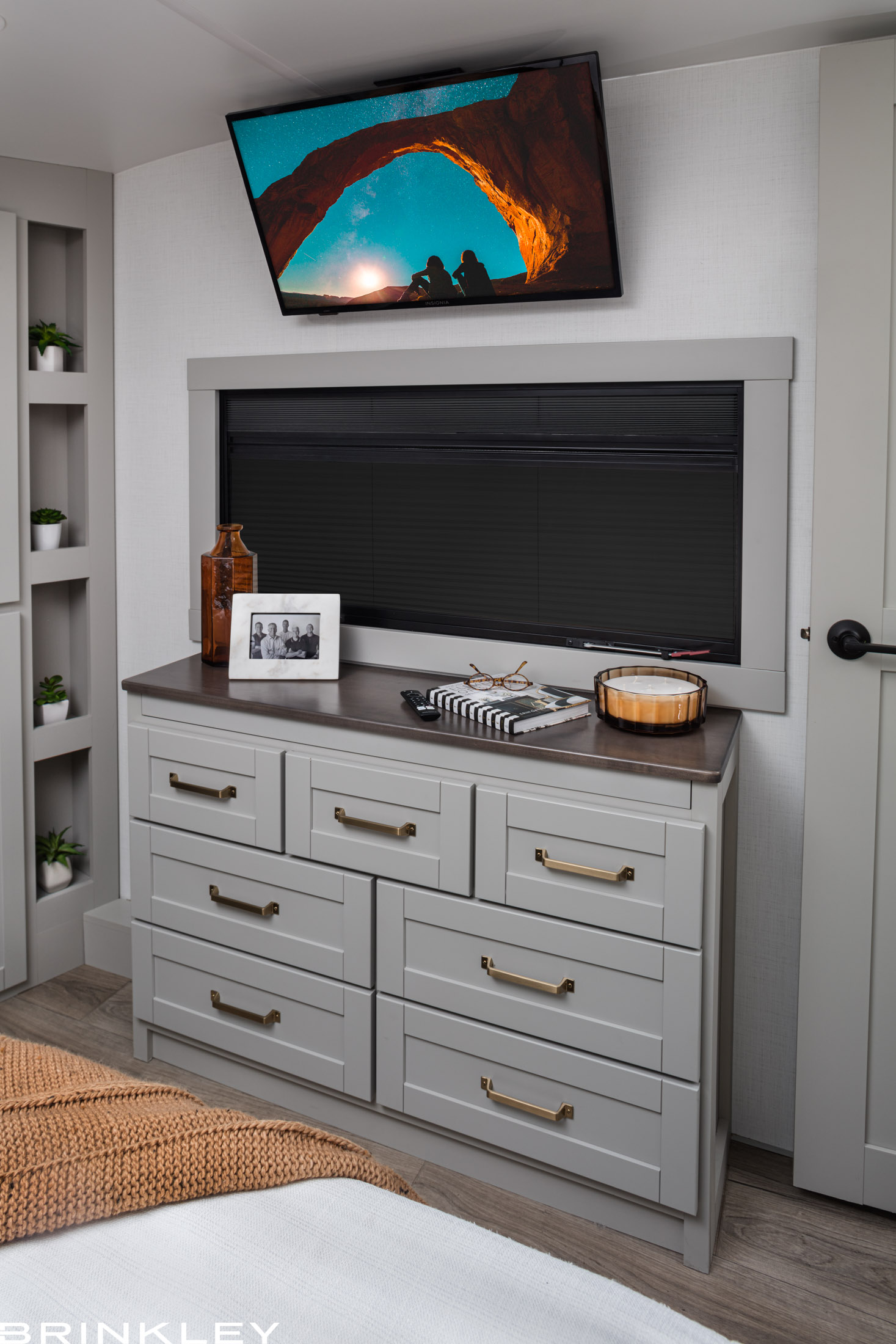

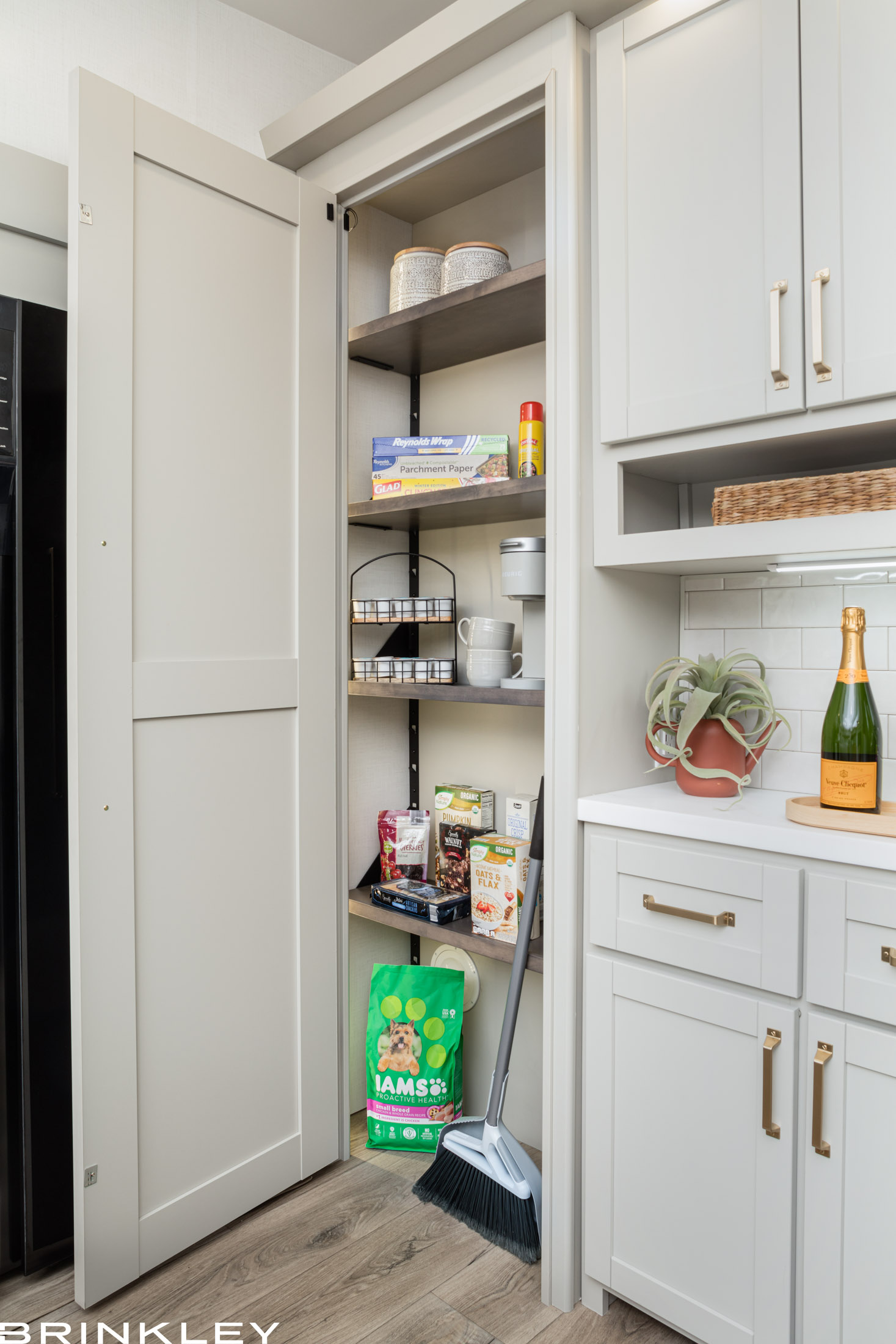
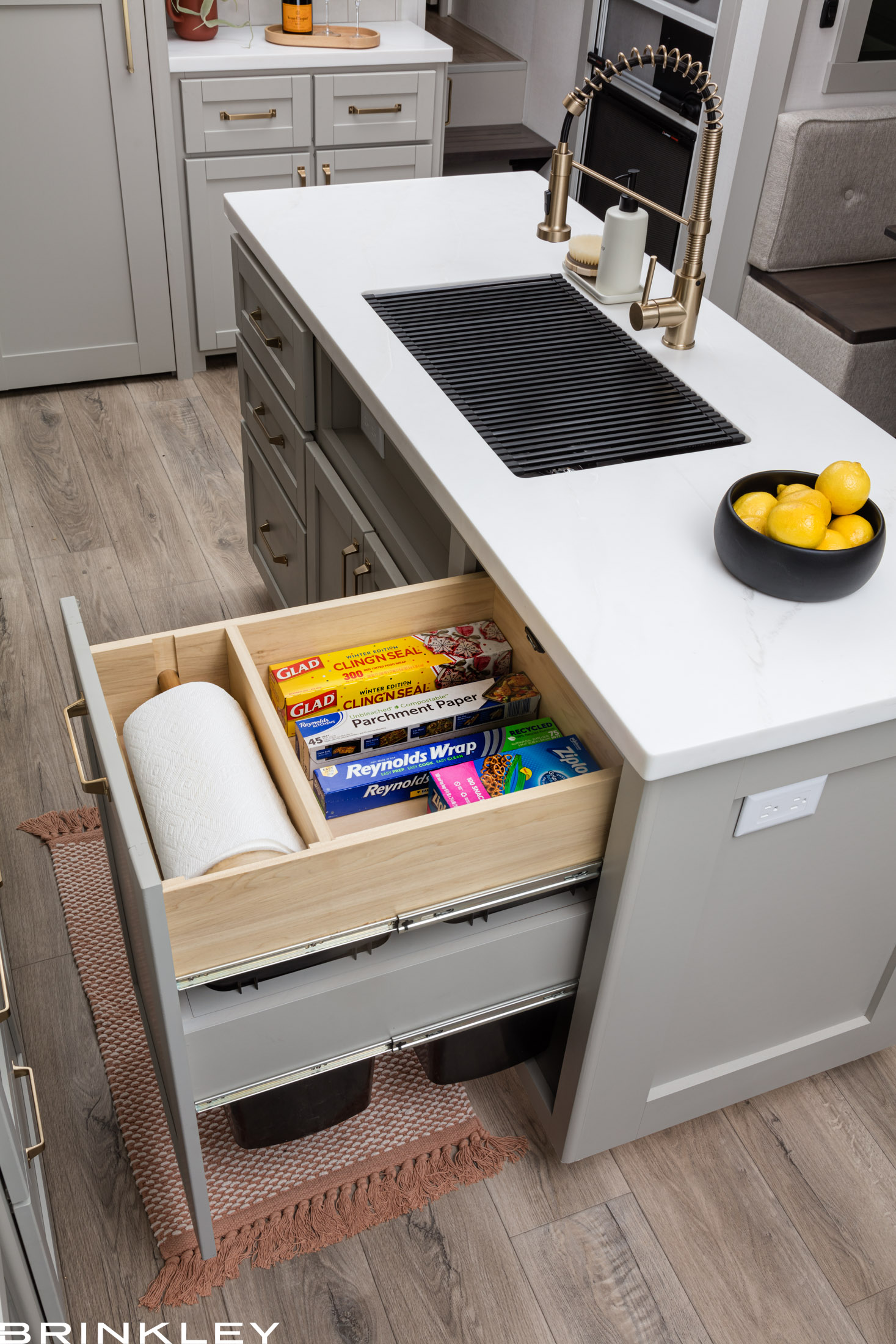
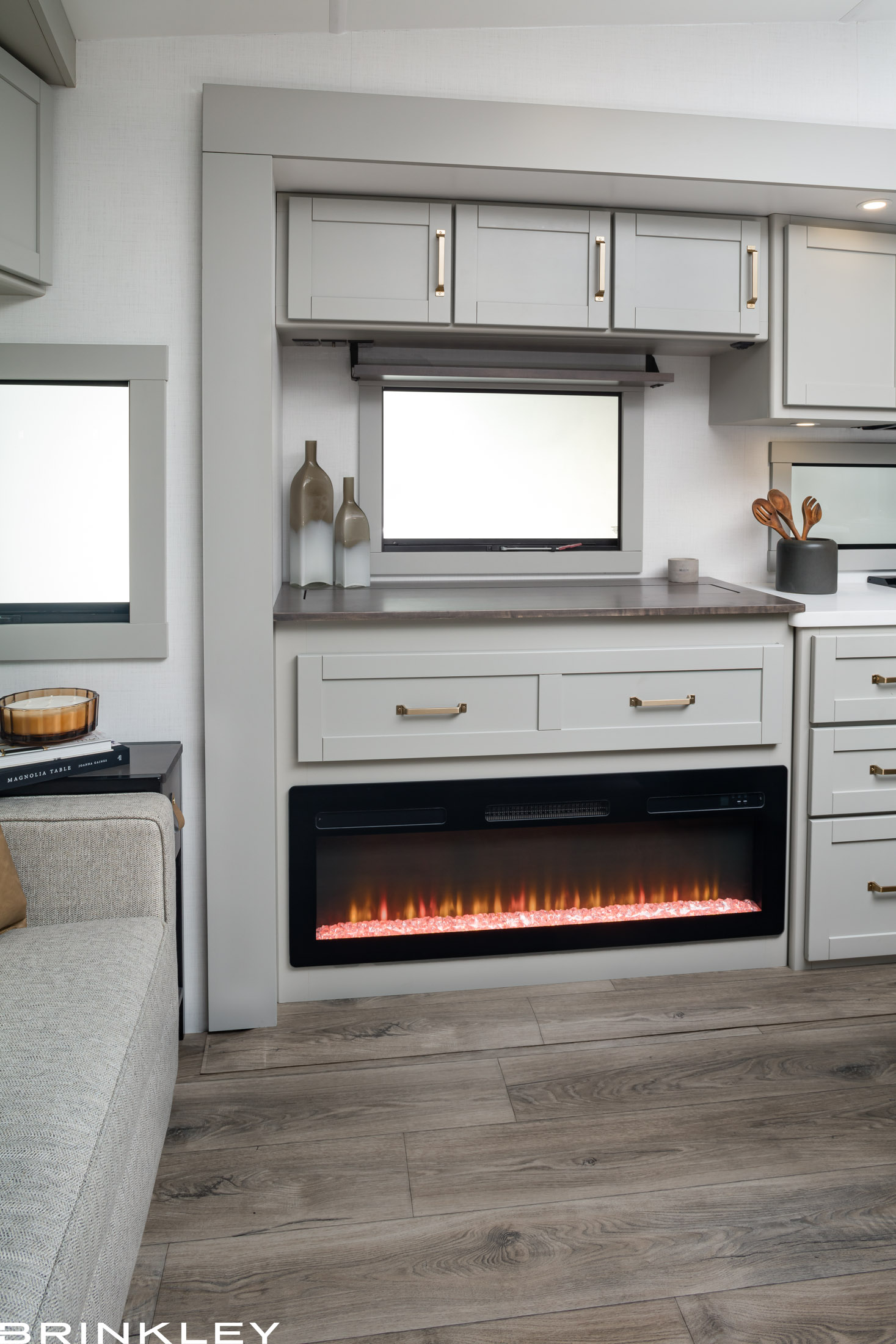
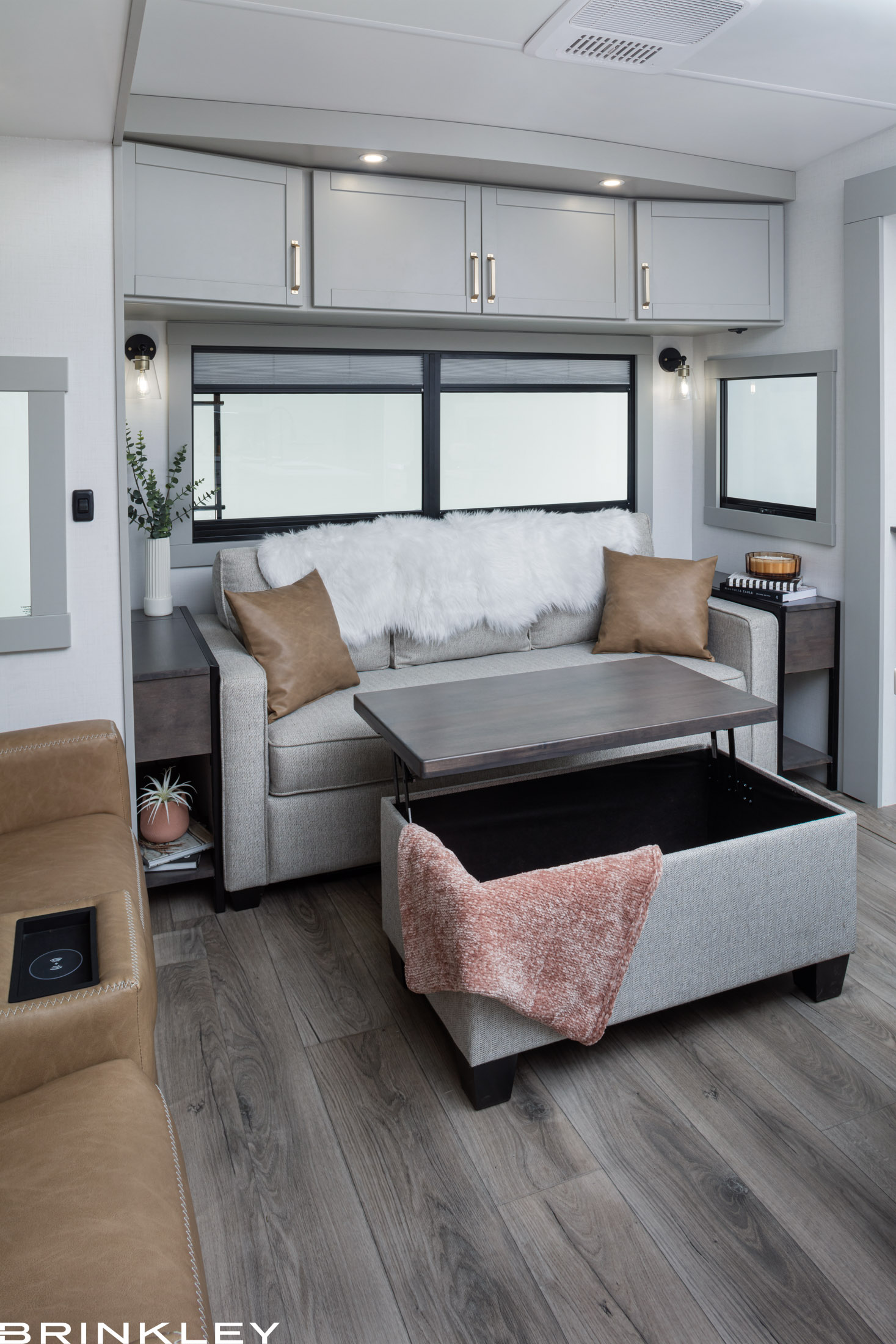
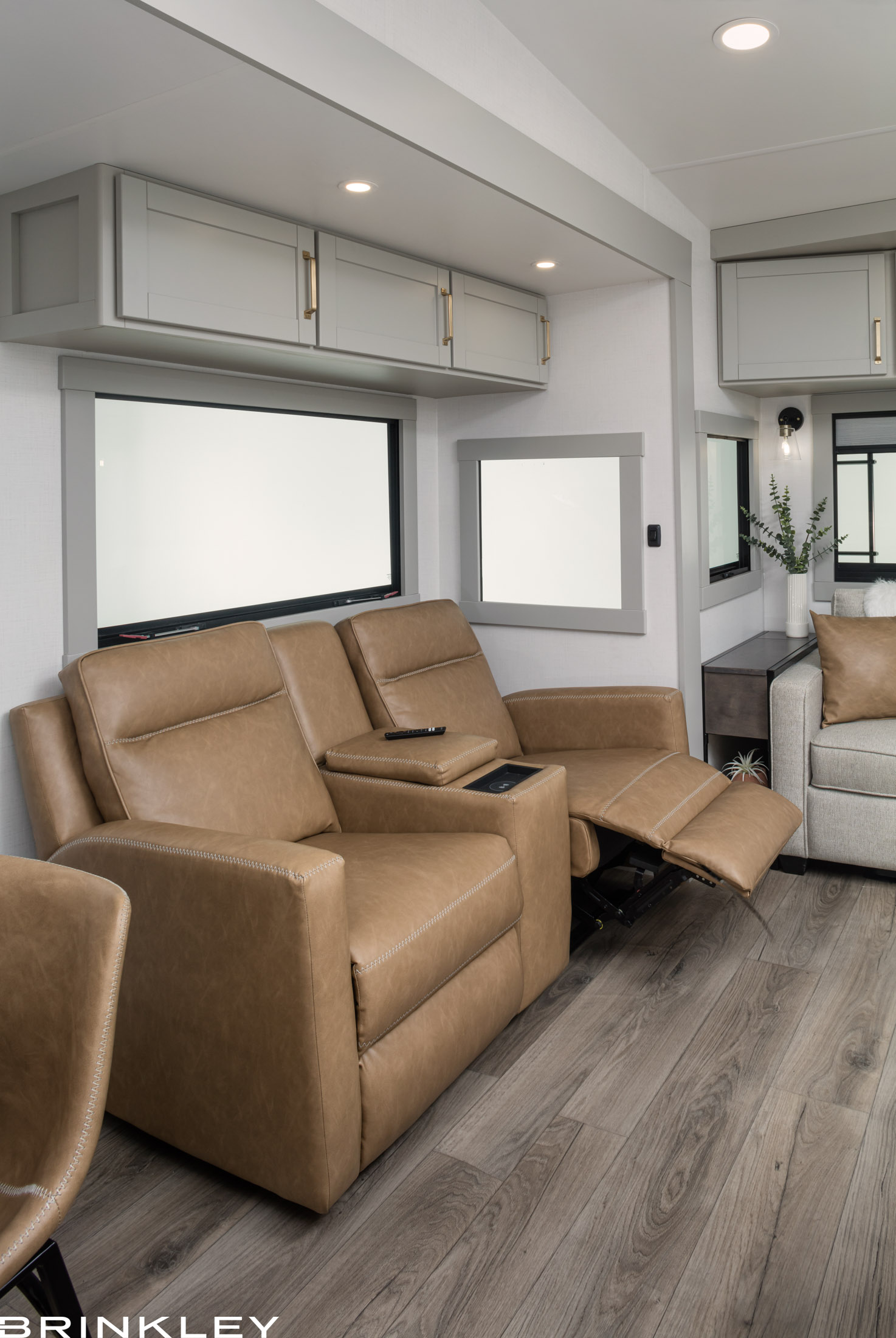
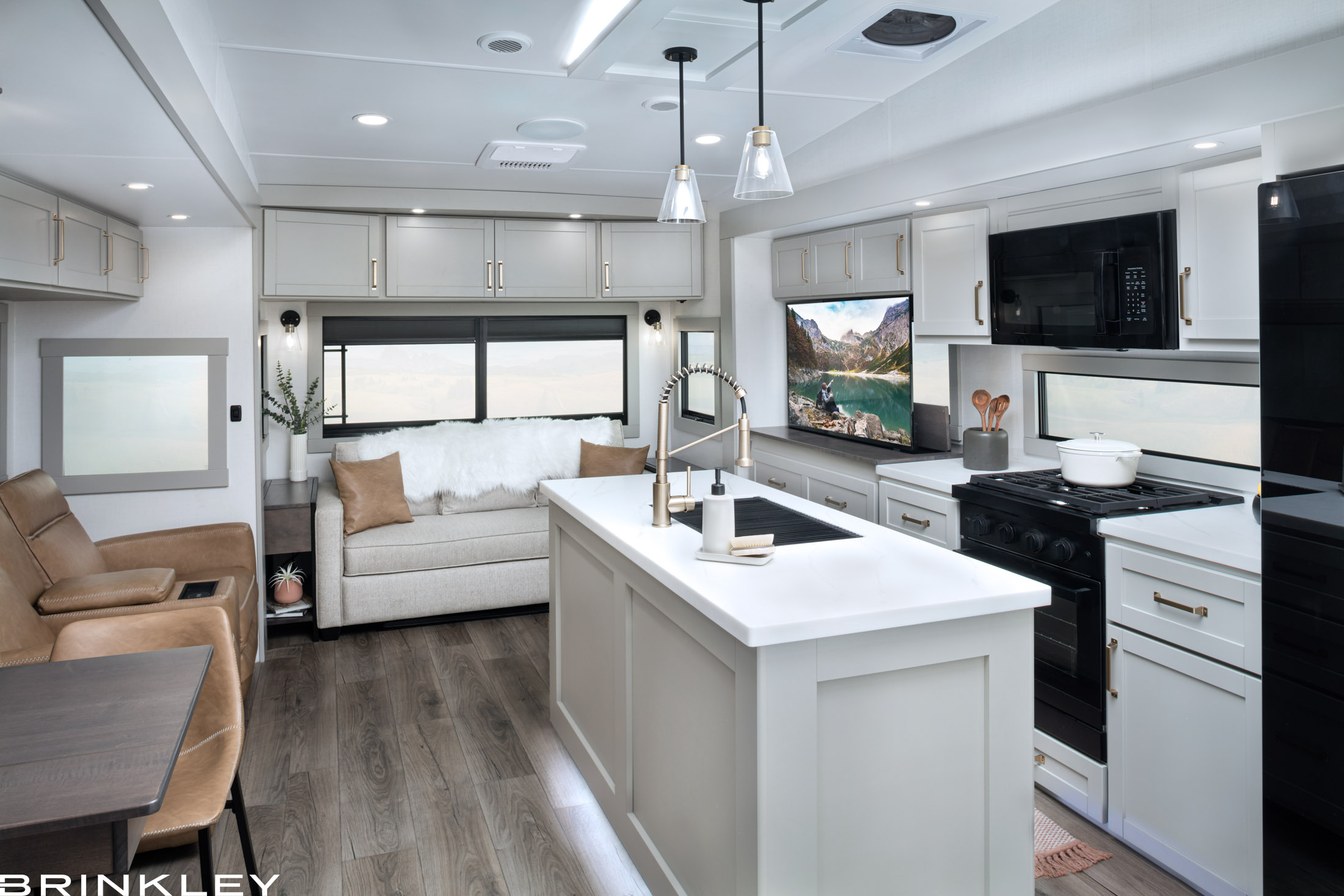
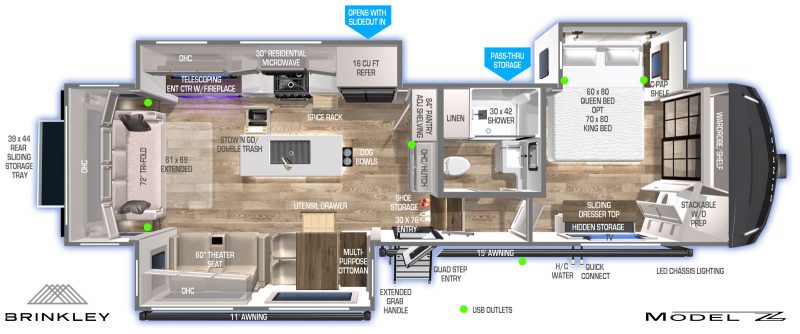
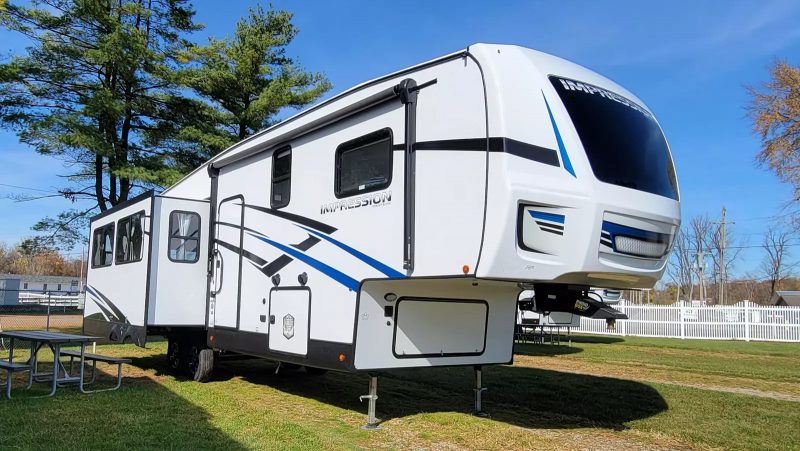
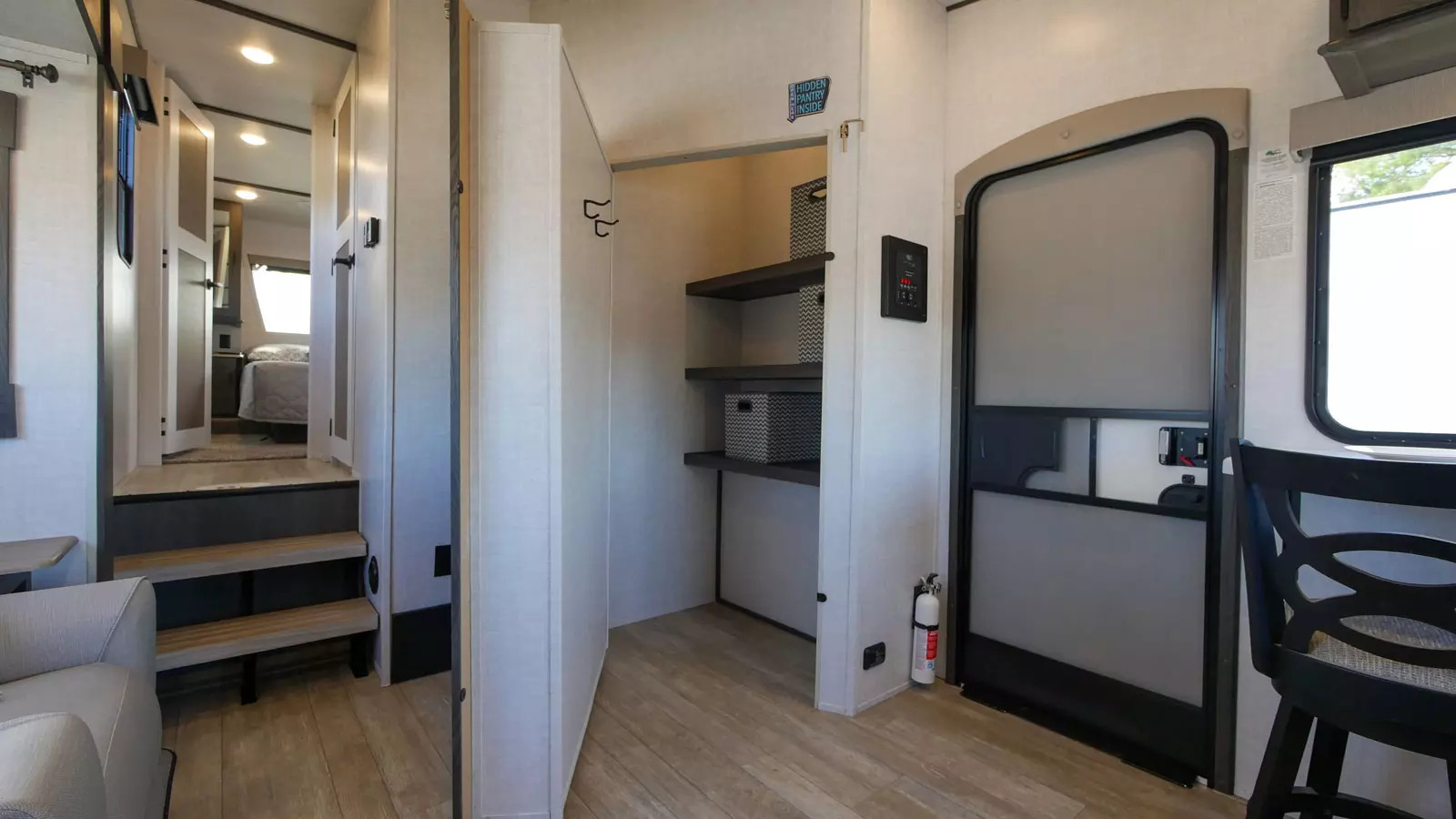
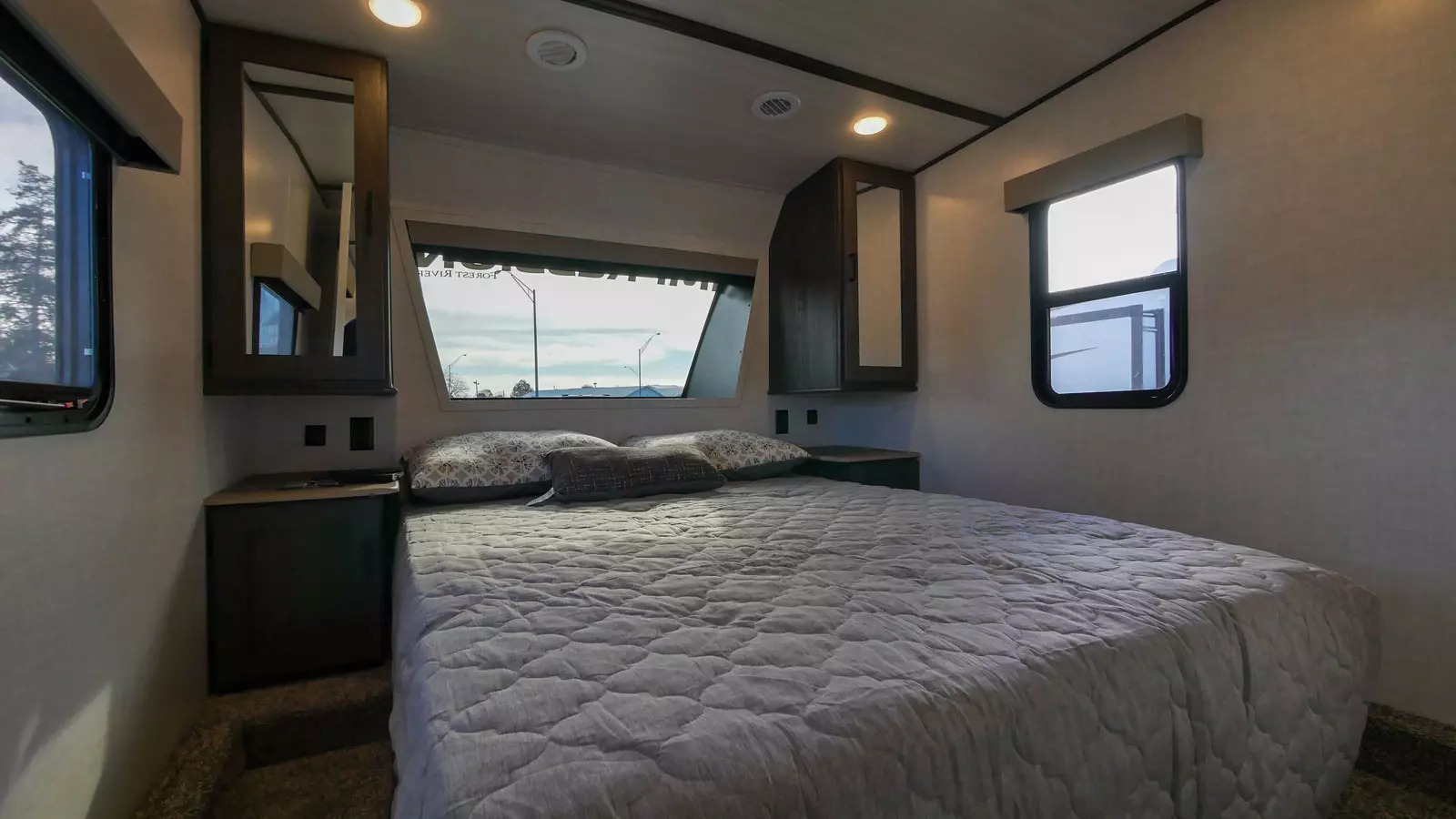
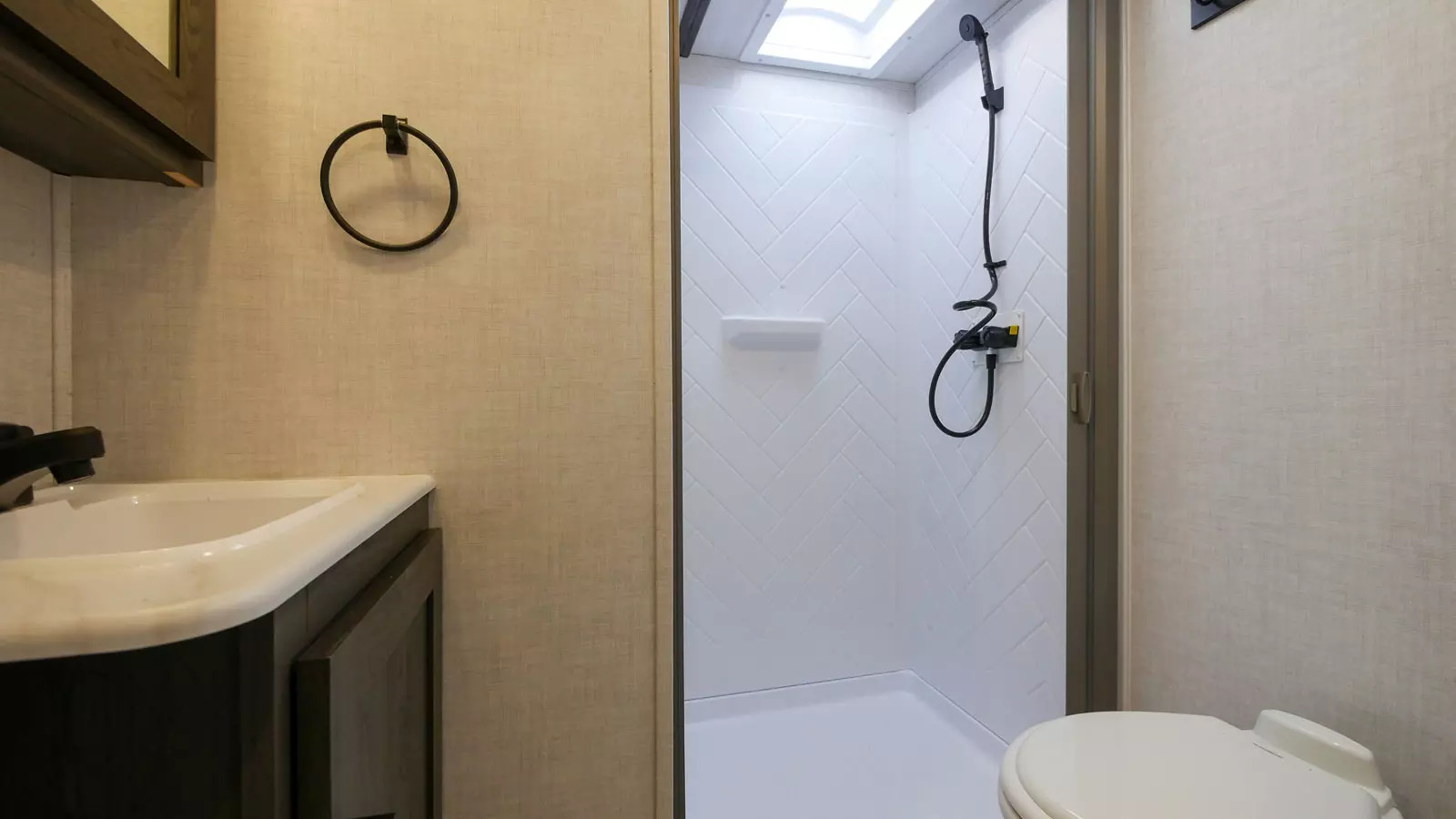
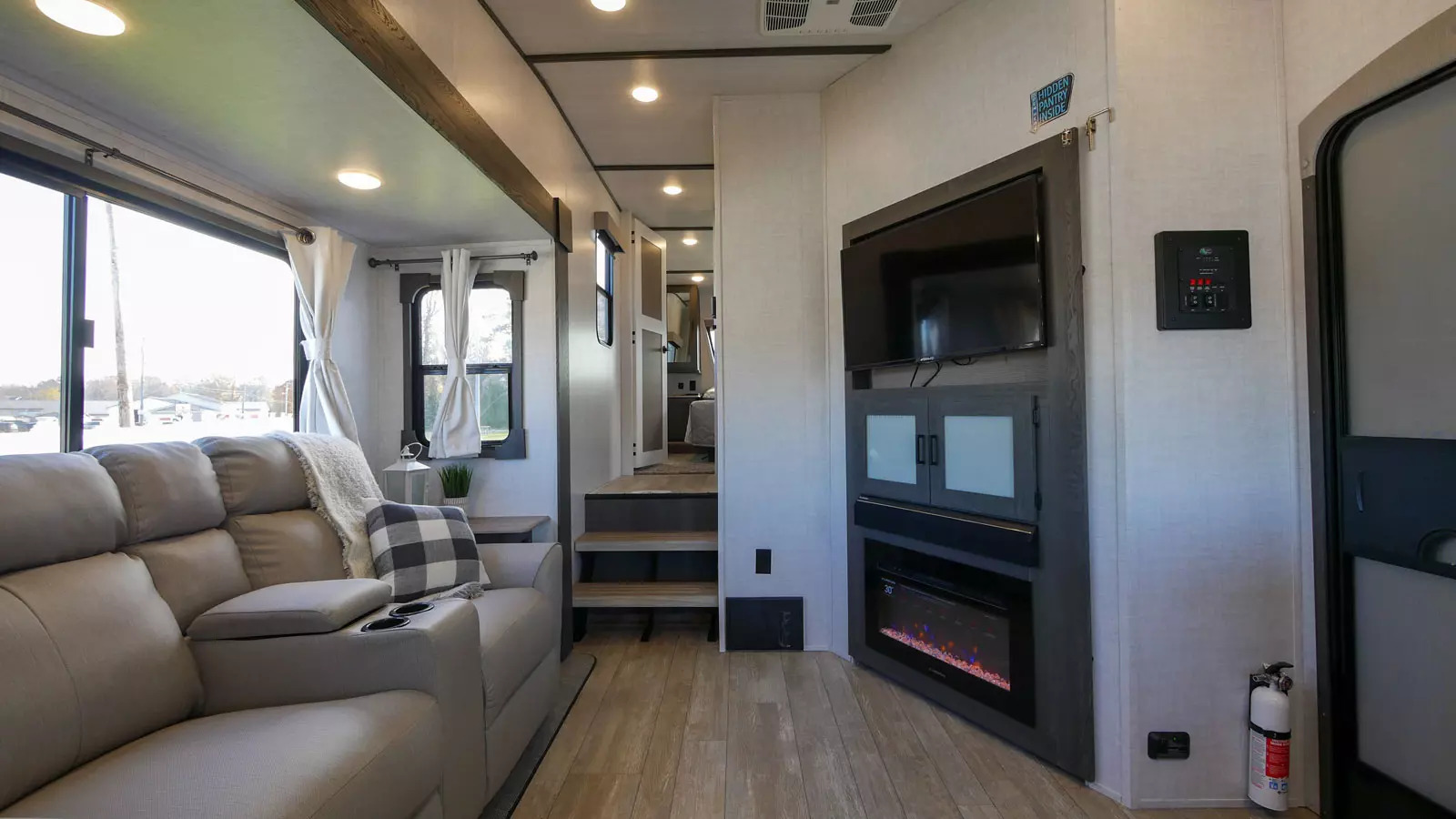
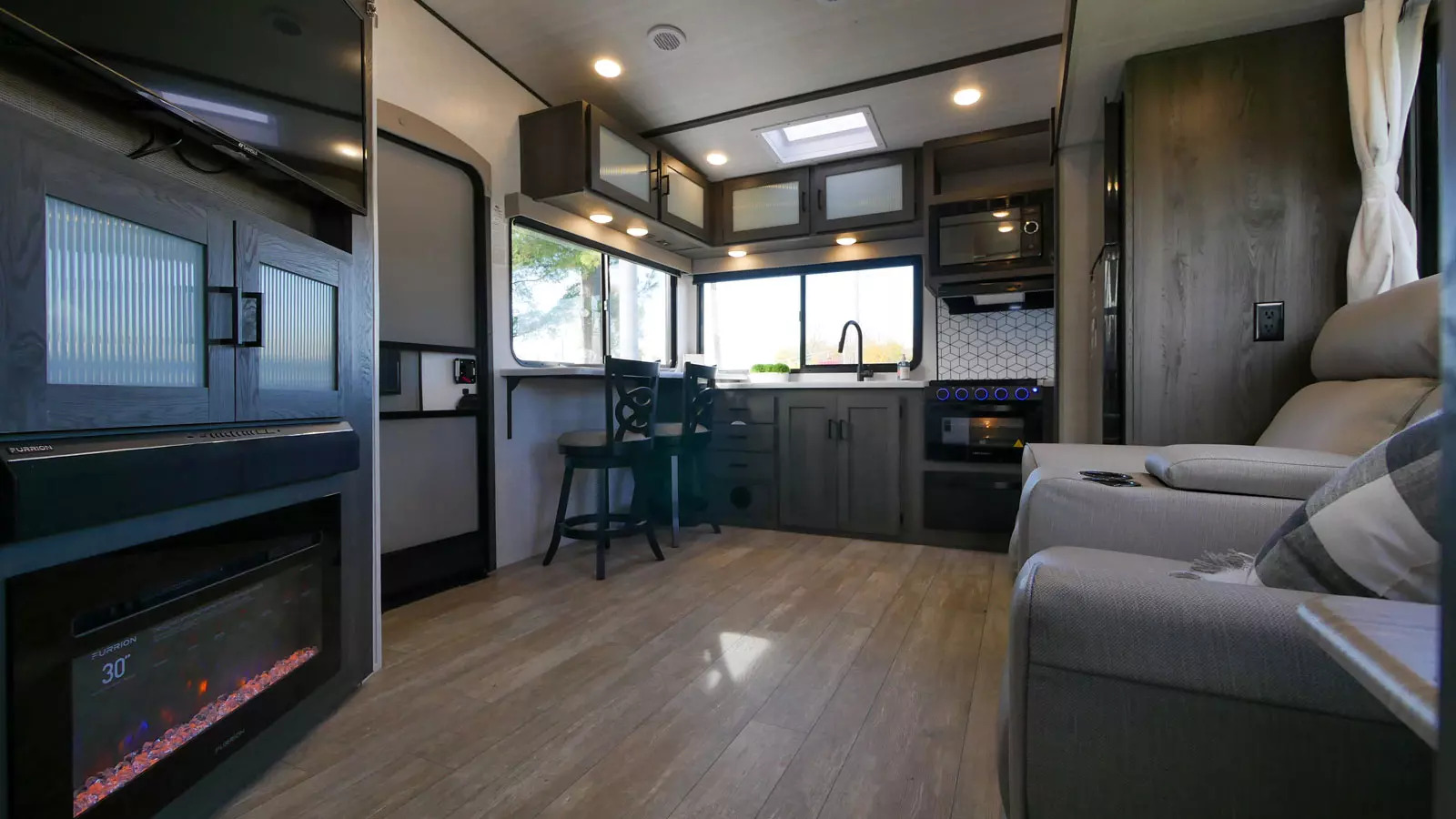
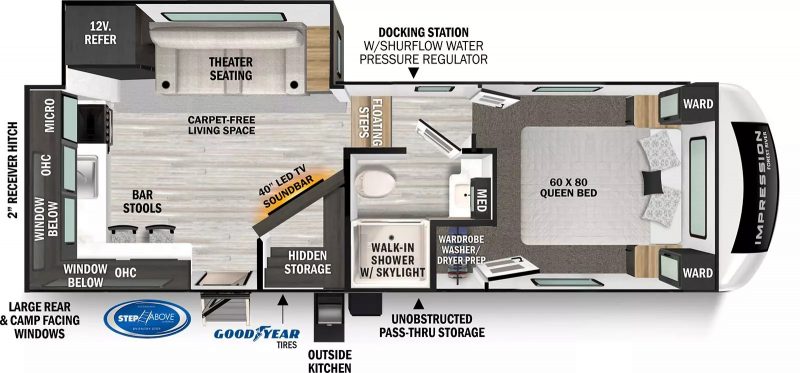
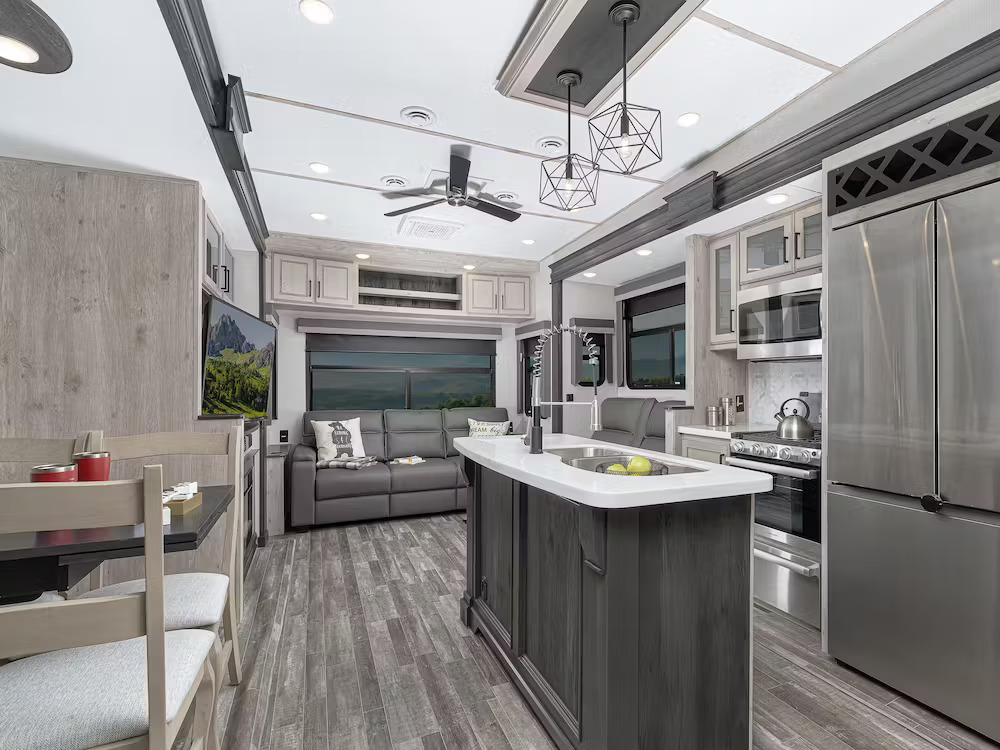
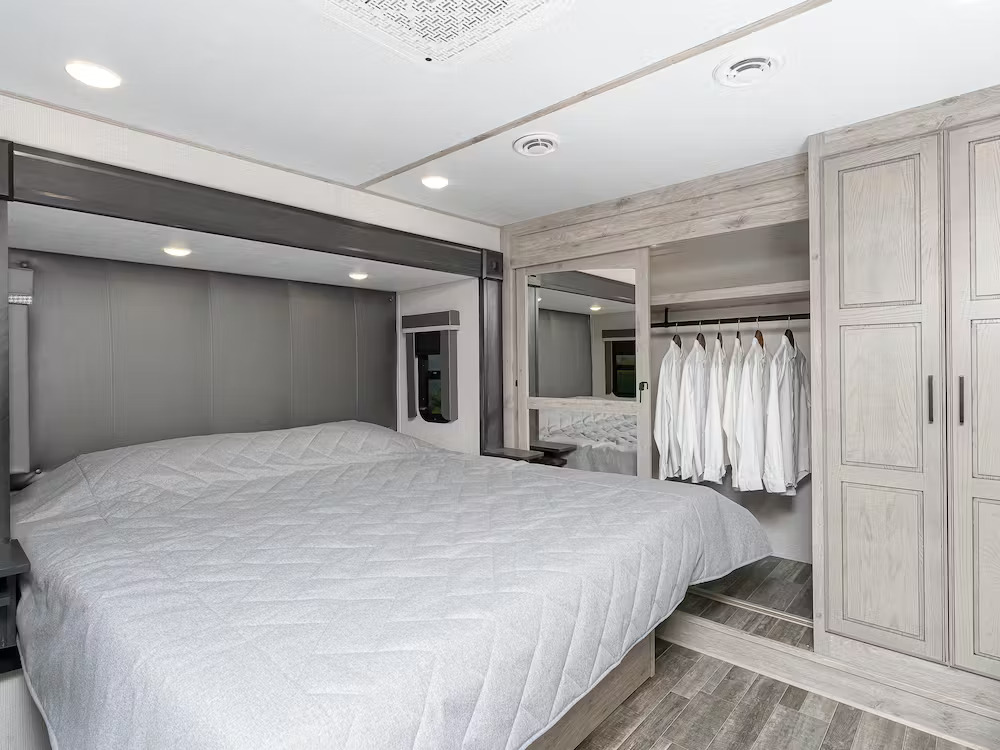
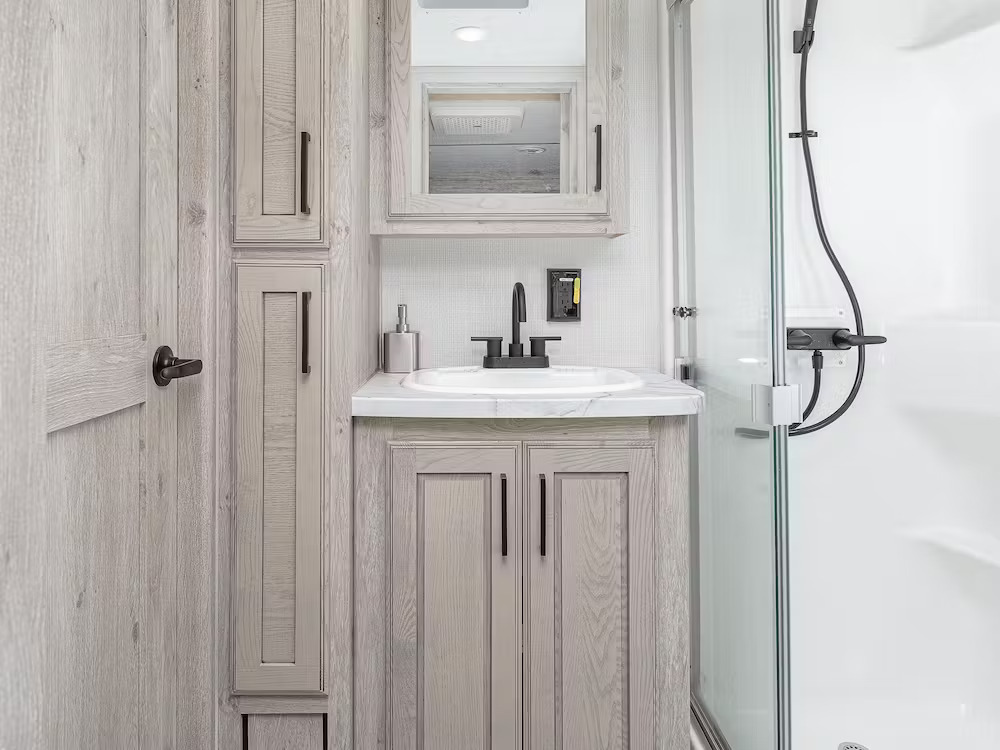
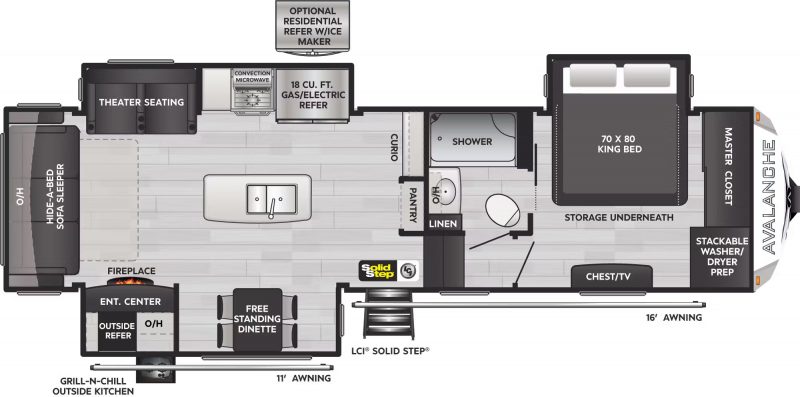
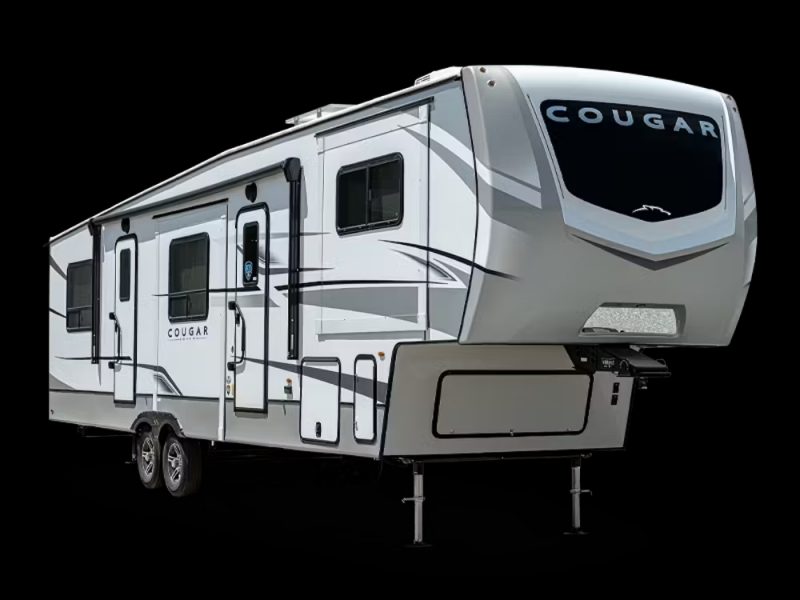
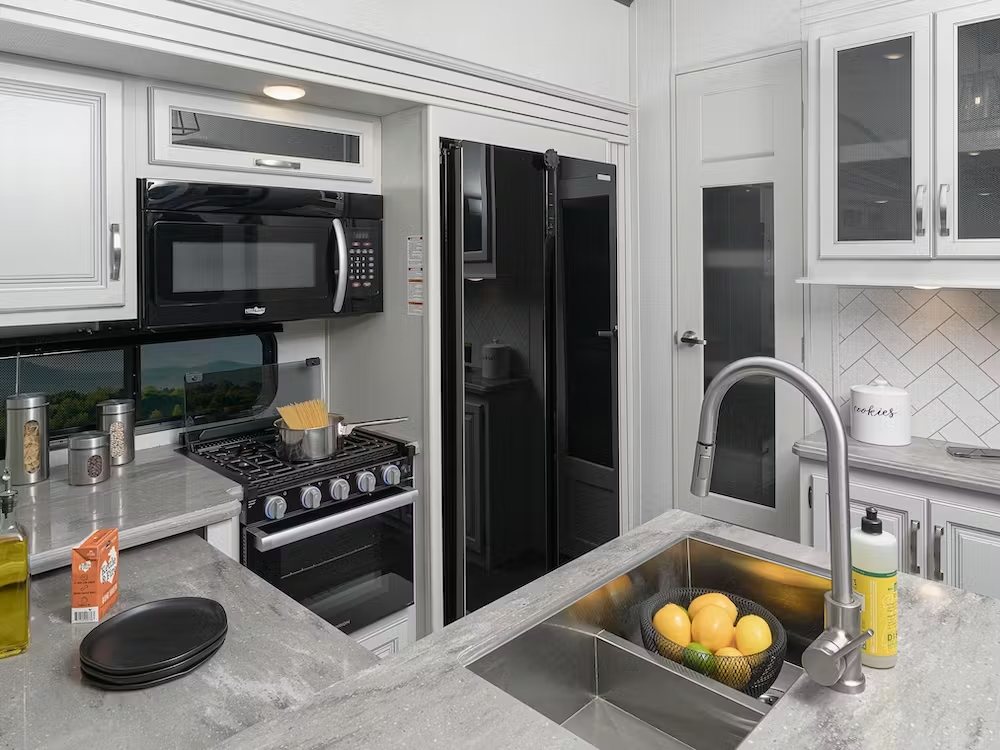
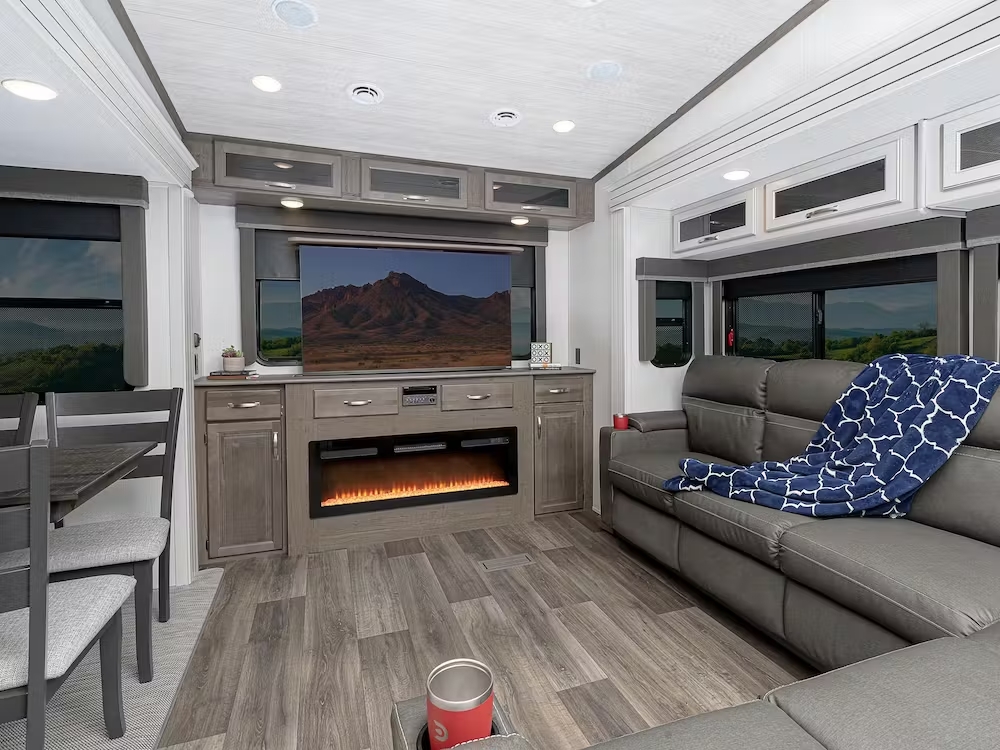
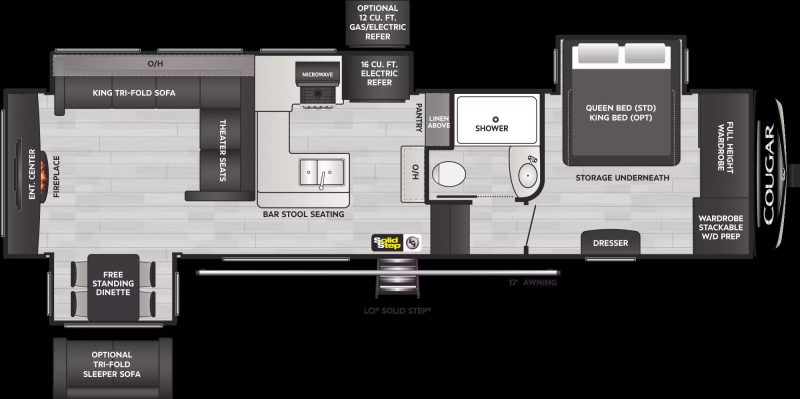
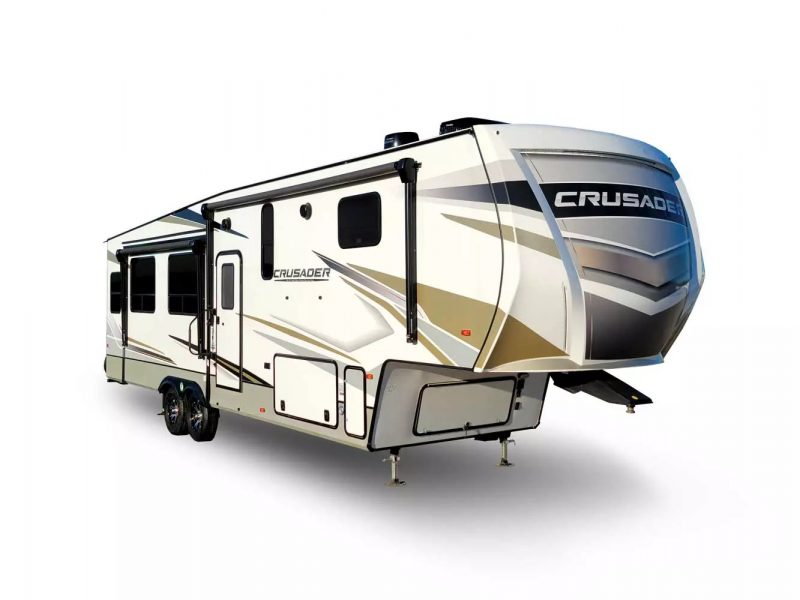
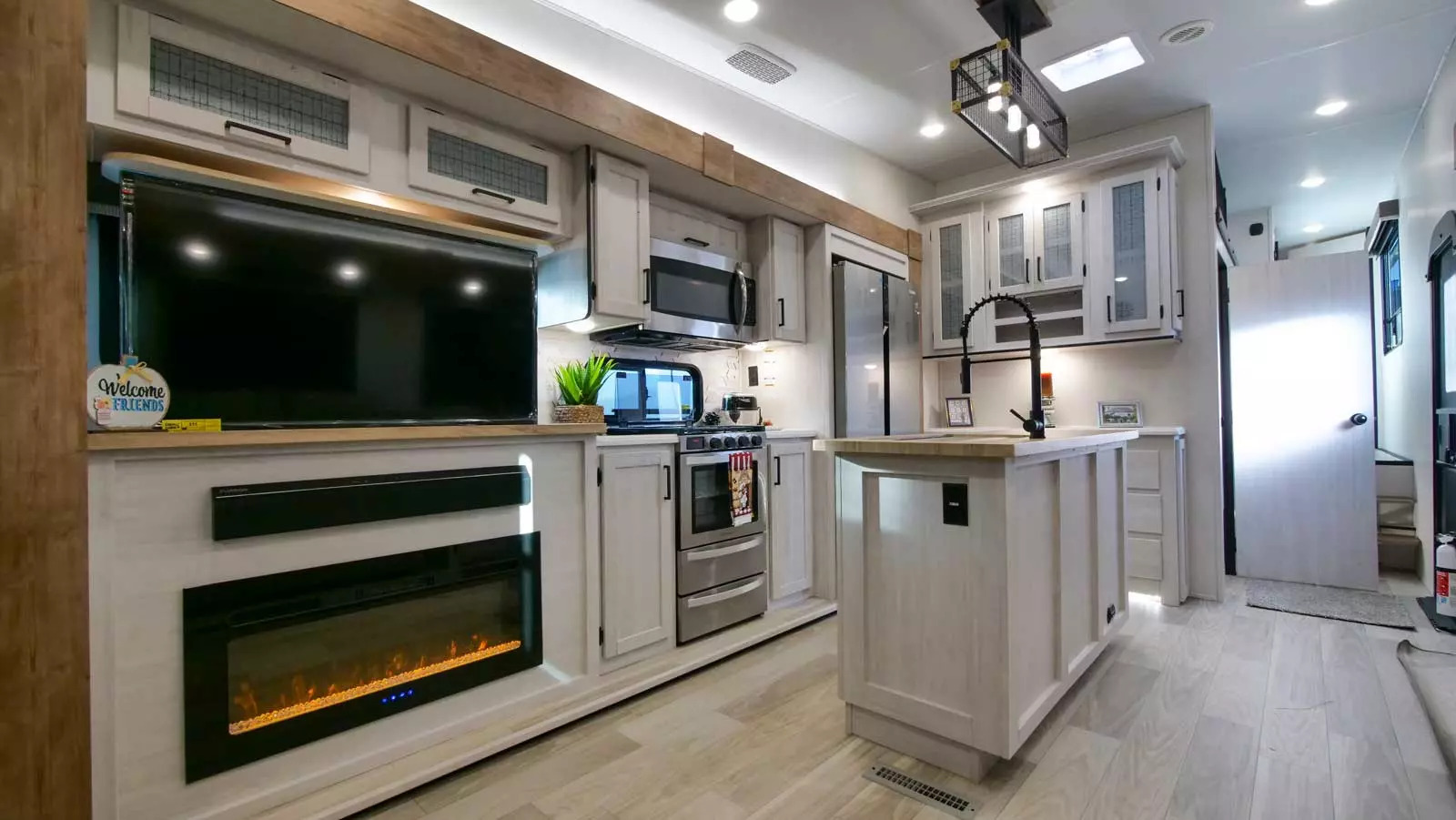
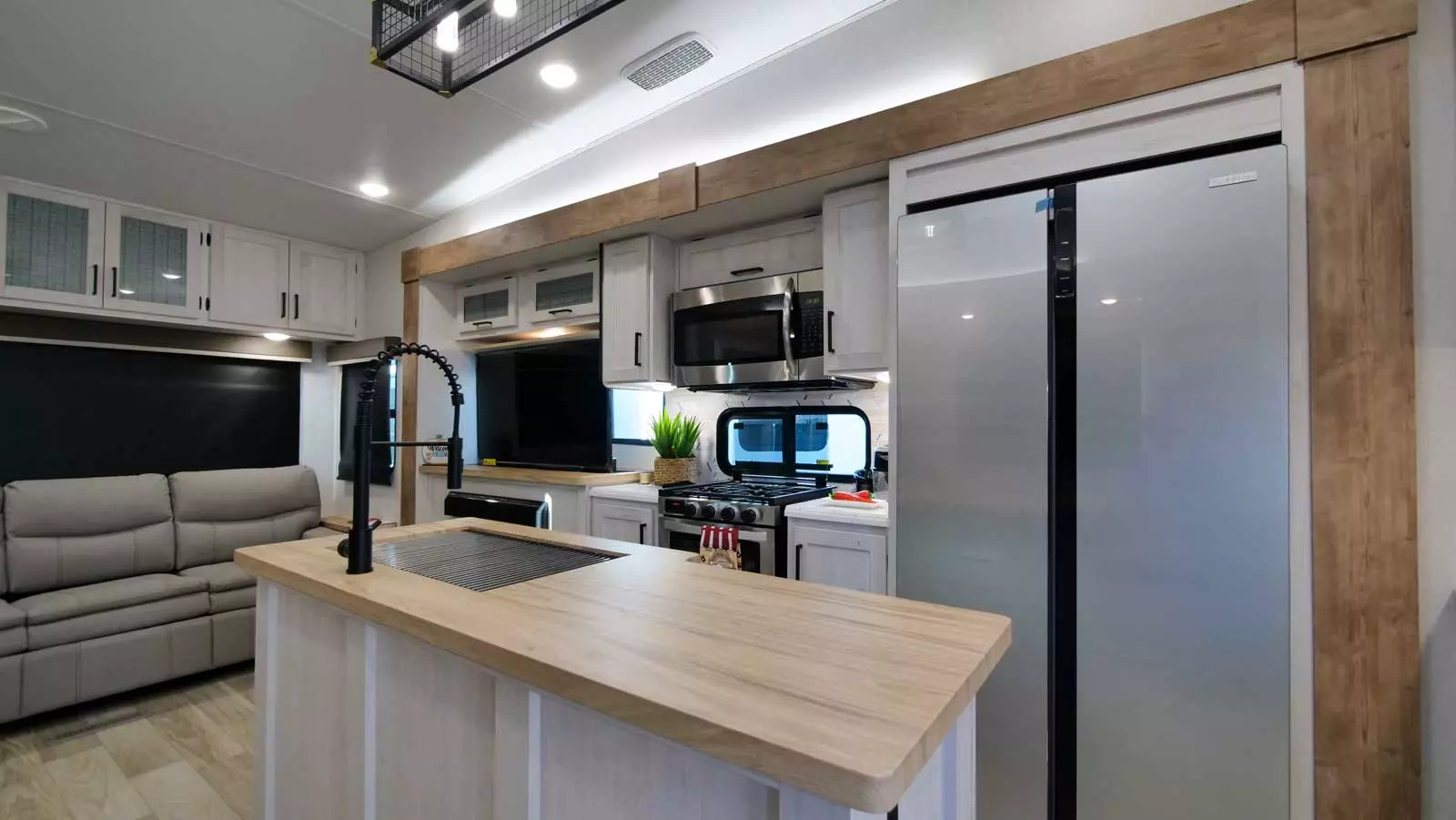
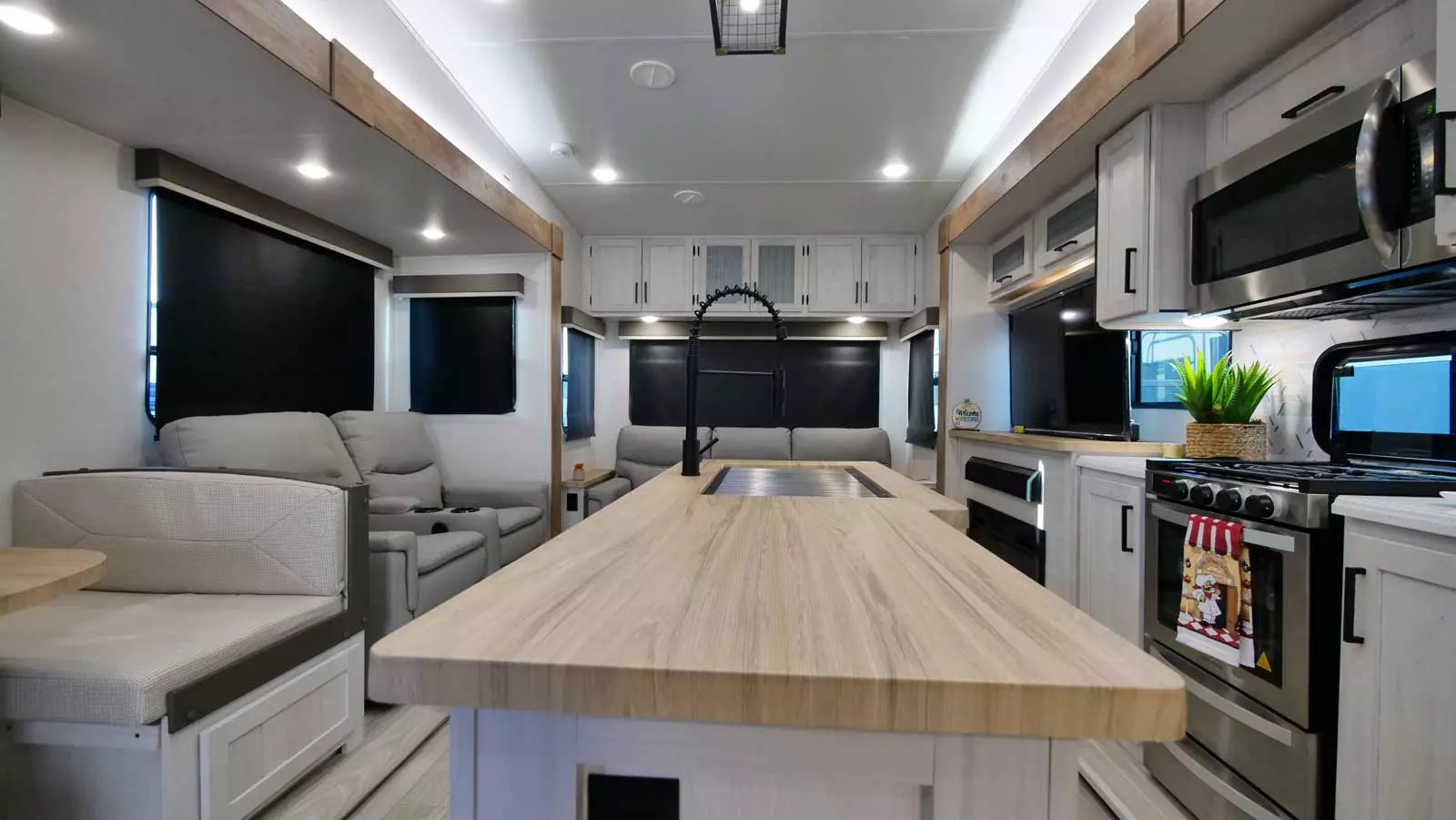
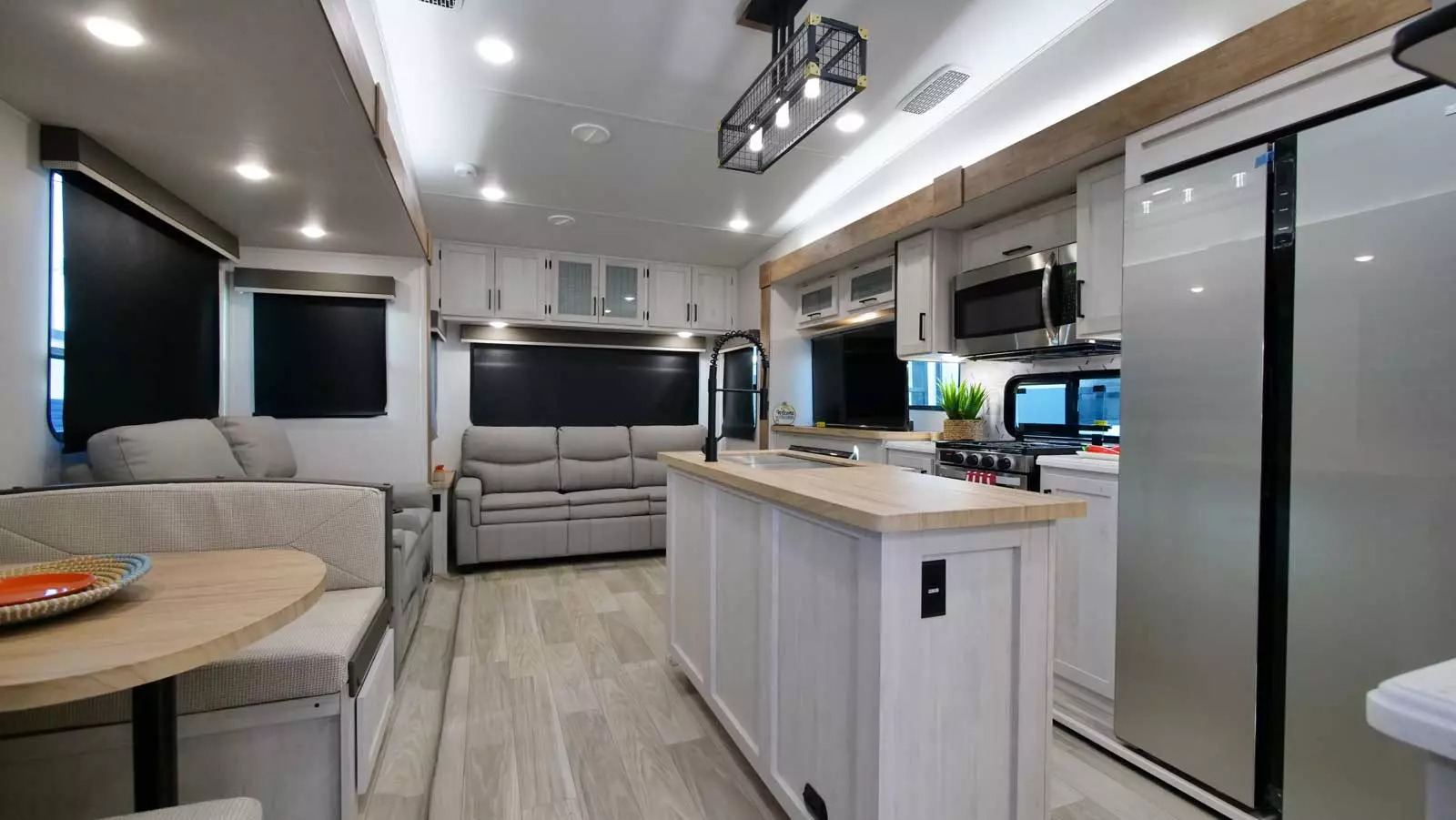
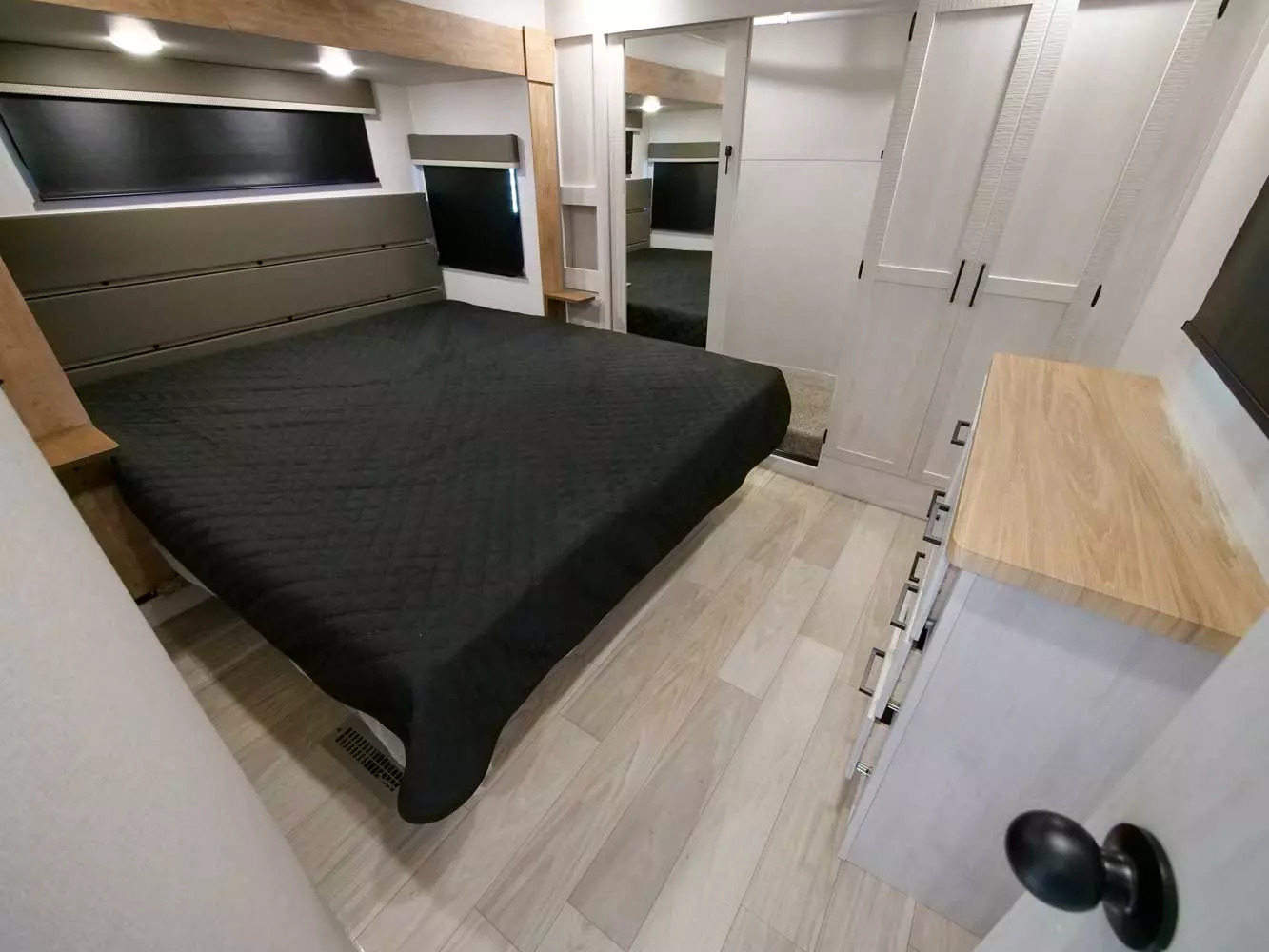
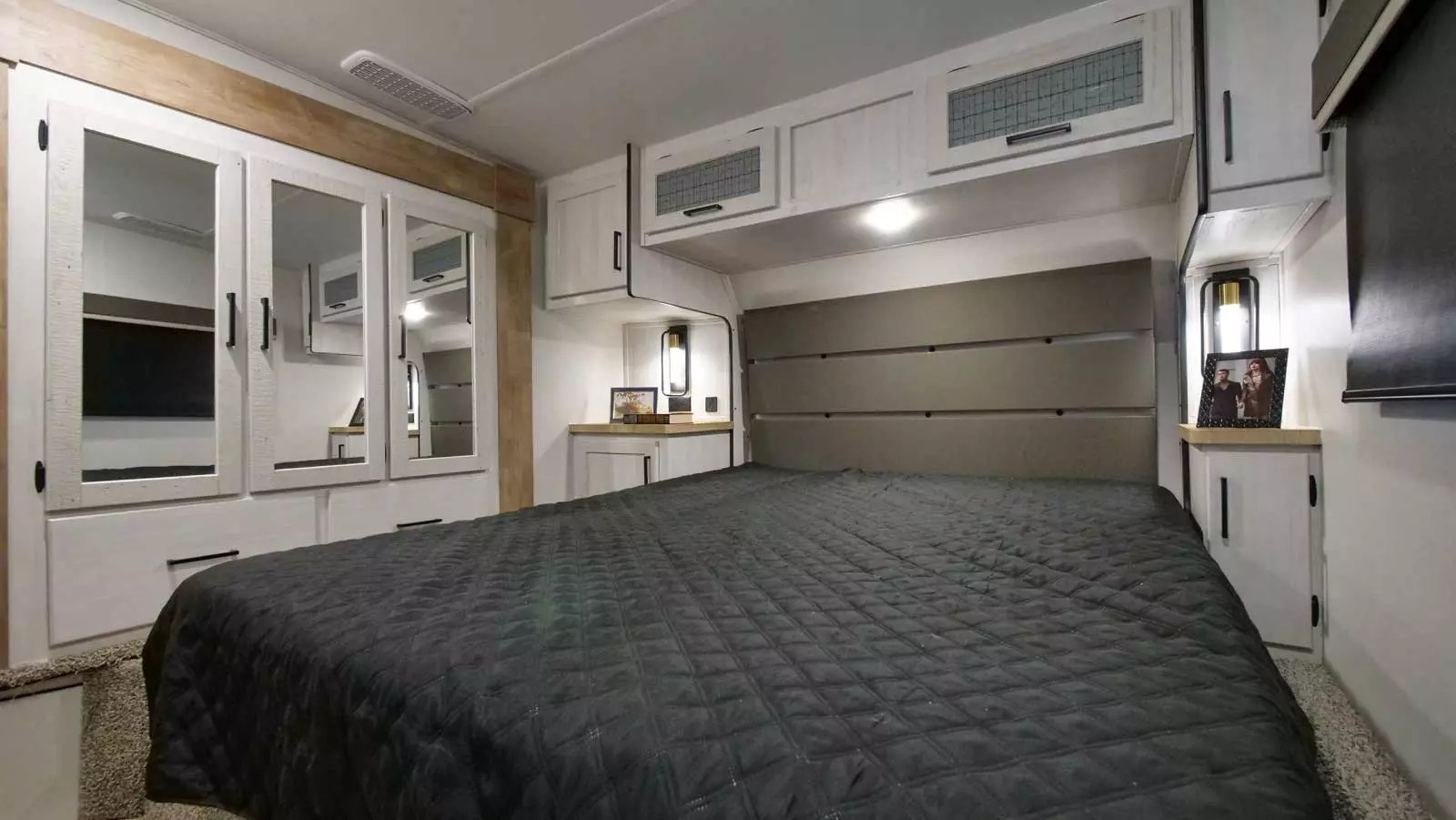
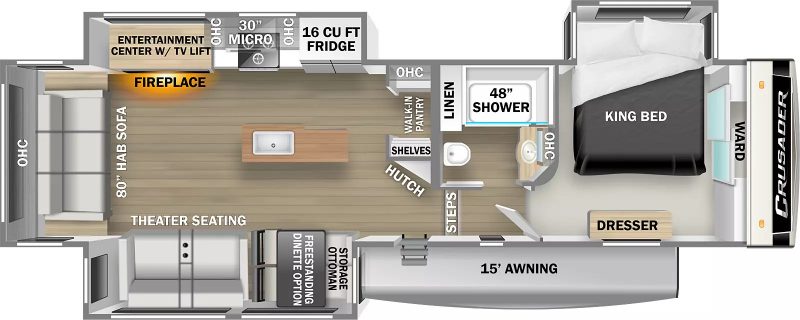
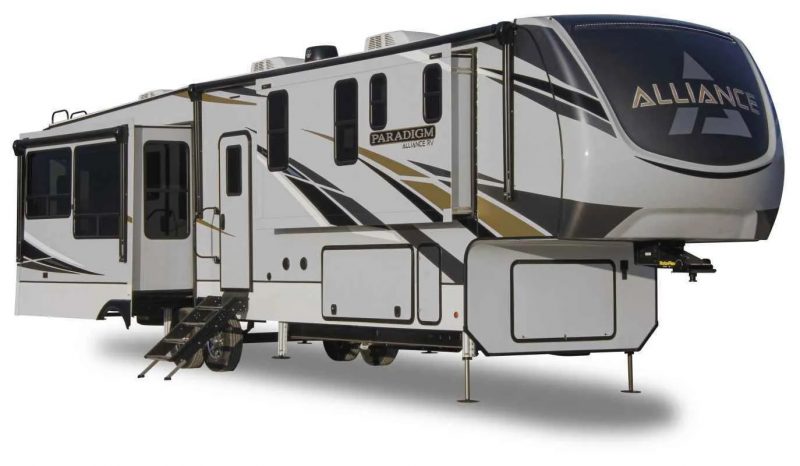
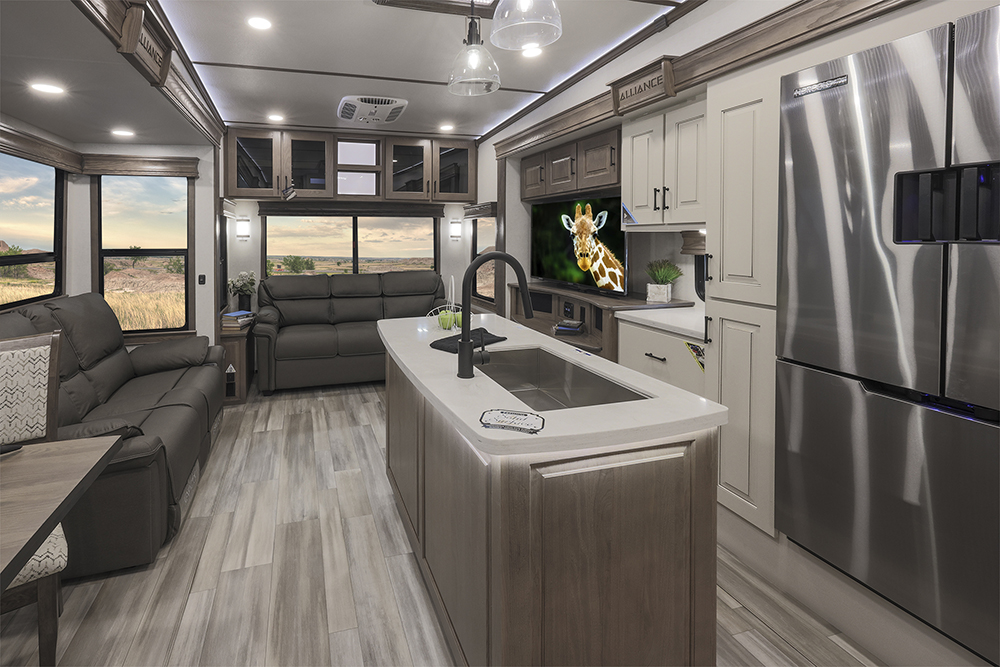
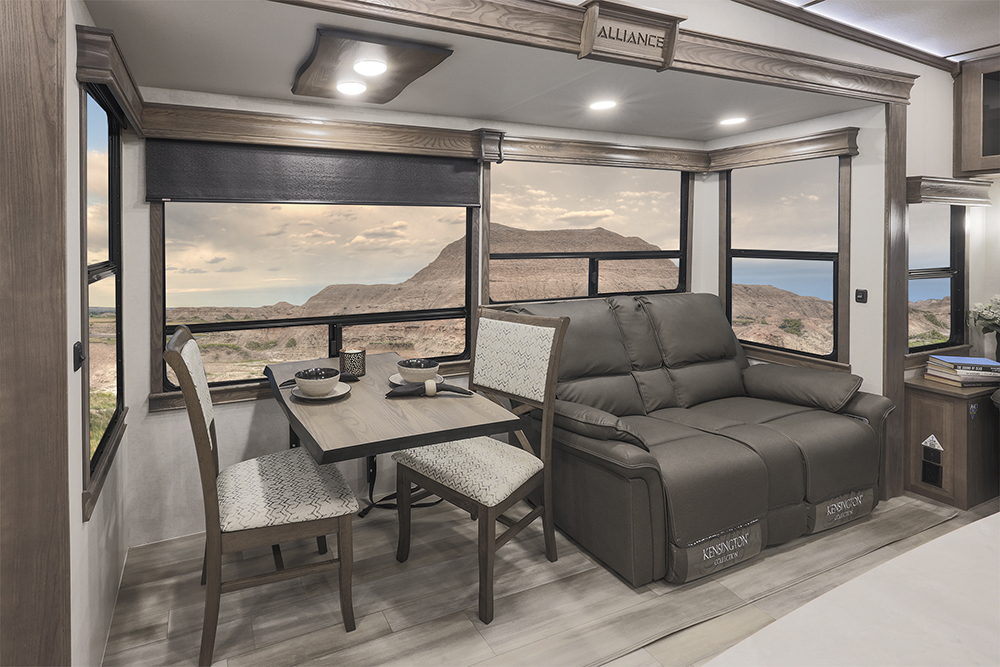
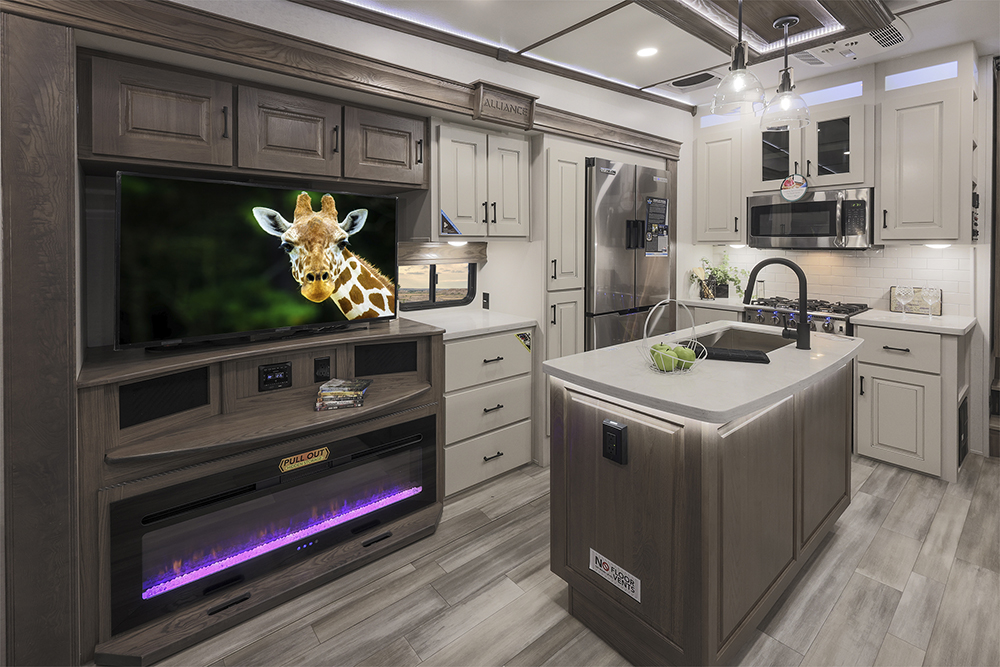
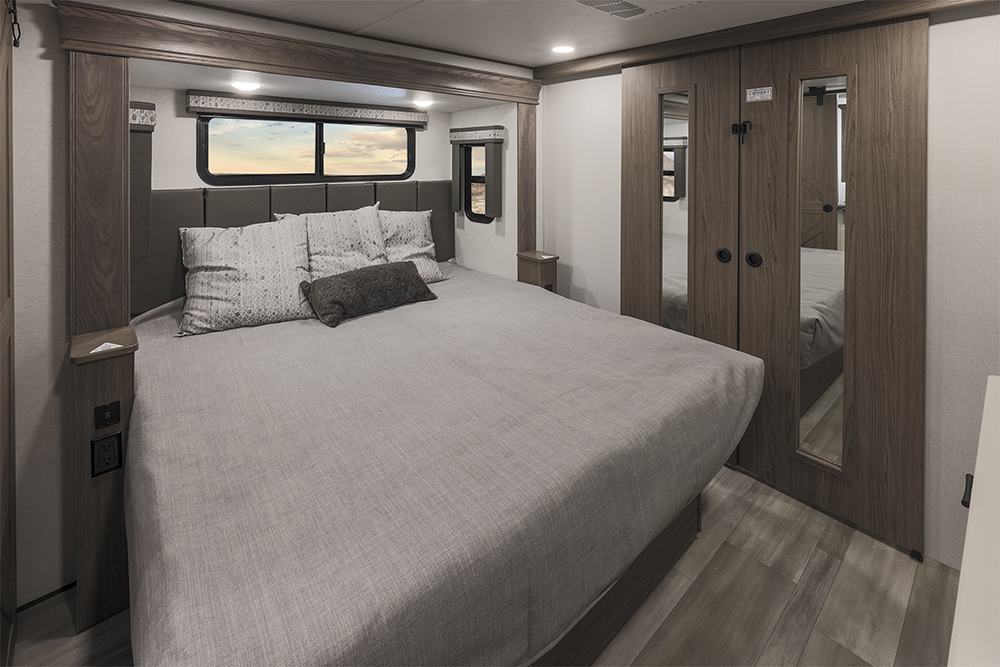
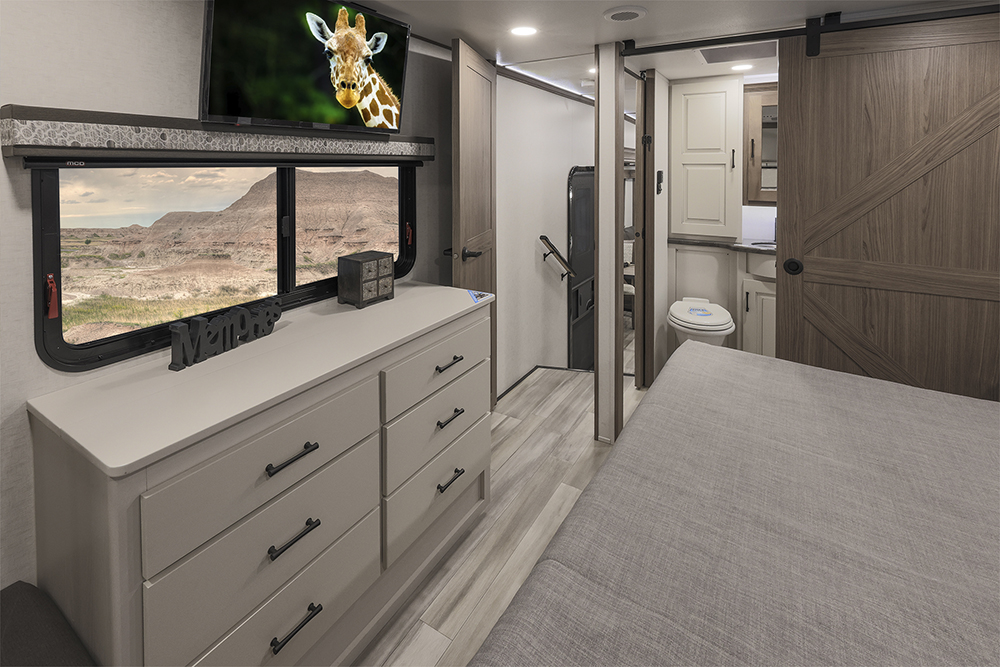

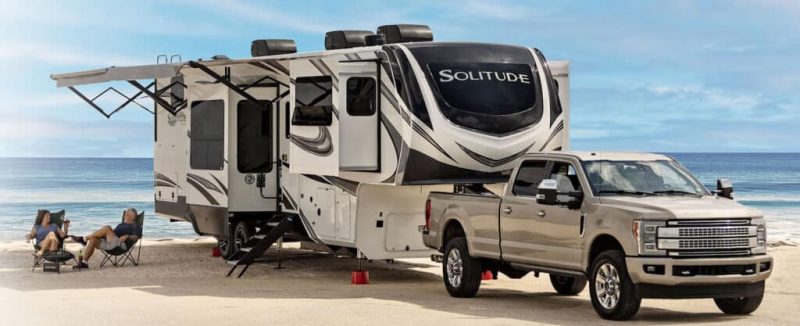
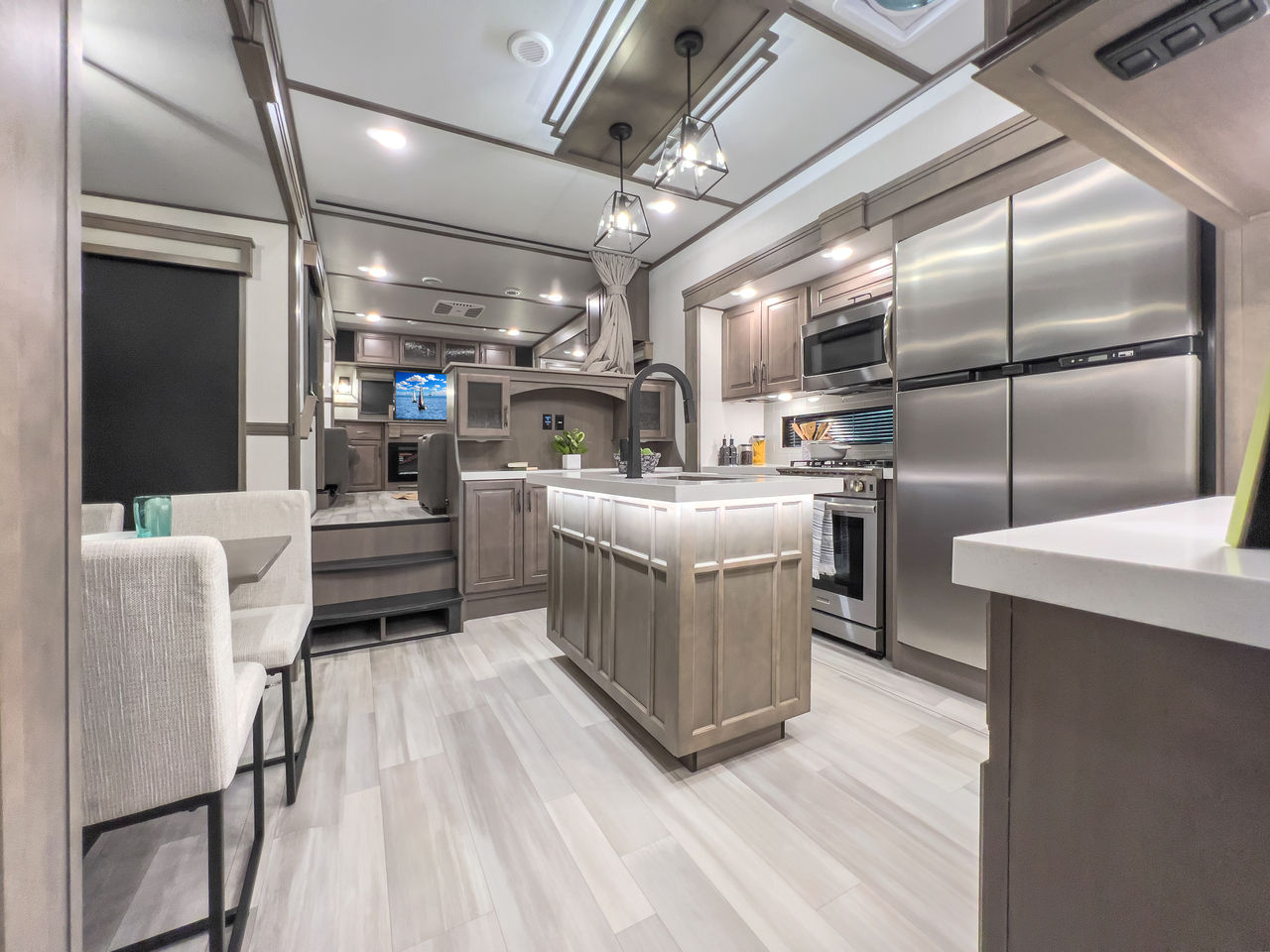
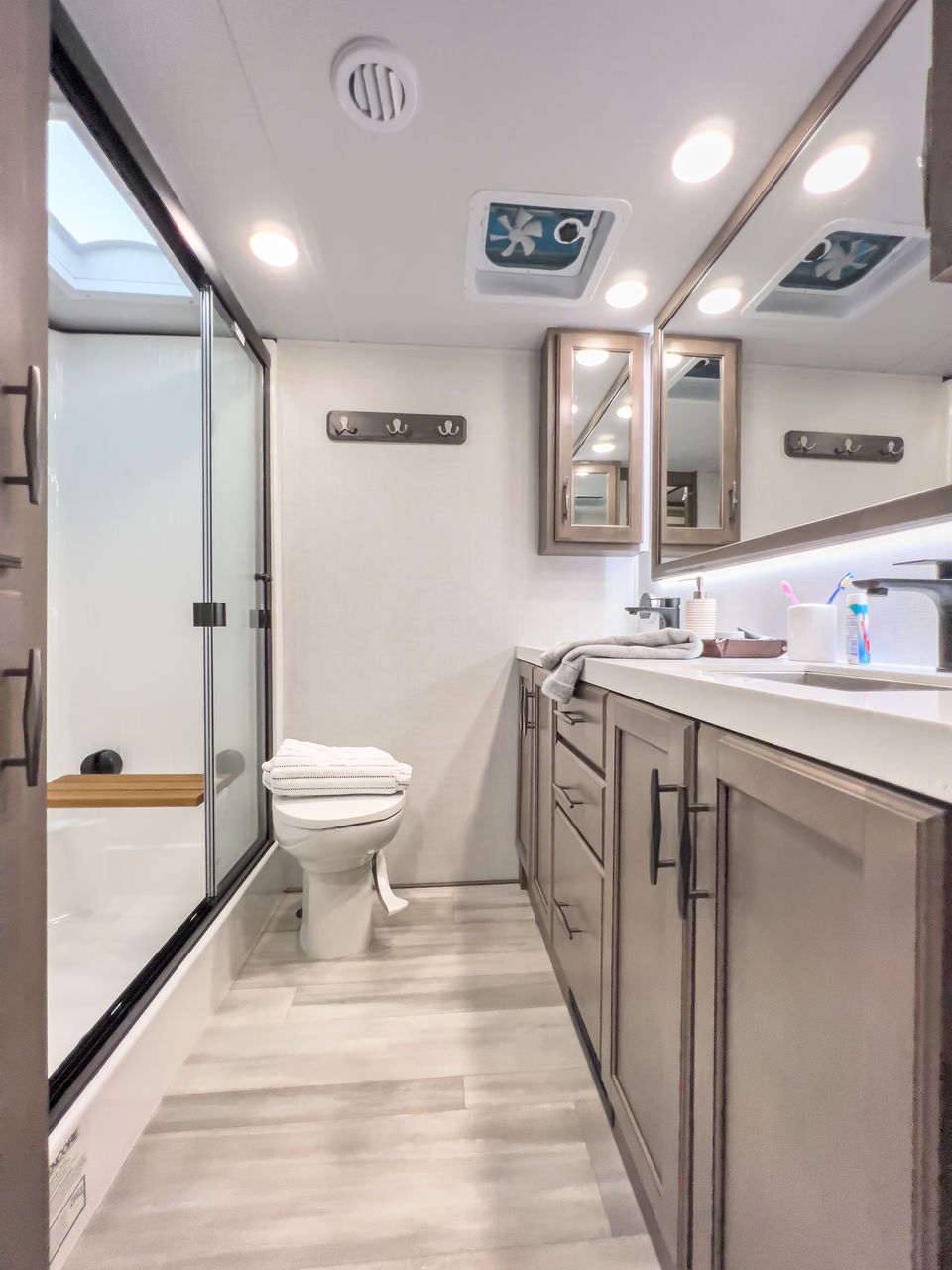
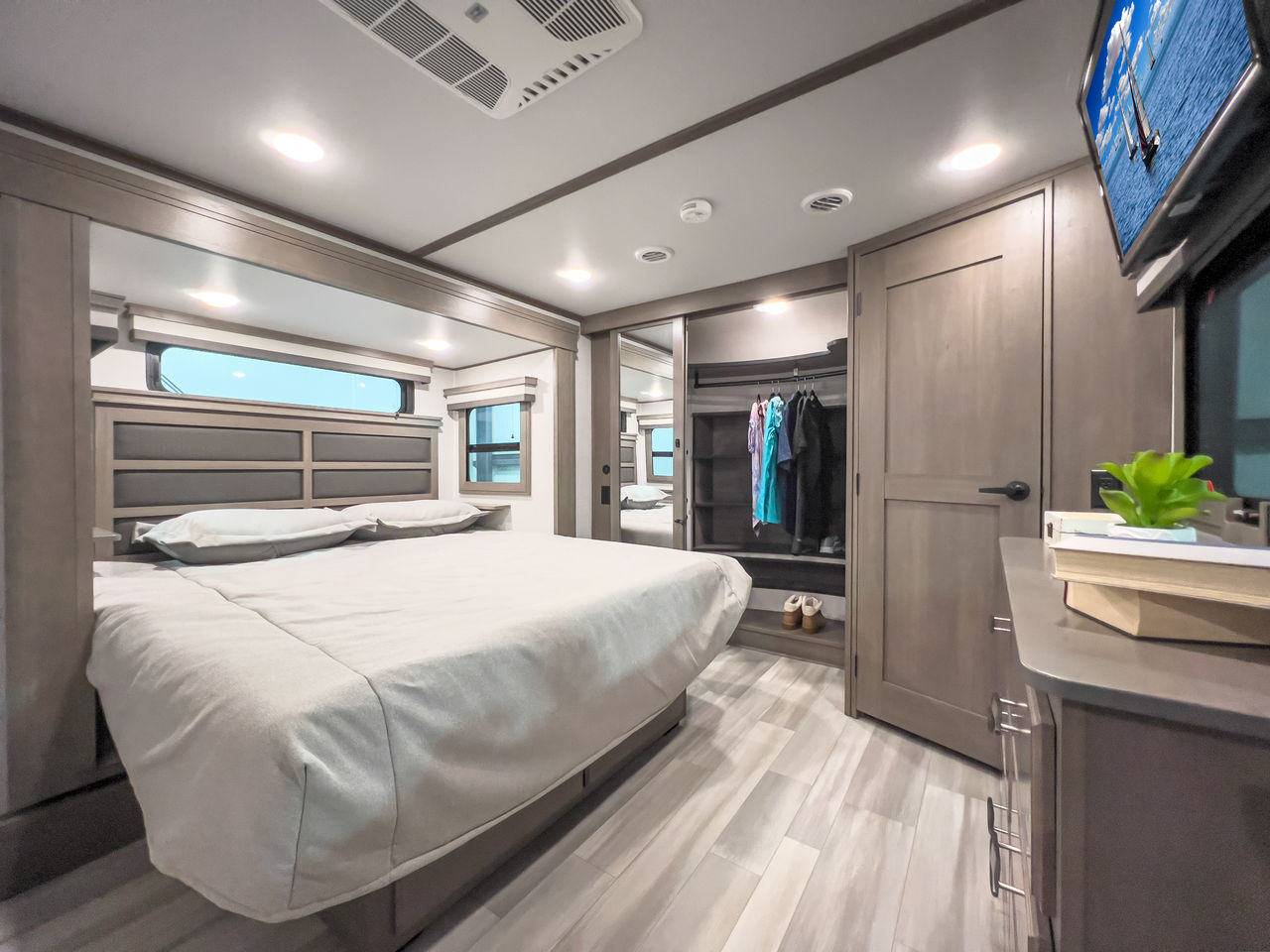
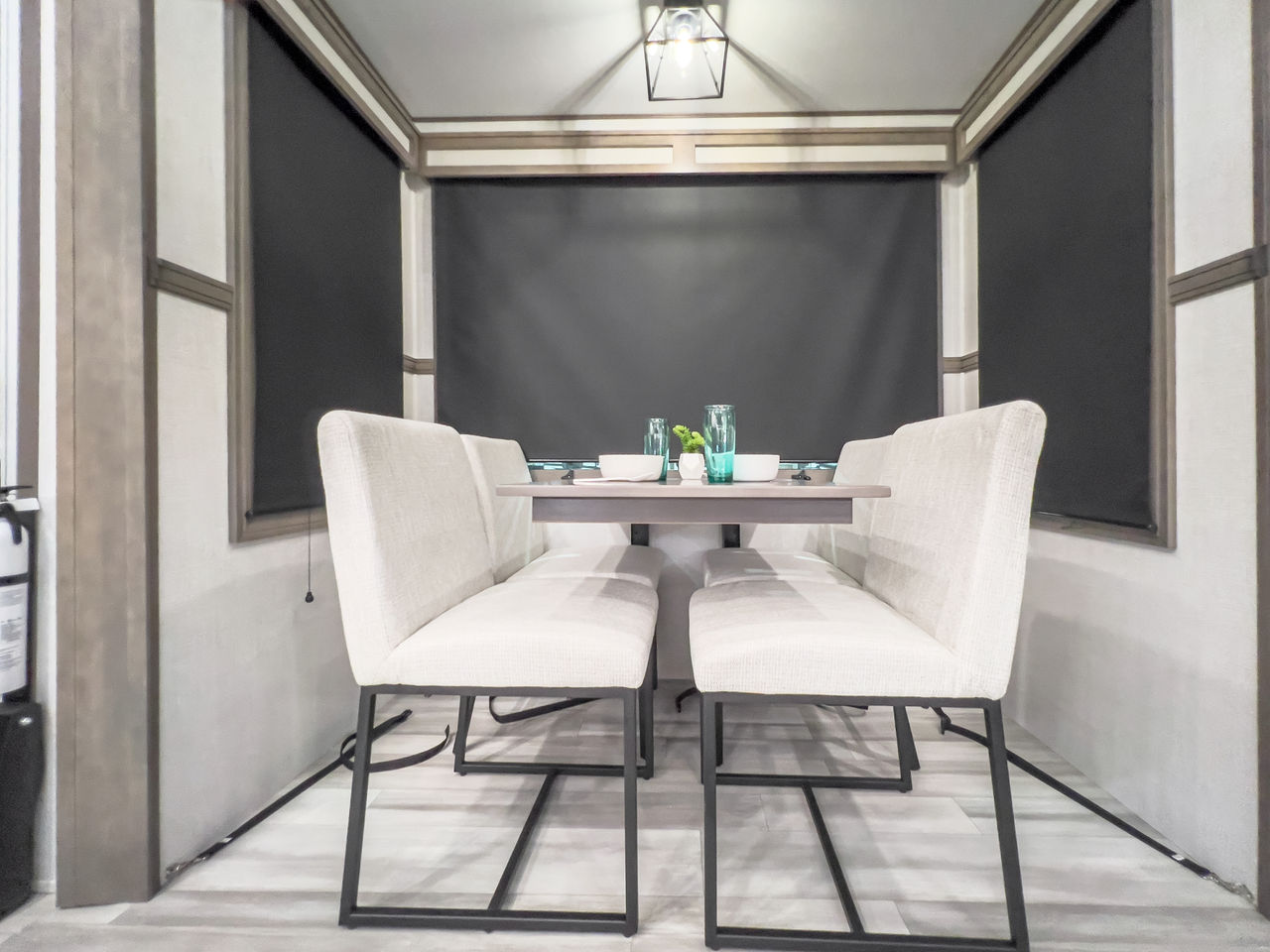
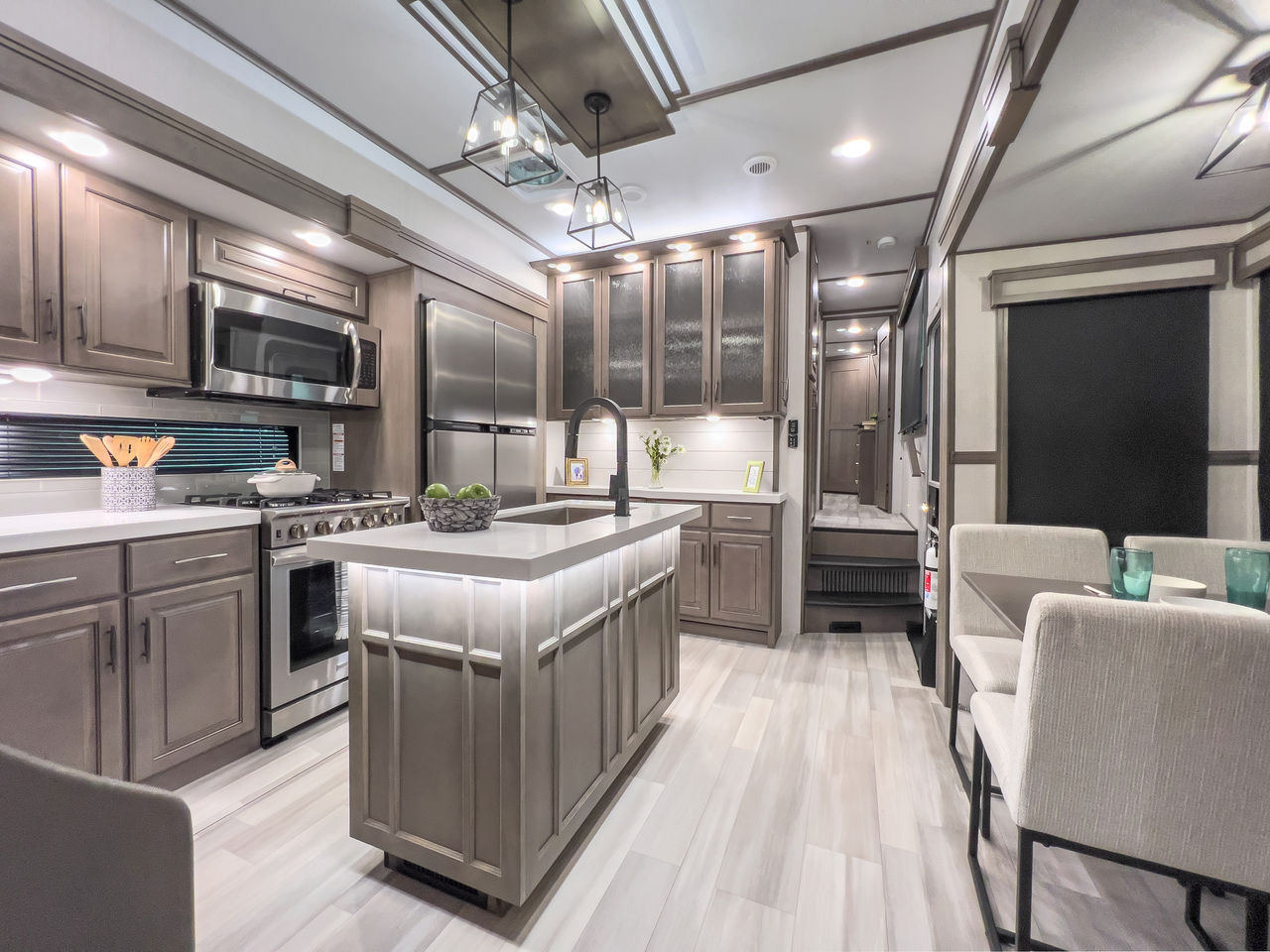
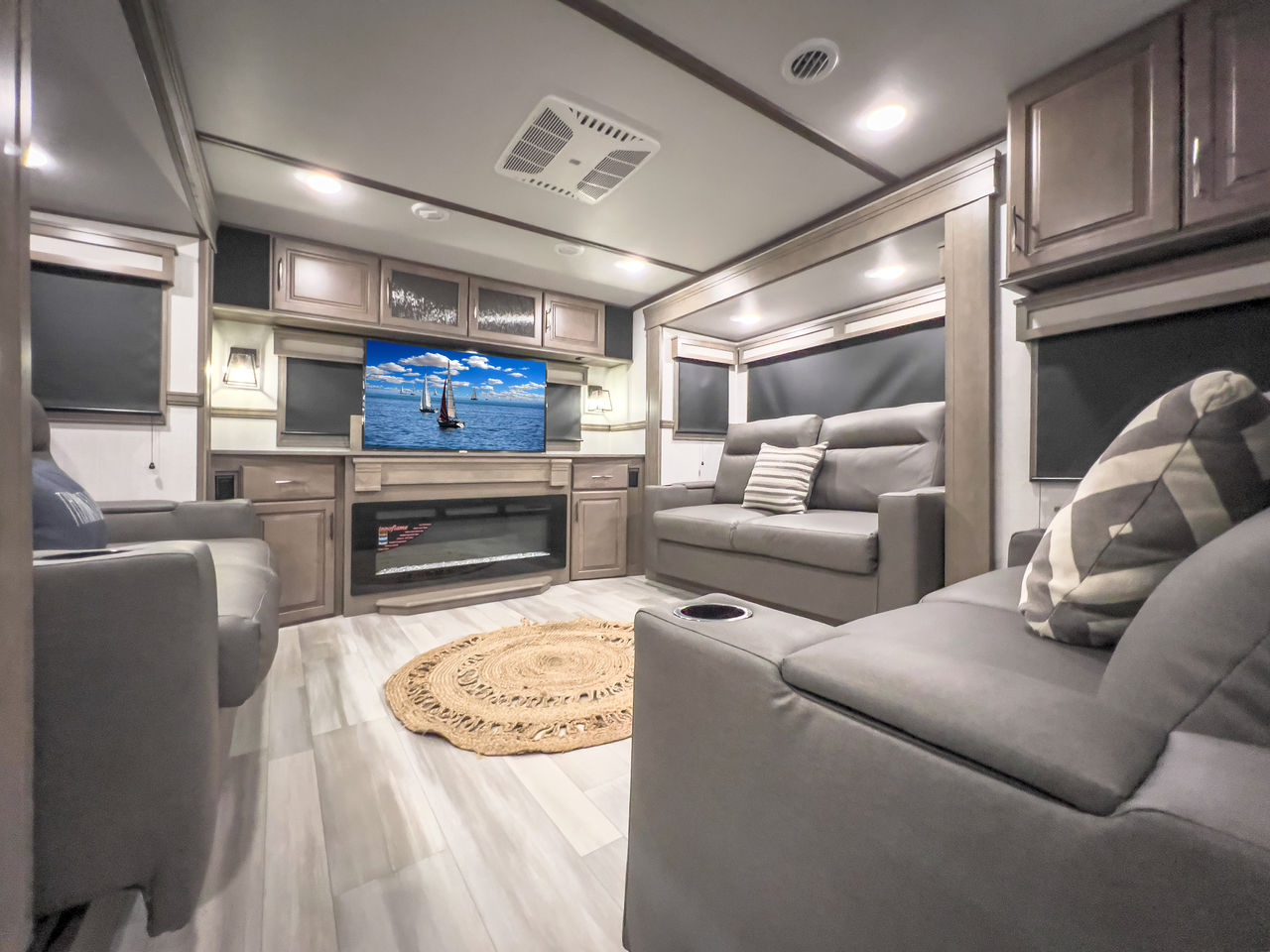
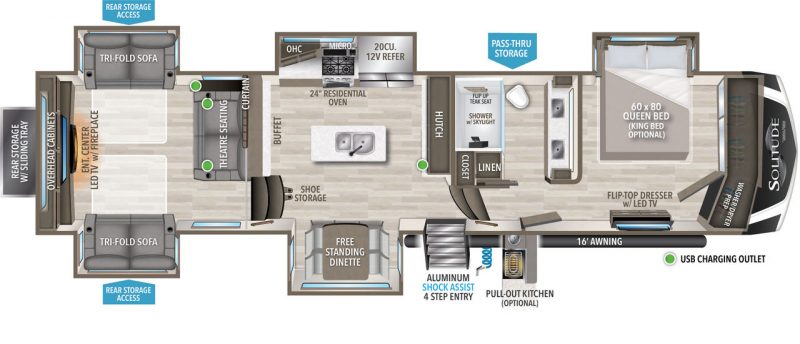

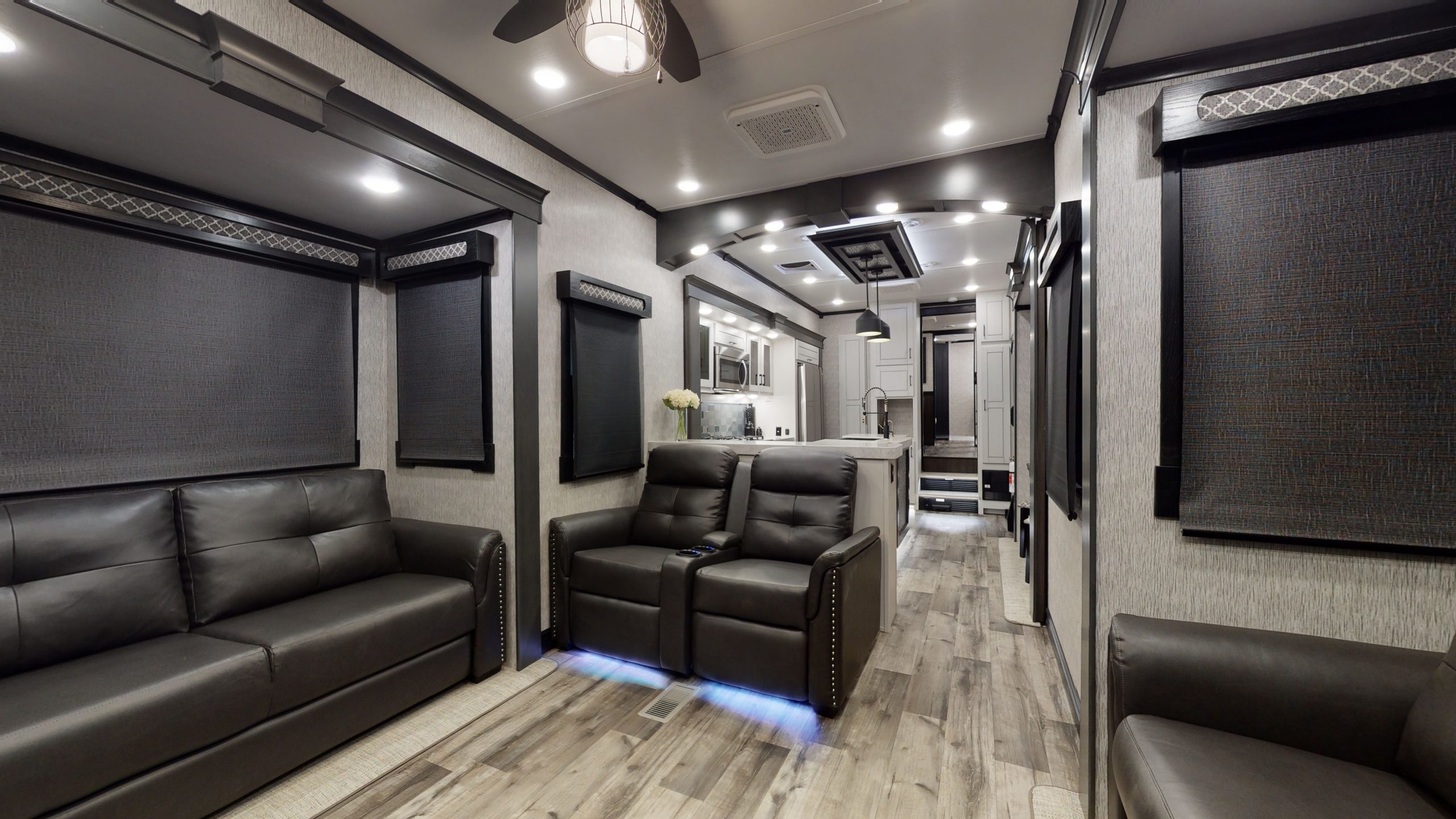
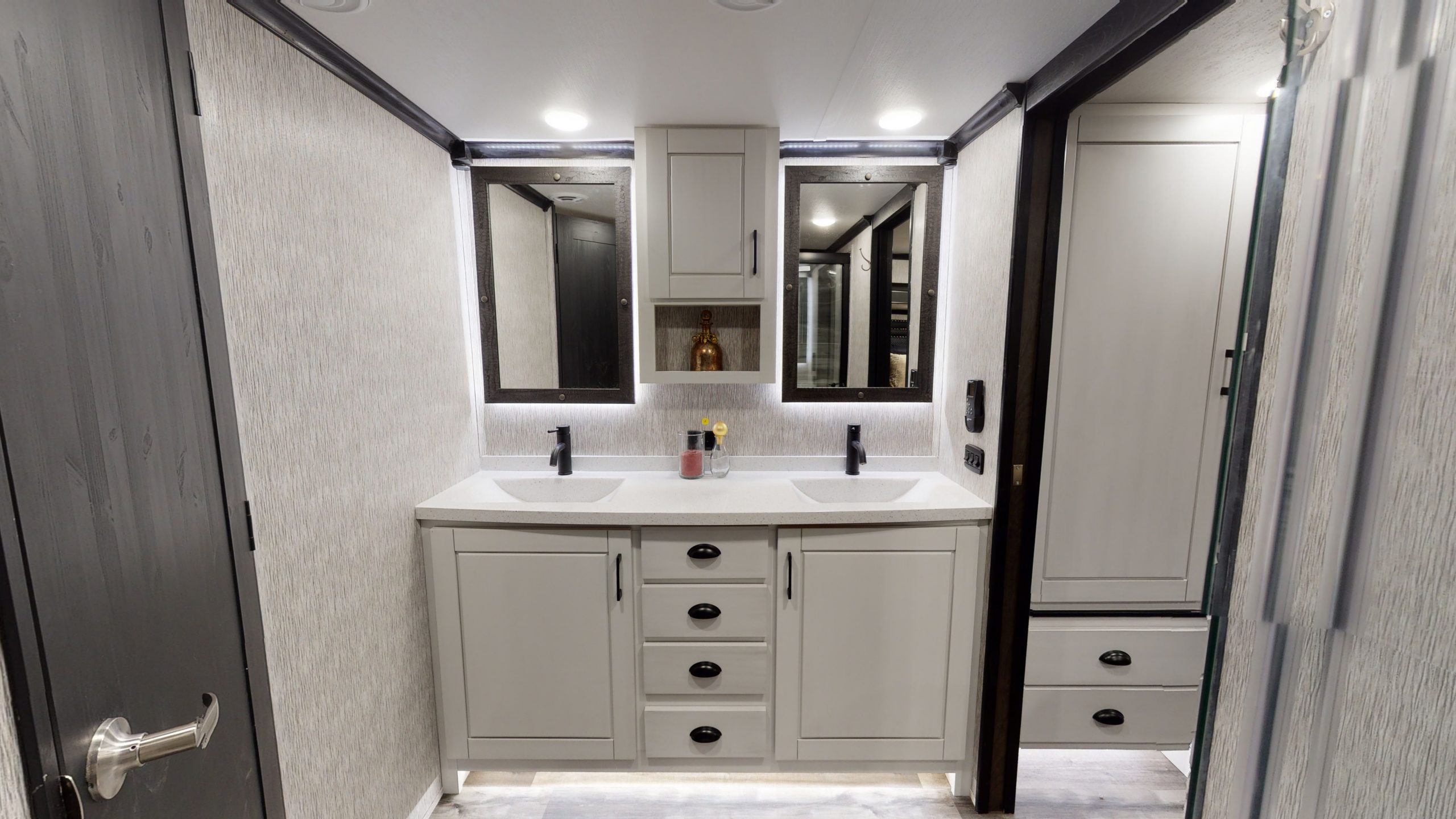
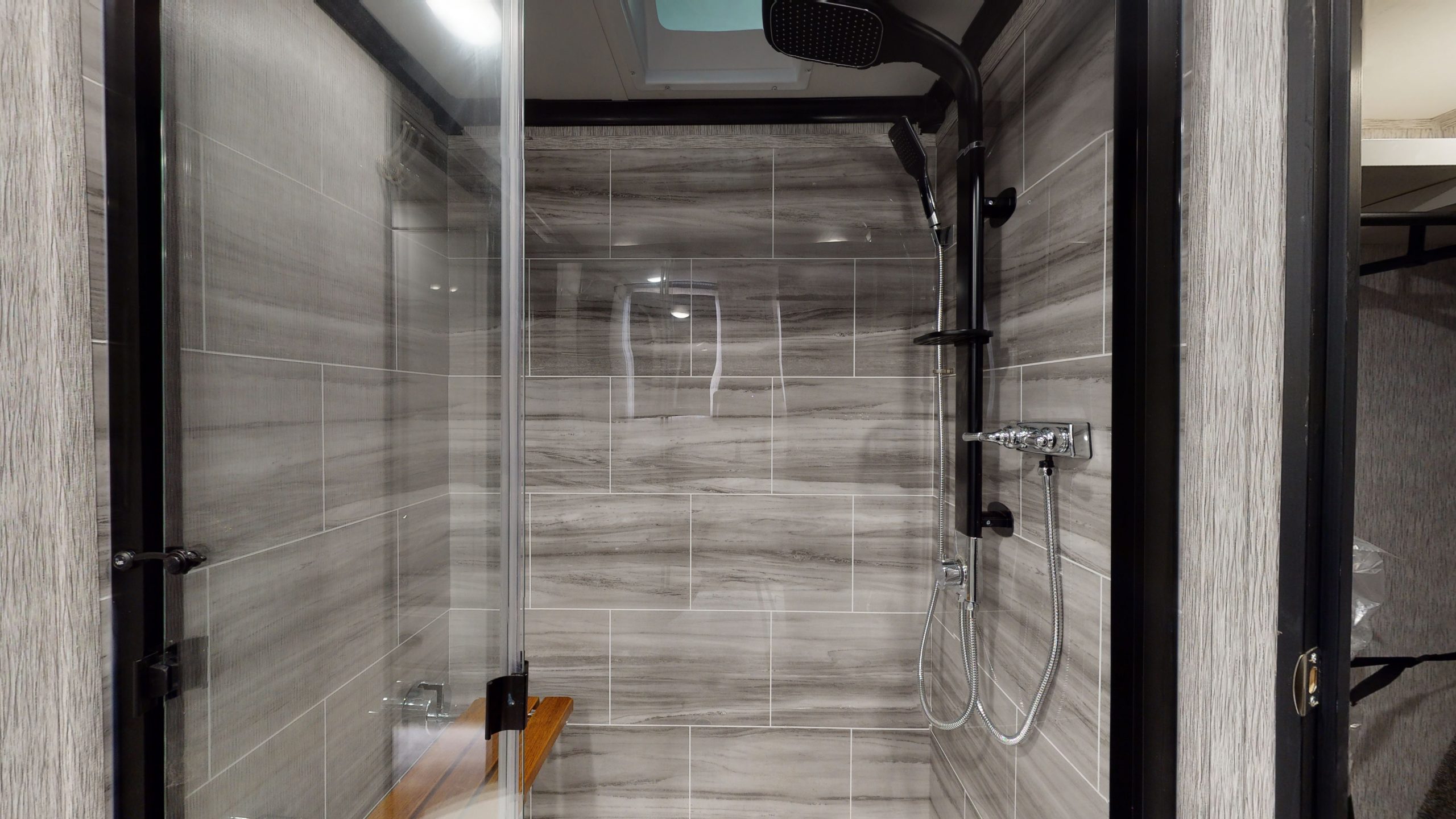
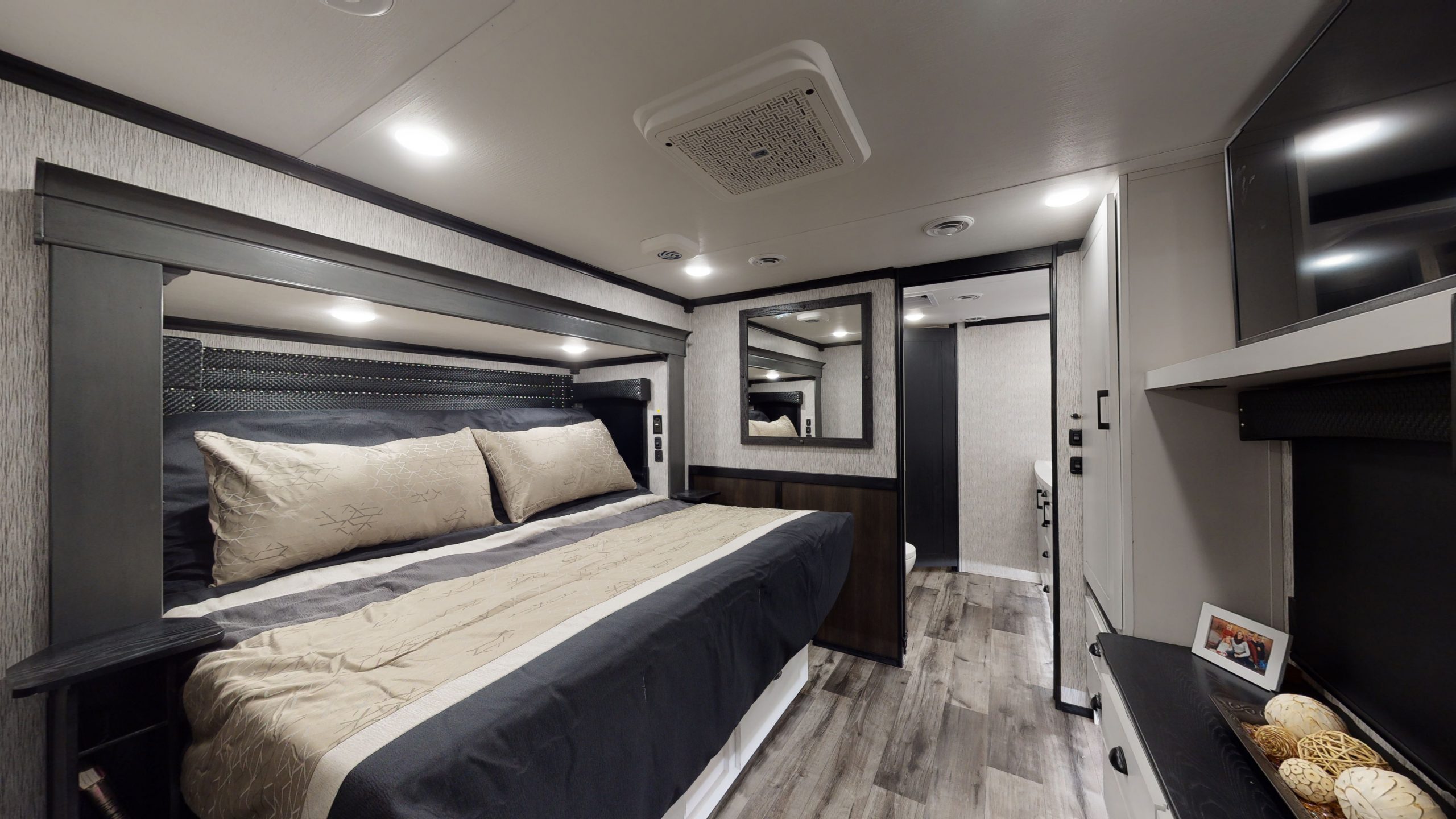
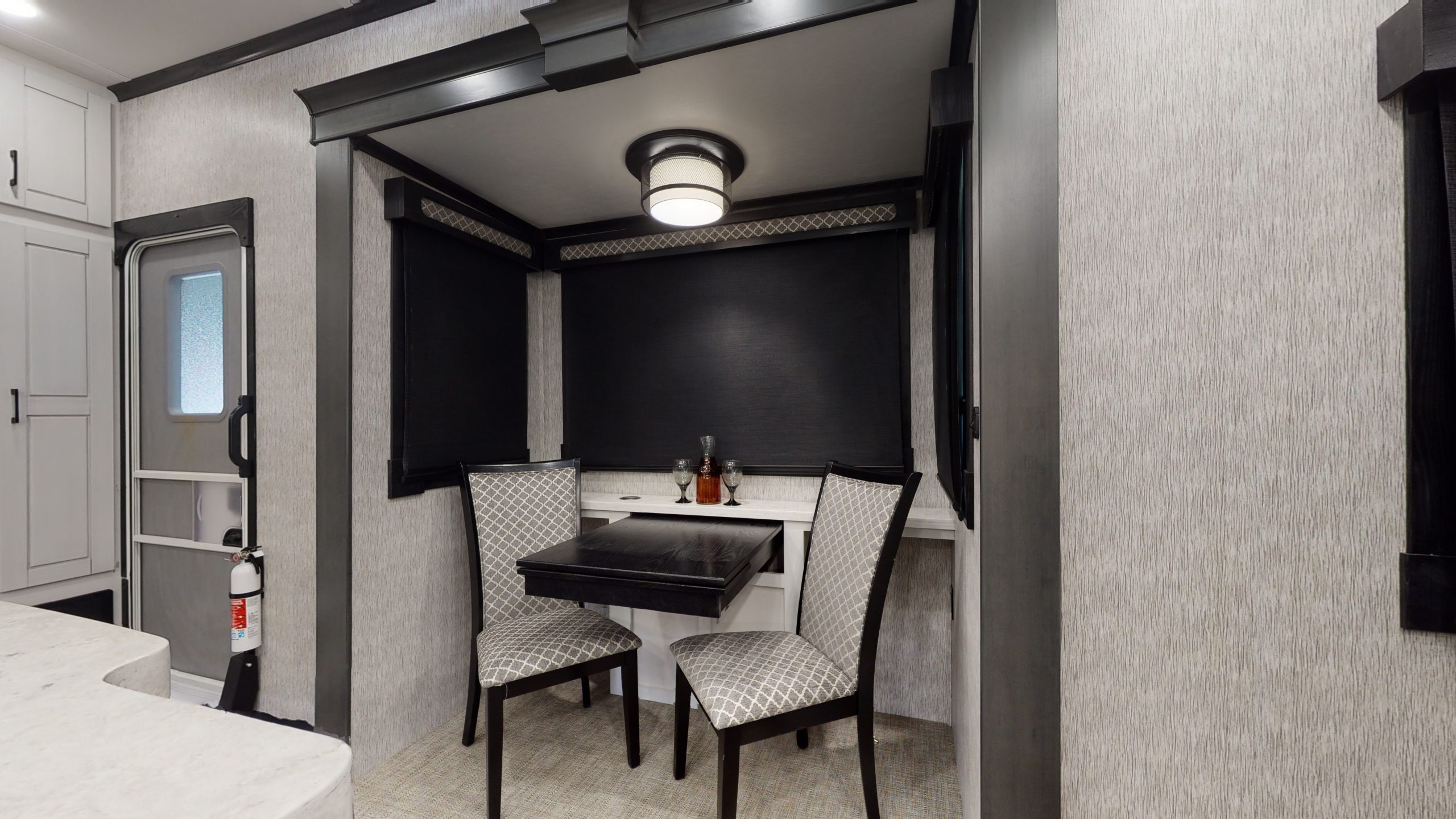
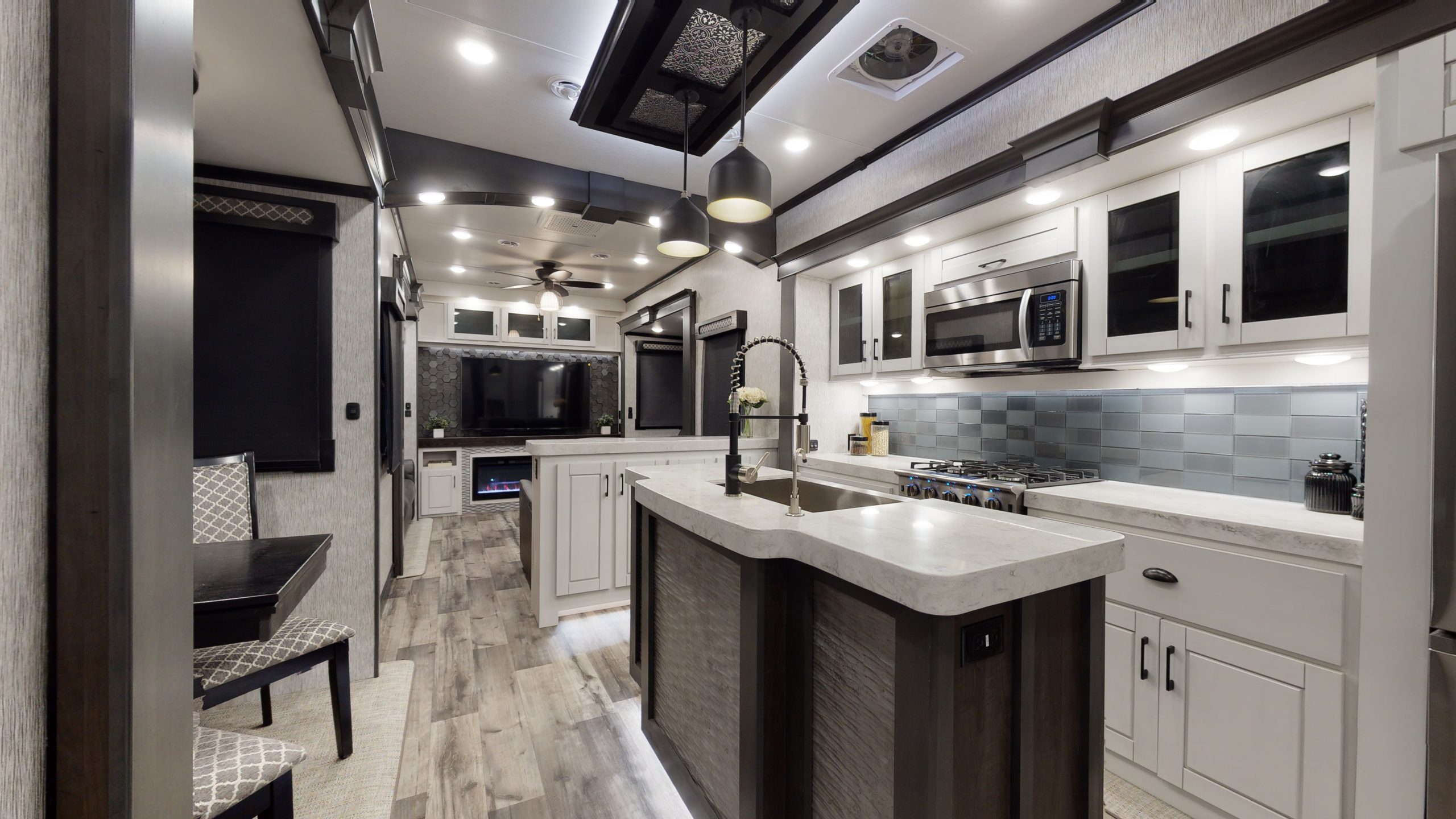
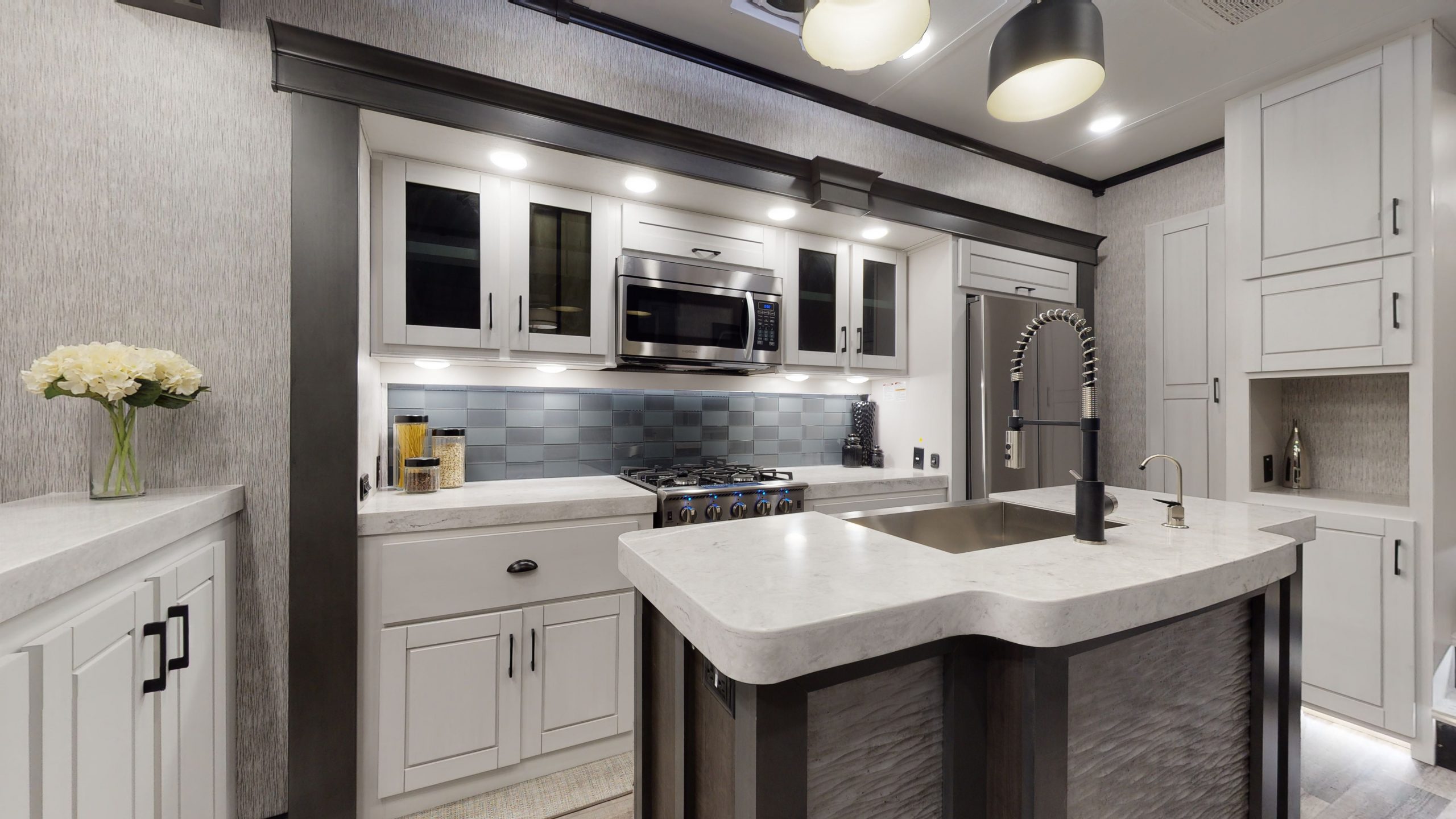
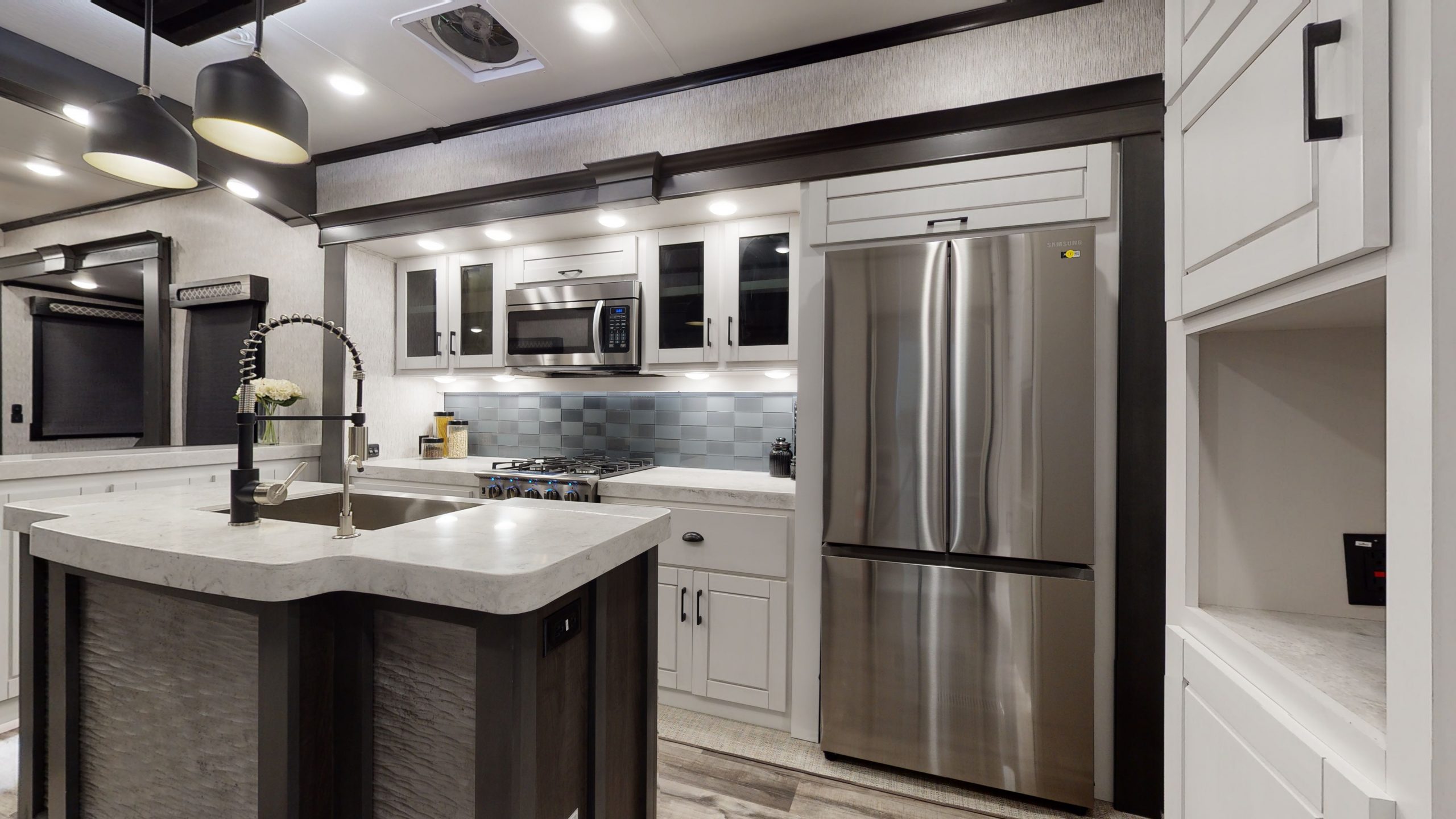
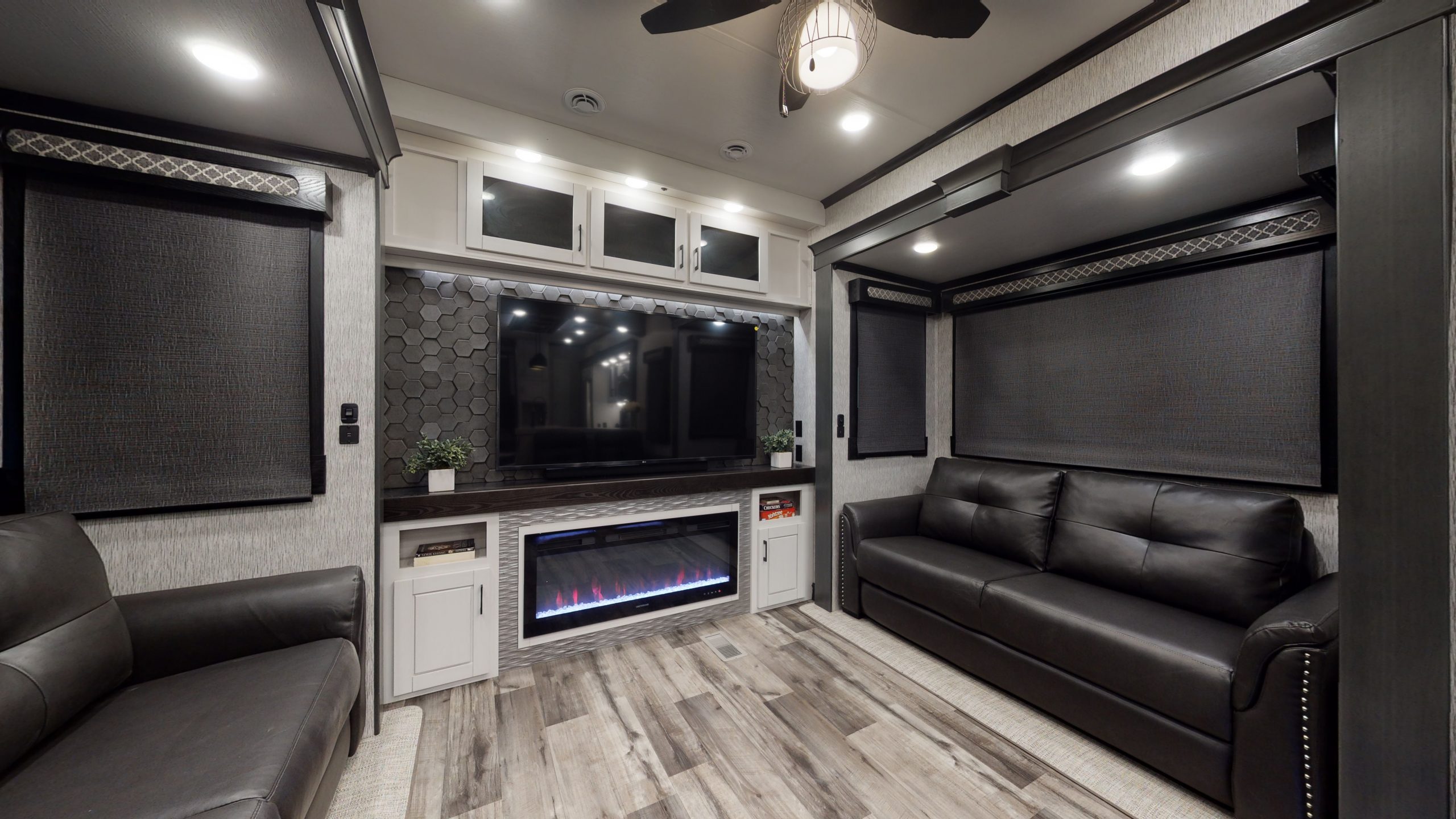
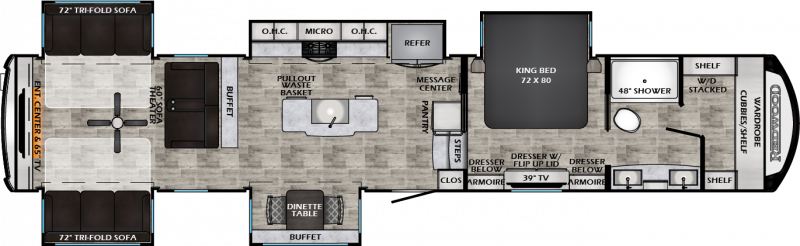
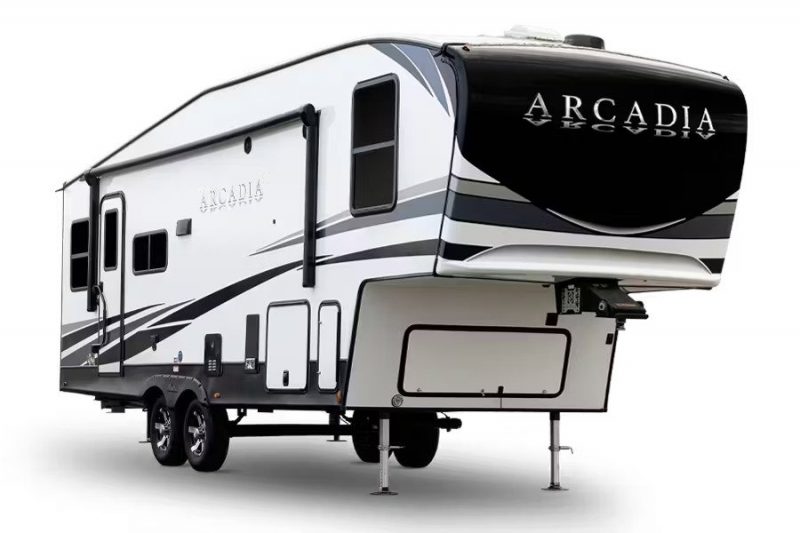
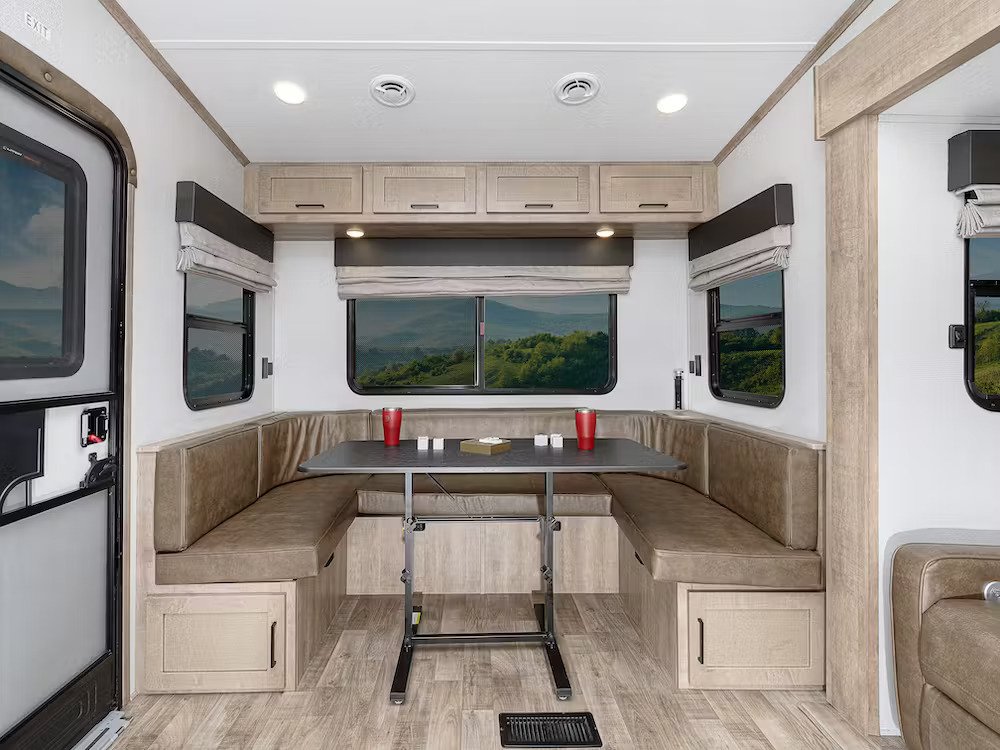
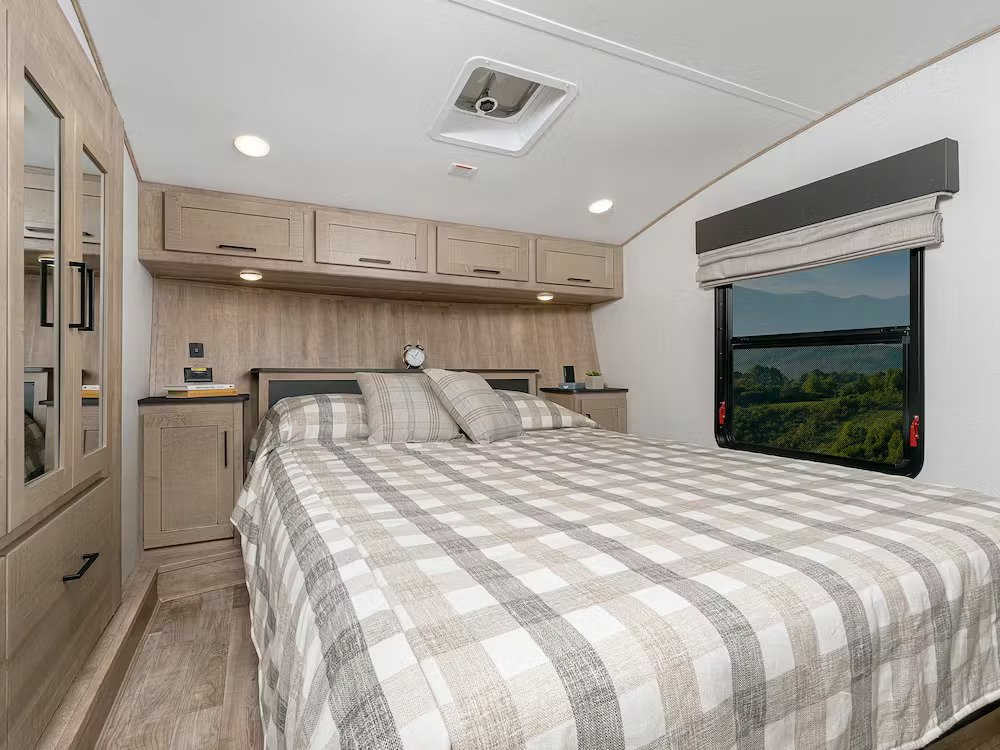
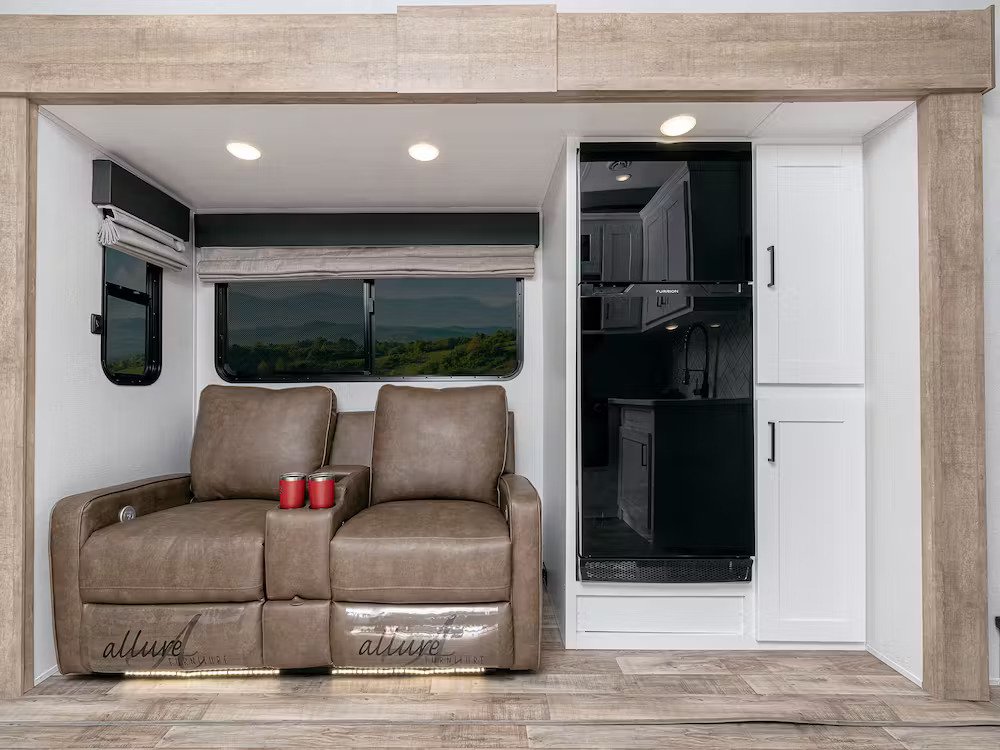
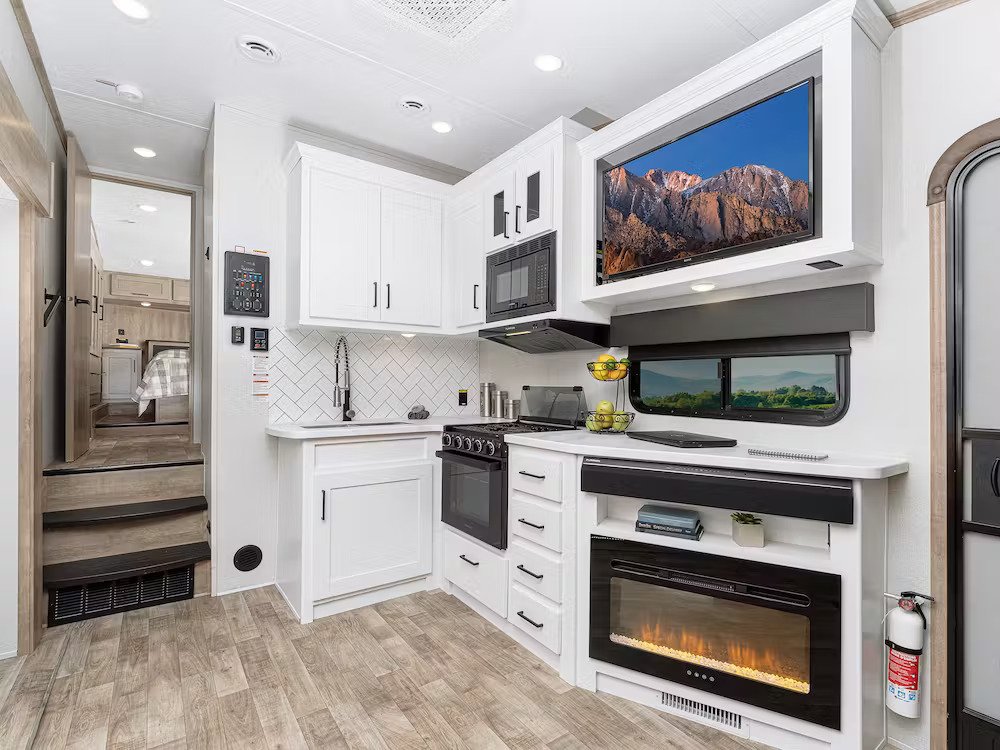

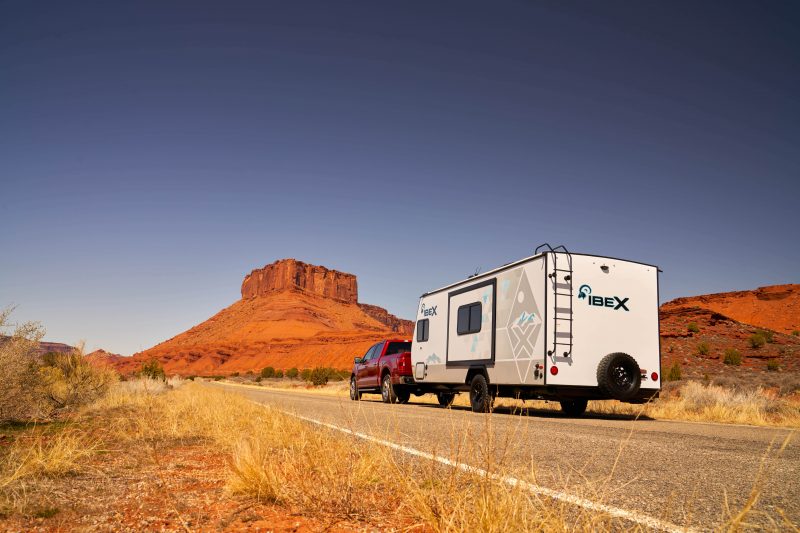
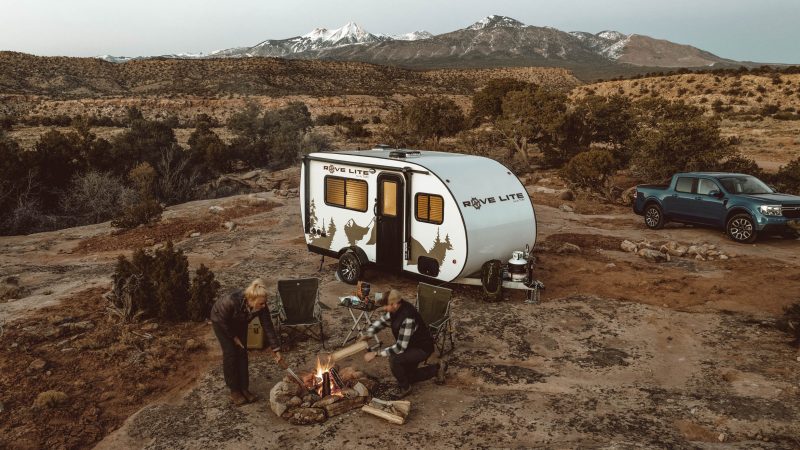
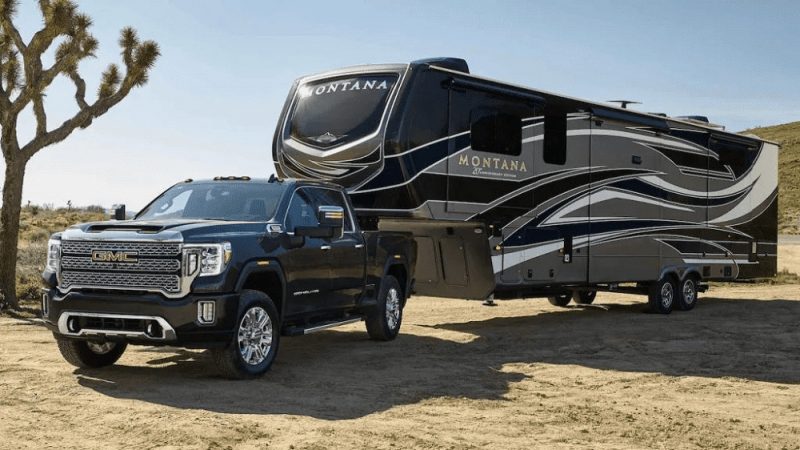
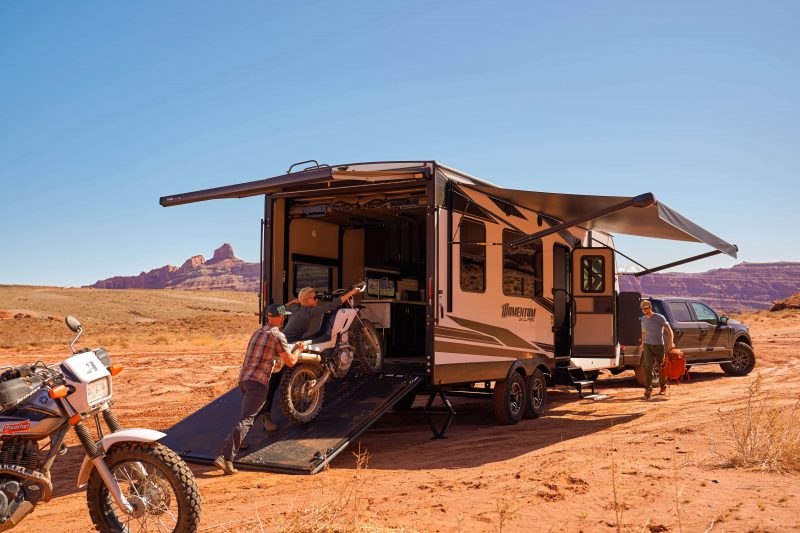
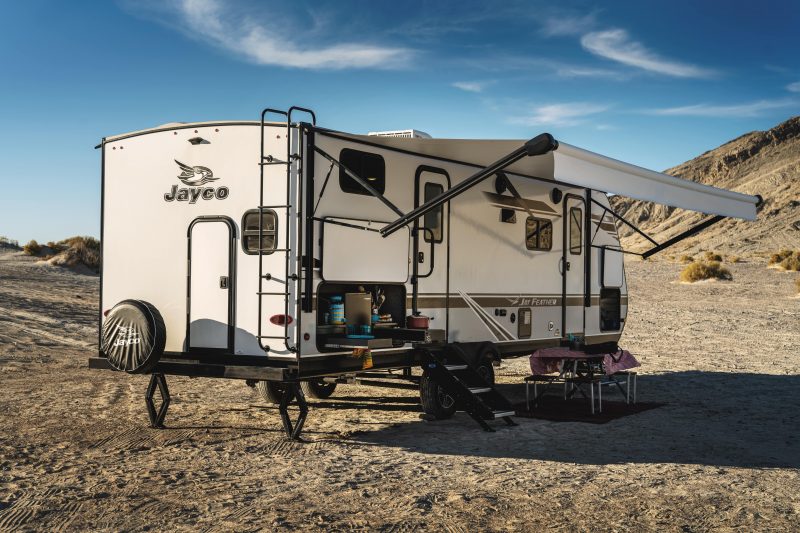
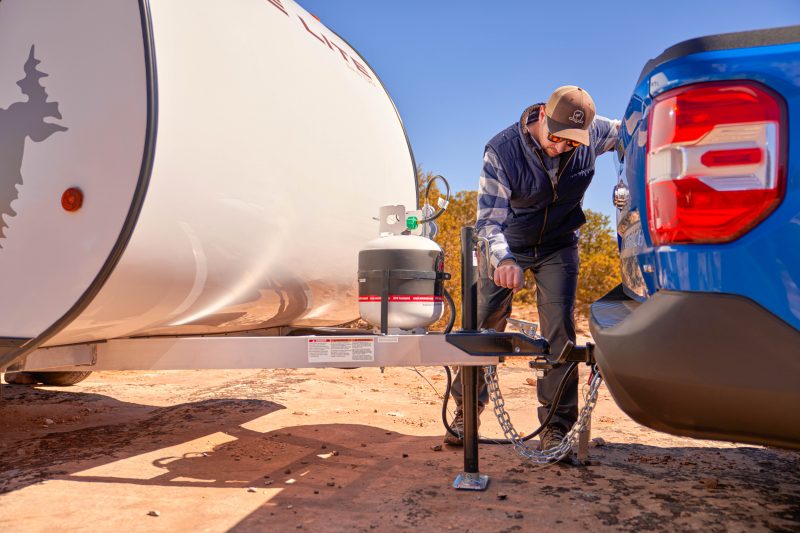
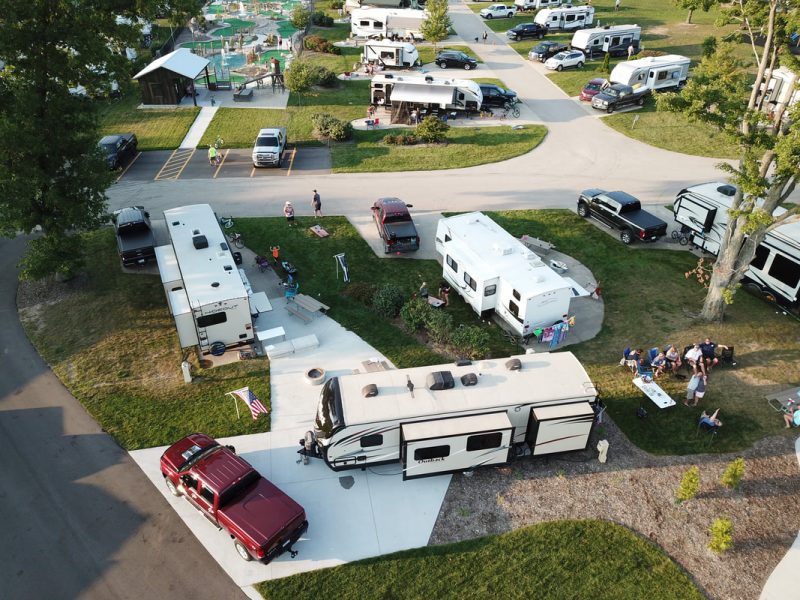
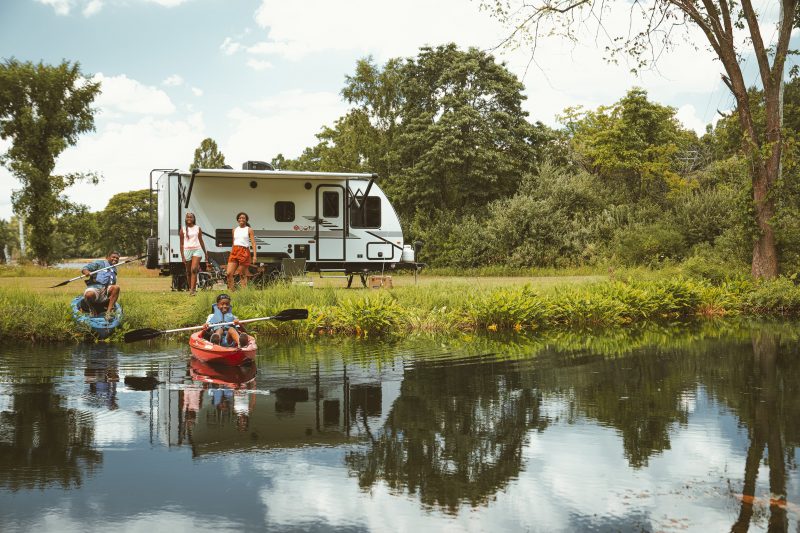
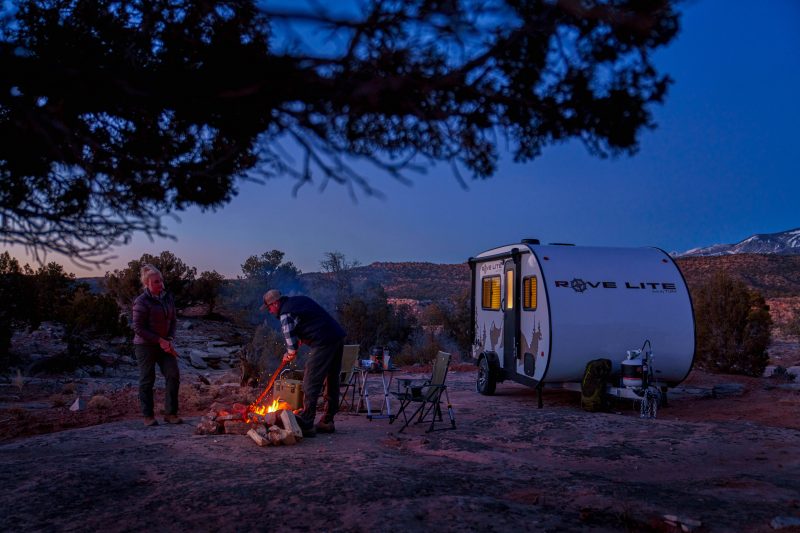
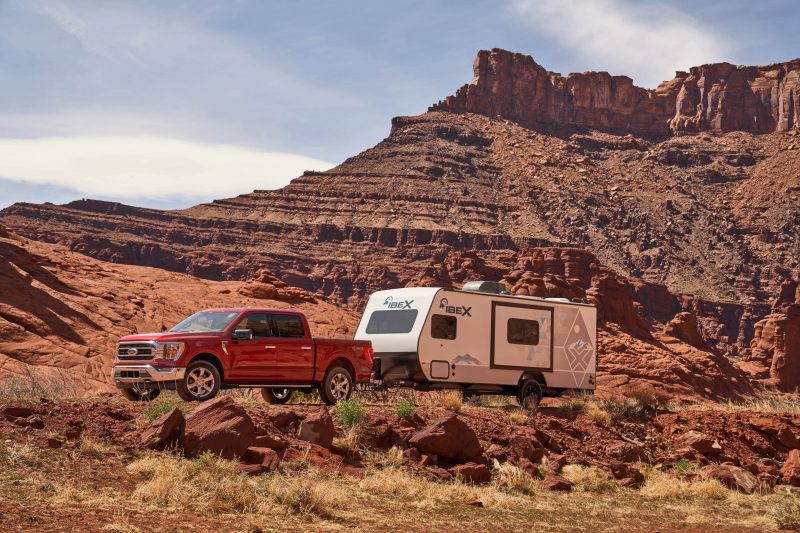
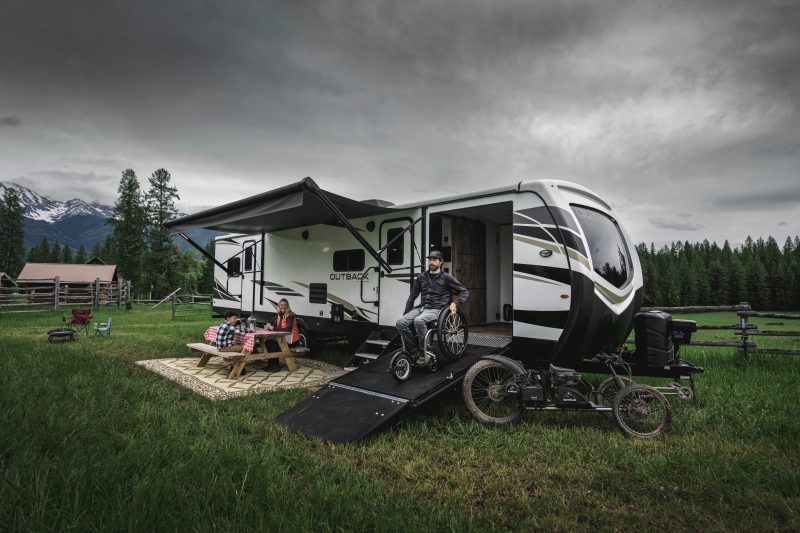
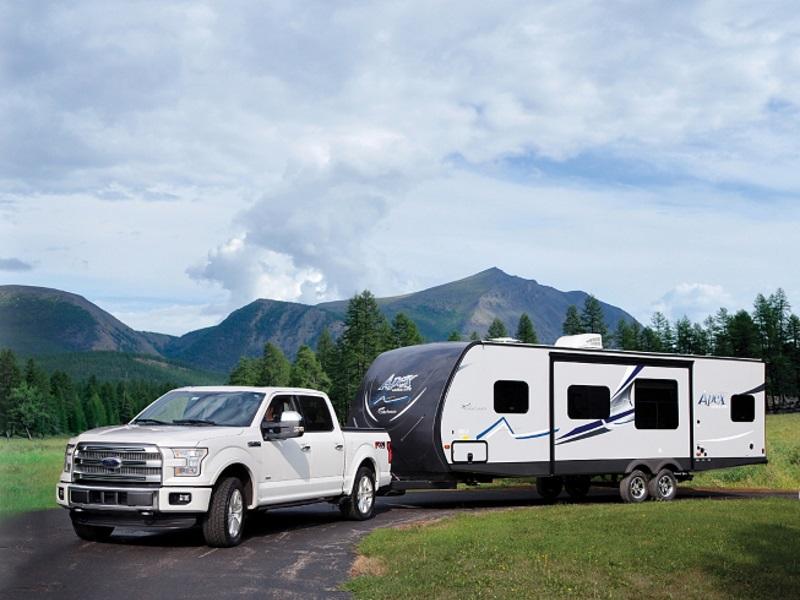
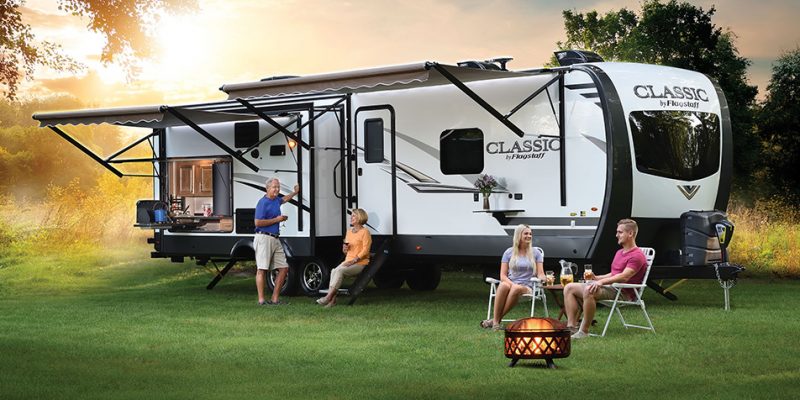
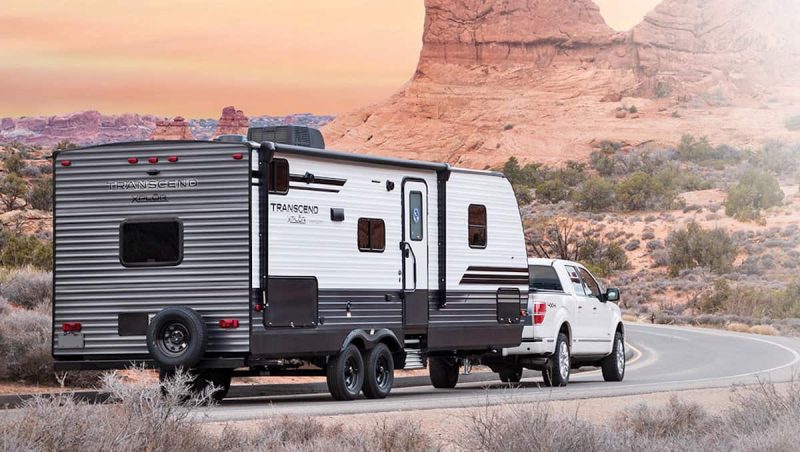
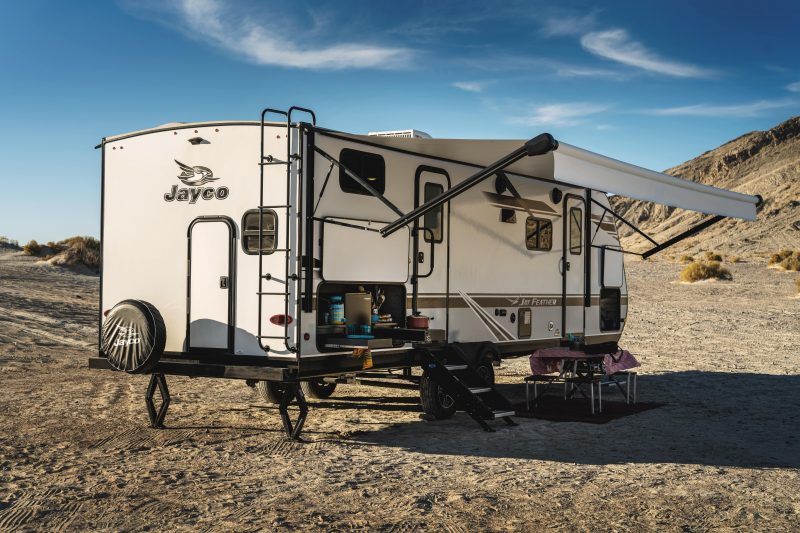
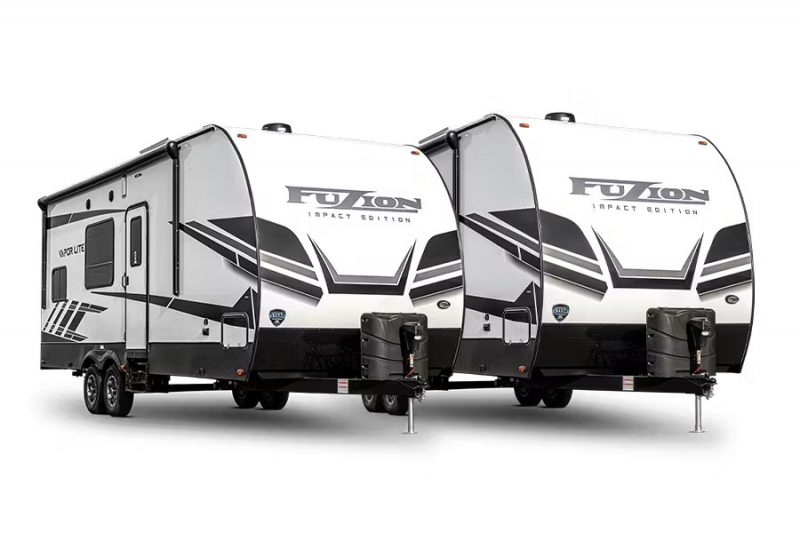
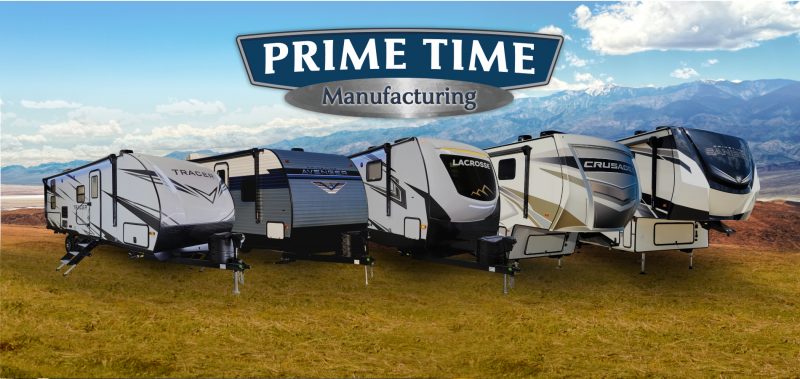
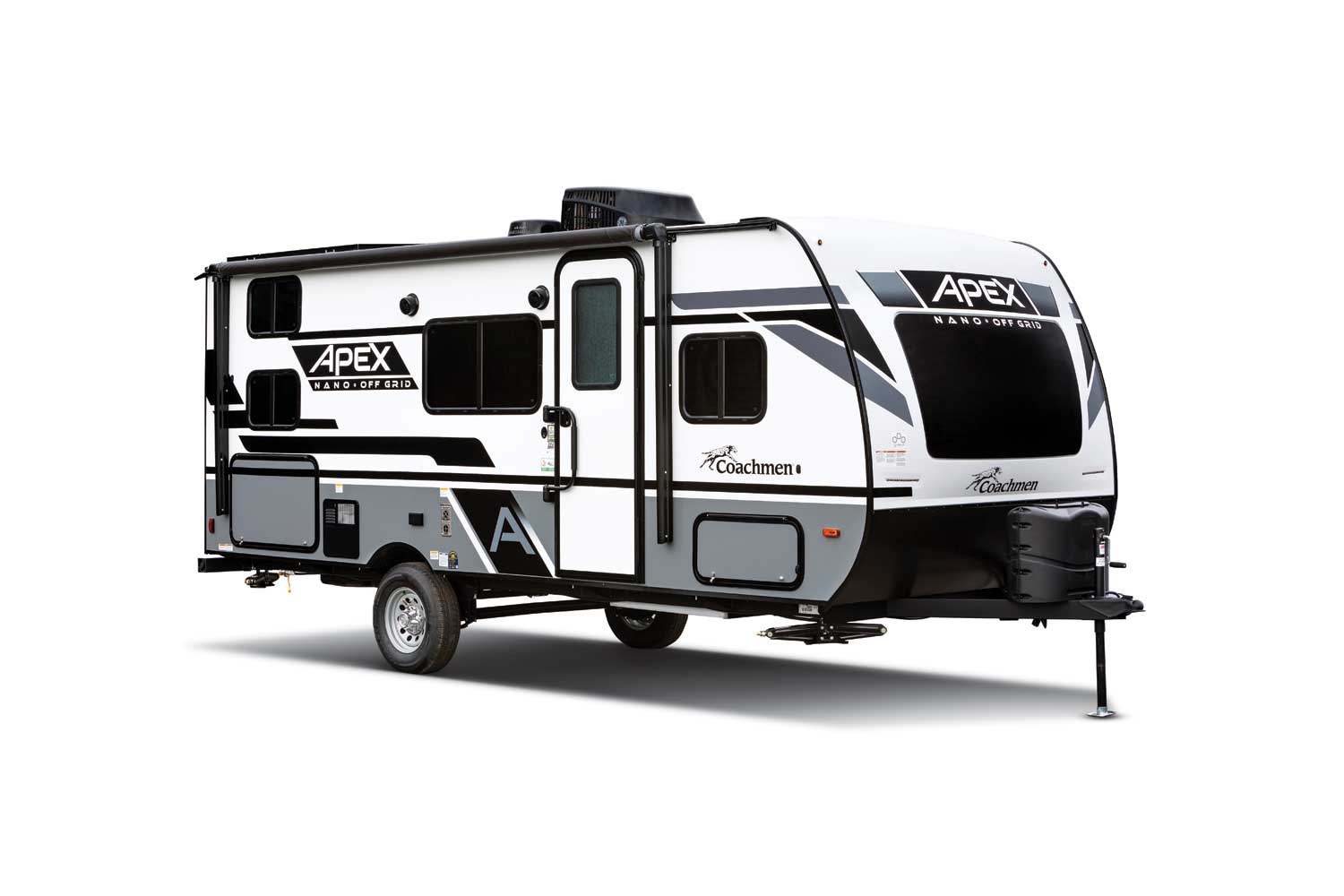
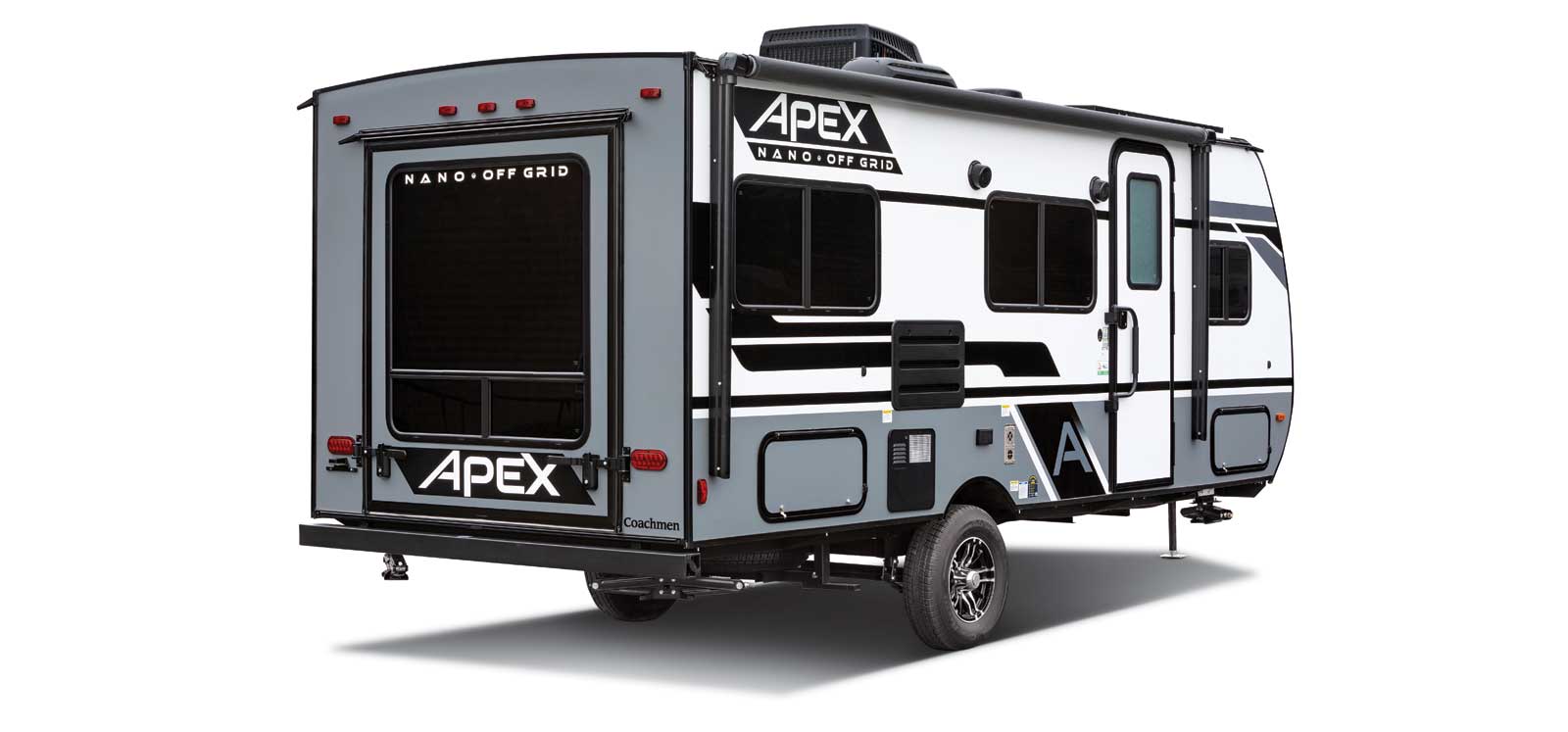
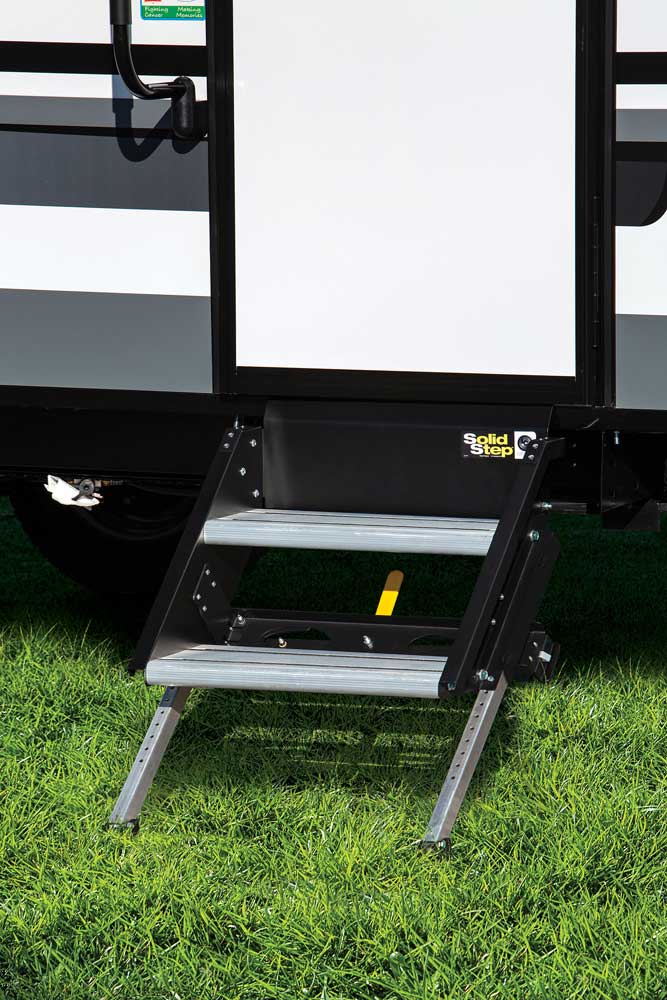
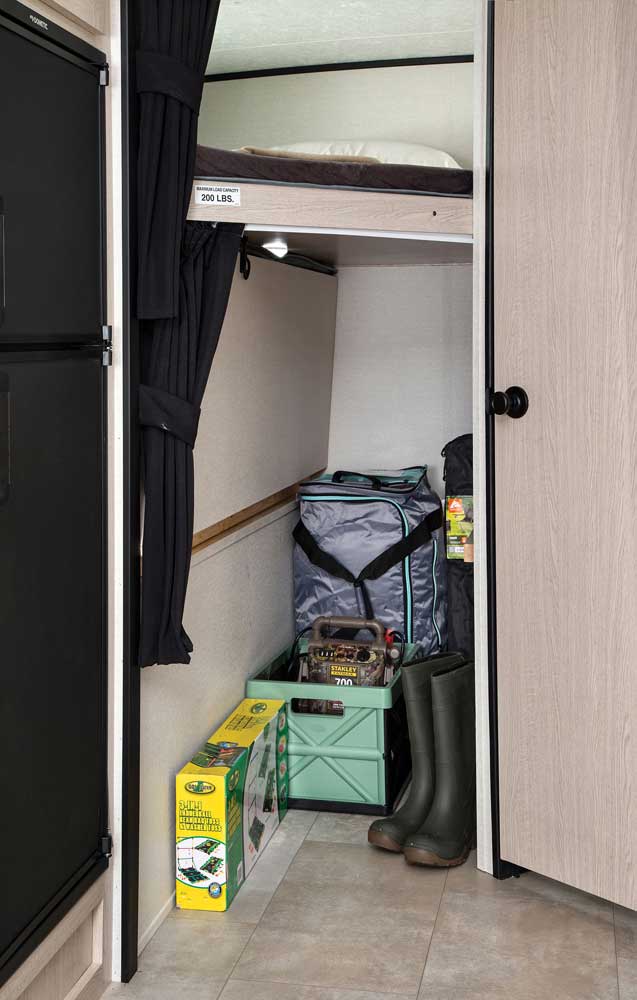
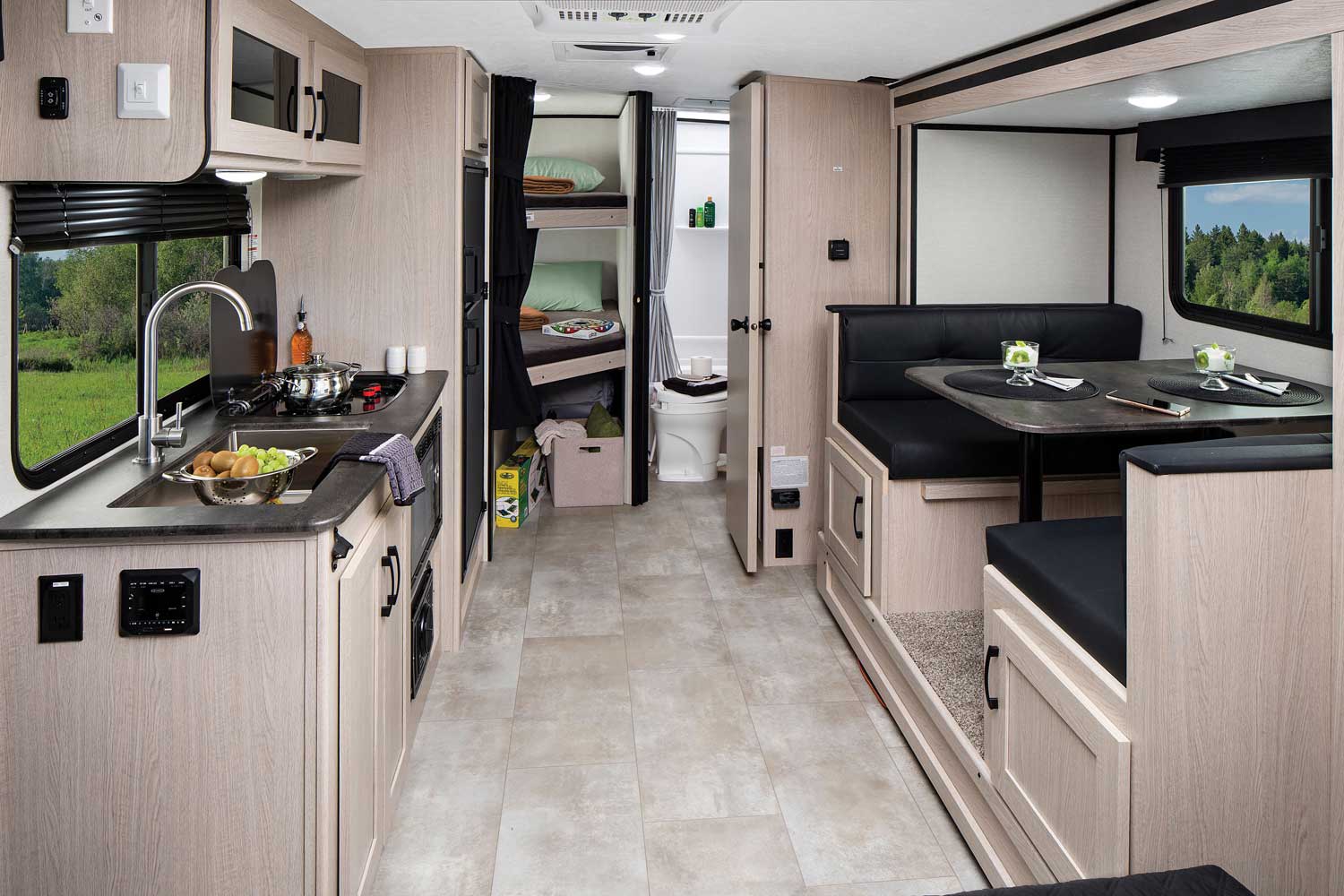
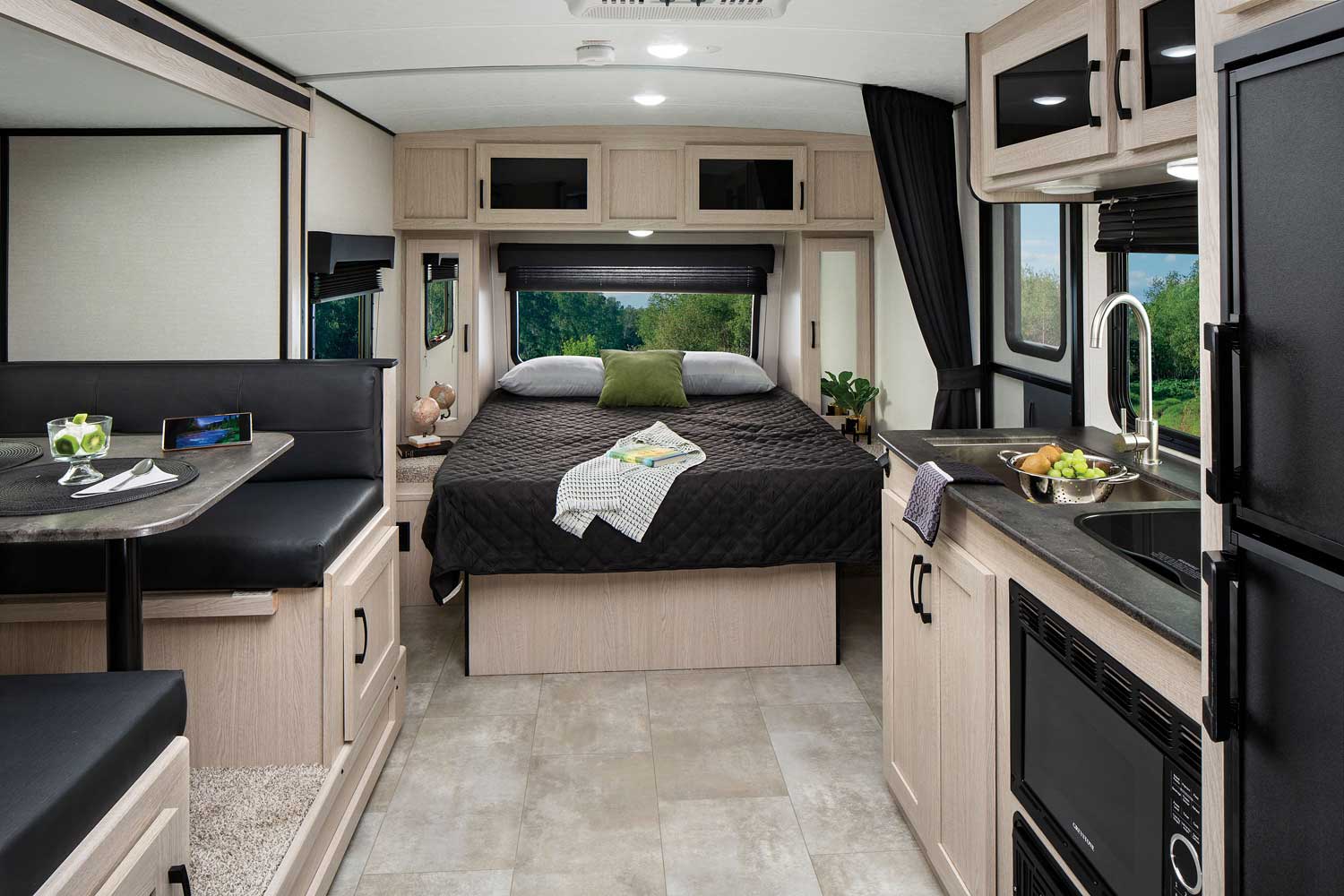
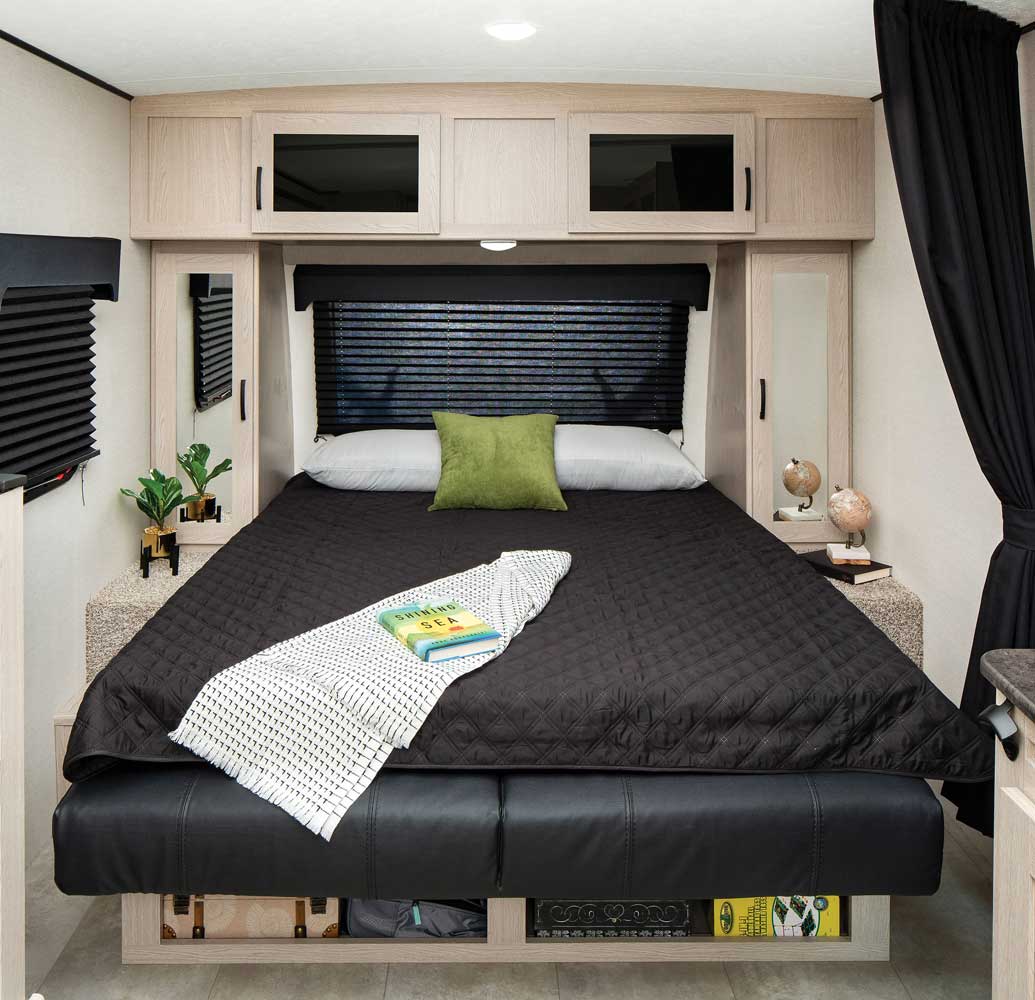
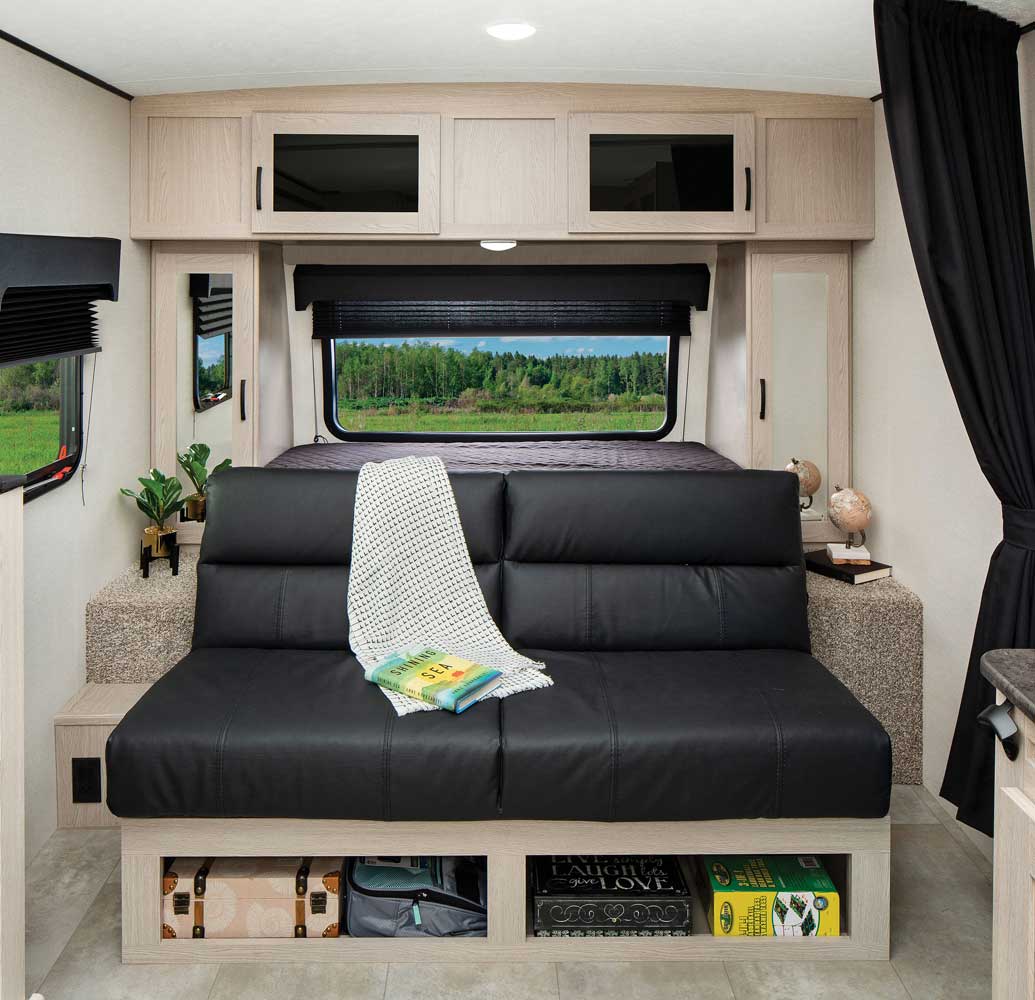
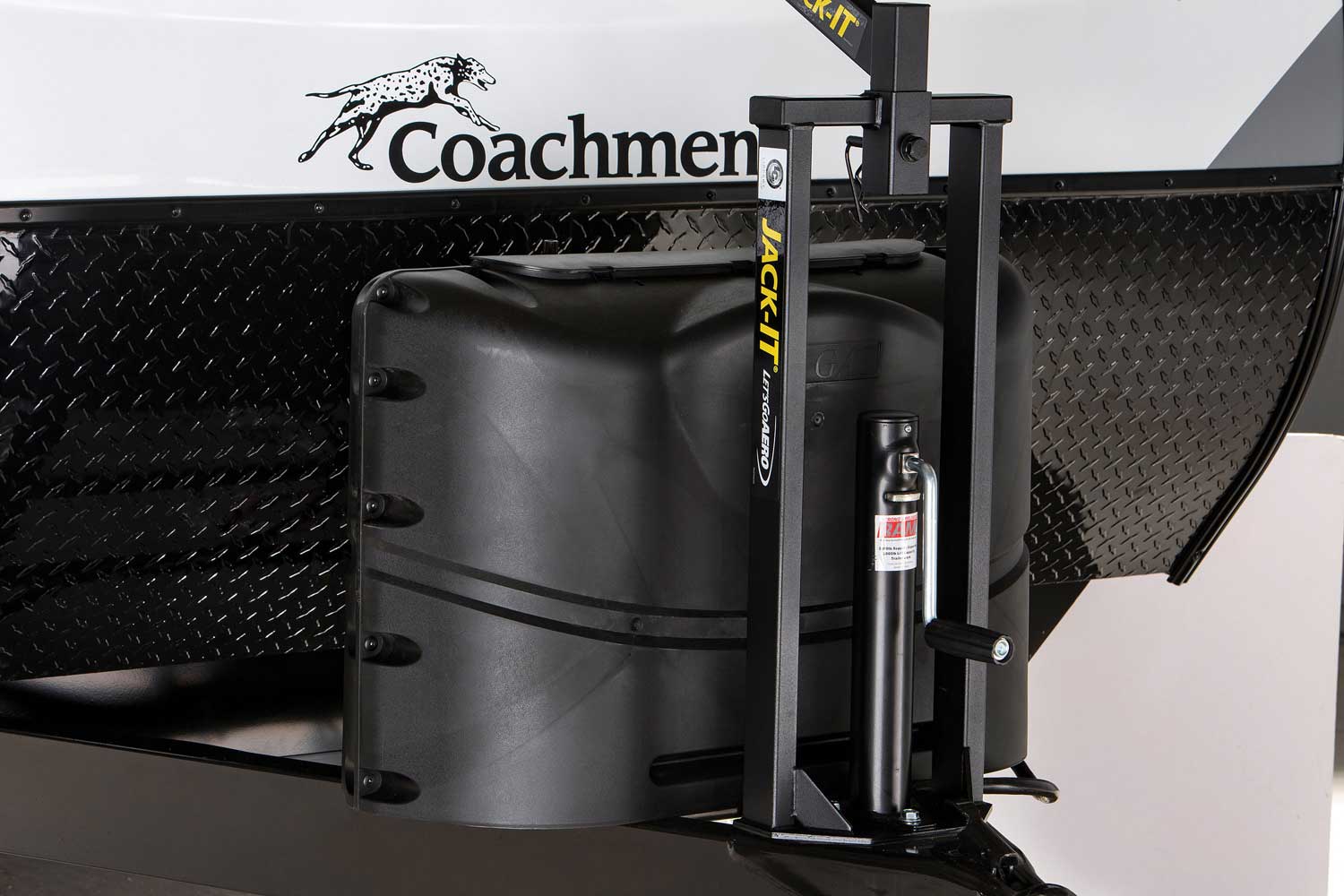
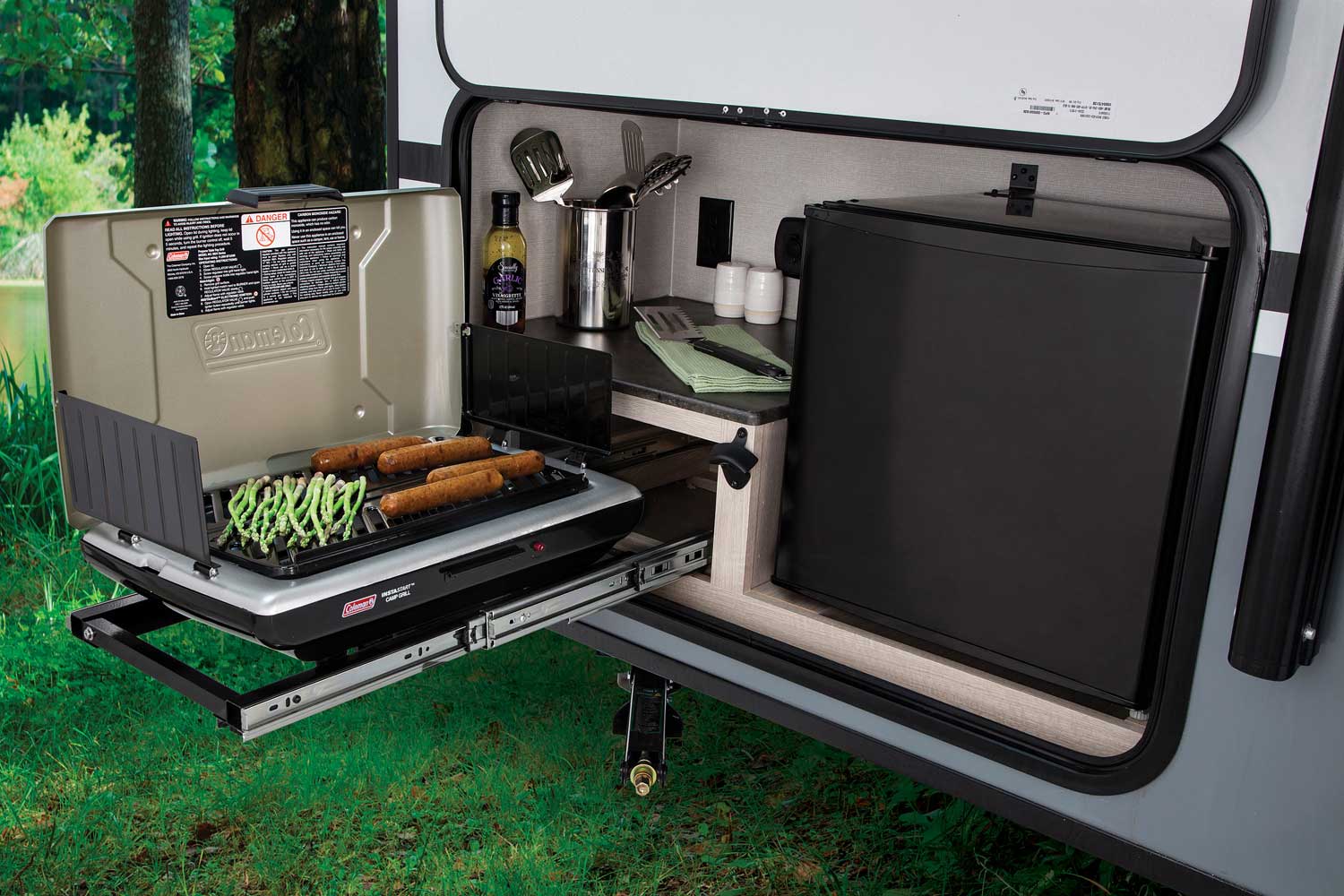
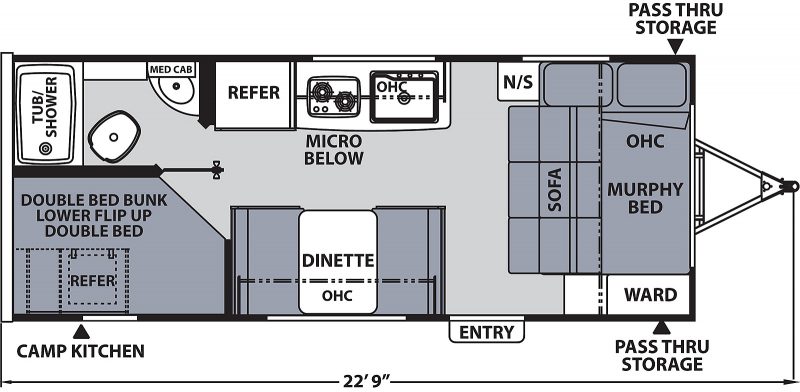
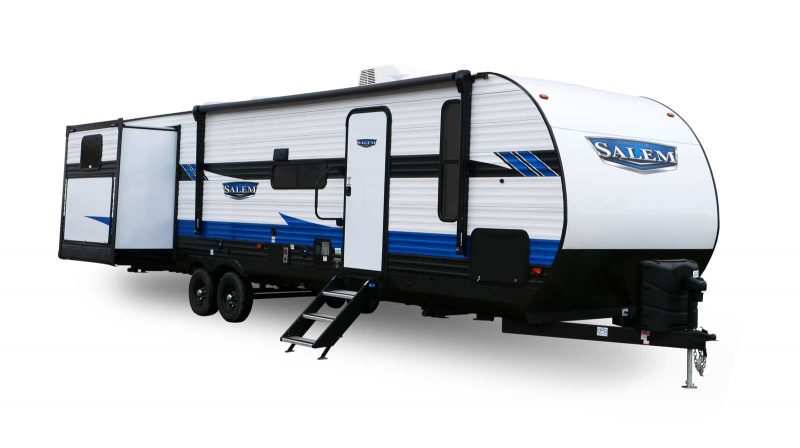
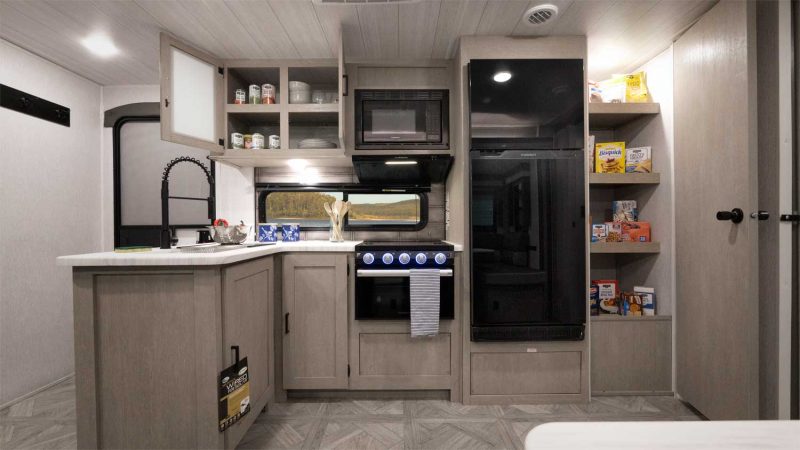
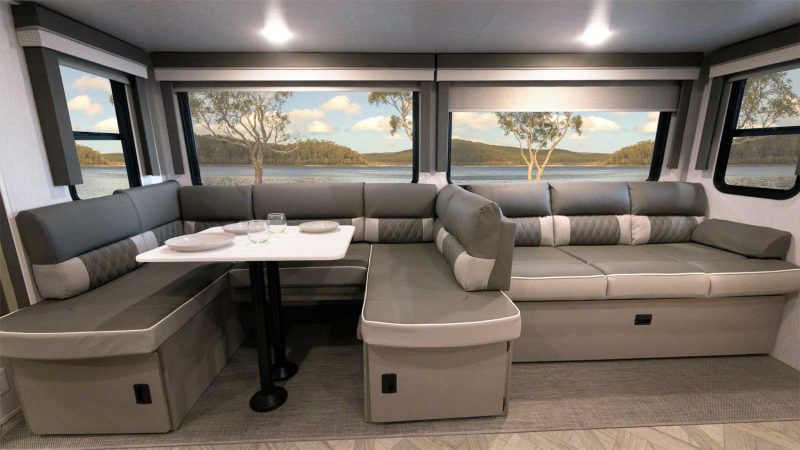
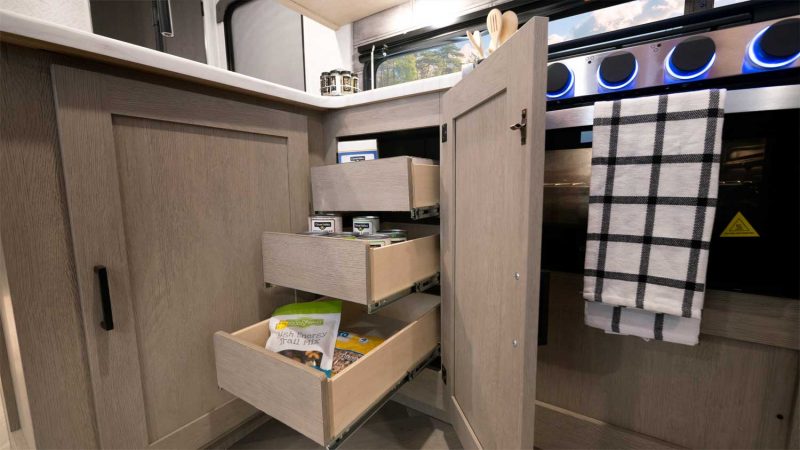
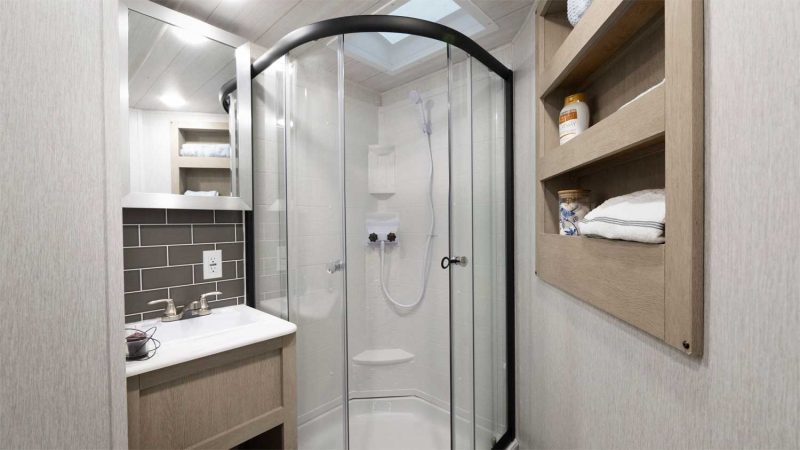
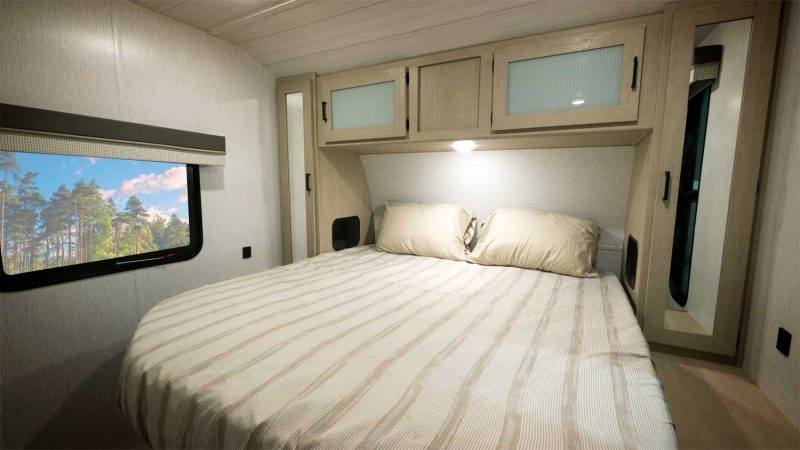
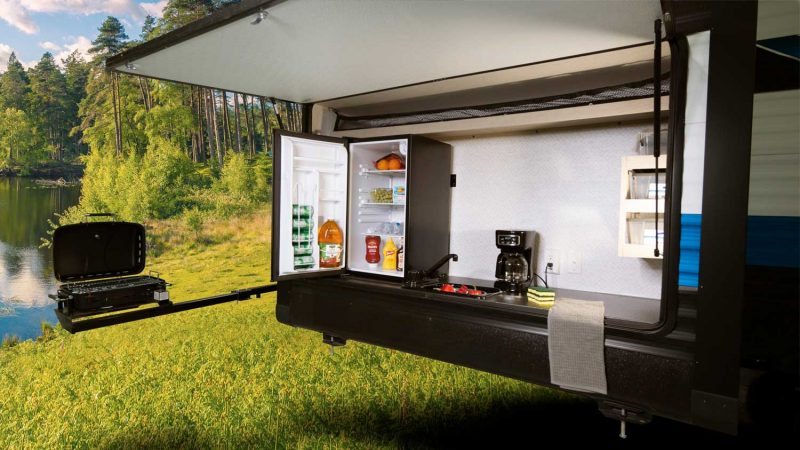
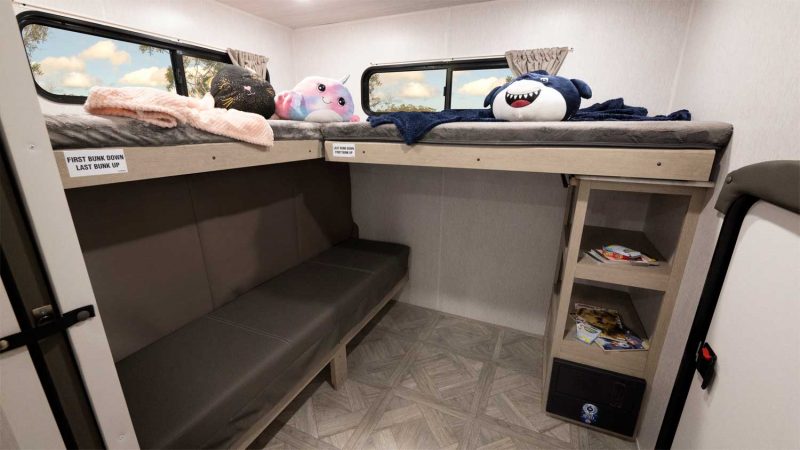

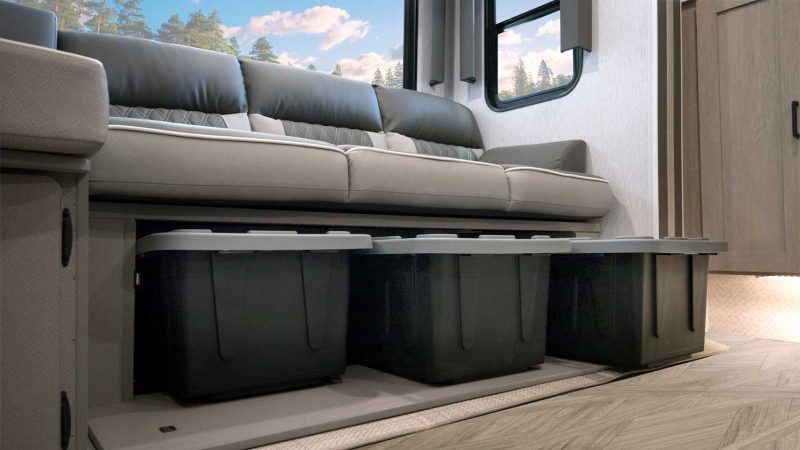
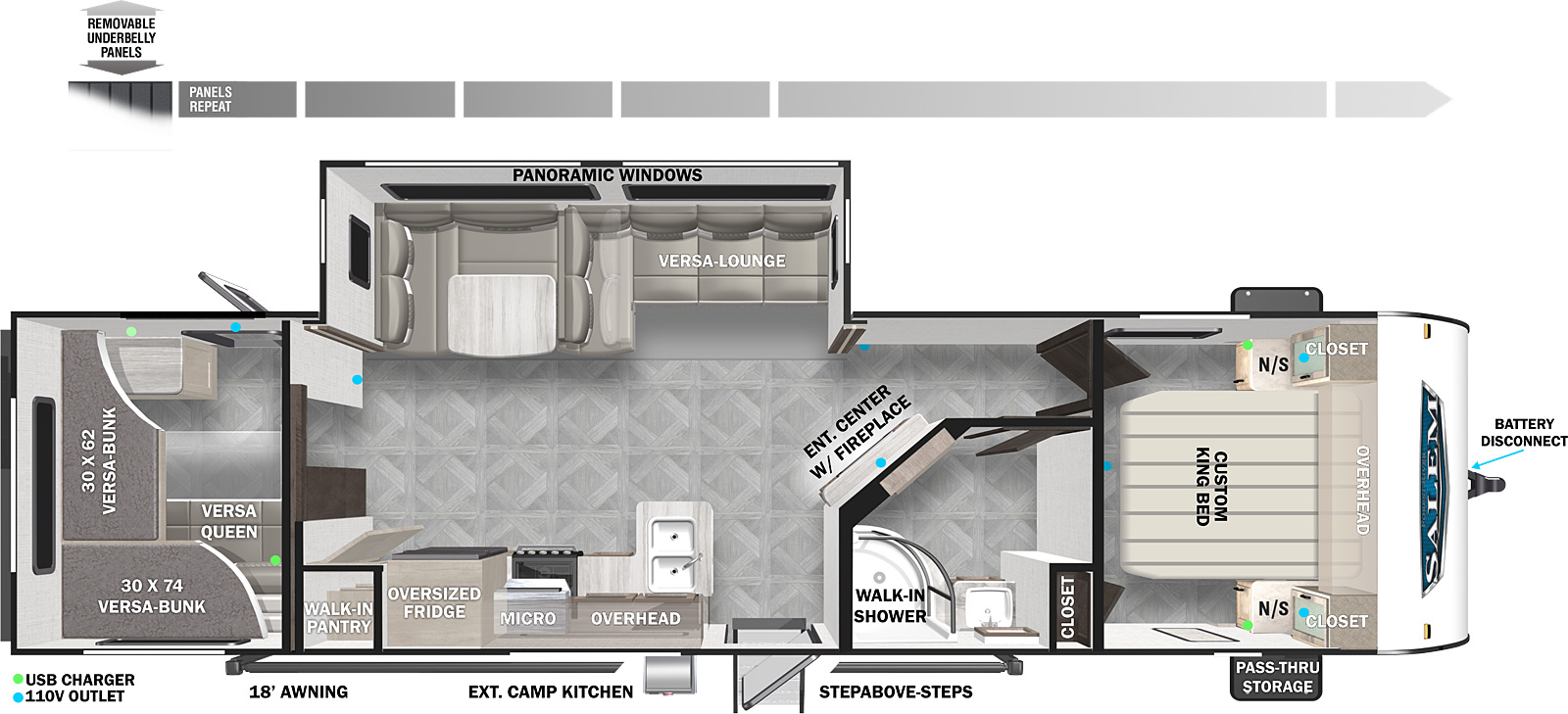
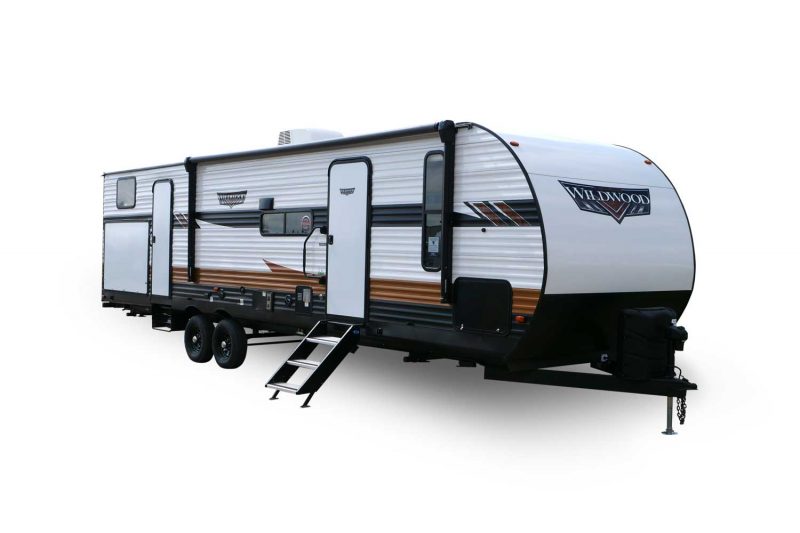
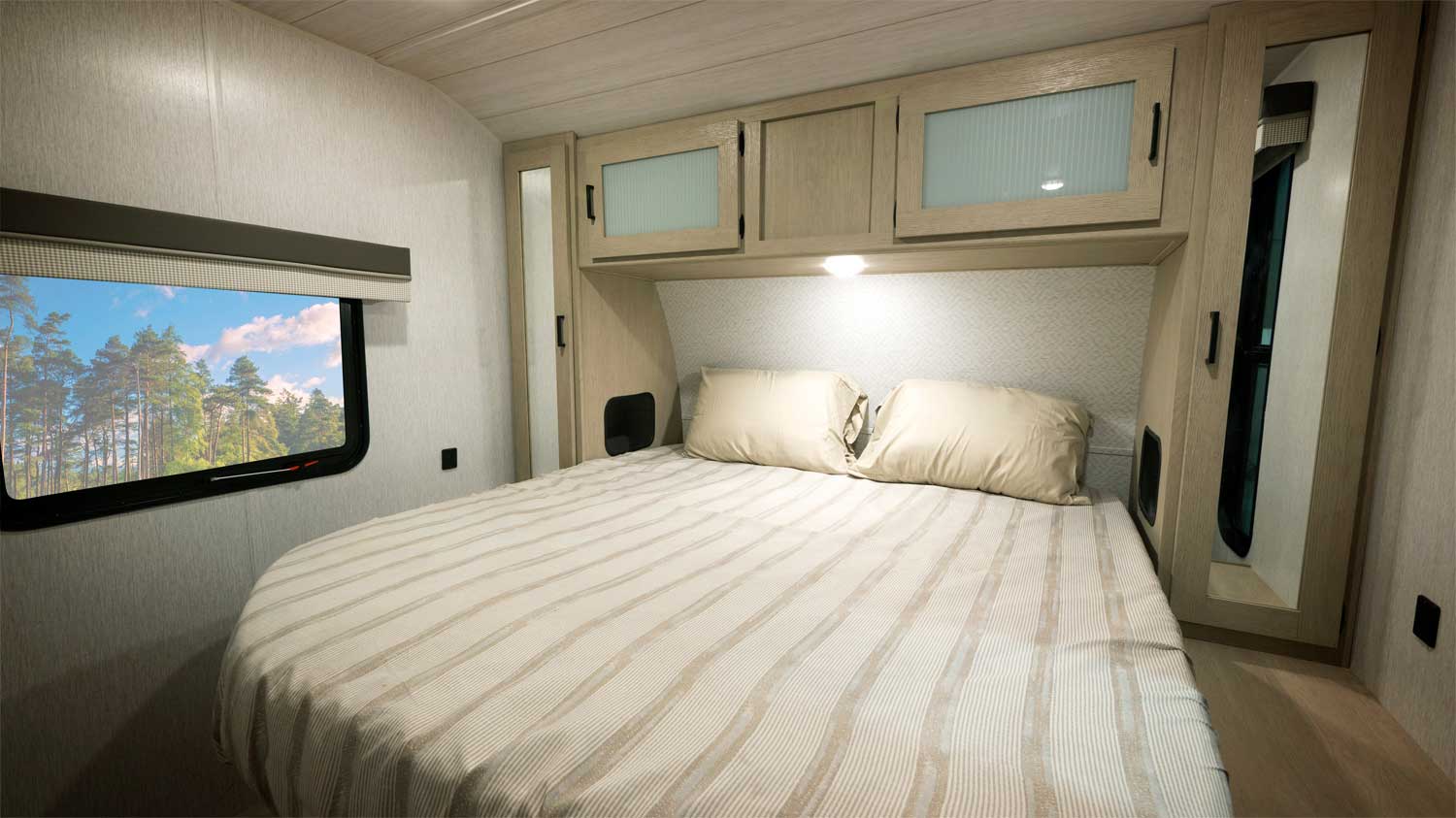

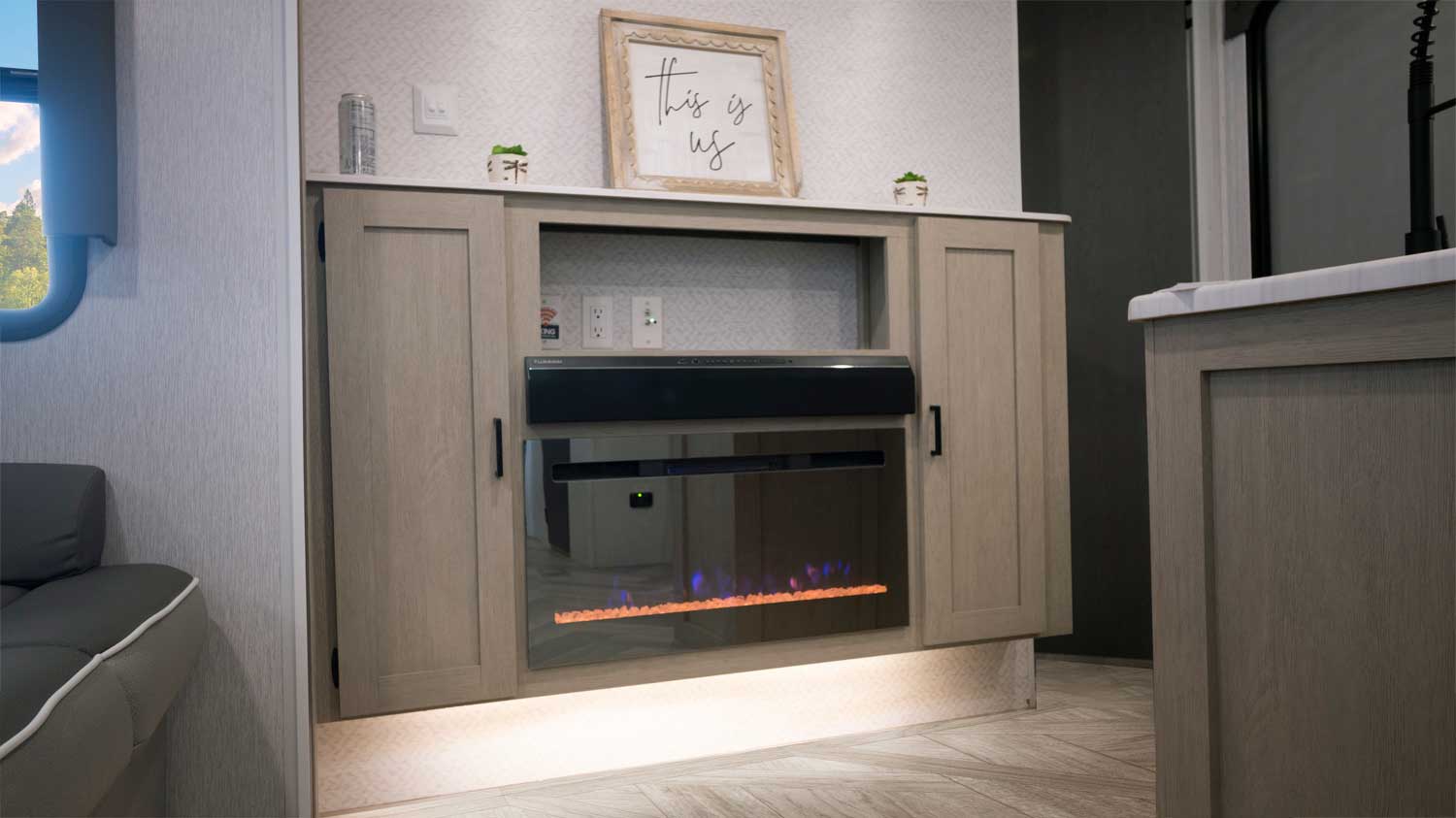
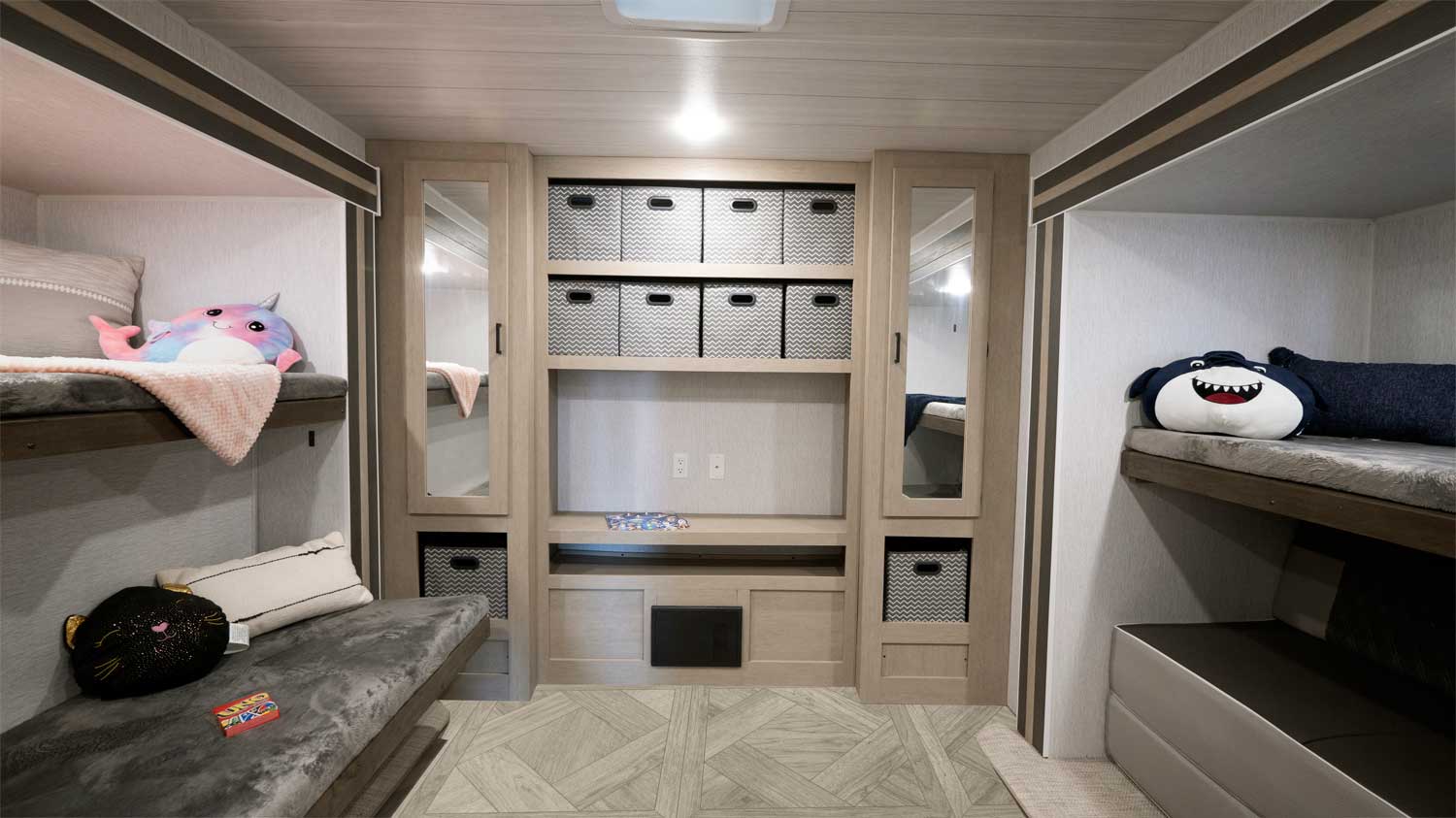
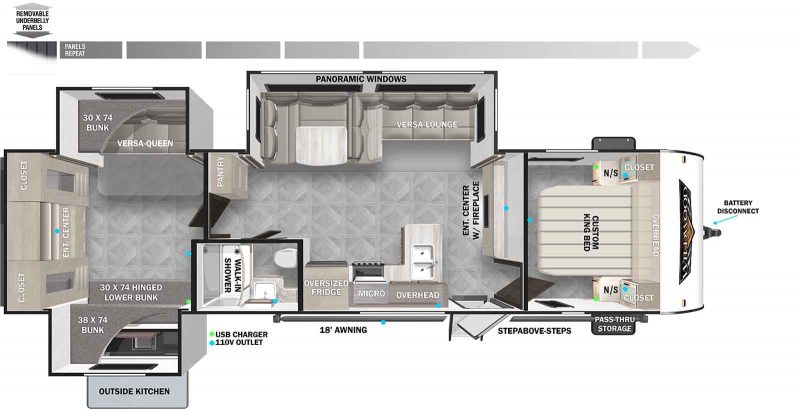
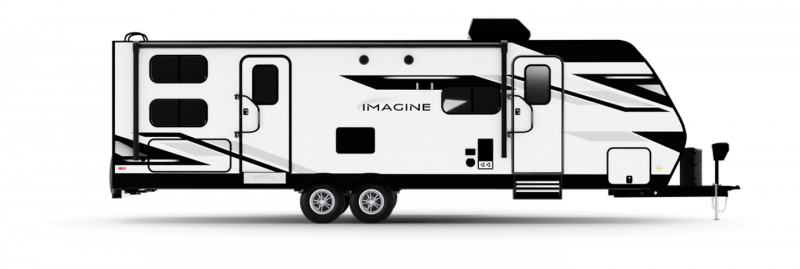
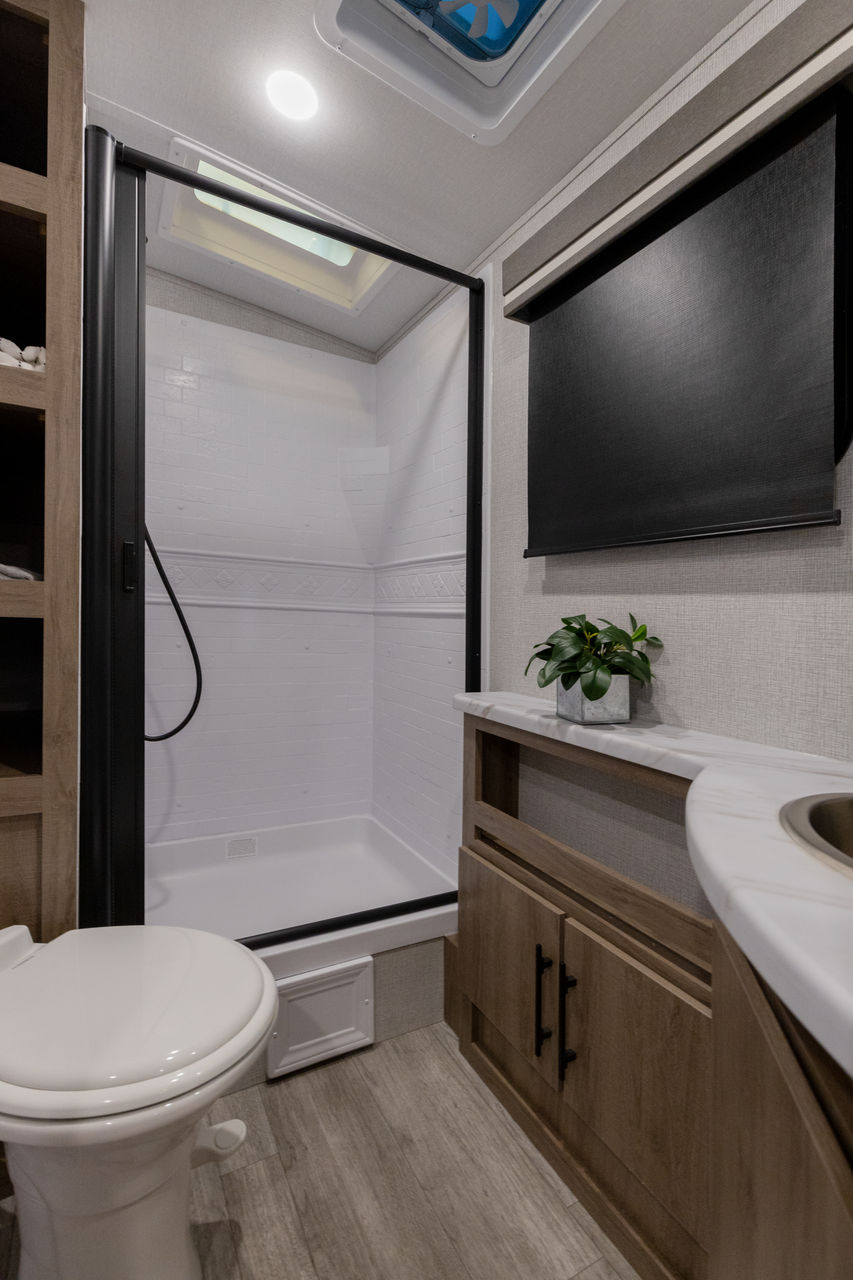
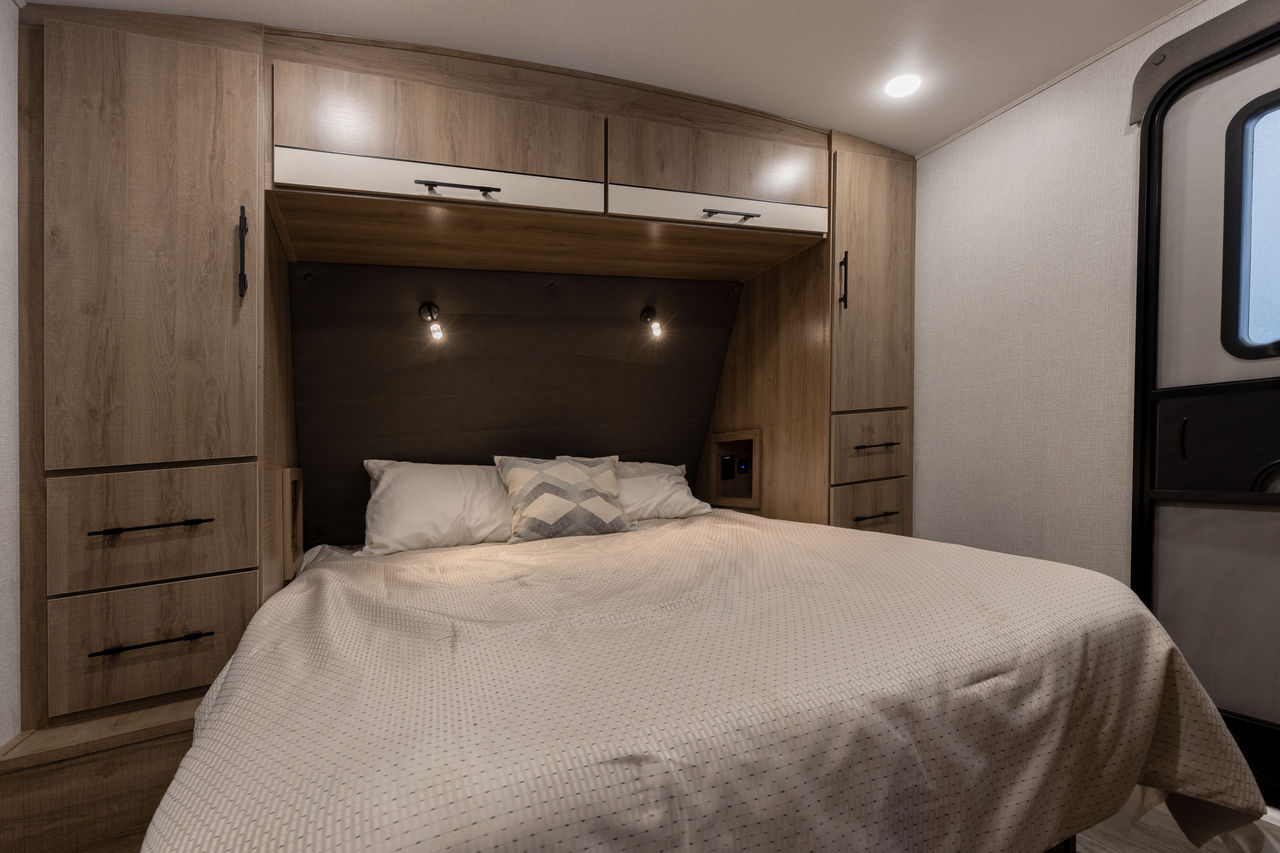
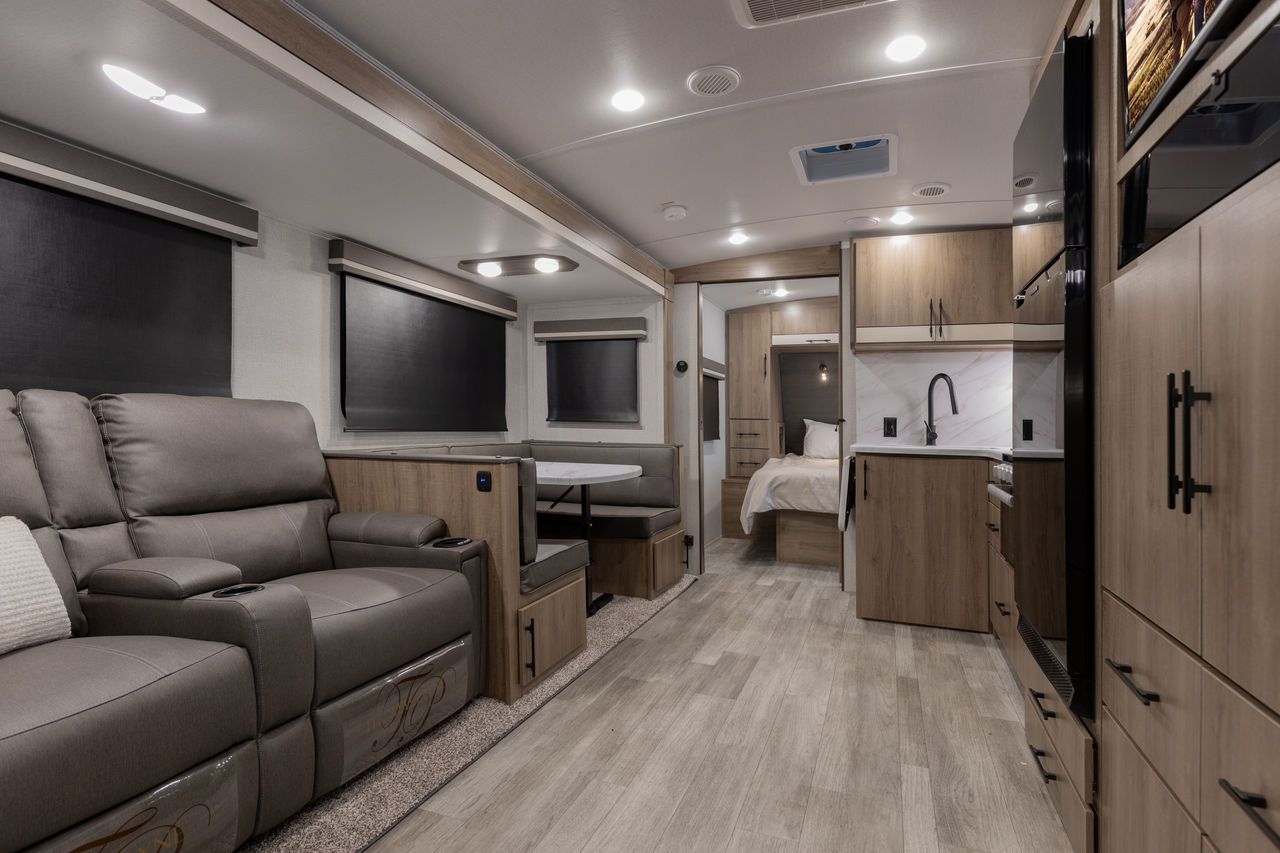
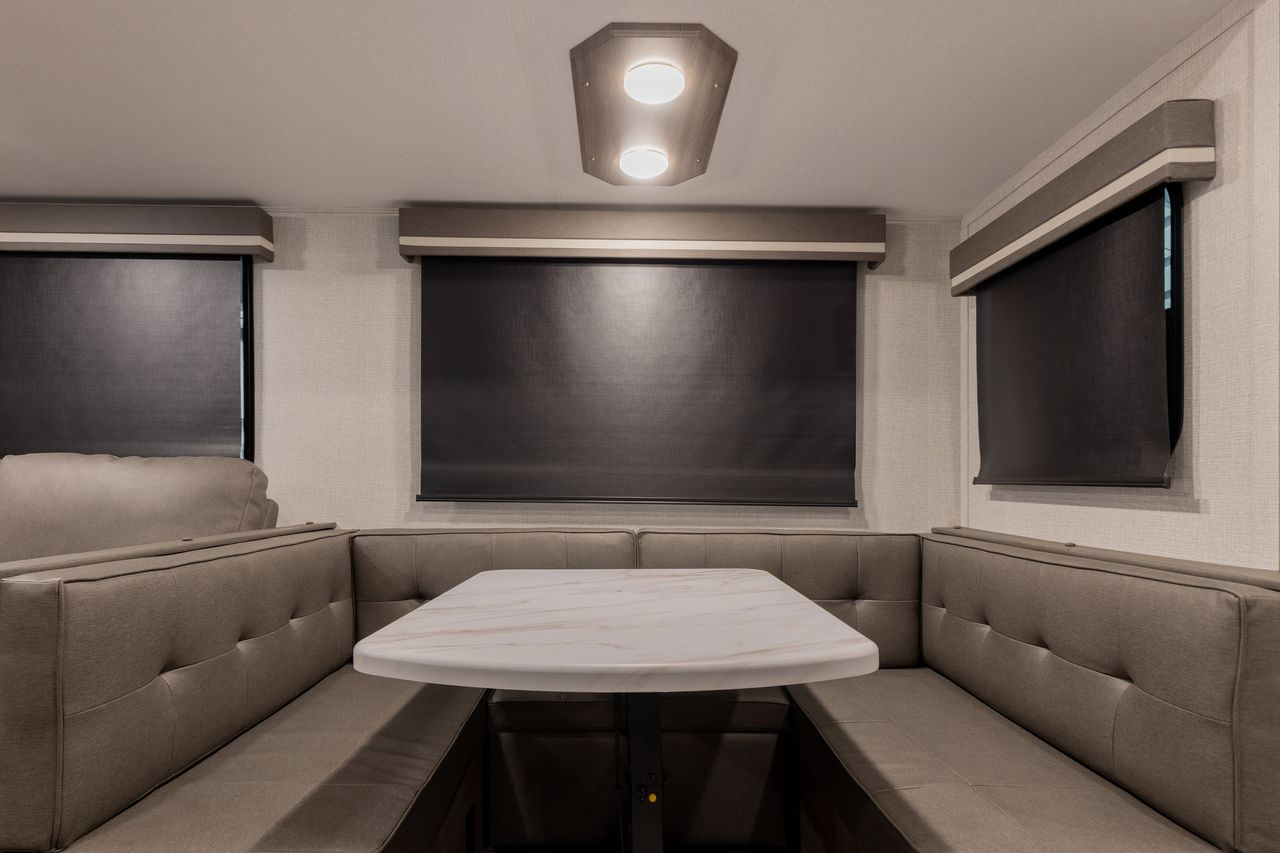
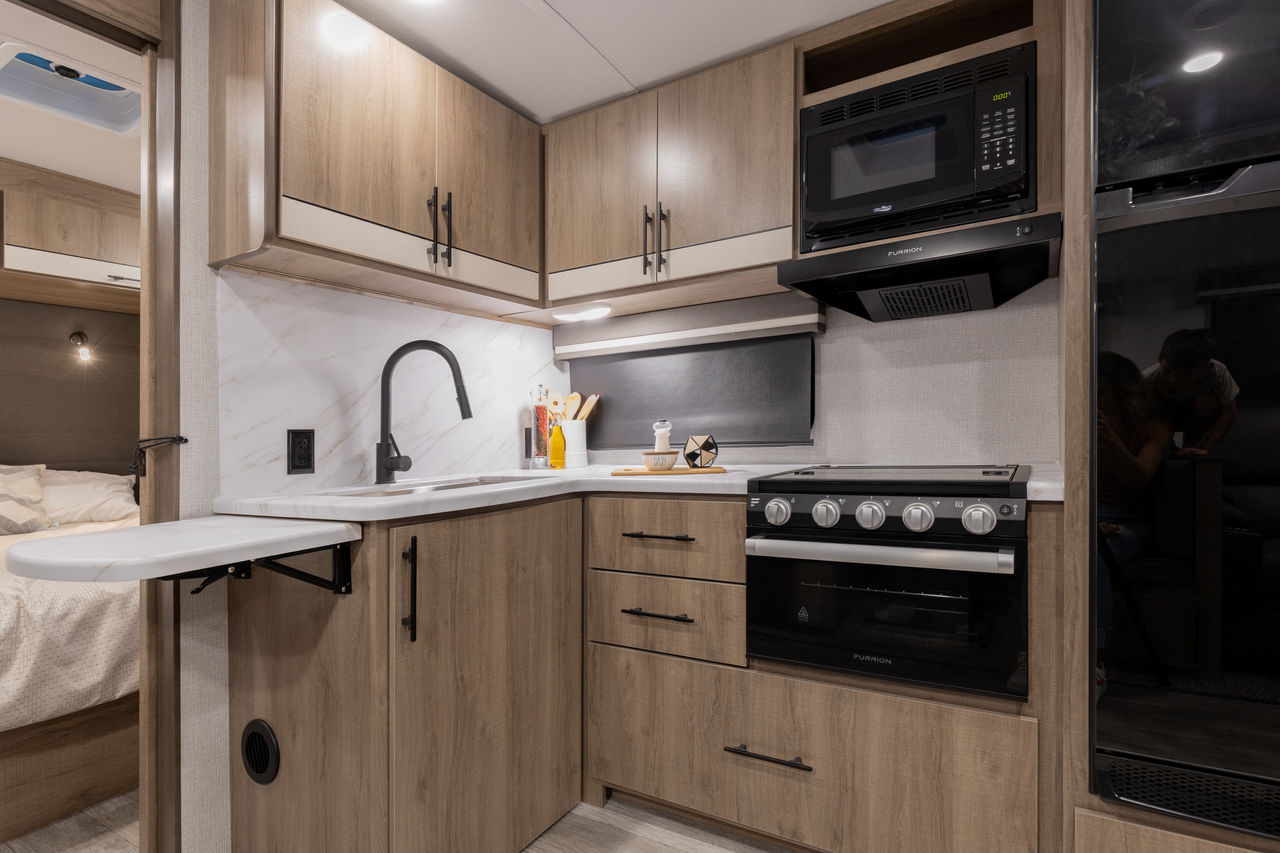
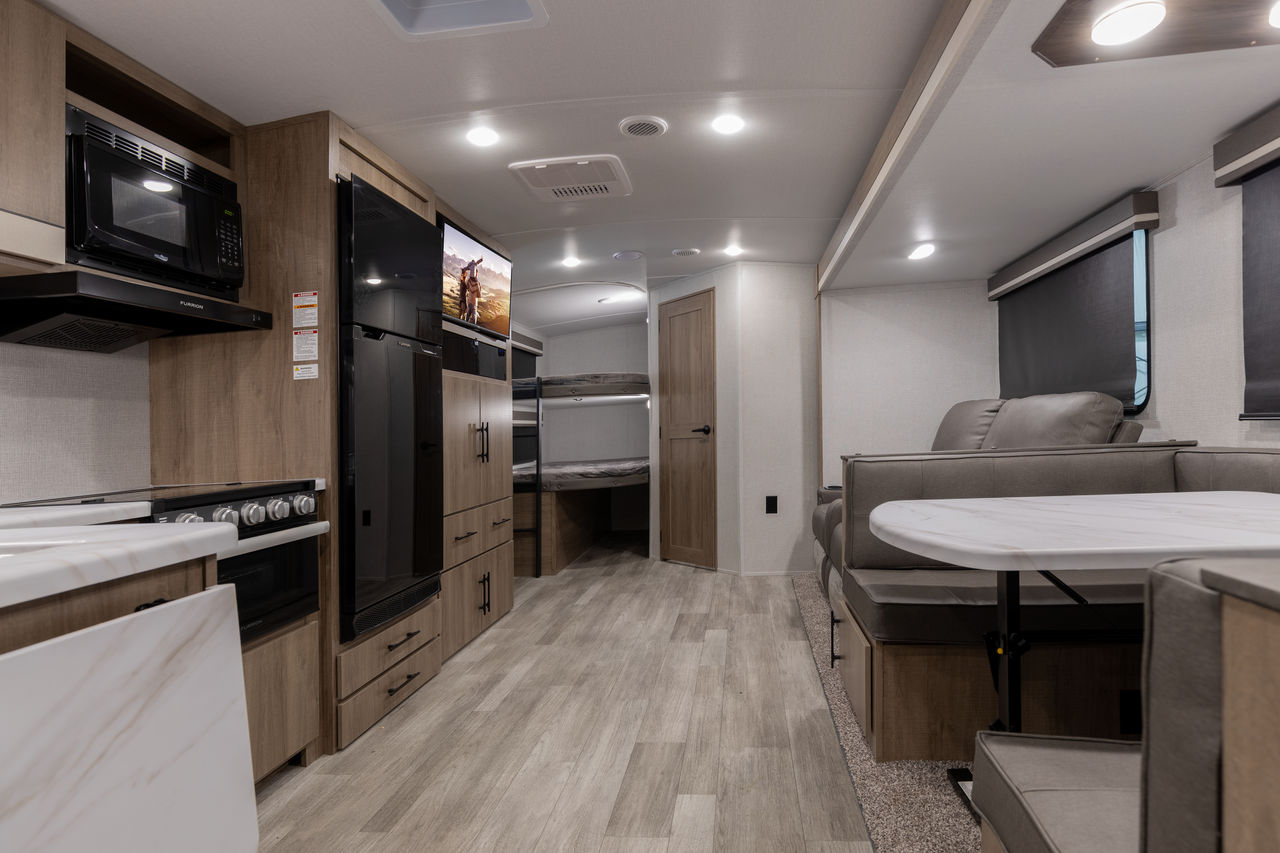
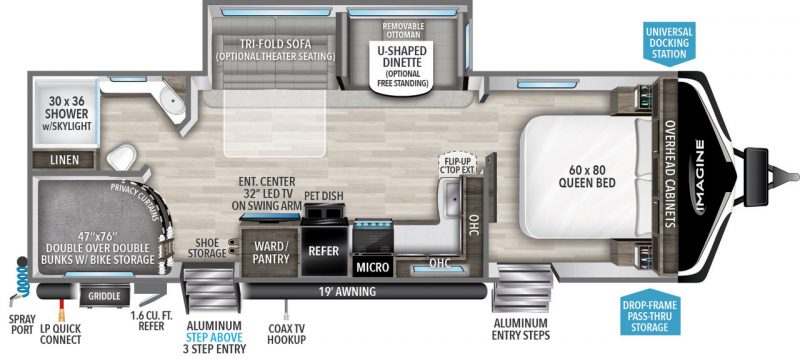
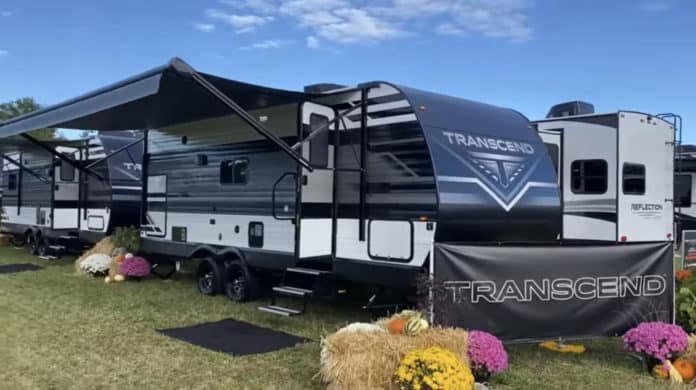
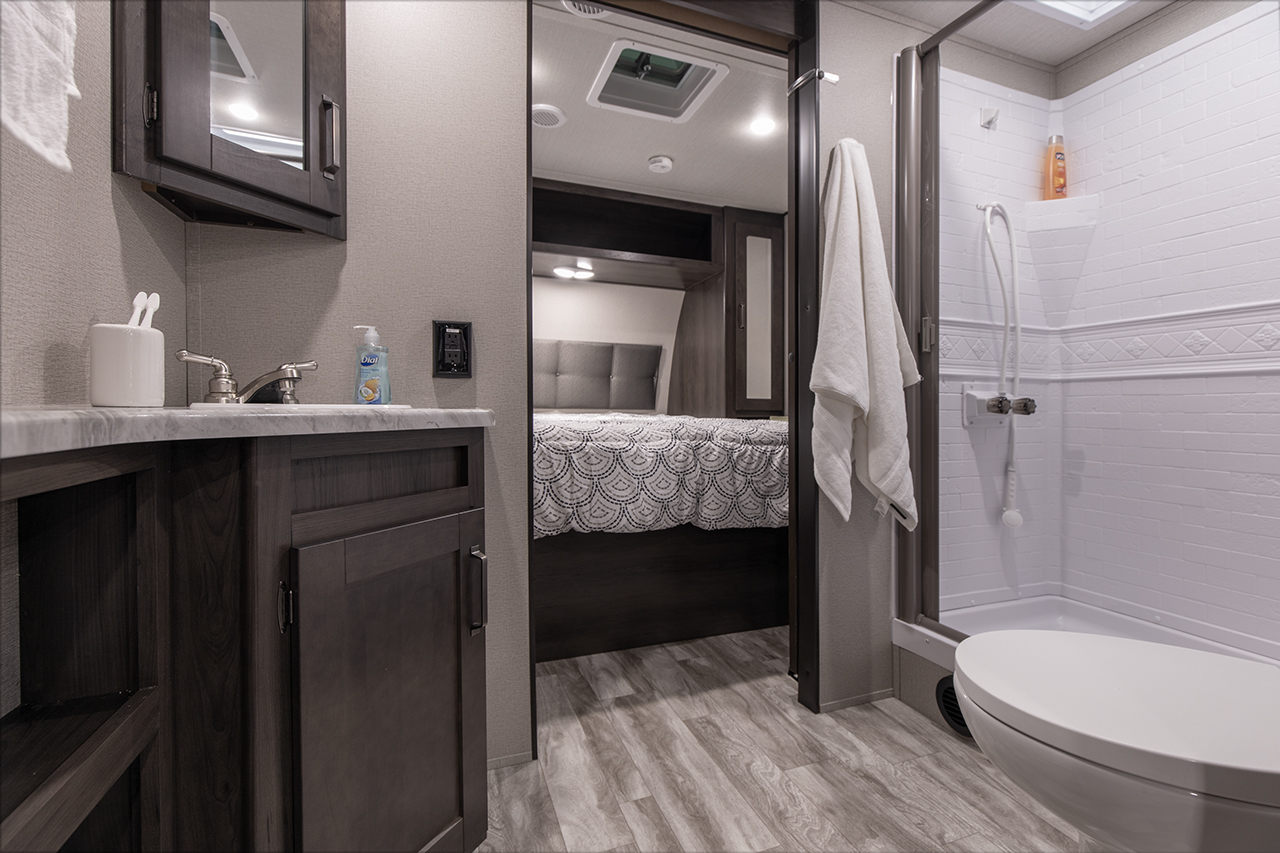
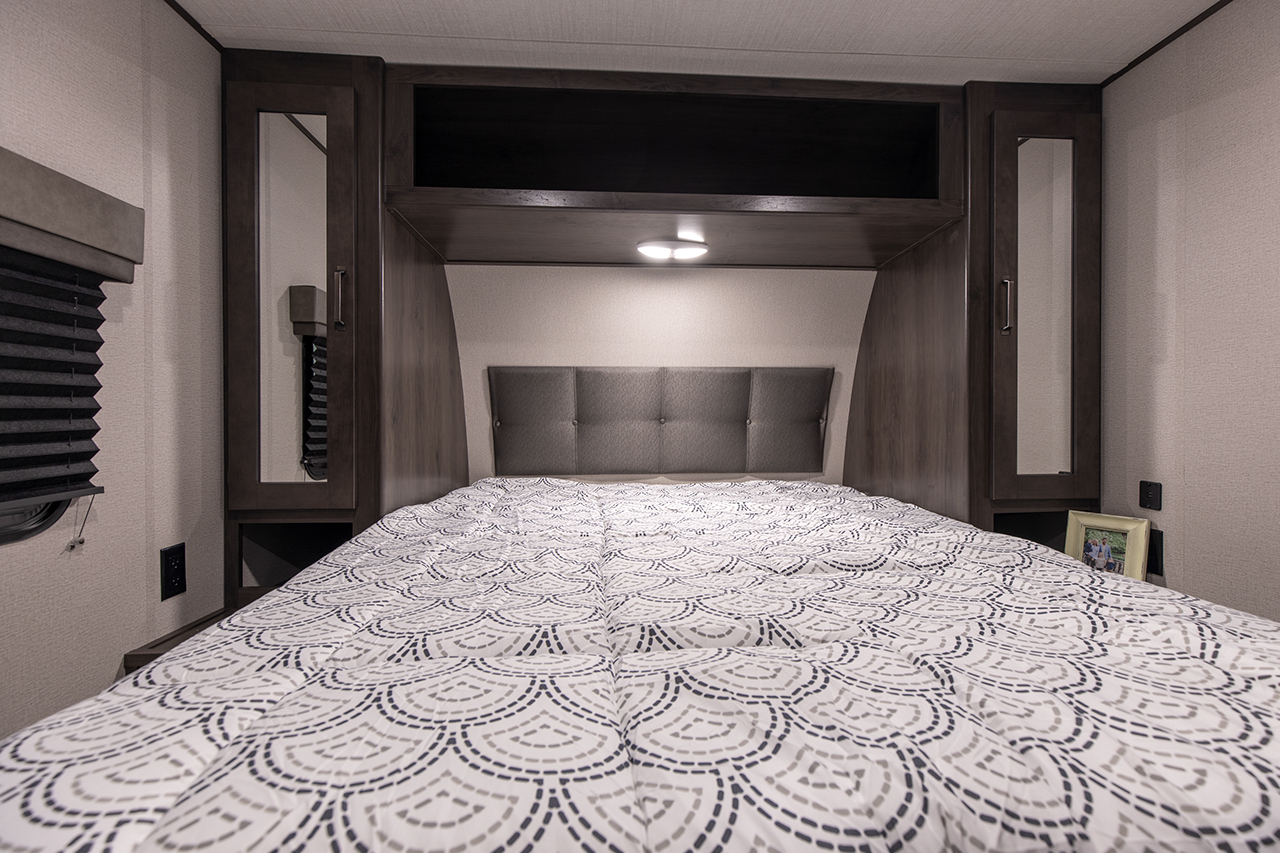
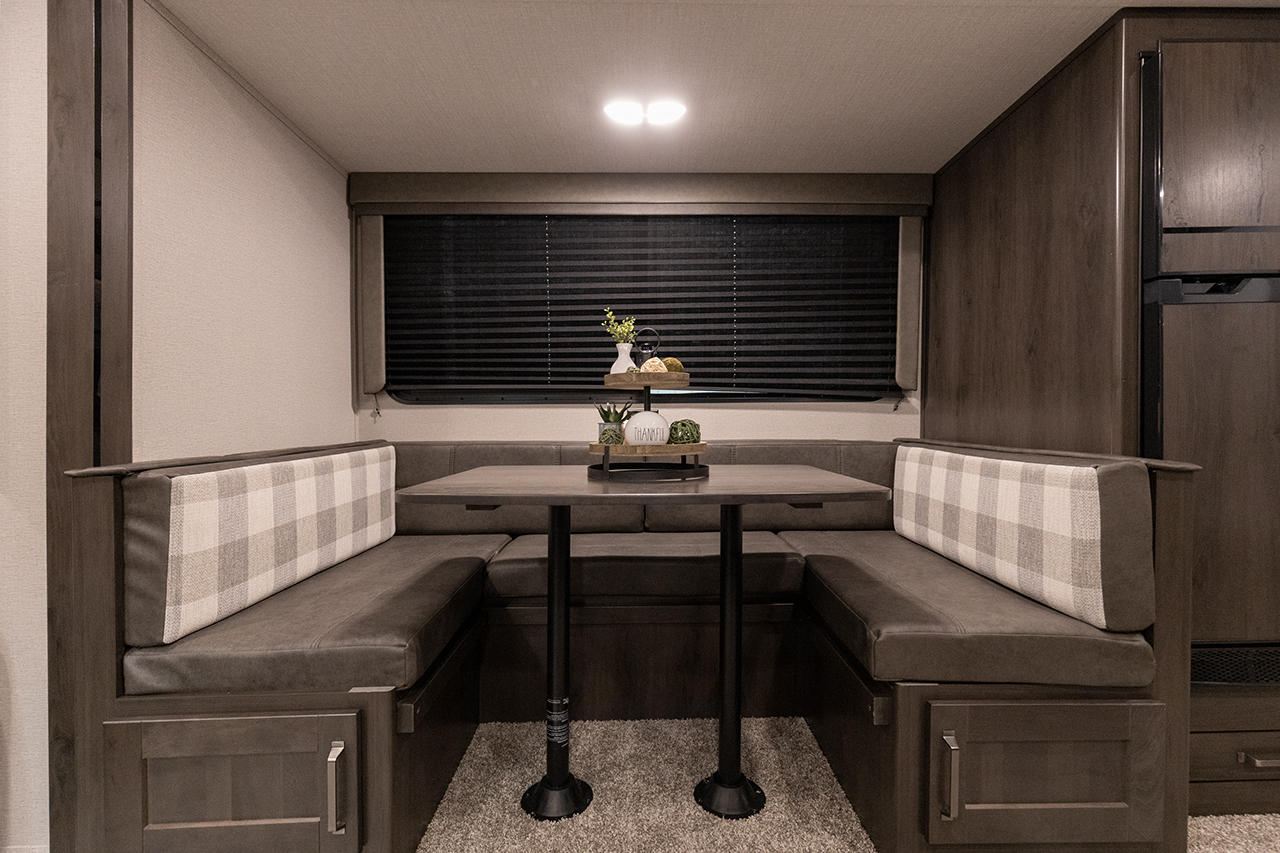
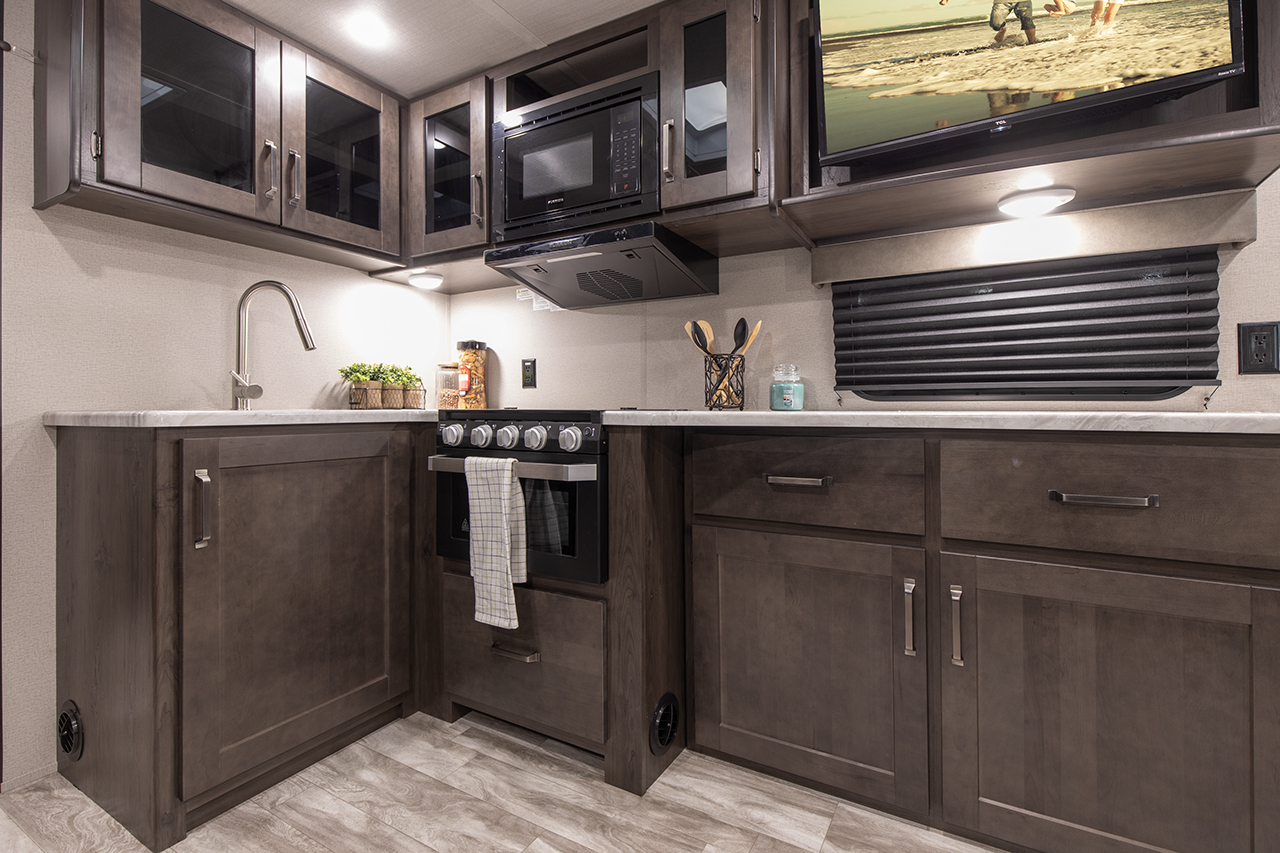
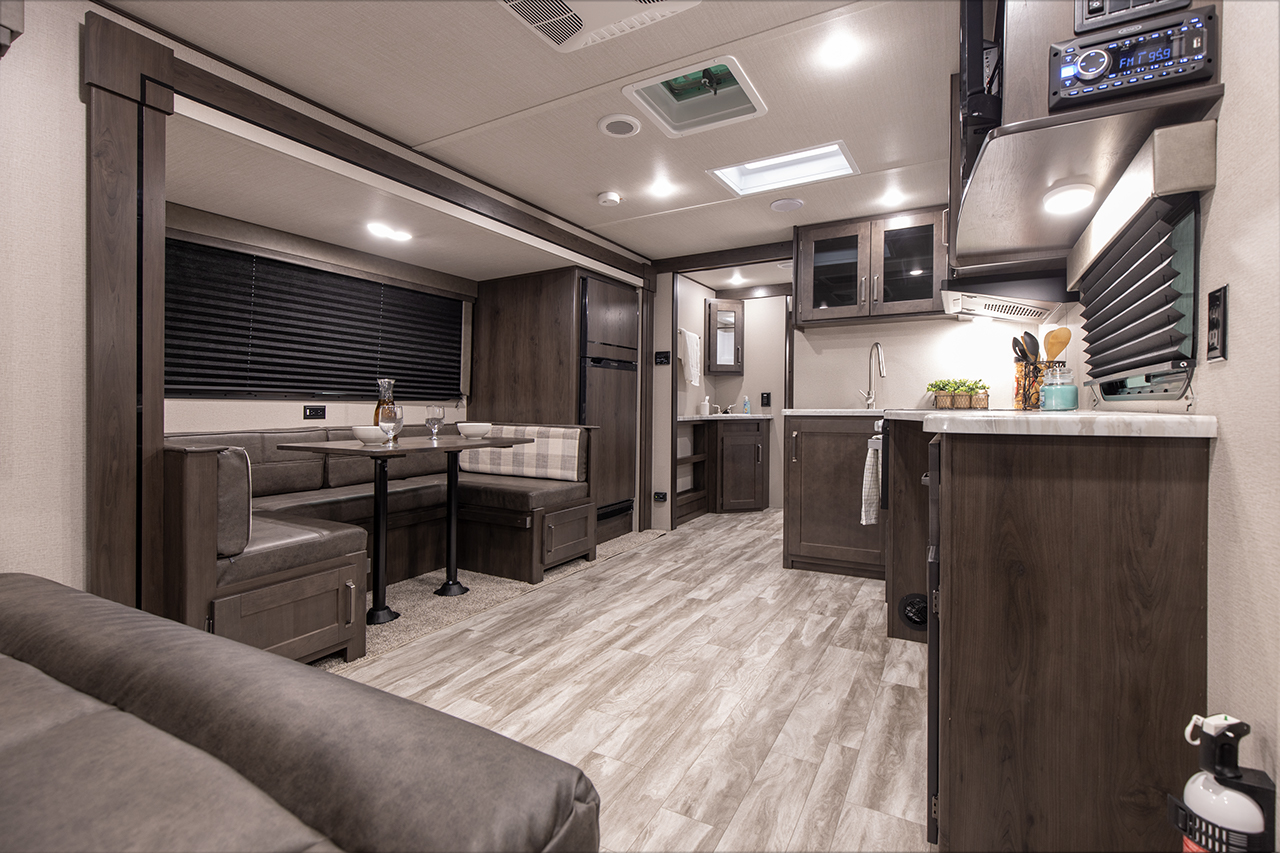
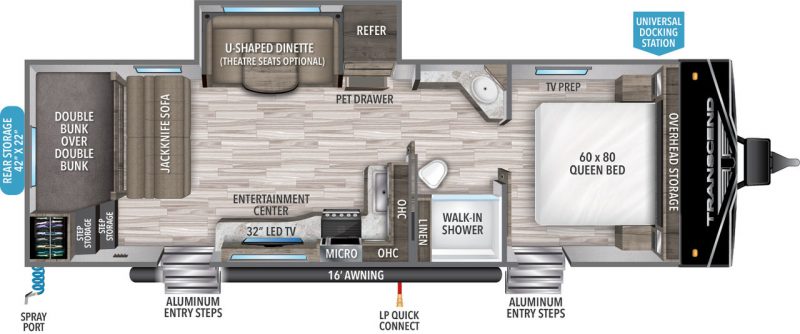
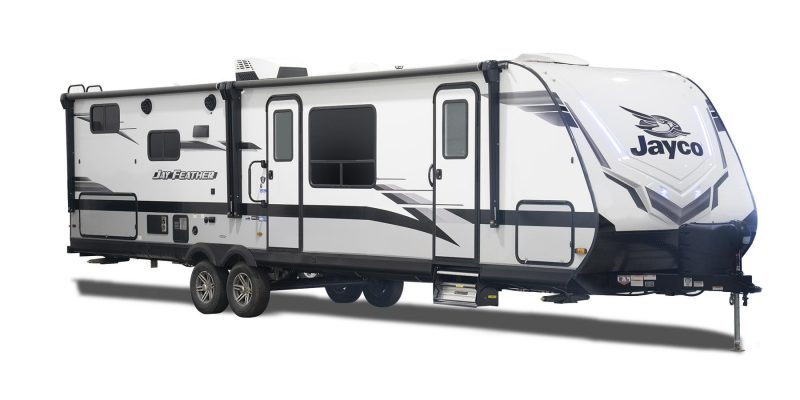
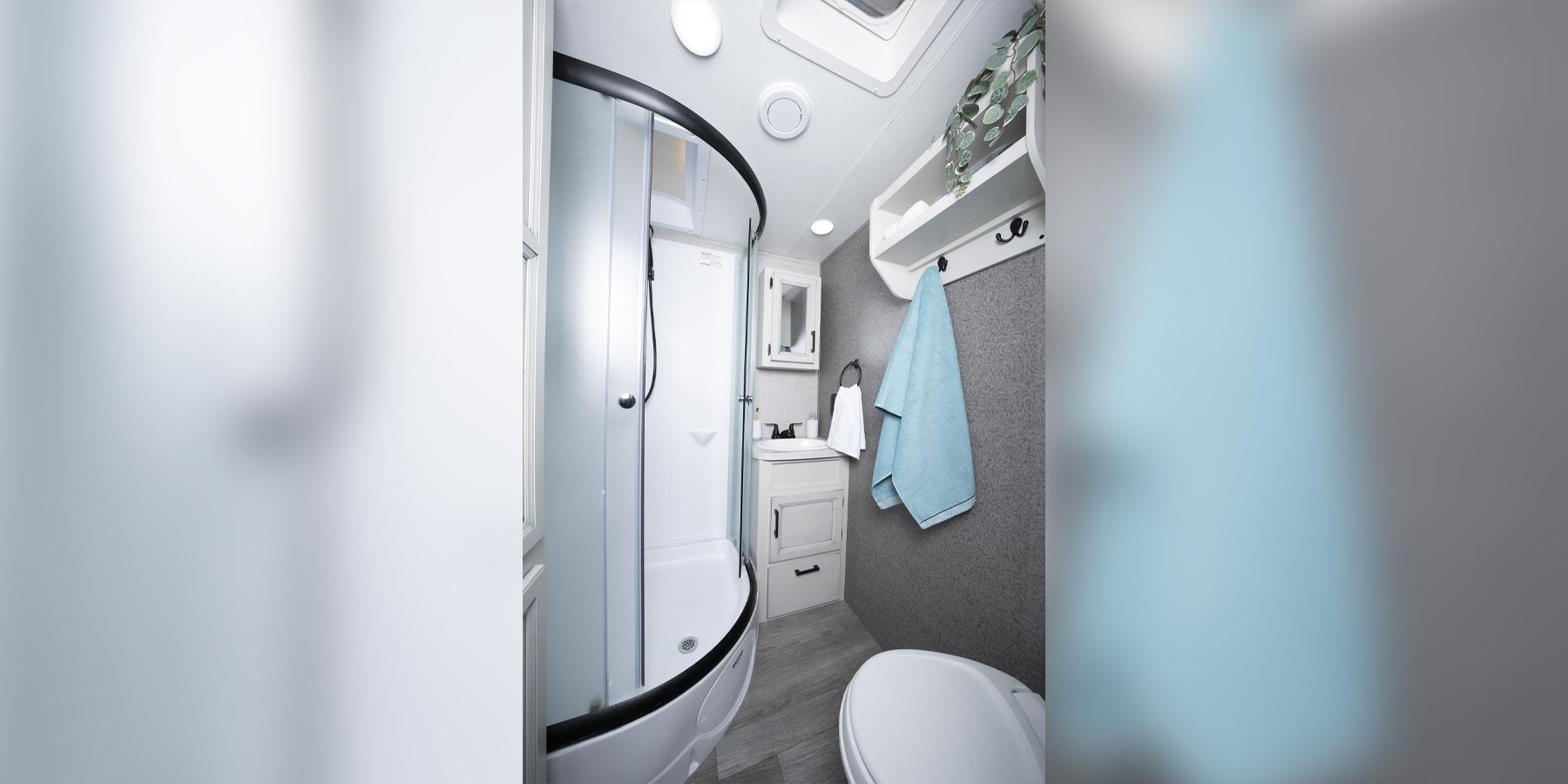
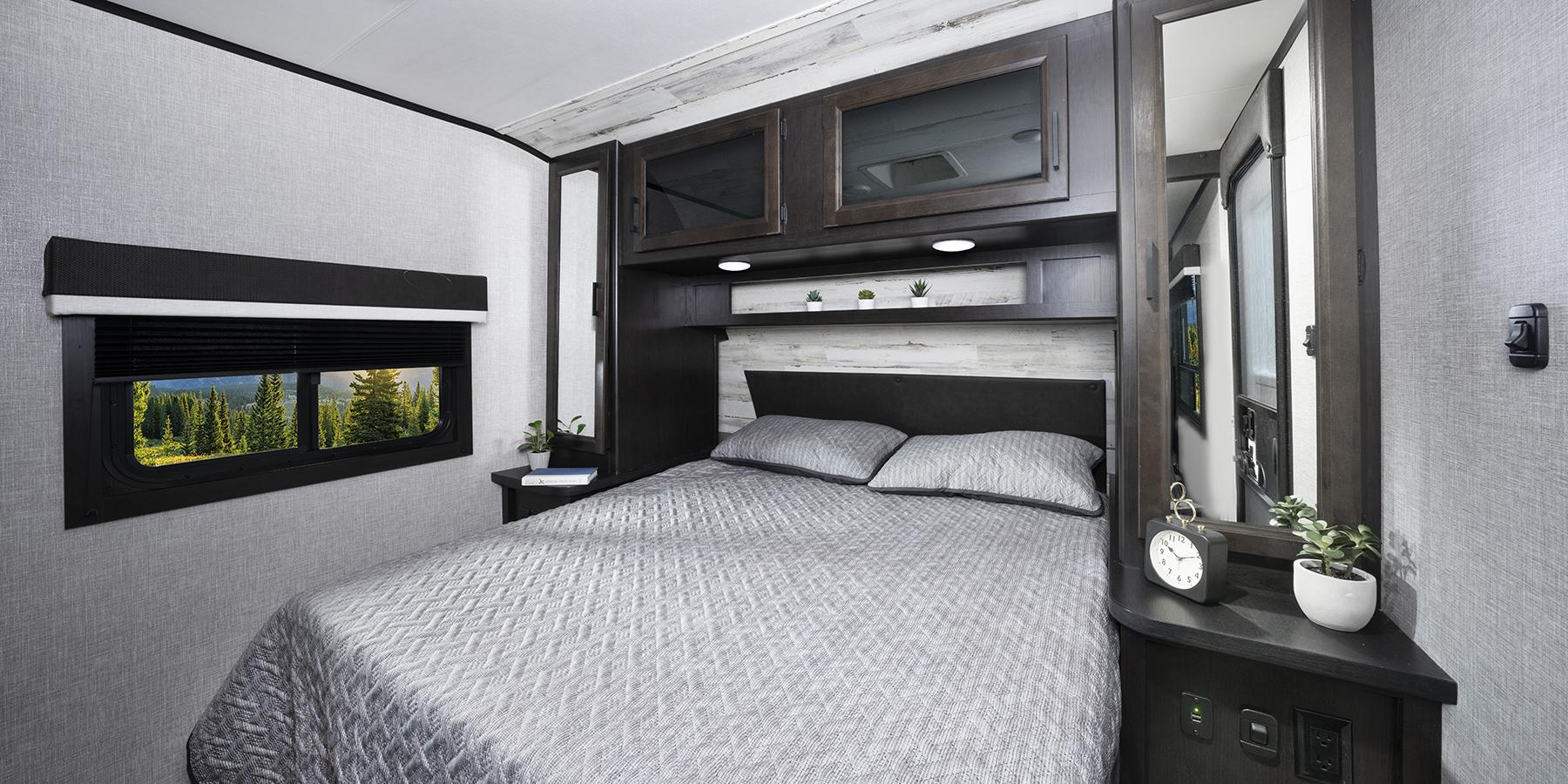
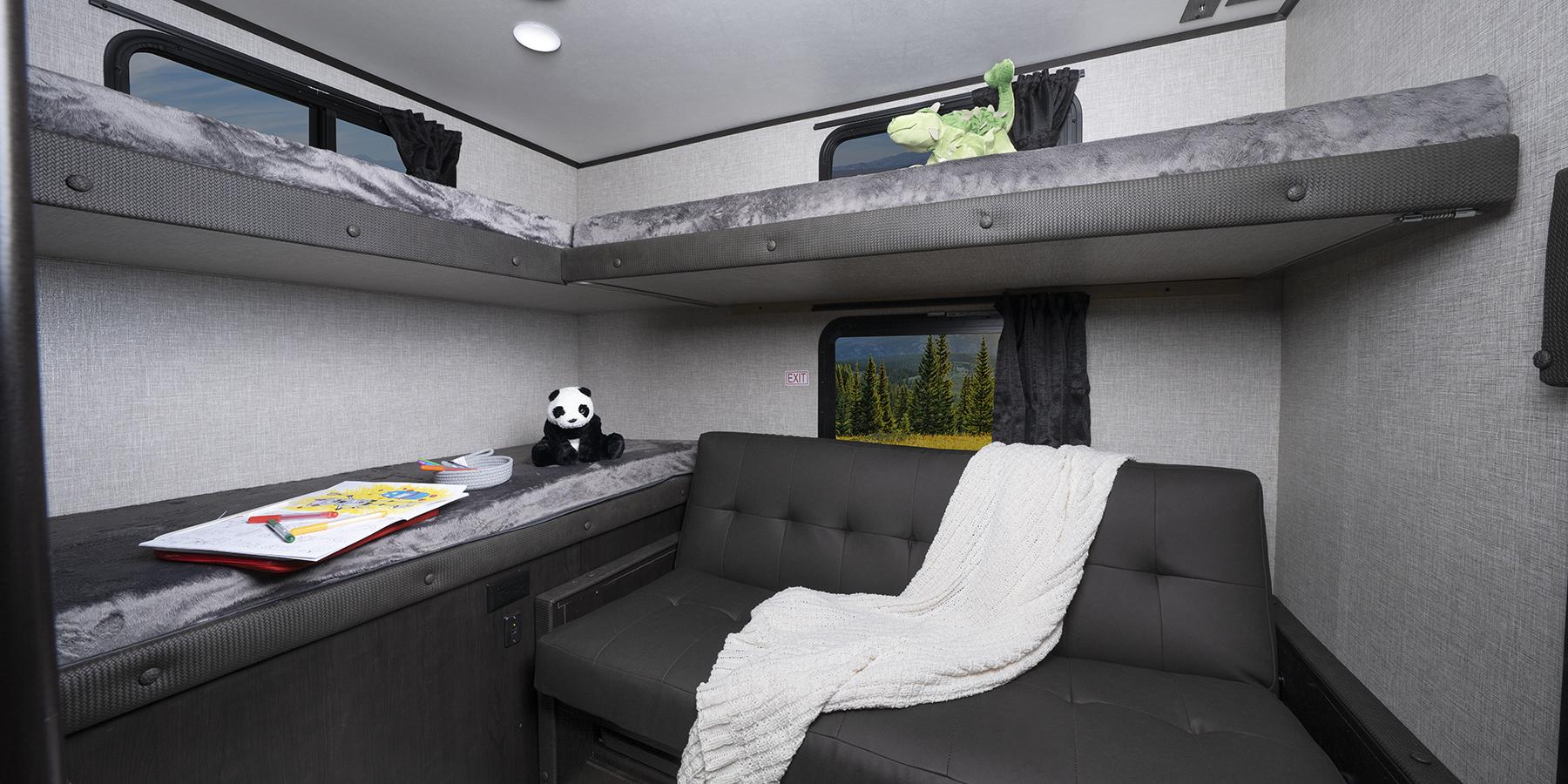
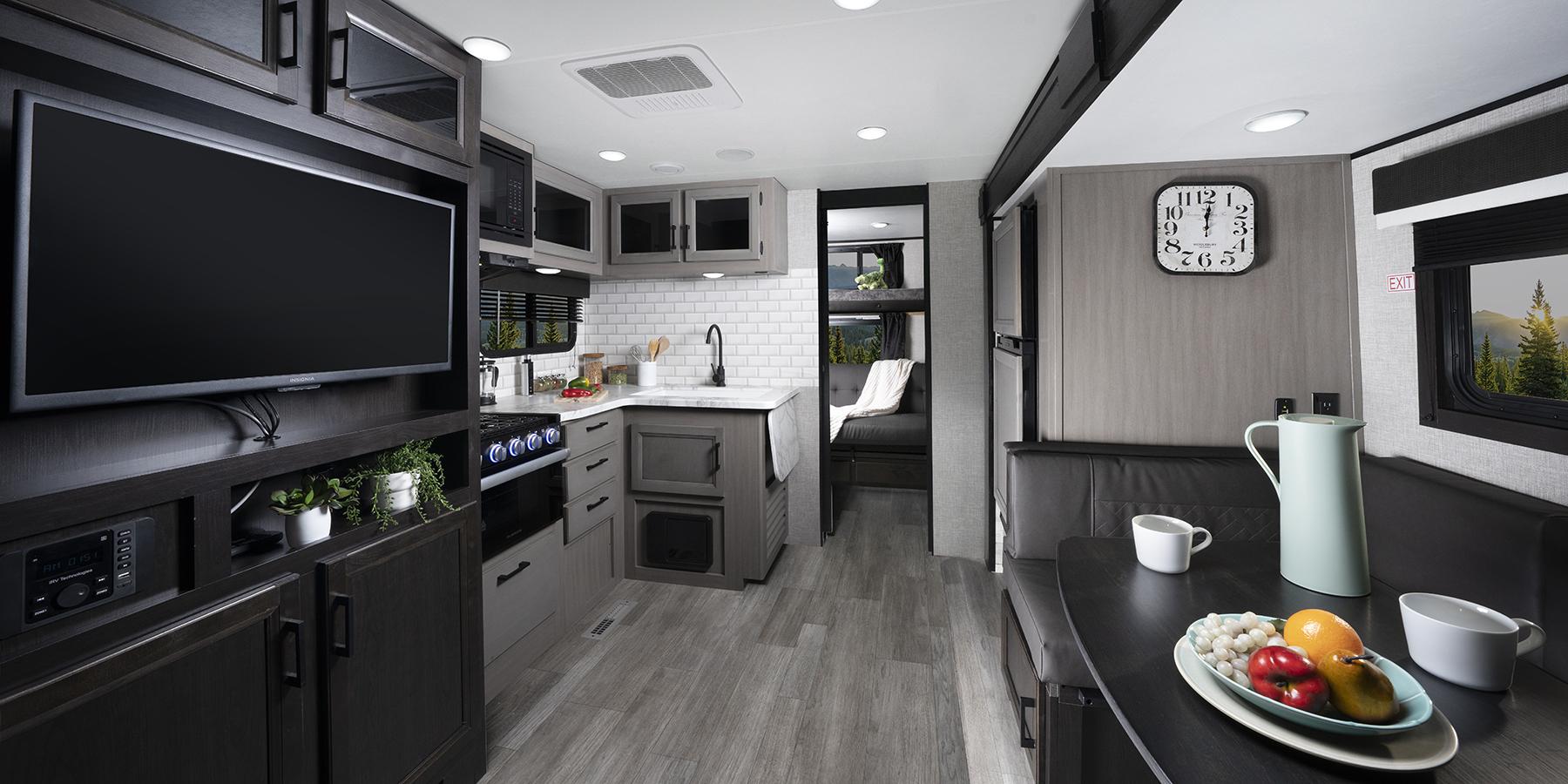
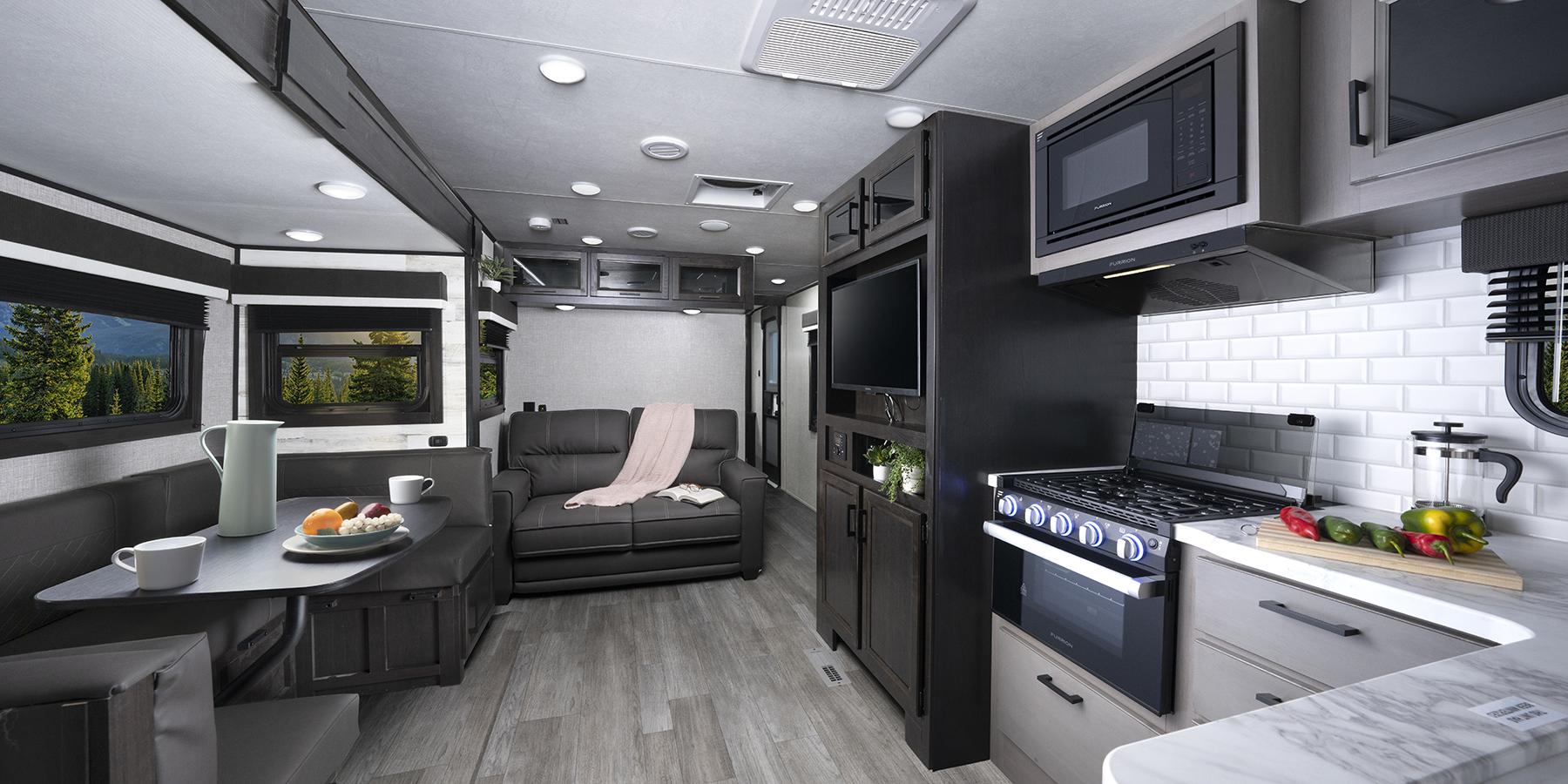
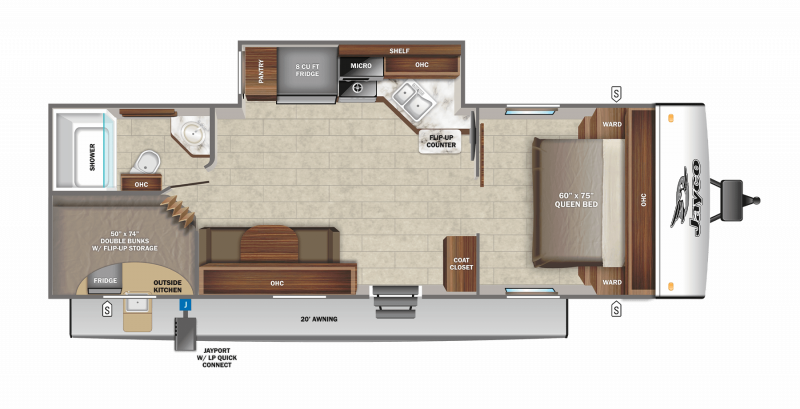
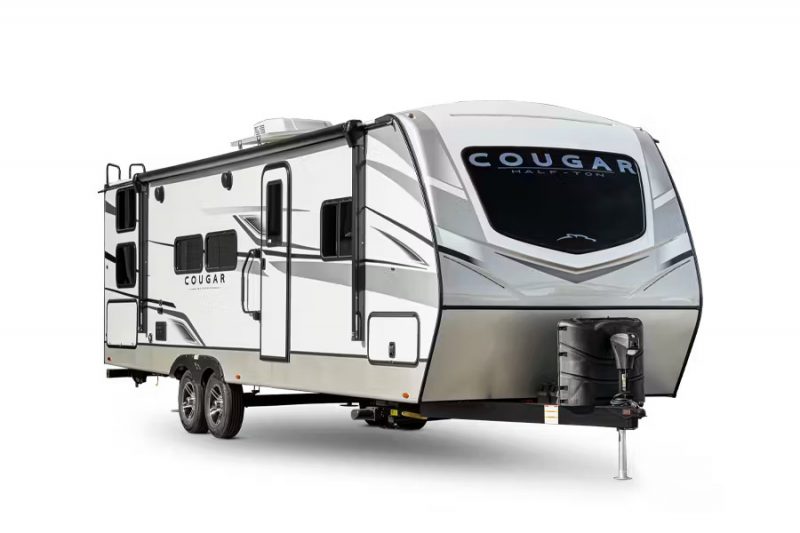
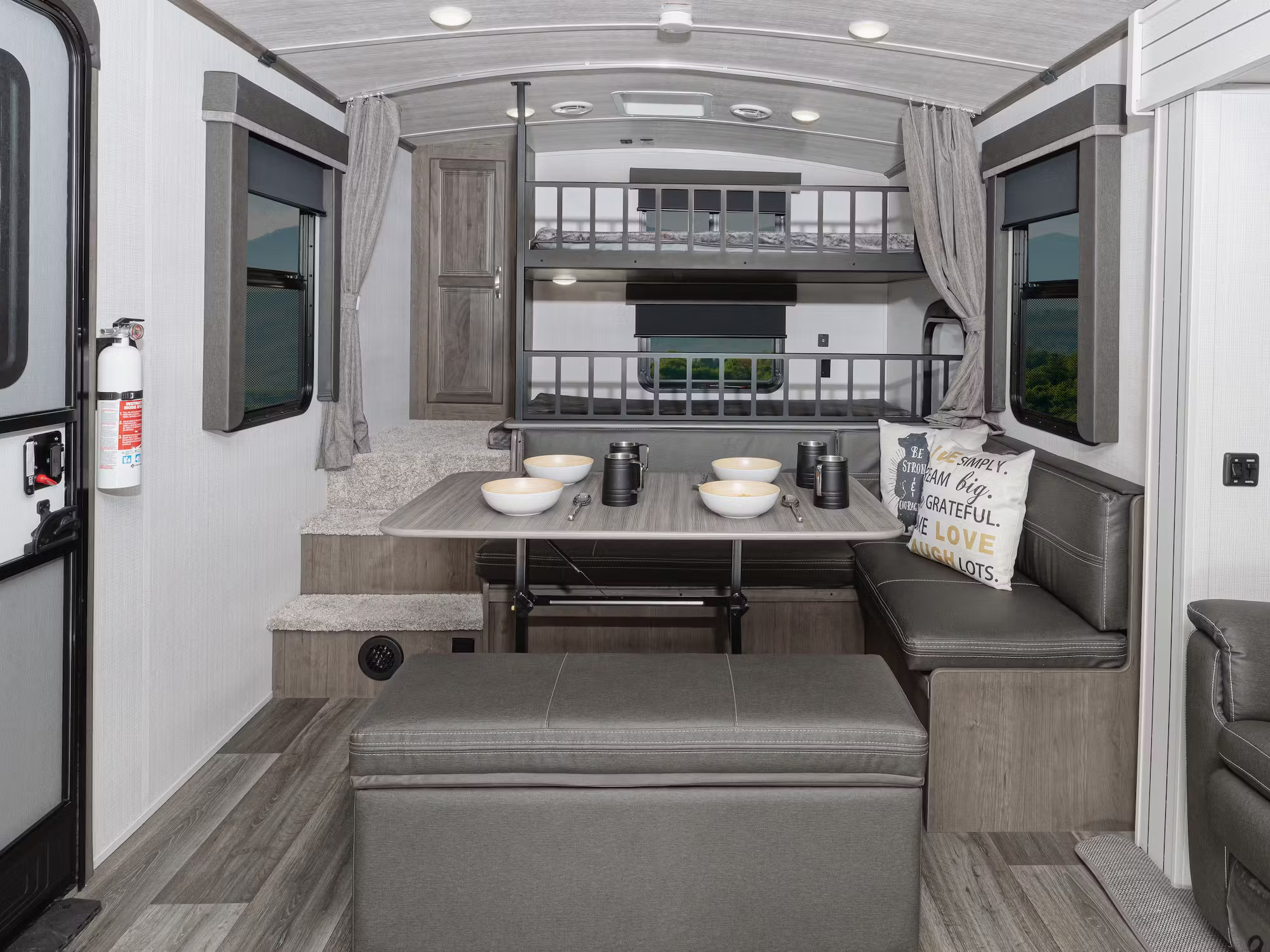
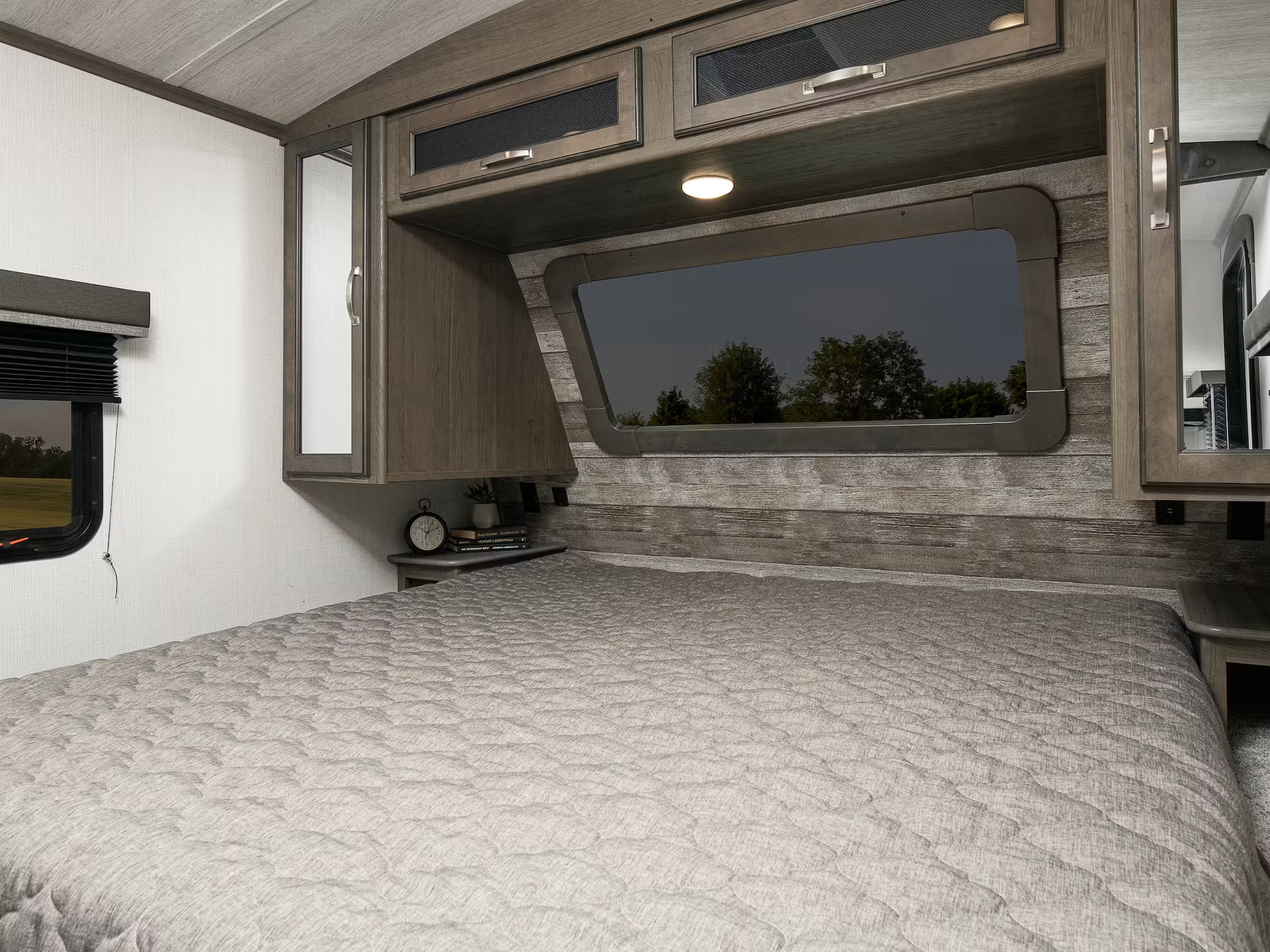
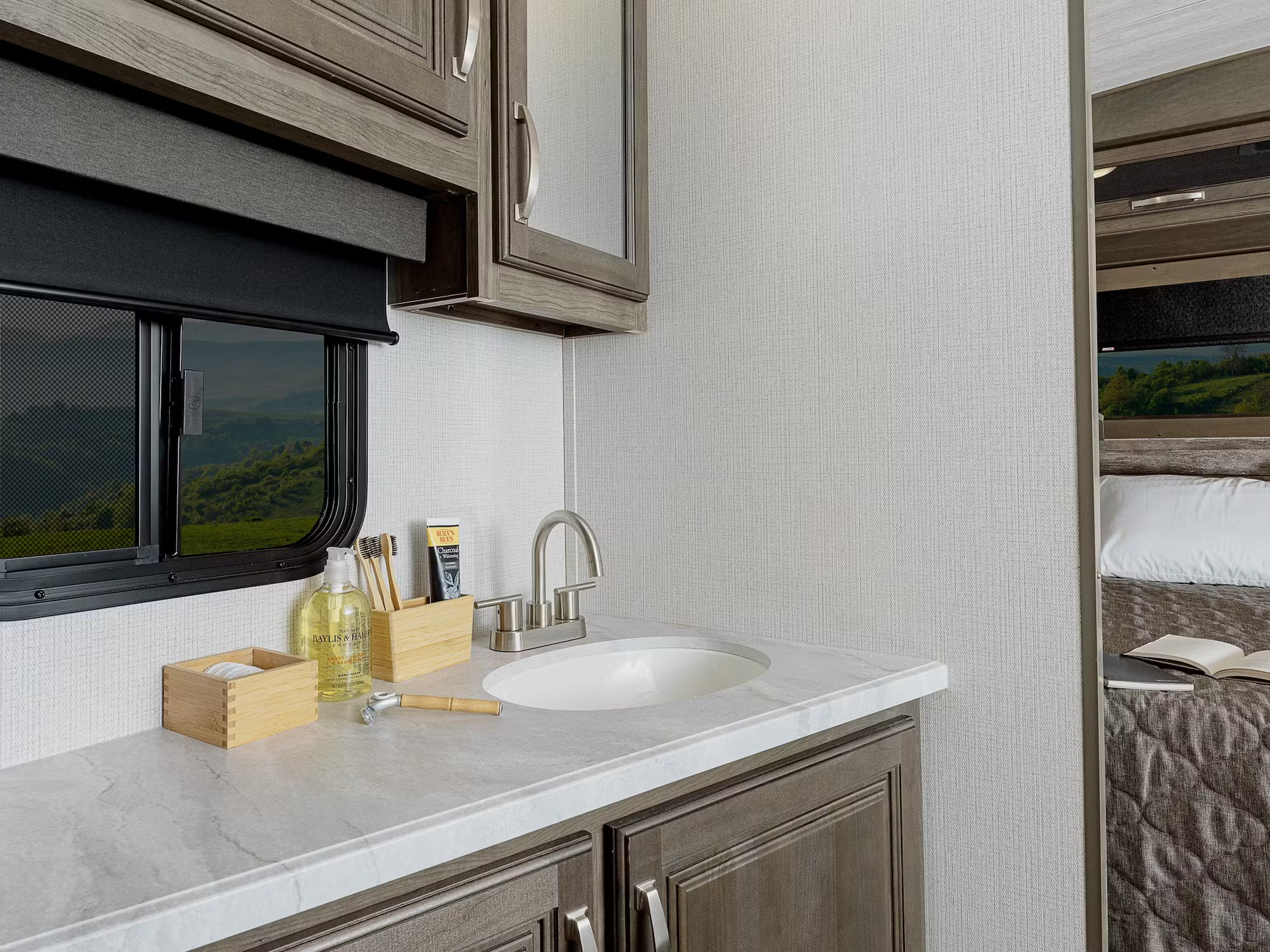

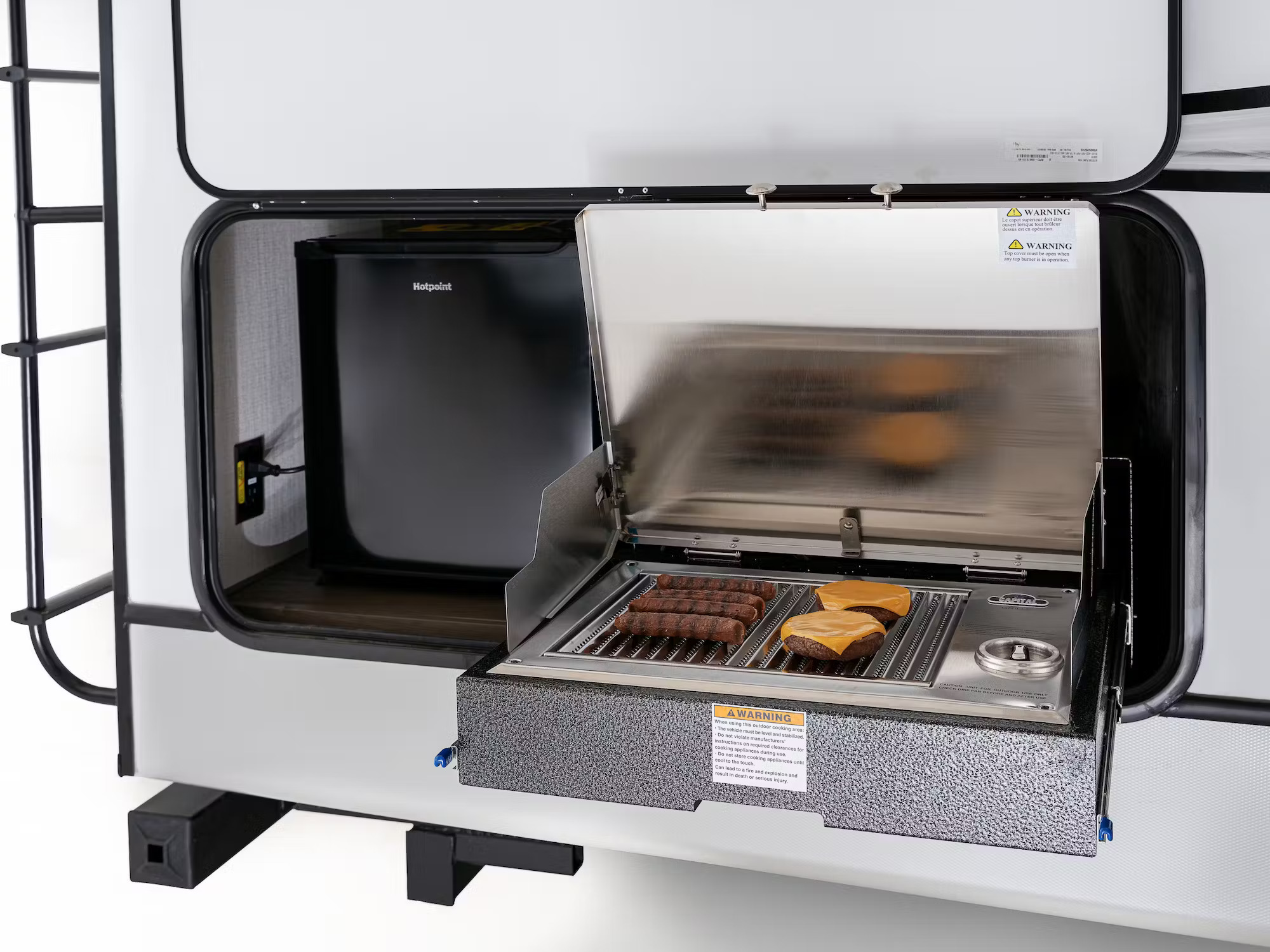
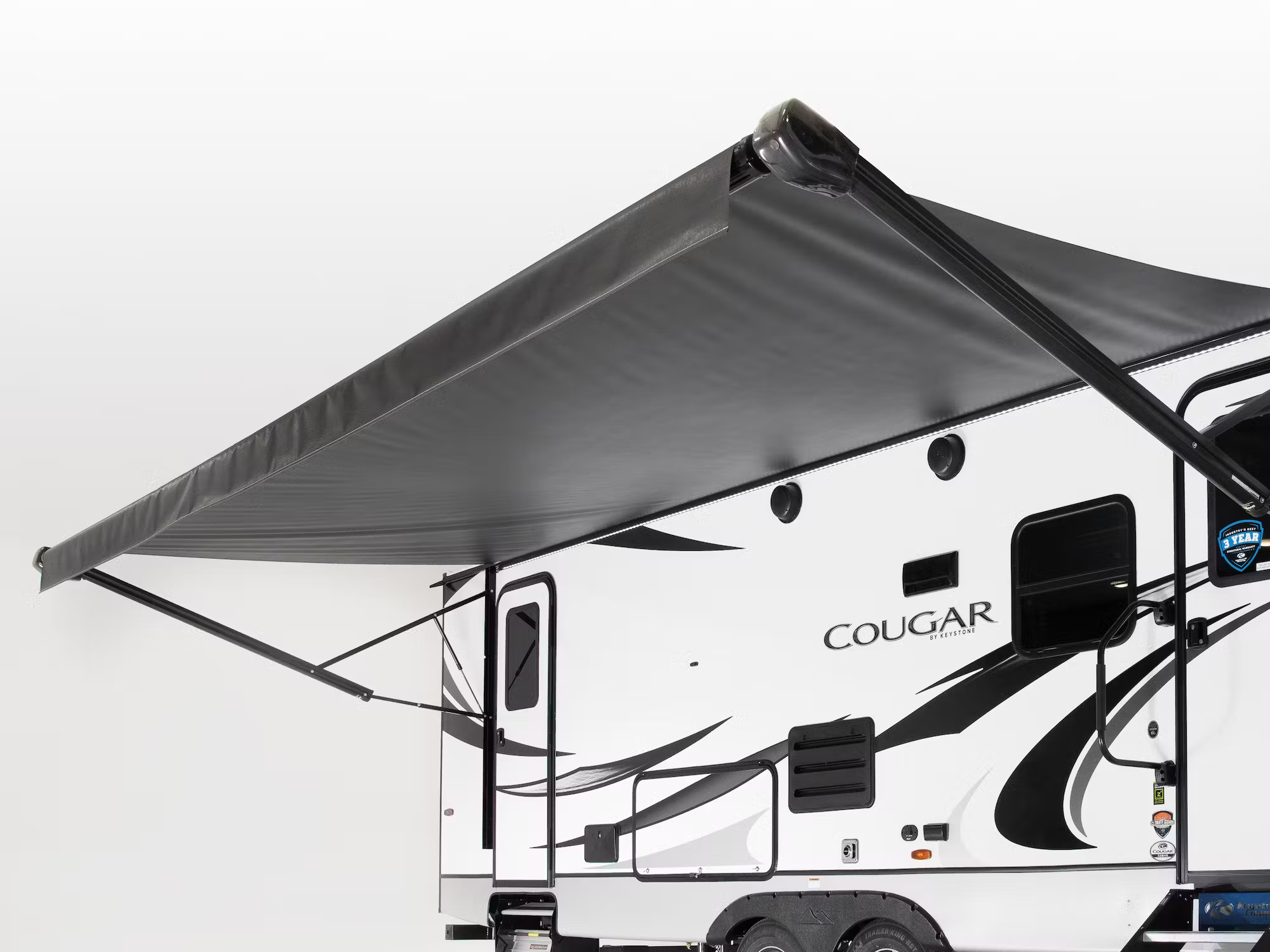
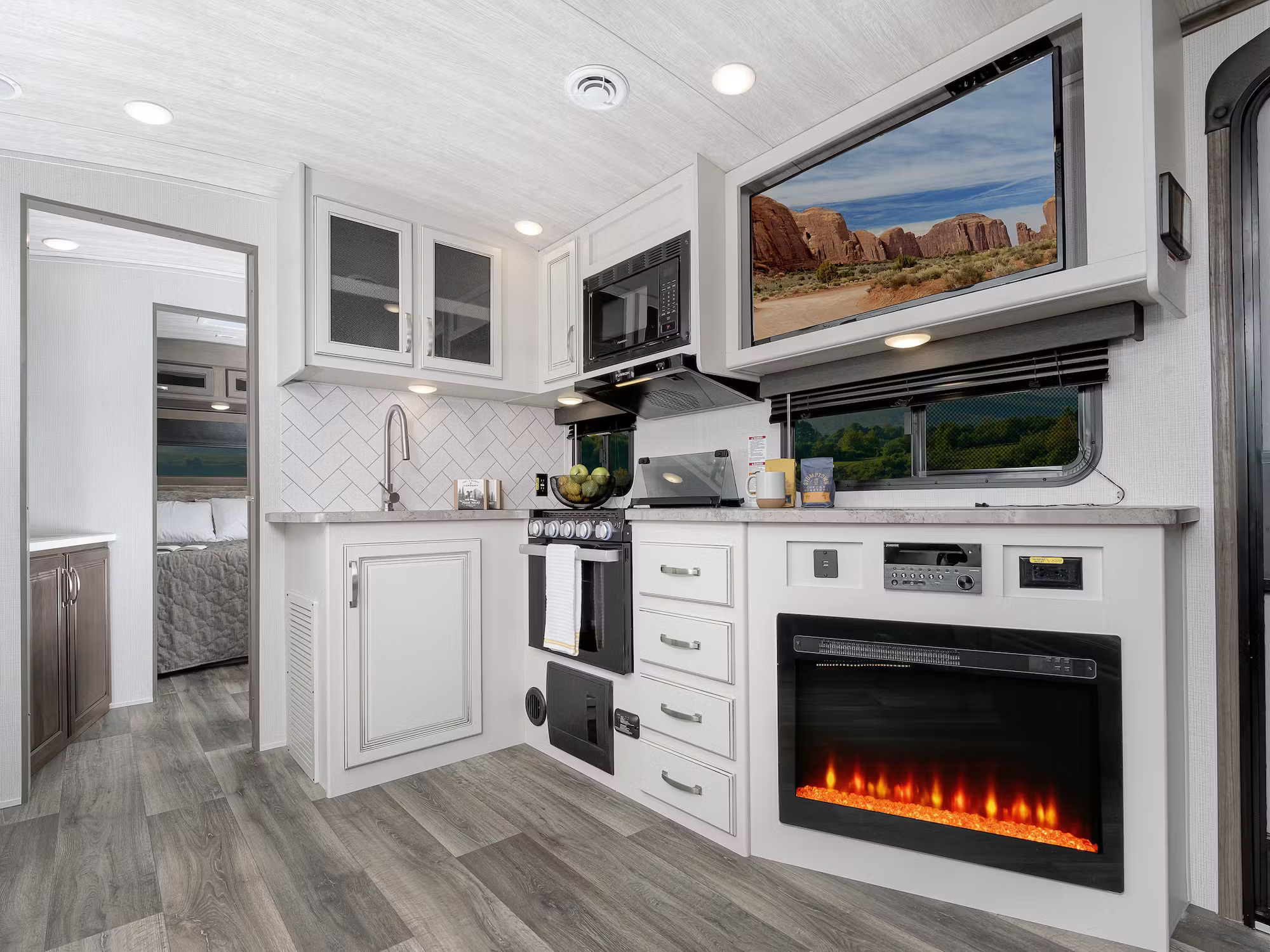
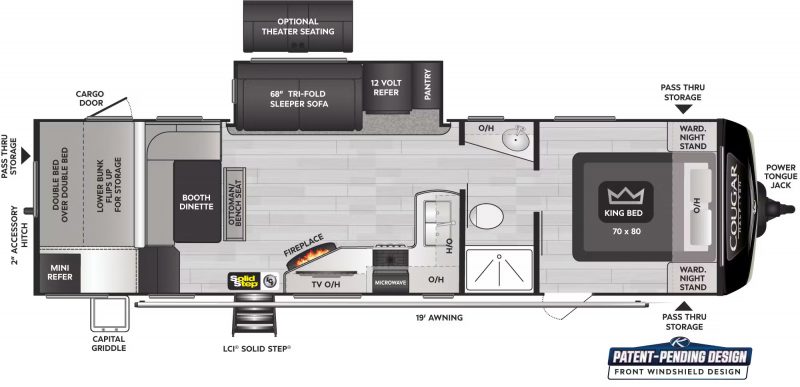
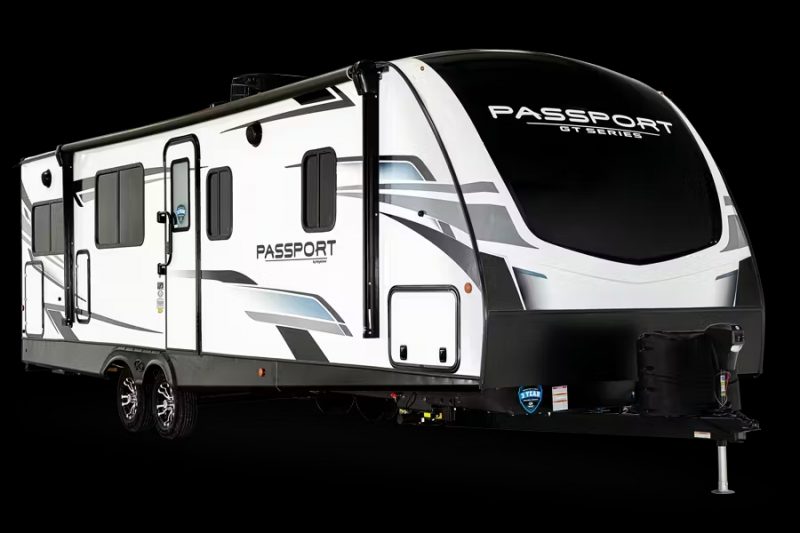
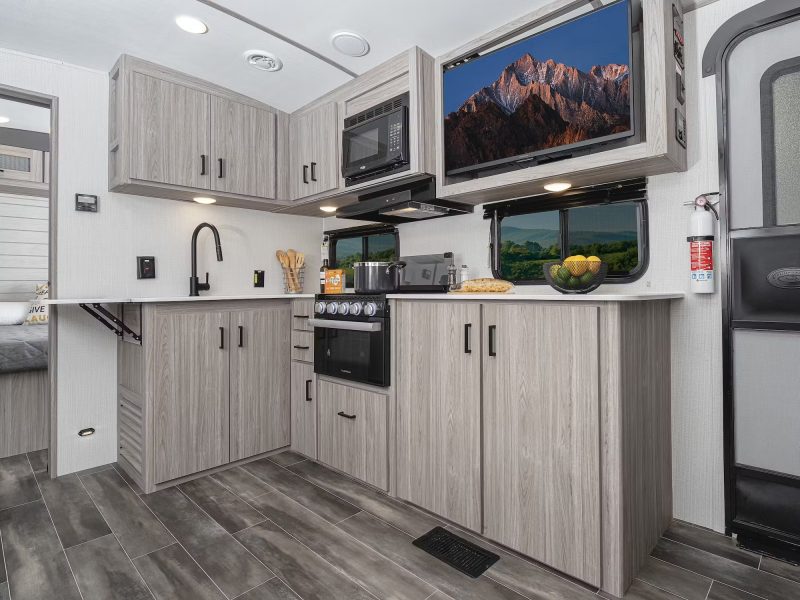
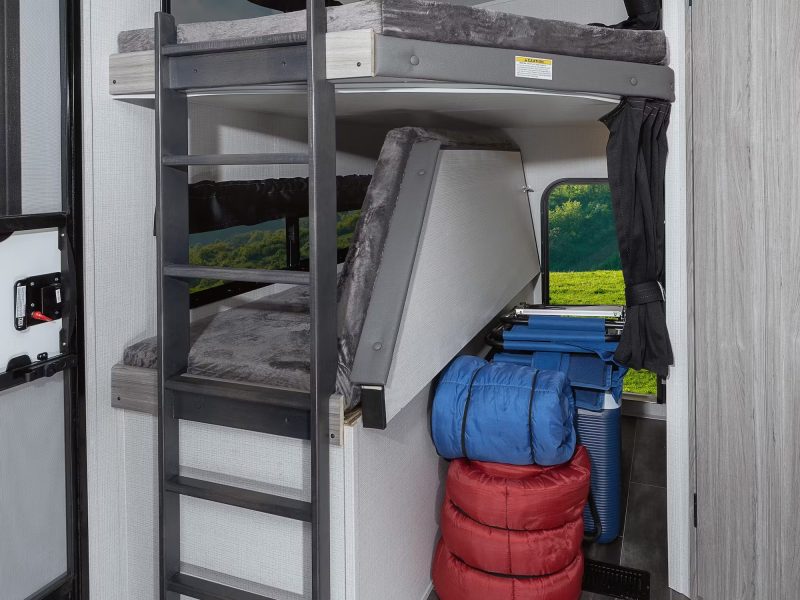
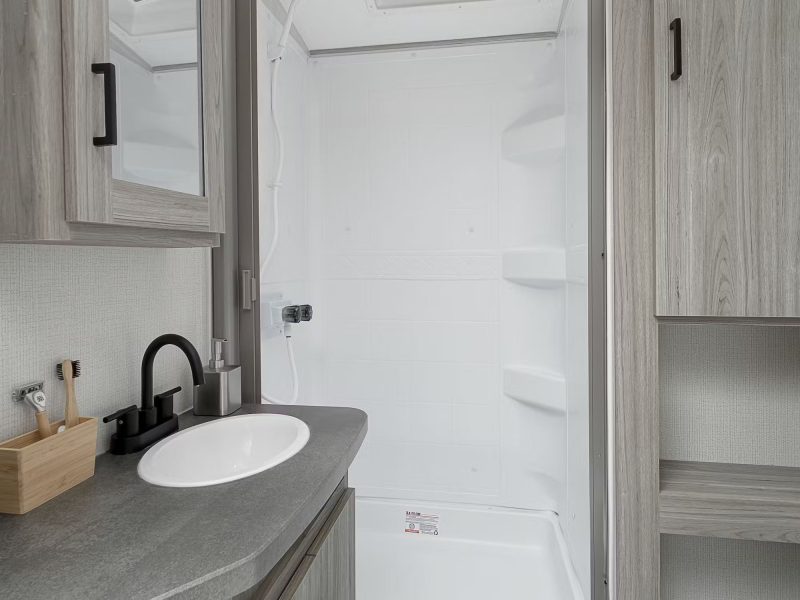
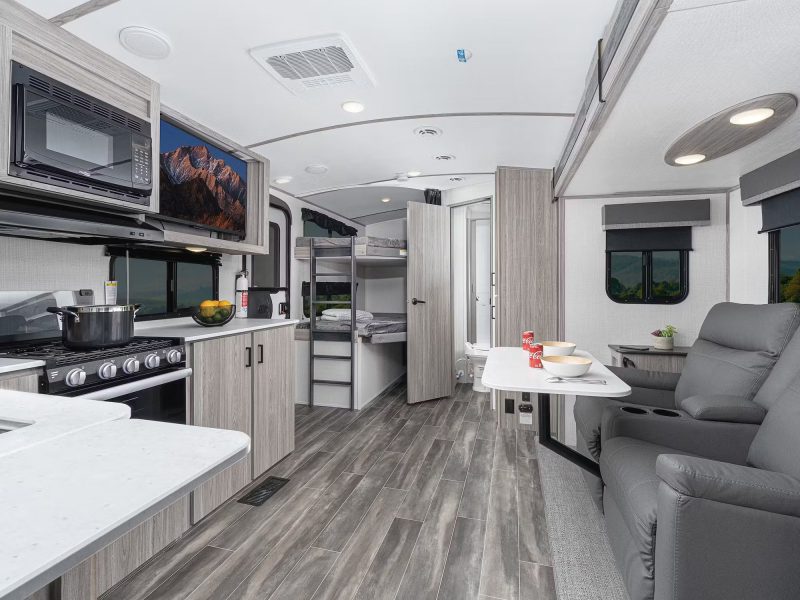
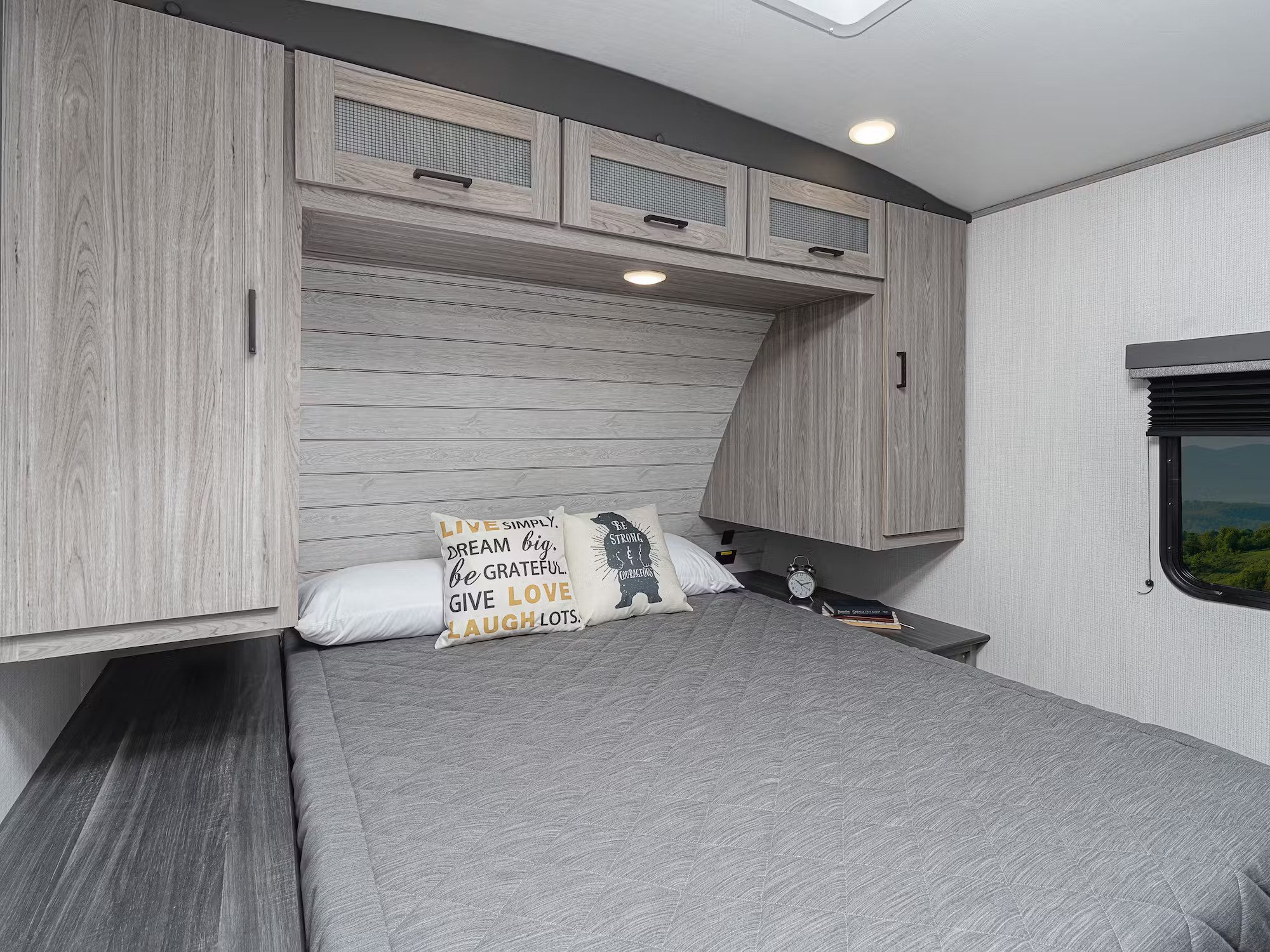
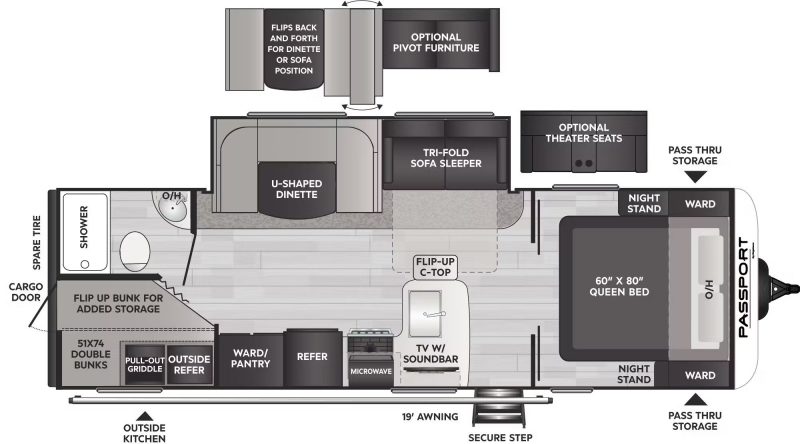
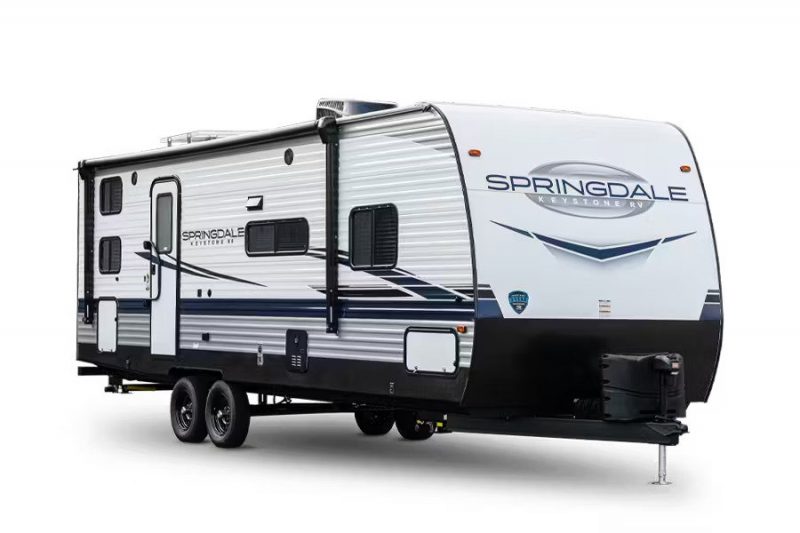
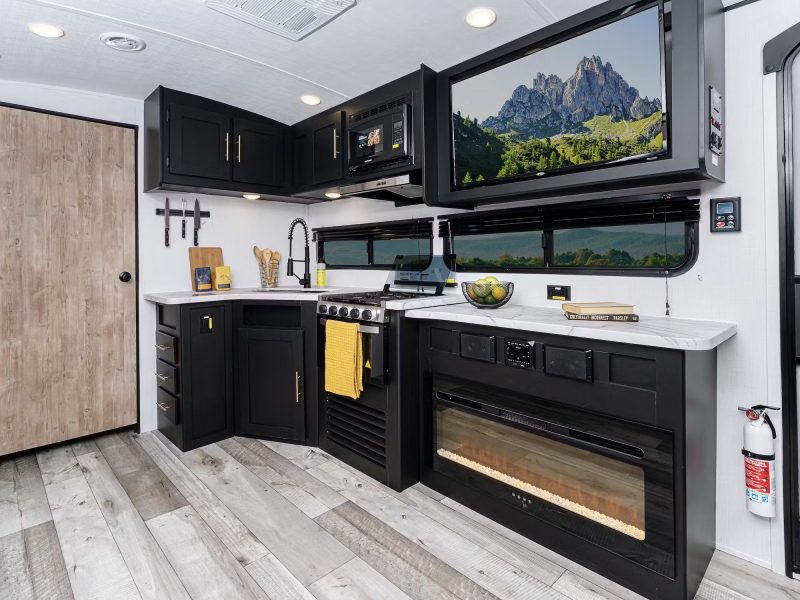
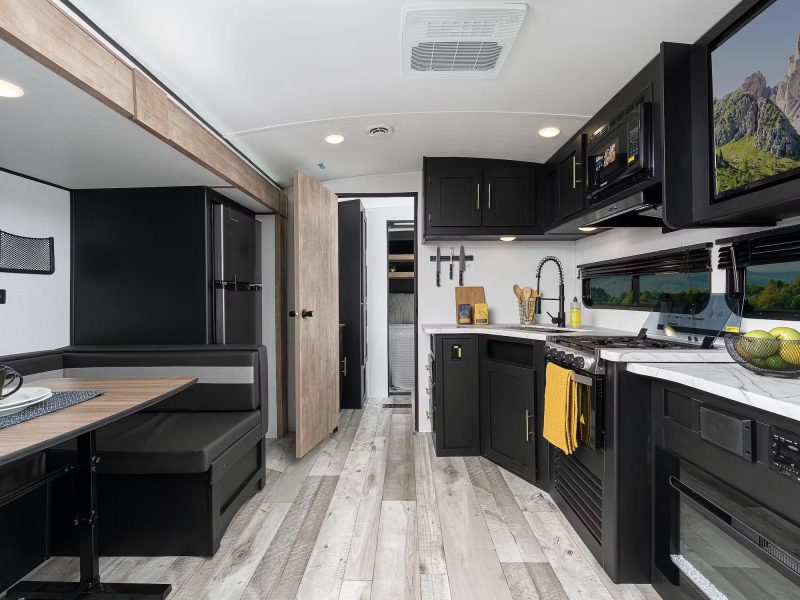
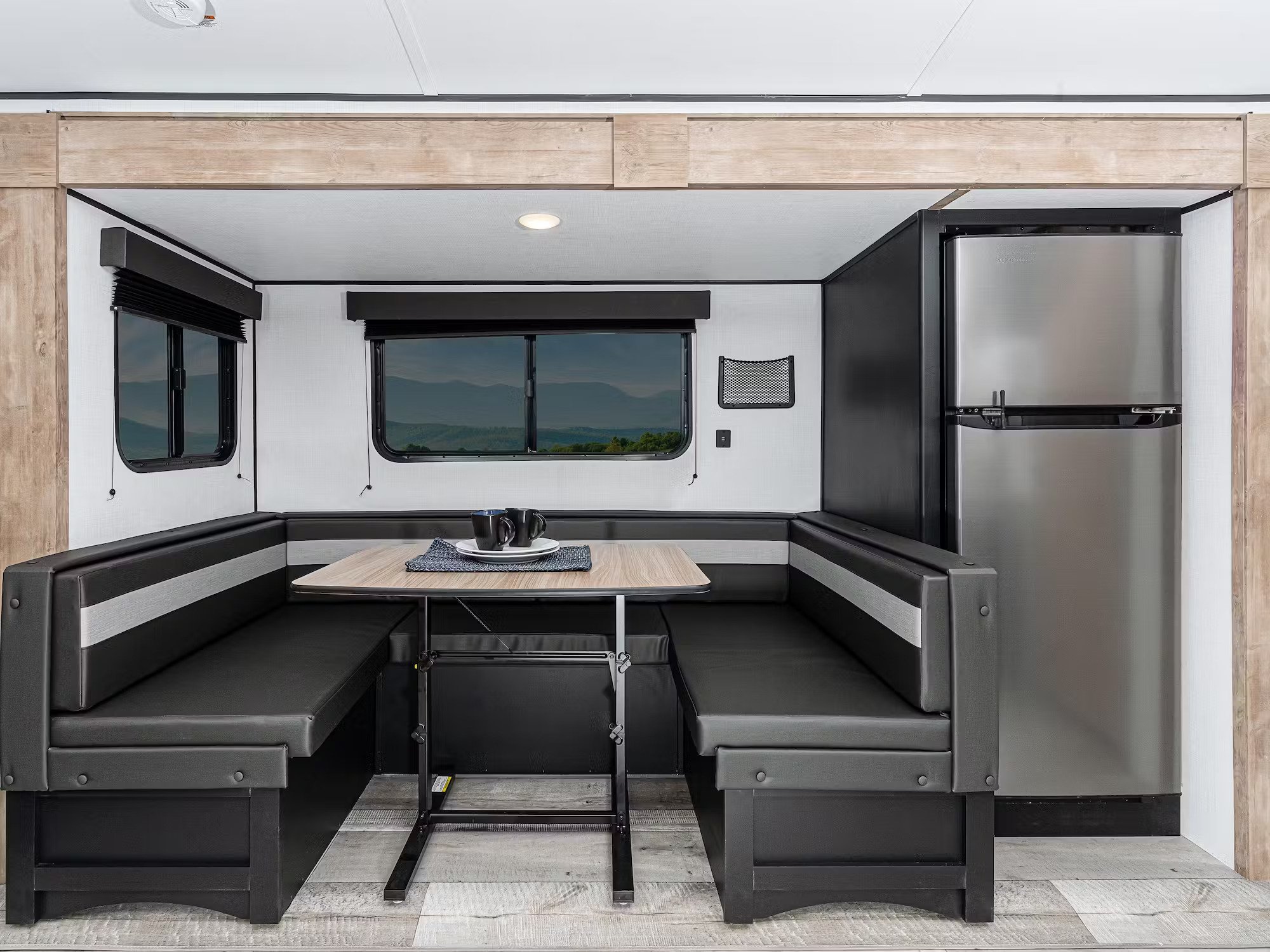
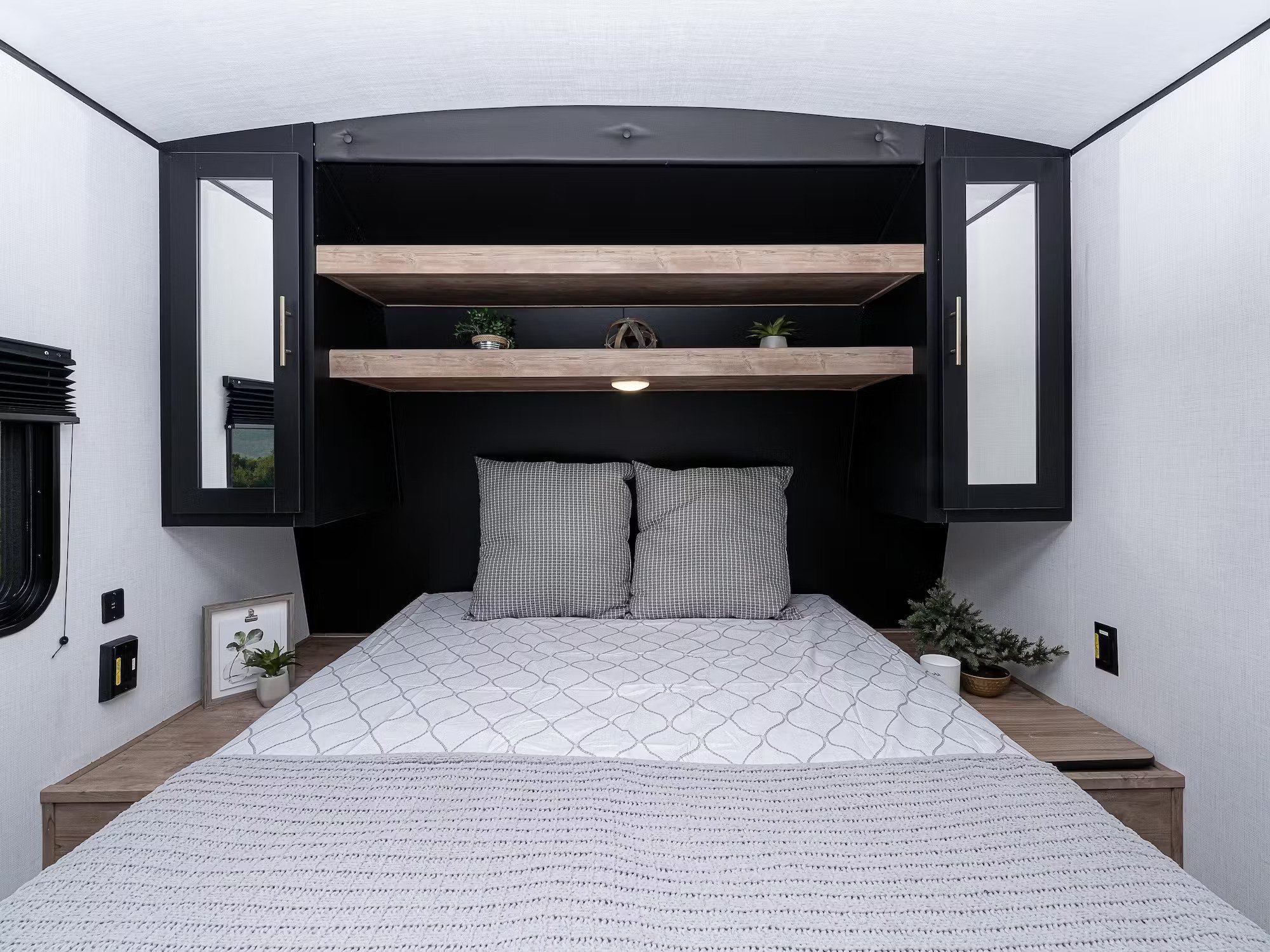
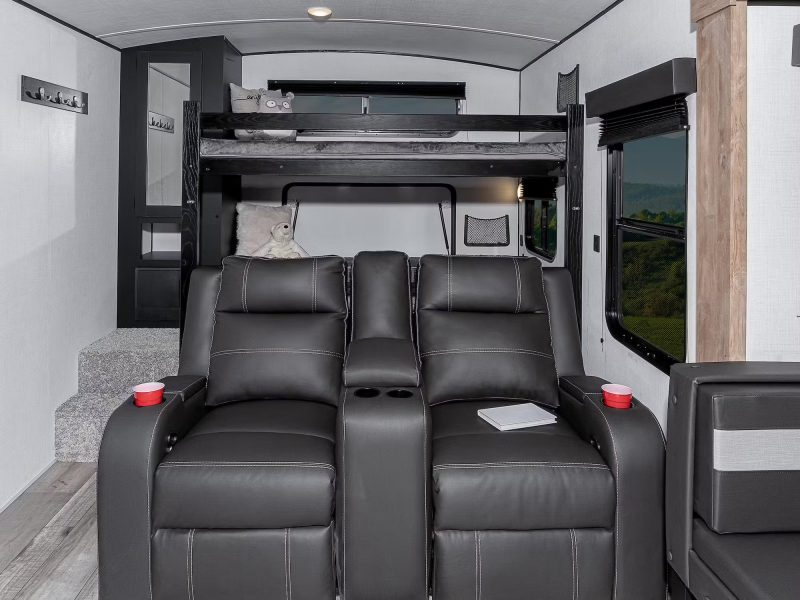
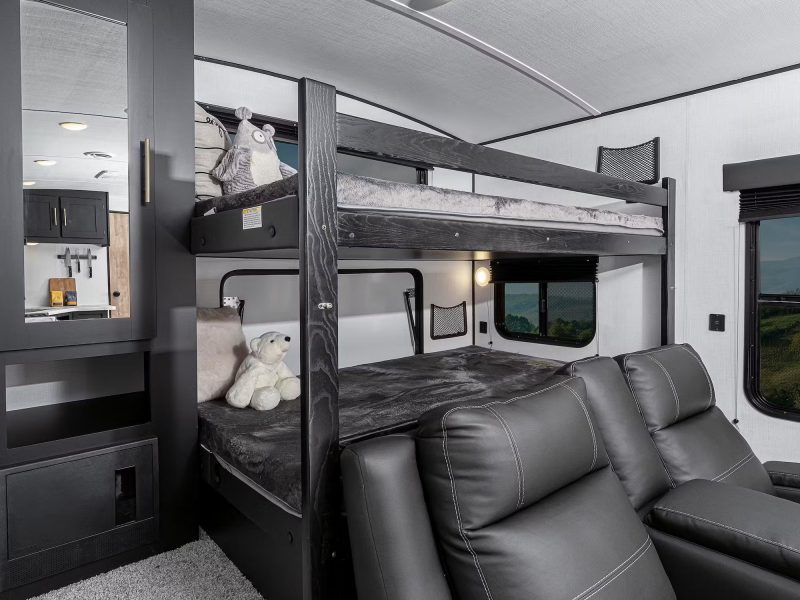
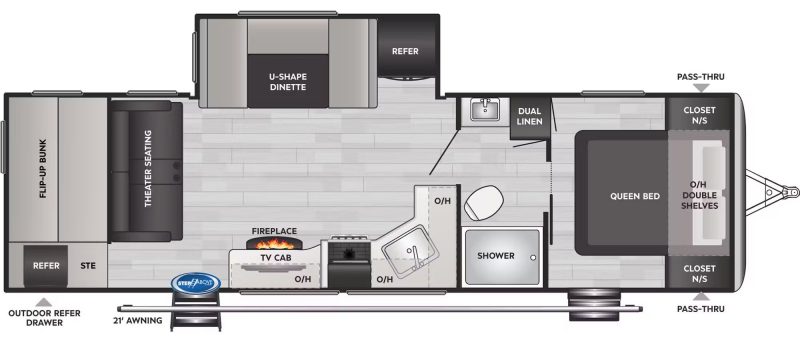
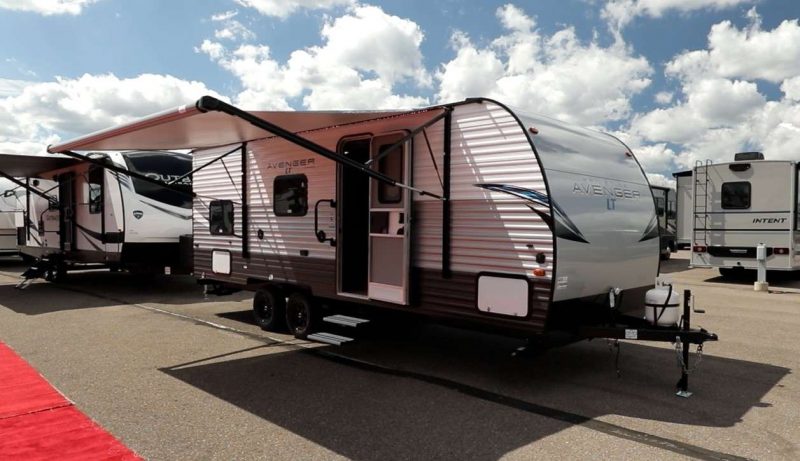
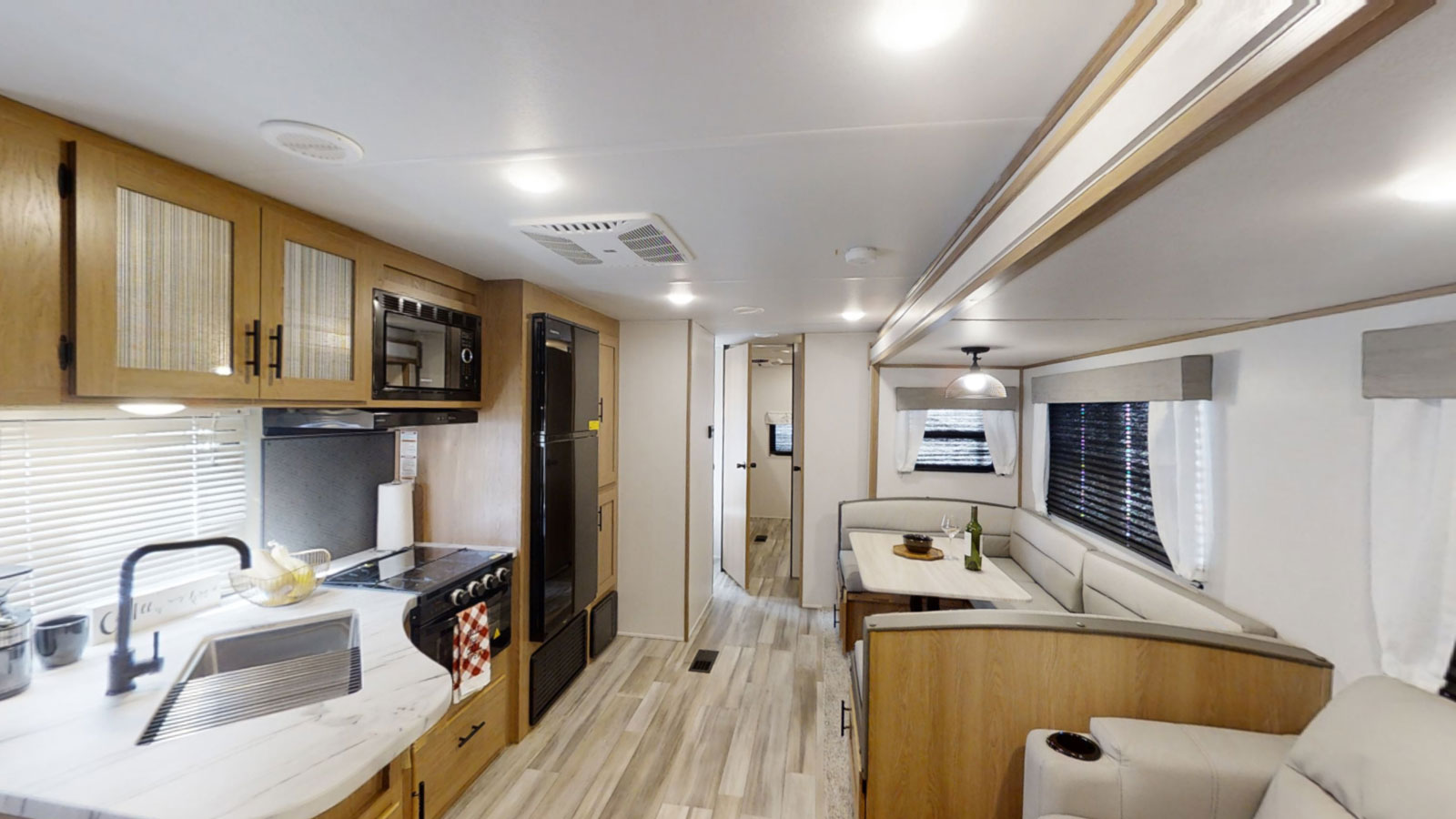
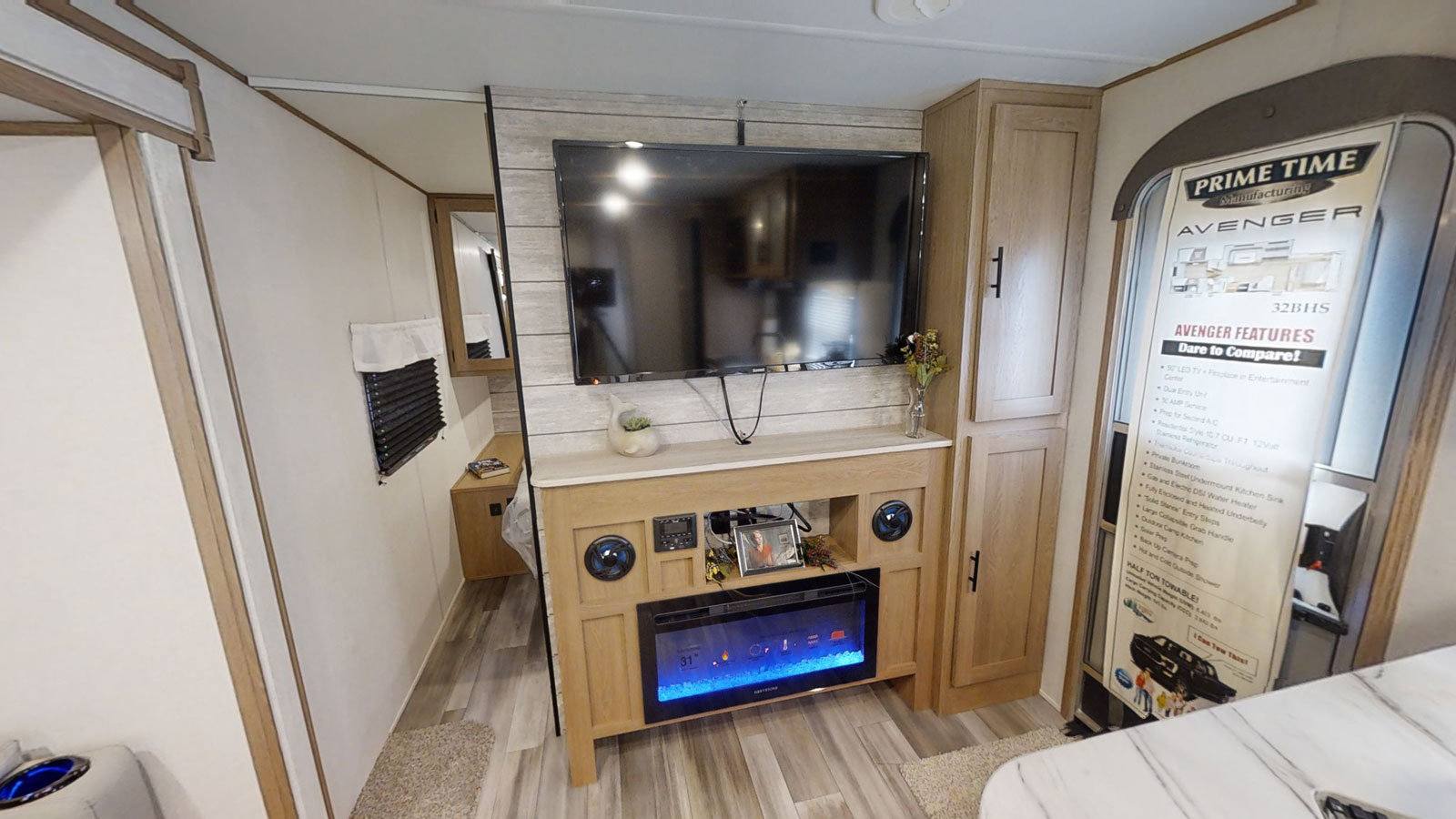
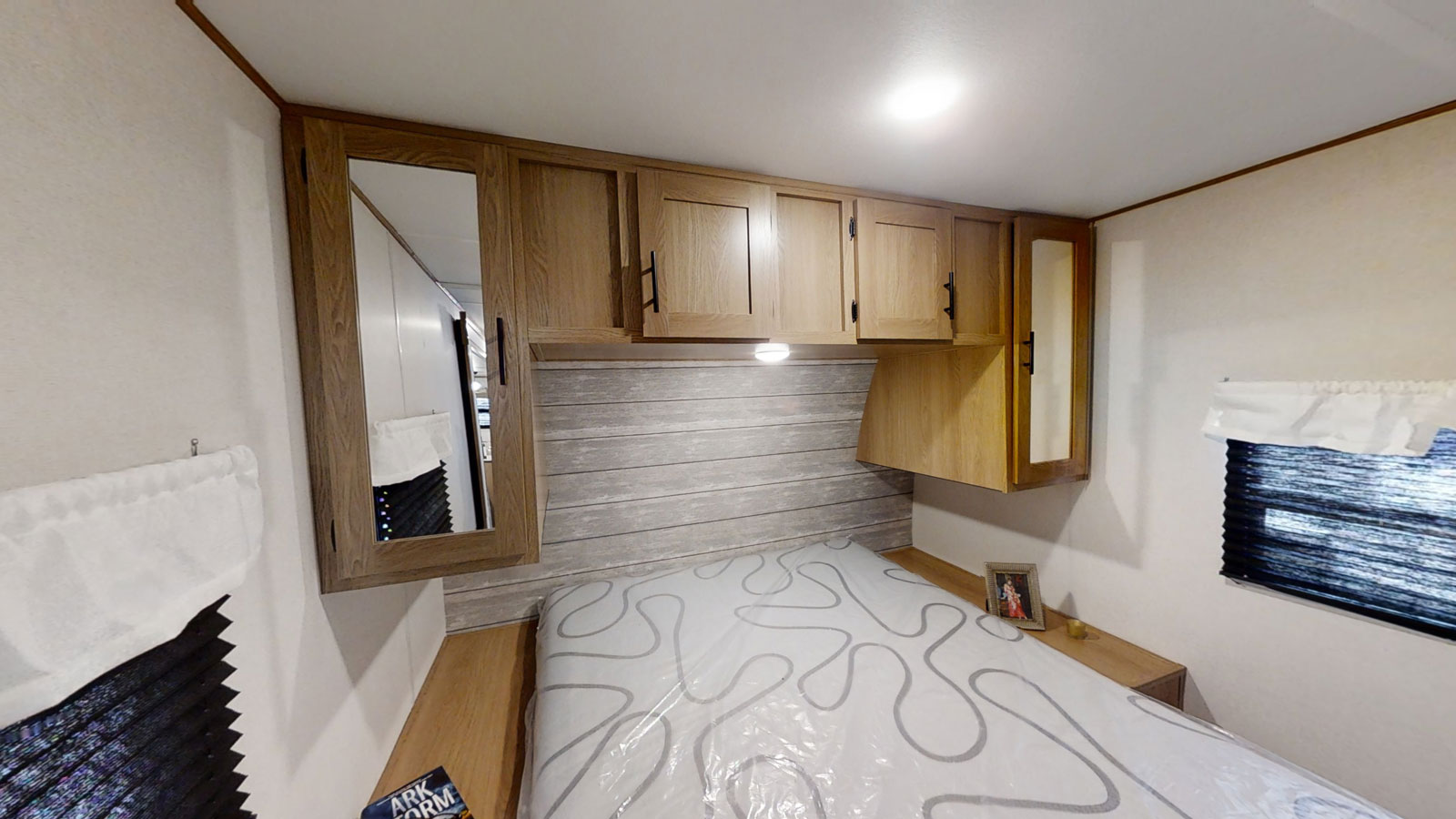
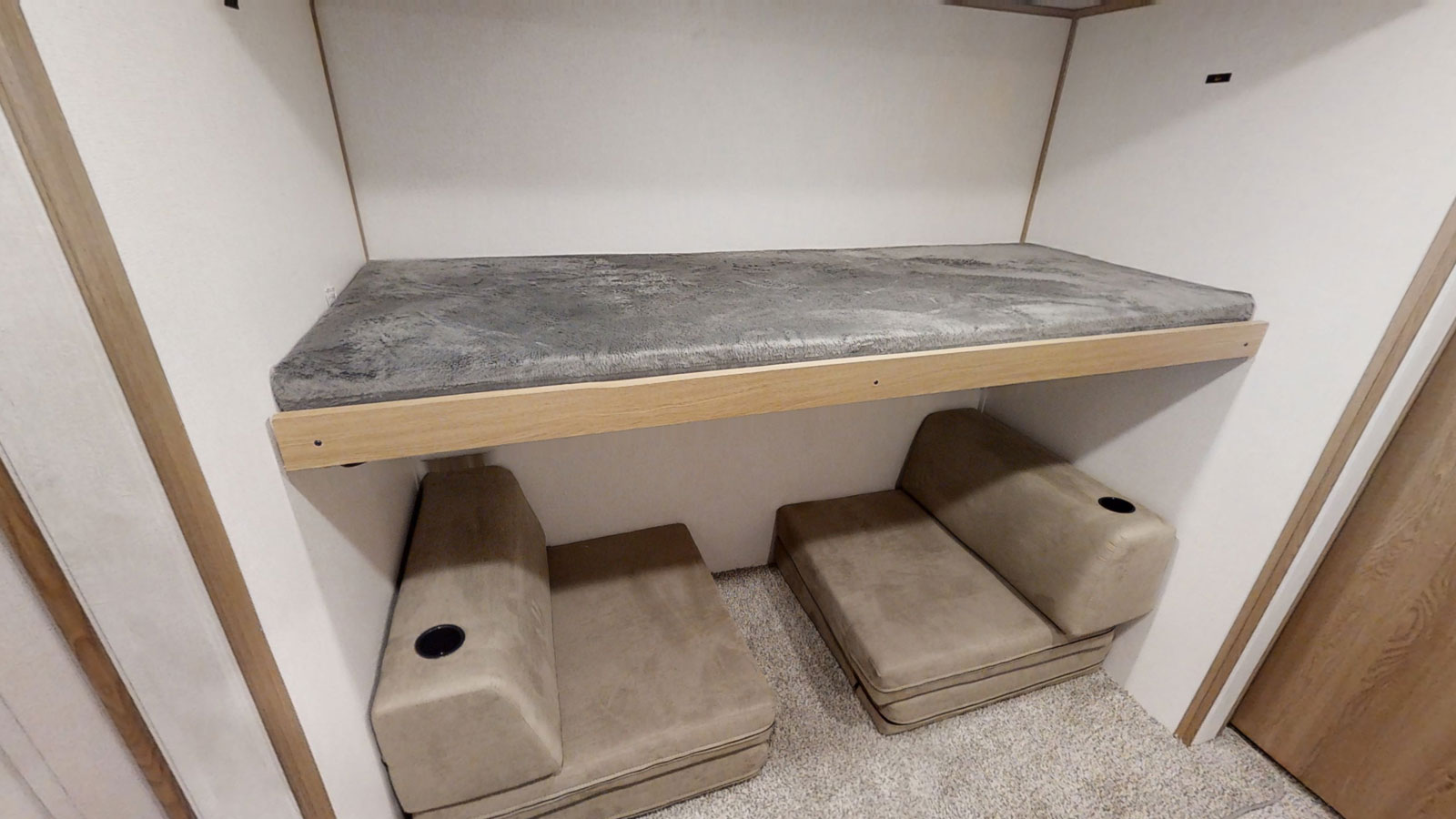
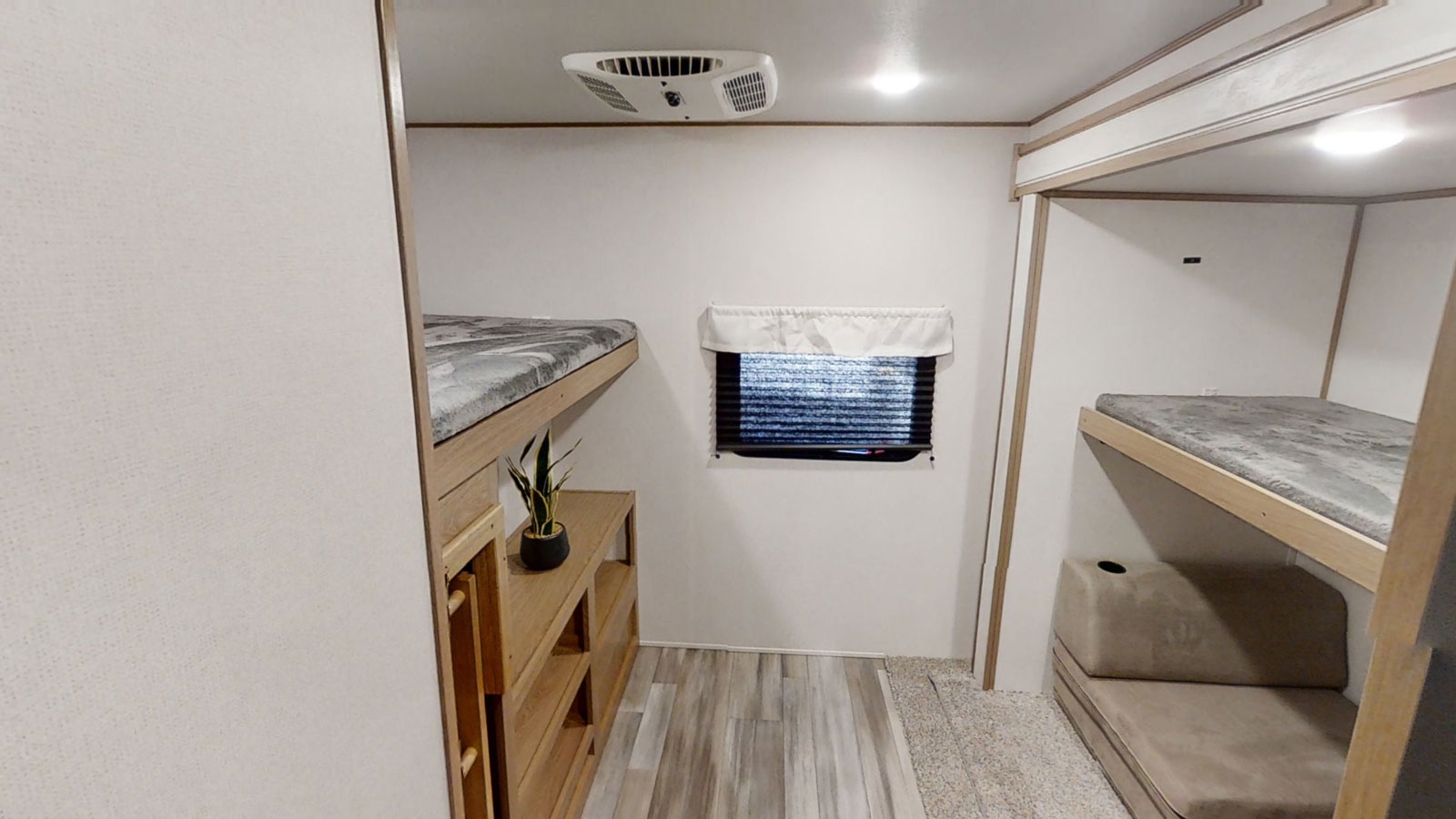
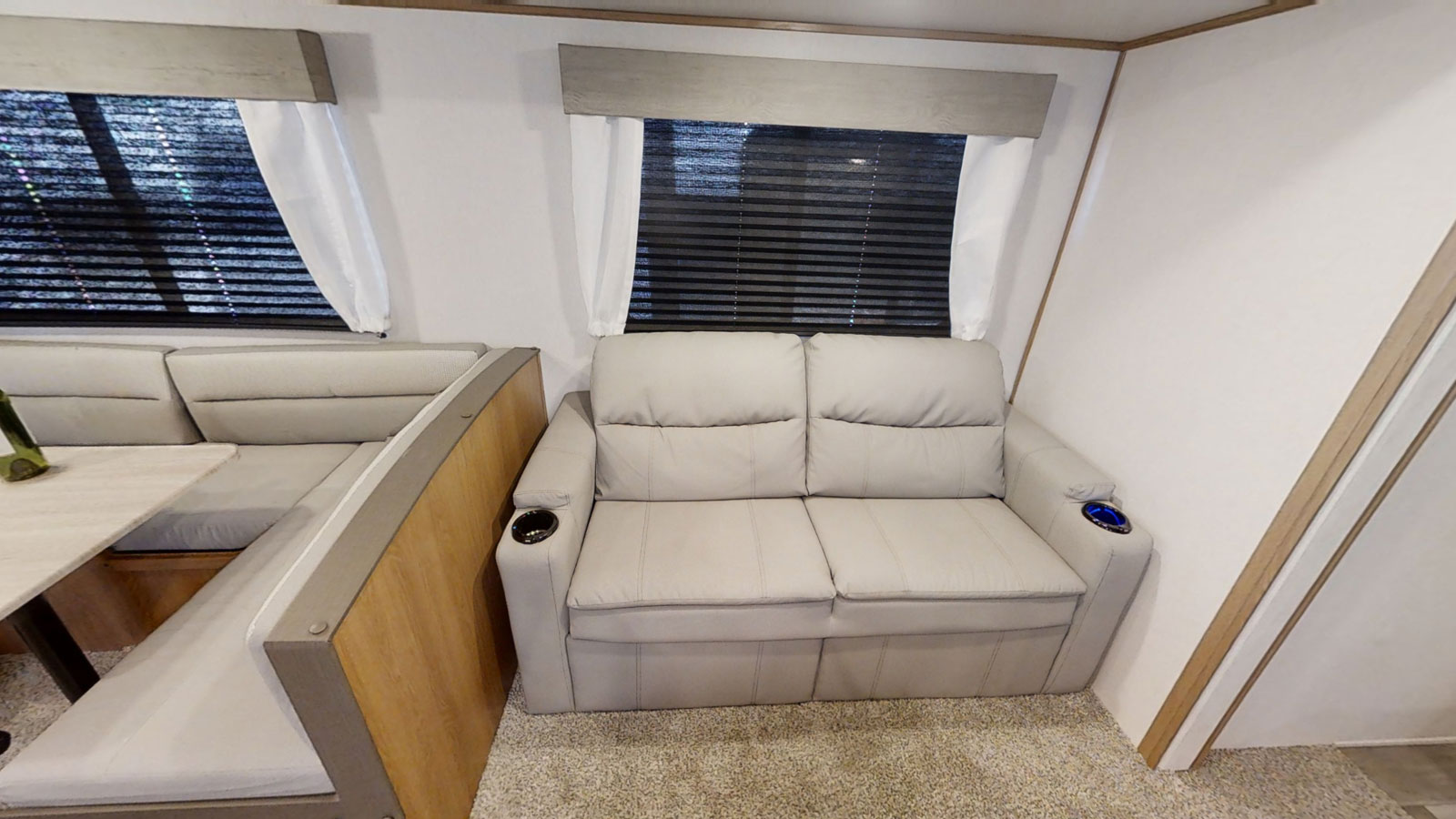
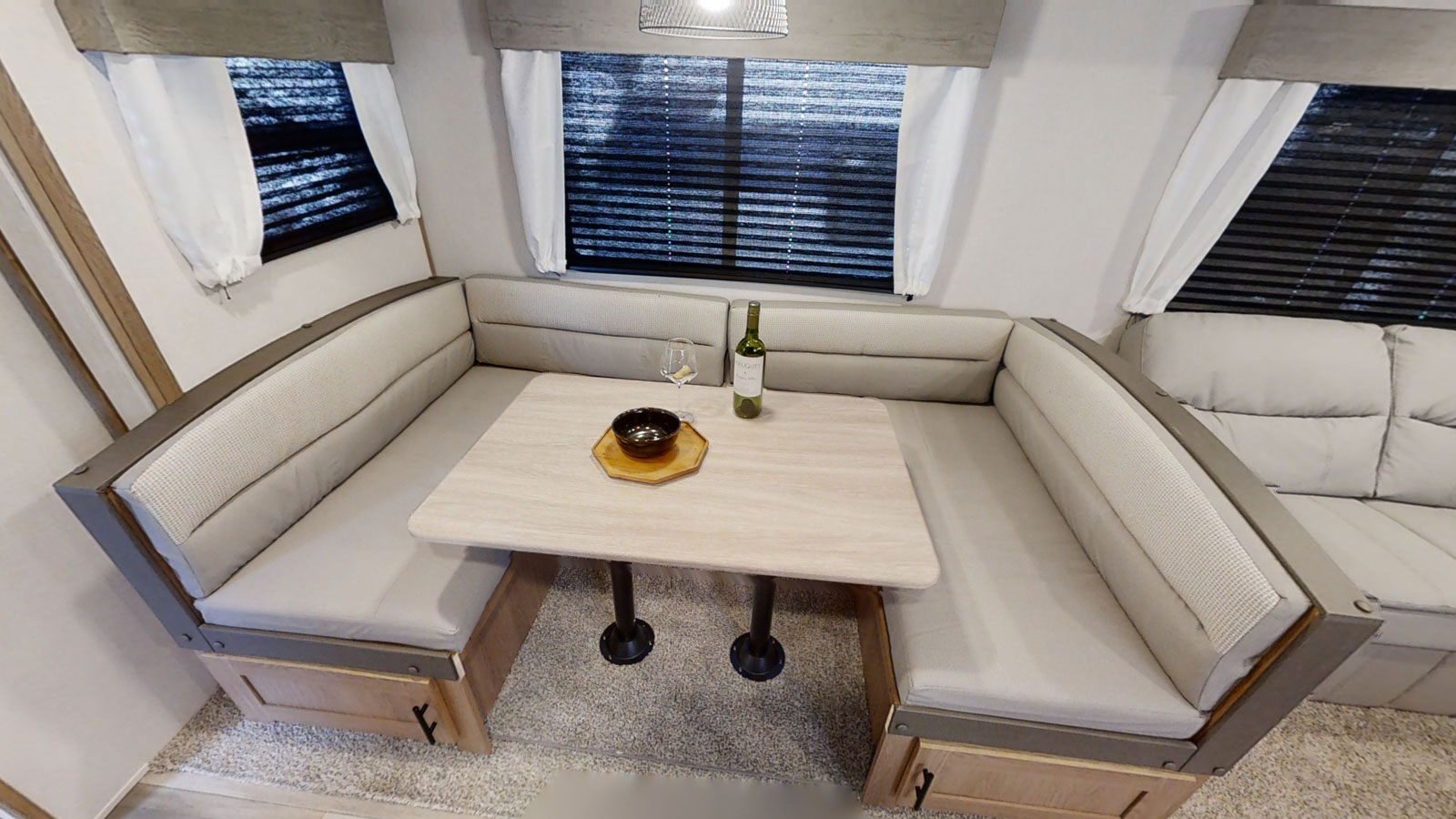
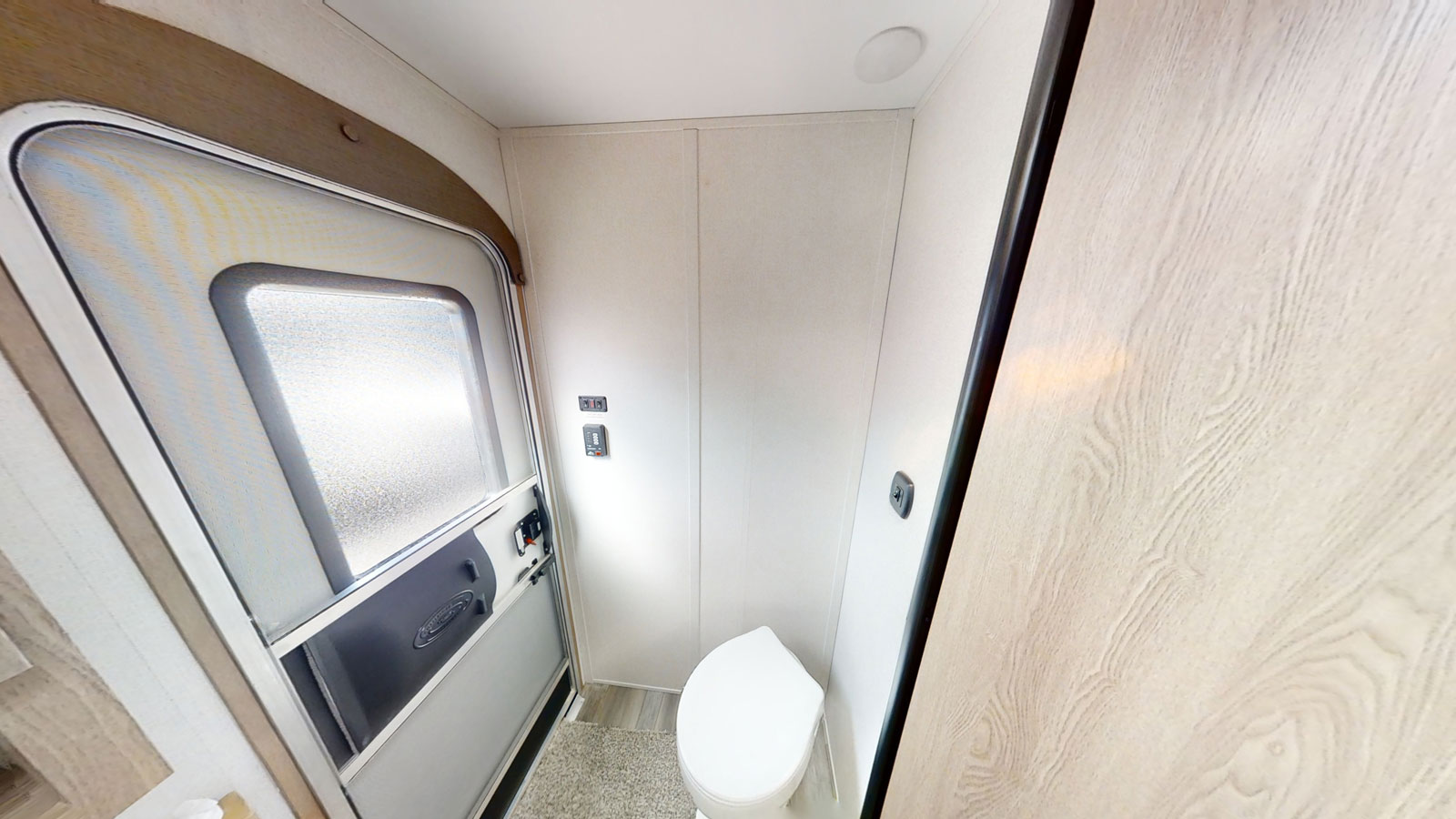
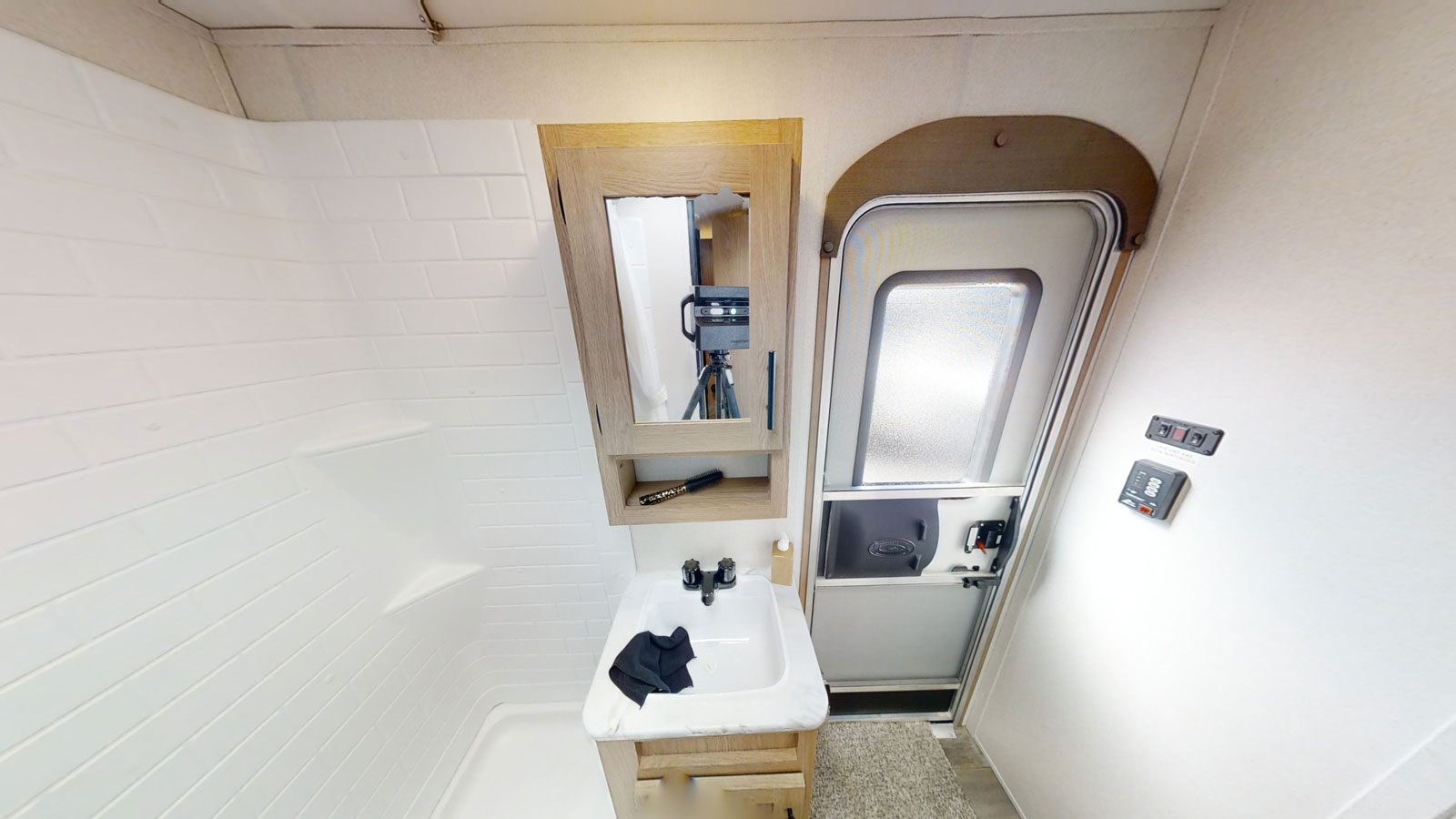
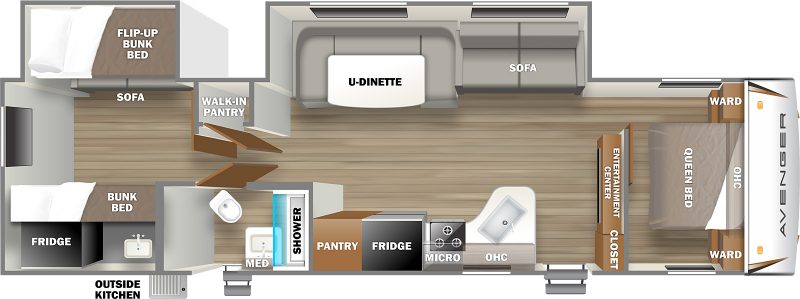


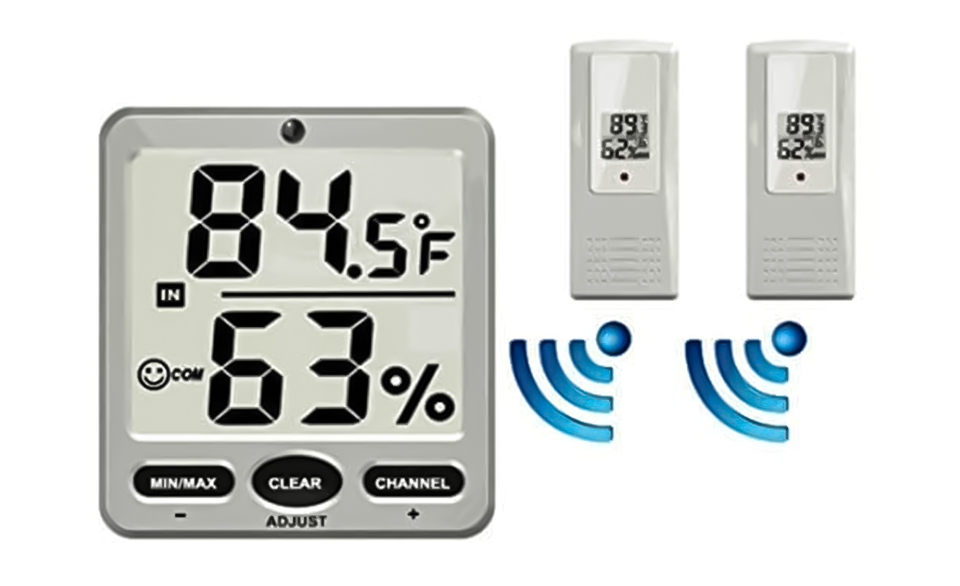

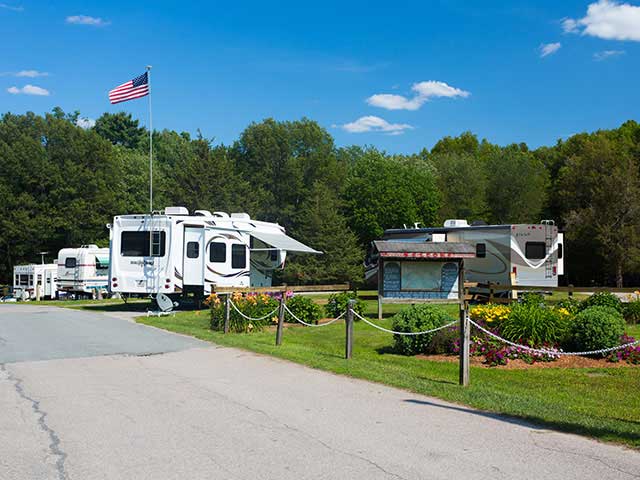
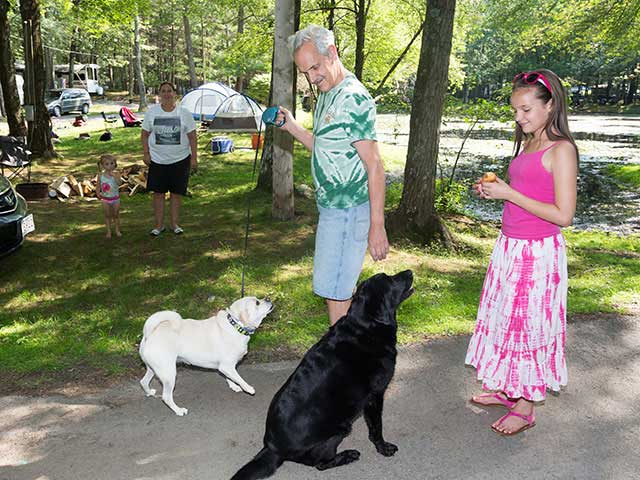
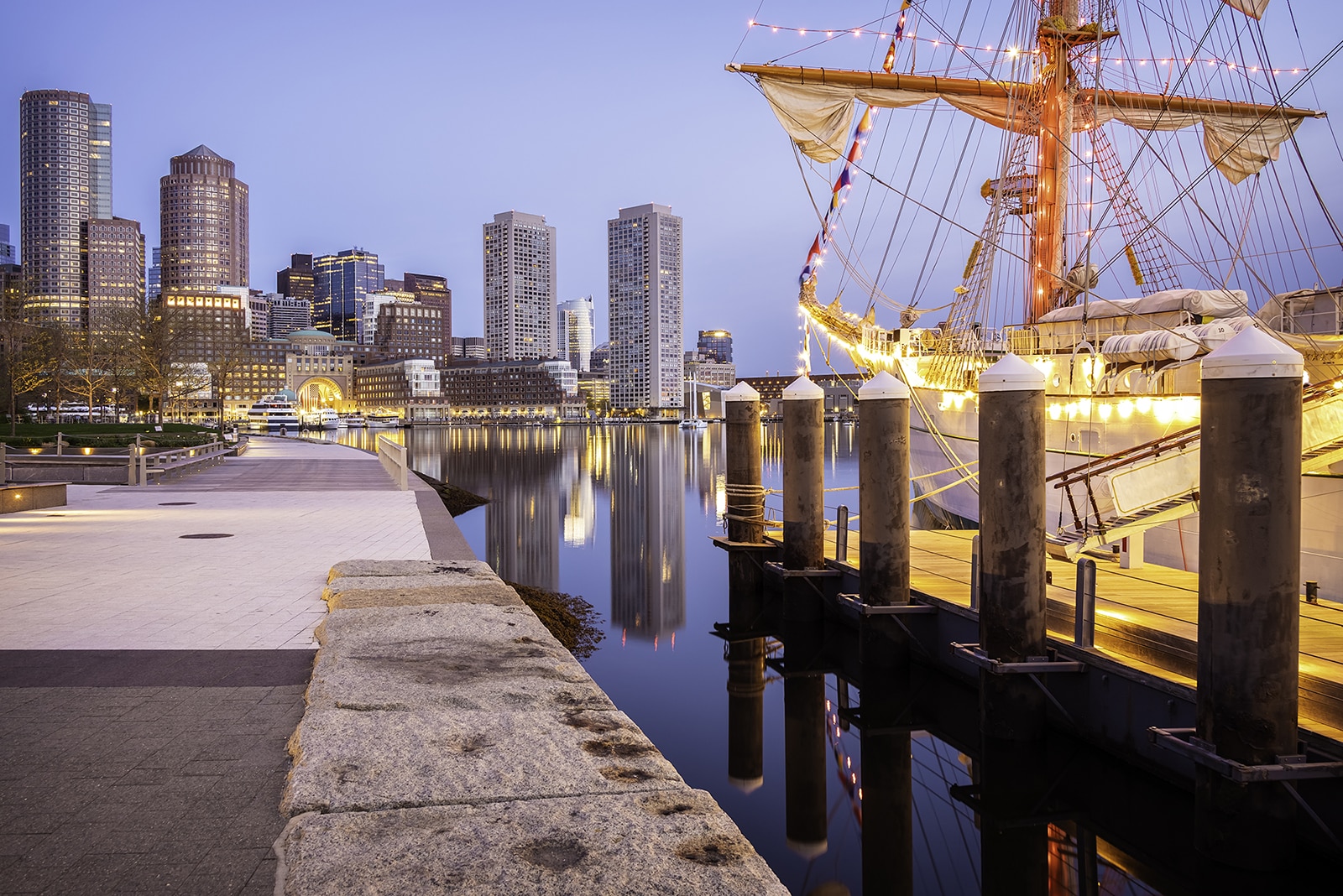
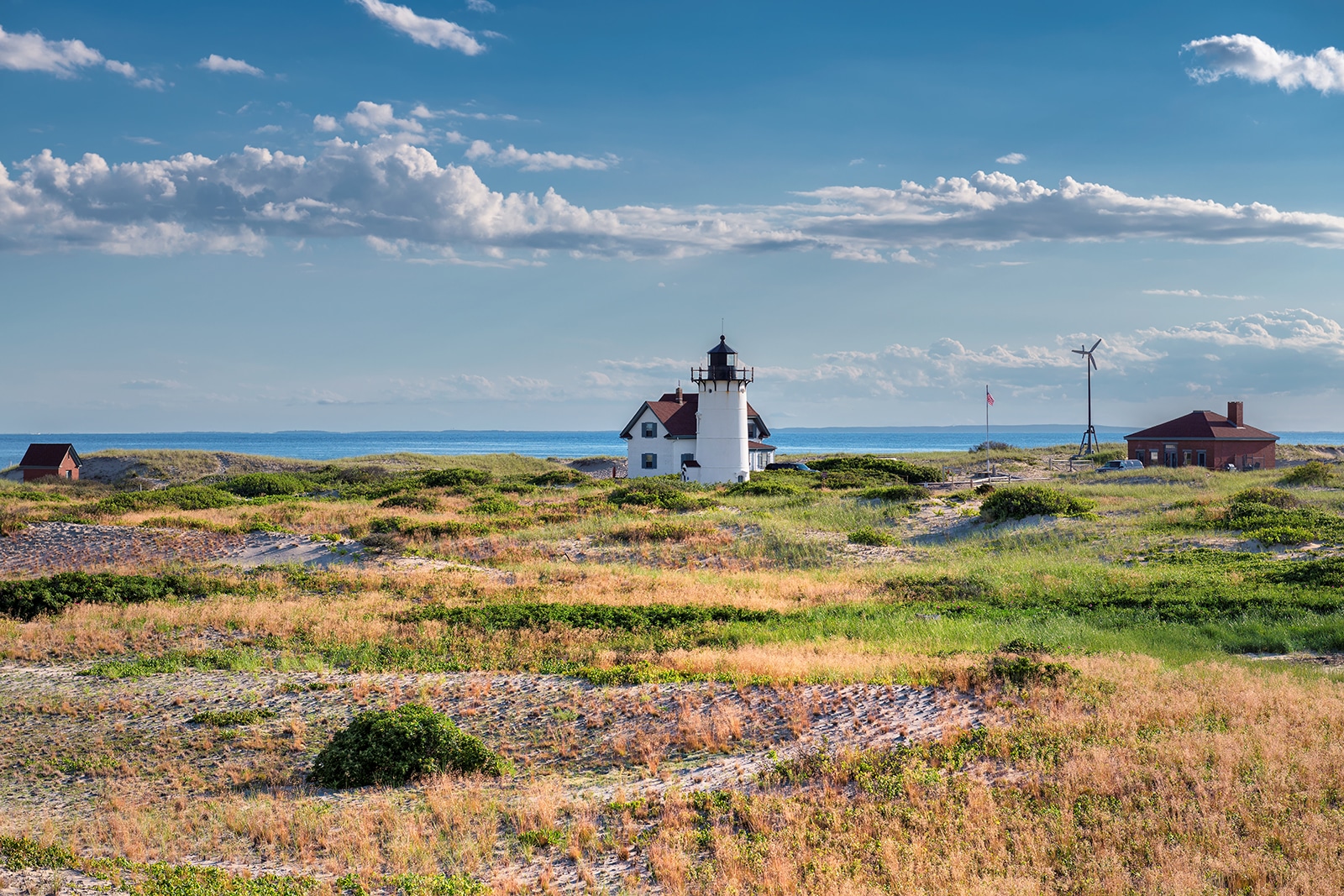

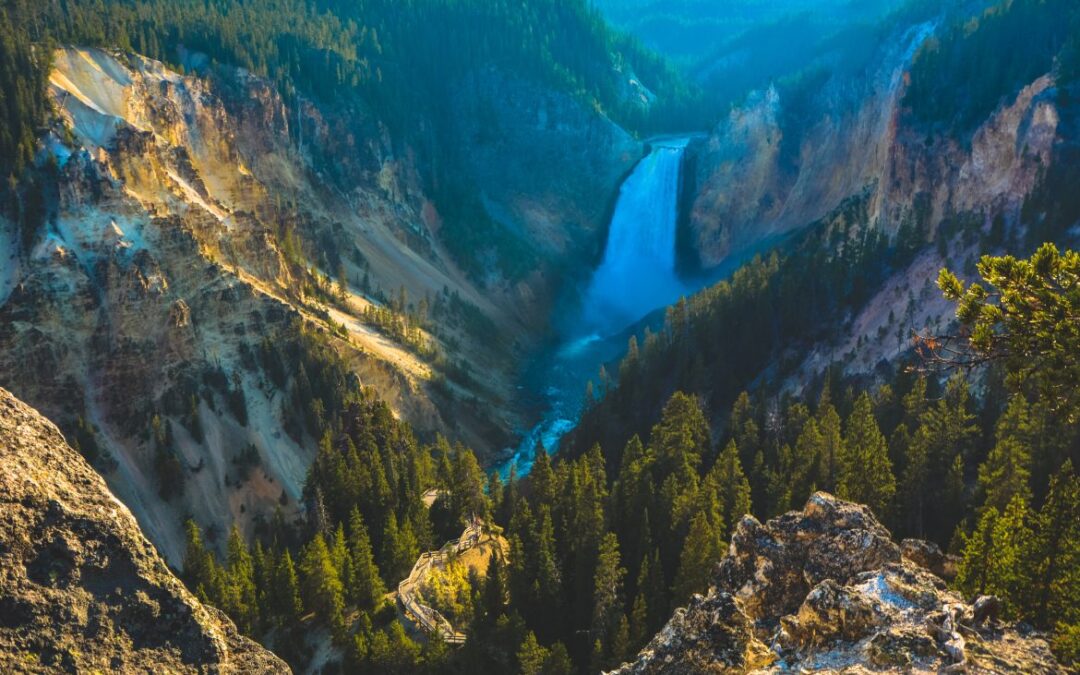

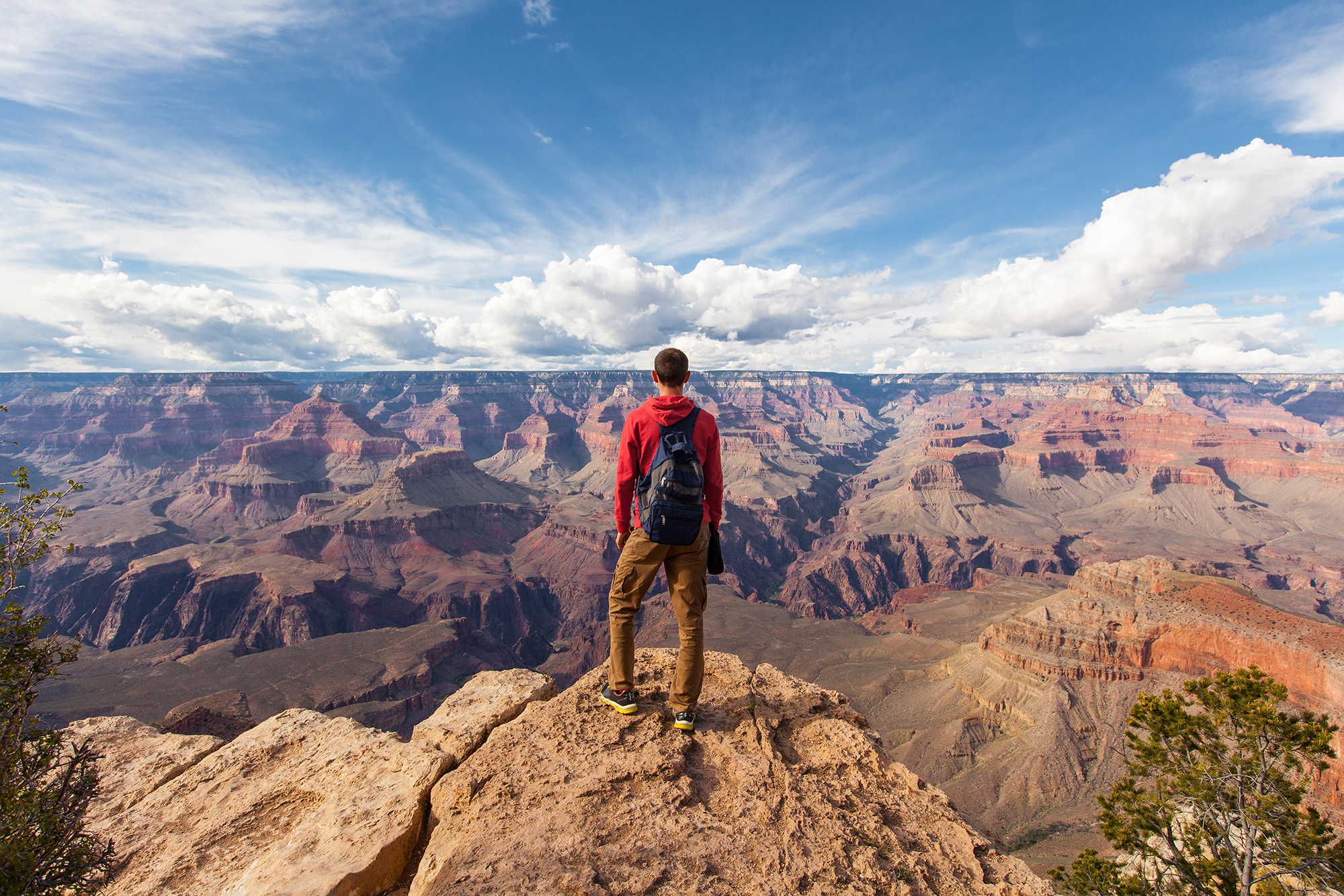
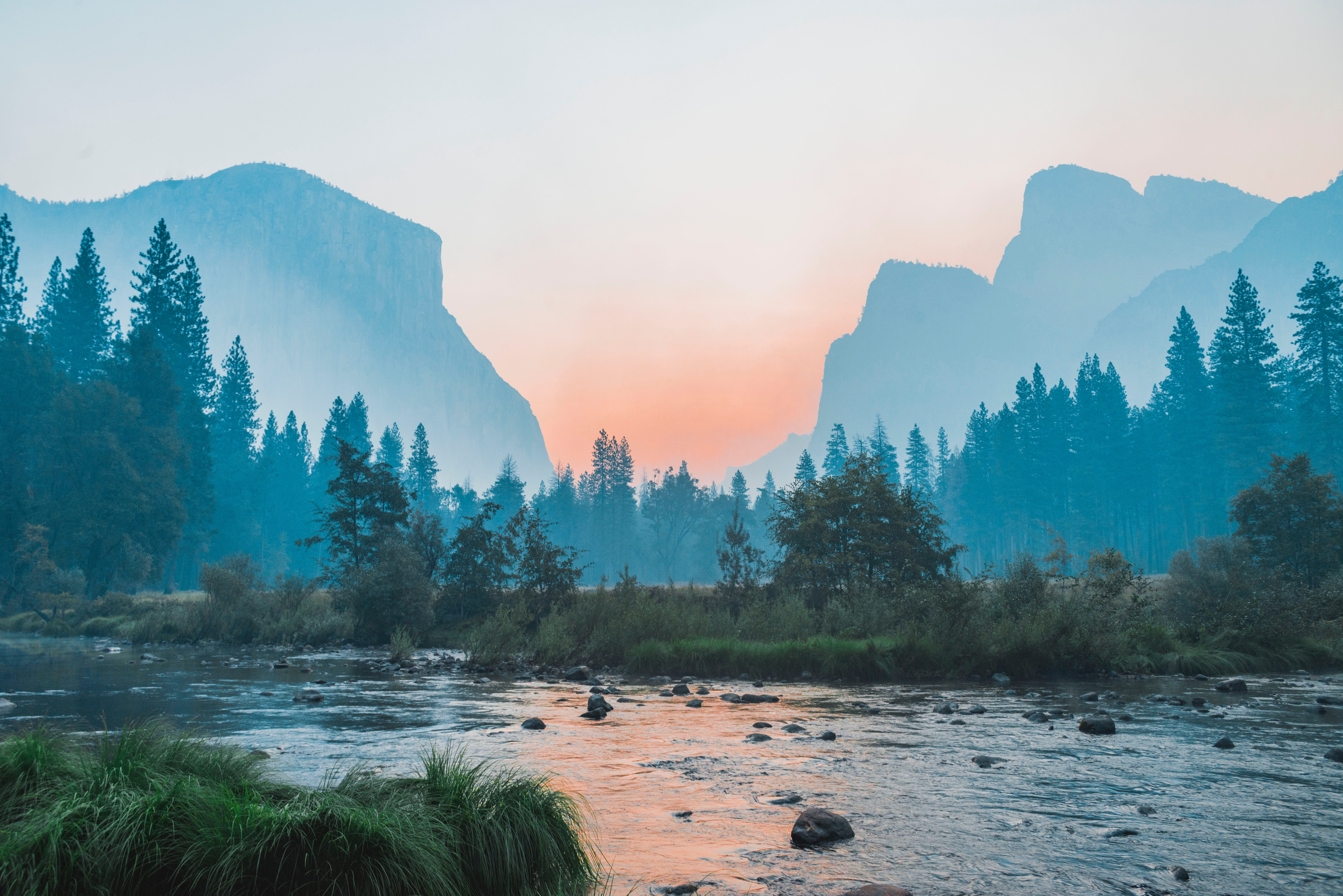
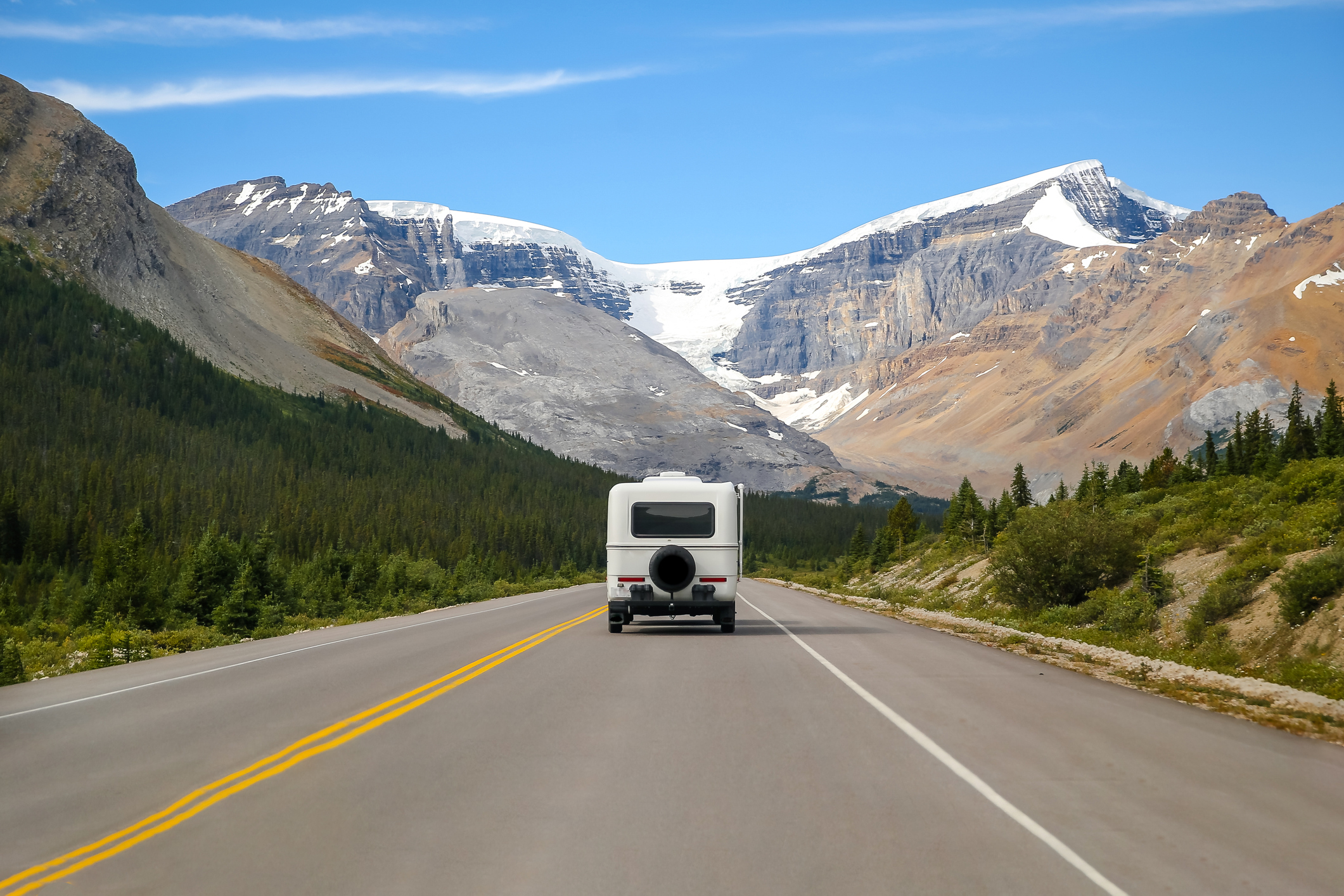
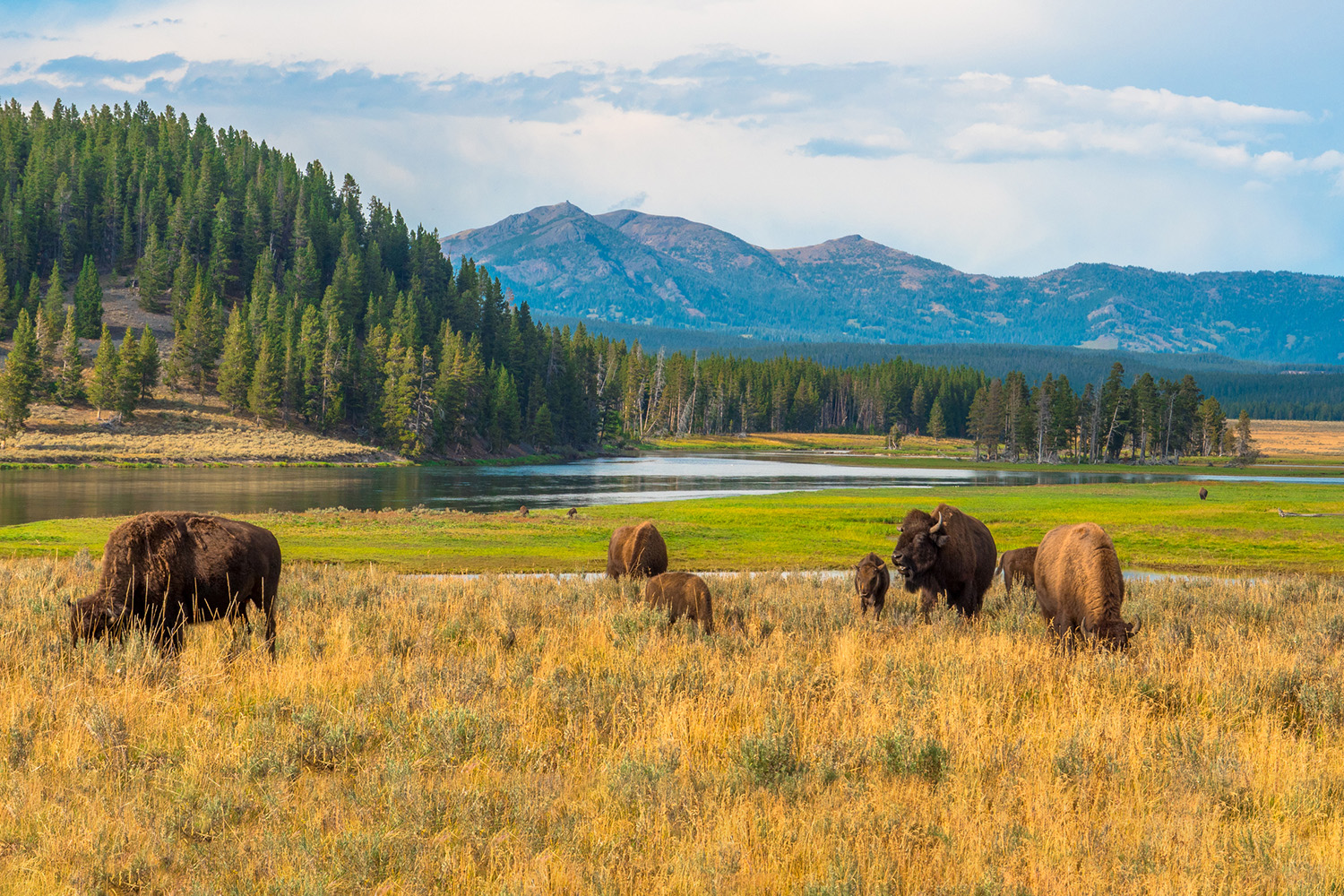
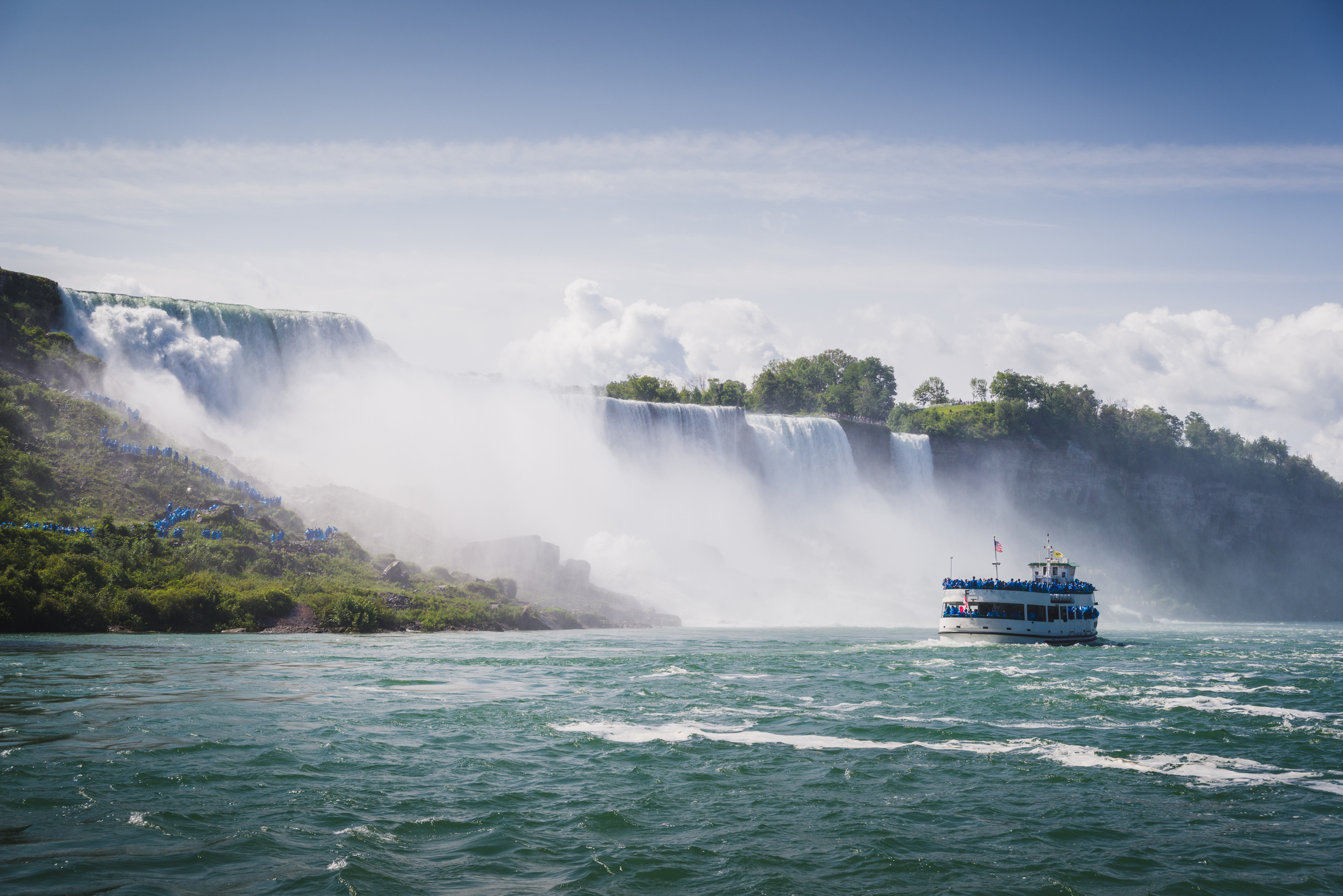
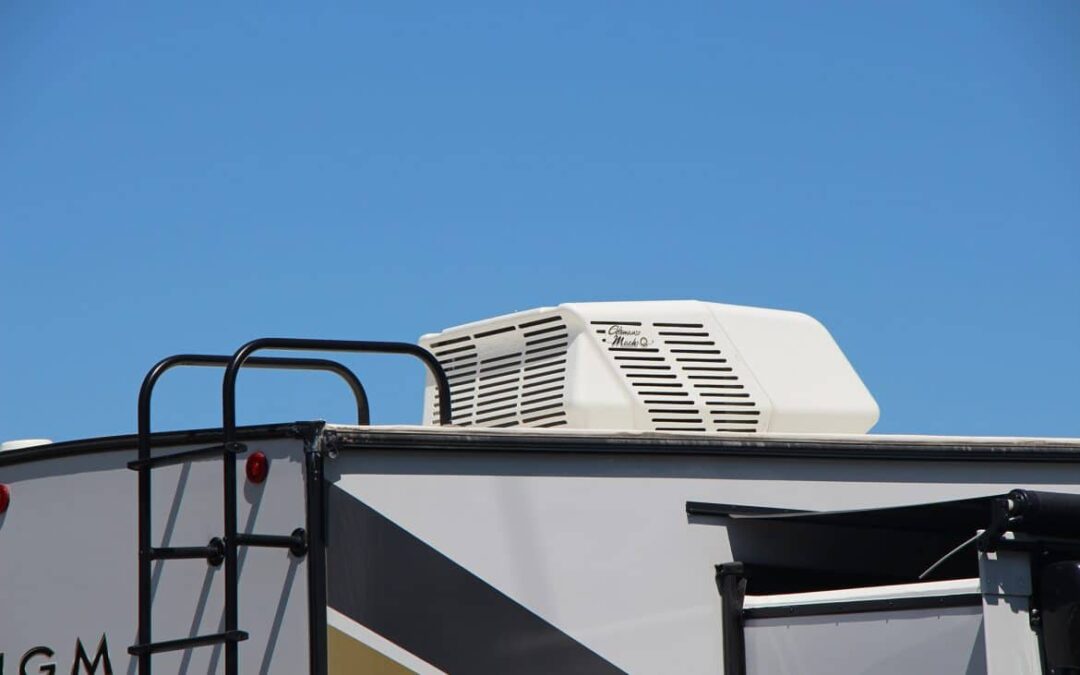
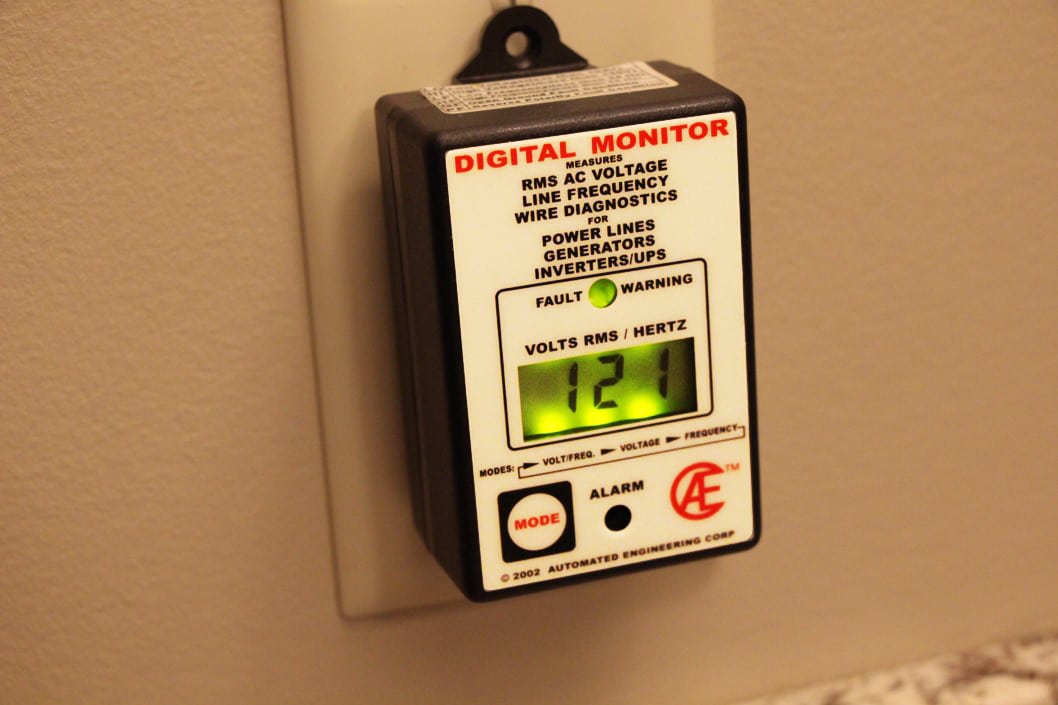
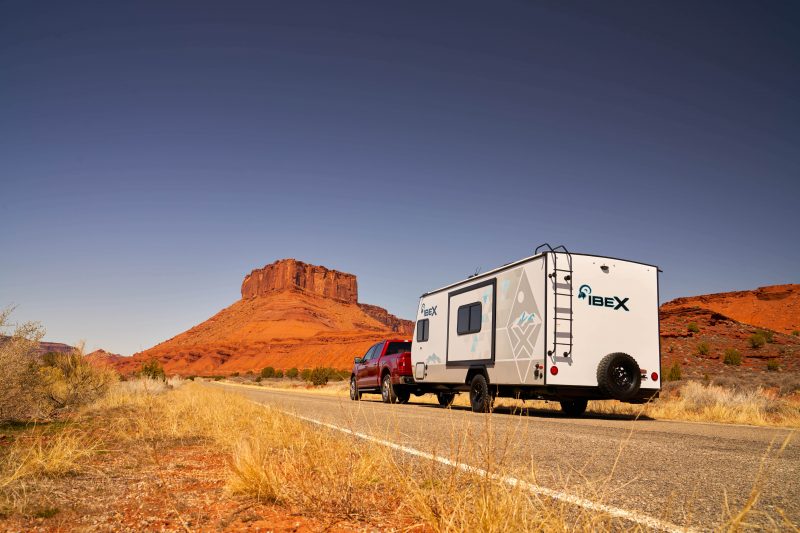


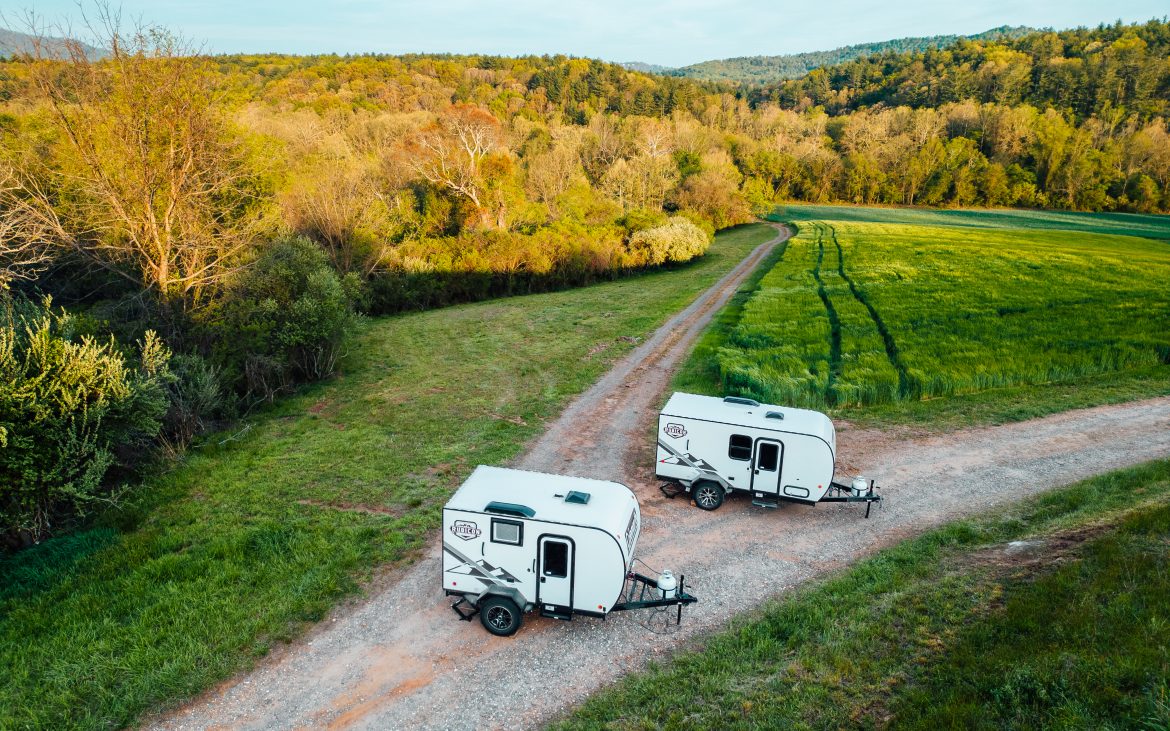
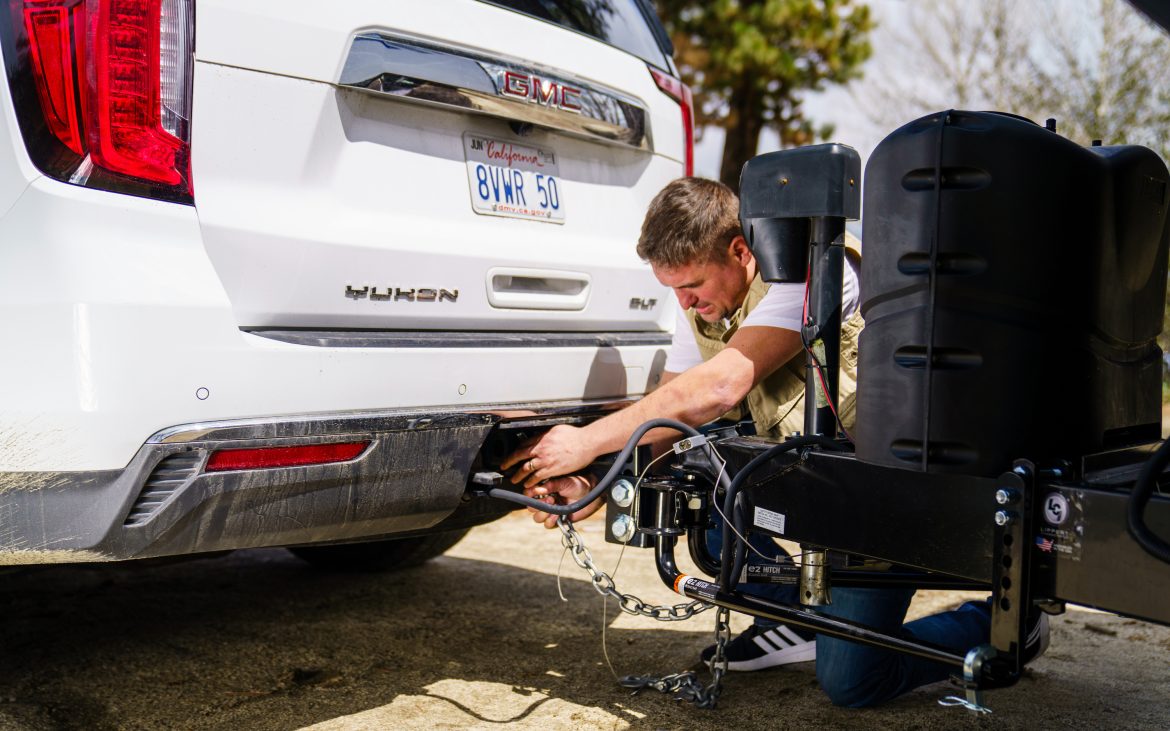
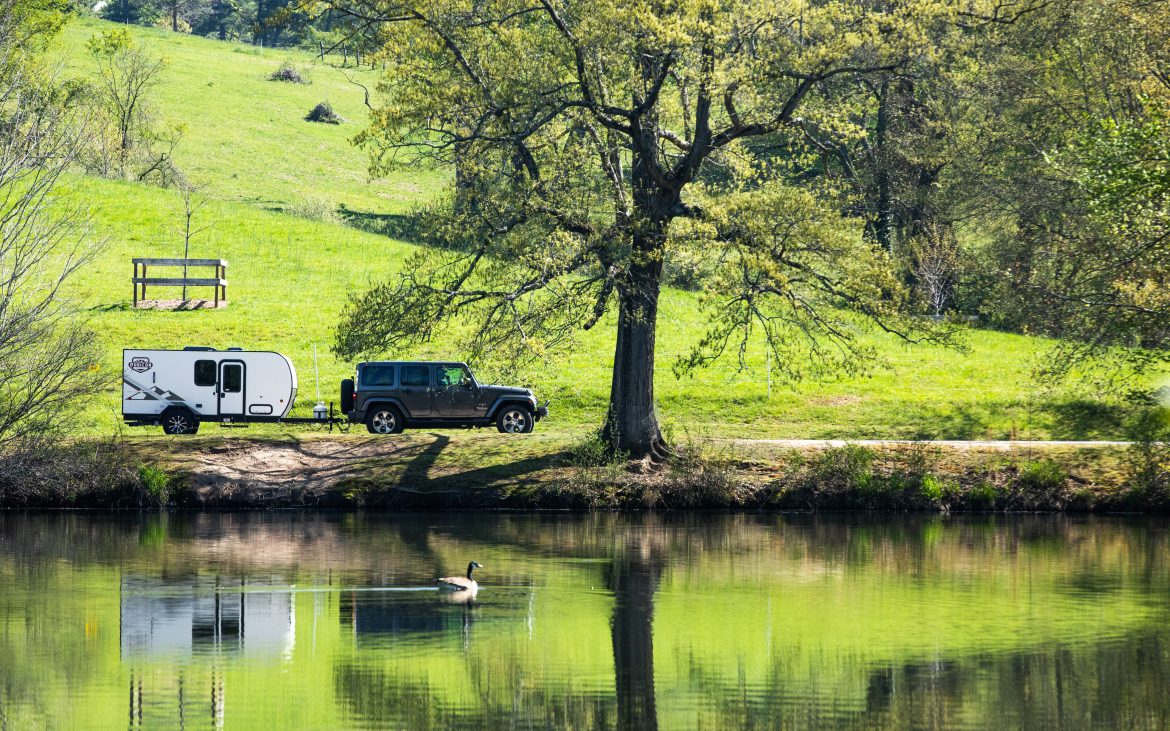

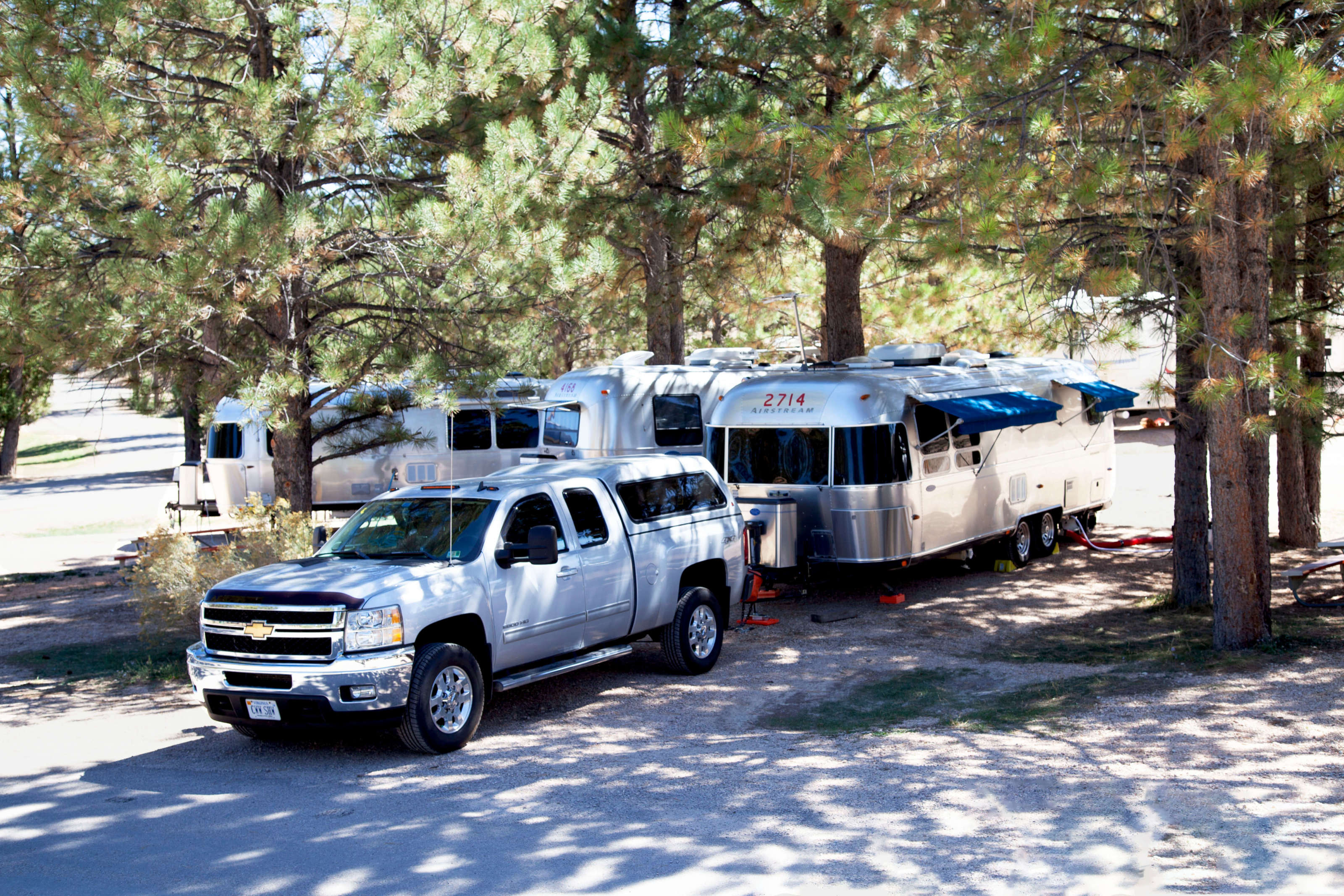
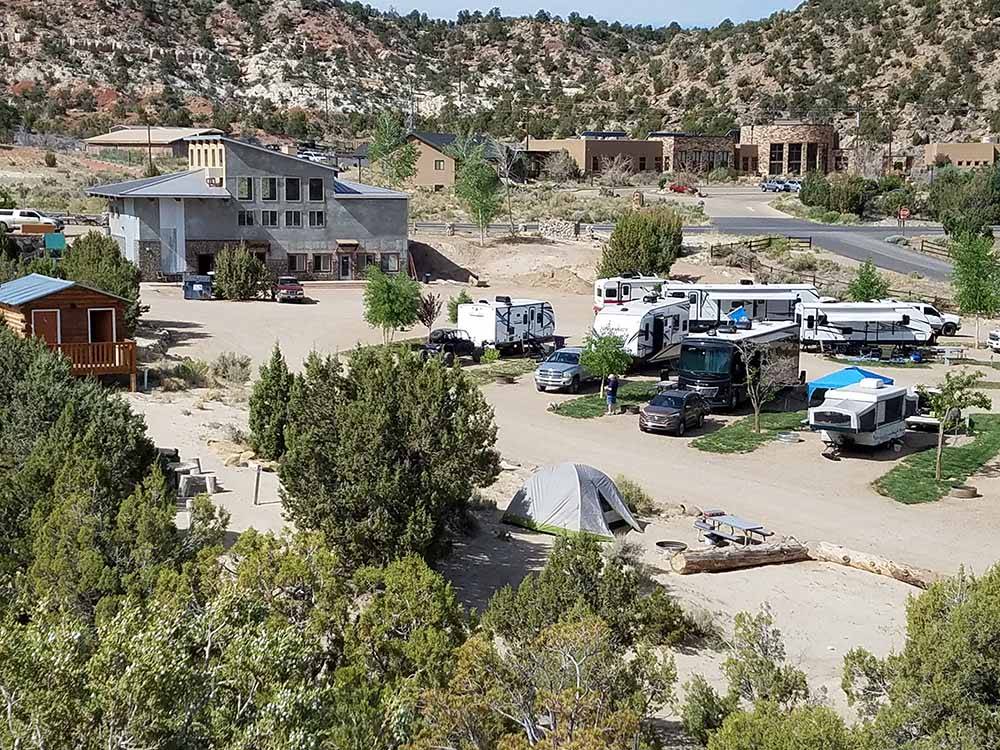

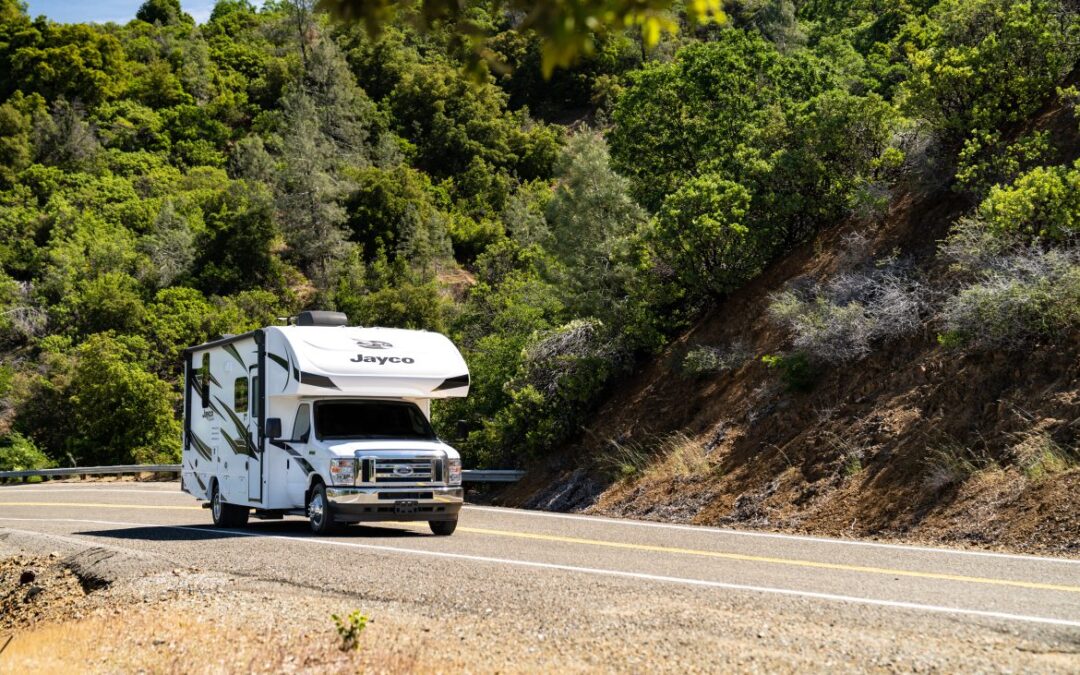

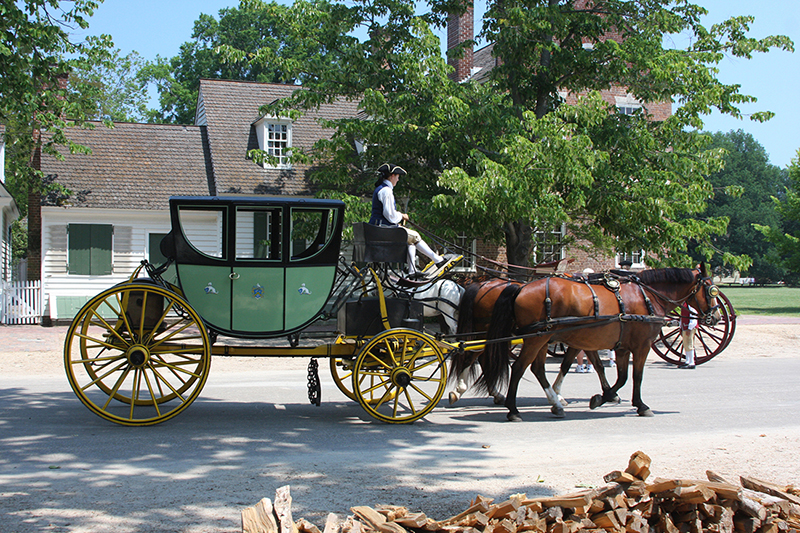
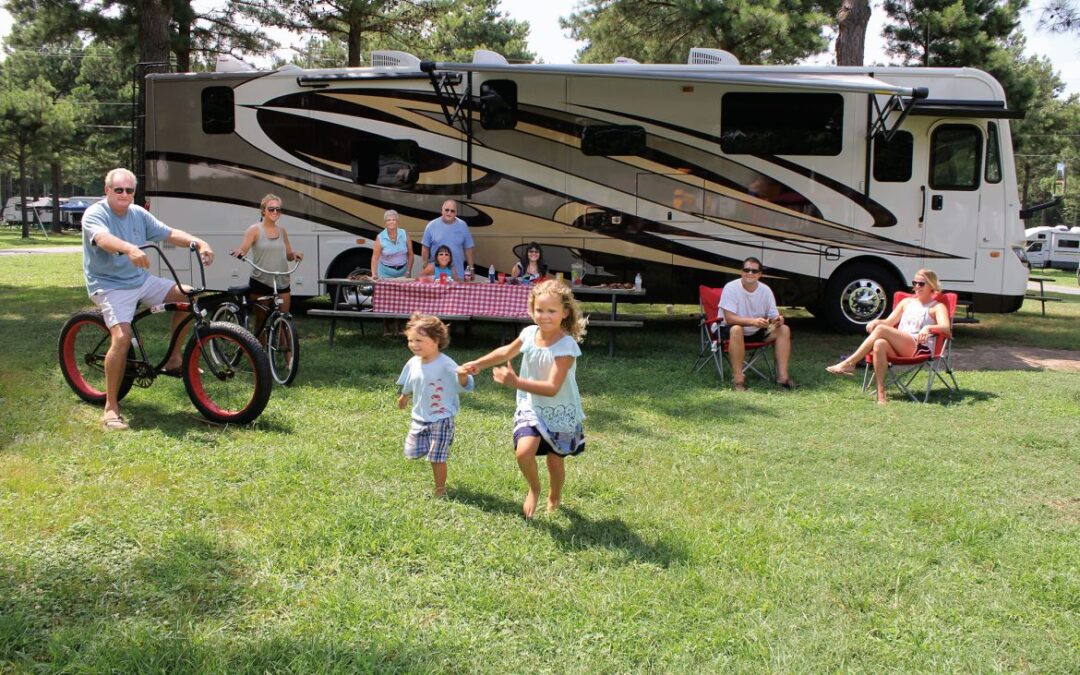

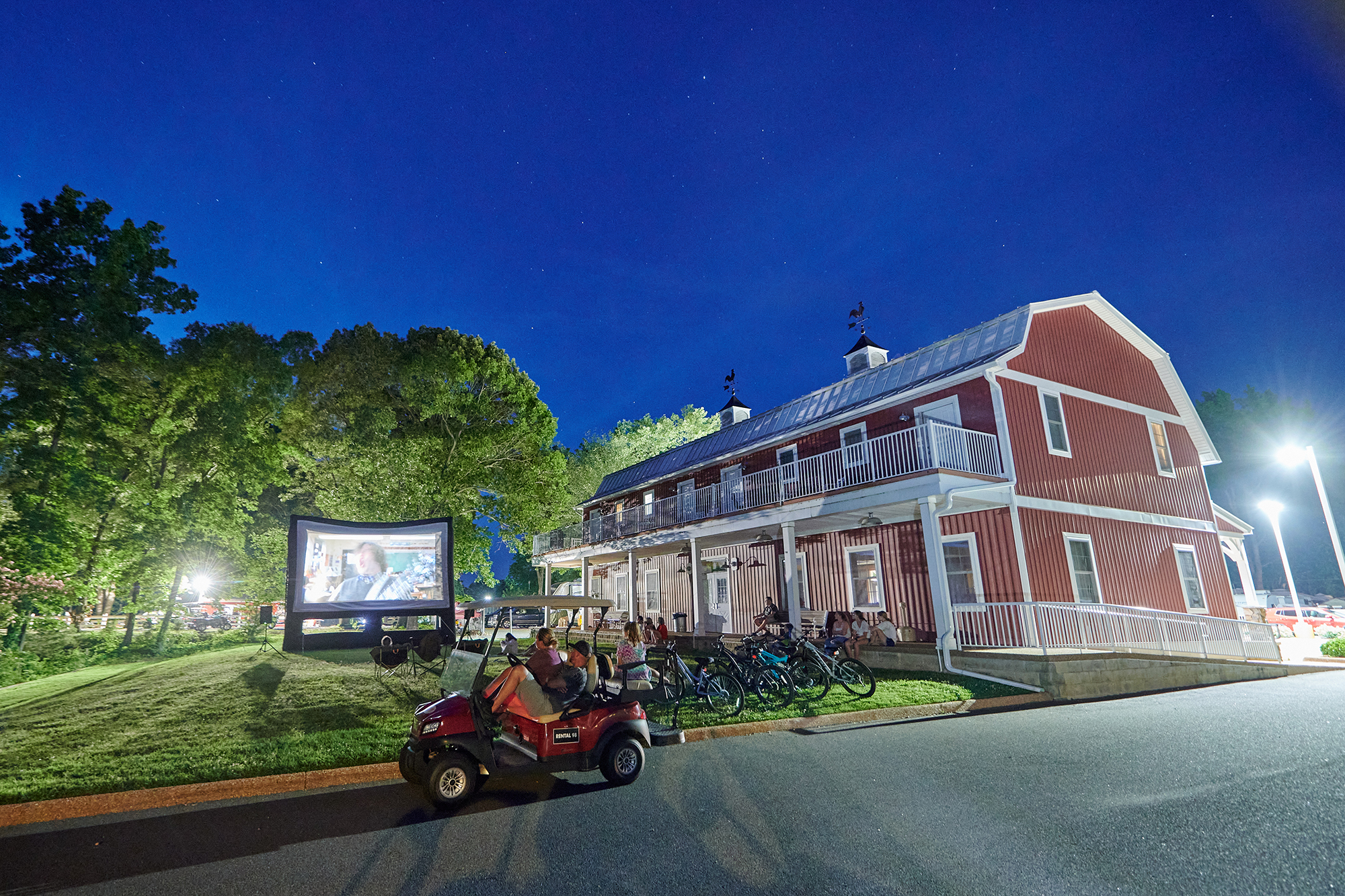
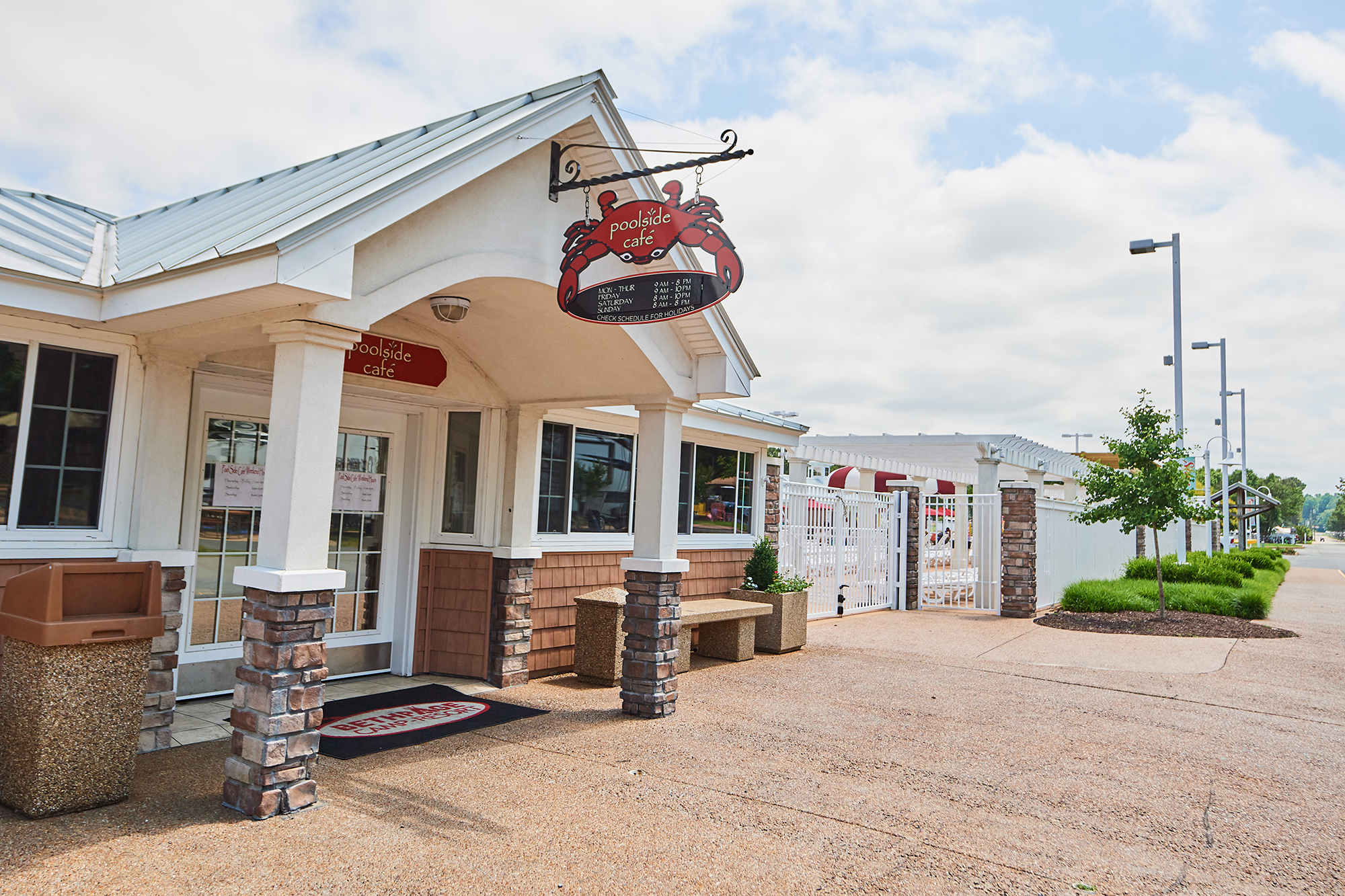

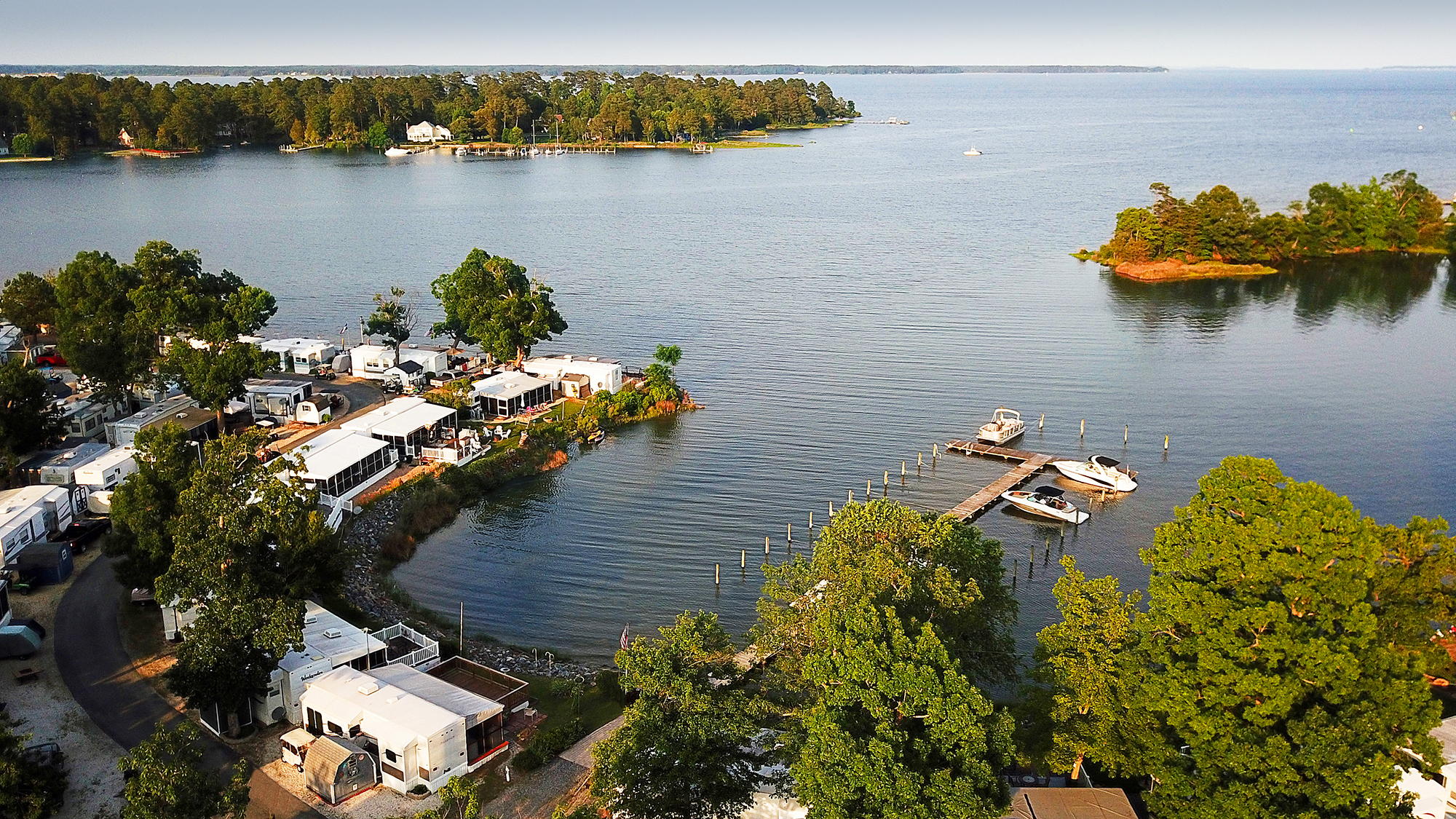
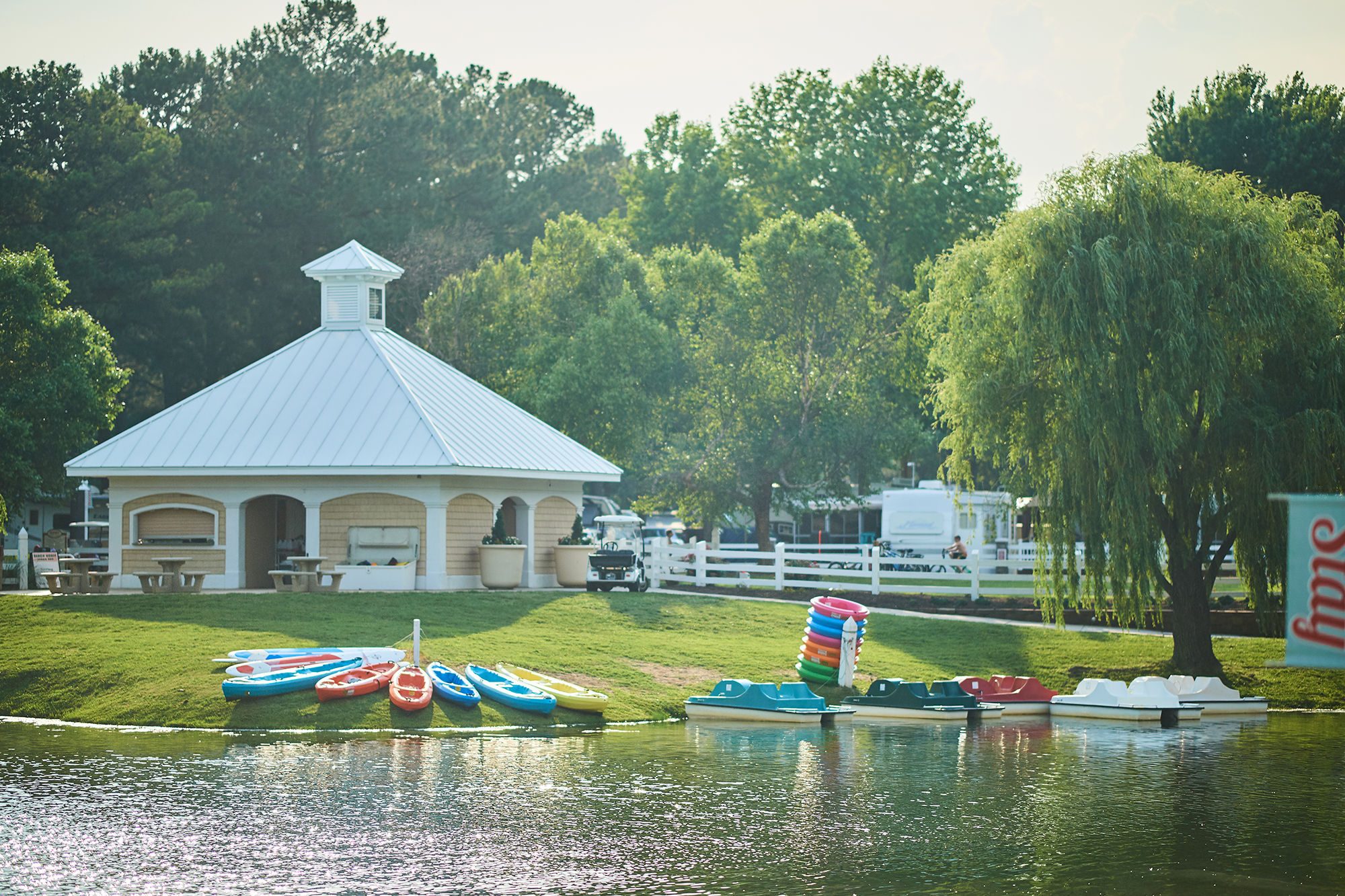

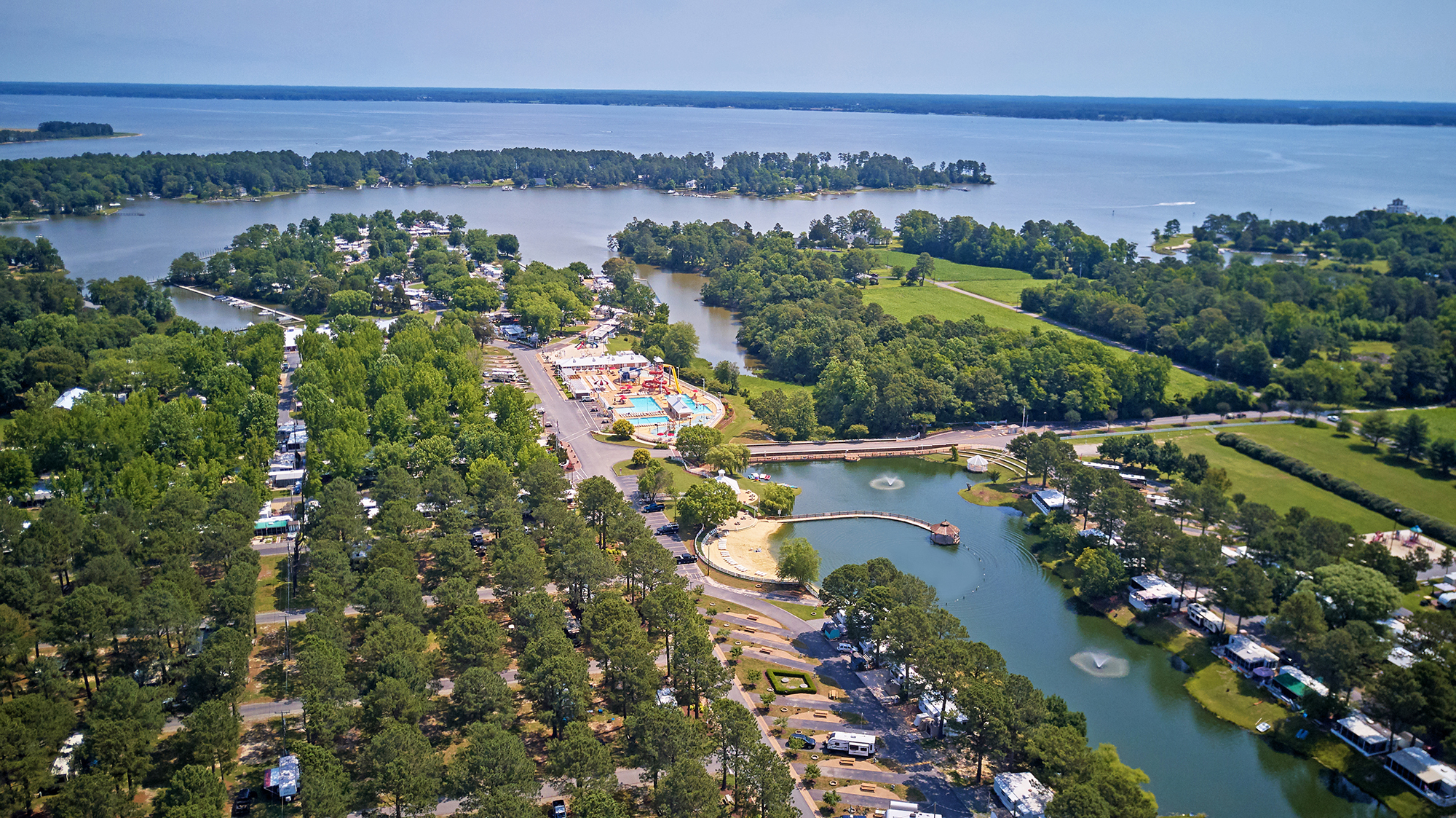
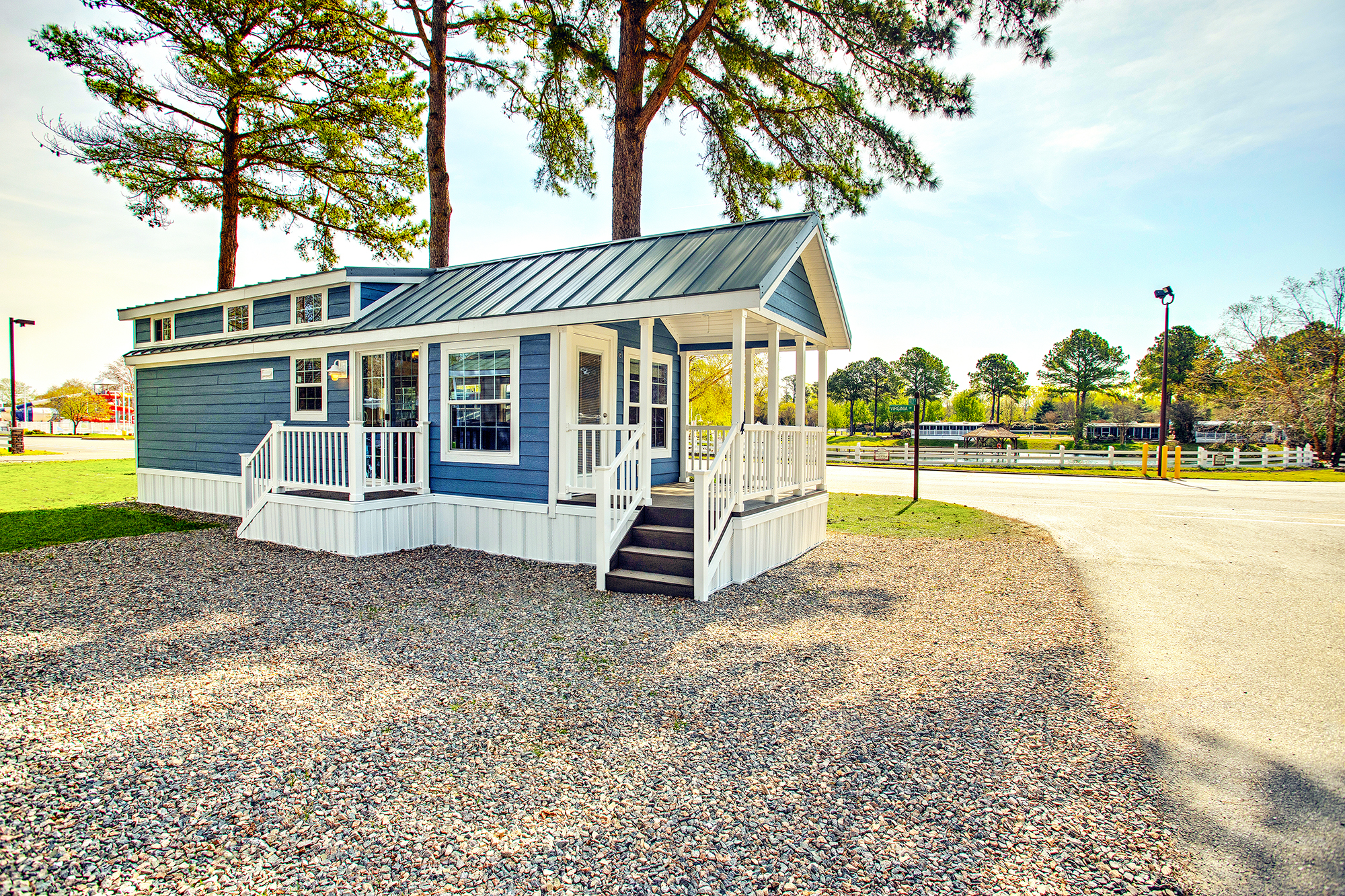


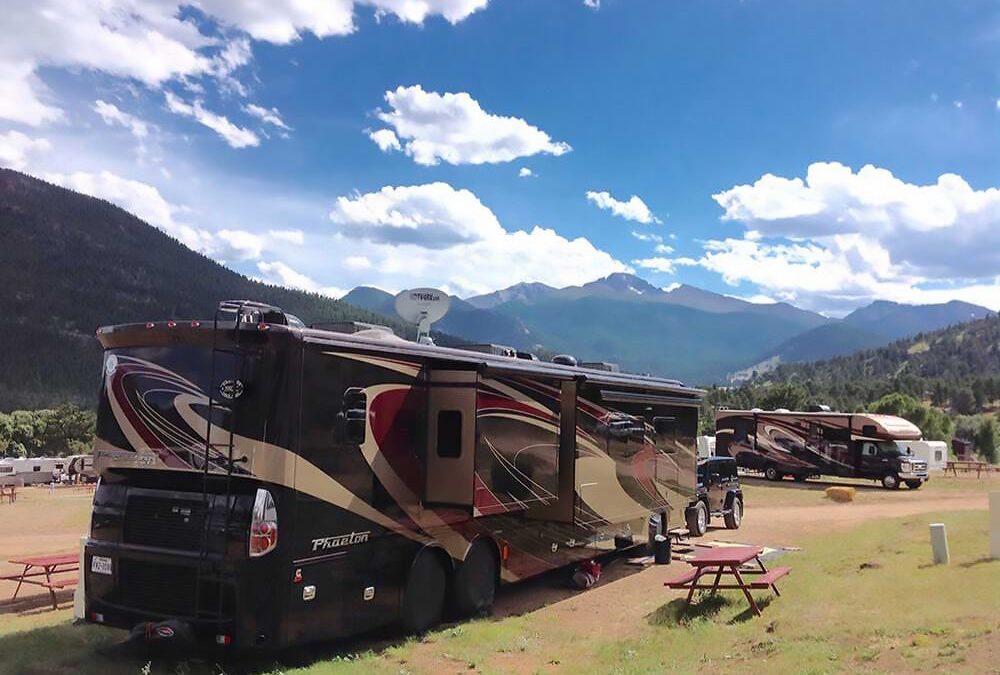
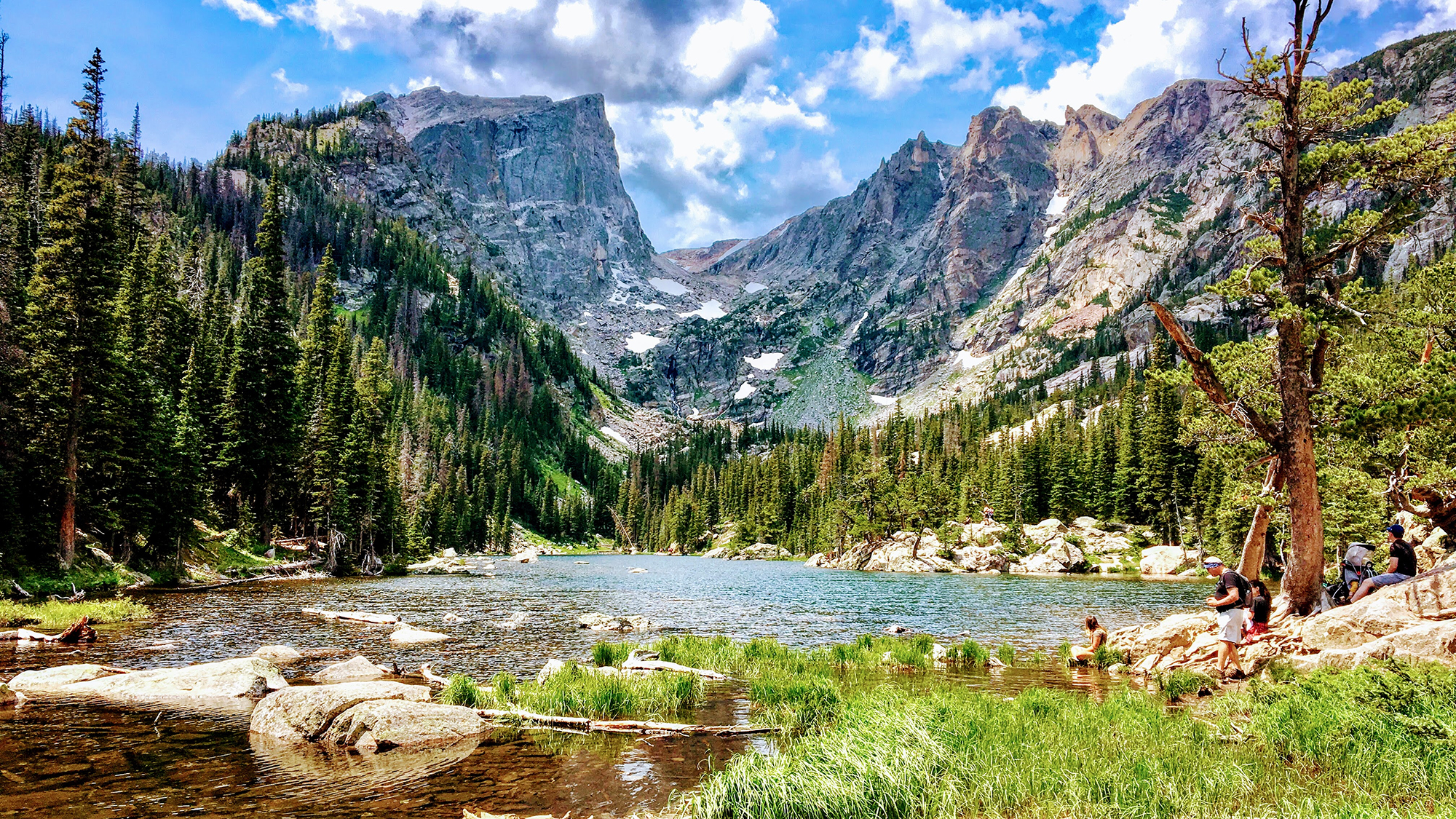
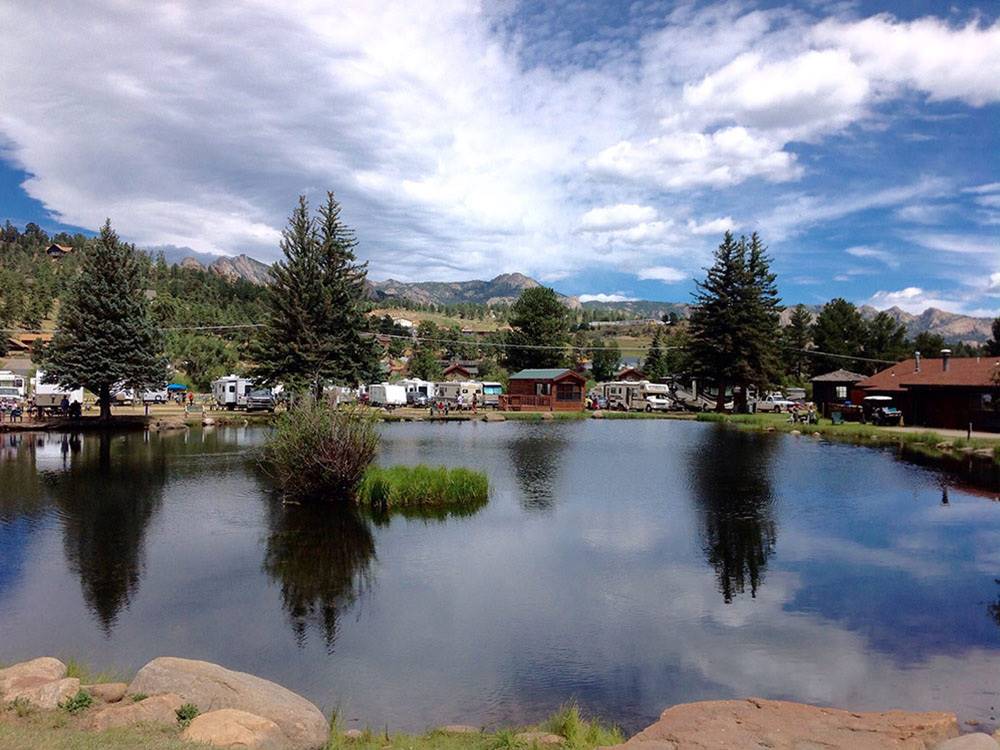
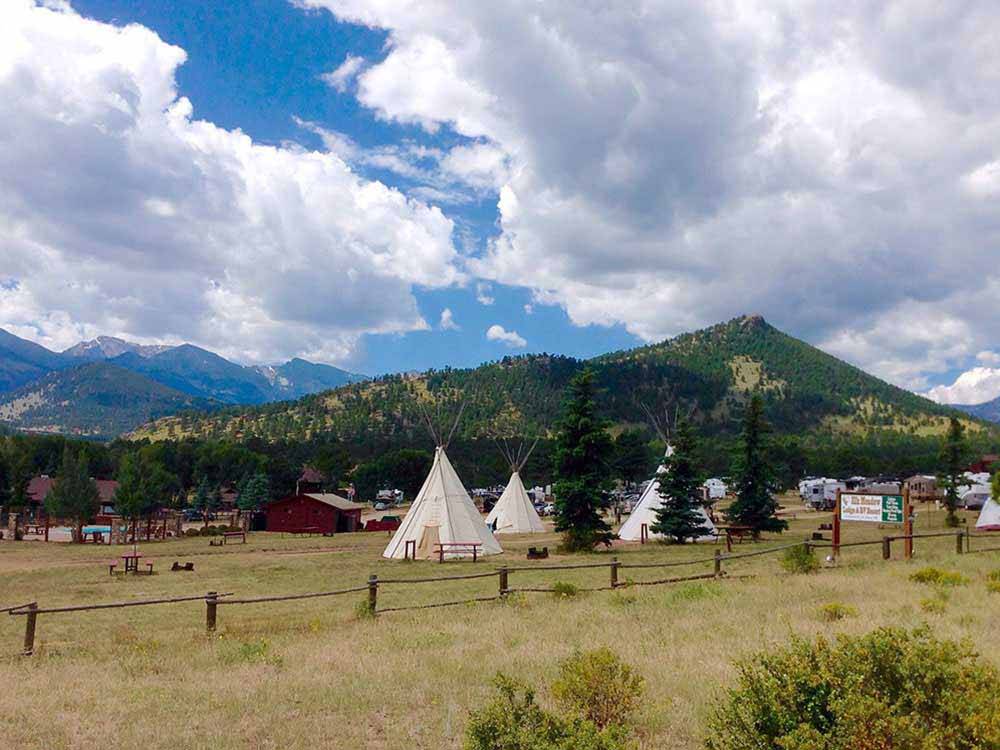
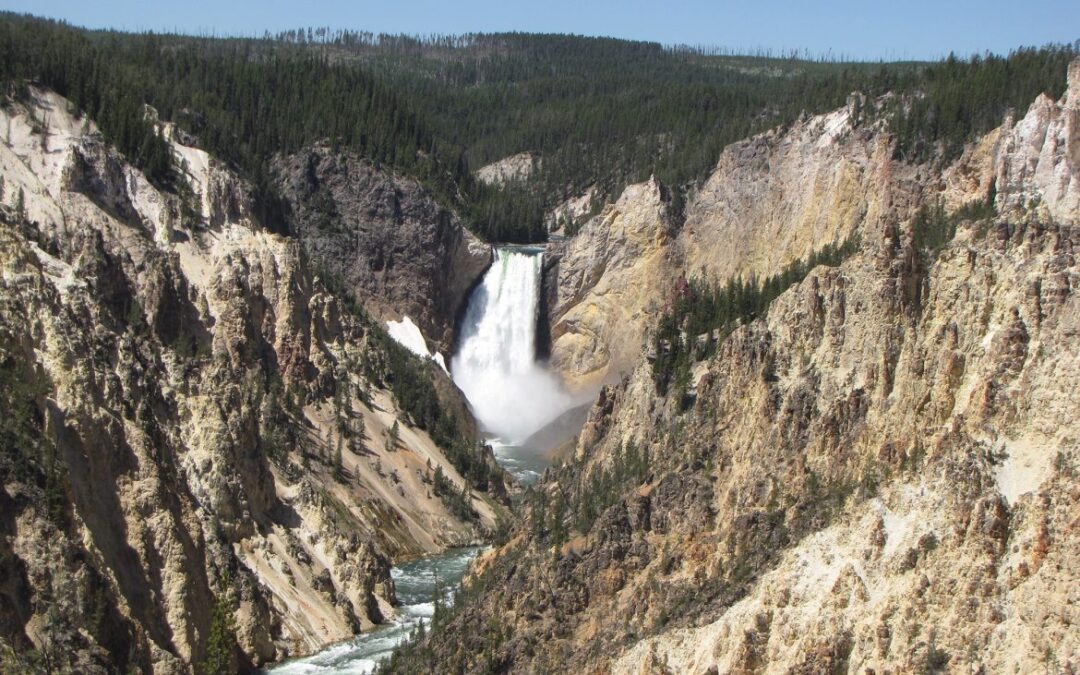
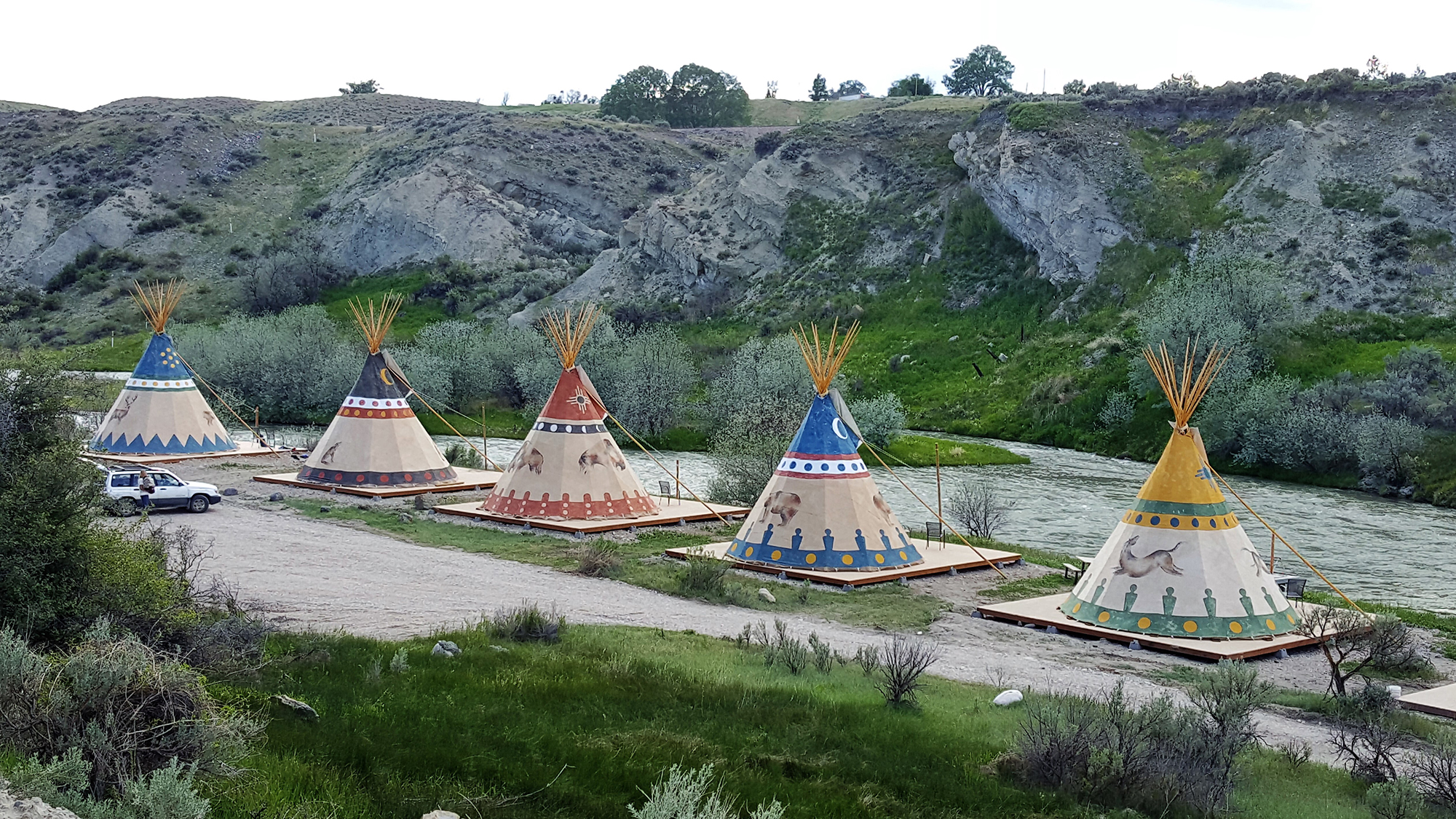
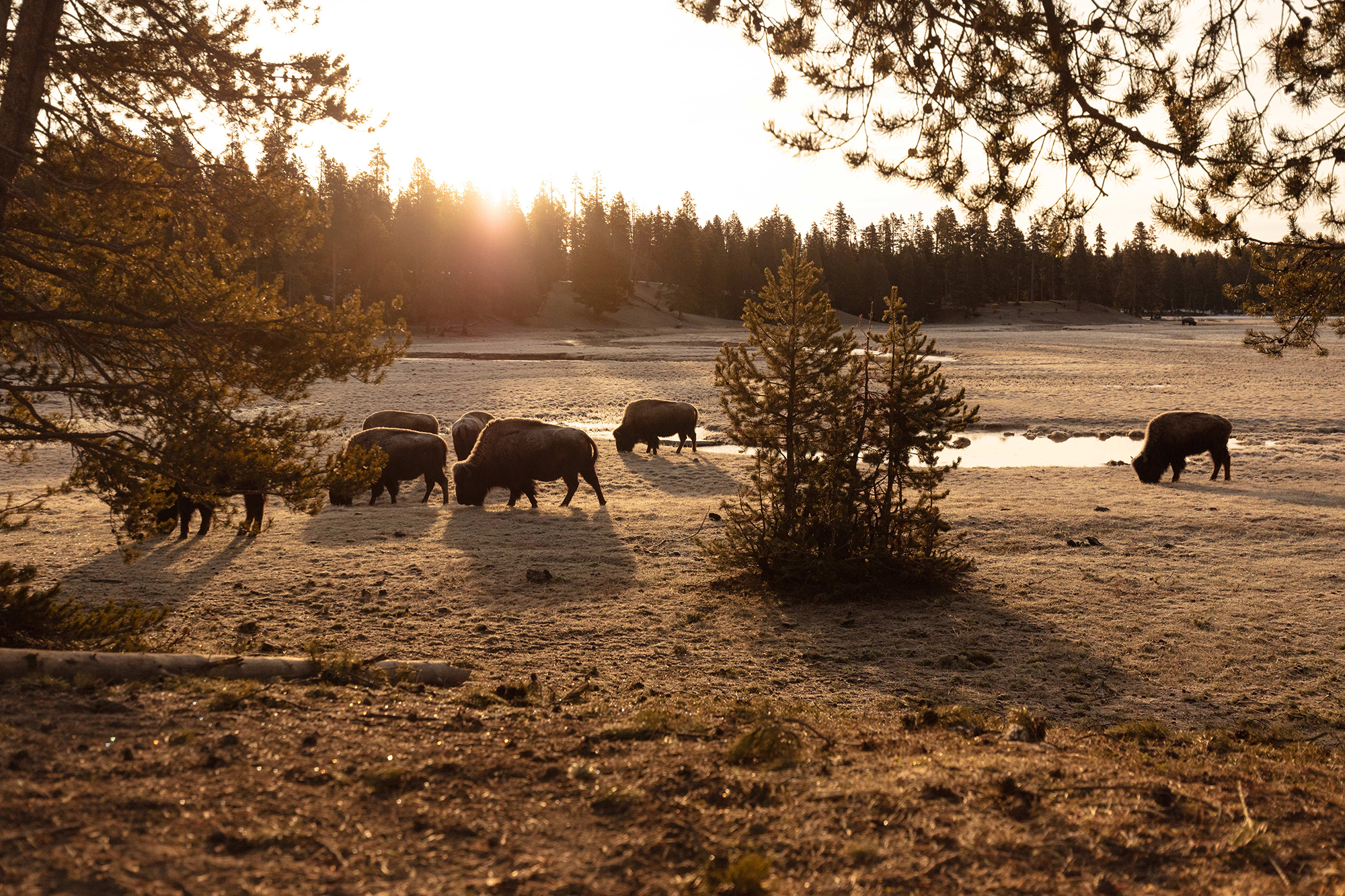
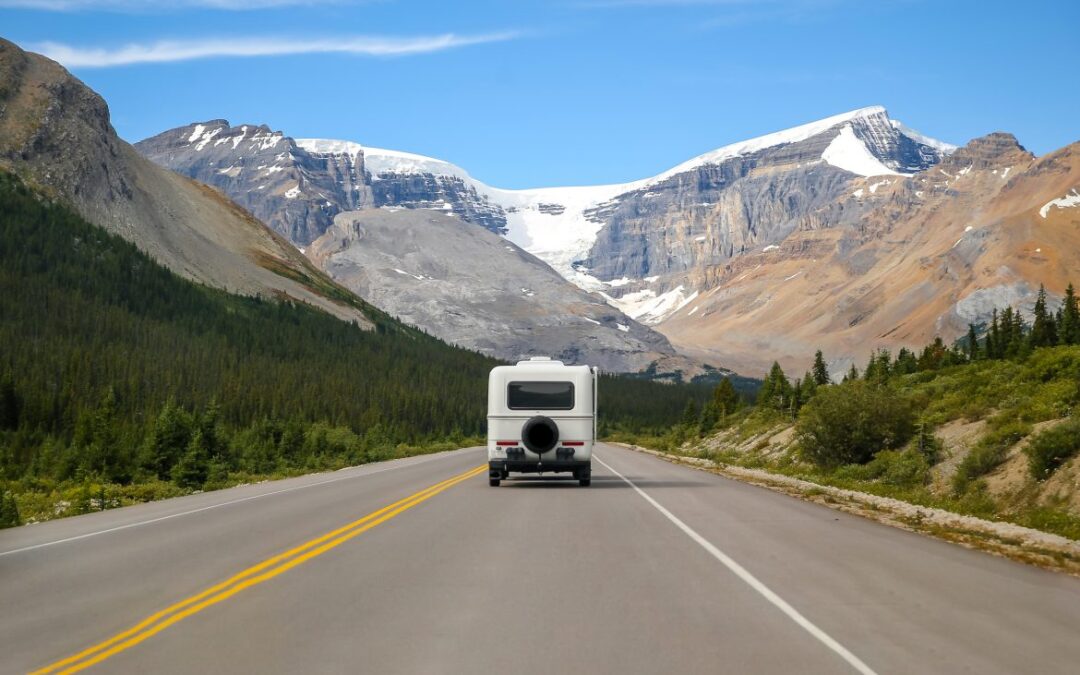

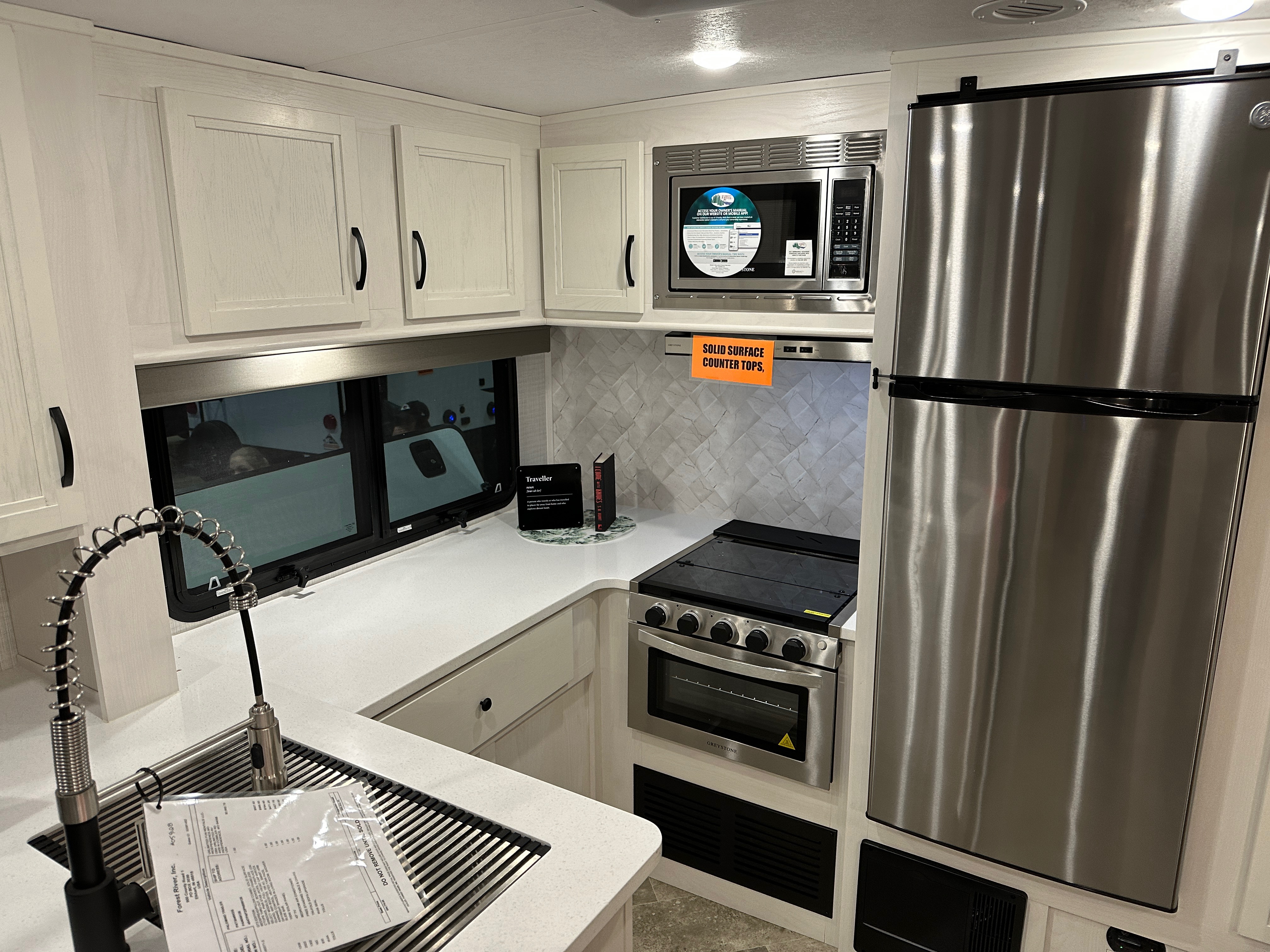
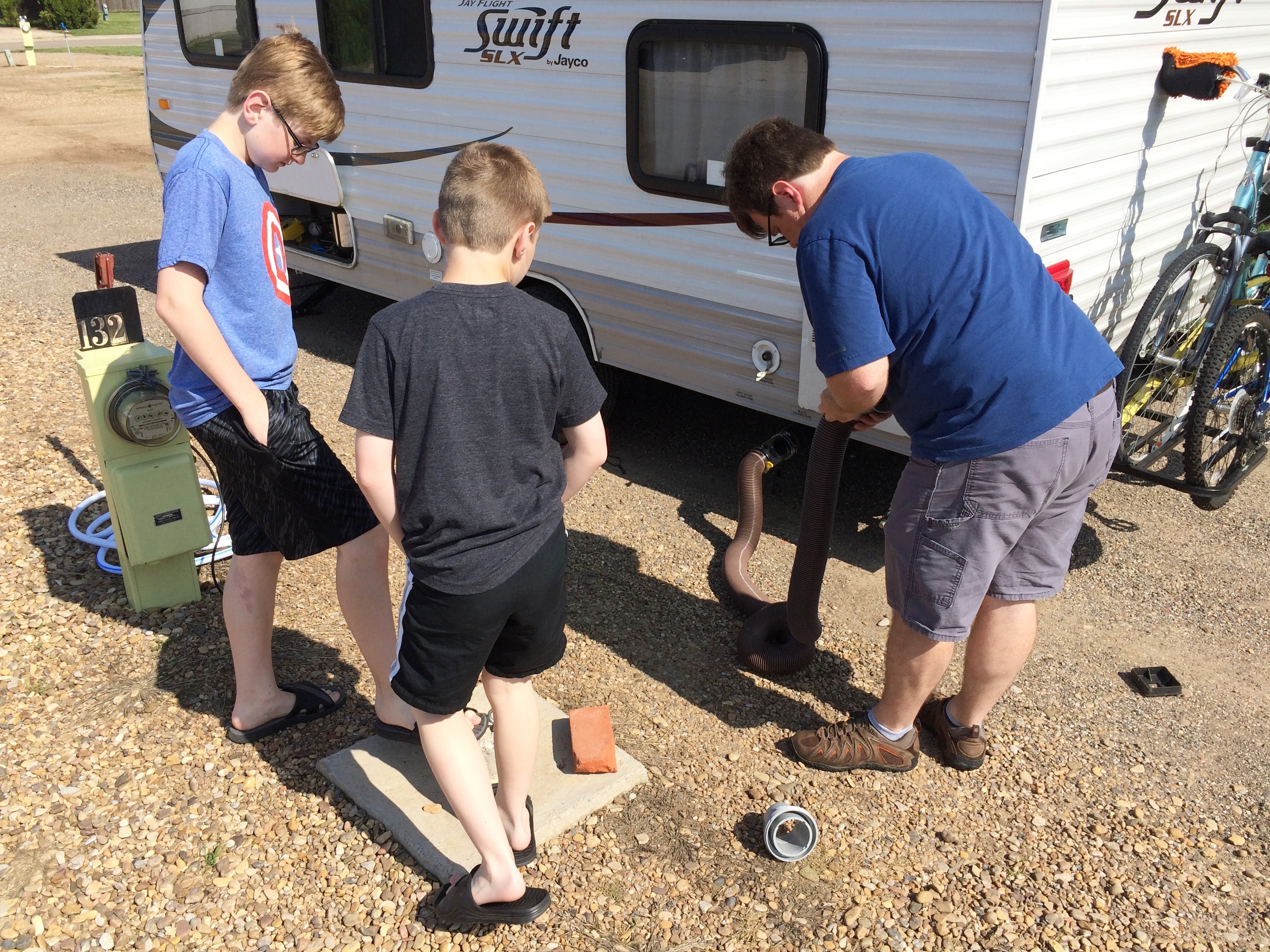
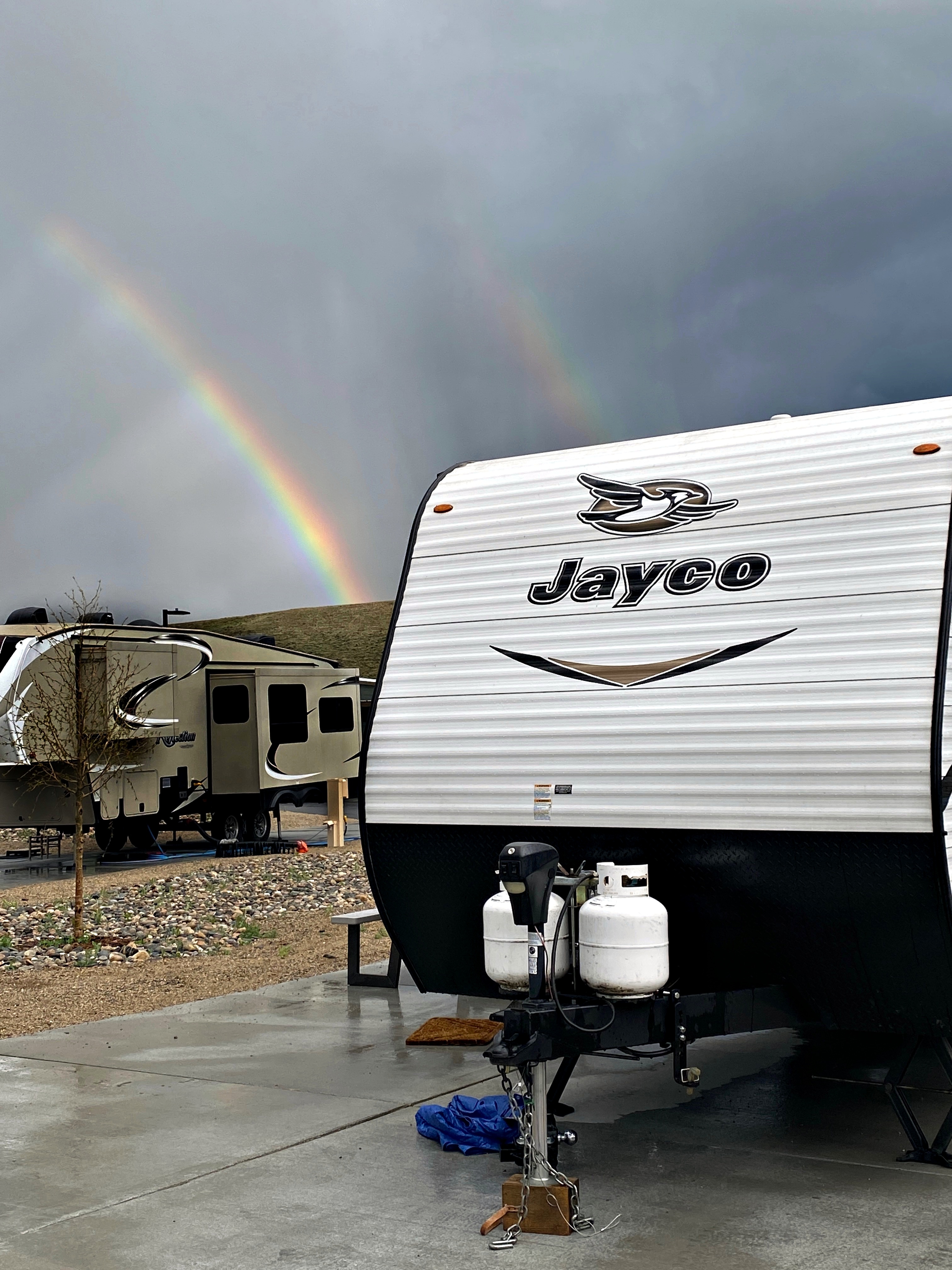
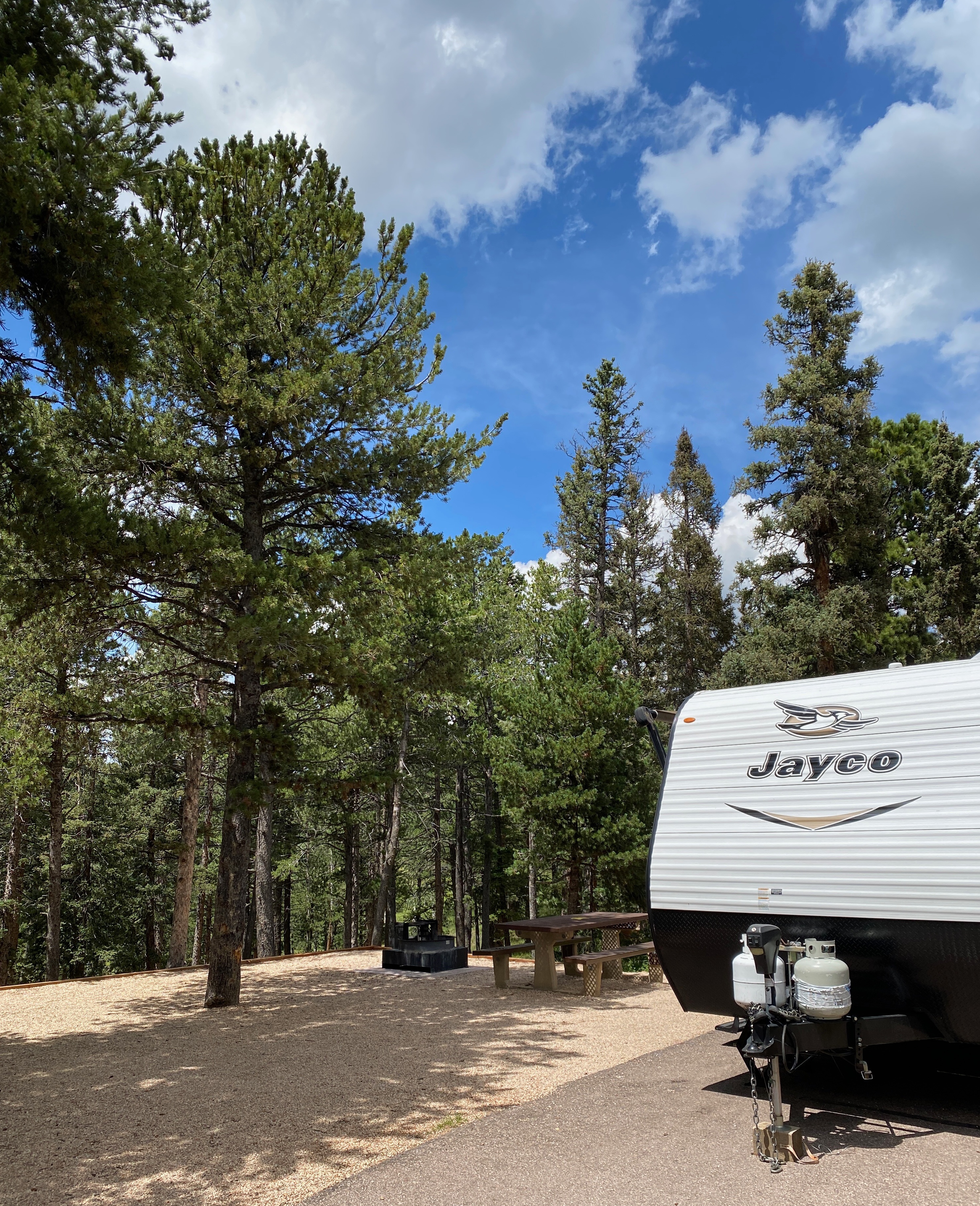

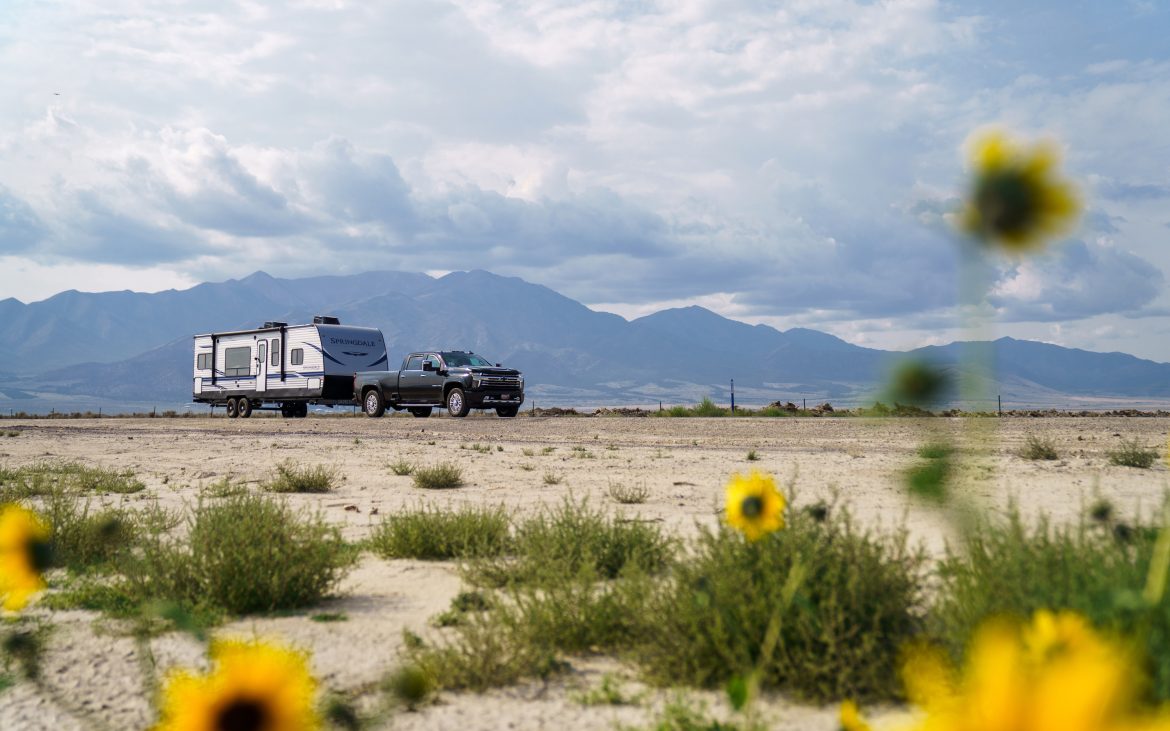

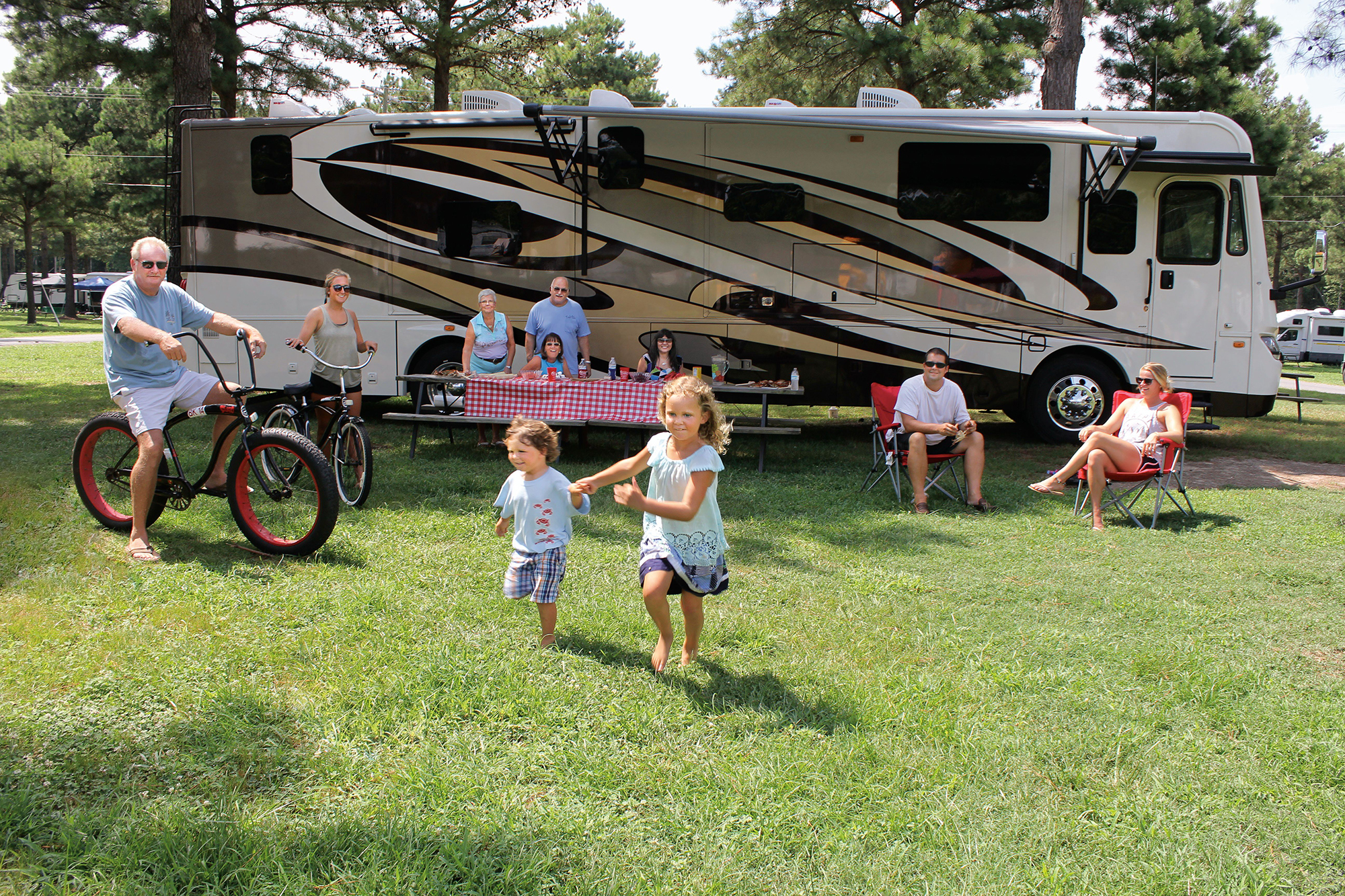
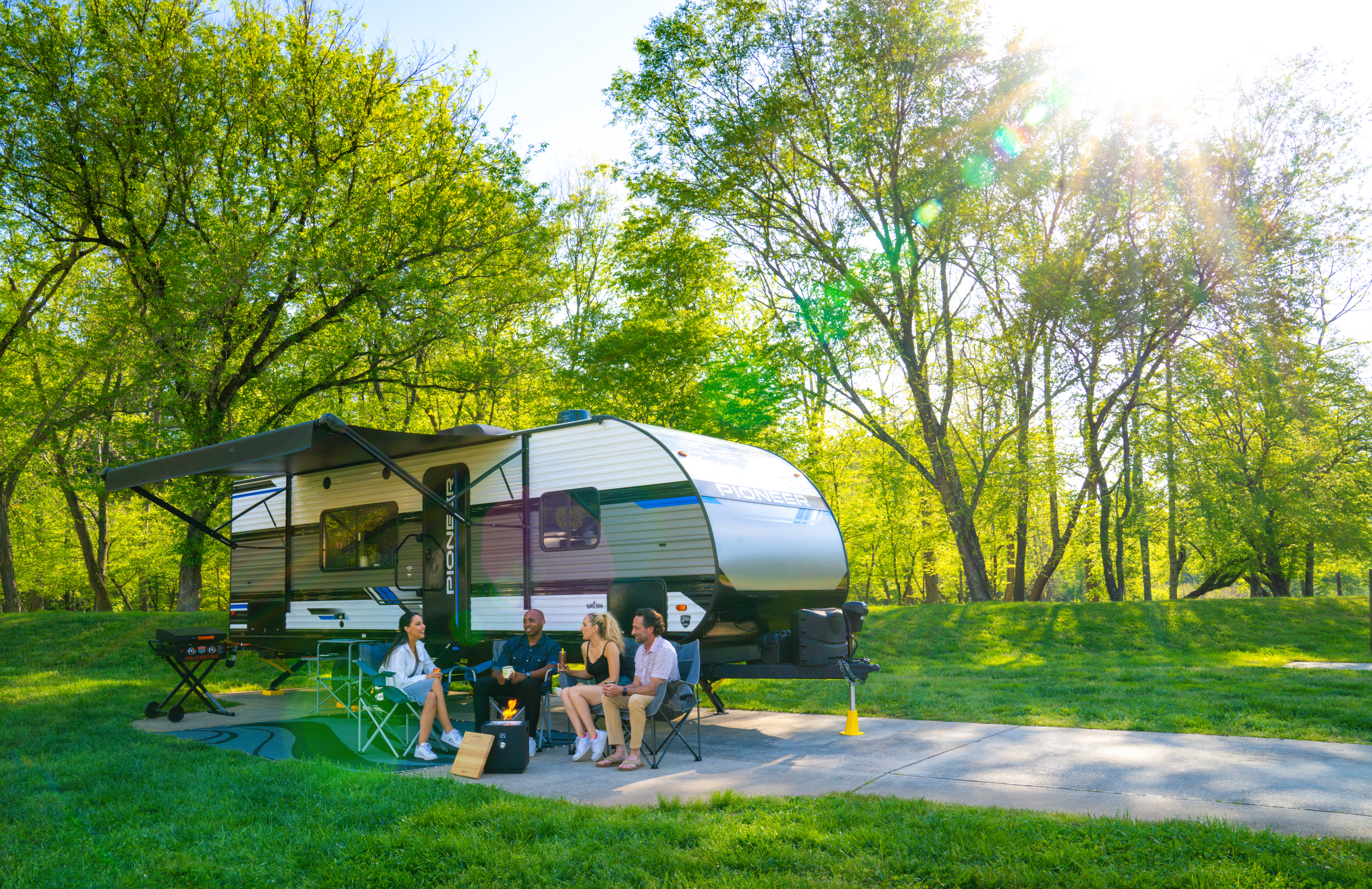



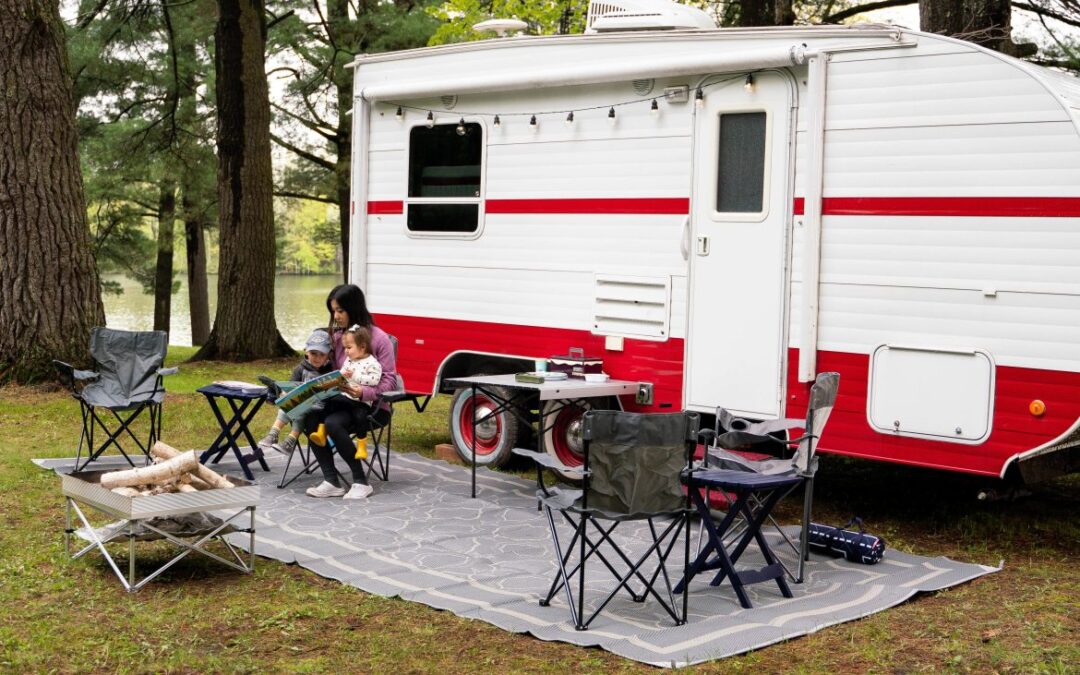




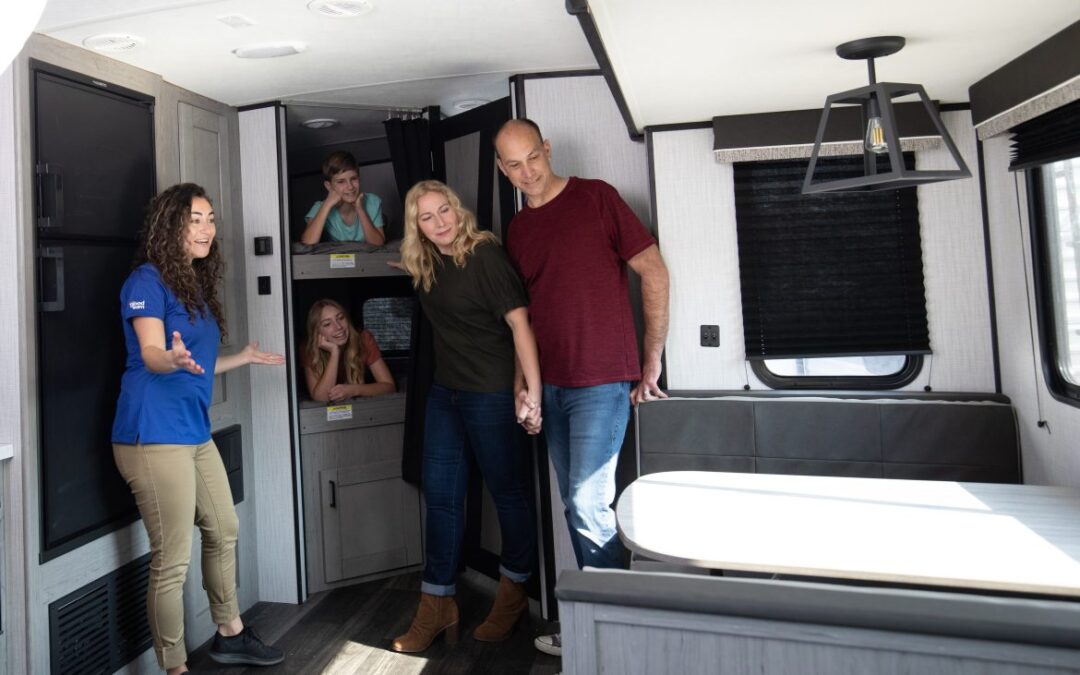
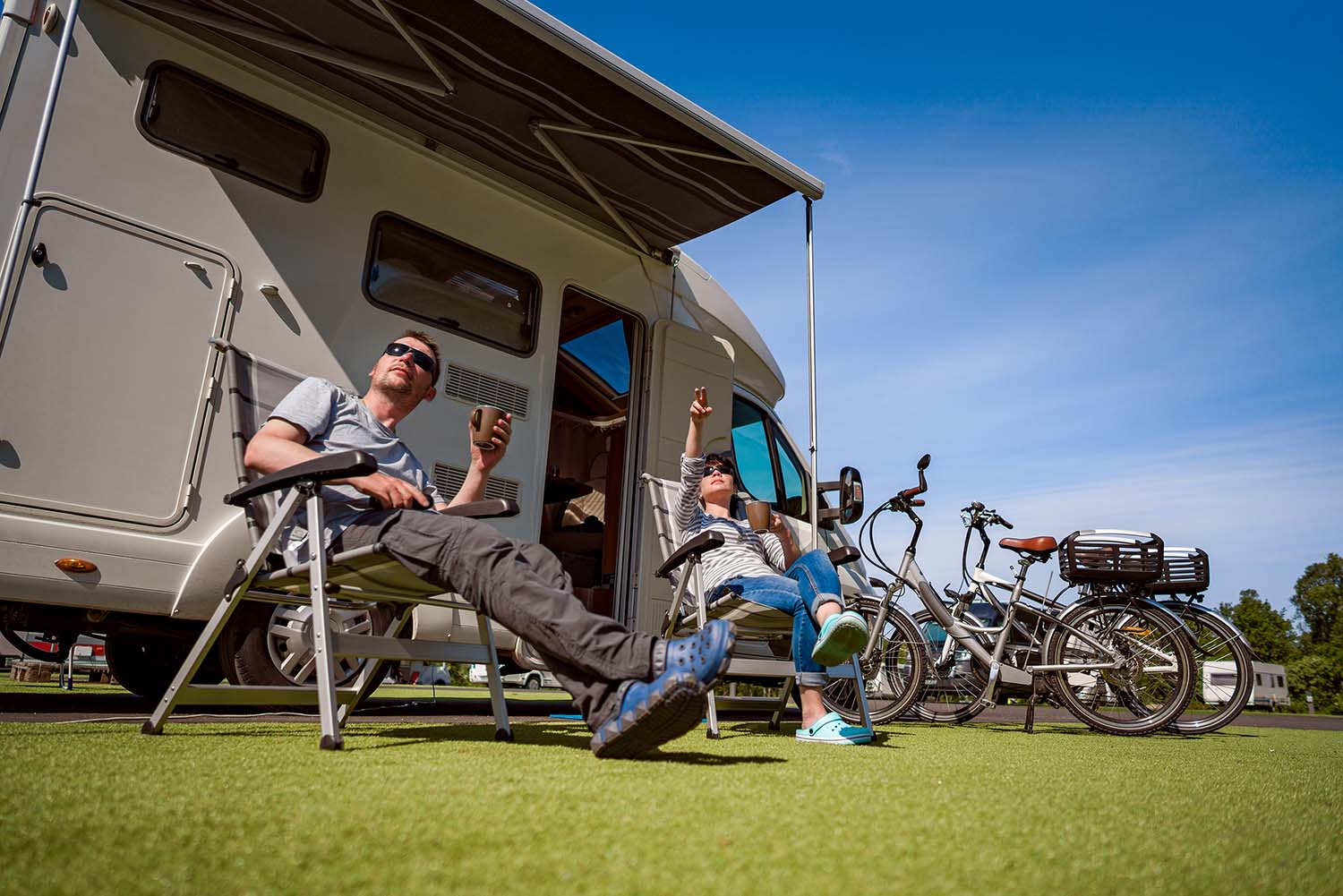
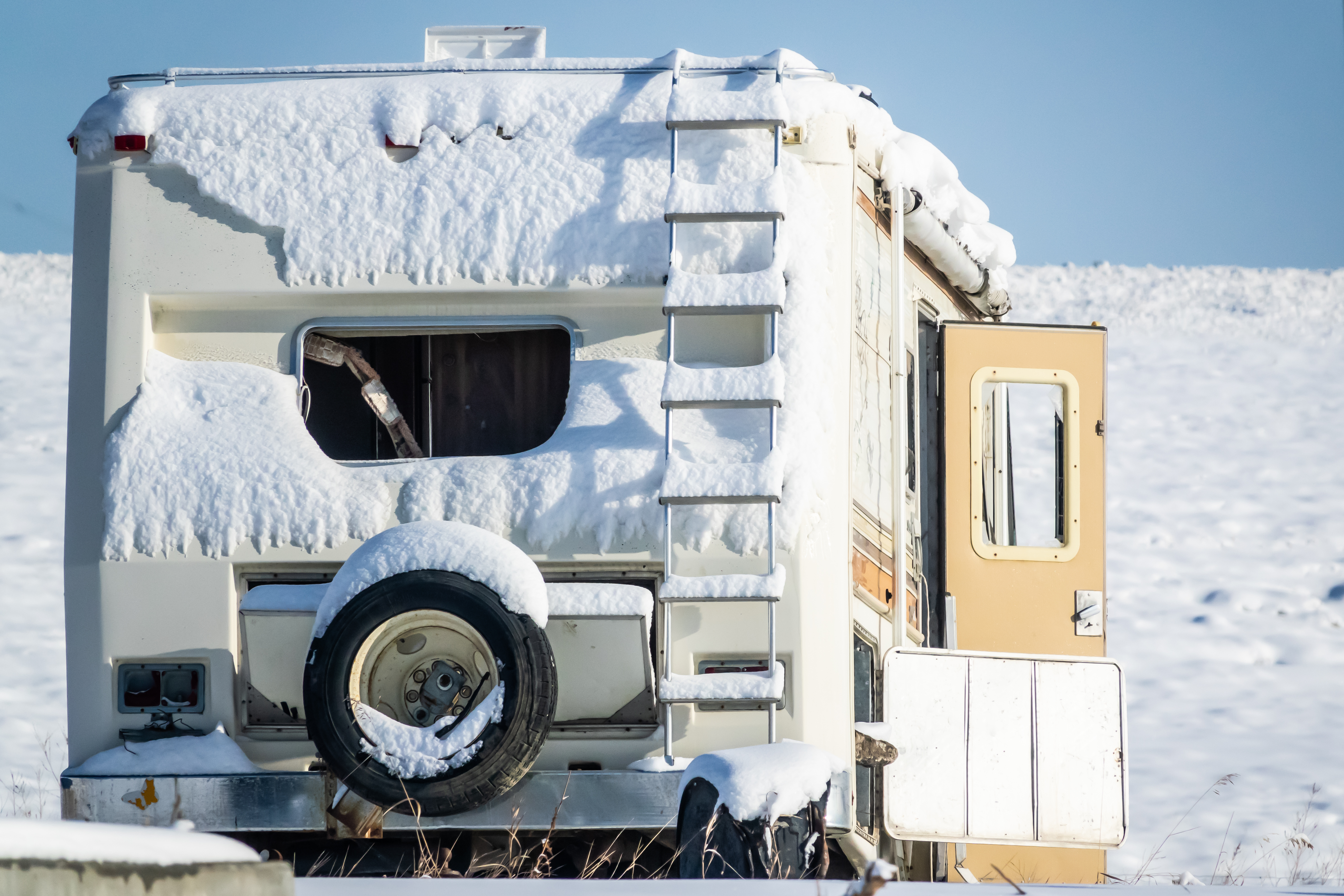
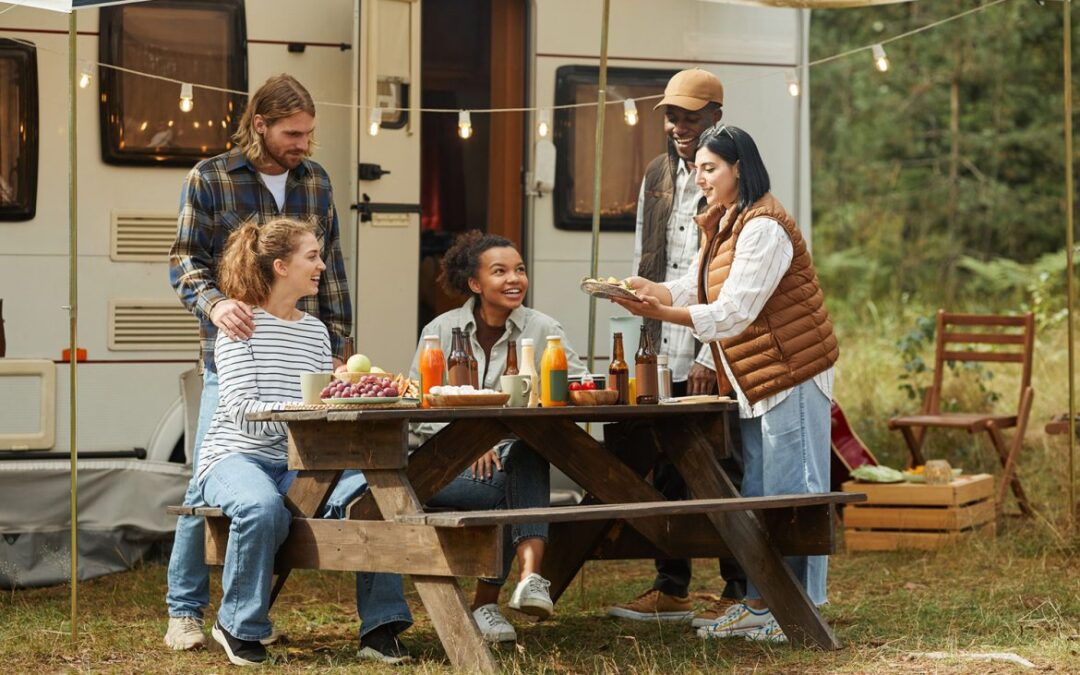
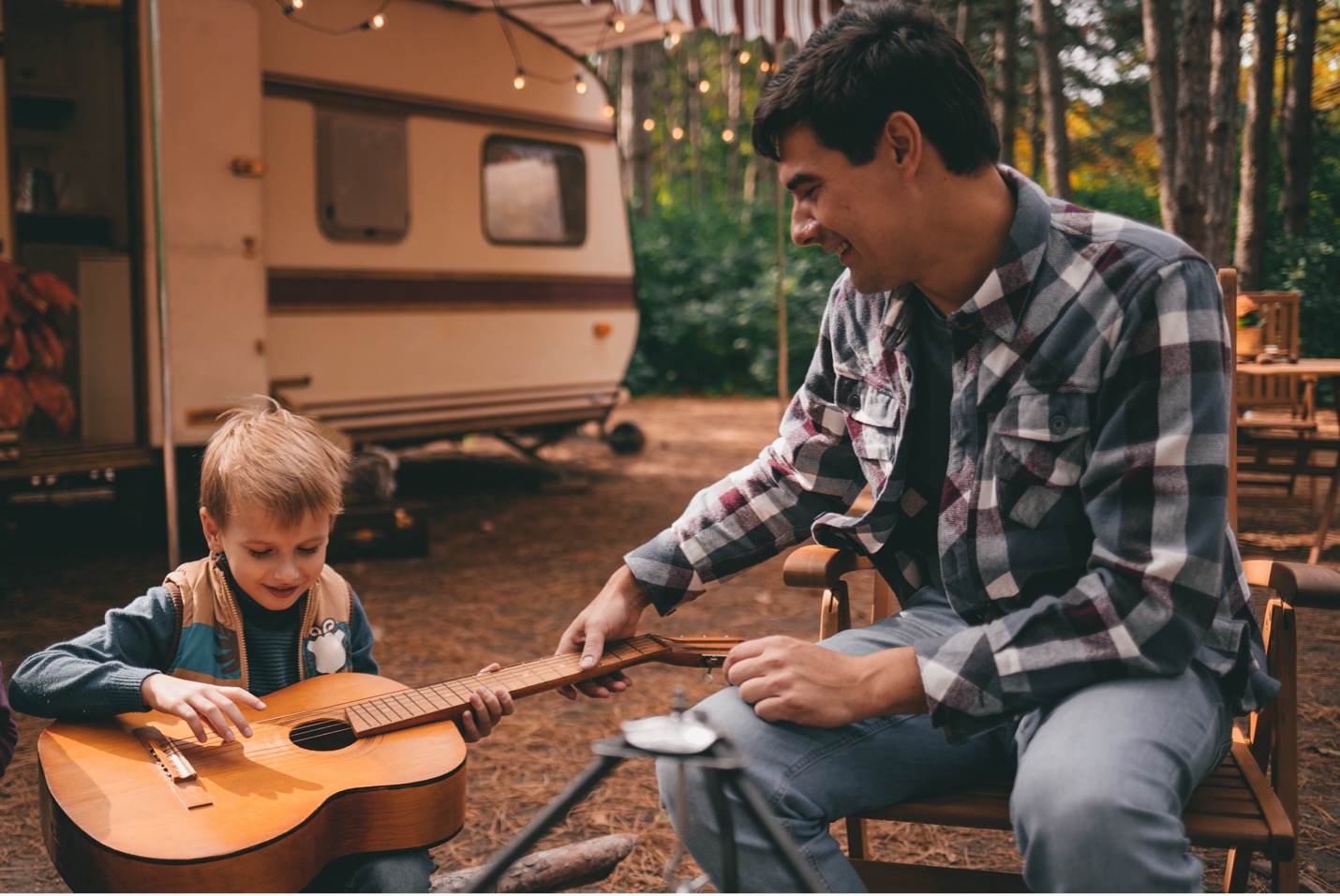
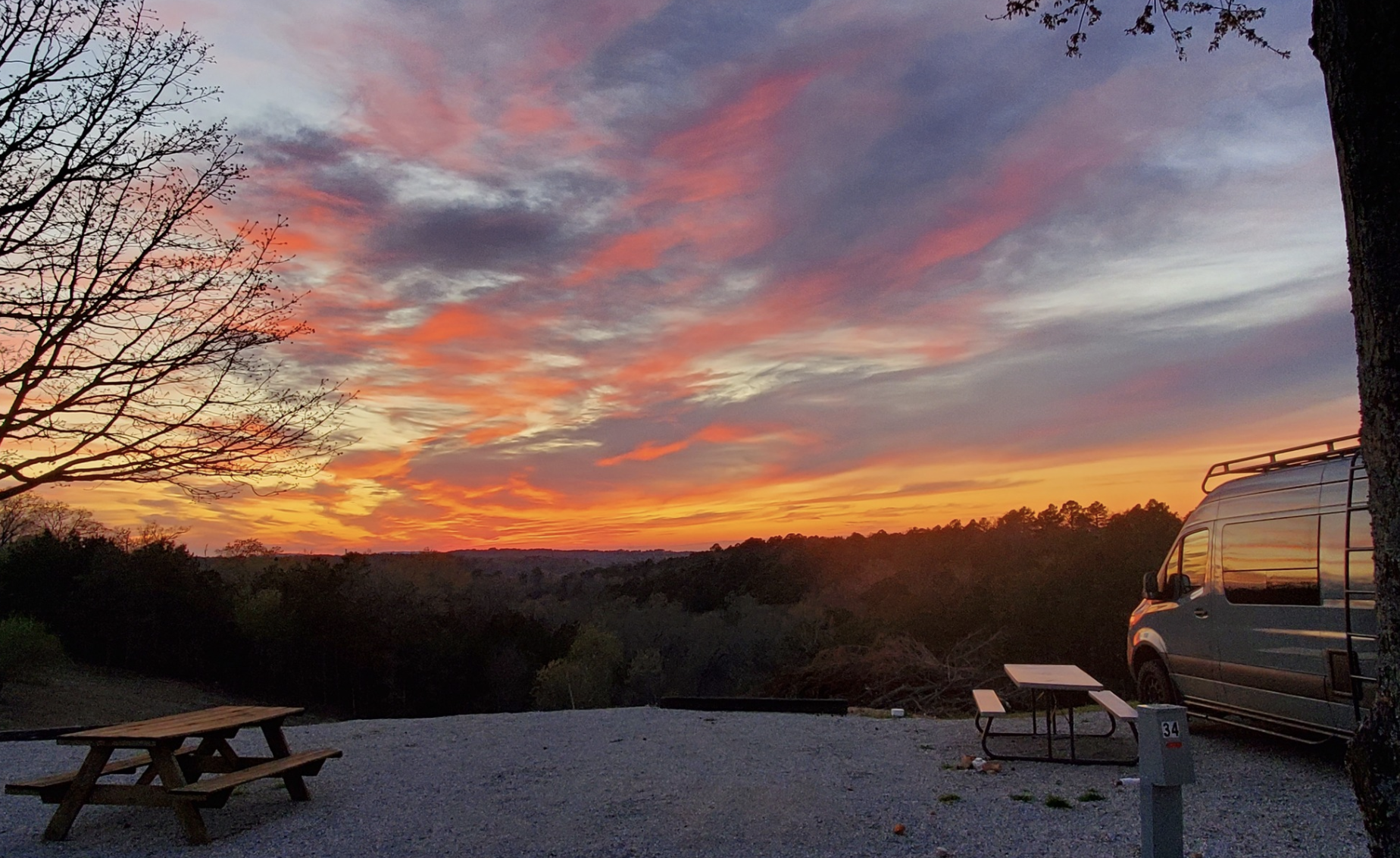
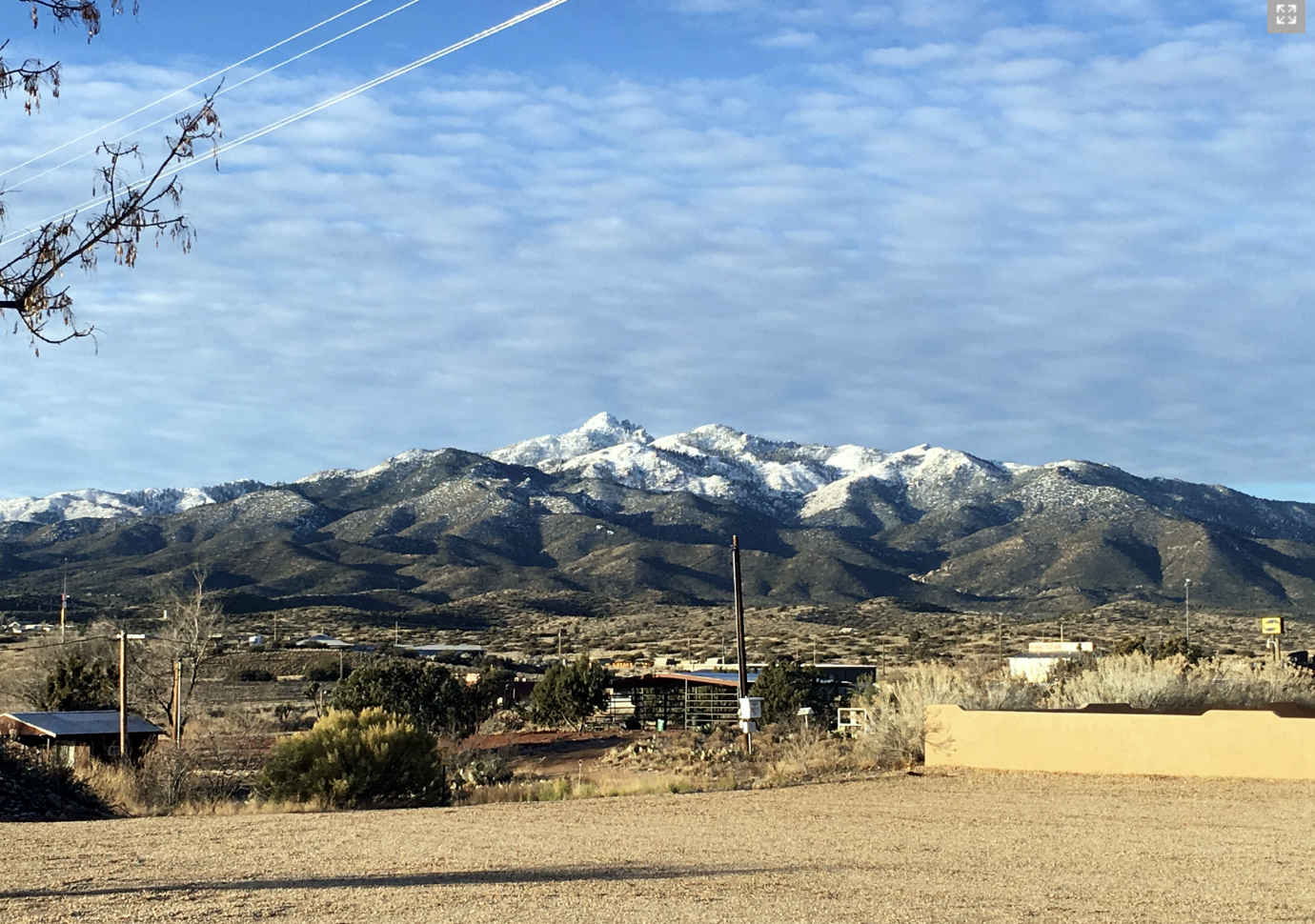
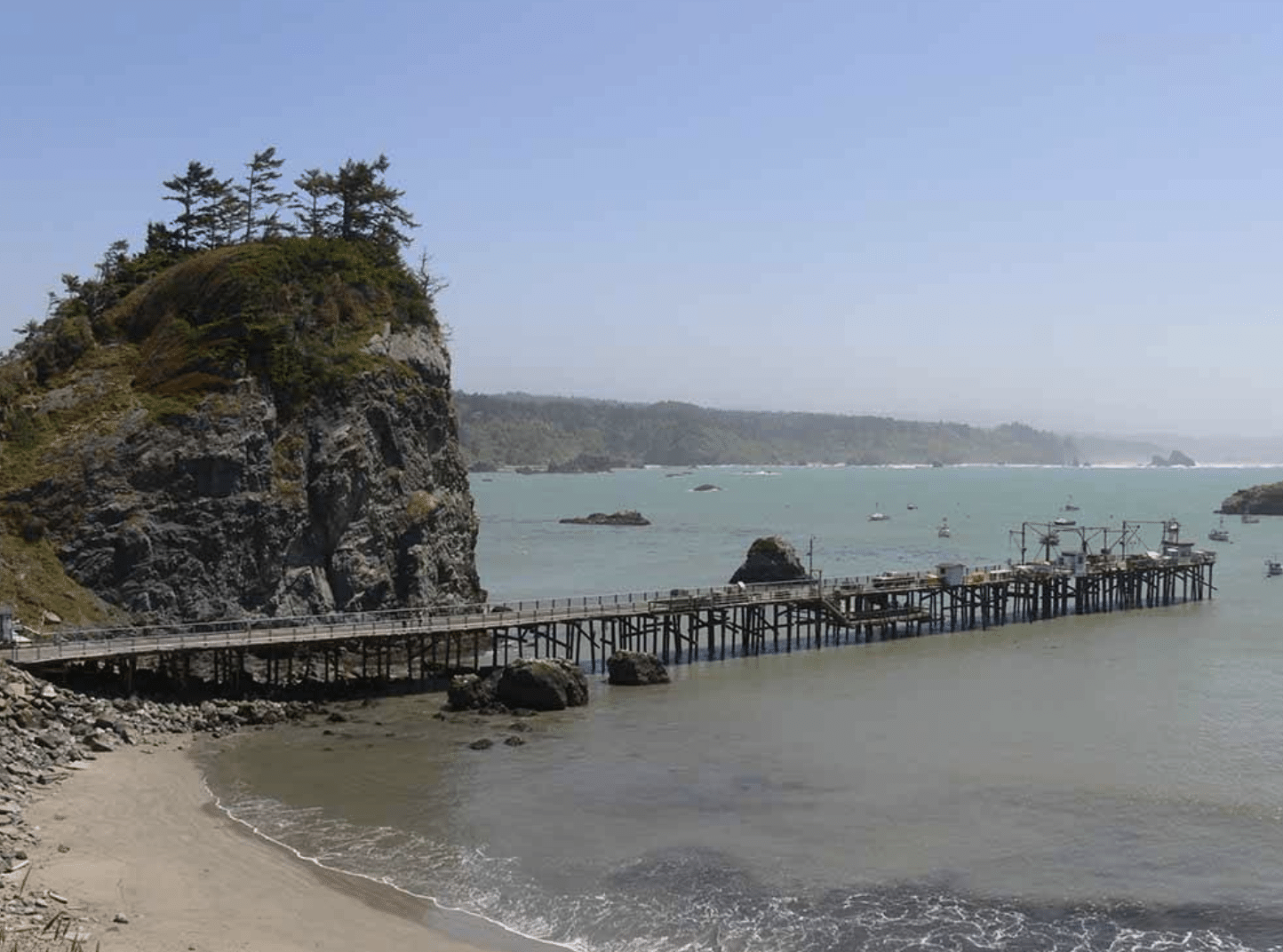
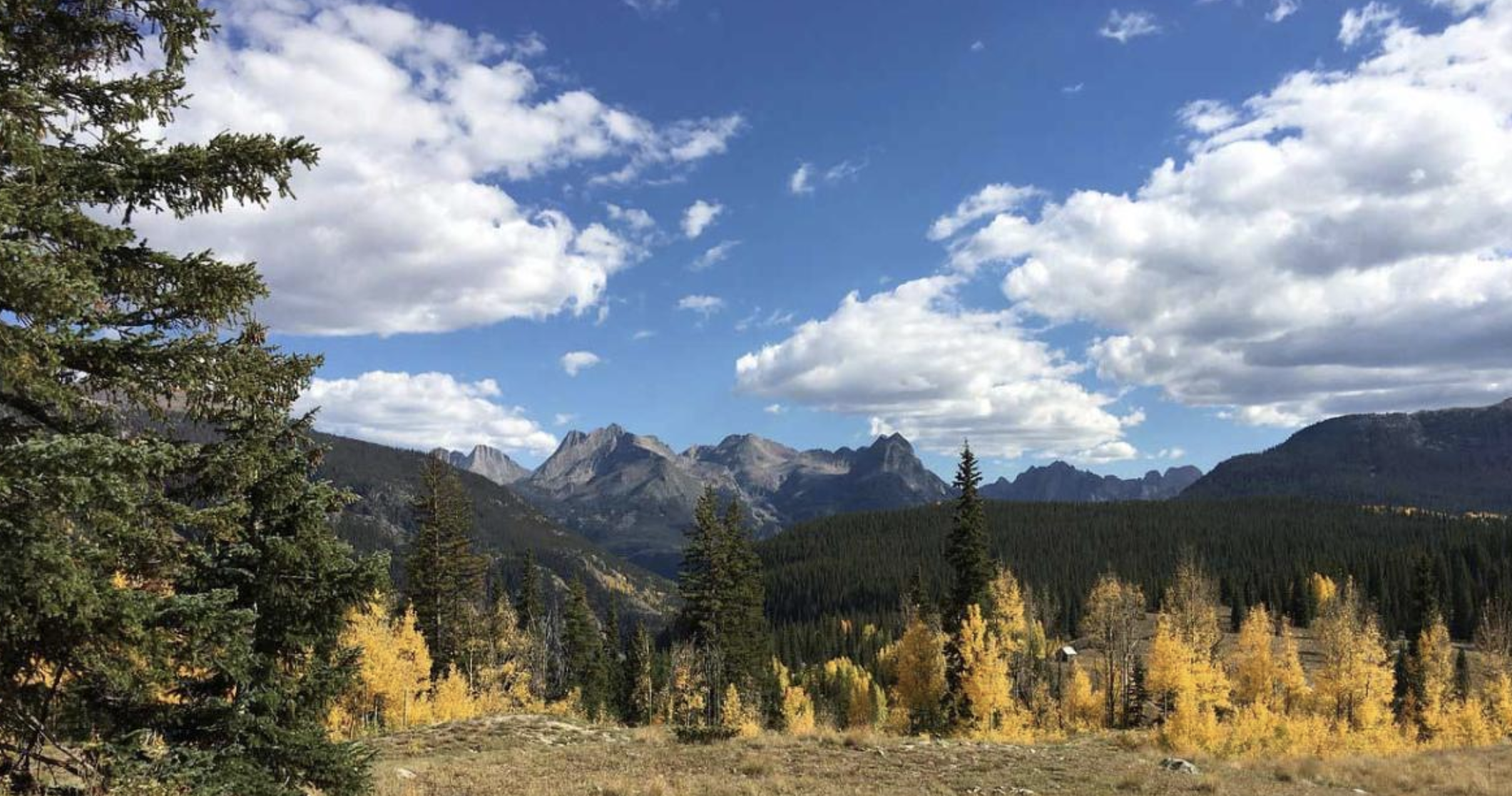
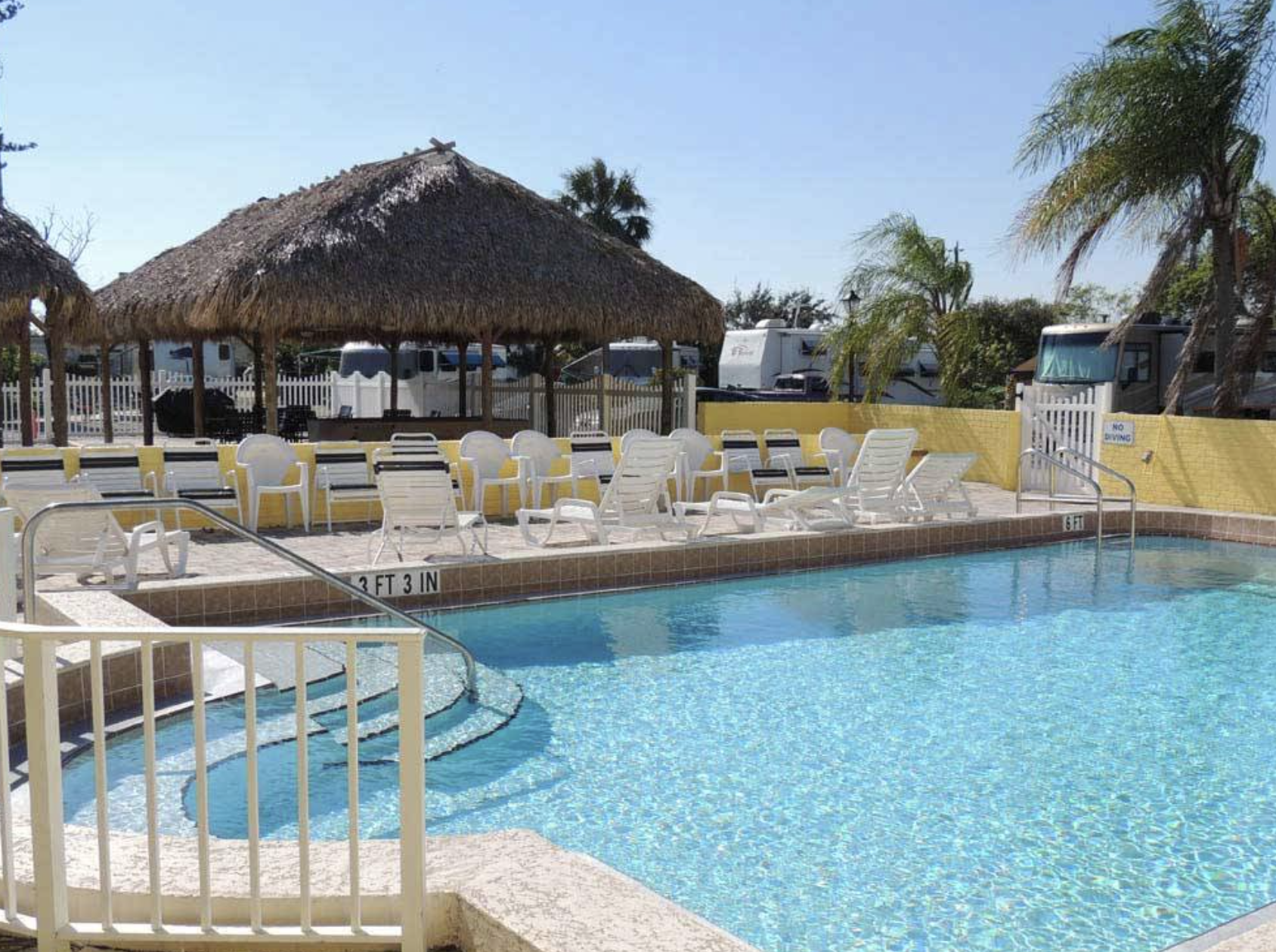
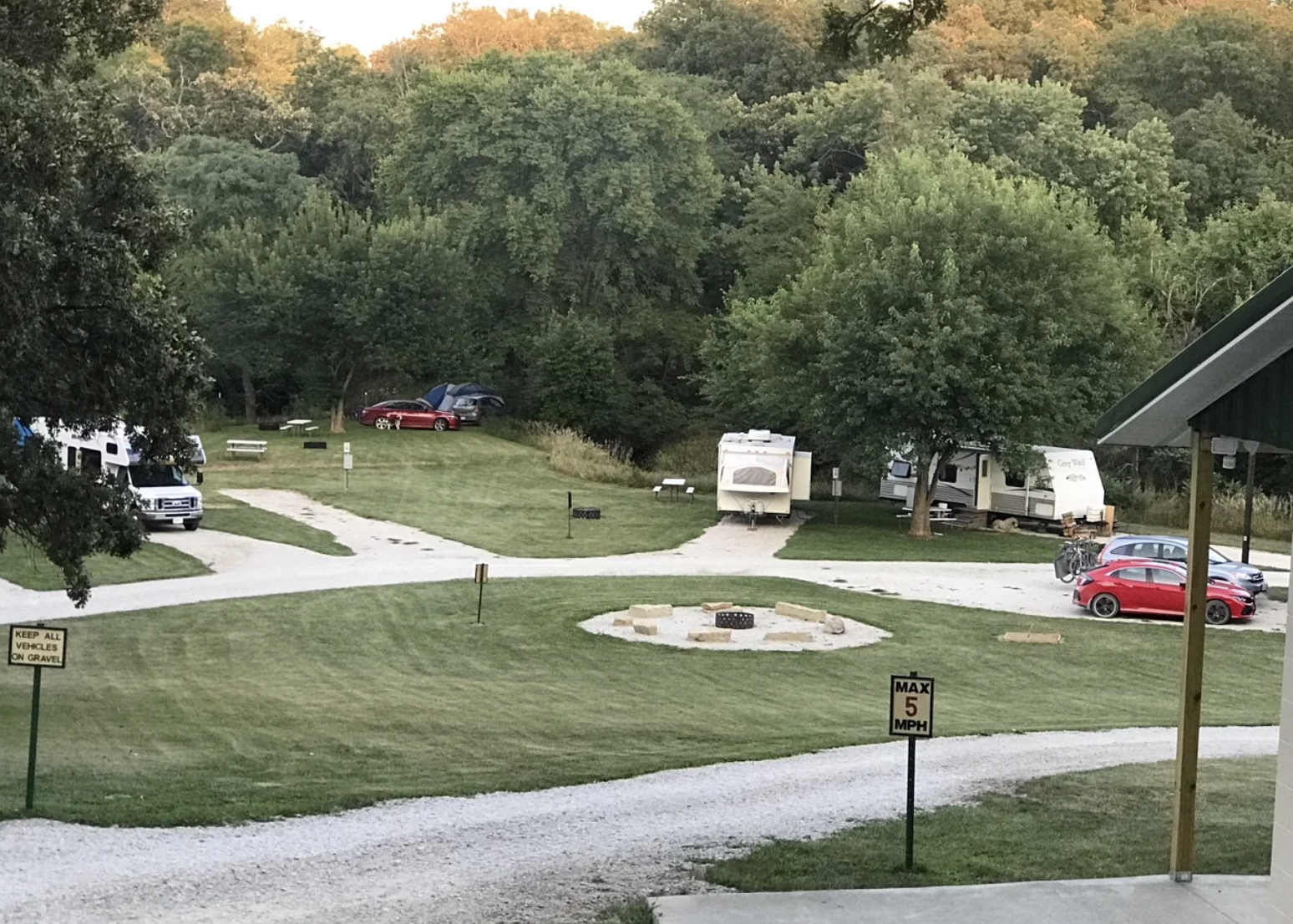
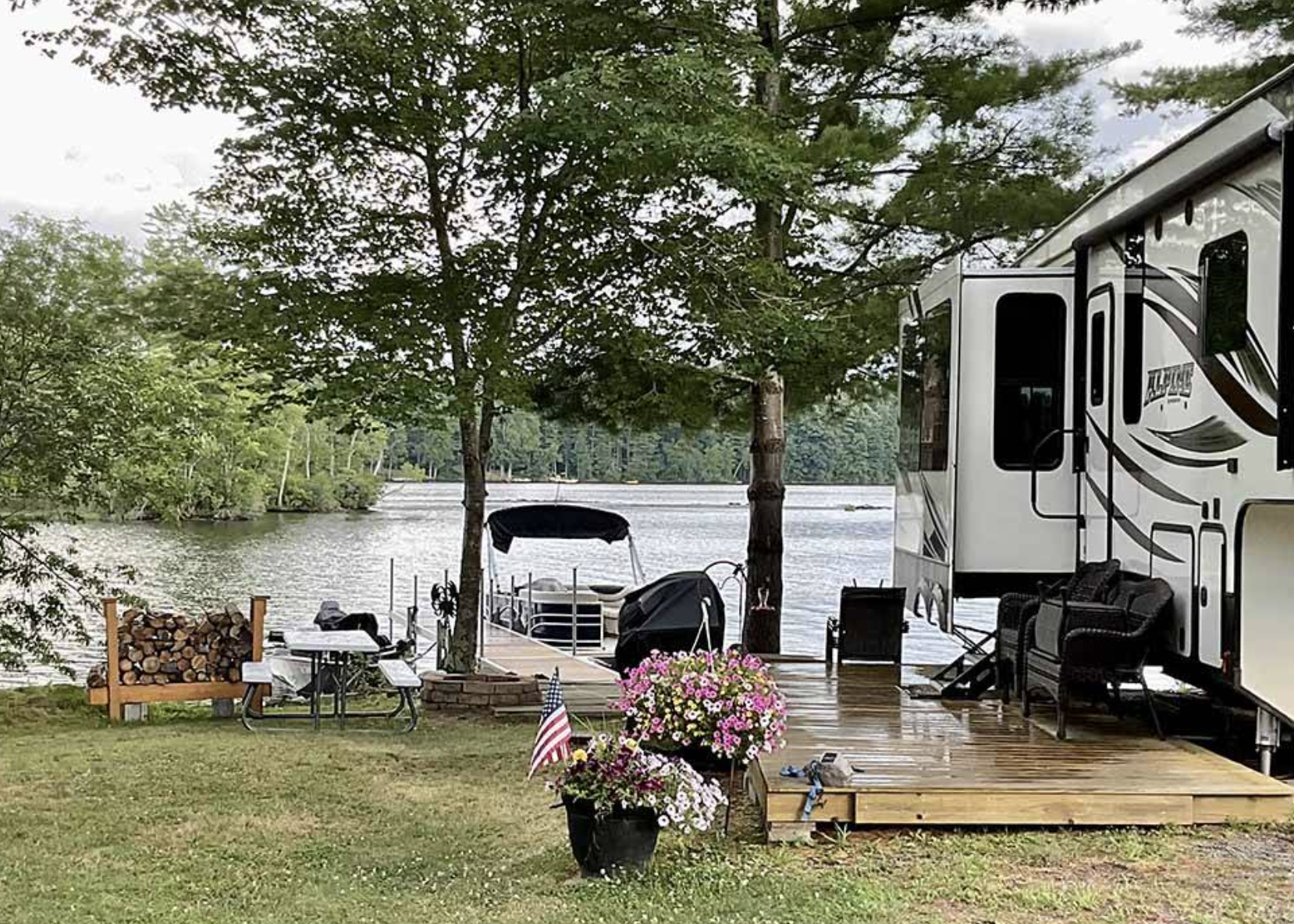
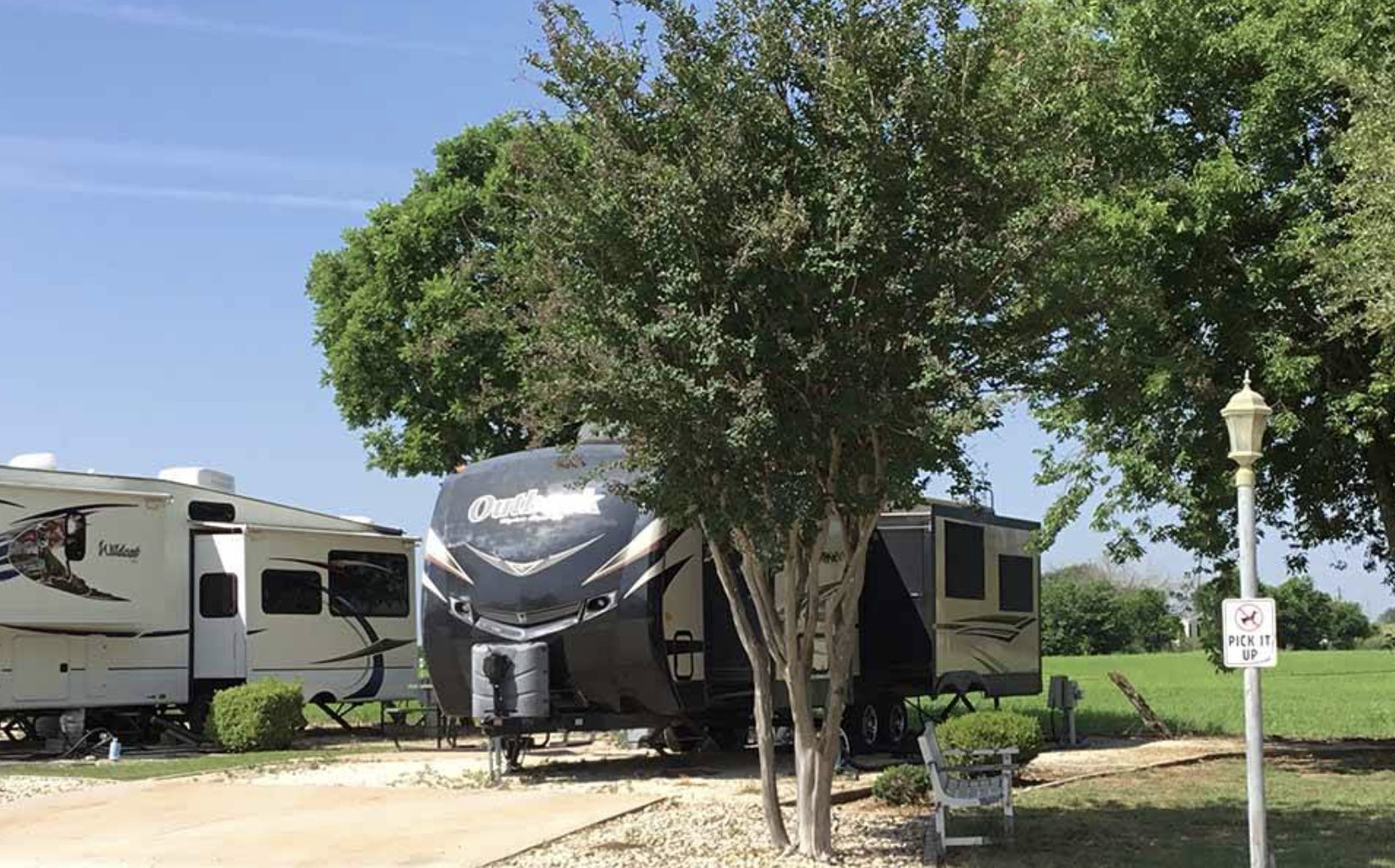
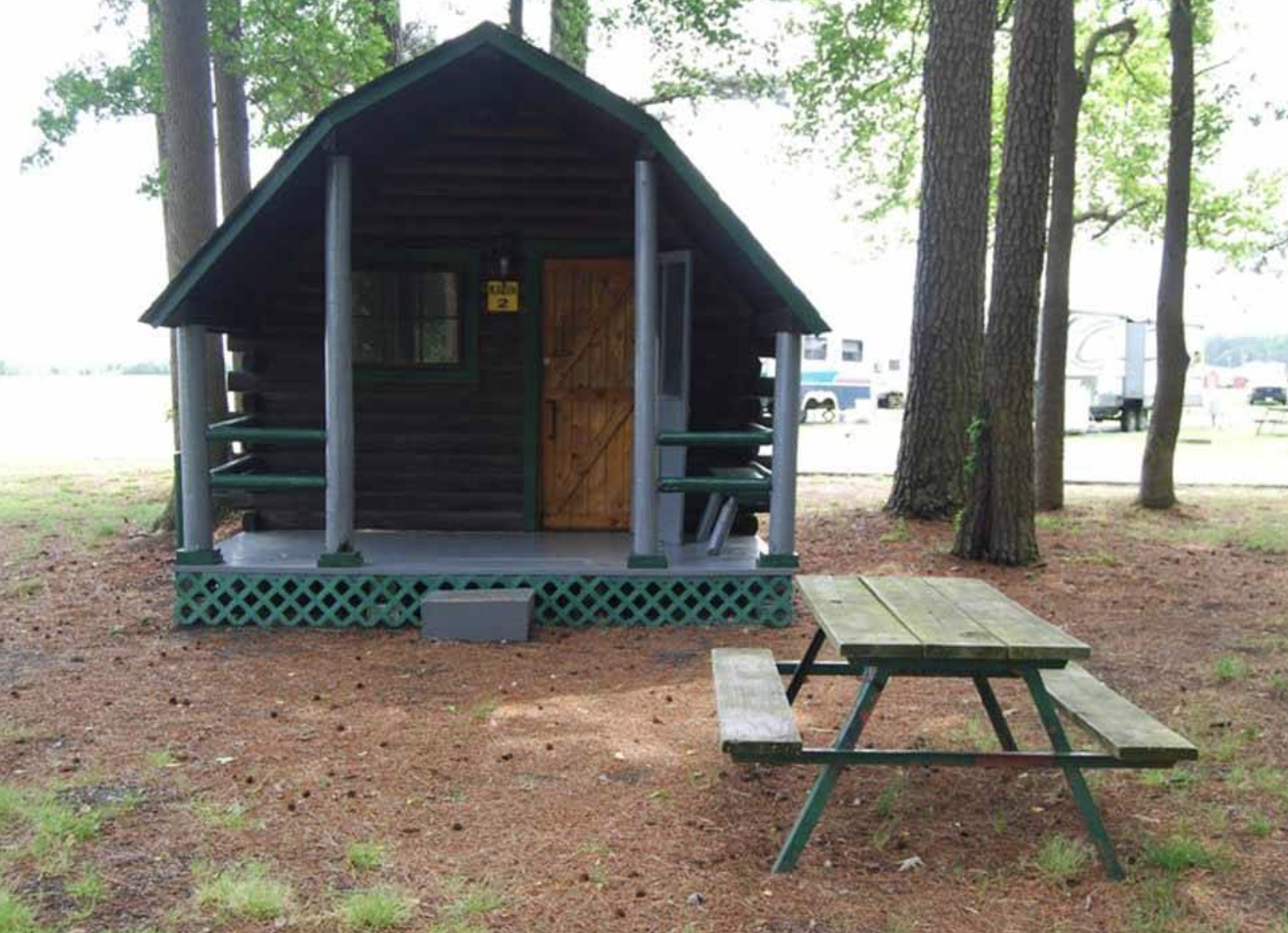
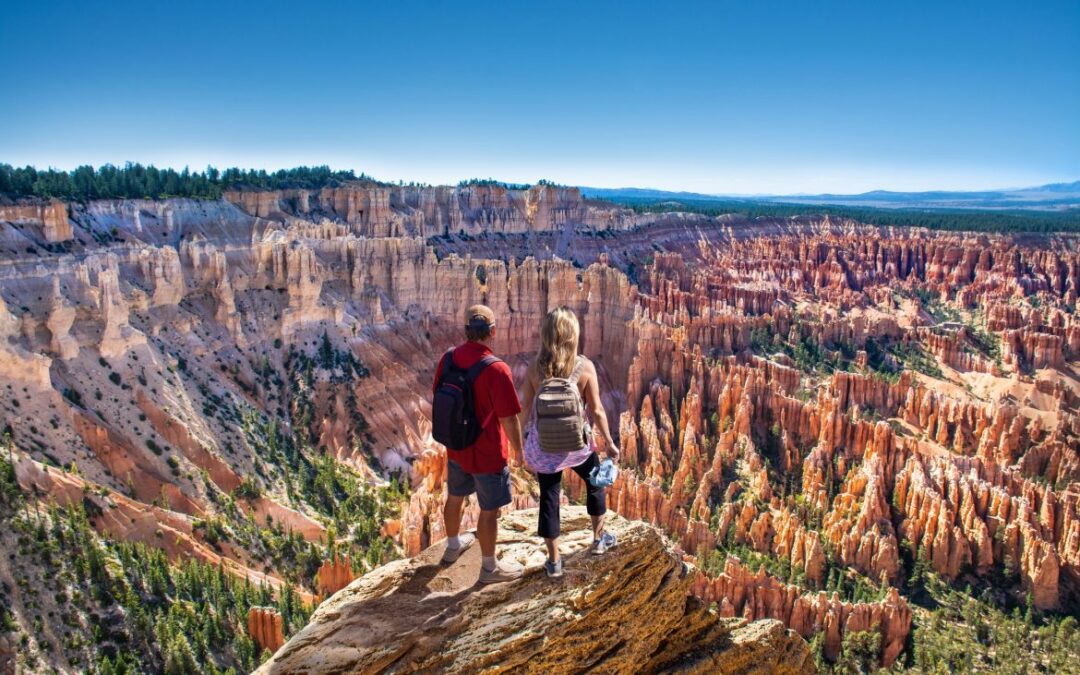

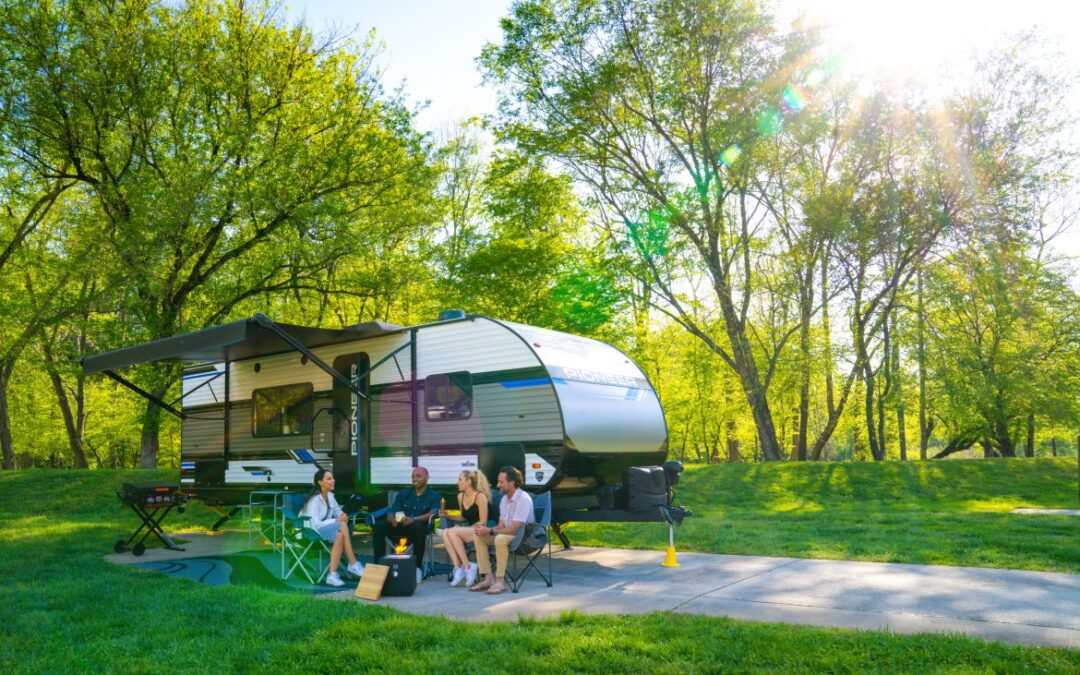
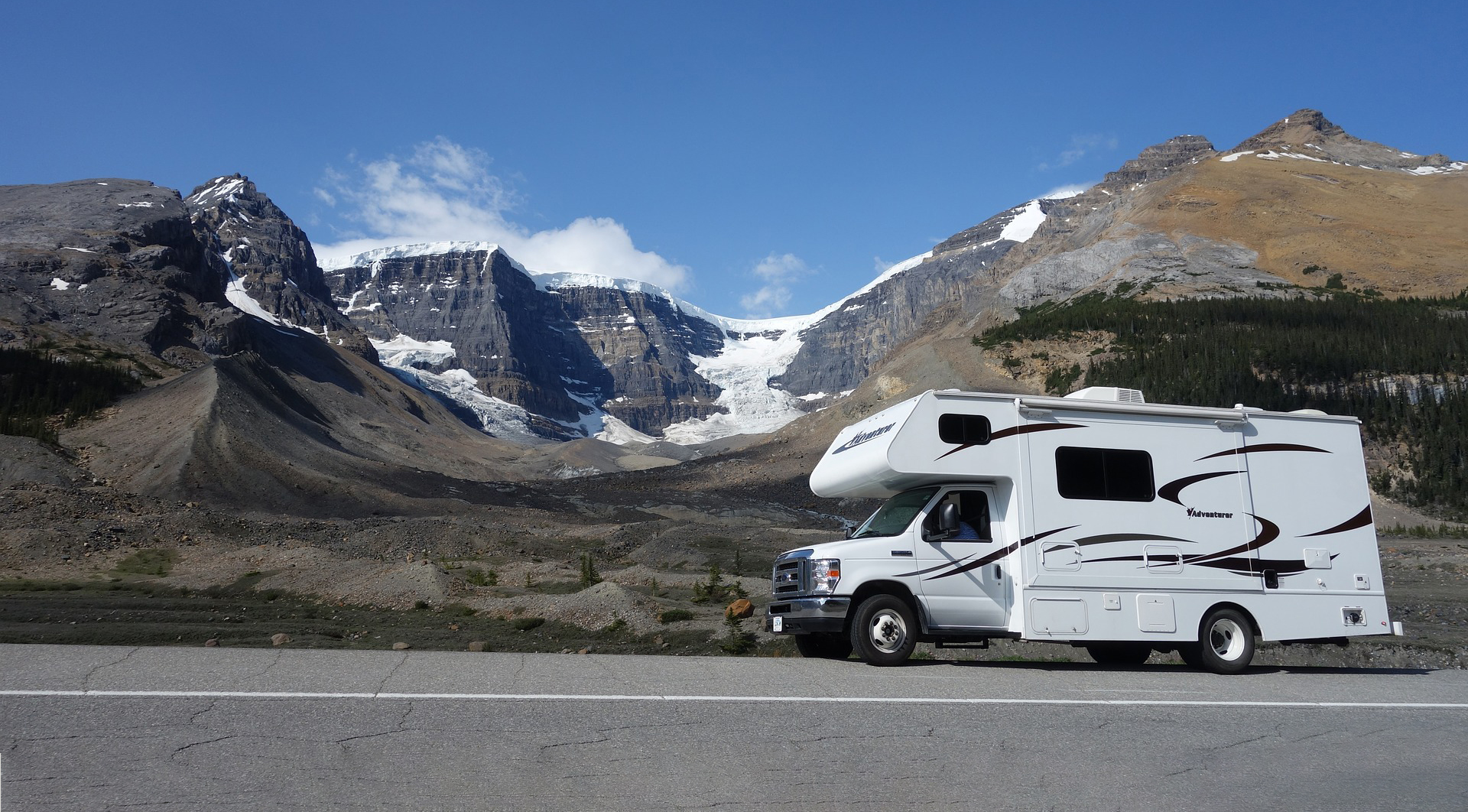
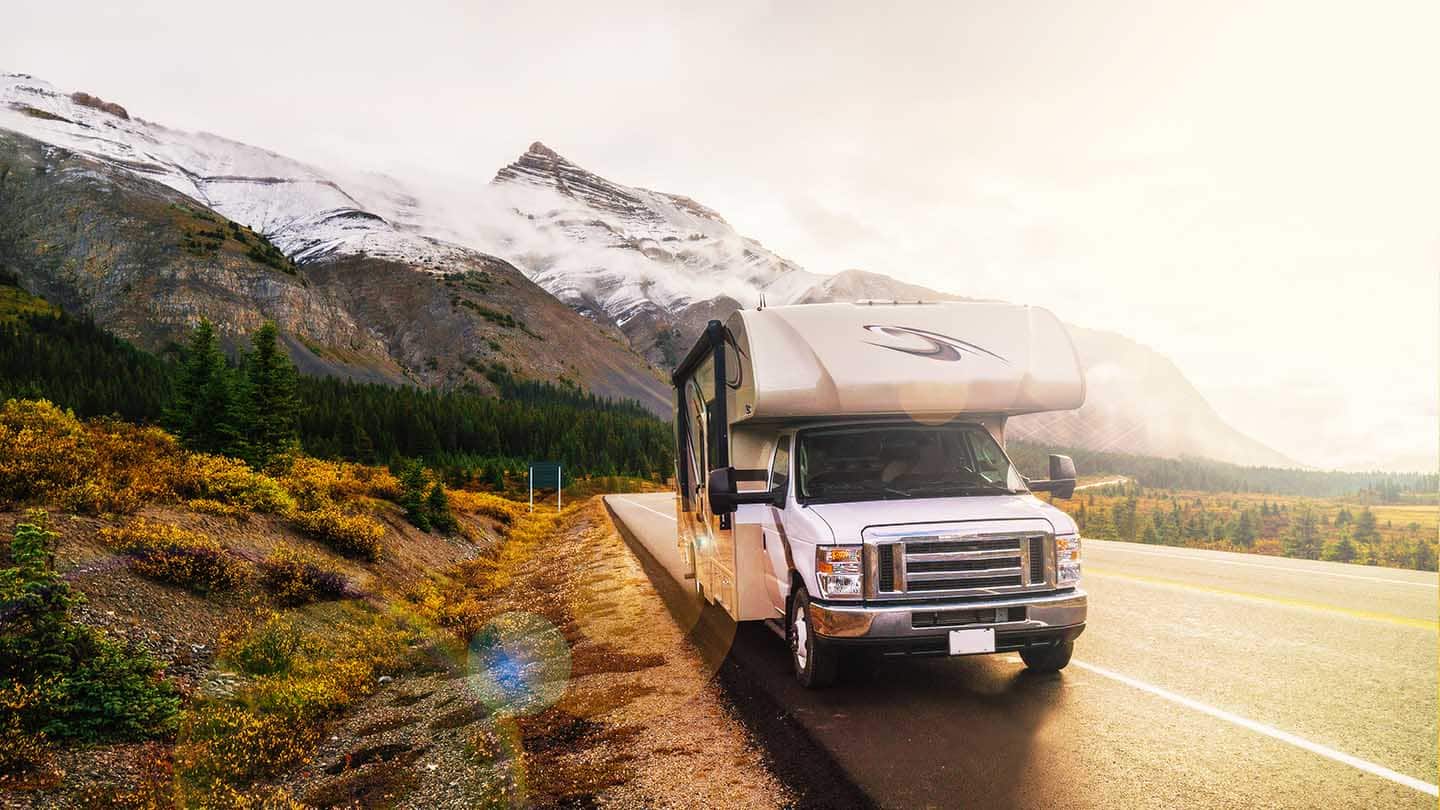
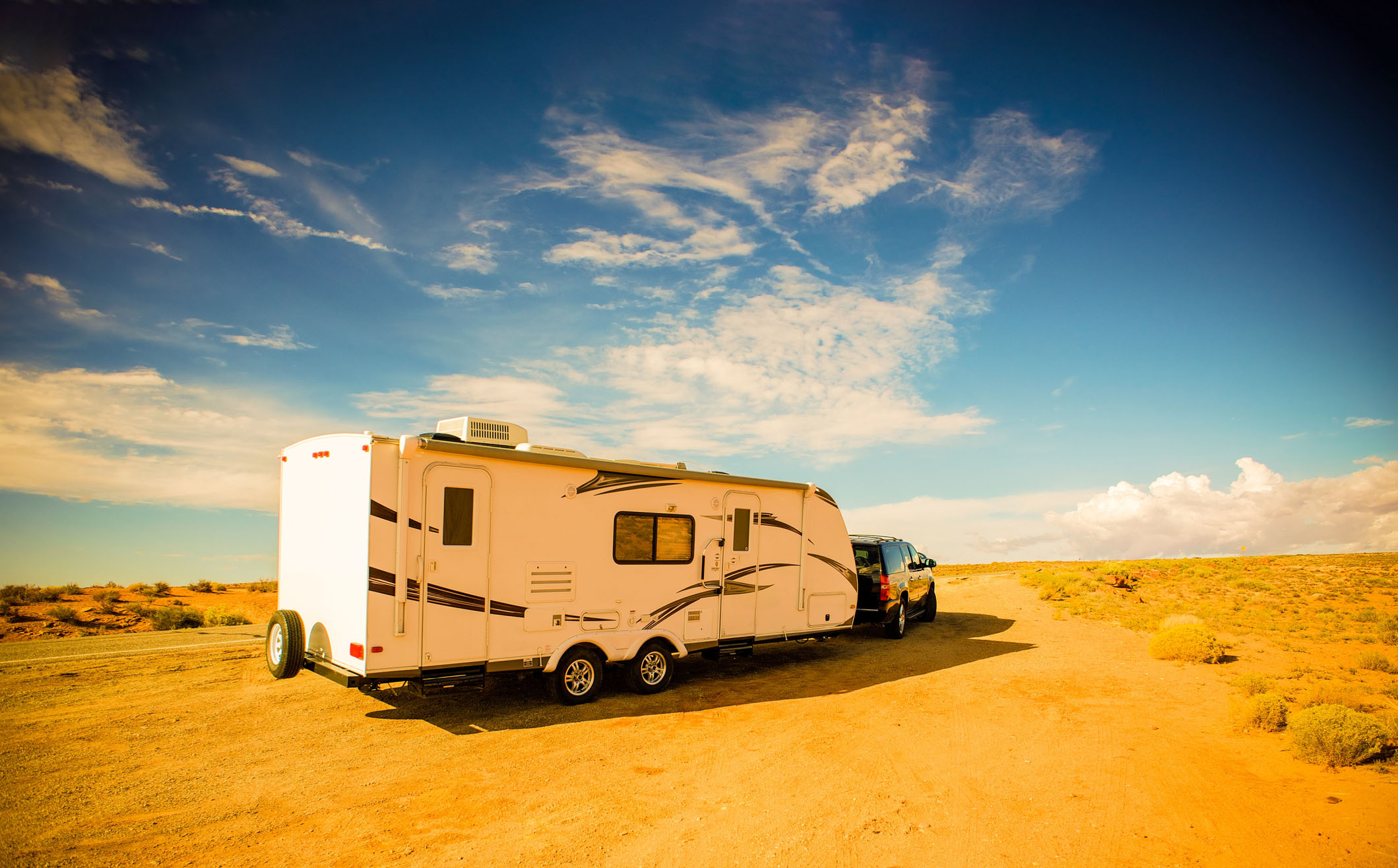
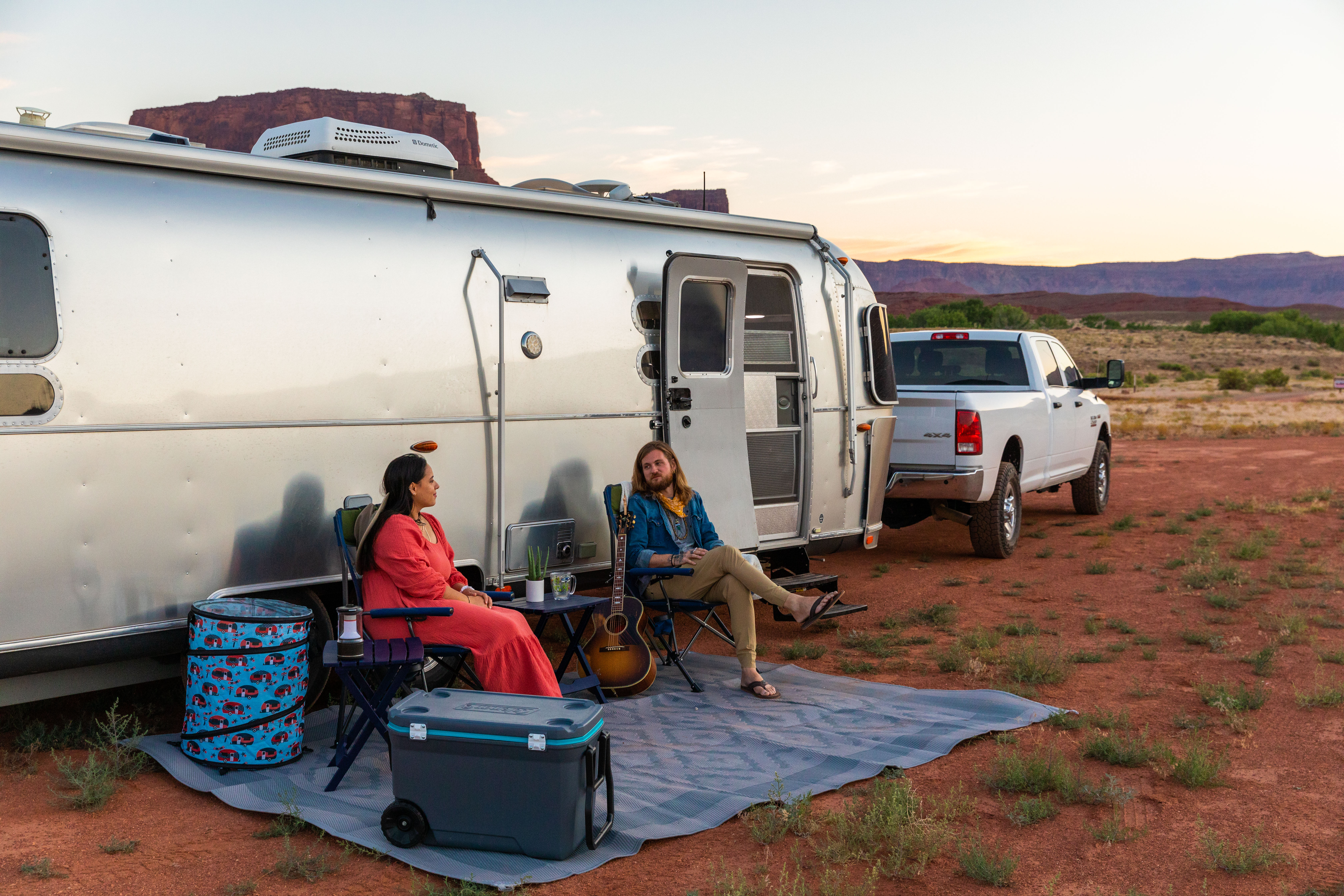
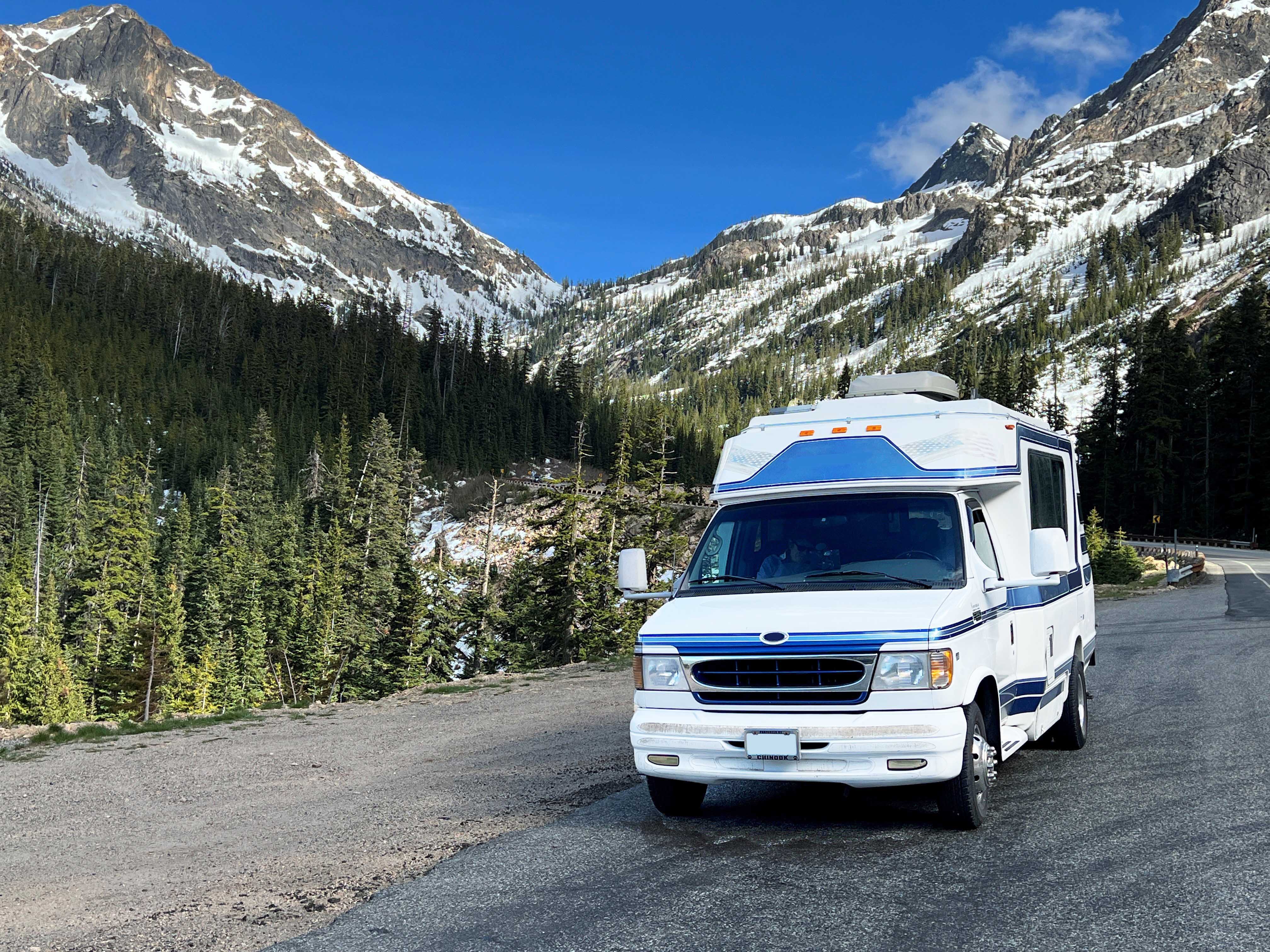


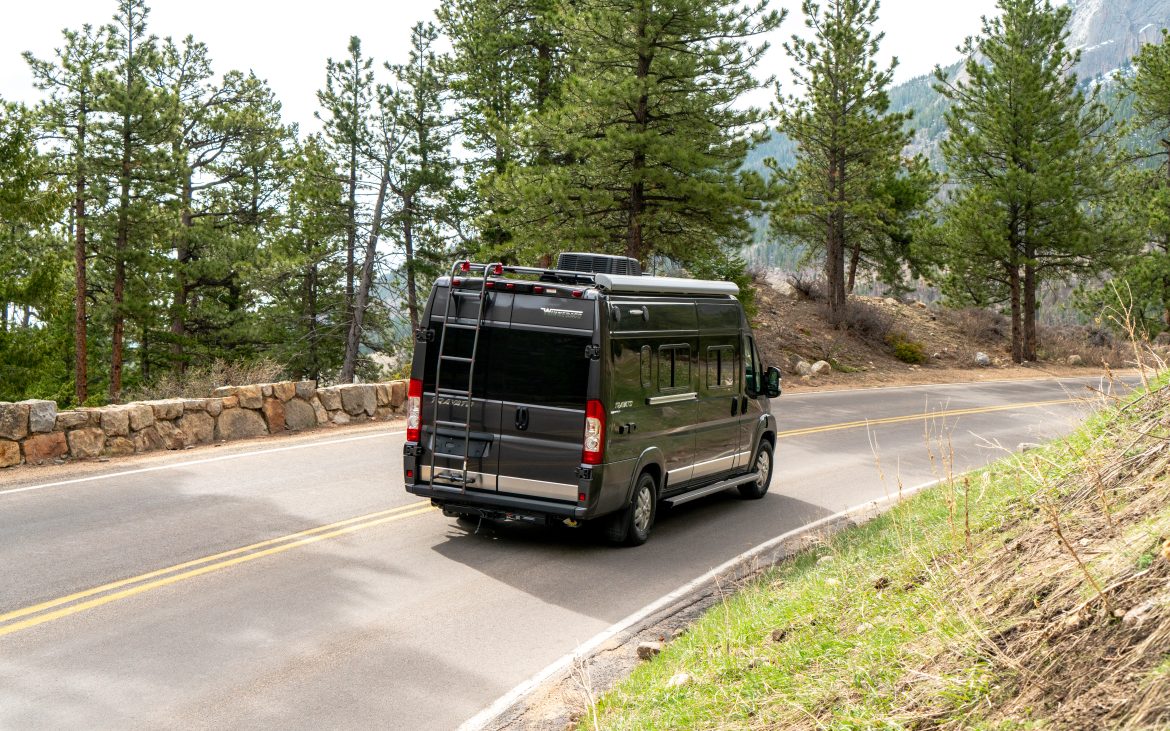
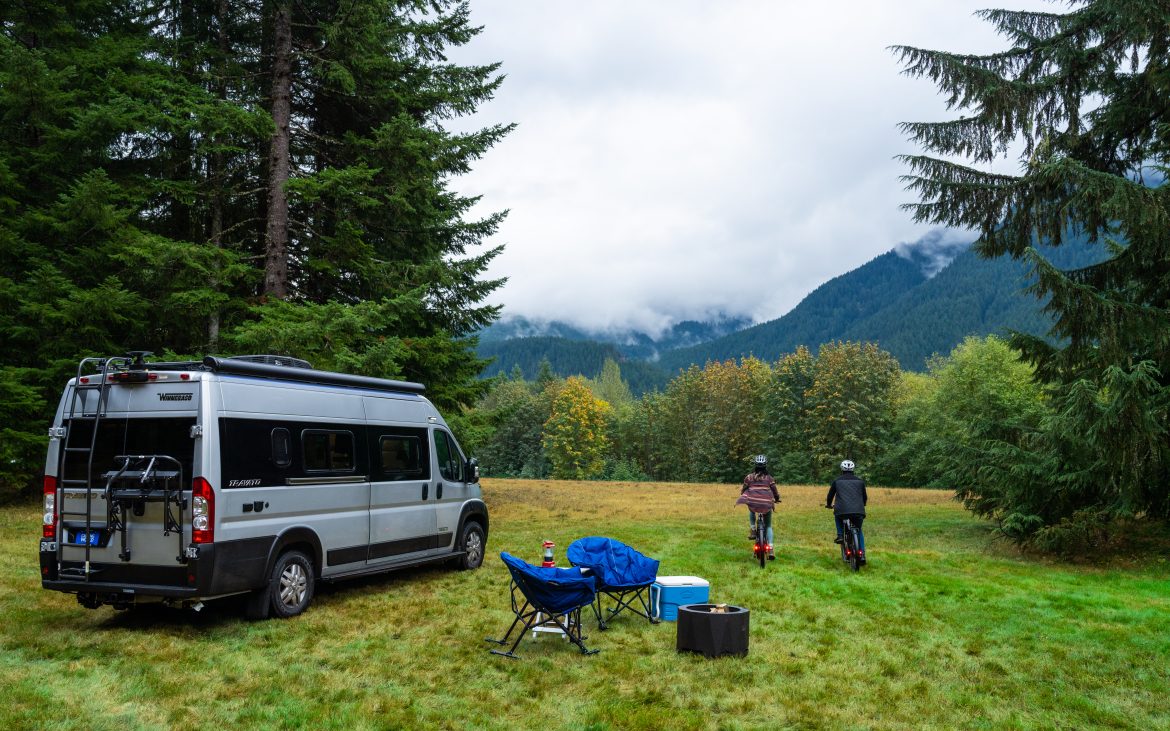
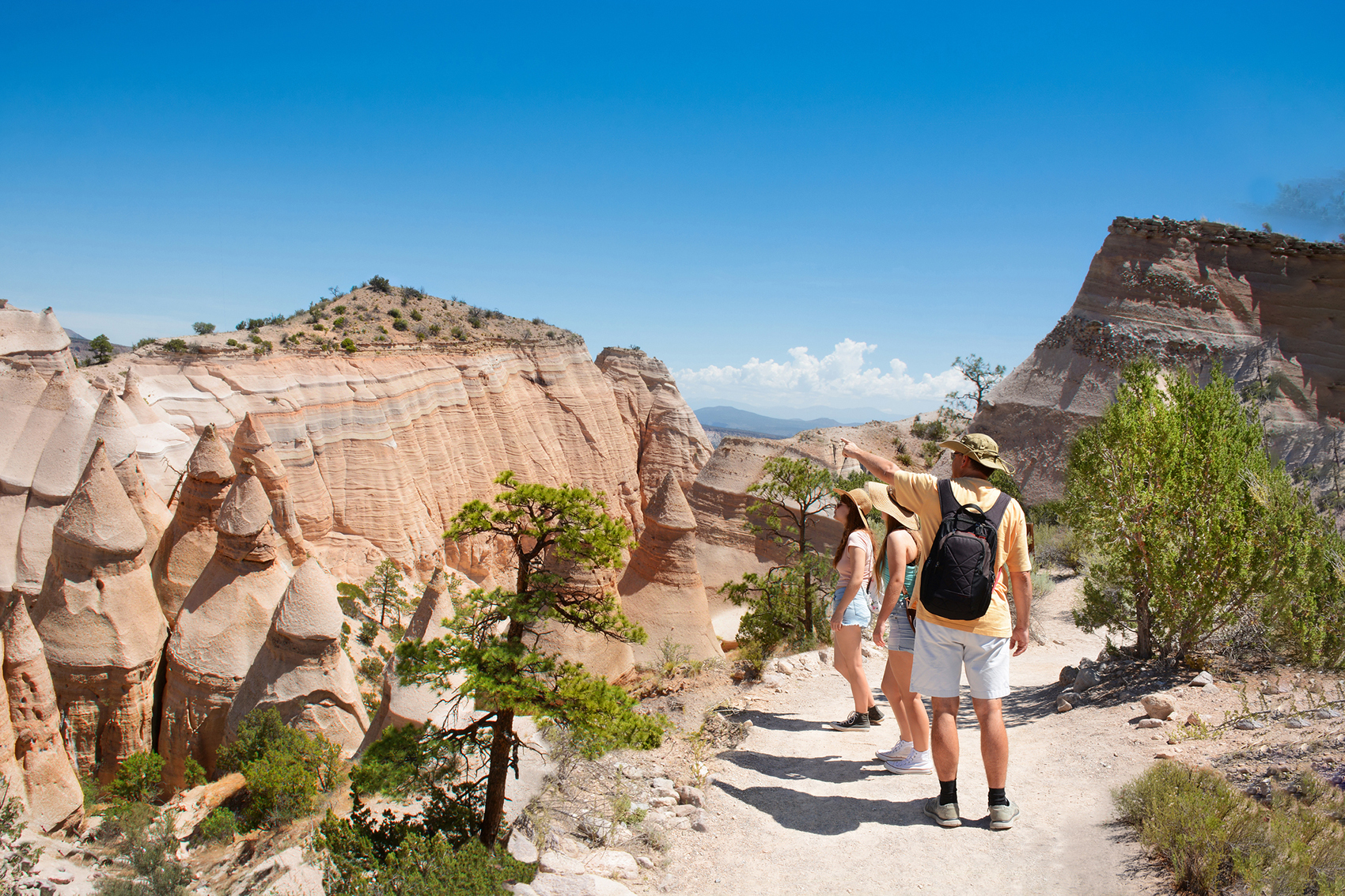
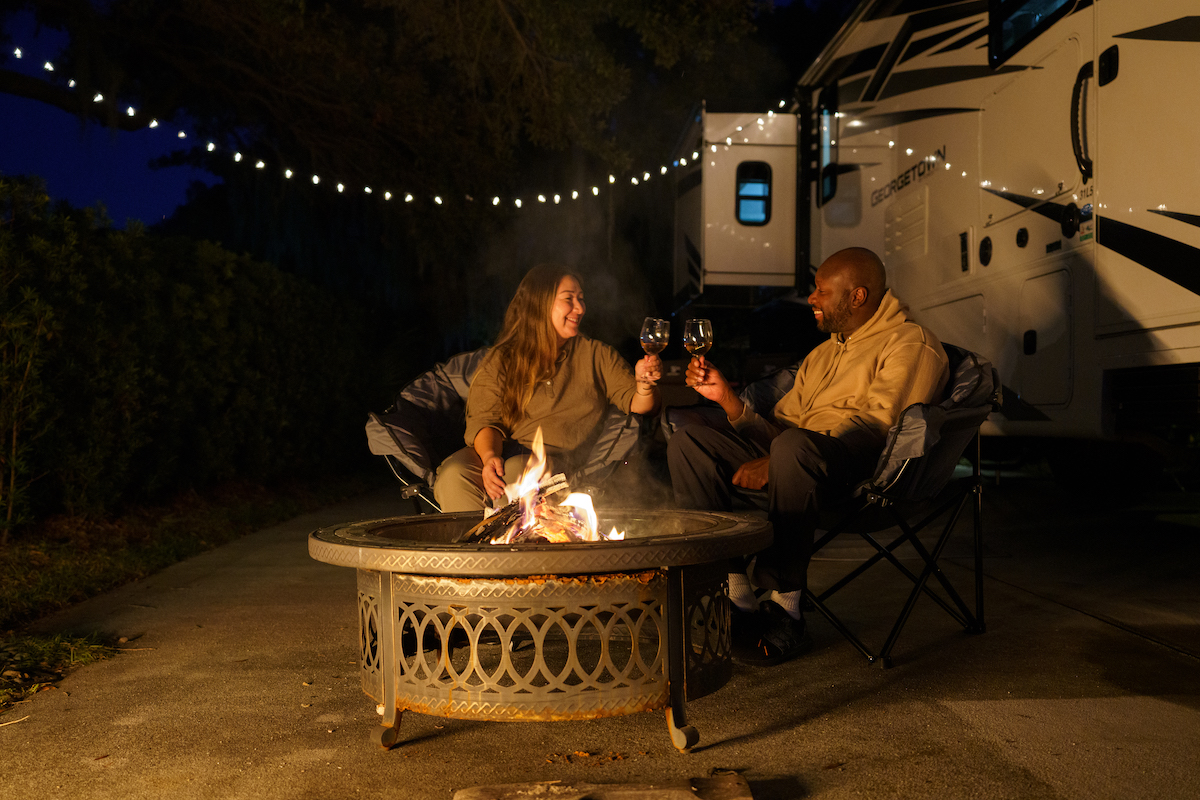

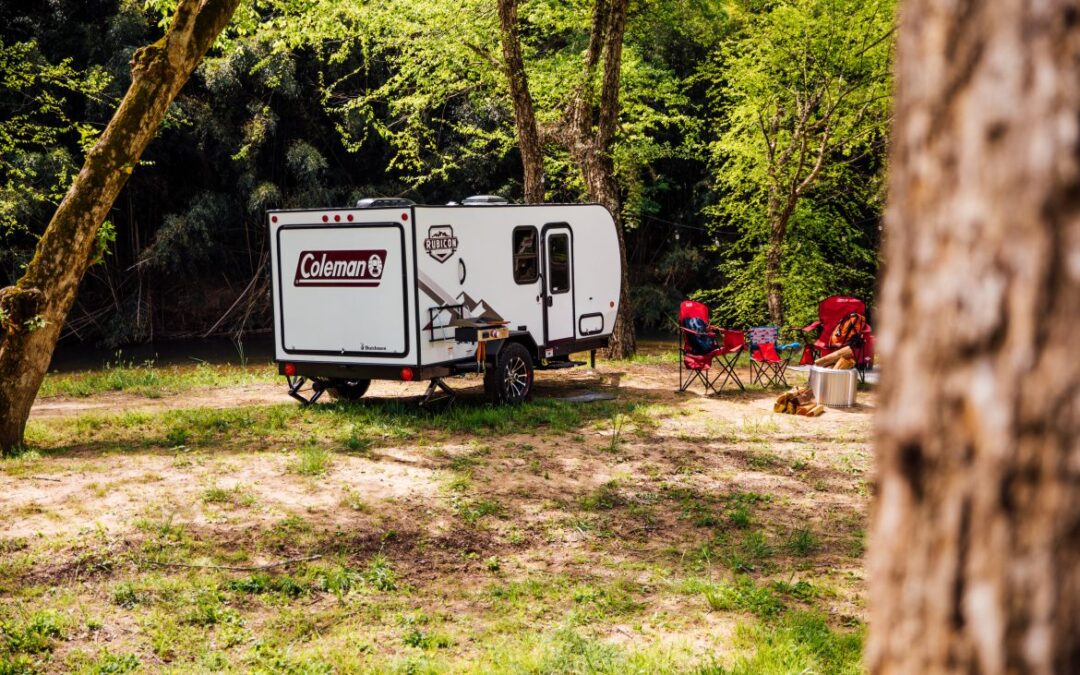
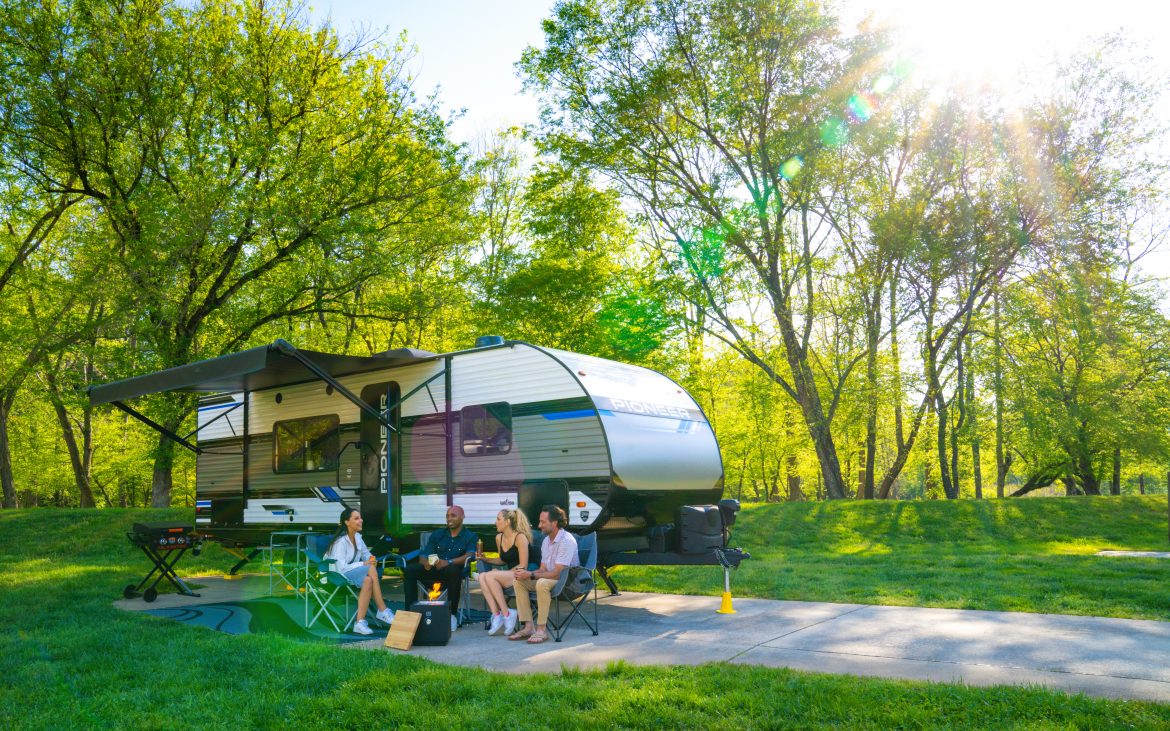
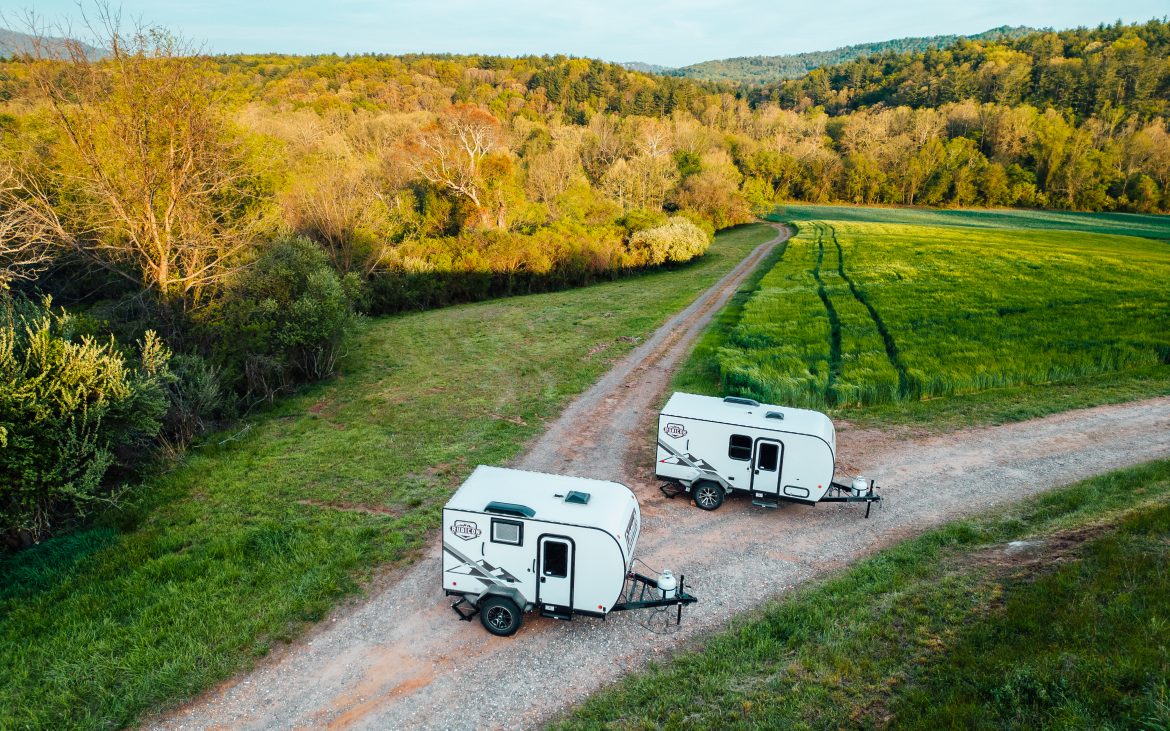
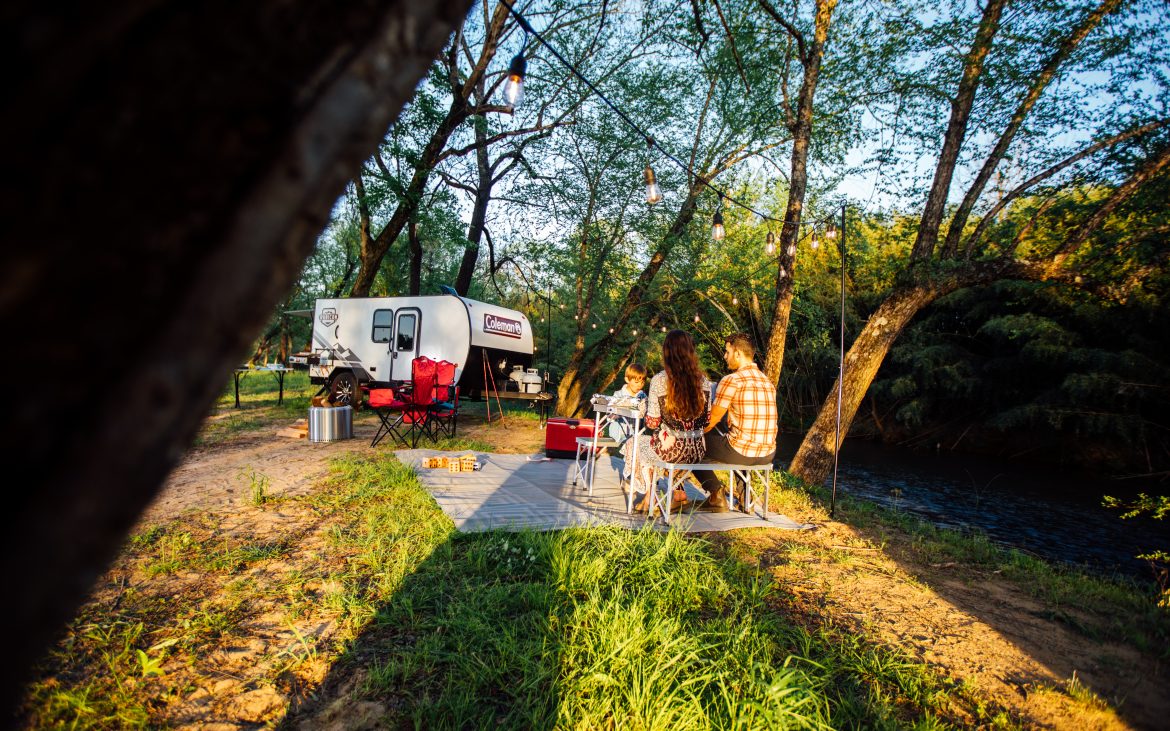
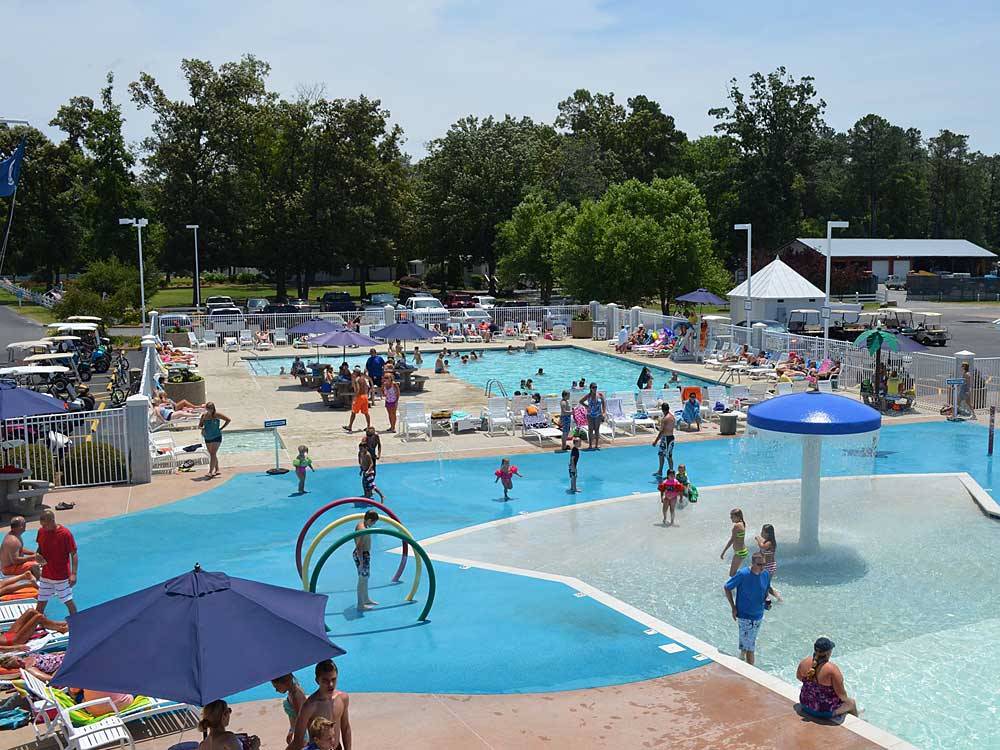
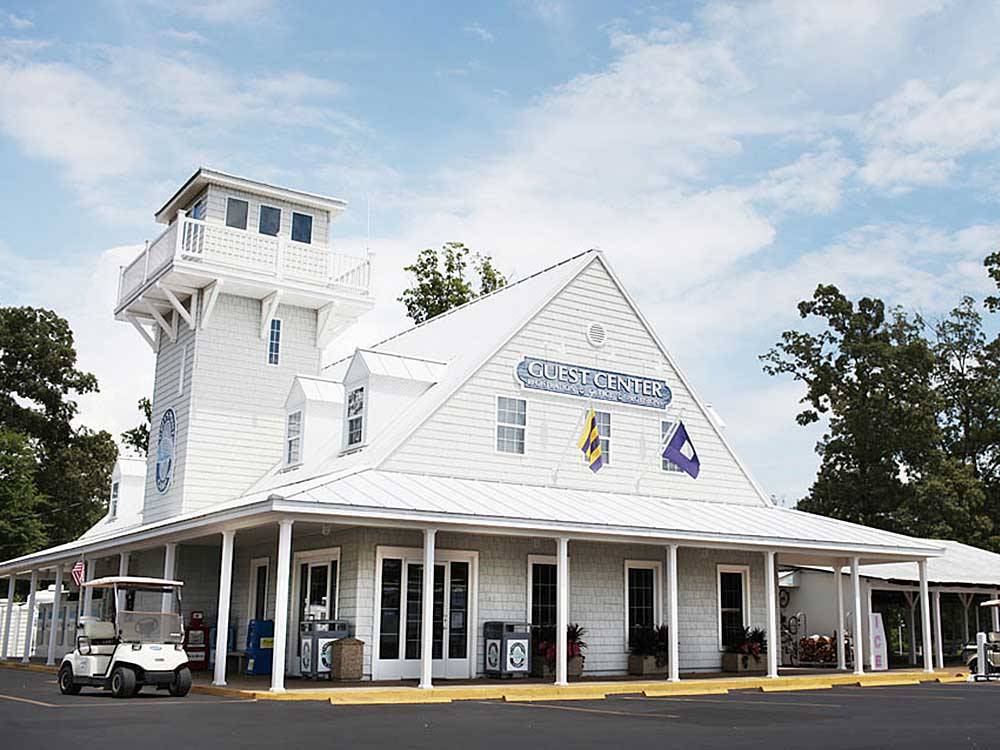

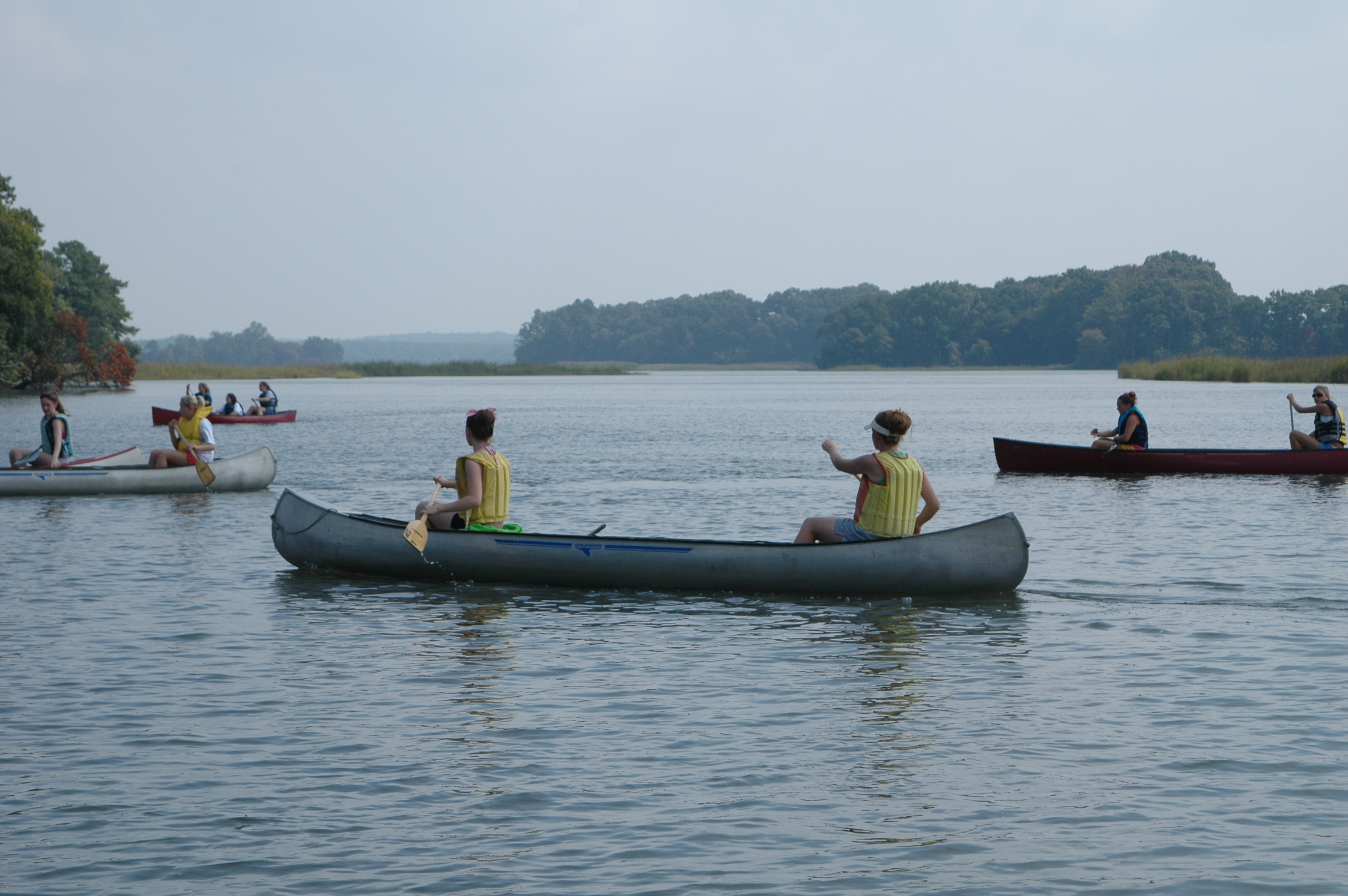



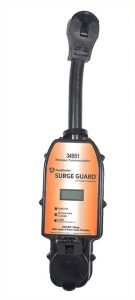




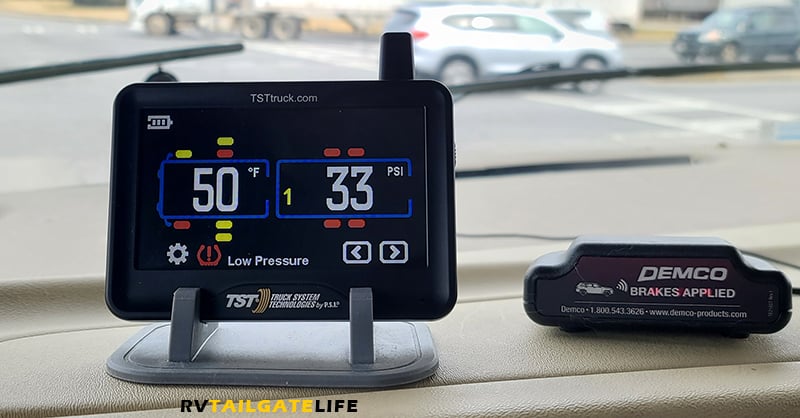
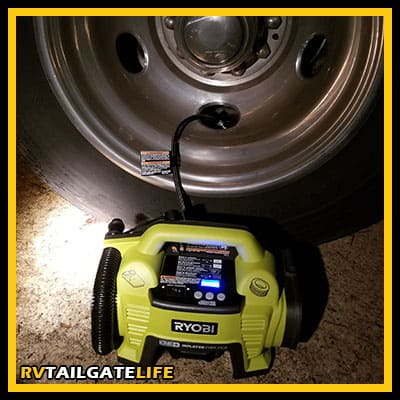
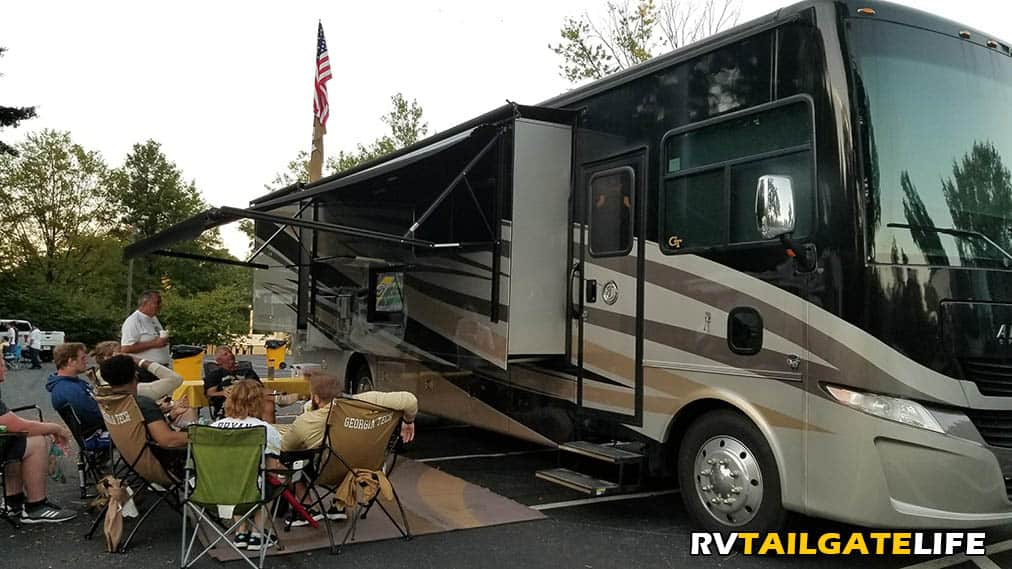



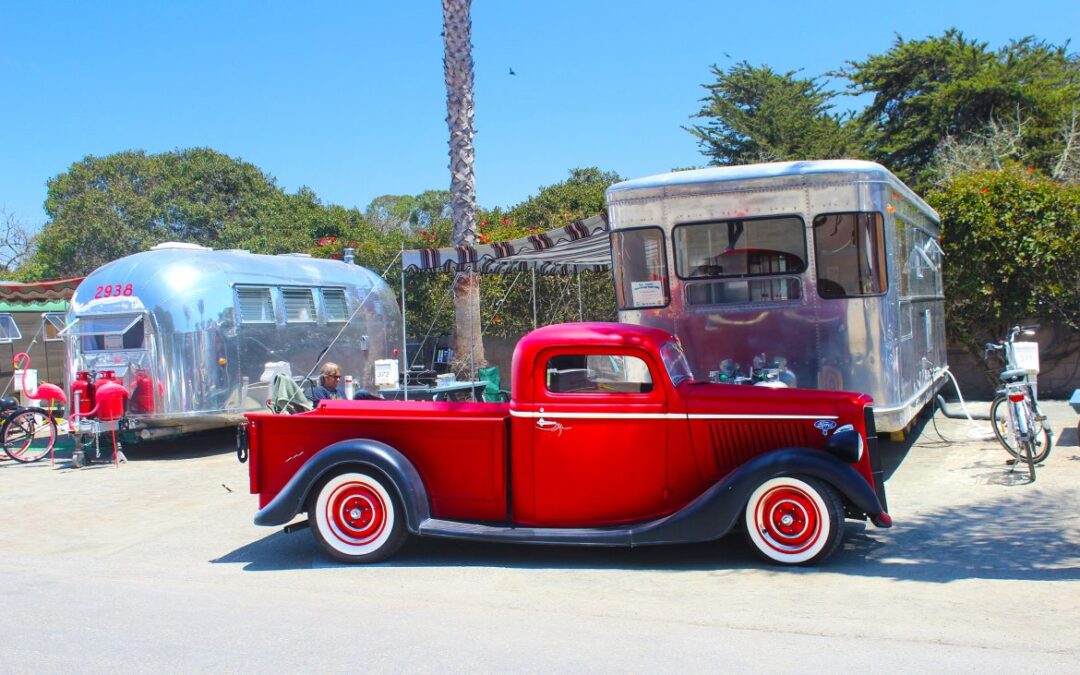
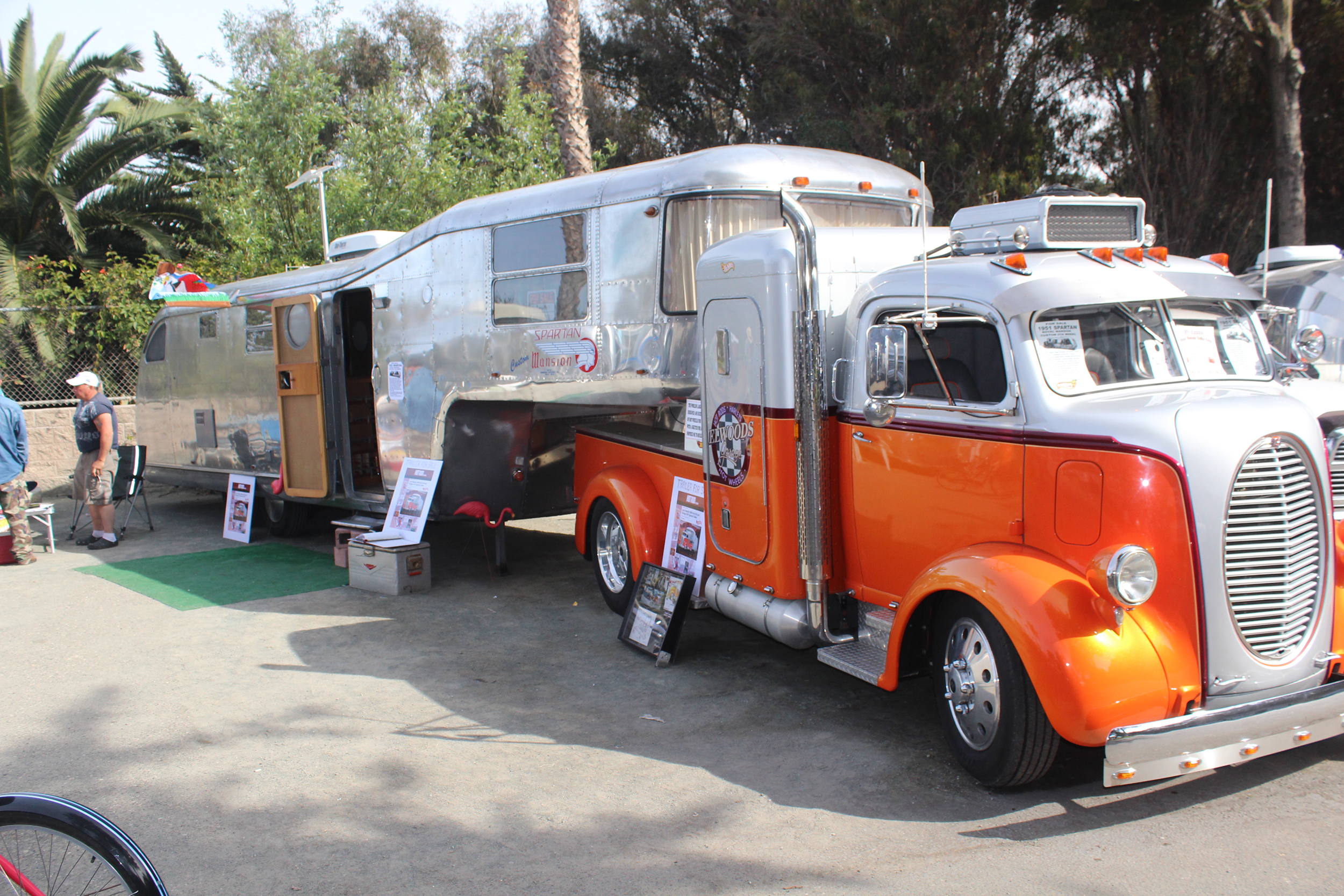

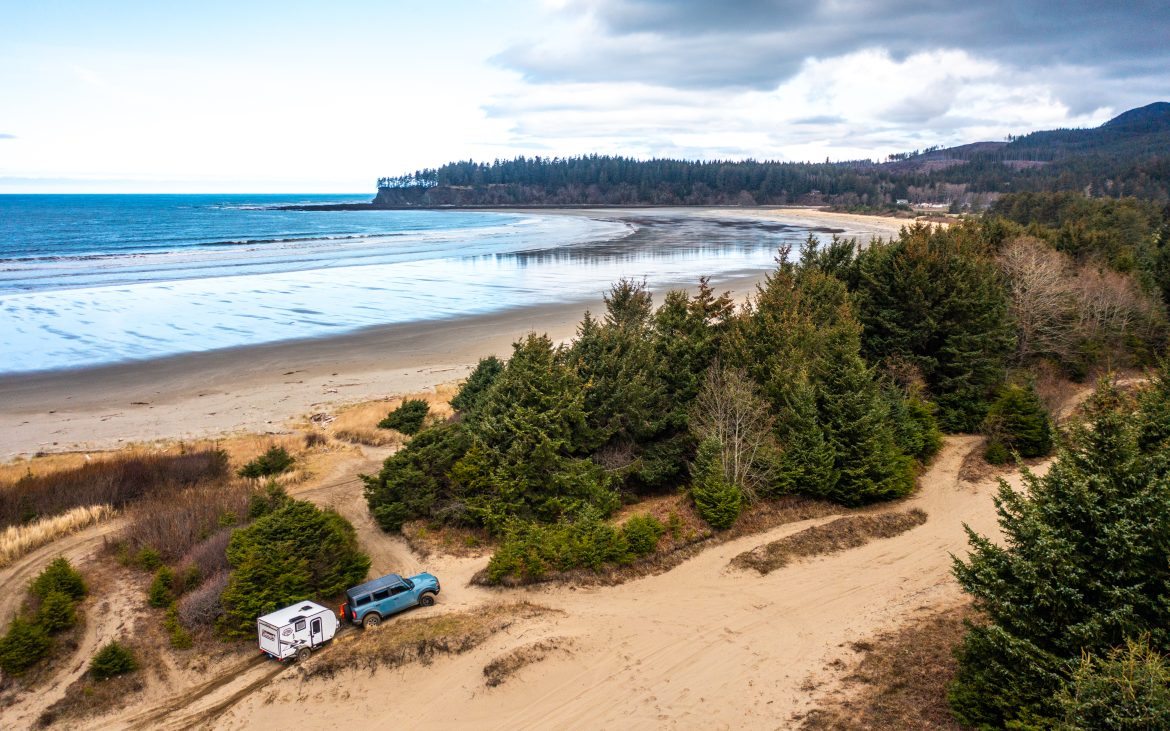




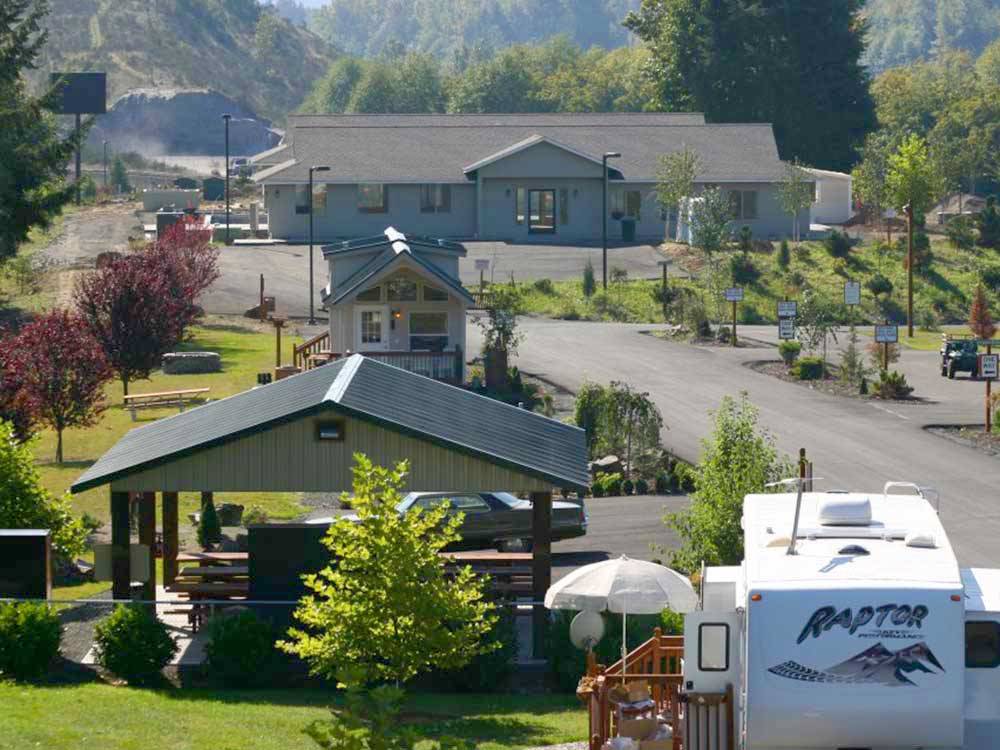
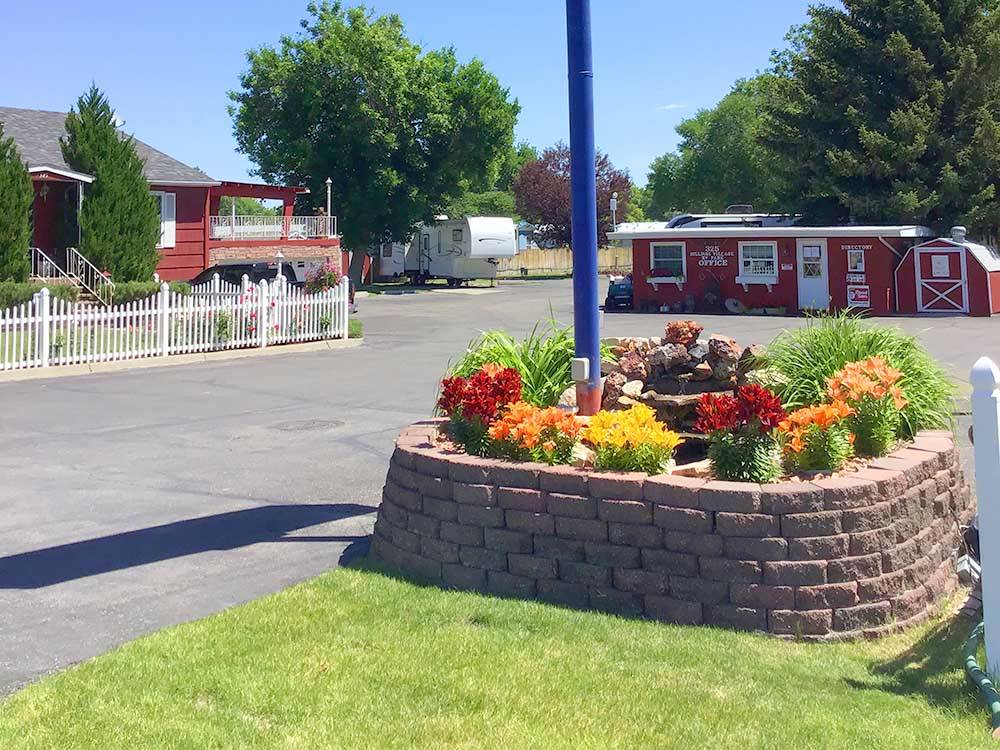
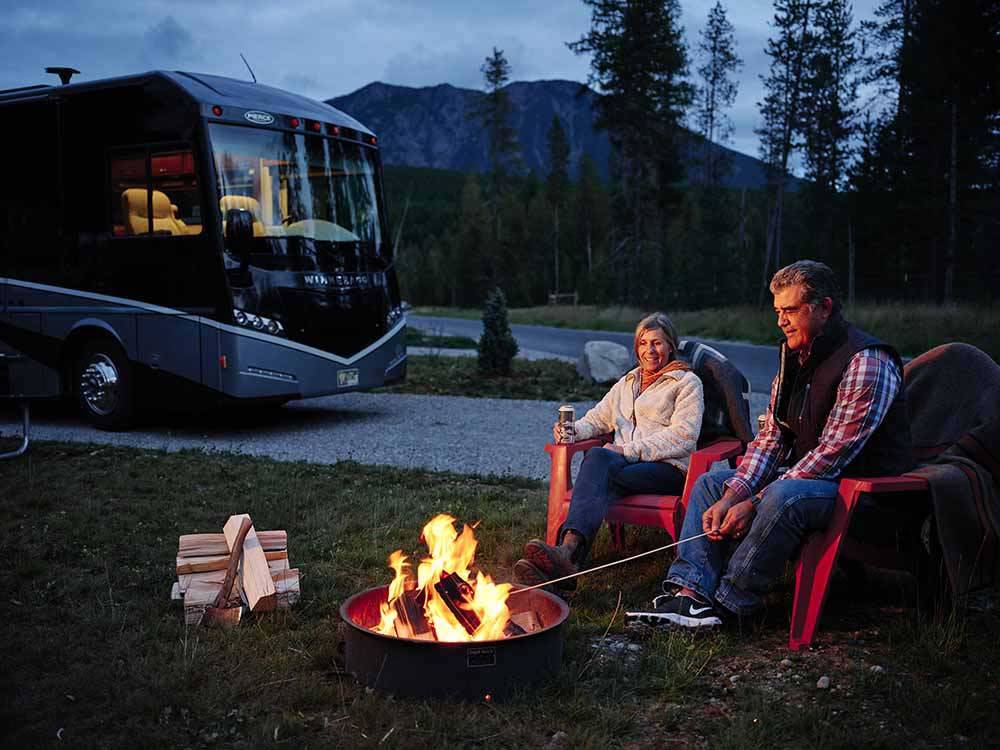
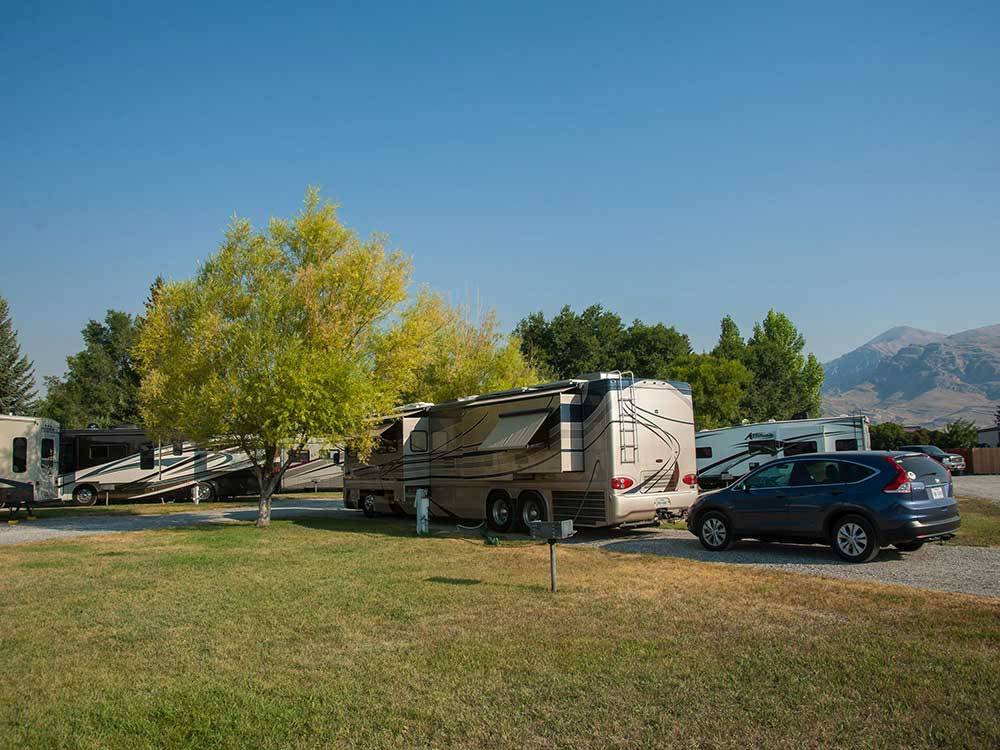
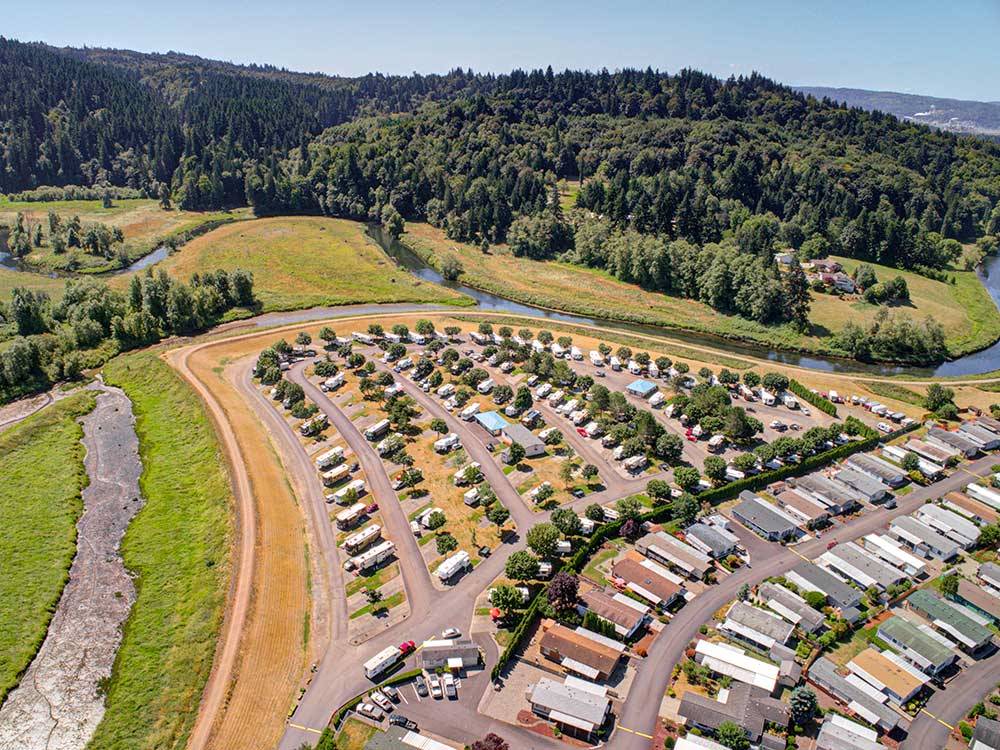

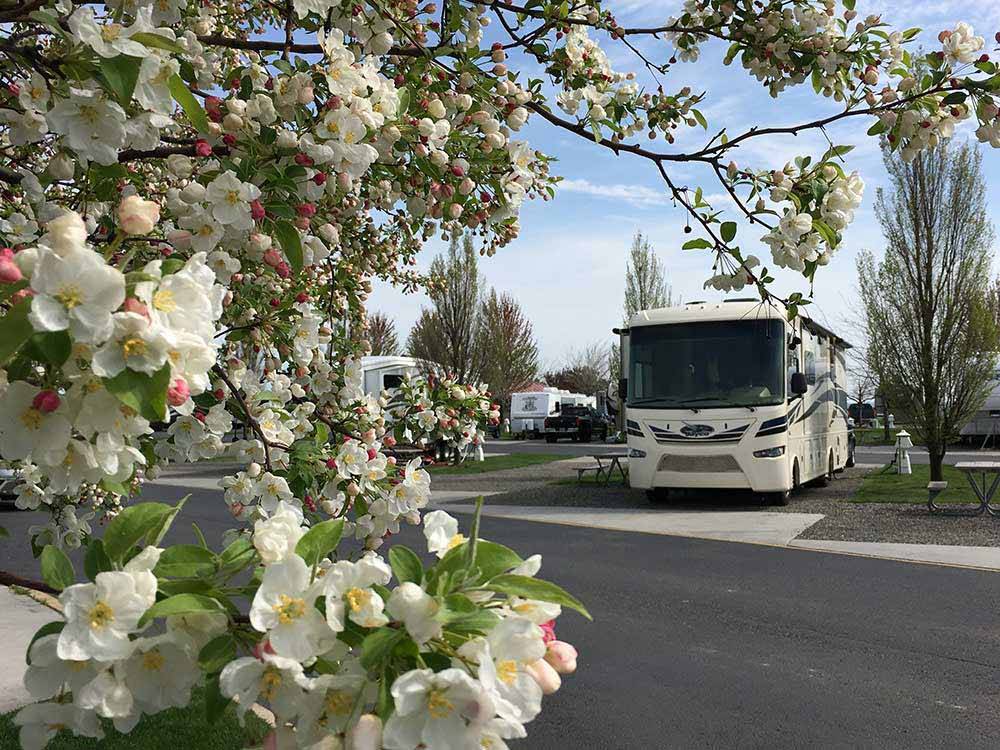
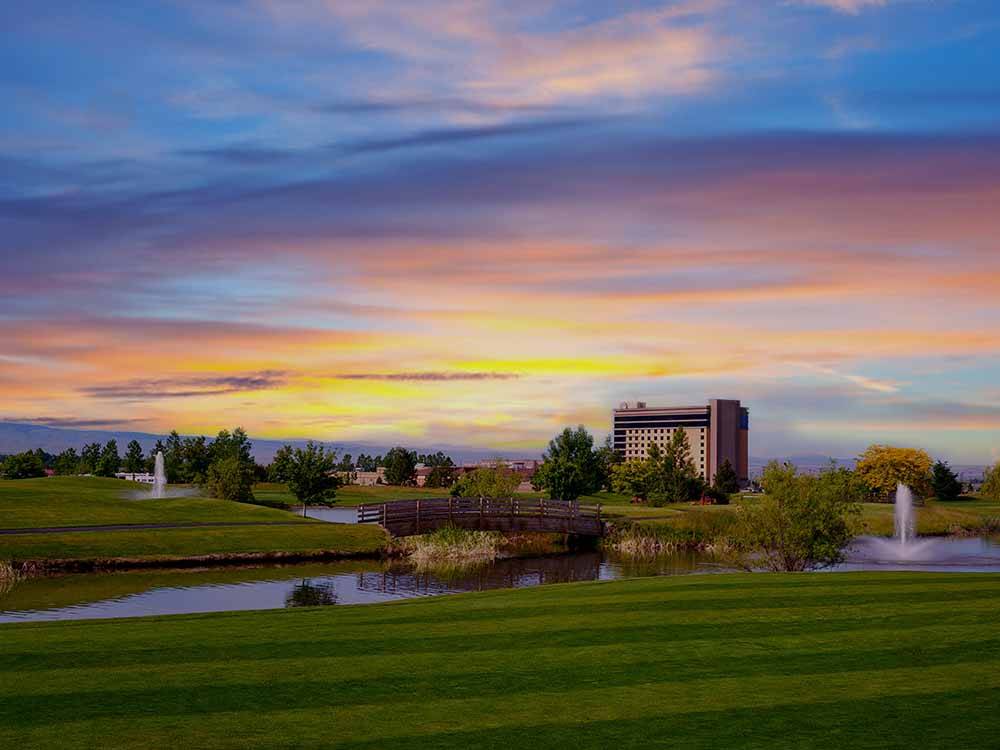

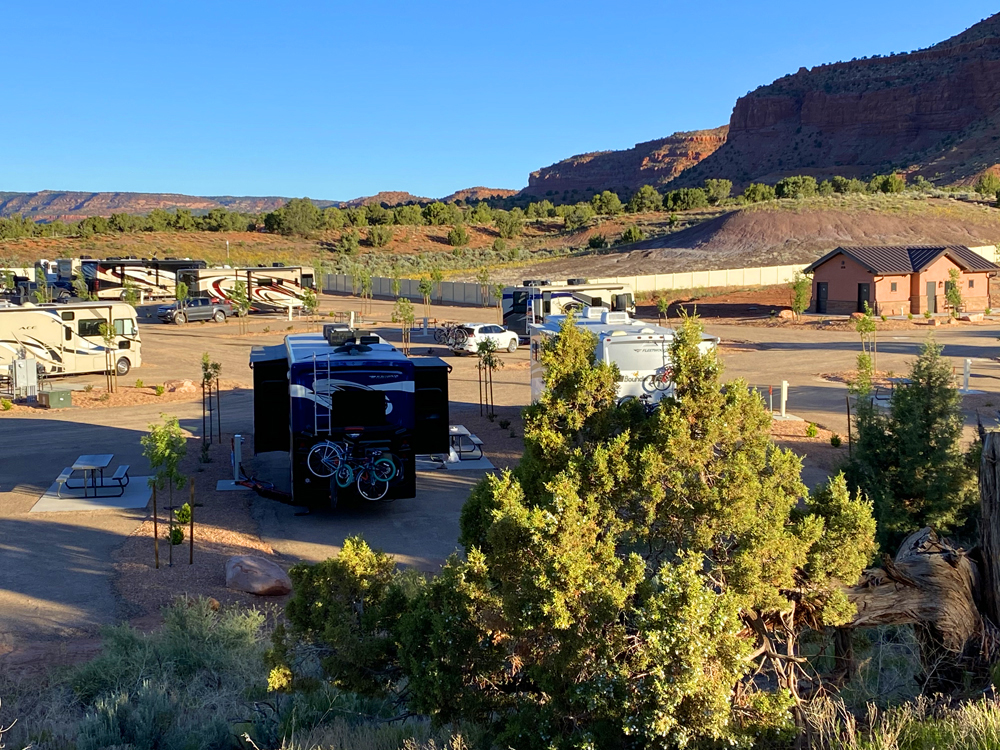

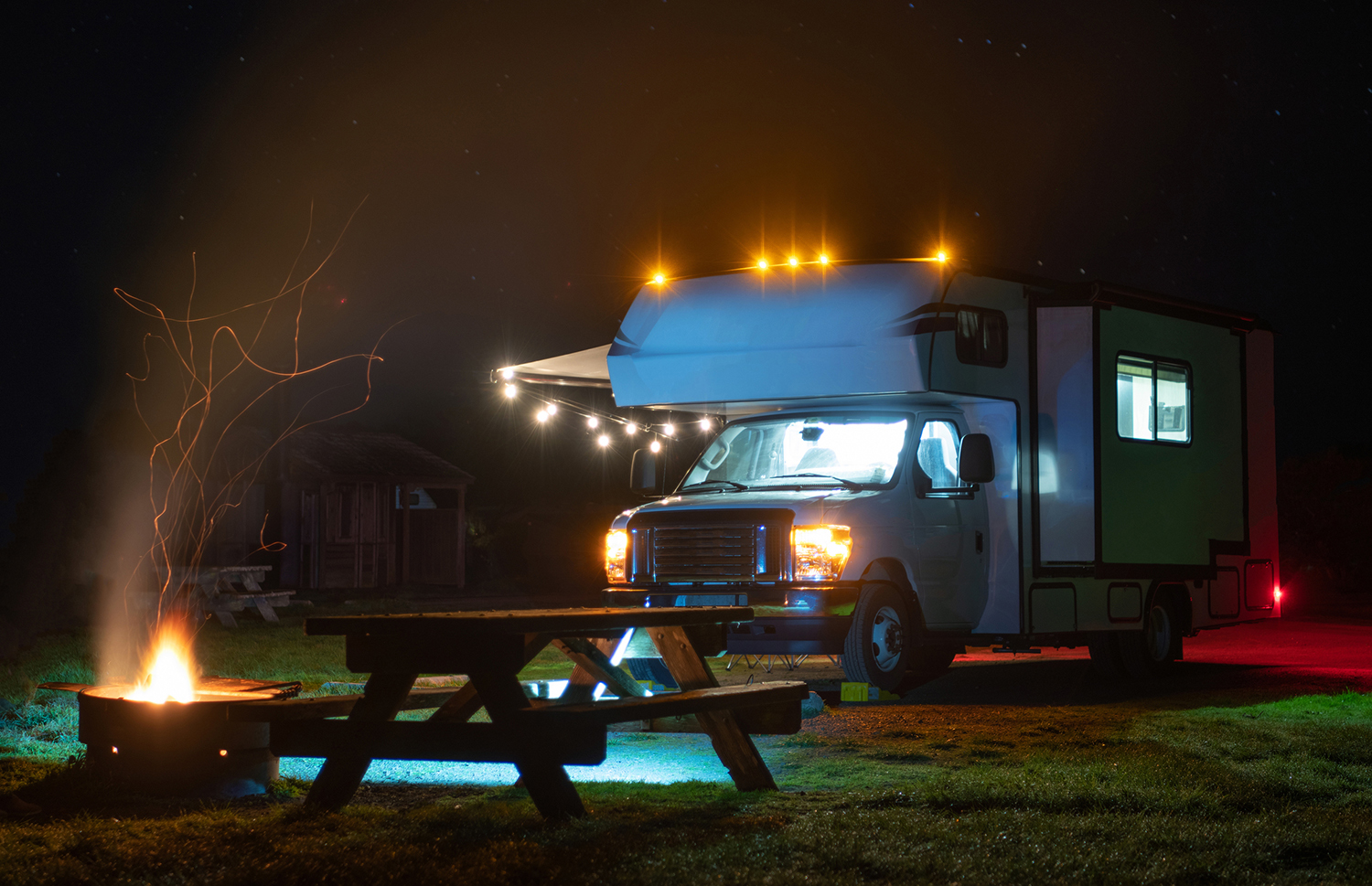

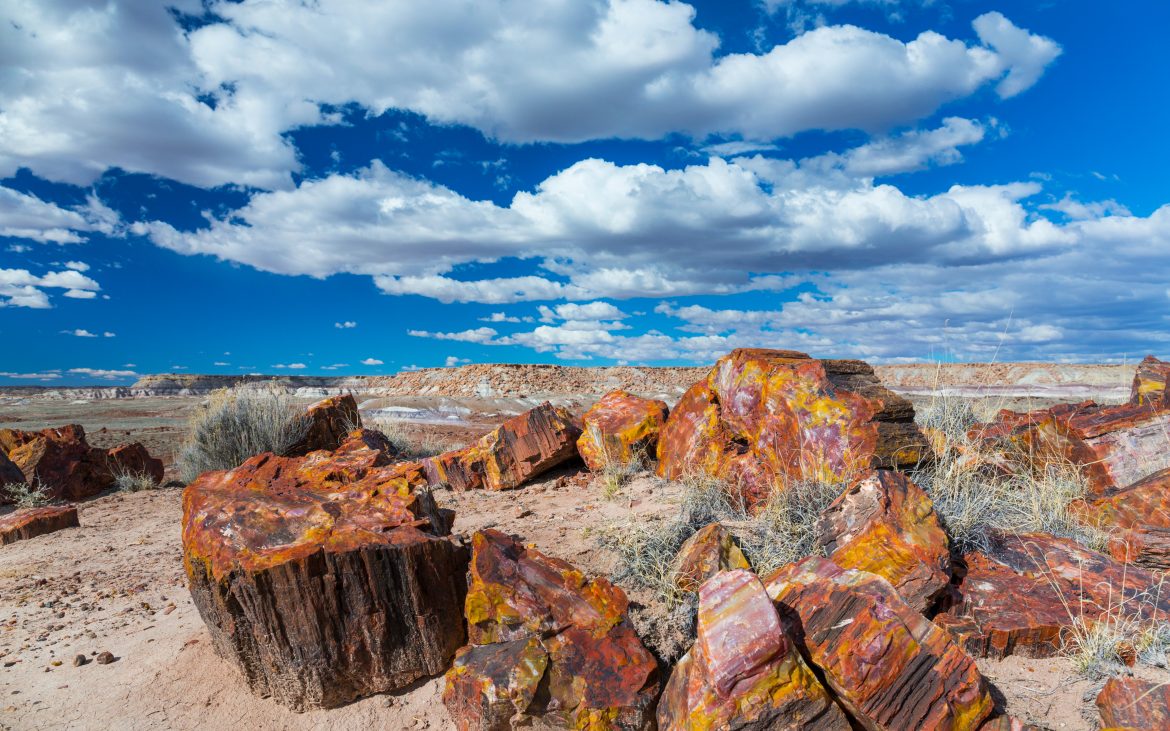
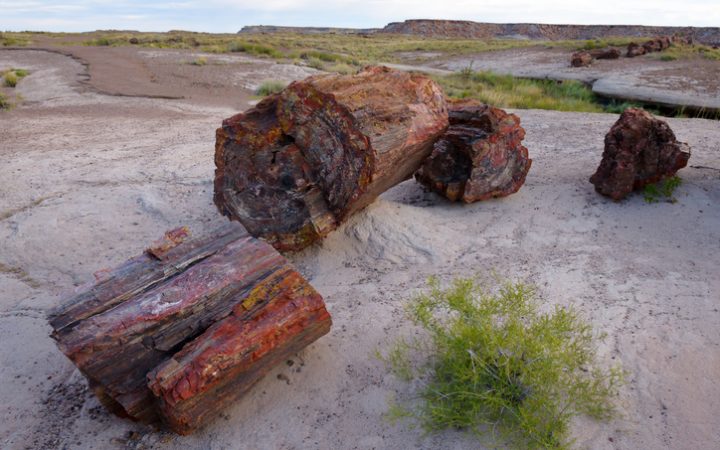 Petrified wood found in the park and the surrounding region consists of almost solid quartz. Each piece is like a giant crystal, often sparkling in the sunlight as if covered by glitter. The rainbow of colors is produced by impurities in the quartz, such as iron, carbon, and manganese.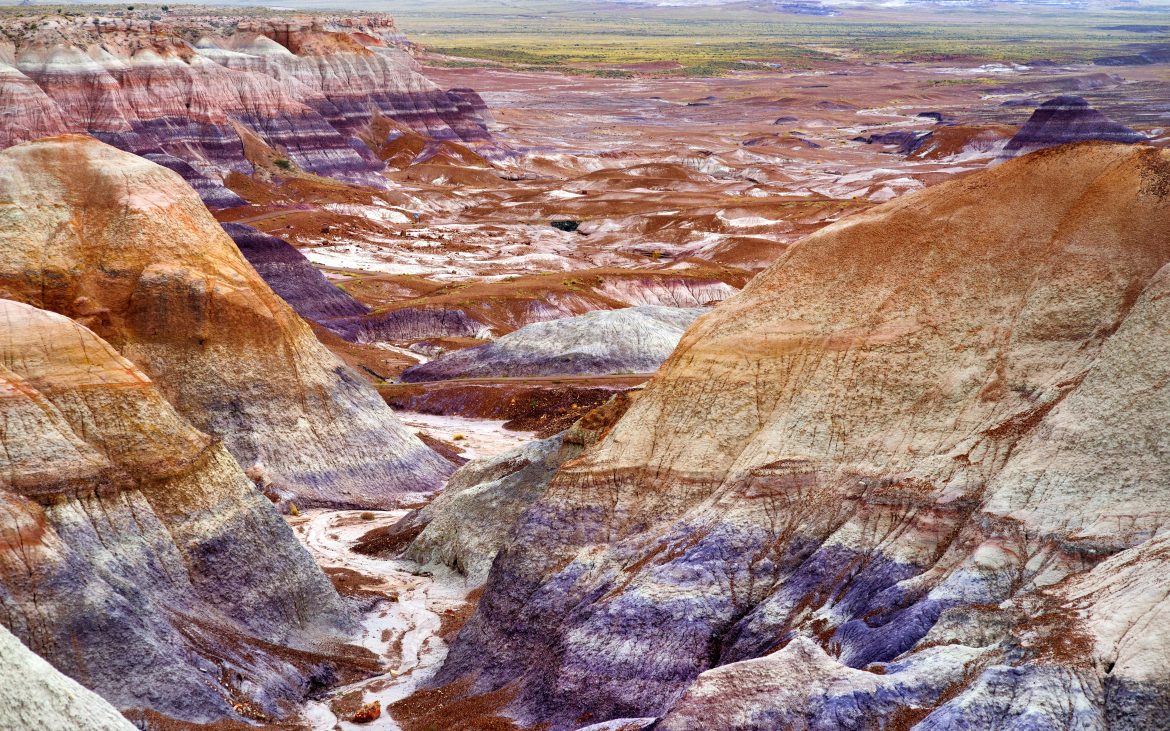
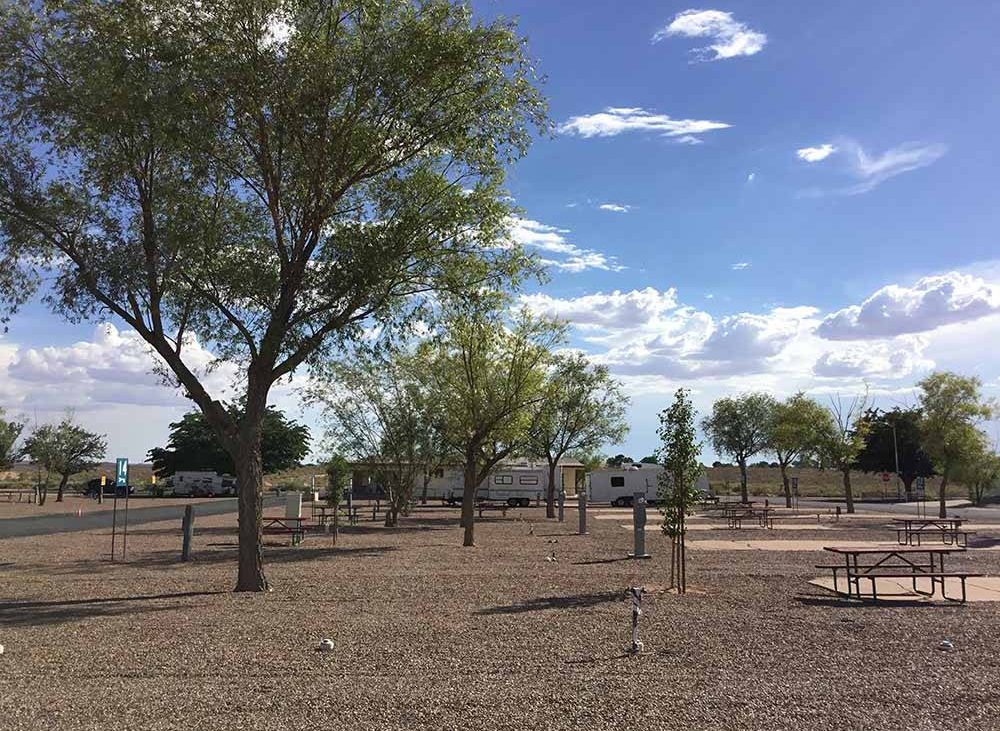
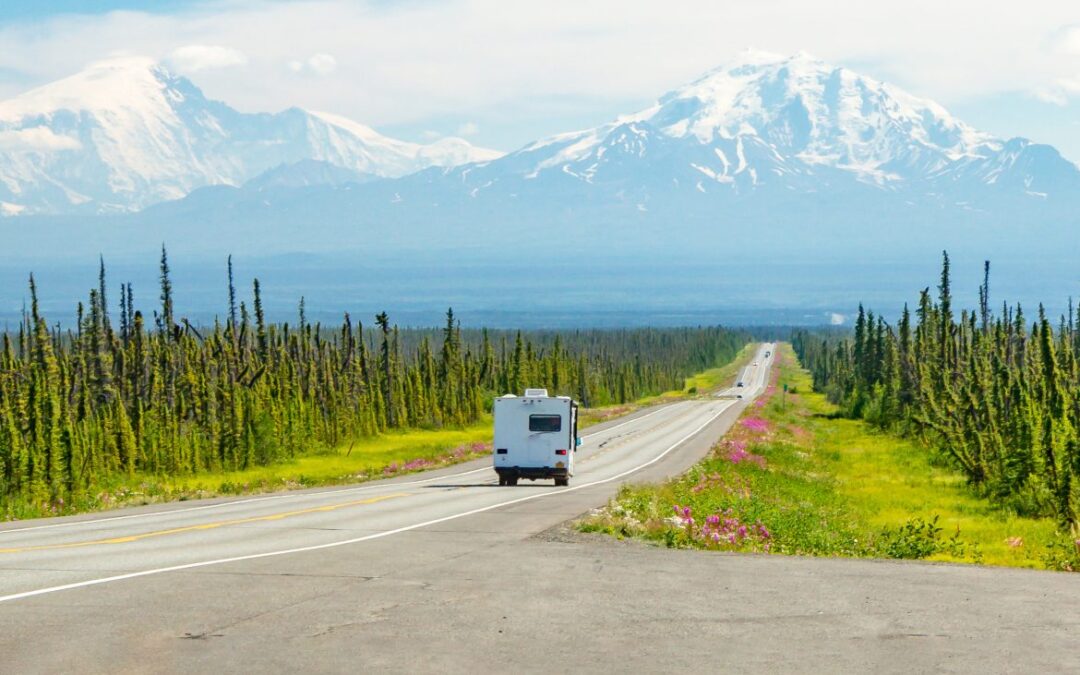
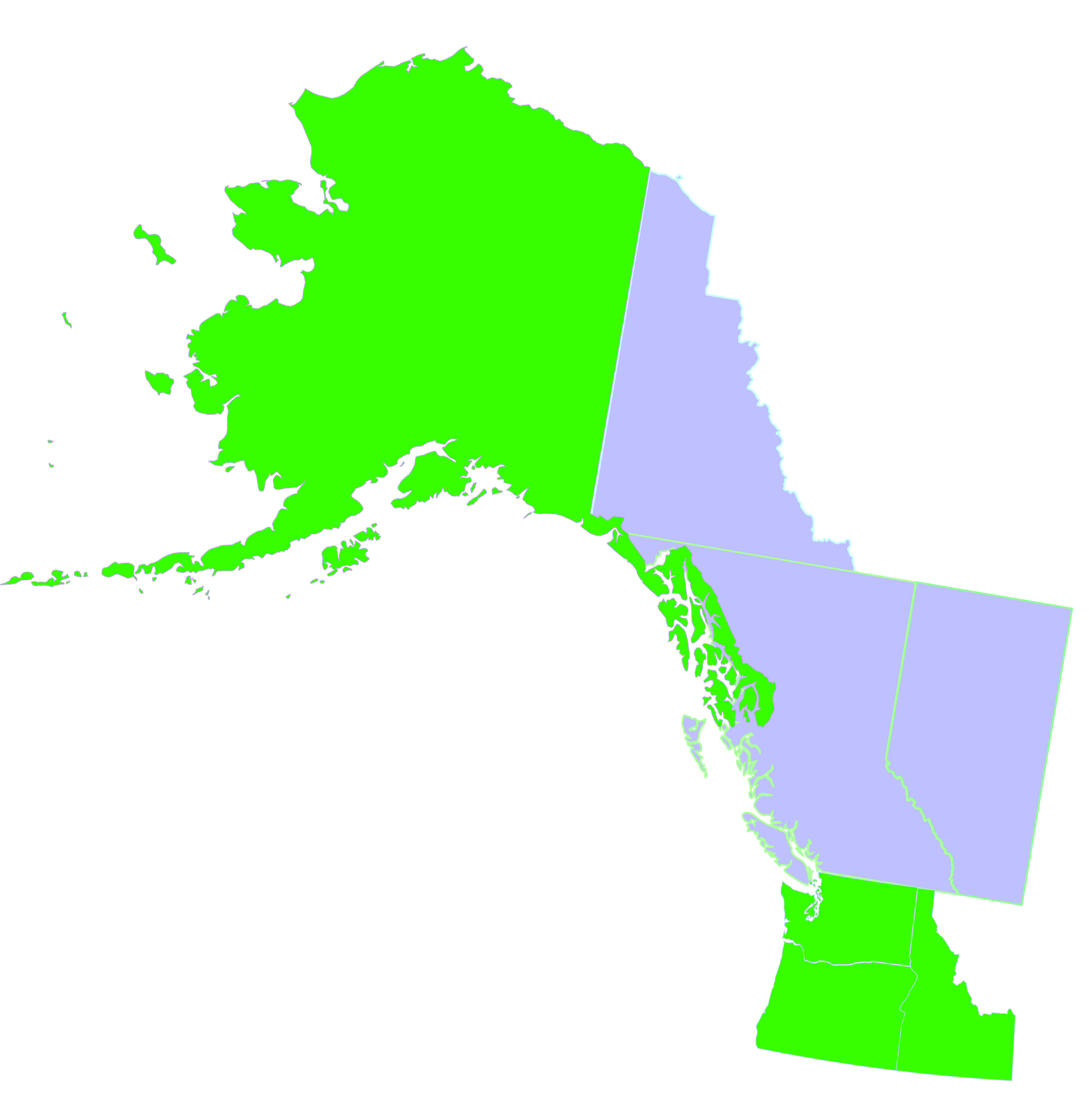 When summer arrives, the vast northwest of North America becomes the perfect spot for your next RV trip. Explore epic landscapes framed by towering mountains and teeming with wildlife, and camp under the midnight sun. Discover amazing events in the Northwest U.S. along with Canadian provinces and stay at Good Sam Campgrounds along the way. Ambitious travelers will find new frontiers in Alaska.






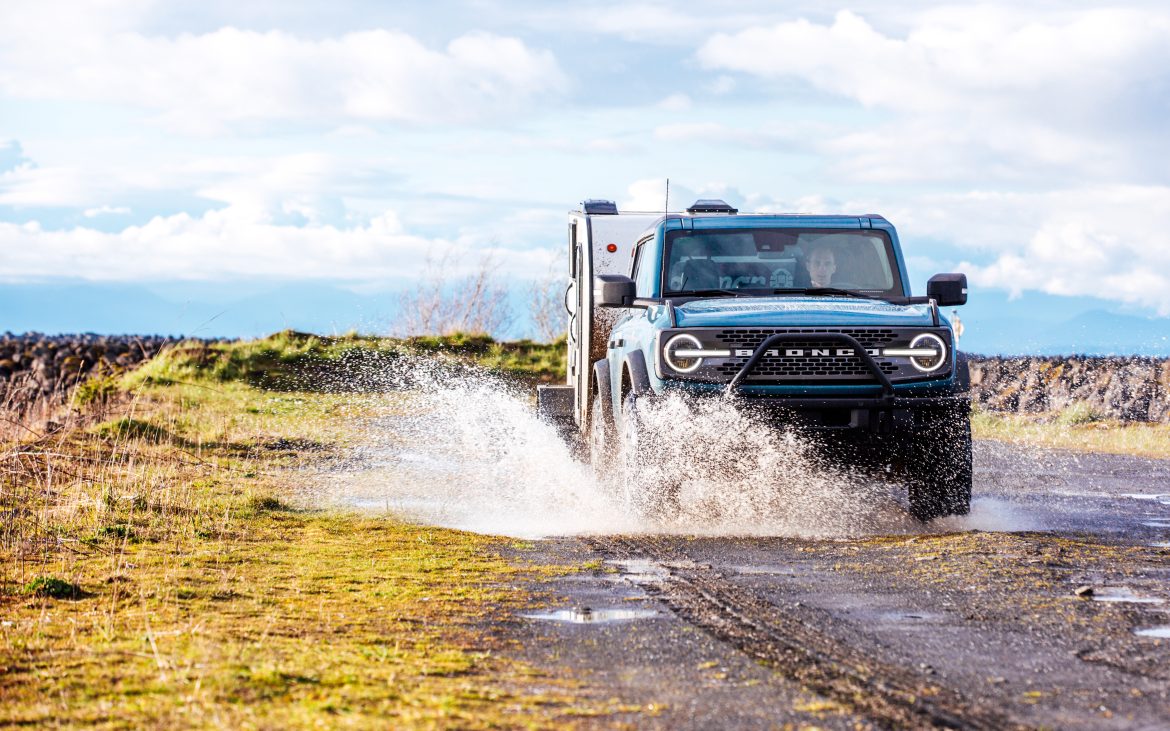
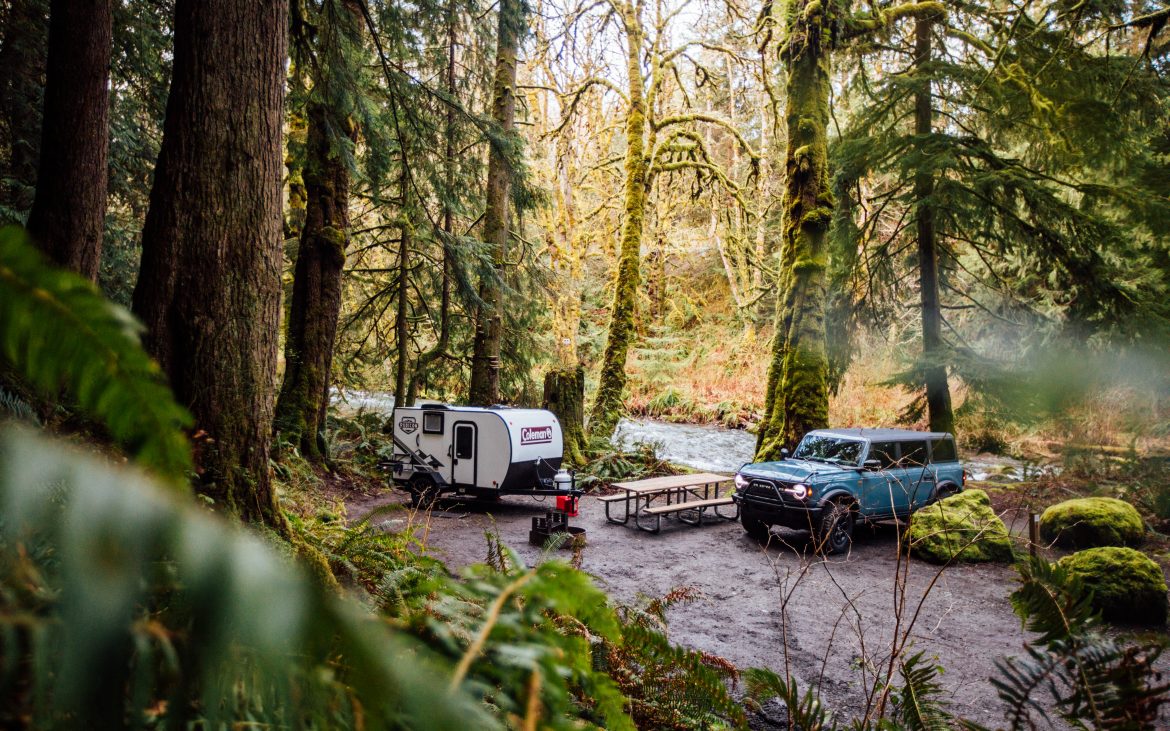
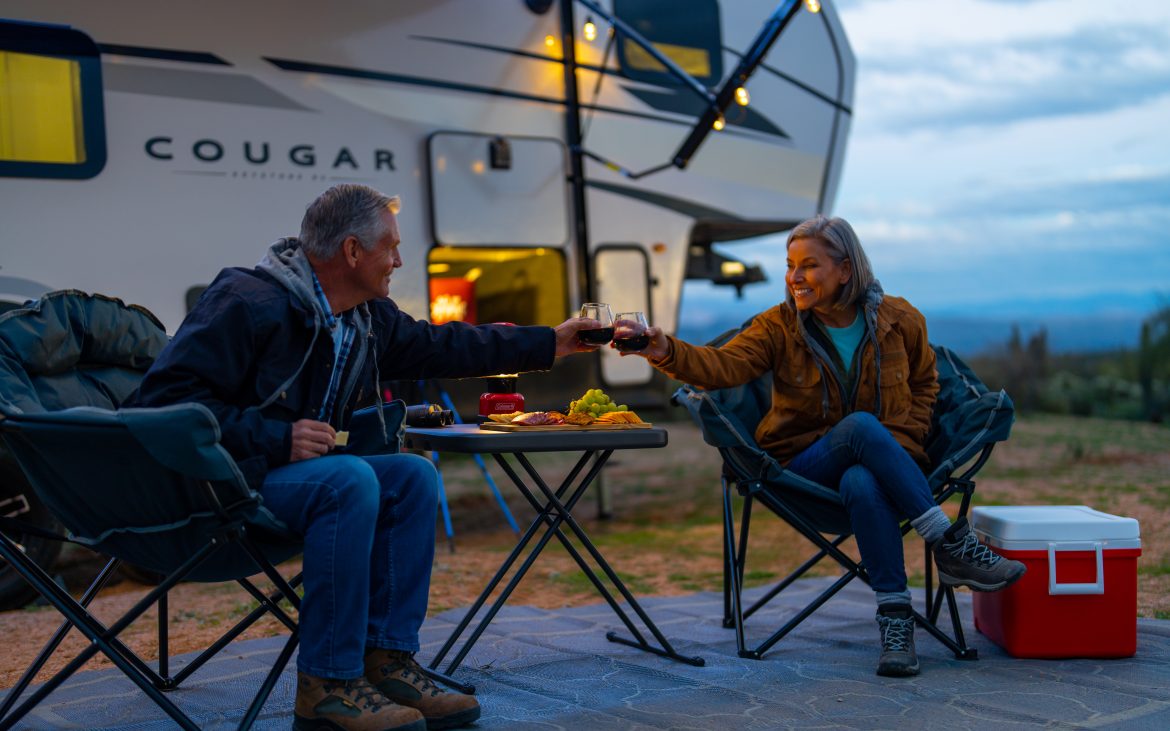


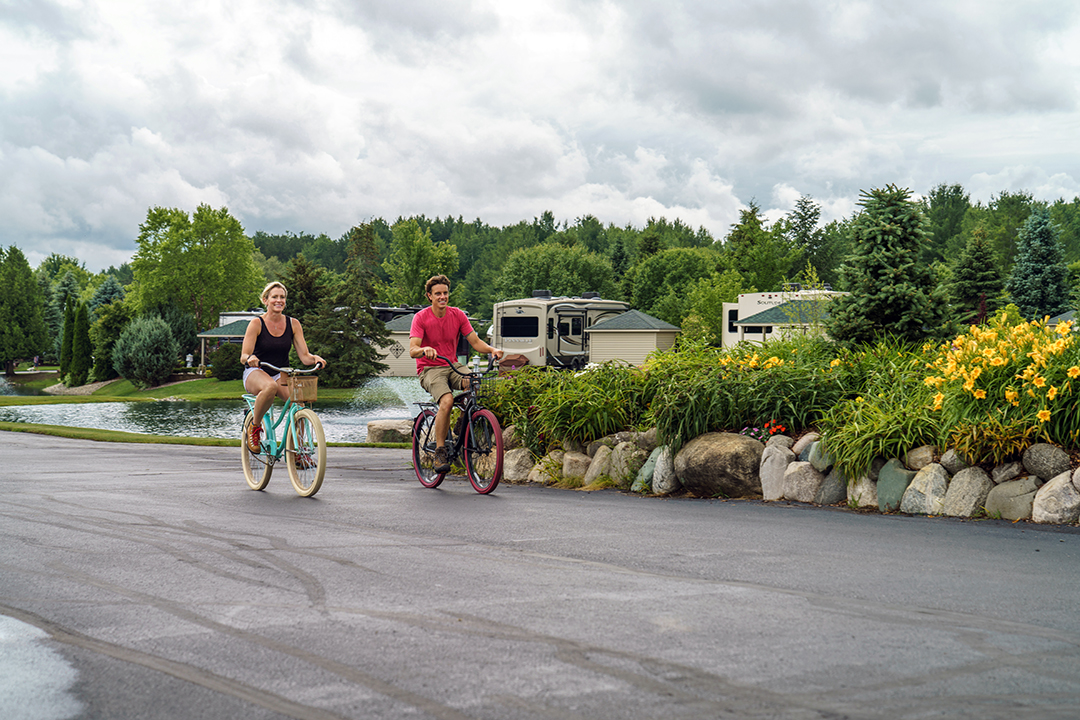
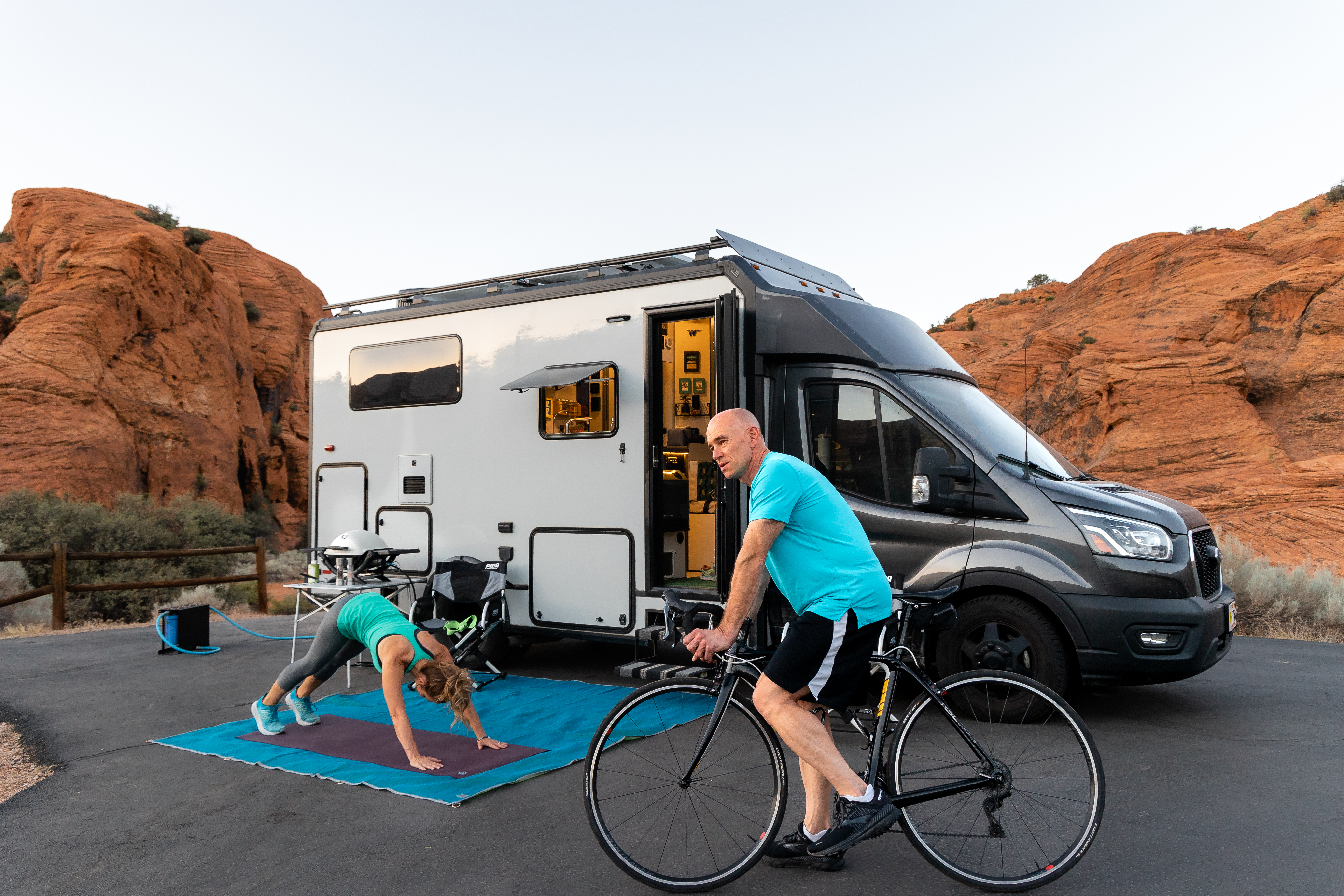

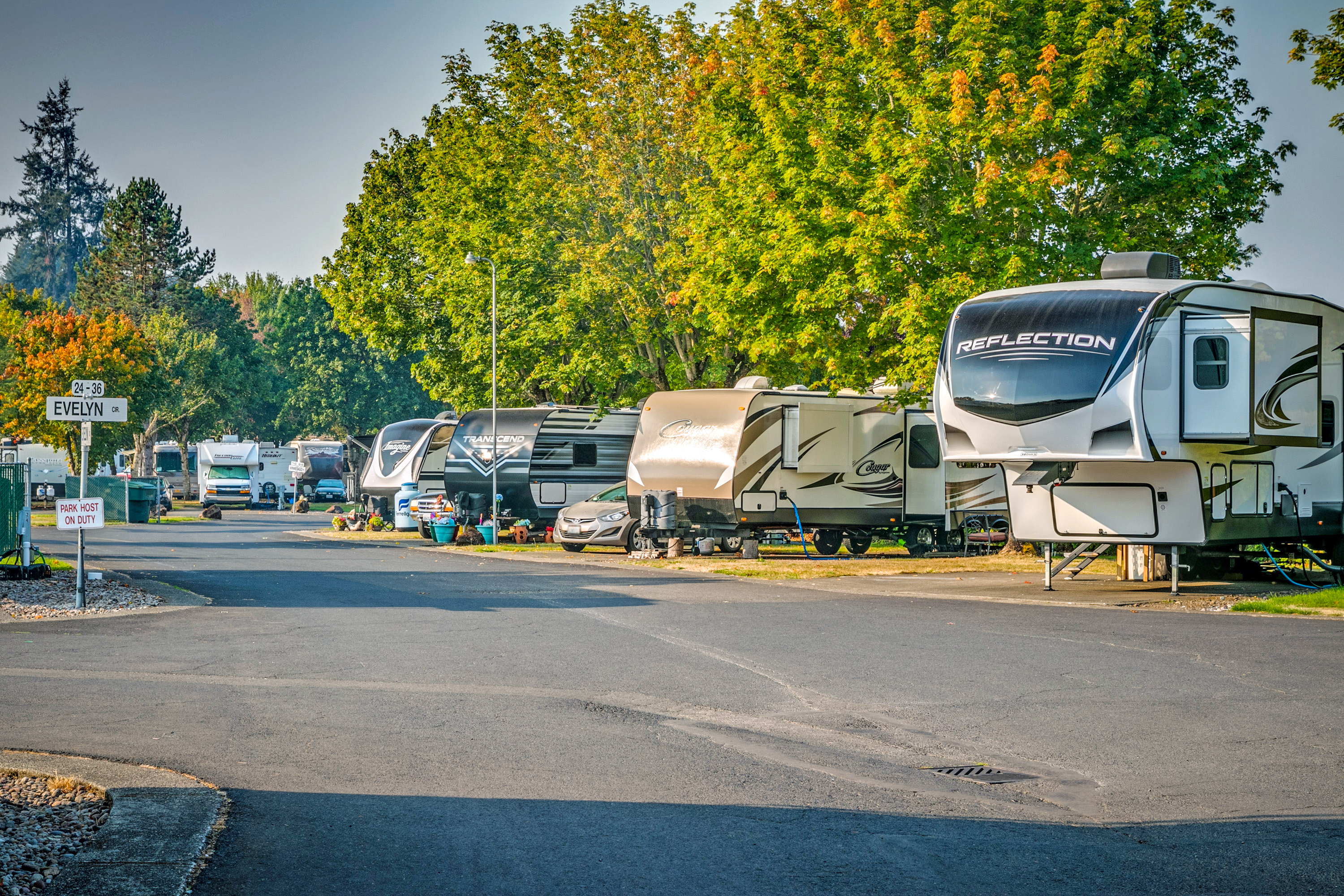


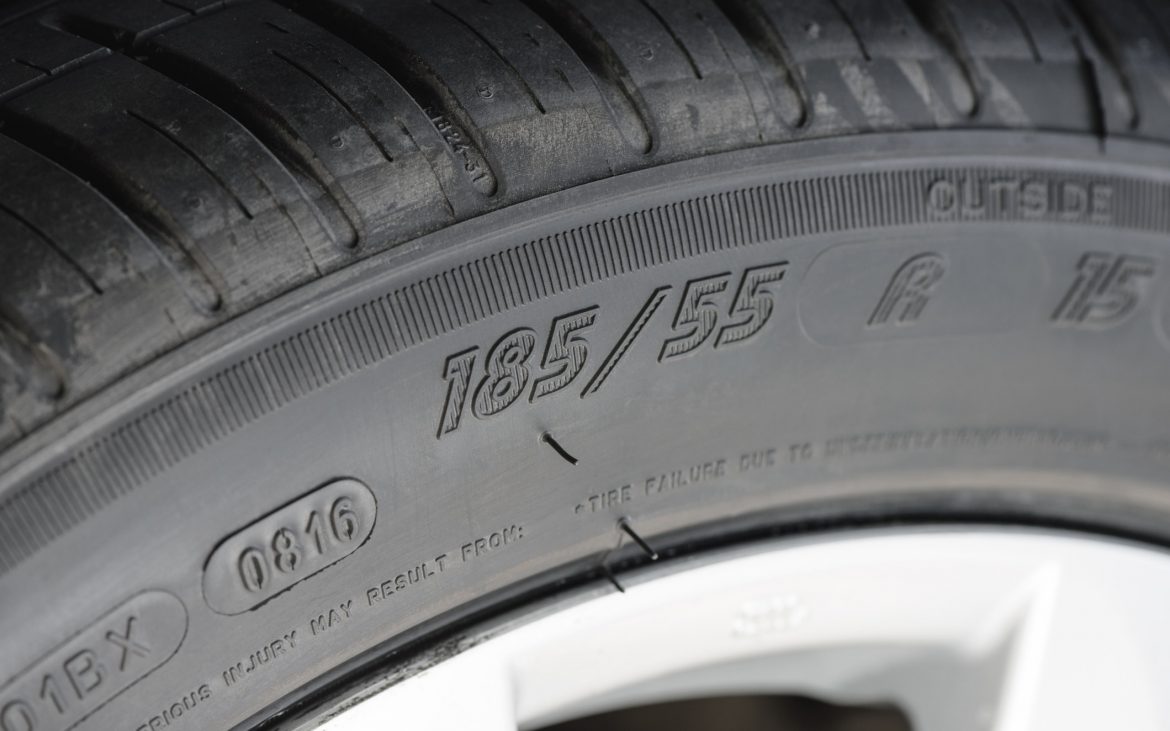


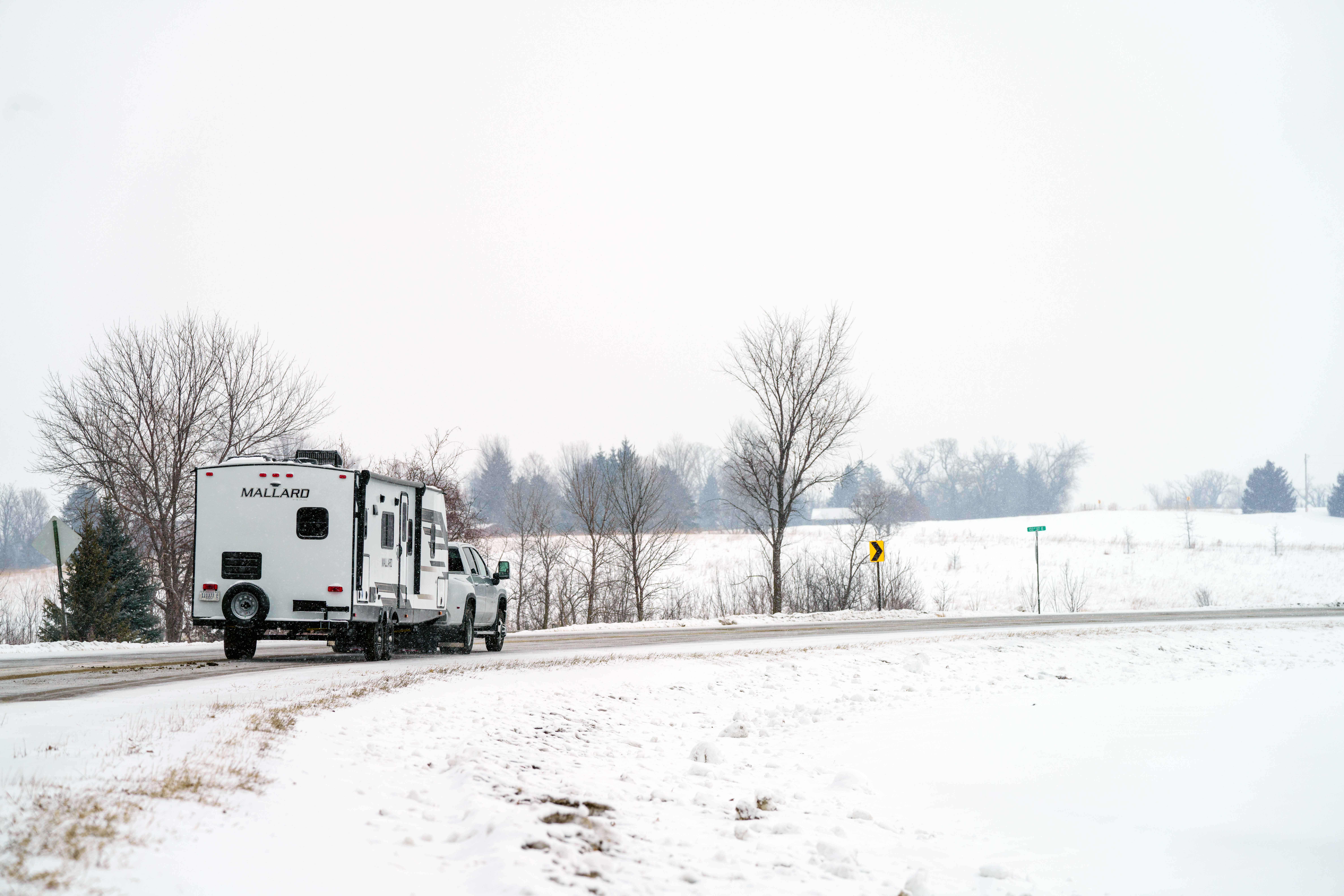


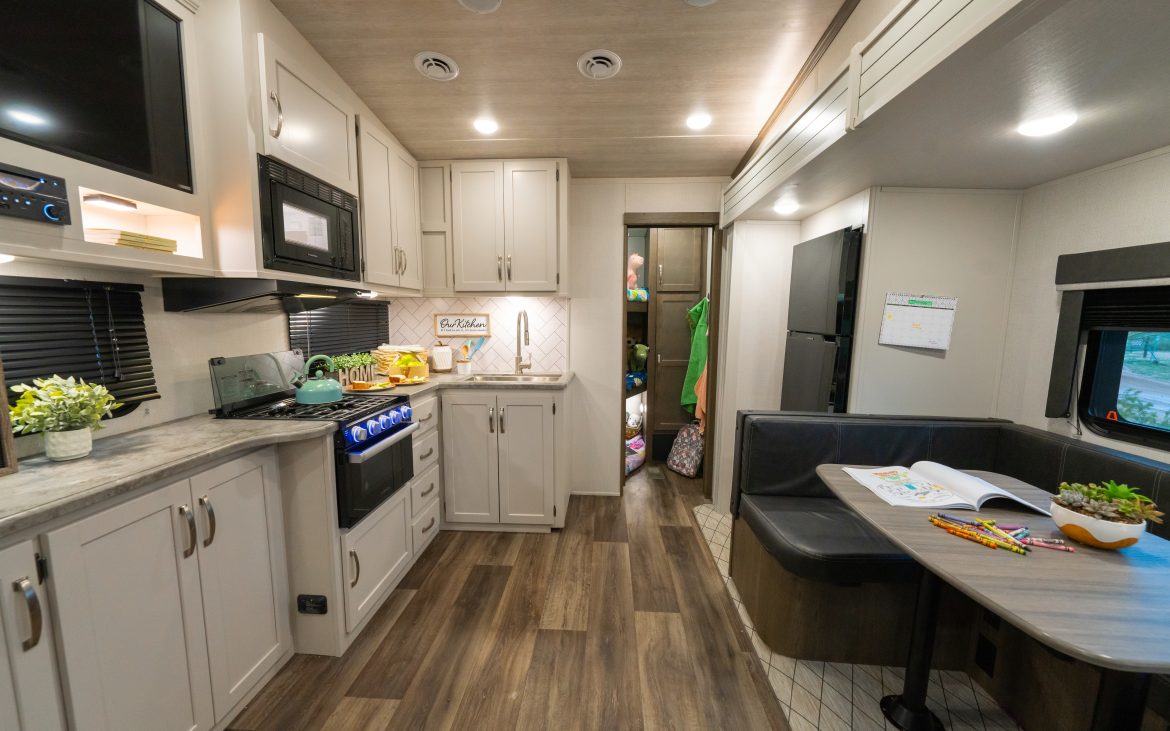
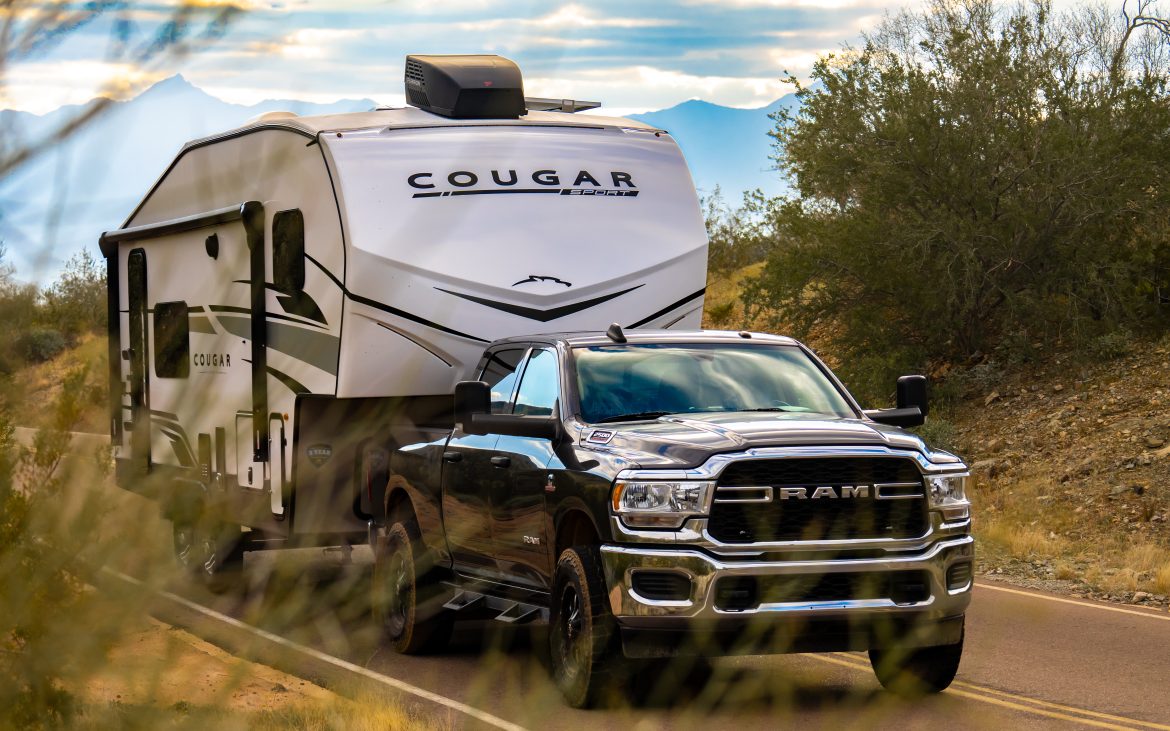
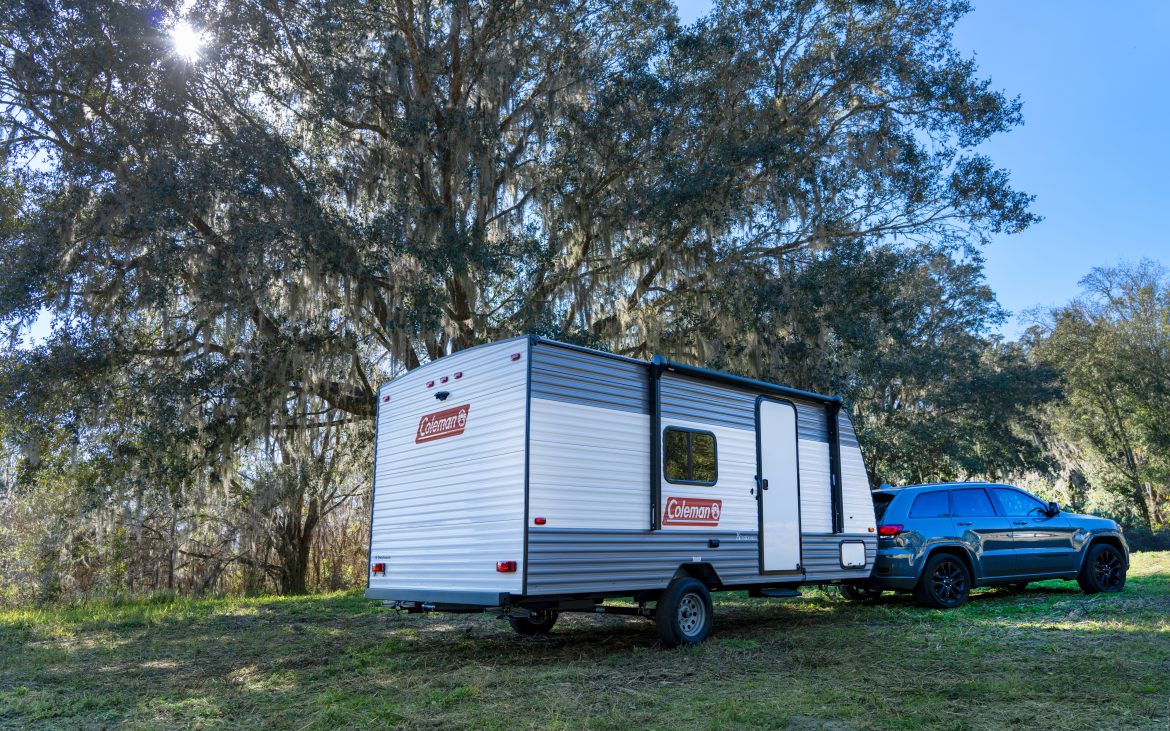
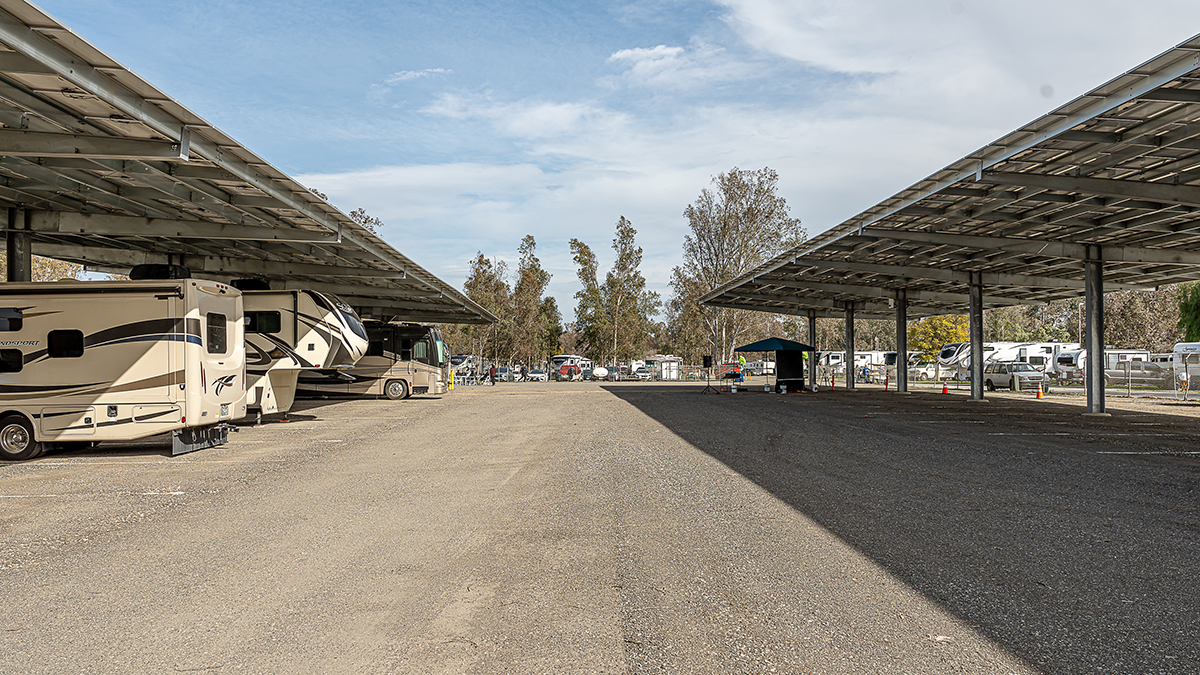



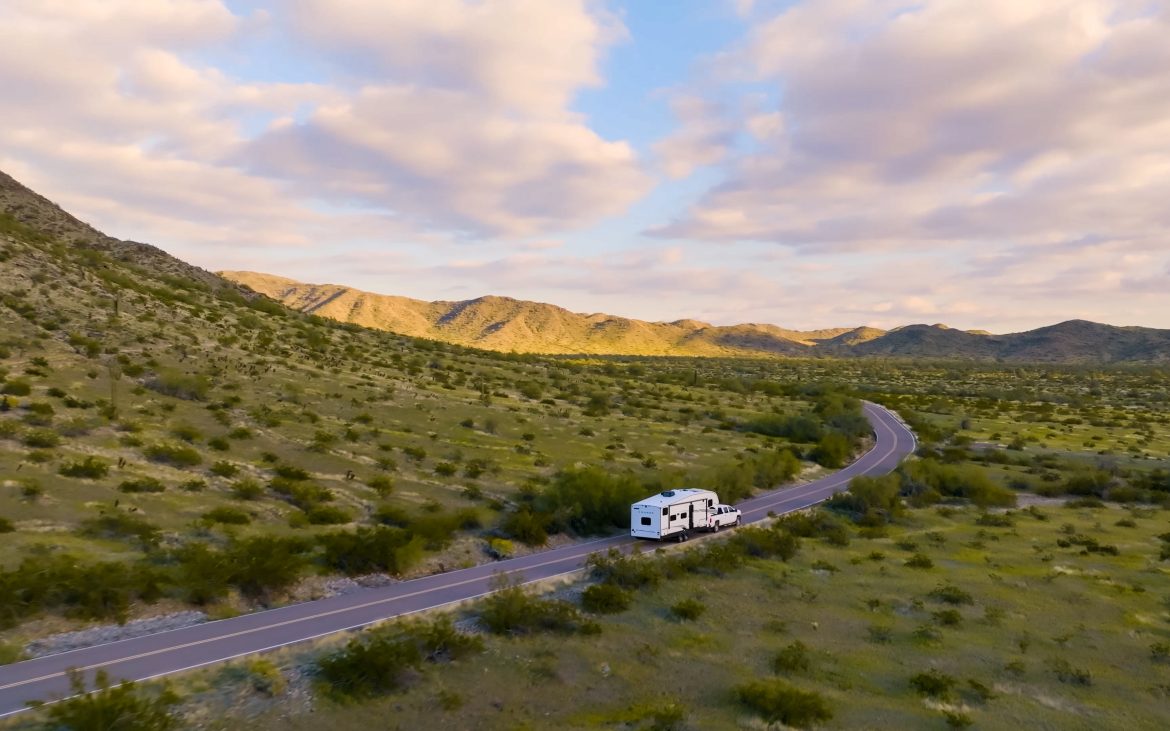
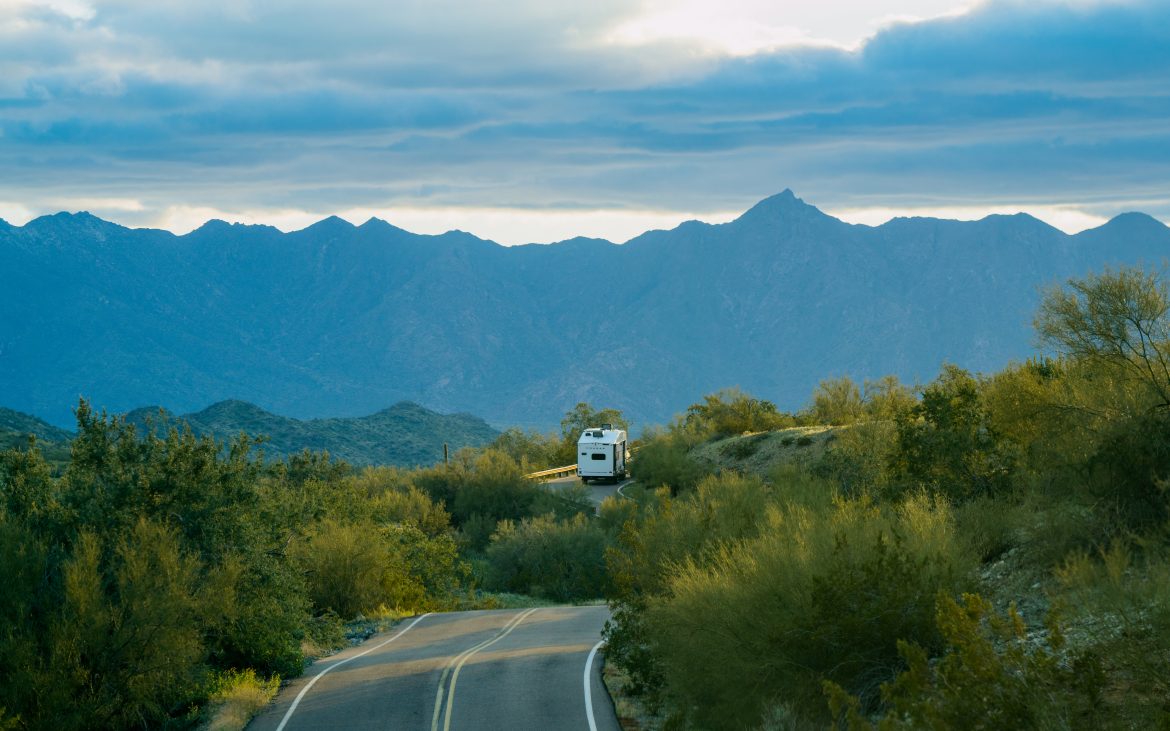




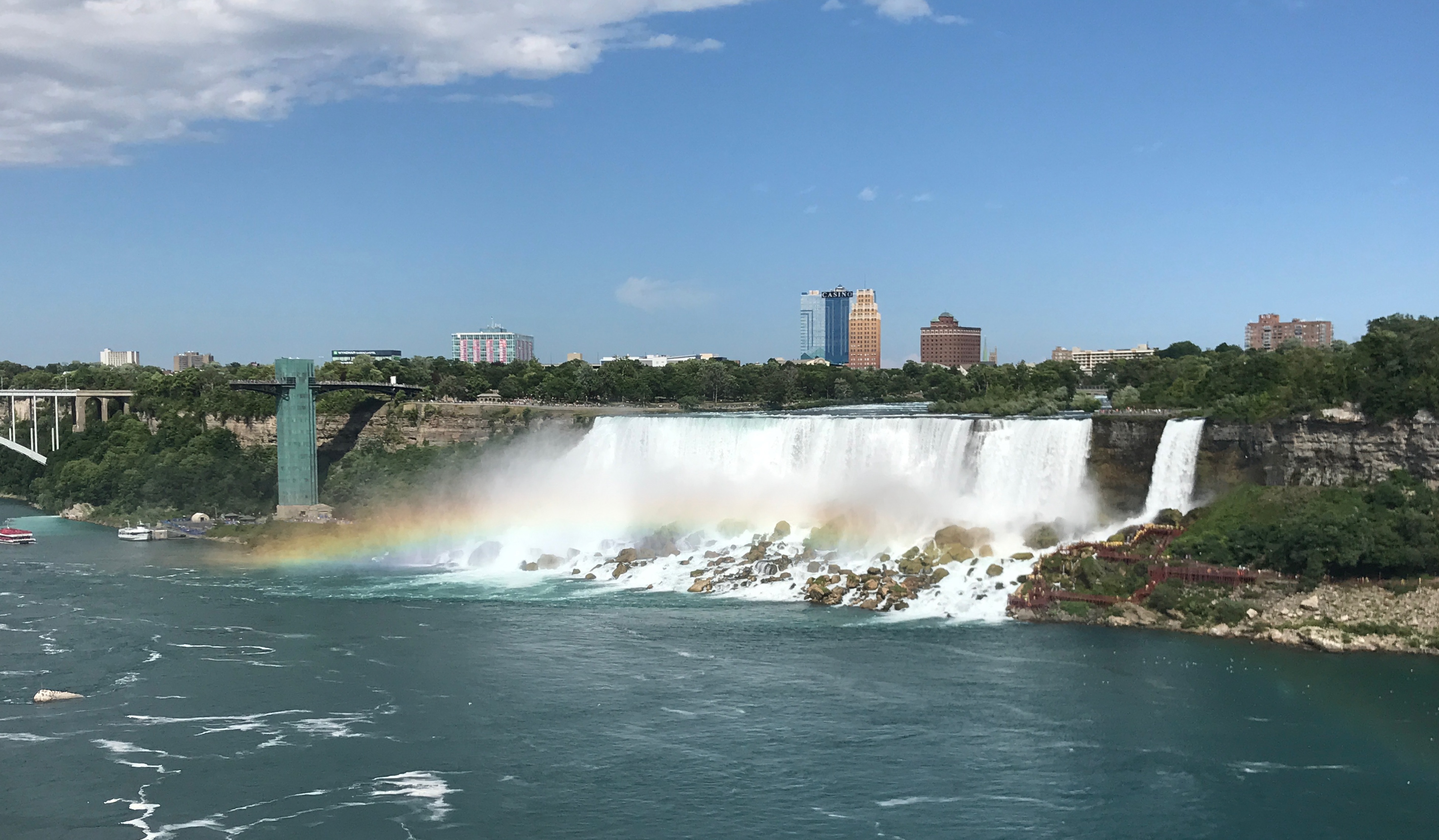




 Step 3: Scout Out Camp Host Job Opportunities





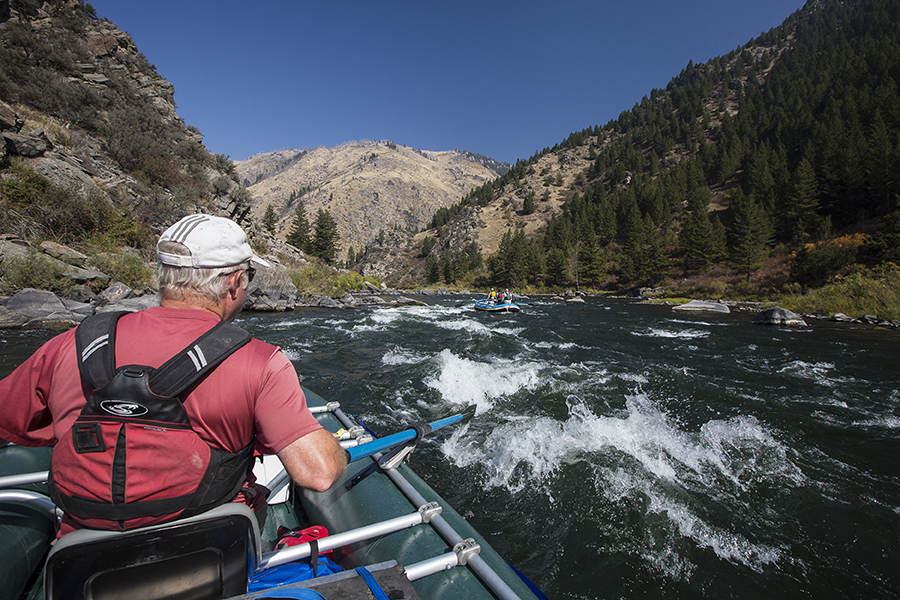

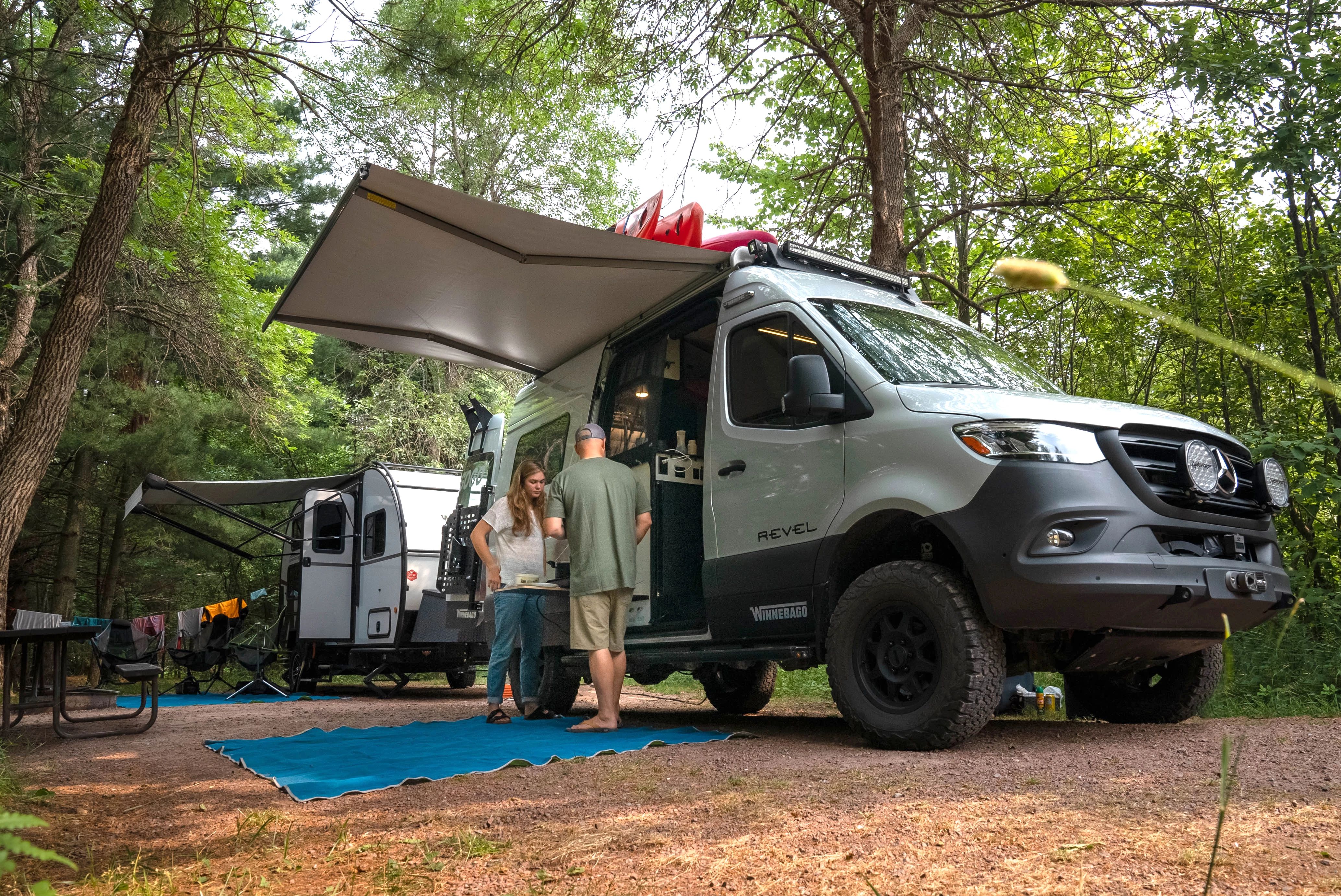
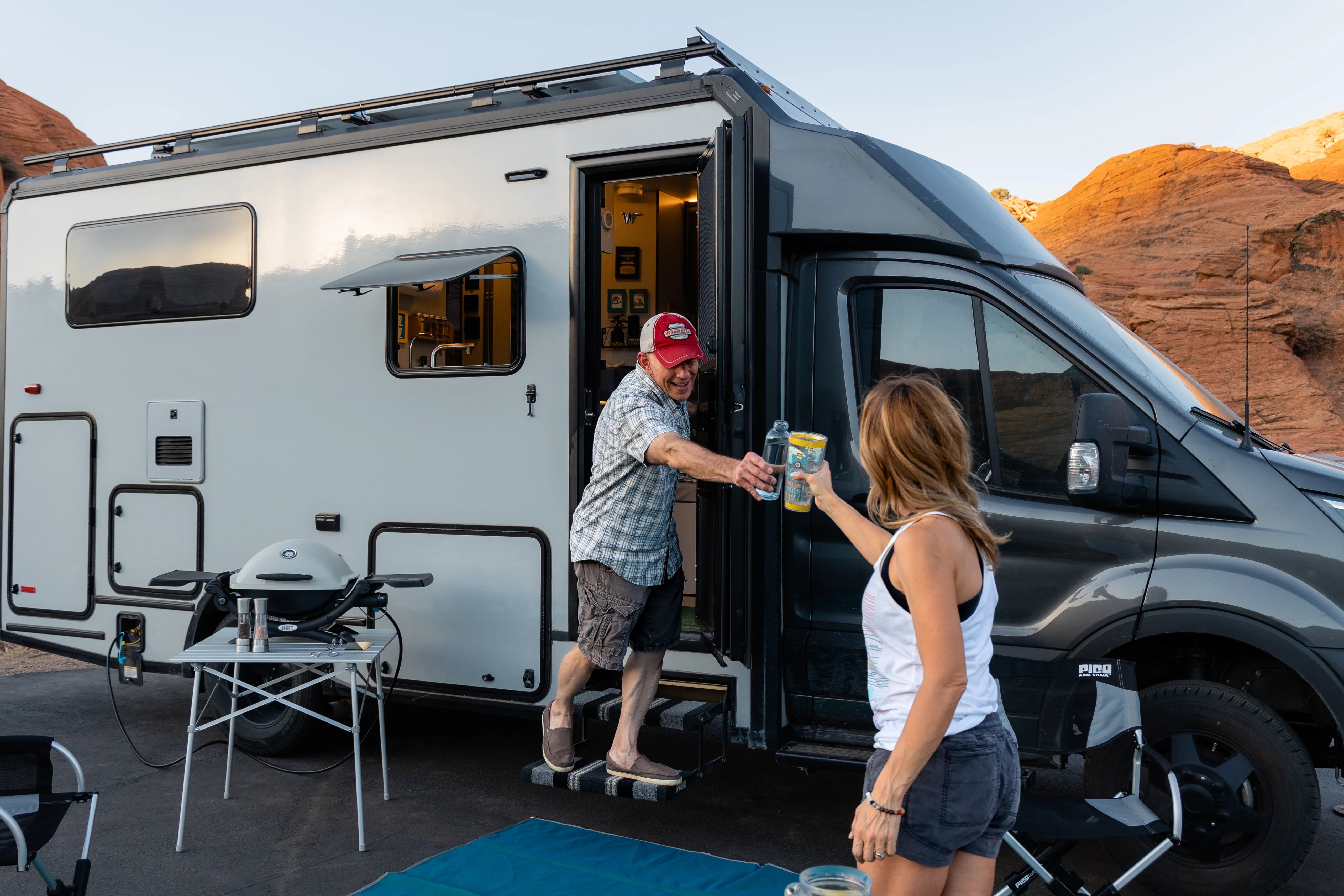
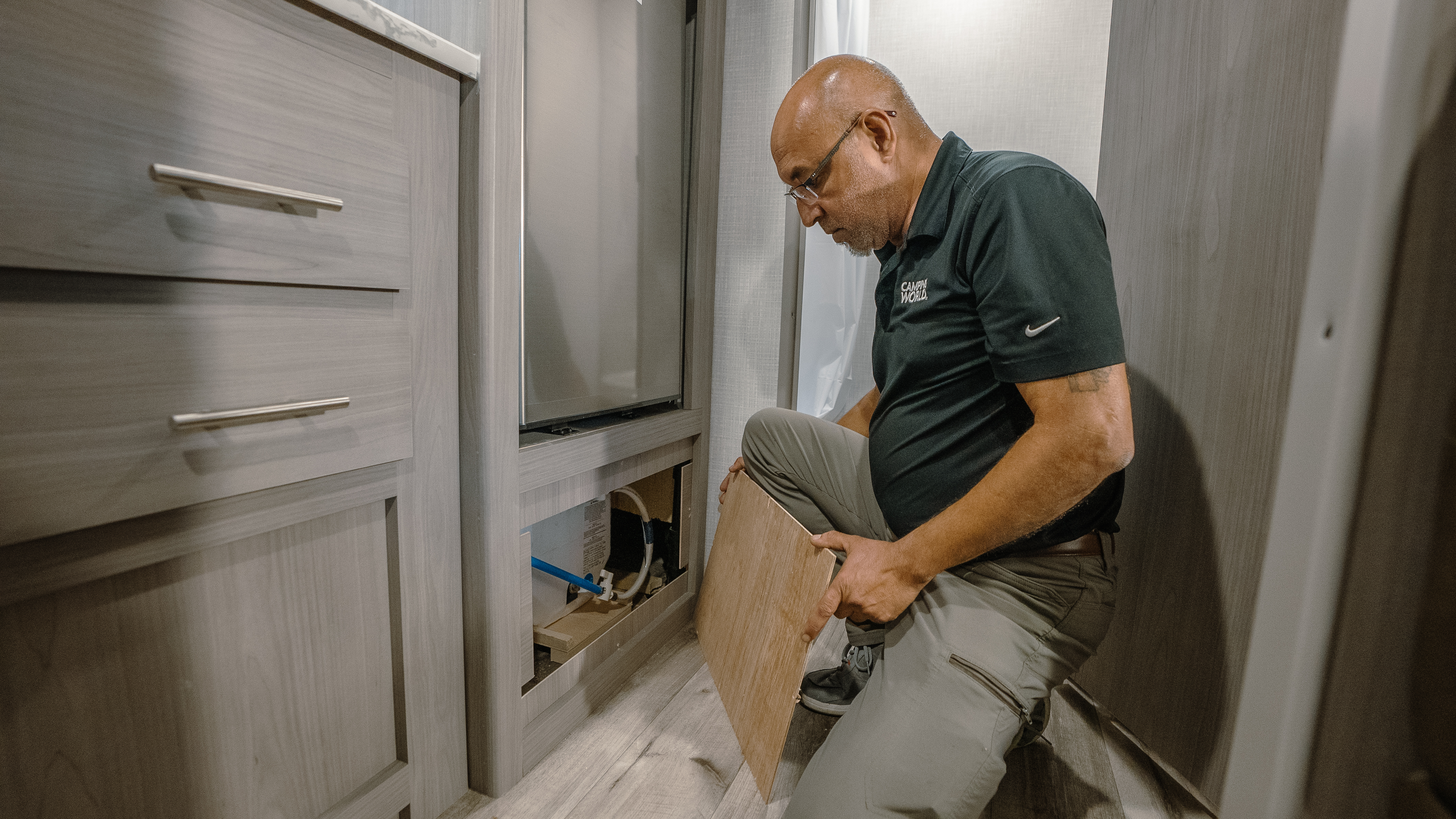
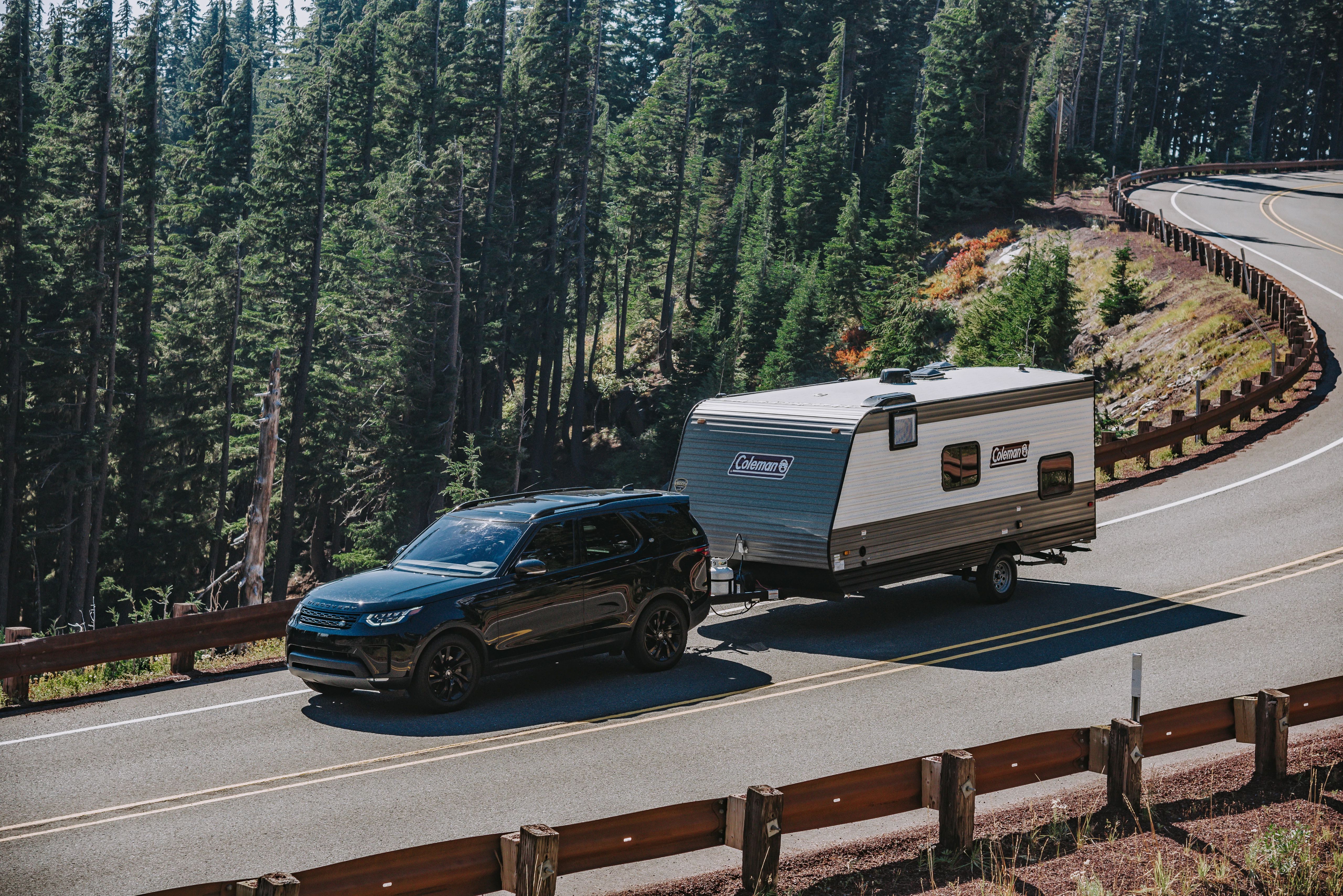


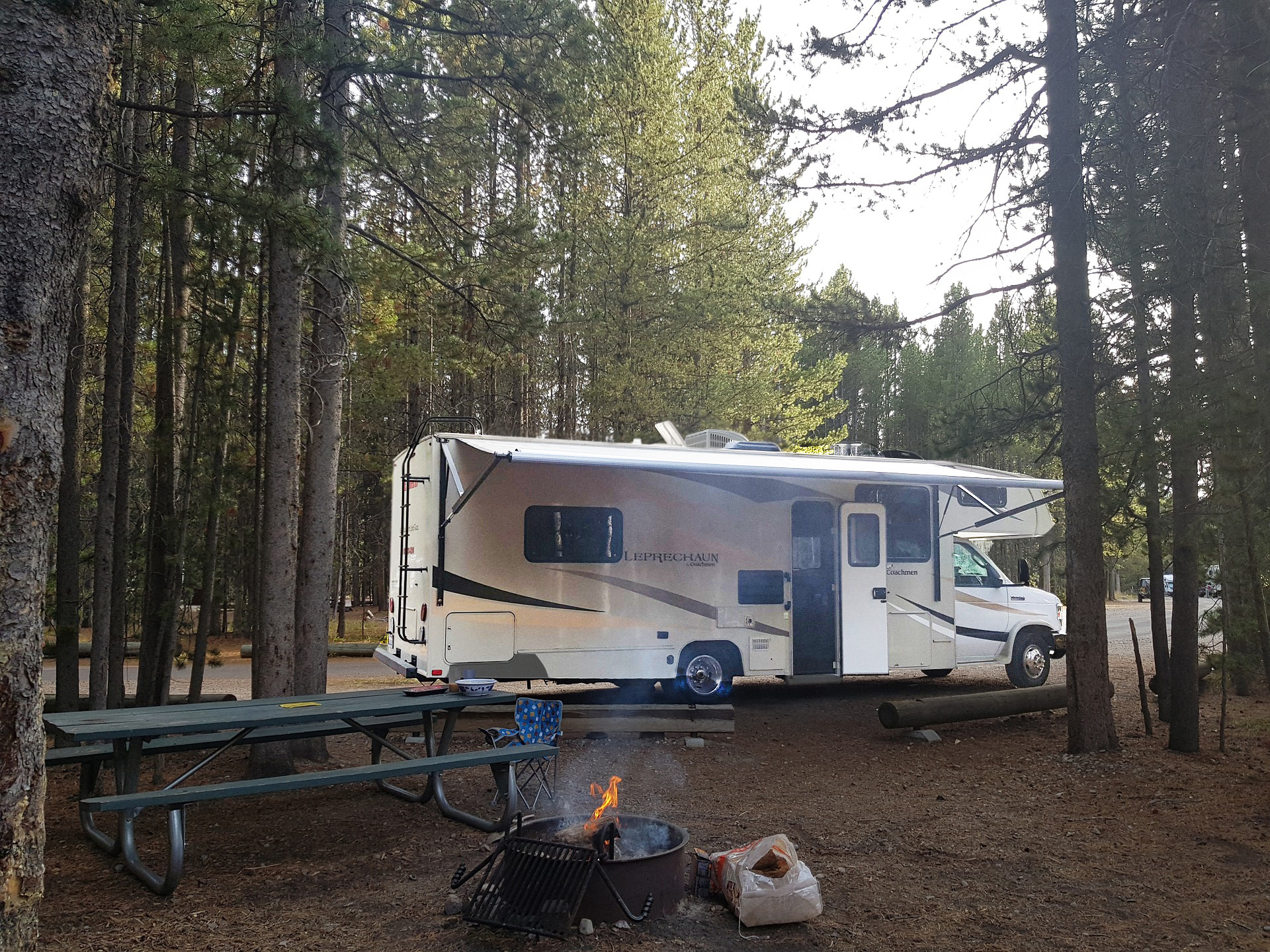
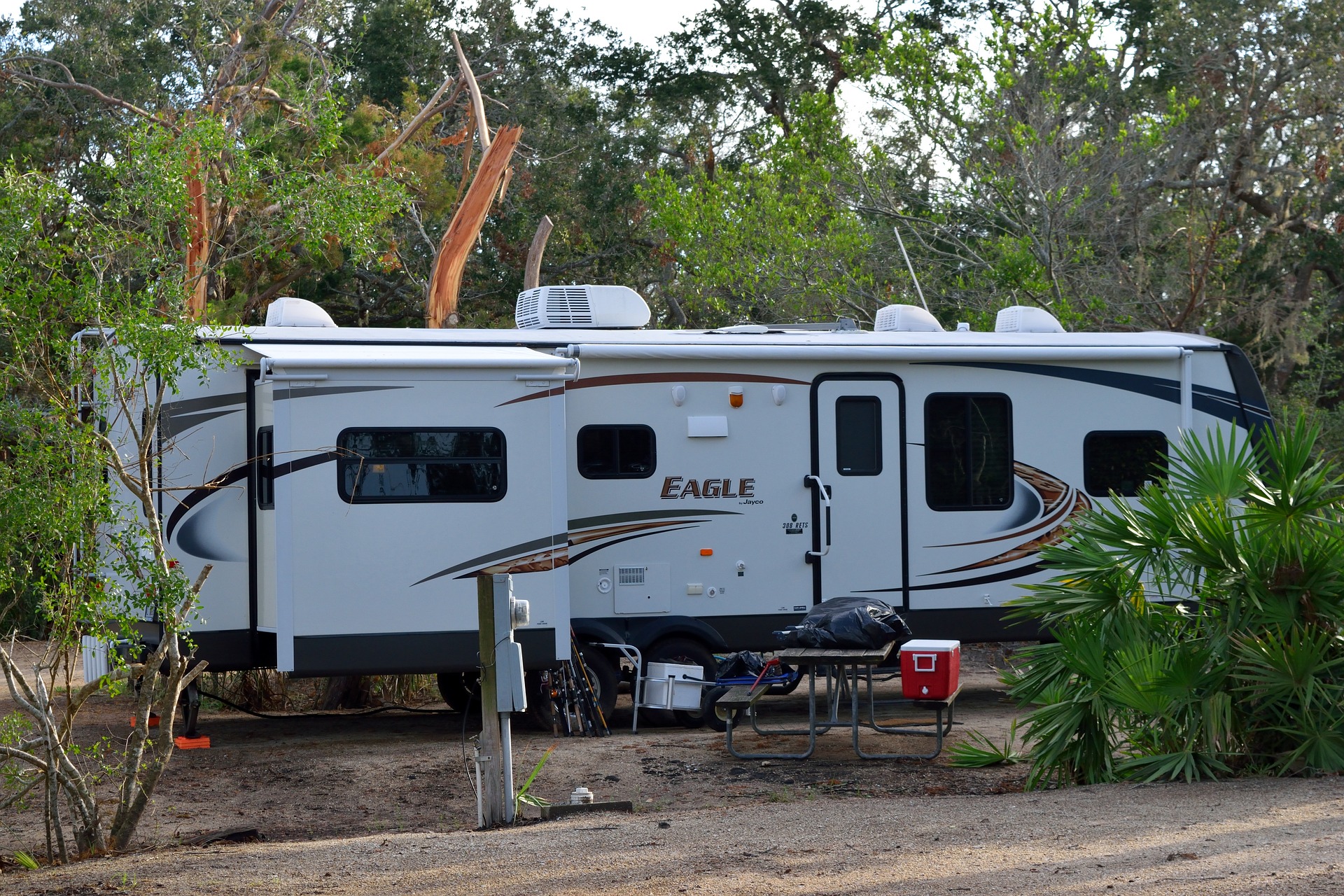
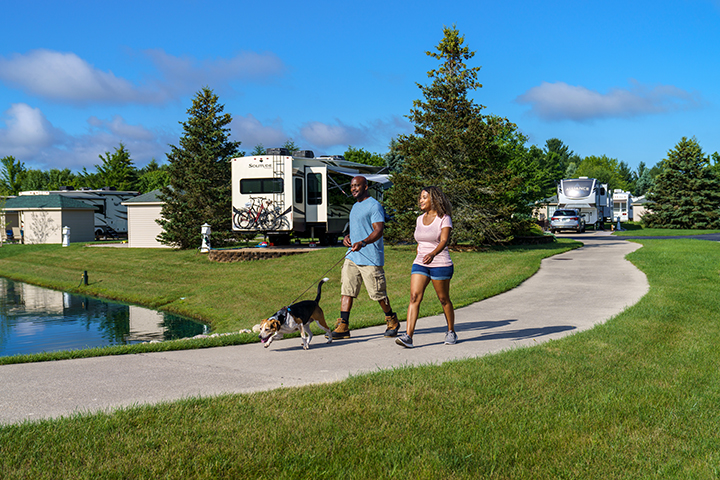
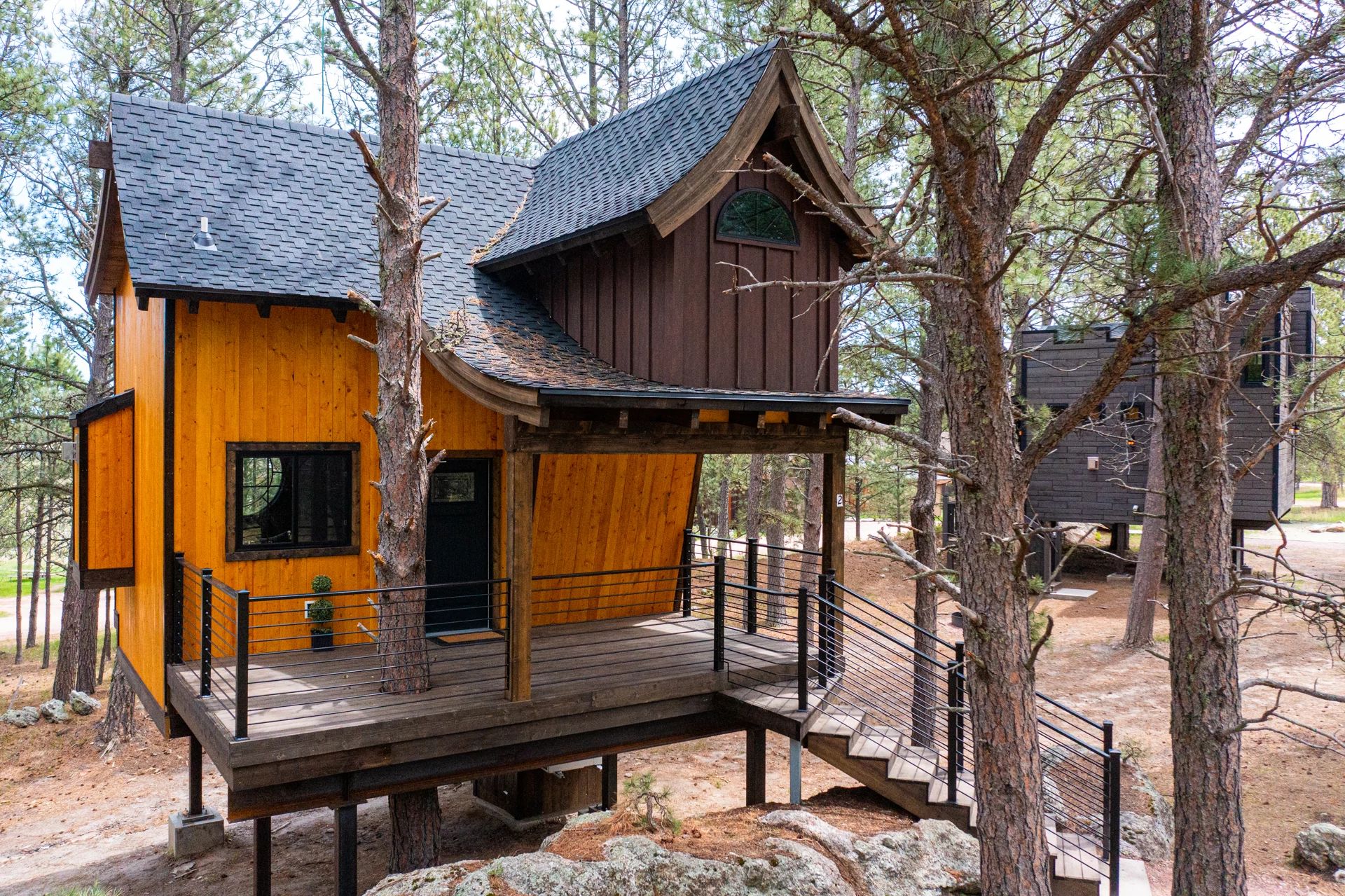

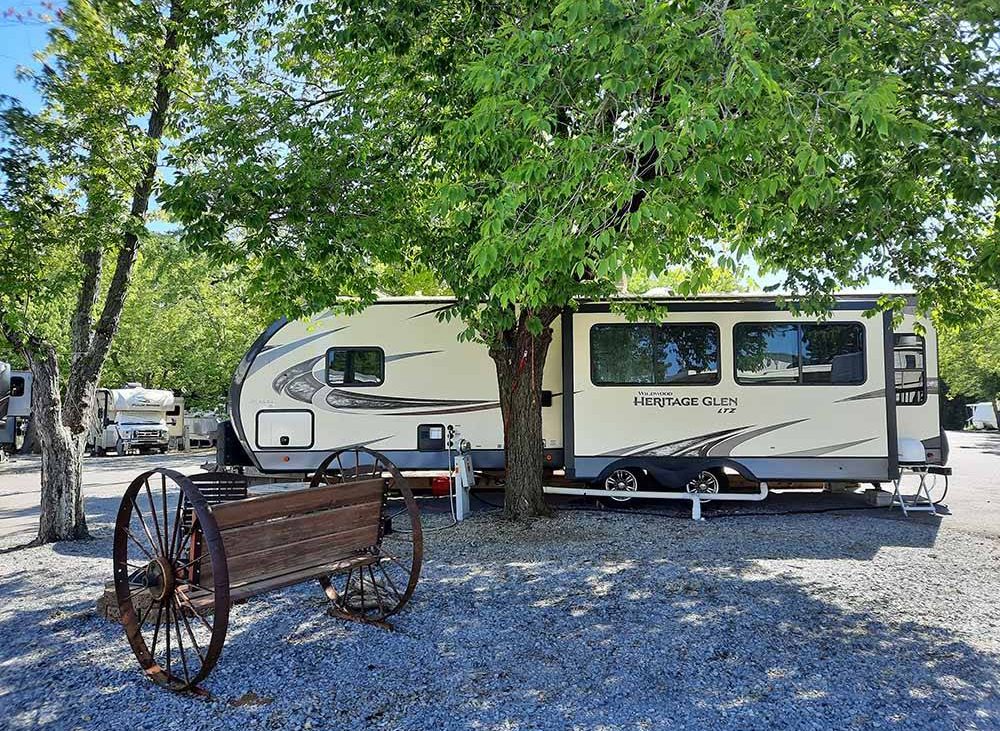
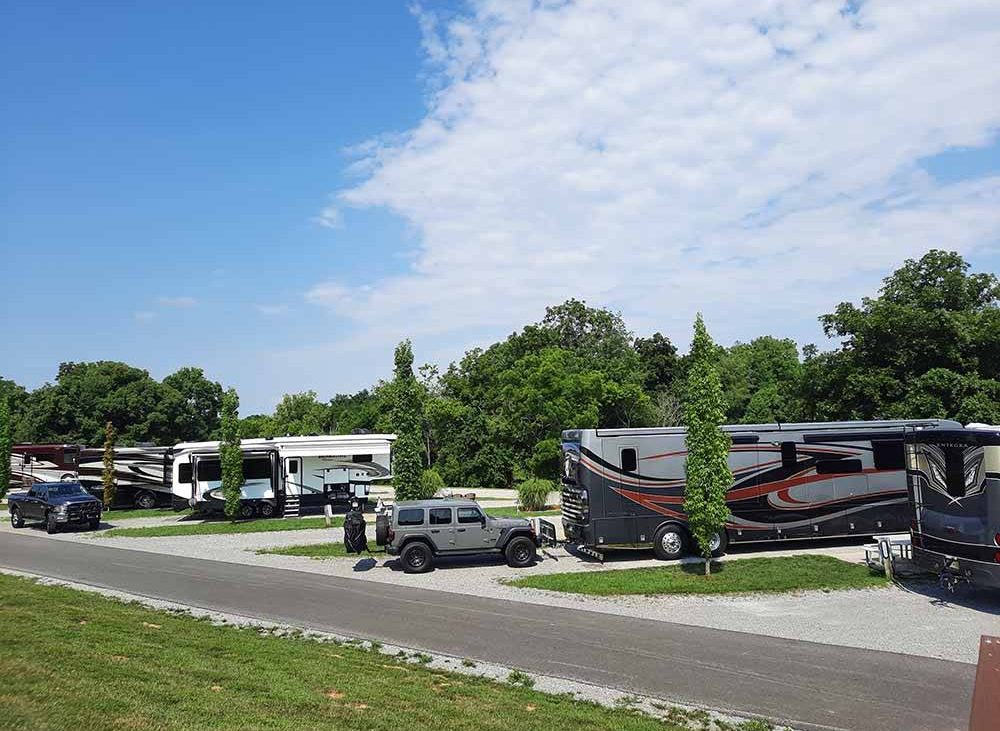
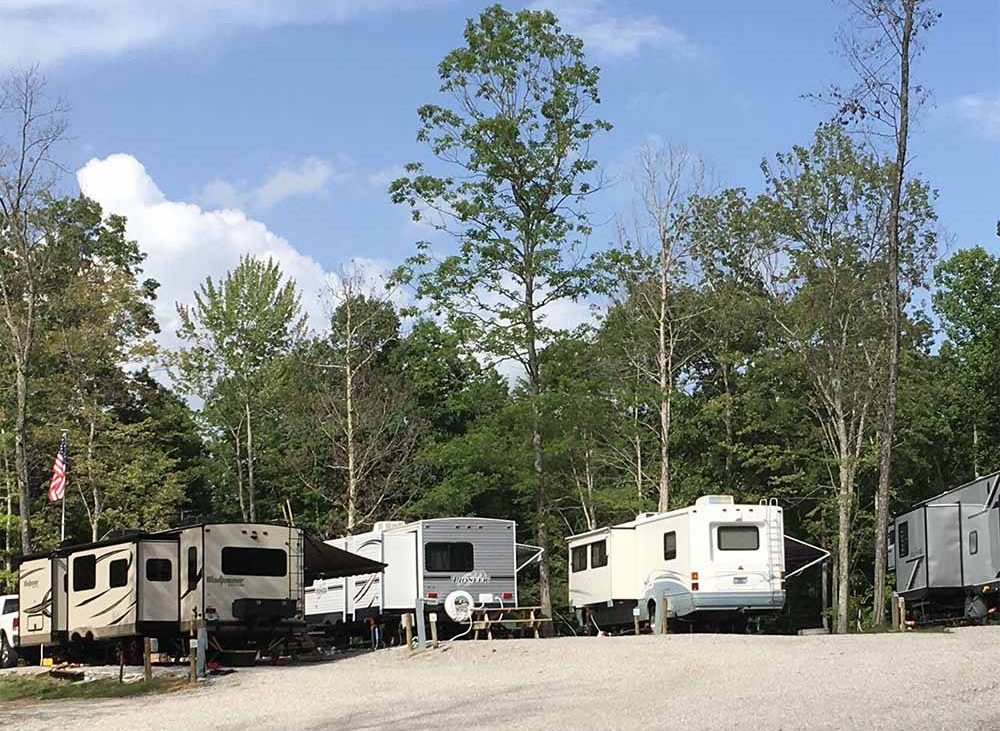
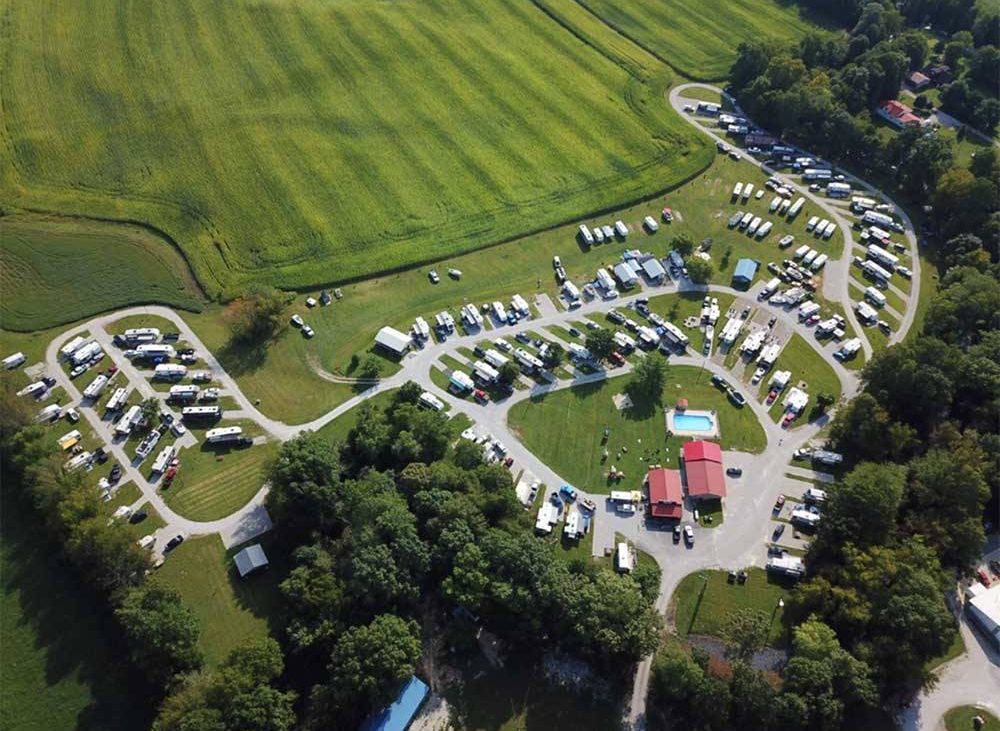
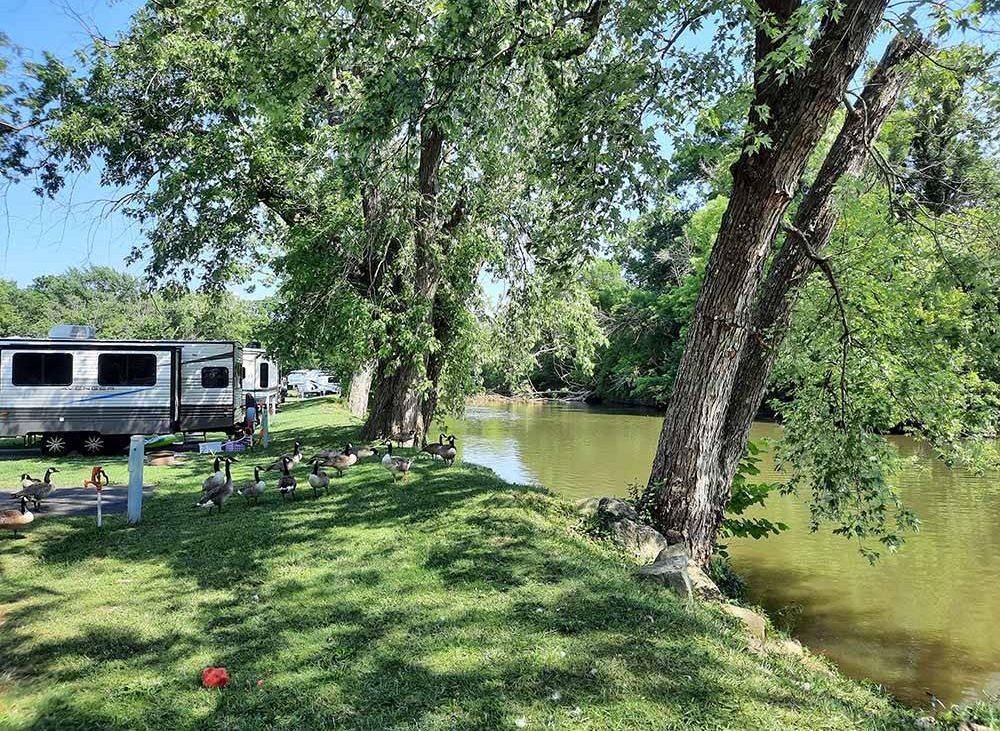
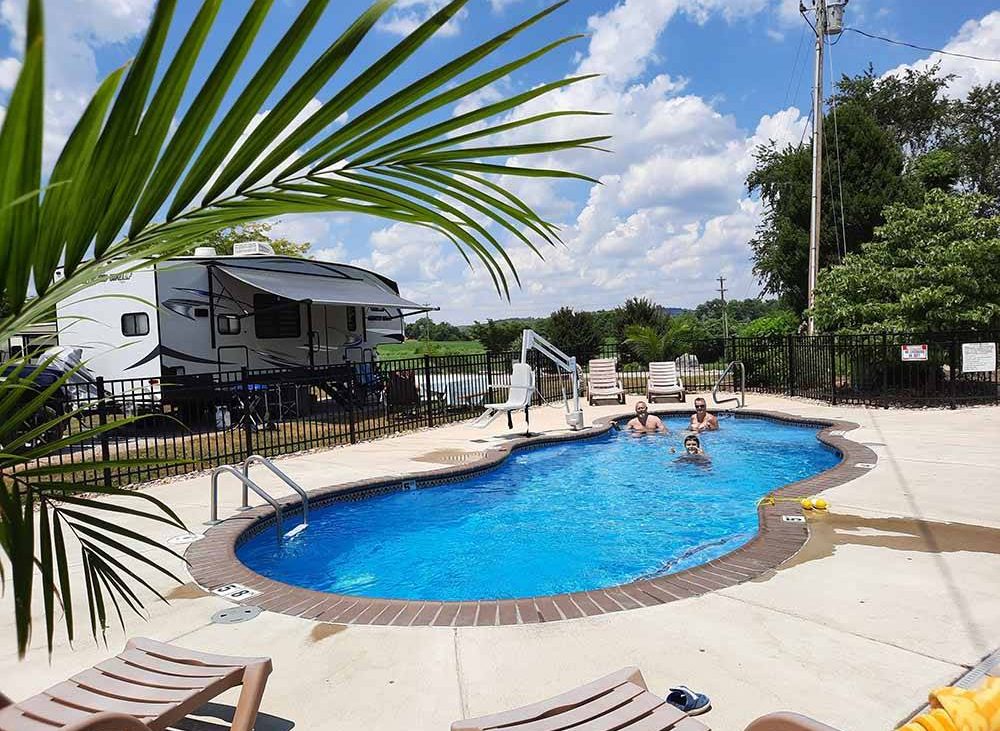
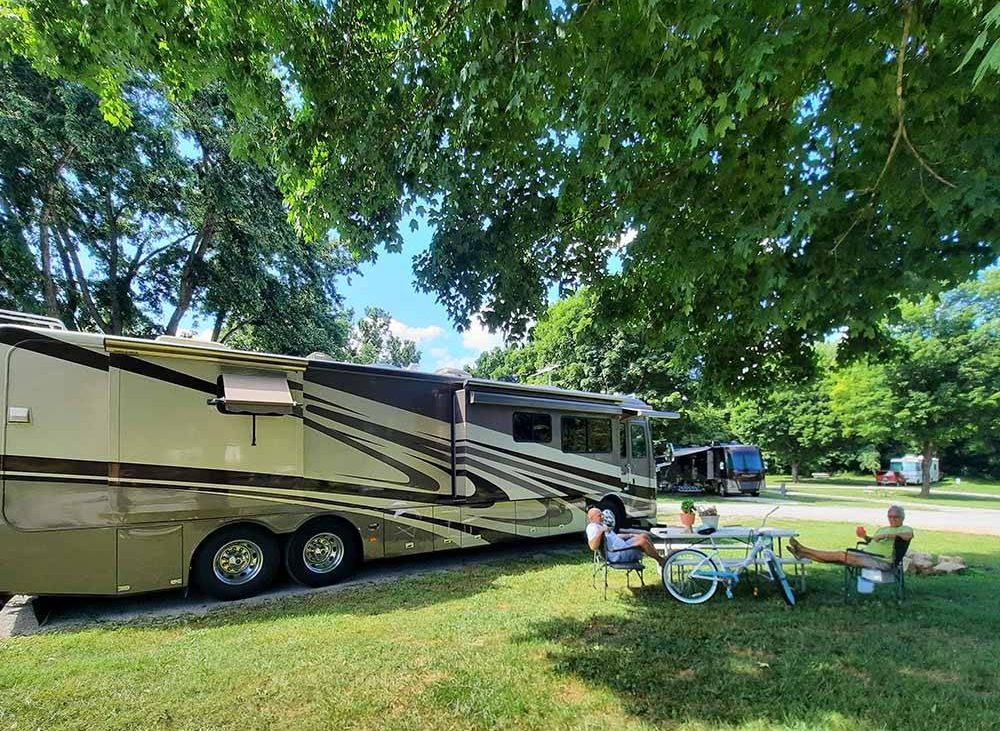



 Take a trip into the heartland to experience a Mac & Cheese smorgasbord, an iconic race, and a gathering of Airstream trailers. You won’t find these kinds of wholesome celebrations anywhere else.