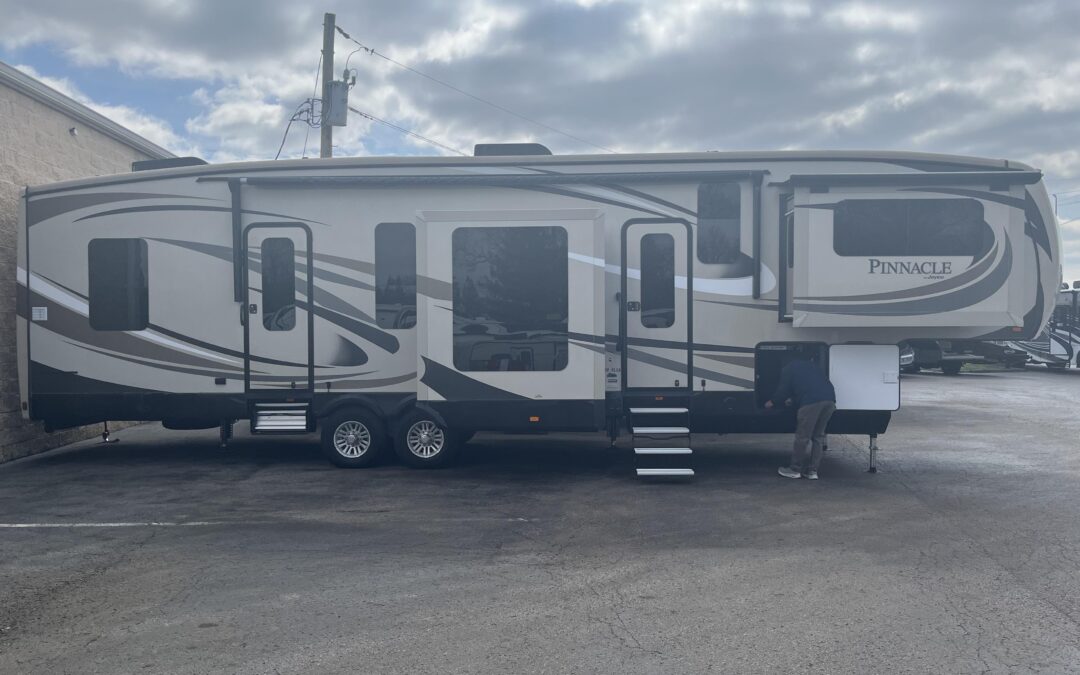
Tank sensors will fail you. But, if she’s brand new, then not until they teach you how long you can go before filling up/dumping. You’ll get an idea of when your black and grey get full and what your usage is like during that. When the sensors fail, let em be. No use in fixing something that won’t stay fixed for long.
Slow is smooth, smooth is fast. Don’t drive too fast, and keep safety (yours and others) at the top of your priorities. Keep tires inflated. Inspect rig and tow vehical (TV) before and after every travel and again at gas fill ups.
Be respectful of other people camping. Don’t walk though other’s campsites and keep noise levels respectful. If you have dogs, clean up after them. Don’t let poop accumulate in your site.
Don’t ever leave the black tank open and ensure there’s a good 5-10 gallons of water in it before you use it. No water = solids building up and creating blockages. Grey tank can be left open if at a campsite with sewer, but flies are known to crawl up into your tanks to lay eggs. They’ll come out of your sinks and shower drains and you’ll have a bad time. Others may disagree, but I think having to dump your grey tank once or twice a week is far easier than the alternative.
Wash your TV and rig. Helps keep it nice and keeps seals from degrading.
Inspect the rig often for leaks. If using your water pump and fresh water tank, listen for the pump turning on occasionally while not in use. If it is, it’s bringing the line back up to pressure because it’s losing pressure somewhere. That somewhere may be hidden, so know the ins and outs of your rig’s plumbing.
Research all you can about how your 12v battery works and how your 120v shore power works. Know the differences and decide if upgrading your battery and using solar, or buying generator may be for you. If you want to take it off grid a lot, then this may be an option.
Please try to recycle. It can become difficult, but having a dedicated recycling receptical in your rig really helps make it happen. A lot of quality campgrounds have recycling. This lifestyle can be wasteful with paper plates and napkins and cups etc. A lot of FTs live this way, when it’s not much harder to just wash your dishes. Even when boondocking you can keep disposable items to a minimum.
On that same token, leave no trace. If you go out to the wild, clean up your trash, don’t dump chemicals like soap, and be responsible for your surrounding. Buy biodegradable soap like Campsuds if you’re going to dump your grey water in nature. And by dump, I mean, if you’re going to shower outside (which is so much fun) and do dishes outside, then use something that breaks down in the soil.
Your oven will probably suck FYI
Cooking in the rv can make the rv smell like food and coat it with oil. Be prepared for this and do what you can to mitigate oil buildup. Open windows when cooking for oxygen replenishment and to keep smells from sticking too much.
Air purifiers are amazing. We use two and the pre-filters have to be changed every month. They collect so much dust. Living in a tiny space can lead to a lot of dust and poor air quality. Especially with pets.
Do what you can to mitigate moisture buildup. Cold walls will suck moisture out of the air and condensate it inside the walls and create mold. The bed can get mold underneath it from body moisture. The bathroom, the kitchen, and the windows all are mold havens. The windows especially will condensate on nights under 50F. Keeping windows slightly cracked and running a space heater (when on shore power) can help keep moisture at bay. Instead of condensing, out the window it goes. This will be most apparent on your bedroom windows and possible kitchen when cooking in the evening or at night.
Last one I have is to get handy. Use YouTube and this sub. People will help you. You can avoid costly repairs and having to stay in a hotel if you can fix everything yourself. These boxes are super simple when you dive into them and most anything can be repaired by the average person.
That’s all I have for now! Good luck and have fun!
You need a bigger truck
Get a 1 ton diesel dually to pull it
If you have a partner, get walkie talkies to maneuver it into sites. If you do not have a partner, invest in many backup cameras and lean toward pull through sites.
Internet is tricky if you are travelling. Budget having several carriers.
Check lists from Changing Lanes. Modify to suit your needs.
Watch every maintenance video by them, too.
If you can, take the one week basic course at NRVTA in Athens, Texas. They have an RV Park you can stay at while you take the course. Reserve site when you sign up for the course.
Do not leave tank valves open. You need water in black tank to flush out the muck, and you need gray water to flush the pipe after the black water.
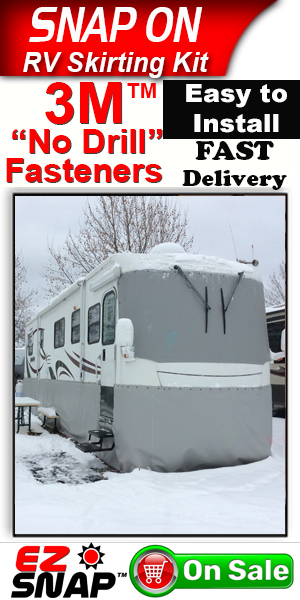
If you cannot travel to escape winter, then you will need to research how to manage through a winter. That rig will be fine below freezing and above 0F, but your hoses will not, and you will be more comfortable with skirting and a space heater under the rig.
My only tip would be to get a square pizza stone put on your oven rack when cooking. (We never take ours out) It will help radiate the heat better, and you will get a more even cook on your food and less burned bottom stuff! Happy RV living!
Congratulations! We just published a workshop about how to survive rv life as a couple. So many lessons we learned about navigating life in an rv, but also the day to day stuff, communication and more importantly finding your new rhythm. I’d love to gift you a copy for free if you’re interested!
Stay on your toes for mice! Also if it’s cold where you’re gonna be living go to Home Depot and get the styrofoam insulation and line the perimeter of your trailer with it(I was told to use HVAC tape but if you do it with gorilla tape then cover it with the HVAC it works nicely)so you can have an air pocket under the trailer like a crawl space. If you’re gonna be parked for a period of time a larger size propane tank is a must. It’s a lot easier and half the price of filling the stock tanks. Biggest thing I’ve learned from living in a camper for a couple years is be prepared for things to break or go out, not saying it will happen but it’s something to keep in mind.
Buy as needed. Not what you think you need. Take it slow. And accept some days will be terrible and have stuff break
Source: First time RVer. Just bought this to live FT. Advice?